7 Tropical Plants That Actually Thrive In Arizona Heat With The Right Setup
Desert heat in Arizona pushes plants to their limit faster than most people expect, yet some still manage to look full, lush, and surprisingly vibrant. That tropical look feels out of place at first, but with the right setup, it starts to make sense in this climate.
Strong sun, dry air, and long stretches without rain usually make soft, leafy plants struggle. Still, a few types respond differently when placed and cared for the right way.
Growth stays steady, color holds, and that bold look does not fade once temperatures rise.
Getting this right is less about fighting the environment and more about working with it. Small choices can shift how these plants handle heat and how the whole yard comes together.
Once everything lines up, the result feels unexpected in the best way, especially for a place known for extreme conditions.
1. Bougainvillea Thrives In Full Sun
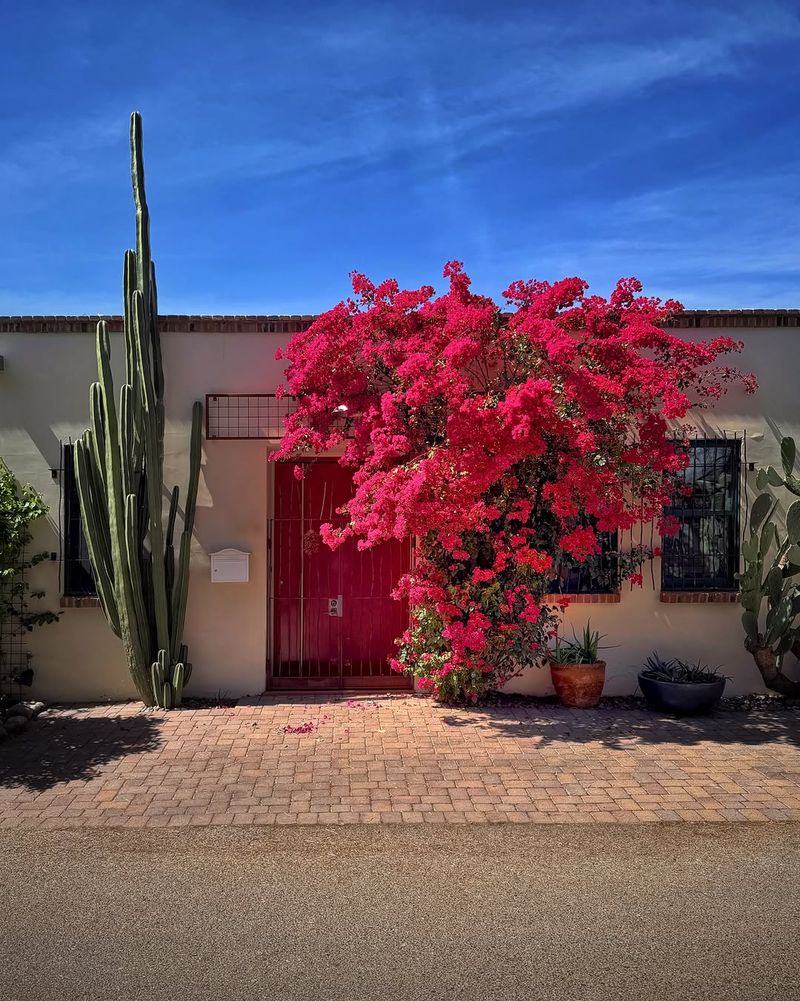
Few plants put on a show quite like bougainvillea does in an Arizona yard. Those vivid papery bracts in shades of hot pink, deep magenta, and fiery orange are hard to miss, and the plant genuinely seems to enjoy the relentless desert sun.
While many plants struggle once temperatures climb past 100 degrees, bougainvillea keeps right on blooming.
Planting it against a south or west-facing wall in the Phoenix or Tucson area gives it the reflected heat it loves. Sandy, well-draining soil is a must.
Soggy roots are the main thing that causes problems, so avoid overwatering and skip the heavy clay spots in your yard. A deep soak every week or two during summer is usually enough for a plant that has been in the ground for at least a full season.
Pruning matters more than most people realize. Cutting it back after each bloom cycle encourages a fresh round of color.
Without regular trimming, bougainvillea can get woody and sparse. Wear thick gloves because those thorns are no joke.
Fertilizing with a low-nitrogen formula a few times a year helps push more blooms rather than excess leafy growth. Young plants need a little extra water during their first summer while they settle in.
After that, bougainvillea becomes one of the most reliable flowering plants you can grow in Arizona, rewarding patience with waves of brilliant color from spring through fall.
Cold sensitivity is the main limitation, as frost can damage top growth, though roots often recover in warmer parts of Arizona.
2. Plumeria Handles Heat With Regular Water
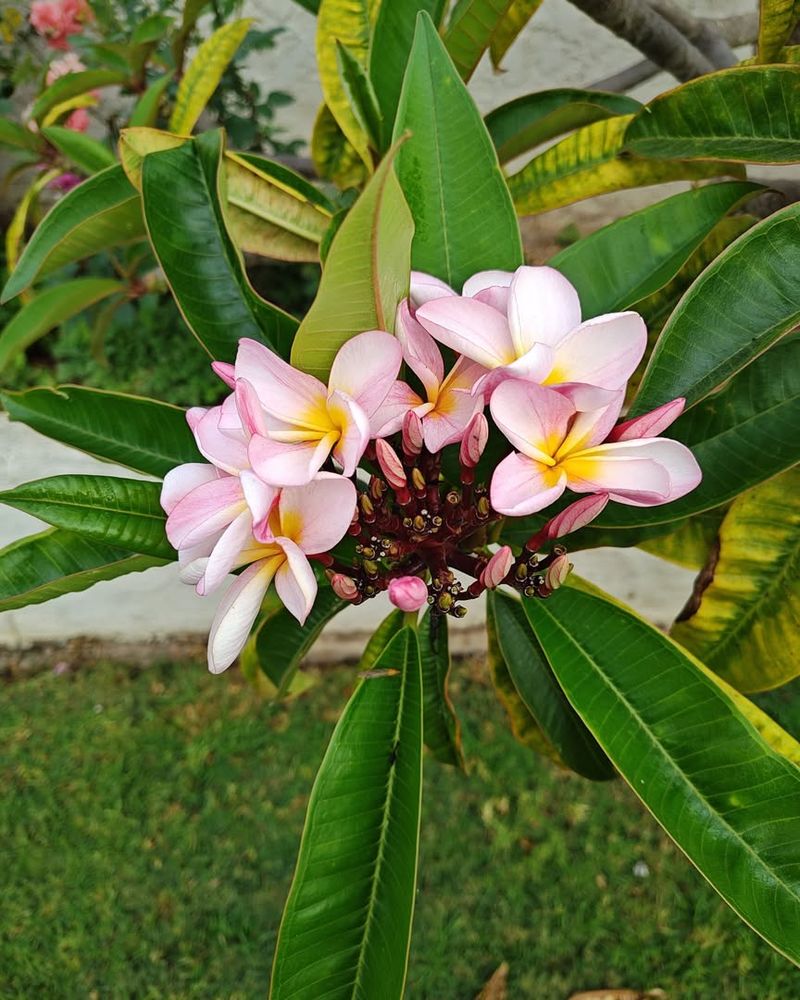
Plumeria is the plant that makes people stop and ask what it is. Those thick, waxy branches and clusters of fragrant flowers look like something straight off a Hawaiian postcard, yet plumeria handles Arizona summers better than you might expect.
Heat is not the problem. What plumeria actually needs is consistent moisture during its active growing season.
From late spring through early fall, water your plumeria deeply about twice a week. The soil should dry out somewhat between waterings, but never completely bone dry for extended stretches.
A pot or raised bed with excellent drainage keeps roots healthy. In the ground, amend heavy soil with sand or perlite before planting to prevent waterlogging after monsoon rains hit.
Your Arizona Garden Changes Every Week. Your Plan Should Too.
Gardening in Arizona changes quickly throughout the season. Every Friday you’ll receive a simple weekly plan showing exactly what to plant, prune, fertilize, harvest, and protect so you never miss the right timing.
Full sun is non-negotiable for good flowering. A spot that gets at least six hours of direct sun daily in the Scottsdale or Mesa area will keep your plumeria happy and blooming.
Afternoon shade during the absolute peak of summer, roughly July and August, can reduce stress on the leaves without sacrificing too many blooms.
Plumeria goes fully dormant in winter and drops its leaves, which can alarm new growers. Stop watering almost entirely once temperatures drop and leaves fall.
Resume watering gradually in spring when new growth tips appear. Feed with a high-phosphorus fertilizer during the growing season to encourage more flower clusters.
With the right watering rhythm, plumeria can bloom reliably every summer in Arizona for years.
Protecting it from temperatures below about 40 degrees Fahrenheit is important, as cold damage can severely stress the plant and slow its recovery.
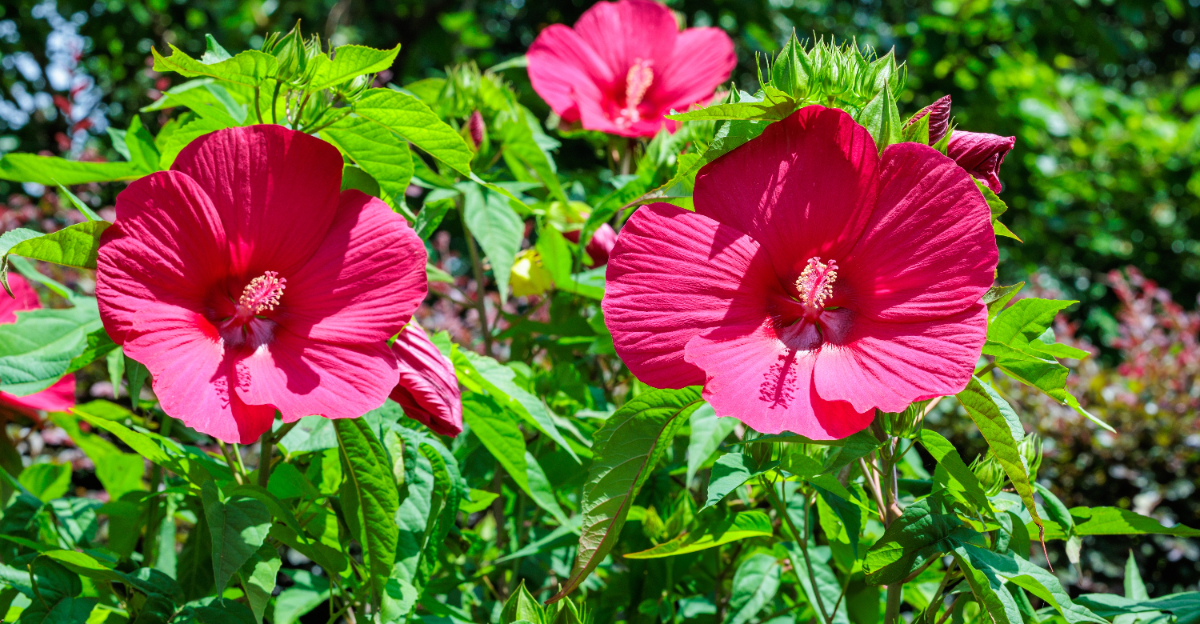
3. Hibiscus Needs Shade And Extra Water
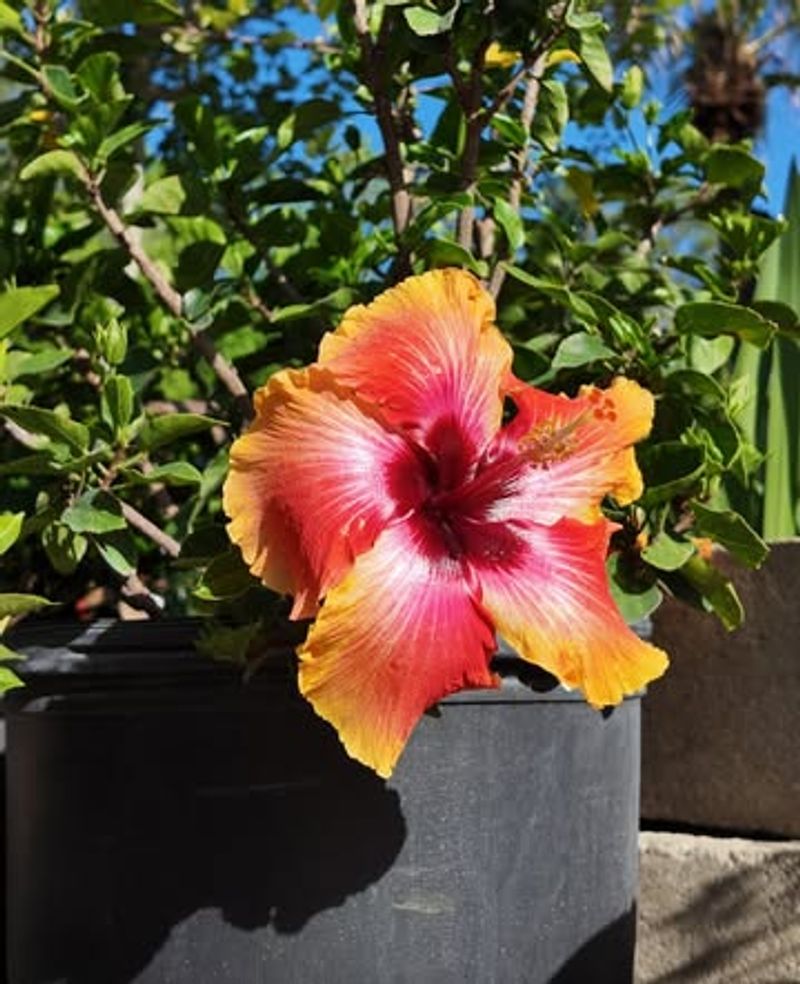
Tropical hibiscus and Arizona heat have a complicated relationship. The plant loves warmth but genuinely struggles when afternoon temperatures push past 105 degrees for days on end.
Getting hibiscus to thrive here means being strategic about placement and water, not just sticking it in a sunny corner and hoping for the best.
East-facing spots work really well in the Phoenix metro area. Morning sun gives hibiscus the light it needs for strong flowering, while the shade it gets from noon onward protects the leaves and blooms from scorching.
A shade cloth during the worst heat weeks of late June and July can make a visible difference in how the plant holds up.
Water is where most people fall short with hibiscus in Arizona. During peak summer, this plant may need watering every single day in a container, or every other day in the ground.
Wilting leaves by midday are a sign the plant needs more water, not more sun. Mulch heavily around the base to slow moisture loss from the soil.
Feed hibiscus regularly with a balanced fertilizer that includes micronutrients like iron and magnesium, which Arizona soils often lack. Yellow leaves with green veins usually point to an iron deficiency, which is common in our alkaline desert soil.
A dose of chelated iron fixes this quickly. With consistent watering, smart placement, and regular feeding, tropical hibiscus can produce stunning blooms throughout the warm months in Arizona.
Wind protection also helps a lot, since hot, dry desert winds can quickly stress the plant and cause buds to drop before opening.
4. Bird Of Paradise Needs Protection From Harsh Sun
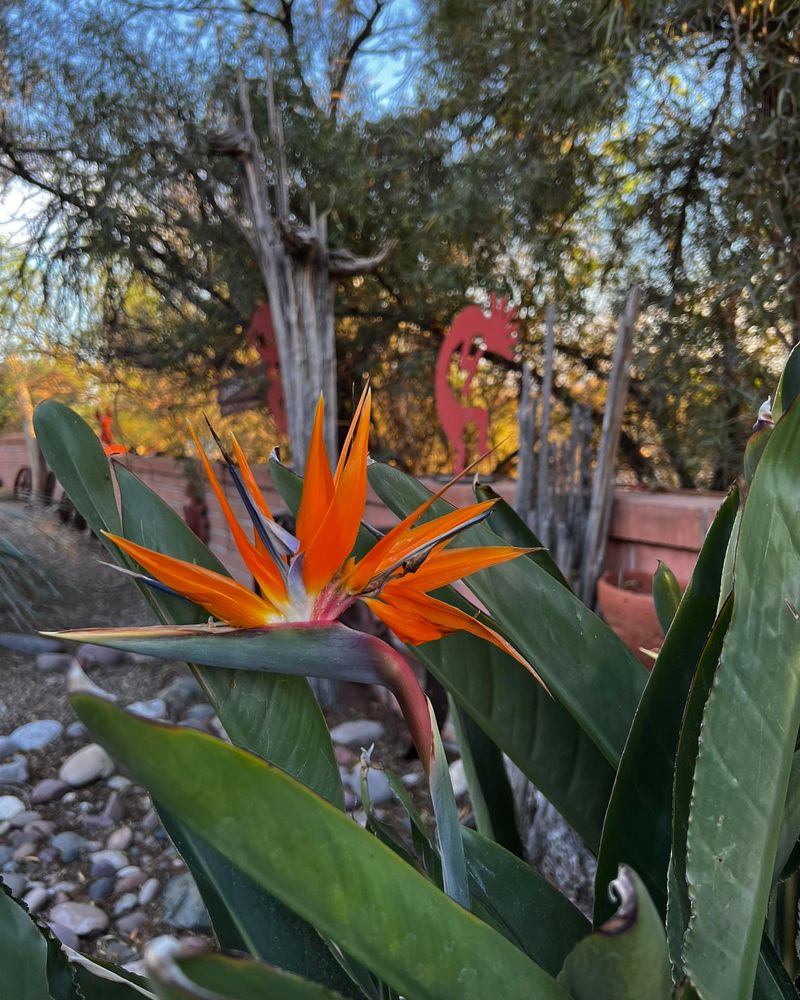
Bird of paradise has one of the most dramatic flowers in the plant world, that bold orange and blue bloom that looks almost too exotic to be real. Growing it in Arizona is absolutely doable, but the idea that it wants full blasting desert sun all day is a misconception that leads to a lot of frustrated gardeners.
In coastal California, full sun is fine. In Arizona, especially in the low desert valleys around Phoenix and Tucson, direct afternoon sun during summer can bleach the leaves and stress the plant enough to stop flowering entirely.
A location with morning sun and filtered or partial shade from about 1 p.m. onward tends to produce the healthiest plants.
Watering needs to be consistent but not excessive. Bird of paradise does not want to sit in wet soil, but it also cannot go weeks without water during the summer.
A deep watering two to three times per week during hot months keeps the soil from drying out completely. Using a layer of organic mulch around the base helps hold moisture longer between waterings.
Cold snaps are actually a bigger concern than heat for many Arizona gardeners. Bird of paradise can handle brief dips into the upper 20s, but prolonged cold causes real damage.
In northern Arizona cities like Flagstaff, container growing is a smarter option so the plant can be moved indoors during winter. Down in the low desert, it typically comes through winter without much trouble as long as it is planted in a sheltered spot.
Good drainage is essential, as compacted or waterlogged soil can quickly lead to root stress and poor overall growth.
5. Elephant Ear Needs Constant Moisture
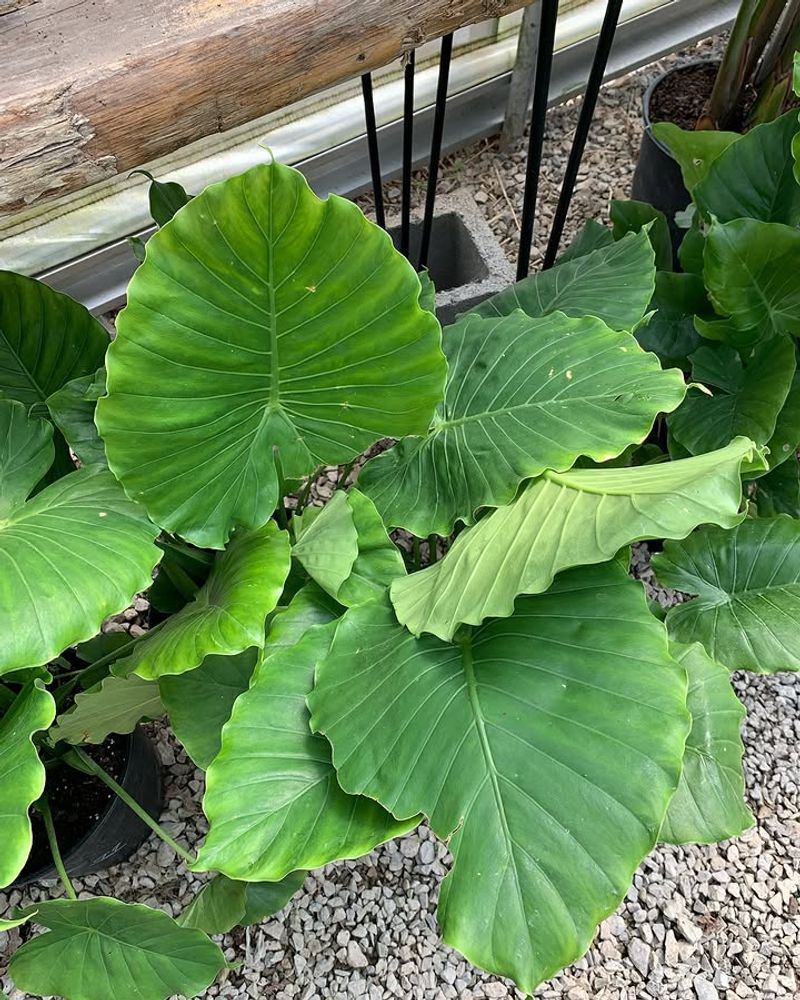
Elephant ear is one of those plants that looks completely out of place in the desert, and that is exactly why people love growing it in Arizona yards. Those oversized, dramatic leaves bring an instant jungle feel that no cactus or agave can replicate.
The catch is that elephant ear is genuinely thirsty, and keeping up with its water needs in Arizona takes real commitment.
Planting it in a spot that naturally stays a bit cooler and moister helps a lot. North-facing beds, areas near a water feature, or spots that receive shade from a large tree or structure during the afternoon are solid choices.
Elephant ear planted in full Arizona sun without shade will struggle to keep its leaves looking good, no matter how much water you give it.
Watering every day during summer is not unusual for elephant ear in the low desert. The soil should stay consistently moist but never waterlogged.
Container growing works well because you can move the plant to a shadier spot during the hottest stretches of July and August. Use a large pot with good drainage holes and a rich, moisture-retaining potting mix.
Fertilize every two to three weeks during the growing season with a balanced liquid fertilizer. Elephant ear is a heavy feeder and responds noticeably to regular nutrients with larger, more vibrant leaves.
In winter, the plant goes dormant and the above-ground growth collapses. Leave the bulb in the ground in the low desert, and new growth typically returns in spring when soil temperatures warm back up.
6. Canna Lily Grows Well With Regular Water
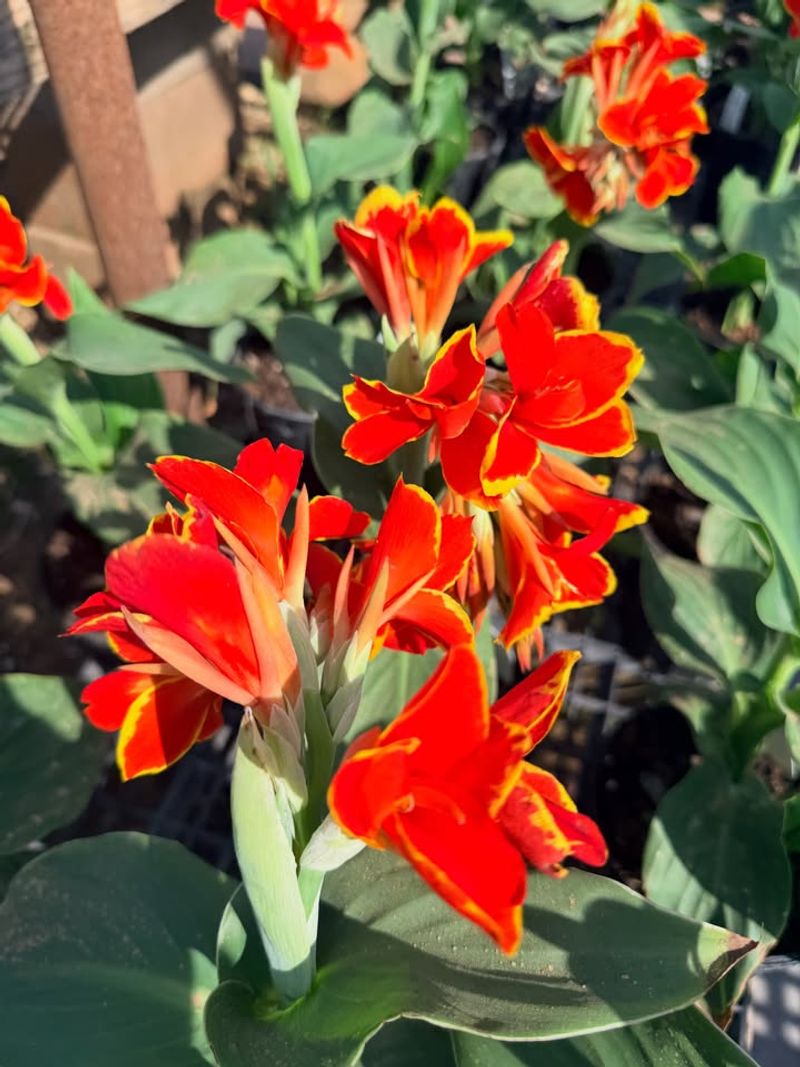
Canna lily is one of the most underrated tropical plants for Arizona gardeners. Bold, upright, and covered in flowers that range from deep red to bright yellow and orange, canna brings serious color to a yard without requiring the constant babysitting that some other tropicals demand.
It handles the heat remarkably well as long as water is not an afterthought.
Plant canna rhizomes in a spot that gets full sun or very light afternoon shade. In Tucson and the Phoenix valley, full sun works fine as long as irrigation is consistent.
A drip system set to water deeply three to four times per week during summer keeps the soil from drying out too fast. Skipping water for even a few days during a heat wave can cause the leaves to scorch at the edges.
Soil quality makes a difference with canna. Amending your native Arizona soil with compost before planting improves water retention and gives the rhizomes better conditions to spread.
Canna clumps expand season after season, so give each plant enough room to grow outward over time.
Deadheading spent flower stalks encourages the plant to push out new blooms rather than putting energy into seed production. Cut old stalks down to the base of the plant once flowering is finished.
In winter, canna typically goes dormant in most Arizona locations, with top growth fading back while the rhizomes stay protected underground and push out fresh growth each spring.
Dividing large clumps every two or three years keeps plants vigorous and productive.
Adding a thick layer of mulch helps keep the root zone cooler and slows moisture loss during extreme summer heat.
7. Mandevilla Needs Support And Protection
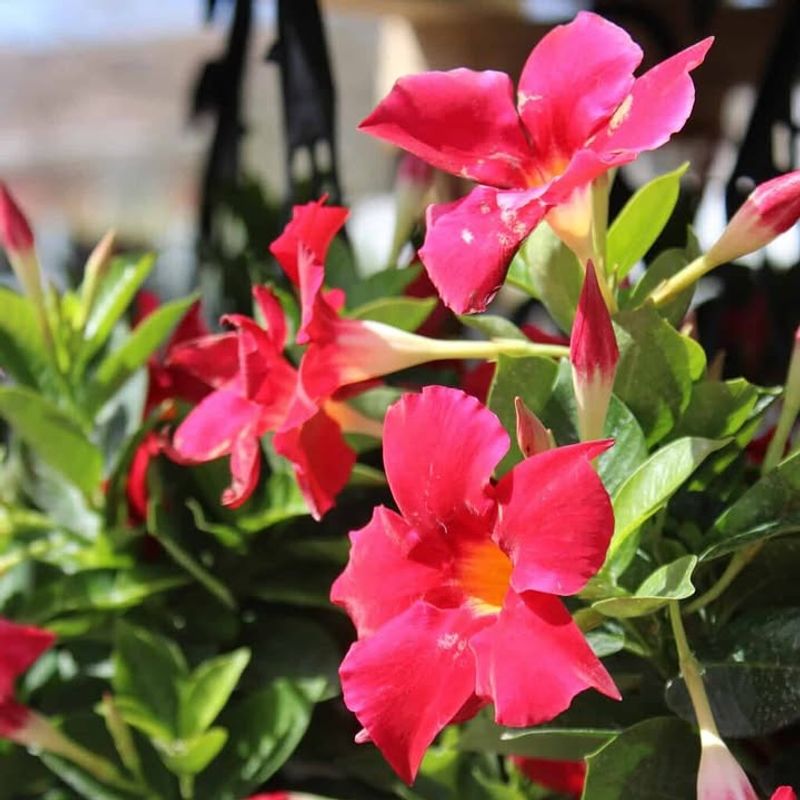
Mandevilla is a tropical vine that turns a plain patio wall or trellis into something genuinely beautiful. Those large, trumpet-shaped blooms in shades of pink, red, and white keep coming all summer long, and the glossy leaves stay attractive even between flowering cycles.
Growing mandevilla in Arizona is very possible, but it needs a little more attention than a plug-and-forget plant.
Support is the first thing to sort out before planting. Mandevilla is a climber and needs something to grab onto, a trellis, a wire frame, or a fence panel works well.
Attaching the young vines loosely to the support with soft garden ties helps train them in the right direction. Without something to climb, the plant flops around and looks messy.
Protection from extreme afternoon sun matters in the Arizona low desert. A spot that gets morning light and some afternoon shade, or a patio with a shade sail overhead, tends to produce the best results.
Too much direct afternoon exposure during July and August can cause flower buds to drop before they open, which is discouraging after putting in the effort to get the plant established.
Water consistently and avoid letting the soil dry out completely during summer. Mandevilla in a container needs water more frequently than one planted in the ground.
Feed every two weeks during the growing season with a bloom-boosting fertilizer. Mandevilla is frost-sensitive, so in areas of Arizona that see freezing temperatures, bring potted plants indoors or into a garage before the first cold night of the season.