How To Grow Healthy Rosemary In Arizona Containers
Heat hits fast in Arizona, and plants feel it long before people expect it. Rosemary often looks tough, yet containers change everything, especially once dry air and strong sun take over.
One day growth looks fine, and soon after leaves lose that rich color and shape. Small details make the difference between a plant that struggles and one that stays full, fragrant, and alive through rising temperatures.
Container rosemary has its own rhythm in desert conditions, and guessing rarely leads to good results. Soil dries differently, roots react faster, and placement matters more than most expect.
Many people try to fix problems after they show up, but by then stress has already settled in.
Healthy rosemary is not about luck or constant effort. Right setup from the start changes how the plant handles heat, water, and daily exposure, and that shift becomes easy to notice once everything begins to fall into place.
1. Use A Fast-Draining Soil Mix
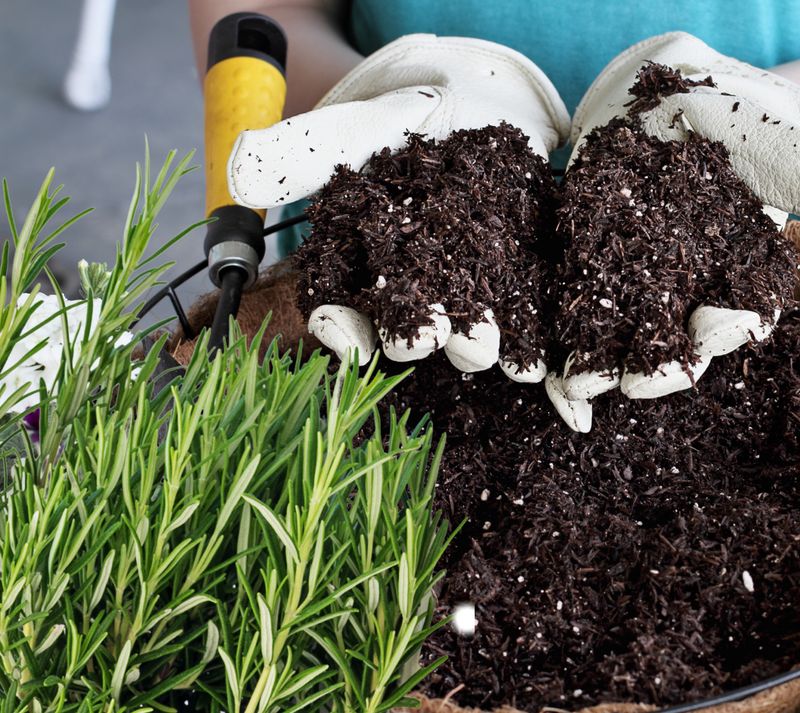
Soggy roots are the fastest way to lose a rosemary plant, and regular potting soil holds way too much moisture for Arizona containers. Rosemary comes from the Mediterranean, where soil is rocky, lean, and drains almost instantly after rain.
Replicating that in a pot is not complicated, but it does require mixing things up a bit.
A solid blend is about 70% quality potting mix combined with 30% horticultural sand or perlite. That ratio keeps moisture from sitting around the root zone too long, especially during Arizona’s monsoon season when humidity spikes unexpectedly.
Avoid garden soil entirely since it compacts inside containers and suffocates roots over time.
Some Arizona gardeners also add a small amount of coarse gravel or crushed granite to the bottom layer of the pot before adding soil. This is not required, but it adds an extra buffer for drainage.
What matters most is that water moves through the container quickly and does not pool at the base.
Avoid mixes labeled as moisture-retaining or water-conserving. Those are marketed for vegetables and flowers that need consistent moisture, not for drought-tolerant Mediterranean herbs.
Reading the label before buying saves a lot of trouble later.
2. Choose A Pot With Good Drainage Holes
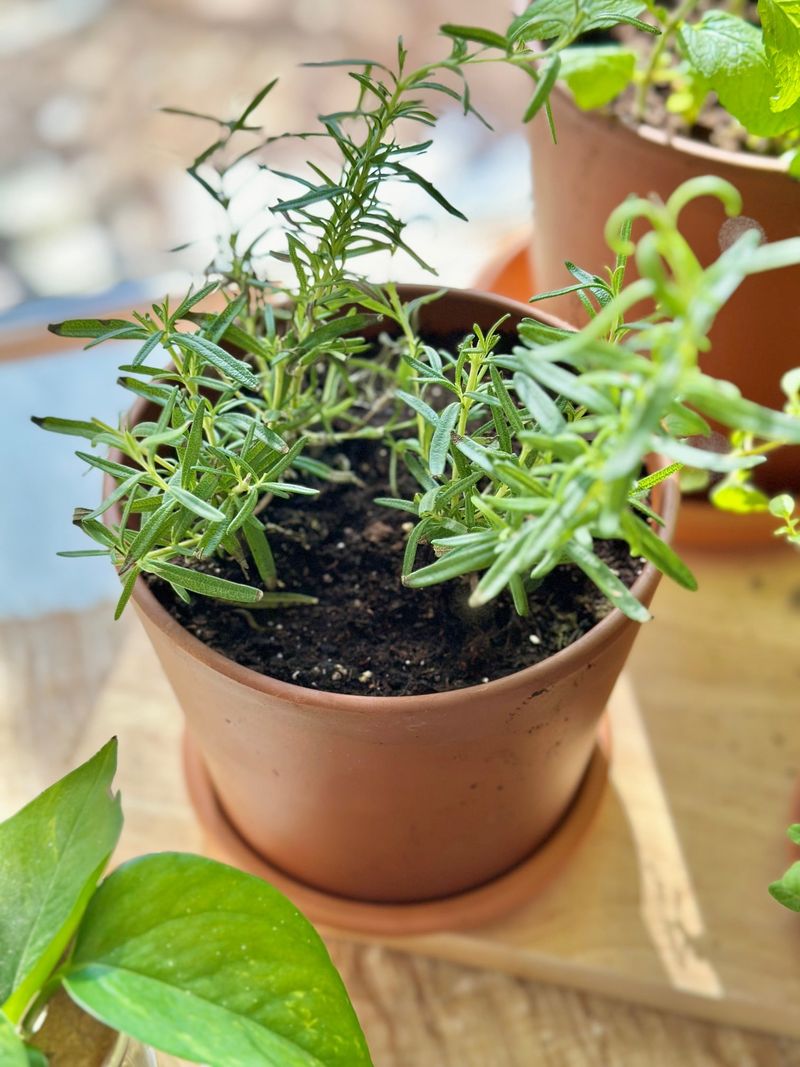
Not every pot sold at a garden center is actually ready to grow plants without a little modification. Some containers have drainage holes that are far too small, and others are sold as decorative pieces with no drainage at all.
Rosemary will not tolerate standing water, so the container you choose matters more than most people expect.
Terracotta and unglazed clay pots are worth the extra cost in Arizona. Their porous walls allow excess moisture to evaporate through the sides, which helps the root zone dry out faster between watering sessions.
Plastic pots hold moisture longer and can overheat in Arizona’s direct afternoon sun, sometimes cooking the roots from the outside in.
Aim for a pot that is at least 12 inches in diameter. Rosemary roots spread outward as the plant grows, and a cramped container stresses the plant and limits its ability to anchor itself properly.
Your Arizona Garden Changes Every Week. Your Plan Should Too.
Gardening in Arizona changes quickly throughout the season. Every Friday you’ll receive a simple weekly plan showing exactly what to plant, prune, fertilize, harvest, and protect so you never miss the right timing.
A wider pot also holds more soil, which buffers temperature swings slightly better than a small one.
Check the drainage holes before you buy. If a pot has only one small hole in the center, consider drilling additional holes or selecting a different container.
Placing the pot on pot feet or small risers keeps the drainage holes from sitting flat against a surface, which would block water flow.
3. Place In Full Sun But Avoid Reflected Heat
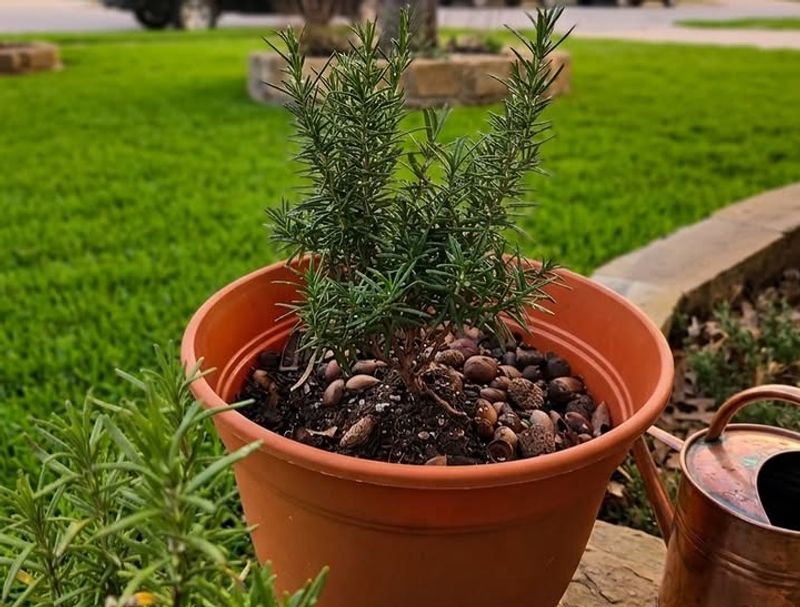
Rosemary needs sun, and in most parts of the country, more sun is always better. Arizona changes that equation a little.
Full sun is still the goal, but where that sun comes from during the day makes a significant difference in how the plant holds up through summer.
Morning sun is ideal. A spot that gets direct light from sunrise until early afternoon and then receives some shade during the hottest hours is about as good as it gets for container rosemary in Arizona.
That afternoon shade, even just a couple of hours of it, reduces heat stress without limiting photosynthesis in any meaningful way.
Reflected heat is a real problem on Arizona patios. Light bouncing off white stucco walls, concrete pavers, or metal fencing can push temperatures around the pot well above air temperature.
Rosemary grown next to a south-facing block wall in Phoenix during July is dealing with conditions hotter than most gardening guides account for. Moving the container even a few feet away from a reflective surface helps.
Watch the plant for signs of heat stress, which often shows up as browning at the tips of the needles rather than wilting. Wilting in rosemary usually signals a watering issue, but tip browning in summer is frequently a heat and airflow problem.
4. Water Deeply But Let Soil Dry Between
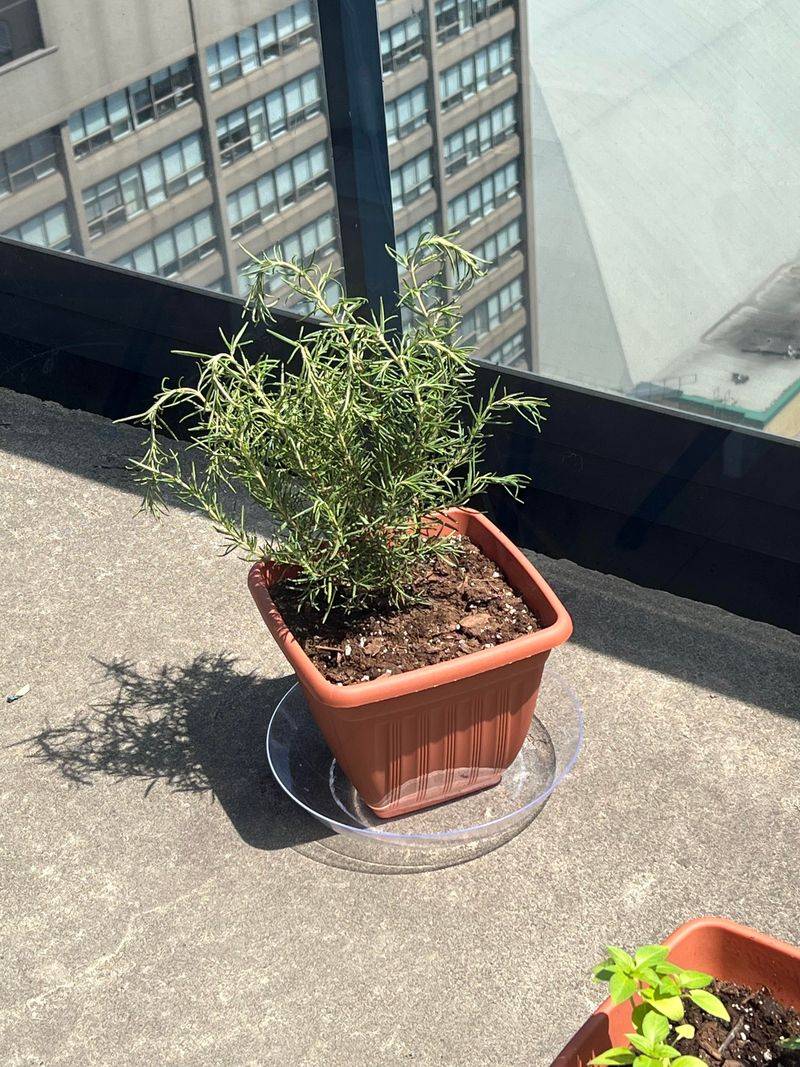
Watering rosemary in Arizona containers trips up a lot of people because the desert heat makes the soil surface look dry almost immediately, even when moisture is still sitting deeper in the pot.
Checking only the surface leads to overwatering, which is far more damaging than underwatering for this plant.
Push a finger about an inch or two into the soil before watering. If it feels dry at that depth, water thoroughly until you see water running freely out of the drainage holes.
That deep soak encourages roots to grow downward, which makes the plant more stable and better able to handle heat between watering sessions.
During Arizona’s summer, established container rosemary may need water every three to five days depending on pot size, sun exposure, and current temperatures. A small pot in full sun during a 110-degree Phoenix afternoon will dry out faster than a large pot in a partially shaded Tucson garden.
There is no universal schedule that works everywhere, so checking the soil manually beats following a calendar.
After a good rain during monsoon season, skip the next scheduled watering and check the soil first.
5. Avoid Overwatering To Prevent Root Issues
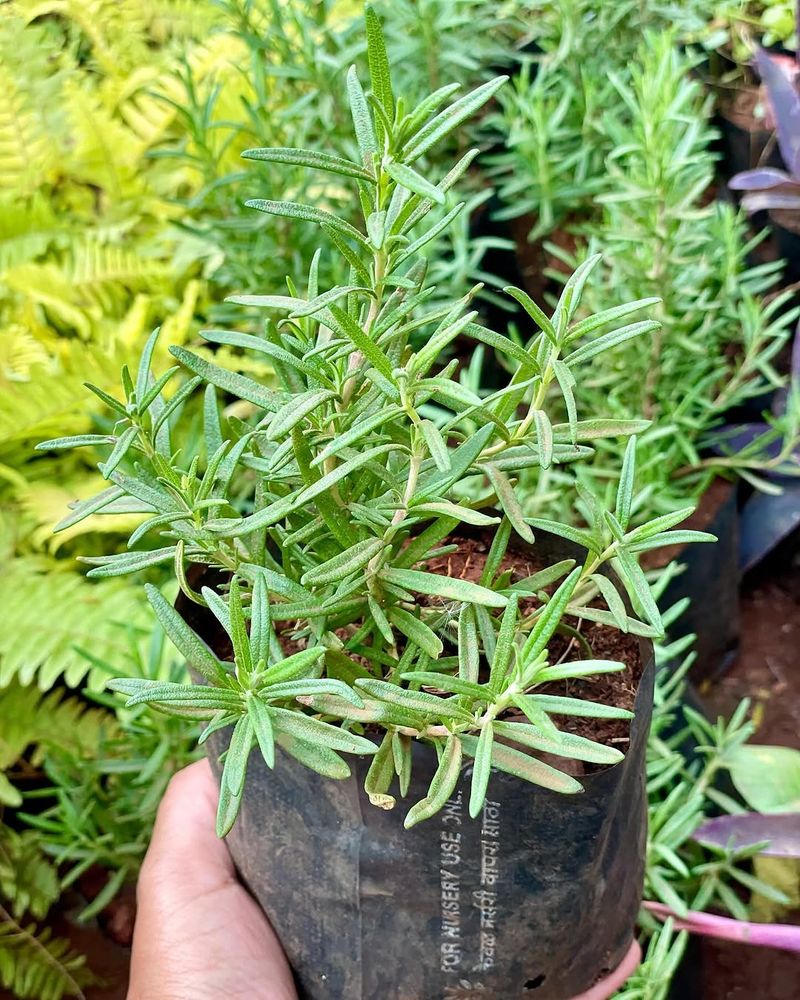
Root rot is quiet and fast. By the time a rosemary plant in Arizona starts showing obvious signs of trouble above the soil, the root damage below has usually been building for weeks.
Yellowing foliage, mushy stems near the base, and a sudden loss of that sharp rosemary scent are signals worth paying attention to immediately.
Overwatering in Arizona containers often happens during the monsoon season, when gardeners stick to their summer watering schedule even as rain adds moisture the pot does not need.
Cutting back on supplemental watering during monsoon months and relying on rainfall when it happens is a practical adjustment that many Arizona gardeners overlook in their first season.
Containers without adequate drainage make overwatering damage worse because there is nowhere for the excess water to go. Even with a good drainage hole, placing a saucer under the pot and letting water collect in it essentially cancels out the drainage.
Empty saucers after every watering session, or skip saucers entirely if the pot is in a location where runoff is not a problem.
Recovery from mild overwatering is possible if caught early. Stop watering, move the pot to a spot with better airflow, and let the soil dry out completely before watering again.
6. Prune Lightly To Keep Growth Full
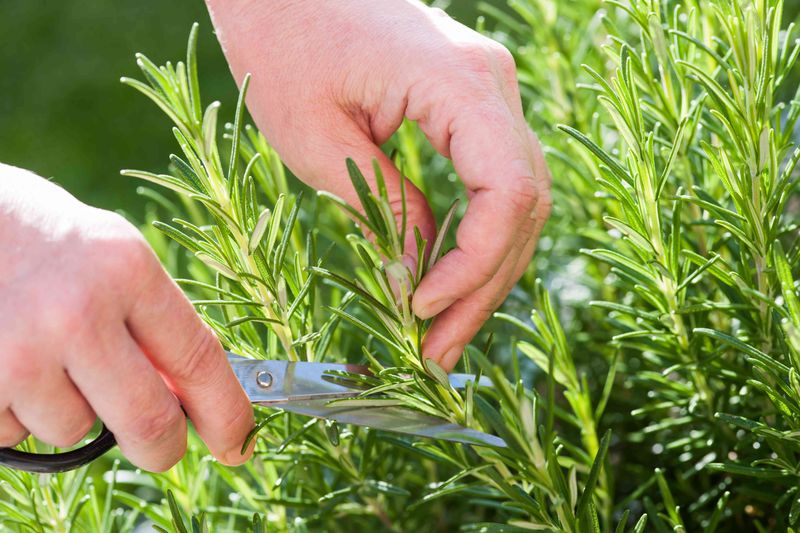
Rosemary left completely unpruned in a container tends to get leggy and woody at the base over time, with most of the green growth pushed to the tips of long, bare stems. A little trimming goes a long way toward keeping the plant dense and productive.
Pruning is best done in early spring before new growth flushes out, and again lightly after the plant finishes any flowering. In Arizona, a light trim in late February or March gives the plant time to push new growth before the heat of late spring arrives.
Avoid heavy pruning heading into summer, since the plant needs its foliage to manage heat and moisture loss.
Never cut back into the woody, brown portion of the stems. Rosemary does not reliably regrow from old wood the way some other shrubby herbs do.
Keeping cuts within the green, actively growing portion of each stem is safer and produces better results. Trimming off the top three to four inches of each stem encourages branching and creates that fuller, more rounded shape most people are going for.
Using clean, sharp scissors or small pruning shears makes a cleaner cut and reduces stress on the plant.
7. Protect From Cold During Winter
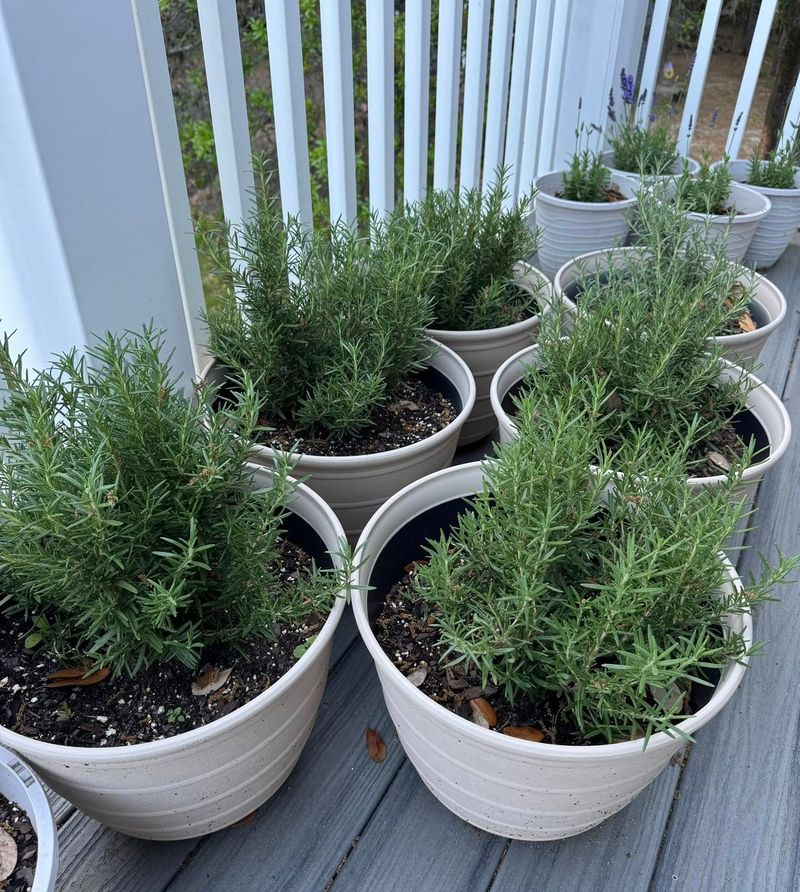
Arizona winters catch a lot of gardeners off guard. Tucson and Flagstaff see real freezes, and even the Phoenix valley dips below freezing on some nights between December and February.
Container plants are more vulnerable to cold than in-ground plants because their roots have no soil insulation around them, just the walls of a pot.
Moving rosemary containers to a sheltered spot when frost is in the forecast is the simplest fix. A covered patio, a spot against a south-facing wall, or just inside an open garage overnight can make enough of a difference to protect the plant without any extra equipment.
Frost cloth draped loosely over the container also works well for short cold snaps.
If you bring the pot indoors, put it near a south-facing window where it can still get a few hours of natural light each day. Rosemary does not go fully dormant in winter, so it still needs some light and occasional watering even when temperatures drop.
Reduce watering frequency compared to summer, but do not let the soil go completely bone dry for extended periods.