7 April Steps That Help Lavender Stay Full And Healthy In Georgia
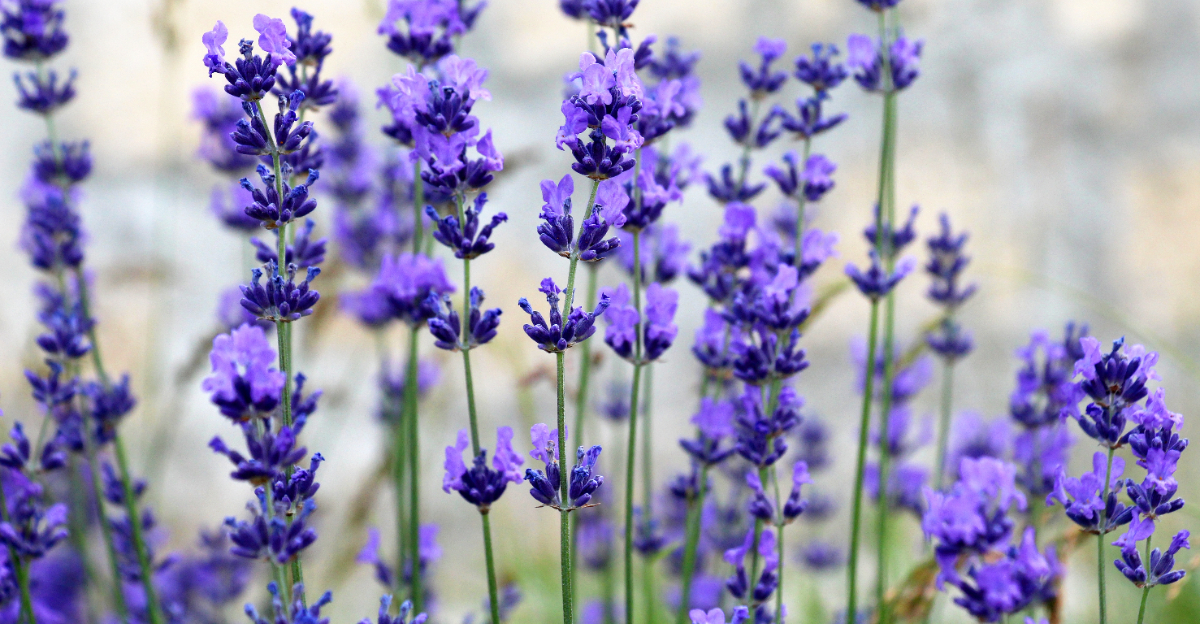
A lavender plant can look perfect early in the season, with soft growth and a neat shape that fits beautifully into a Georgia yard. It gives the impression that everything is set for the months ahead.
Then a quiet shift begins. The base turns a bit woody, gaps appear in places that once filled in easily, and the plant starts to lose that full, rounded look.
Changes like this do not happen all at once, which makes them easy to miss. One part of the plant still looks fresh, while another begins to thin out.
Care stays consistent, yet the results start to feel uneven.
April plays a bigger role than it seems. A few well timed steps can help lavender keep its shape and stay healthy before heat puts extra pressure on it.
1. Prune Lightly After Early Growth To Keep Plants Full
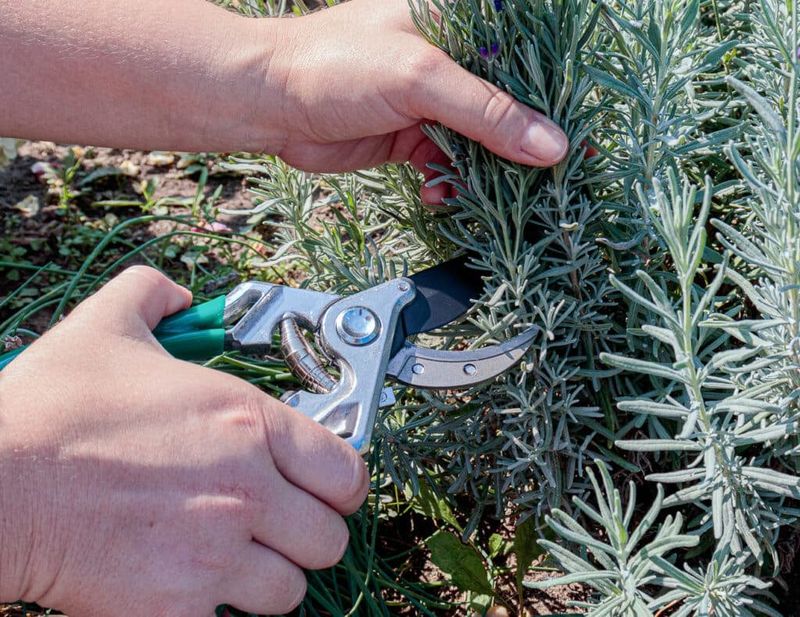
Skipping the spring prune is one of the most common reasons lavender turns into a woody, sparse mess by summer. April is the right window to act in Georgia, right when you start seeing that fresh green growth pushing out from the base of the stems.
Cut back roughly one-third of the soft, green growth — not the hard, woody parts lower down. Lavender rarely bounces back well from cuts made into old wood, so keep your shears in the upper, flexible portion of the plant.
A clean pair of bypass pruners works better than hedge shears for most home gardeners.
Pruning now encourages the plant to branch out instead of stretching upward. More branches mean more flowering stems come late spring and early summer, which is exactly what you want from a full, bushy plant.
Don’t worry if the plant looks a little bare right after trimming. Within a few weeks in Georgia’s warm April temperatures, new side shoots start filling in quickly.
The goal isn’t to reshape the entire plant at once — just a light tidy-up that redirects the plant’s energy toward producing more blooms instead of maintaining old, unproductive growth.
2. Improve Drainage Before Heat And Humidity Increase
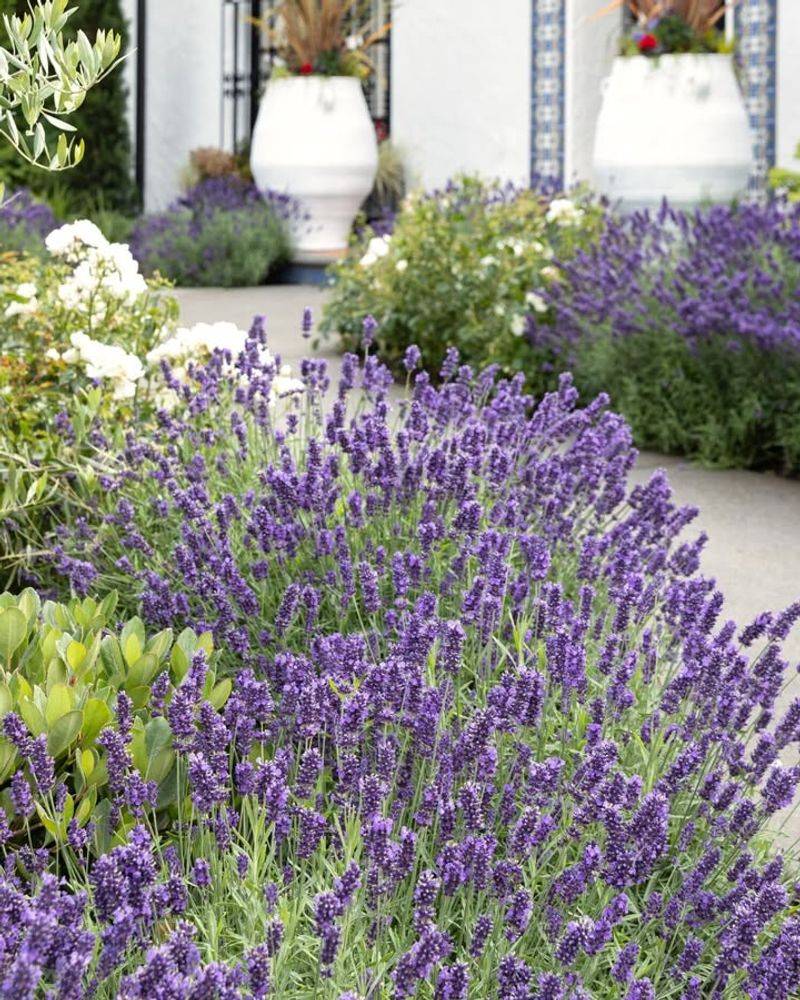
Lavender and soggy soil are a bad combination anywhere, but in Georgia’s humid climate, poor drainage can cause serious root problems before summer even arrives. April is the right time to fix drainage issues before the heat locks in and conditions get harder to manage.
If your lavender sits in heavy clay soil — which covers a huge portion of Georgia — mixing coarse sand or fine gravel into the top several inches can help water move through faster. Bags of pea gravel or horticultural grit from a local garden center work well for this.
You don’t need to overhaul the entire bed, just loosen and amend the area directly around each plant.
Raised beds are worth considering if you keep losing lavender to root rot. Even a six-inch raise above native soil can change how quickly water drains away from the roots.
Builders in the Piedmont region of Georgia often deal with red clay that holds moisture for days after rain — lavender planted directly into that without amendment struggles to stay healthy through a wet April.
Your Georgia Garden Changes Every Week. Your Plan Should Too.
Gardening in Georgia changes quickly throughout the season. Every Friday you’ll receive a simple weekly plan showing exactly what to plant, prune, fertilize, harvest, and protect so you never miss the right timing.
3. Avoid Overwatering As Soil Warms Up In Spring
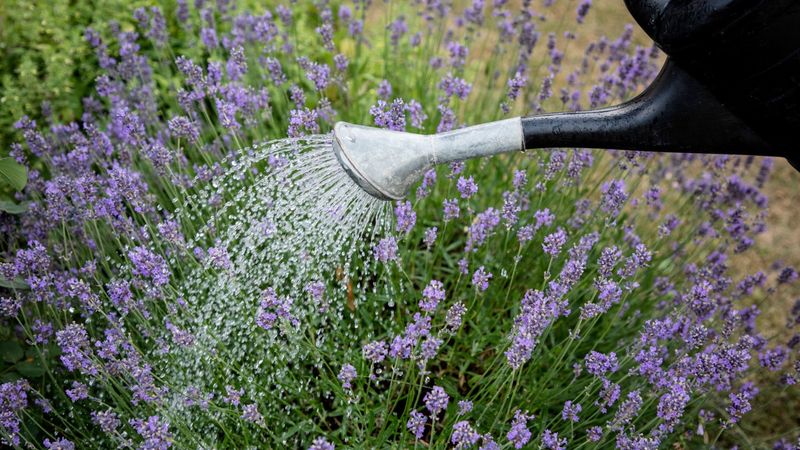
Lavender actually prefers to be a little thirsty. That might sound counterintuitive, but roots sitting in consistently moist soil in Georgia’s warm spring temperatures can develop rot faster than most gardeners expect.
April in Georgia brings unpredictable rain. Some weeks are dry and sunny; others bring several inches of rainfall in just a few days.
Before reaching for the hose, push a finger about two inches into the soil near your lavender. If it feels damp at all, hold off on watering.
Lavender planted in the ground usually doesn’t need supplemental water more than once a week during a typical Georgia April, and often less.
Container-grown lavender dries out faster than in-ground plants, so it does need slightly more attention. Still, let the top inch or two of potting mix dry out completely before adding water.
Heavy pots with no drainage holes are a problem — always make sure water can escape freely from the bottom.
Young plants that went in the ground recently need a bit more consistent moisture while their roots are getting established. Even so, the goal is to keep the soil evenly moist — not wet.
Letting it dry slightly between waterings encourages roots to grow deeper in search of moisture, which builds a stronger, more resilient plant over time.
4. Space Plants Well To Improve Airflow And Reduce Disease
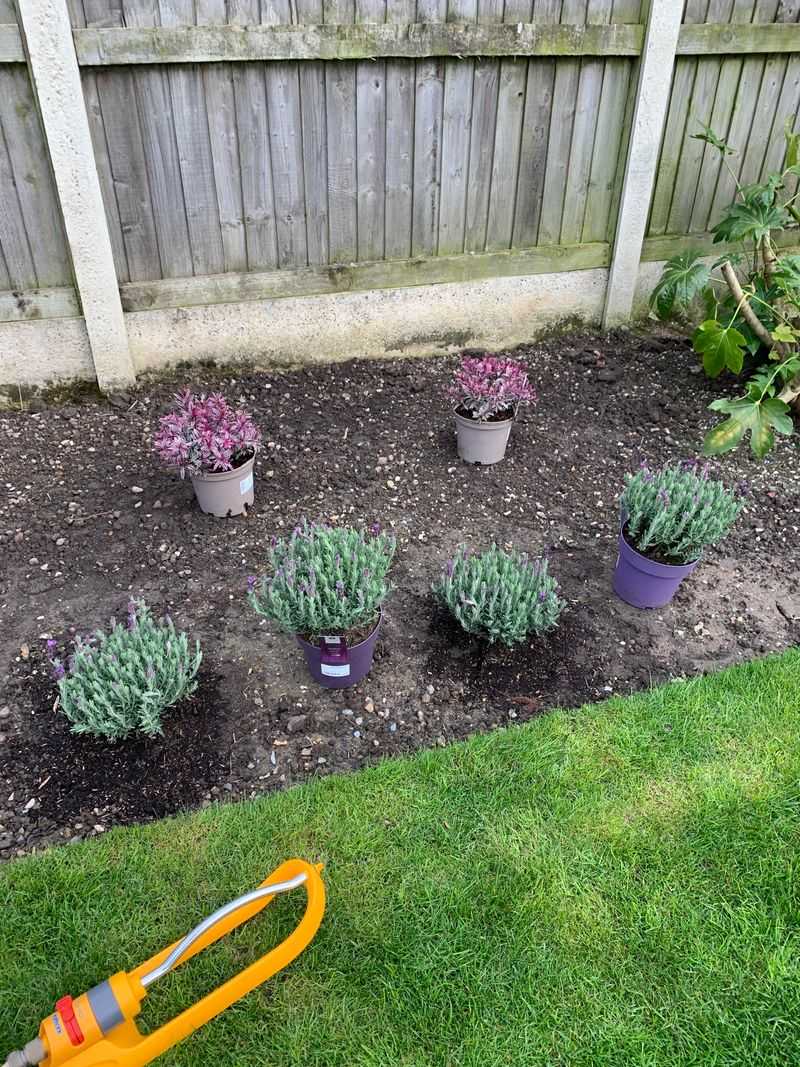
Crowded lavender is stressed lavender. Georgia’s high humidity already puts lavender at risk for fungal problems, and plants packed too close together make that risk significantly worse by trapping moist air between the stems and leaves.
Standard spacing for most lavender varieties is somewhere between 18 and 24 inches apart, center to center. Larger varieties like Grosso or Provence need even more room — closer to 24 to 36 inches.
If you’re working with a smaller variety like Hidcote or Munstead, 18 inches is usually enough to keep air moving between plants.
April is a good time to look at your existing planting and be honest about whether things have gotten too crowded. Lavender that has spread significantly over the past year or two may need to be thinned out or transplanted.
Dividing and relocating plants is harder on them in summer heat, so doing it now while temperatures are still moderate is a smarter move.
Good spacing also helps with sunlight penetration. When plants are bunched together, the interior growth gets shaded out, leading to bare, woody centers that don’t fill back in well.
Spreading plants out allows light to reach more of the plant, supporting fuller growth across the whole shrub.
5. Remove Any Winter Damage To Encourage New Growth
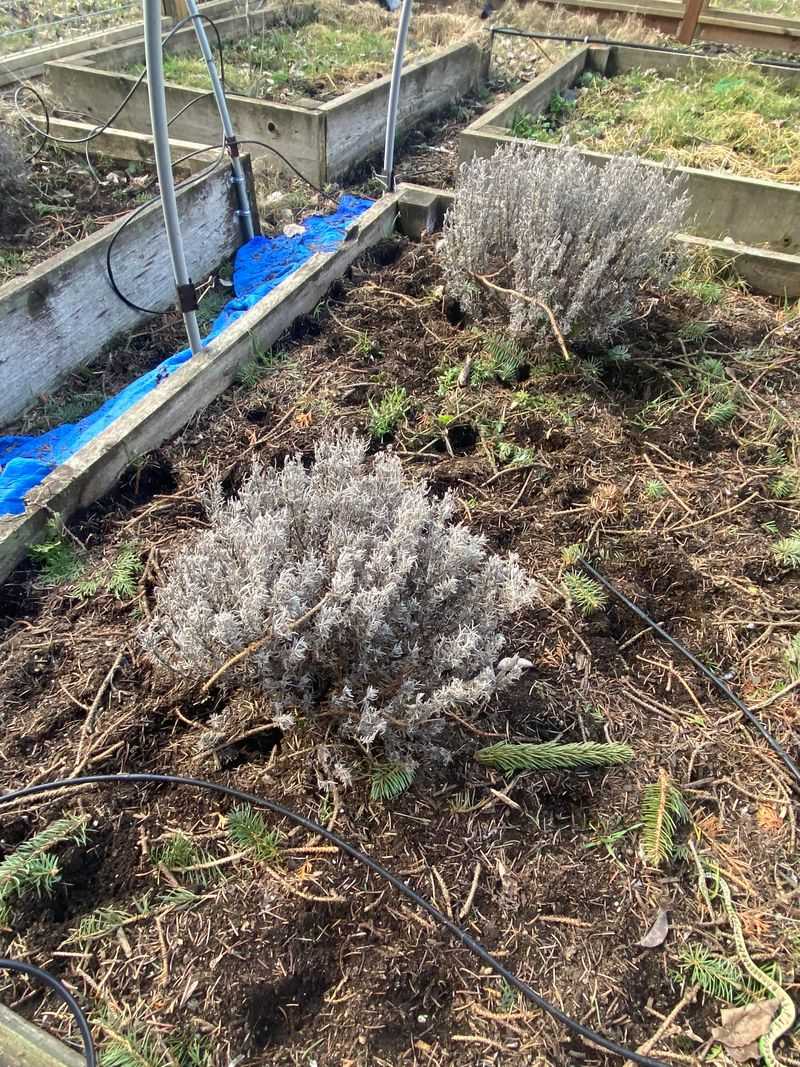
Georgia winters are unpredictable. Some years bring only a few light frosts; other years hit with hard freezes that leave lavender looking brown and beaten by the time April rolls around.
Either way, clearing out that damaged material is one of the first things to do this month.
Dry or frost-damaged stems are easy to spot — they’ll be brown, brittle, and won’t flex when you bend them. Healthy stems, even if they look dull, will have some give and show a bit of green when you scratch the surface lightly with your thumbnail.
Focus your cleanup on the clearly dry material first.
Leaving dry stems on the plant doesn’t just look bad — it can block light and airflow from reaching the new growth trying to push through at the base. Removing that material early in April gives the plant a cleaner start and helps you see exactly what you’re working with as the season progresses.
In north Georgia, where freezing temperatures tend to linger longer than in coastal areas like Brunswick or St. Simons Island, the winter damage can be more extensive. Don’t panic if a large portion of the plant looks rough.
Check the base and lower stems for signs of life before assuming the worst.
6. Use Mulch Lightly To Prevent Excess Moisture Around Roots
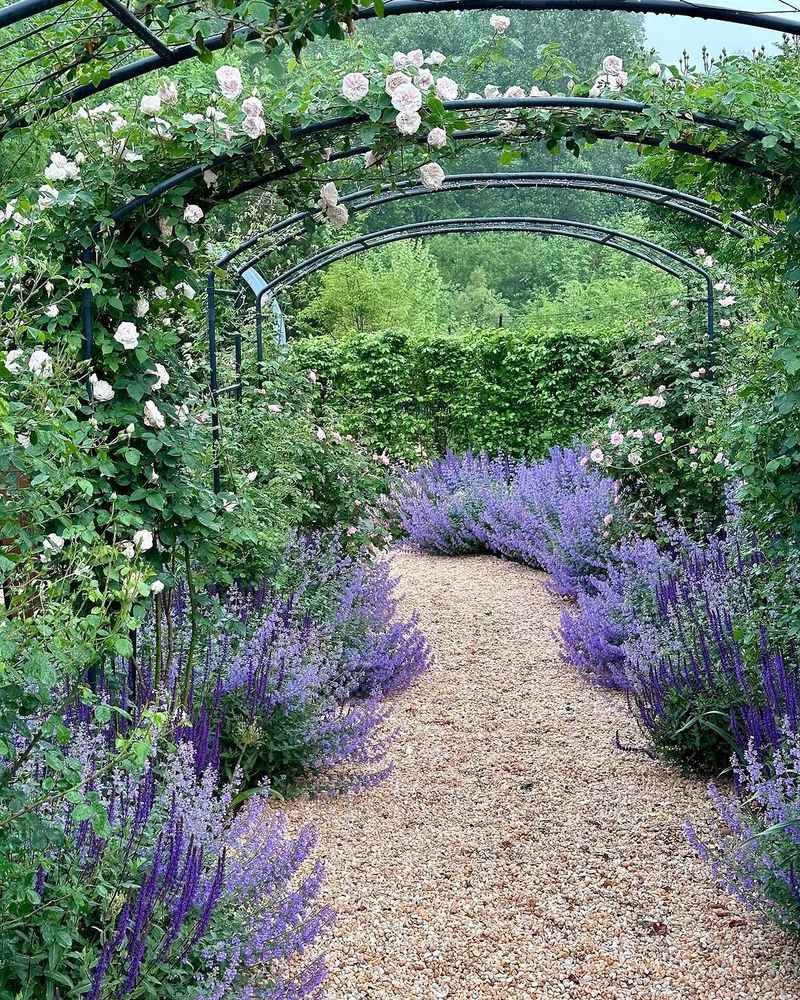
Mulching lavender in Georgia takes a different approach than mulching most other garden plants.
Standard wood mulch or bark chips hold moisture close to the soil surface — and for lavender, that trapped moisture near the crown and roots can cause more harm than good, especially as Georgia’s humidity climbs through April and into summer.
If you want to mulch around lavender, go with an inorganic option like pea gravel, crushed granite, or coarse sand.
A thin layer — no more than an inch or two — spread around the base of the plant helps moderate soil temperature and keeps weeds down without holding excessive moisture against the stems.
Keep mulch pulled back a few inches from the main stem. Contact between mulch and the woody base of the plant creates a damp environment that invites rot and fungal problems.
A small gap around the base lets air circulate and keeps the crown of the plant drier.
Gravel mulch actually has an added benefit in Georgia’s sunny spots — it reflects heat and light back up toward the plant, which lavender tends to respond well to. It mimics the rocky, dry hillside conditions that lavender naturally grows in, and in a Georgia garden that translates to a slightly more hospitable environment for the roots during the hottest months.
7. Place In Full Sun To Support Strong And Compact Growth
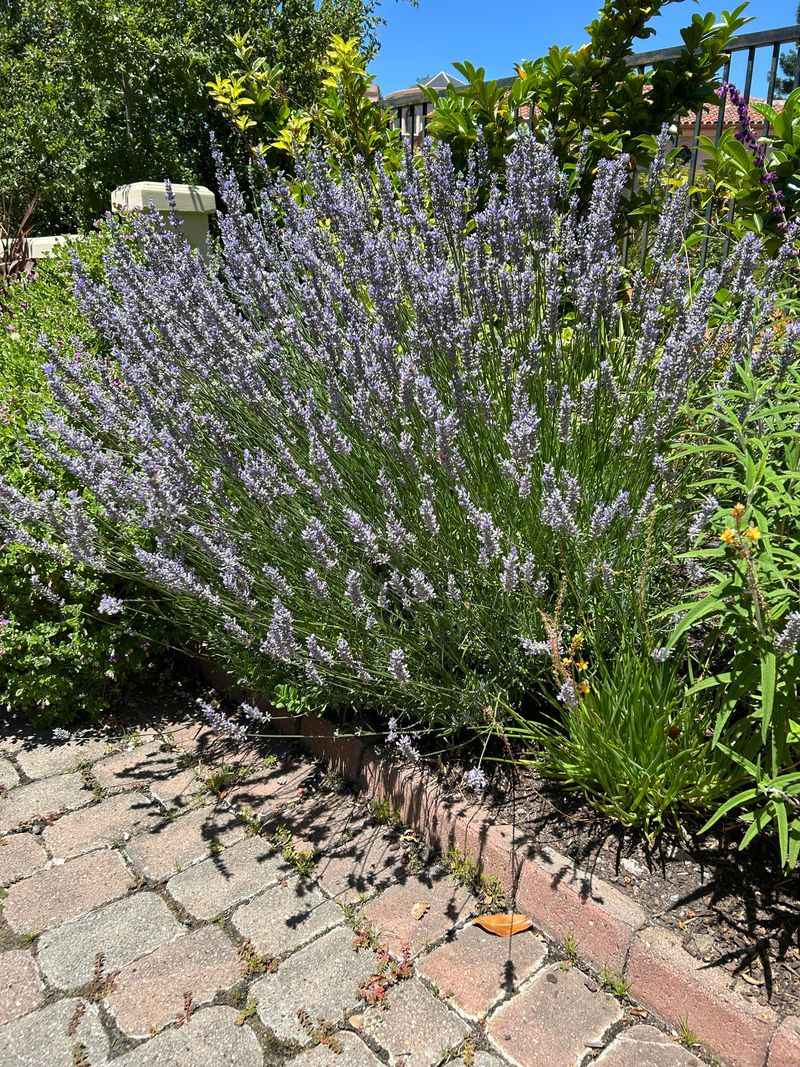
Lavender needs real sun — not dappled shade, not morning light with afternoon shadow. At least six to eight hours of direct sunlight daily is what keeps lavender compact, fragrant, and genuinely productive in a Georgia garden.
Plants that don’t get enough light tend to stretch toward whatever sun they can find. That stretching leads to leggy, open growth that flops over easily and produces fewer flowers.
In Georgia, where spring sun is already strong and days are getting longer through April, placing lavender in a truly open, sunny spot makes a noticeable difference in how the plant develops.
South-facing beds or borders are ideal in most parts of Georgia. Spots along a fence or wall that gets reflected heat and light can work especially well, as long as air circulation isn’t blocked.
Avoid spots under trees or near large shrubs that cast afternoon shade — even partial shade regularly causes lavender to underperform over time.
If your lavender is in a container, April is a good time to reposition it if the plant has been looking stretched or pale. Move it somewhere it can soak up as much sun as possible through the day.
Container plants have the advantage of being movable, so take advantage of that flexibility now before the heat of summer makes it harder to shift things around.