This Native Pennsylvania Shrub Is Replacing Privacy Fences In Yards
A backyard does not always need a fence to feel private. More homeowners in Pennsylvania are starting to realize that the best screen can sometimes be something living, layered, and a whole lot better looking than a row of boards.
Privacy still matters, of course, but so does curb appeal, seasonal interest, and creating a yard that feels welcoming instead of walled off. That shift in thinking is making room for a native shrub that quietly does the job with a lot more charm.
One standout option is arrowwood, a dependable shrub that fills in thickly enough to create a real sense of separation while still looking natural and relaxed.
It softens property lines, adds texture to the landscape, and changes beautifully with the seasons, which gives it an advantage over anything static and plain.
Birds and pollinators also appreciate it, so the yard gets more life along with more coverage.
For Pennsylvania homeowners, that combination is hard to ignore. A shrub like this can offer privacy, beauty, and a stronger connection to the local landscape all at the same time.
This Shrub Is Replacing Privacy Fences
Arrowwood viburnum has been part of Pennsylvania’s landscape long before anyone thought to plant it in a backyard. Its scientific name is Viburnum dentatum, and it is one of the most well-adapted native shrubs in the entire northeastern United States.
Native plant enthusiasts have loved it for years, but now regular homeowners are catching on too.
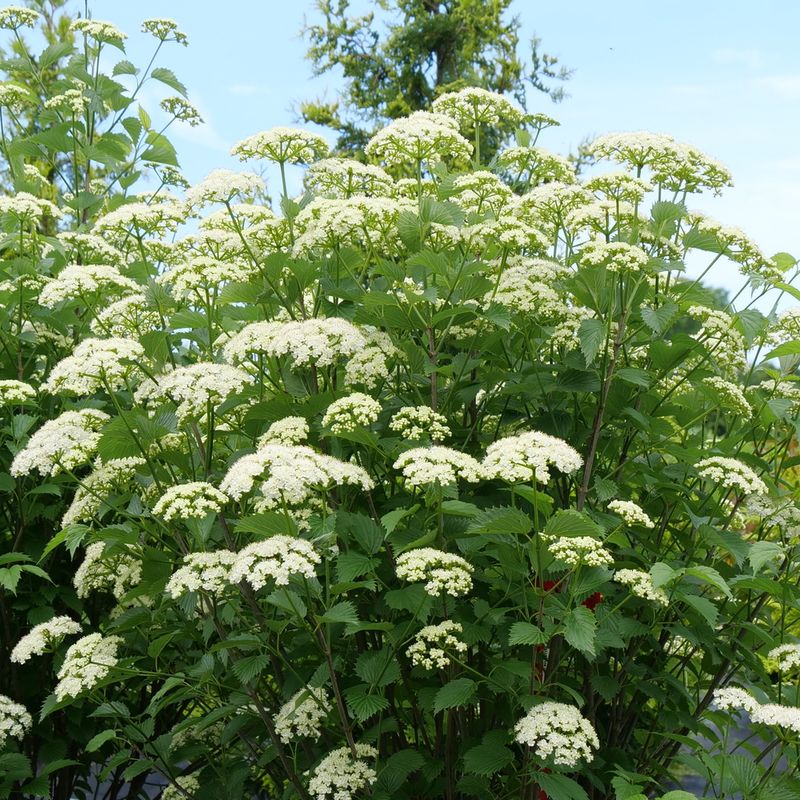
This is a large deciduous shrub, which means it drops its leaves in fall and winter. During the warmer months, it grows thick and full, creating a lush green wall that feels much more welcoming than a wood panel fence.
It typically reaches six to ten feet tall and spreads just as wide, giving it a naturally dense and rounded shape that works perfectly as a hedge or informal screen.
What makes arrowwood viburnum stand out from non-native alternatives is how naturally it fits into a Pennsylvania yard. It evolved here, so it knows how to handle the local weather, soil, and seasons without much help.
You do not need to baby it with special fertilizers or complicated care routines. Plant it in the right spot, give it some water while it gets established, and it will reward you with years of low-maintenance beauty.
Many people in Pennsylvania are also drawn to it because it supports the local ecosystem in ways a fence simply cannot. Pollinators visit its flowers, birds eat its berries, and the dense branches offer shelter for small wildlife.
It is not just a privacy solution. It is a living, breathing part of the natural world right in your own backyard.
Why It’s Replacing Privacy Fences
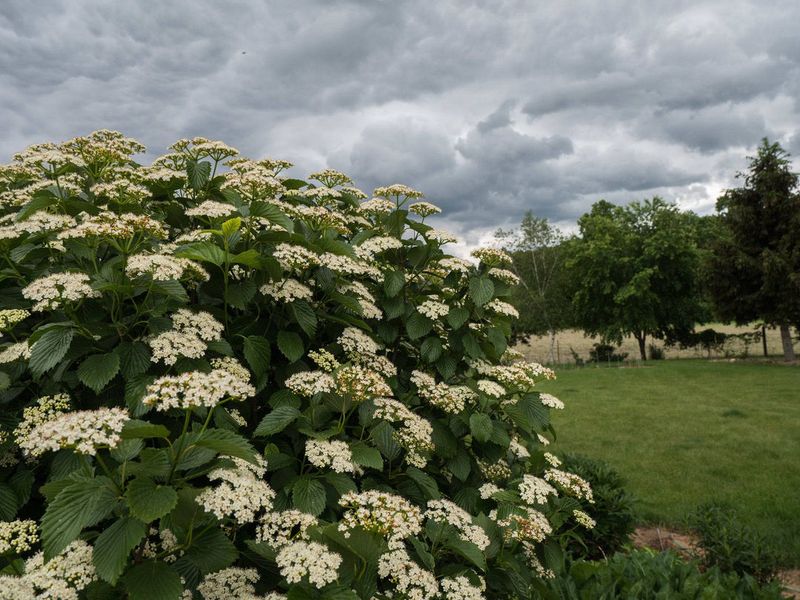
Walk through any older Pennsylvania neighborhood and you will spot the usual lineup of wooden stockade fences and white vinyl panels. They get the job done, but they also look a little harsh and require constant upkeep.
That is exactly why so many homeowners are making the switch to arrowwood viburnum as a softer, more natural boundary for their outdoor spaces.
Your Pennsylvania Garden Changes Every Week. Your Plan Should Too.
Gardening in Pennsylvania changes quickly throughout the season. Every Friday you’ll receive a simple weekly plan showing exactly what to plant, prune, fertilize, harvest, and protect so you never miss the right timing.
A living shrub screen creates a boundary that feels like it belongs in the yard rather than boxing it in. The arrowwood viburnum grows thick enough to block sightlines from neighbors or passing traffic, especially during spring, summer, and early fall when it is in full leaf.
Even in winter, the branching structure still provides a visual barrier and some wind protection, which is a real bonus in Pennsylvania winters.
Beyond the look, there is a practical cost argument too. A wood or vinyl fence requires installation, painting or staining, repairs after storms, and eventual replacement.
Arrowwood viburnum, once established, mostly takes care of itself. It does not rot, warp, or blow over in a windstorm. It just keeps growing year after year.
Neighbors and passersby tend to respond better to a green hedge than a solid fence too. There is something friendlier and more inviting about a row of flowering shrubs compared to a wall of boards.
Homeowners across Pennsylvania are finding that a well-placed row of arrowwood viburnum adds real beauty to the yard while still doing a completely practical job. It is a win on both counts, and that combination is hard to beat.
What Makes It So Effective For Privacy
Not every shrub can stand in for a fence. Some grow too loosely, too slowly, or top out at a height that barely blocks a neighbor’s view.
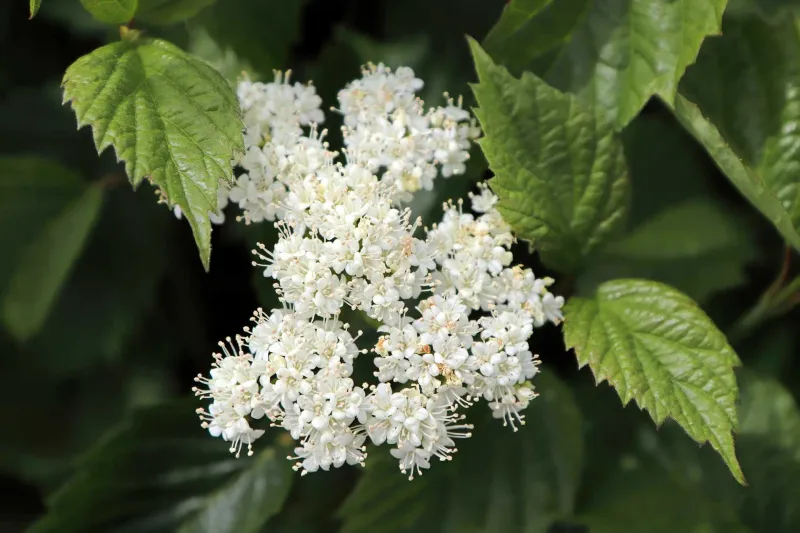
Arrowwood viburnum is different. Its branching habit is naturally thick and layered, meaning branches grow close together from the base all the way up. There are no big gaps or bare spots that leave your yard exposed.
Height and width both matter for real screening, and arrowwood viburnum delivers on both. Most mature plants in Pennsylvania yards reach between six and ten feet tall, with a spread that matches or exceeds the height.
Planting several in a row creates a continuous green wall that works along property lines, beside patios, or around backyard seating areas.
Homeowners have two main options when it comes to shaping these shrubs. You can prune them lightly once or twice a year to keep them neat and tidy, which works well in more formal yard designs.
Or you can leave them mostly natural and let them fill out on their own, which gives a more relaxed, woodland feel that suits many Pennsylvania landscapes beautifully.
Staggered plantings are another smart trick. Instead of planting in a perfectly straight single row, some homeowners plant two rows offset from each other.
This fills in gaps faster and creates a denser screen in a shorter amount of time. Either way, the thick branching structure of arrowwood viburnum means it does not take long before it starts doing a genuinely impressive job of giving you the privacy you are looking for in your Pennsylvania yard.
What Homeowners Get Beyond Privacy
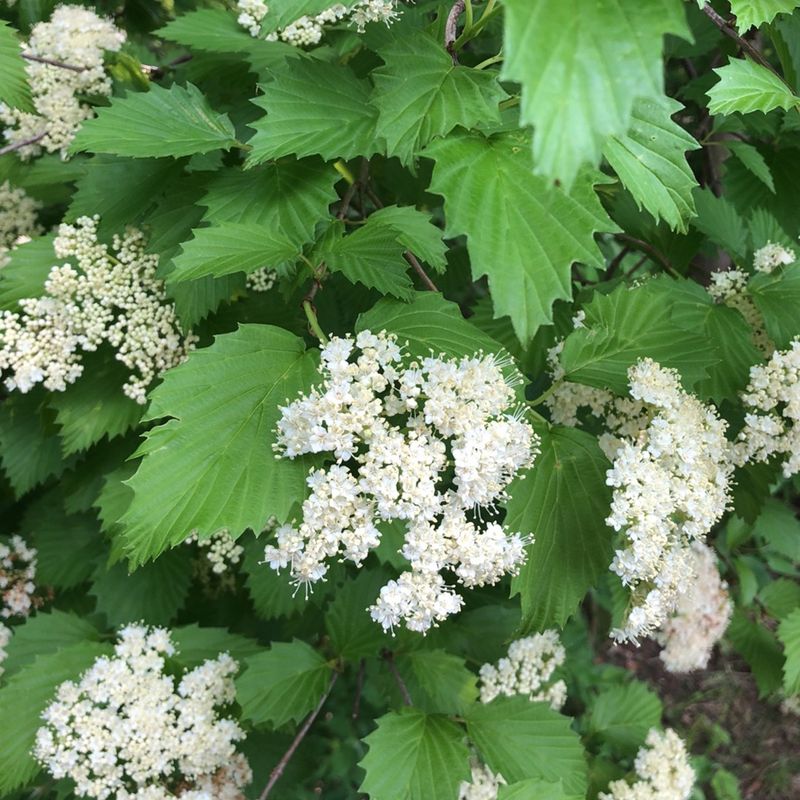
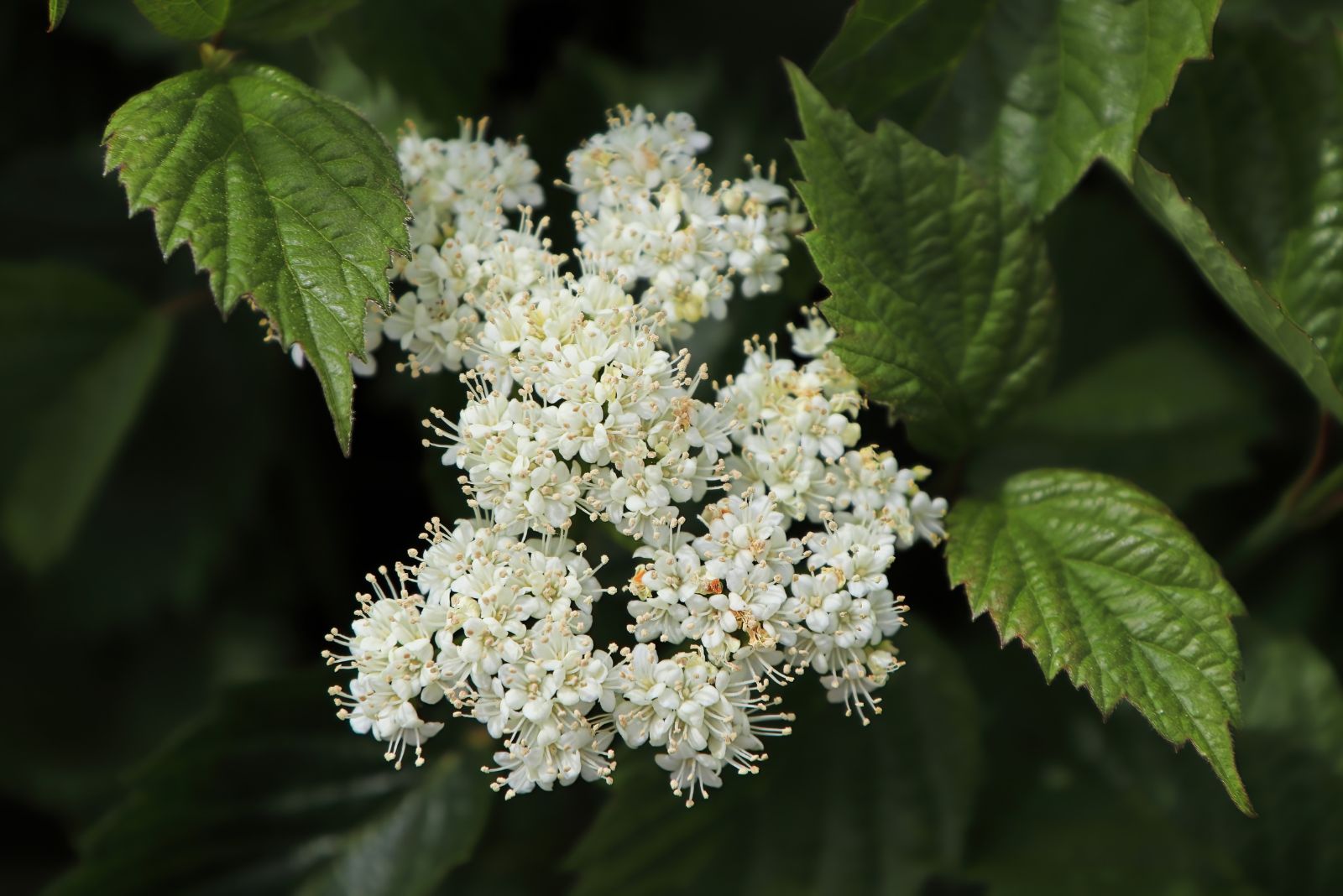
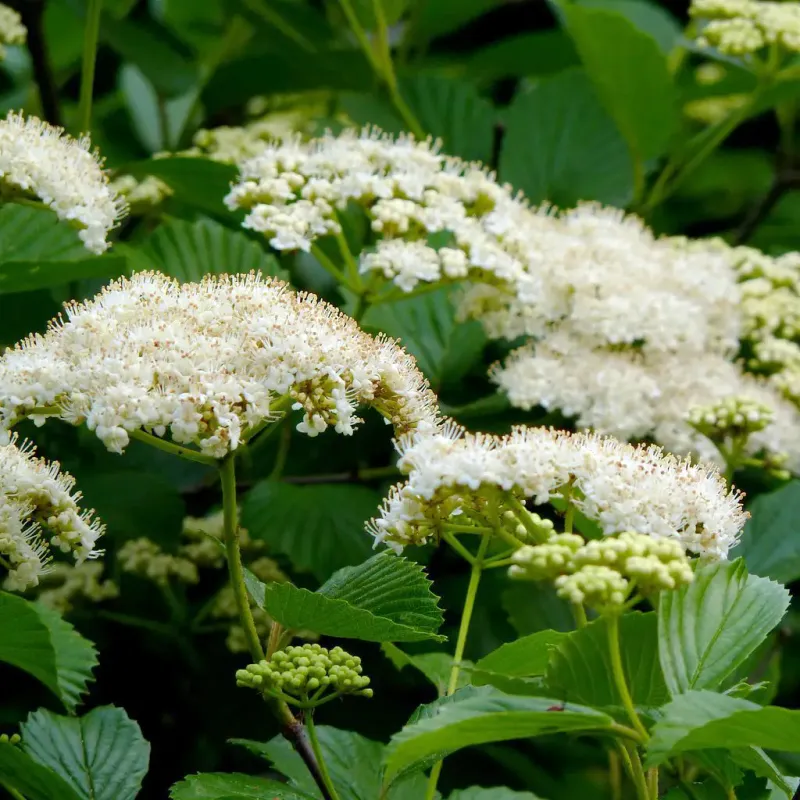
Here is something a wooden fence will never do: burst into bloom every spring with clusters of creamy white flowers that attract bees, butterflies, and other pollinators.
Arrowwood viburnum puts on a genuine show in late spring, and that alone makes it worth planting even before you factor in the privacy benefits.
After the flowers fade, the plant sets small, round berries that ripen to a deep blue-black color by late summer. Birds absolutely love these berries.
Robins, cedar waxwings, bluebirds, and many other species that pass through or live in Pennsylvania will visit your yard specifically to feed on them. If you have ever wanted to attract more birds without putting up a feeder, a row of arrowwood viburnum is one of the best ways to do it.
Fall brings another reward. The leaves shift to shades of red, orange, and burgundy before dropping, giving the shrub a fiery seasonal display that most fences simply cannot compete with.
It is one of the better native shrubs for fall color in the entire Pennsylvania region. All of these extra benefits add up to something that goes well beyond simple privacy. You are essentially planting a habitat.
Insects use the flowers, birds use the berries and branches, and small animals find shelter in the dense growth throughout the year. A standard fence offers none of that.
For Pennsylvania homeowners who care about their local environment and want a yard that feels alive and connected to nature, arrowwood viburnum is a genuinely exciting option that keeps giving season after season.
Where It Grows Best In Pennsylvania Yards
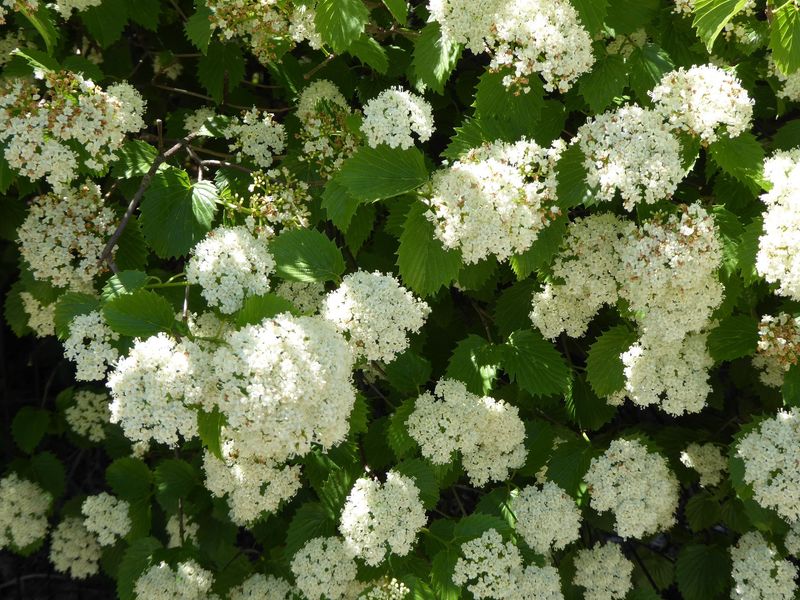
One reason arrowwood viburnum has become so popular across Pennsylvania is that it is genuinely adaptable. You do not need a perfectly sunny yard or a specific soil type to grow it successfully.
It handles full sun to part shade without much complaint, which means it works in spots where other privacy shrubs might struggle or look scraggly.
Soil flexibility is another big plus. Pennsylvania yards come in all kinds of conditions, from heavy clay in the suburbs to sandier soils closer to river areas.
Arrowwood viburnum handles both reasonably well. It even tolerates occasional wet spots, which is helpful for low-lying areas of a yard that tend to collect water after a heavy rain. That kind of versatility is rare in a single plant.
In terms of placement, this shrub shines along property lines where you want a clear but natural boundary between your yard and your neighbor’s. It works beautifully beside a patio or outdoor seating area where you want to block views without feeling closed in.
Backyard borders along fence lines or garden edges are another great fit, especially in natural-style Pennsylvania landscapes where a more relaxed, organic look is the goal.
Homeowners in Pennsylvania who are moving away from formal, high-maintenance landscapes tend to love arrowwood viburnum because it fits right into that low-key, nature-forward aesthetic. It looks like it belongs there, because it does.
Choosing a plant that is native to your region means less fighting against the environment and more working with it, which makes gardening easier and more enjoyable for everyone involved.
The Biggest Mistake To Avoid
Excitement about a new plant is great, but it can lead to one of the most common planting errors people make with arrowwood viburnum in Pennsylvania yards: cramming the shrubs too close together.
It is tempting to plant them just a foot or two apart because you want that thick, dense screen as fast as possible.
The problem is that arrowwood viburnum can spread five to ten feet wide at maturity, and plants that are too crowded end up competing for light, water, and space.
Crowded plants tend to grow taller and leggier instead of filling out naturally. You end up with a screen that is thin at the bottom and bushy at the top, which is the opposite of what you want for ground-level privacy.
Spacing plants at least four to six feet apart, or even slightly more for larger varieties, gives each shrub room to develop its full, rounded shape and thick branching habit.
Another mistake is skipping consistent watering during the first growing season. Arrowwood viburnum is tough once it is established, but it needs regular moisture while it is putting down roots.
Letting it dry out too much in year one can slow its growth significantly and leave it more vulnerable to stress.
Patience matters too. Some homeowners expect instant screening and get discouraged when the shrubs look small in the first season.
Give them two to three growing seasons, and the difference will be remarkable. Long-term success with arrowwood viburnum in any Pennsylvania yard comes down to smart spacing, good early watering habits, and trusting the process. The wait is absolutely worth it.