The Firewise Plants California Gardeners Should Plant Closest To The House
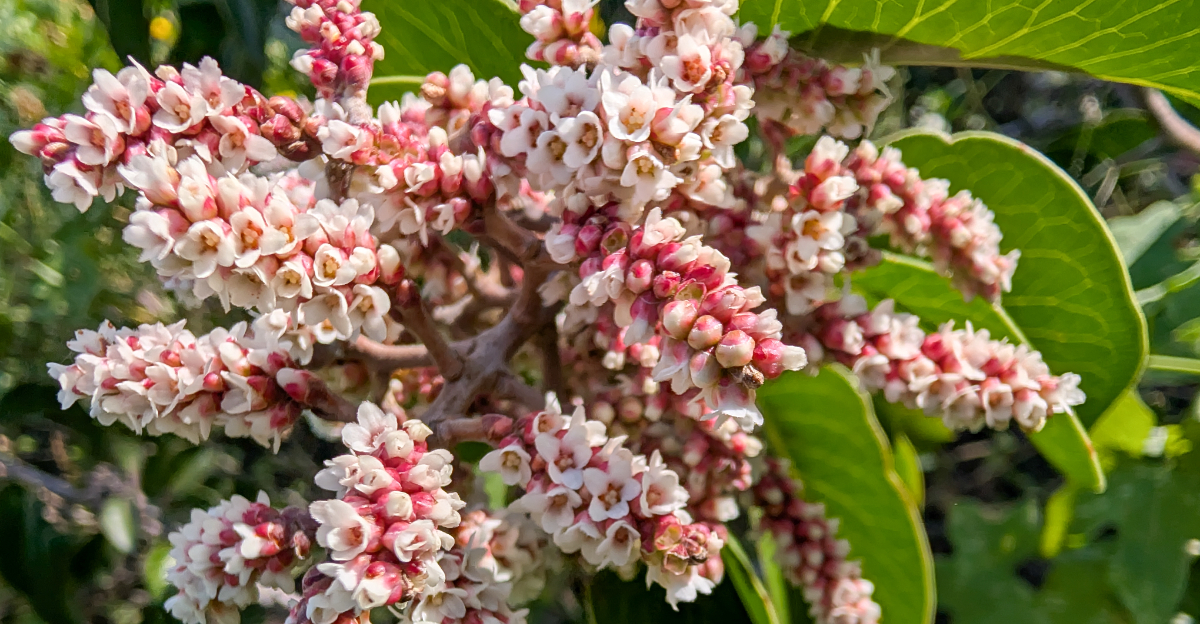
The plants closest to your house matter most, especially in California. The right firewise choices can help slow flames, reduce heat, and make the area around your home less likely to turn into a danger zone.
That is a big deal in a state where wildfire risk shapes how people think about landscaping. Near the house, every plant has to earn its spot.
High-moisture leaves, lower fuel load, and cleaner growth habits all make a difference when you are trying to create a safer first zone without making the front yard look stripped and sad.
Good firewise planting is not about giving up beauty. It is about choosing plants that look great and behave better under tough conditions.
Less dry clutter, less risk, and a landscape that works with your home instead of against it. That kind of curb appeal comes with a little extra peace of mind, which is honestly hard to beat.
1. Douglas Iris
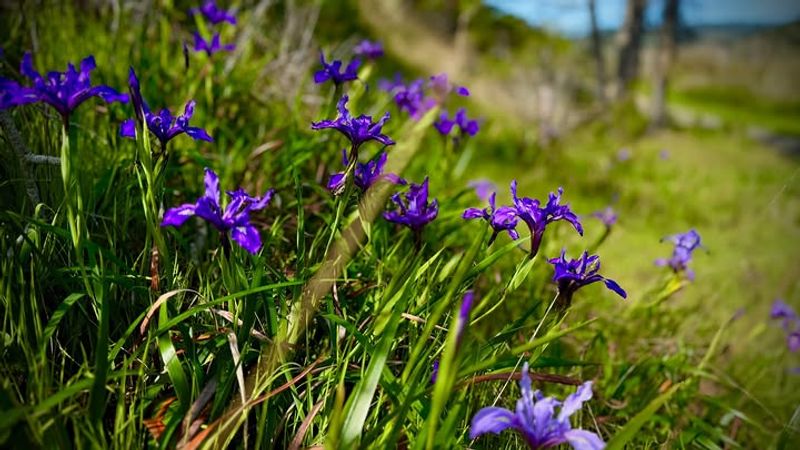
Few plants bring as much quiet elegance to a California garden as Douglas iris. Its slender, grass-like leaves stay relatively low to the ground, and its purple, blue, or cream flowers show up in early spring like a welcome surprise.
Native to coastal California and the Pacific Northwest, this plant has been brightening gardens for centuries.
Douglas iris grows best in partial shade or filtered sunlight, which makes it a great fit for spots on the shaded side of a house. It stays low, usually under two feet tall, which is exactly what you want near a structure.
Low-growing plants mean less fuel for a fire to climb.
This iris is also drought-tolerant once established, which fits perfectly with California’s dry summers. It does not need a lot of water or fuss.
Just plant it, give it some time to settle in, and let it do its thing. Remove any dry leaves during fire season to keep it tidy and safer.
Douglas iris is a smart, beautiful choice for Zone 1 planting in California landscapes.
2. Foothill Penstemon
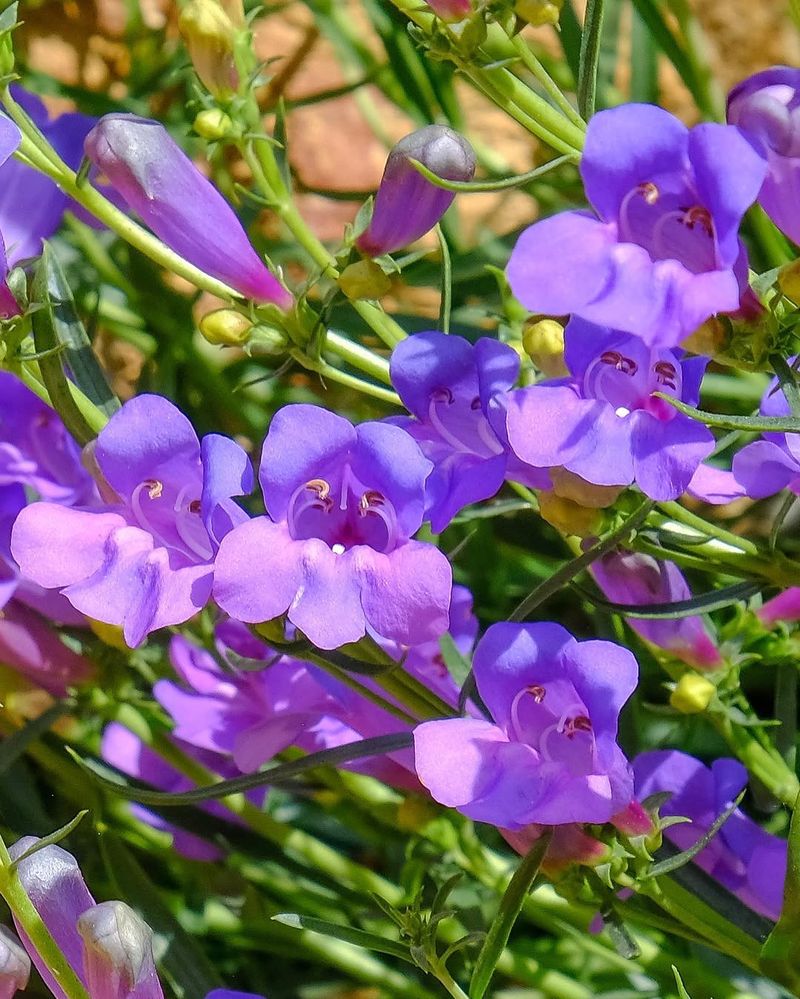
Hummingbirds absolutely love foothill penstemon, and once you see those bright red tubular flowers up close, you will understand why. Native to the foothills and lower mountain slopes of California, this perennial brings real color and life to any garden.
It blooms in late spring and early summer, right when many other plants are starting to look tired.
What makes foothill penstemon a smart firewise choice is its growth habit. It stays relatively compact, usually reaching one to three feet tall, and its leaves have a decent moisture content compared to many other shrubs.
It is not oily or resinous, which means it does not carry the same fire risk as plants like rosemary or cypress.
Planting foothill penstemon just beyond the Zone 0 hardscape zone gives your California home a pop of color while keeping fire risk low. It thrives in well-drained soil and full sun, making it ideal for the sunny exposures many California homes face.
Water it occasionally during the first year, then ease back. Once it is established, it handles dry conditions well and keeps looking good with very little effort from you.
Your California Garden Changes Every Week. Your Plan Should Too.
Gardening in California changes quickly throughout the season. Every Friday you’ll receive a simple weekly plan showing exactly what to plant, prune, fertilize, harvest, and protect so you never miss the right timing.
3. California Fuchsia
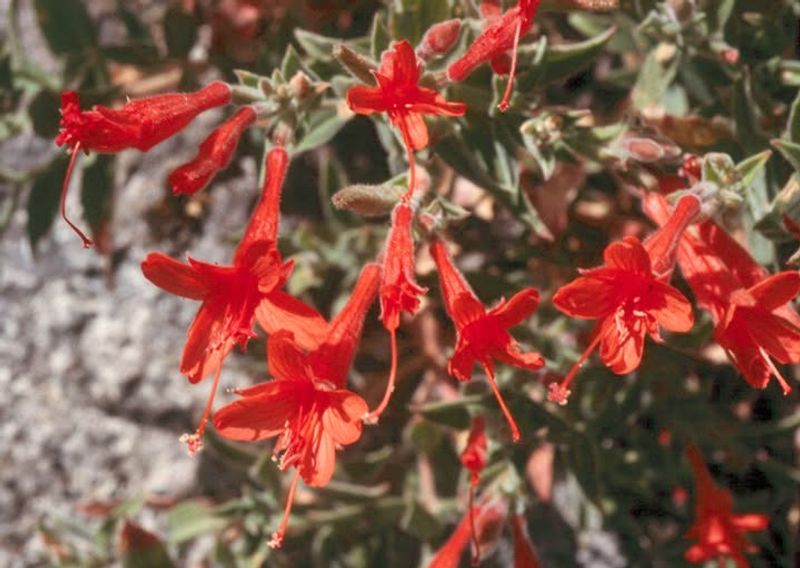
When most of the garden starts fading in late summer, California fuchsia is just getting started. Its vivid orange-red trumpet flowers blaze from August all the way into November, making it one of the most eye-catching plants in any California landscape.
Hummingbirds treat it like a favorite restaurant and return to it again and again.
Also known as Epilobium canum, California fuchsia is native to dry slopes and rocky areas throughout California. That background means it is built to handle heat and drought.
Its silvery-green leaves have a decent moisture content and are not loaded with flammable oils, which puts it on the safer side of the firewise plant list.
It spreads by underground runners, so give it a little room to grow. It stays low, usually under two feet, which is perfect for planting in Zone 1 just past your hardscape buffer.
Prune it back hard in late winter to keep it tidy and encourage fresh, lush growth in spring. For California gardeners who want bold late-season color with solid fire-resistance credentials, California fuchsia is hard to beat.
It earns its spot right near the house.
4. California Buttercup
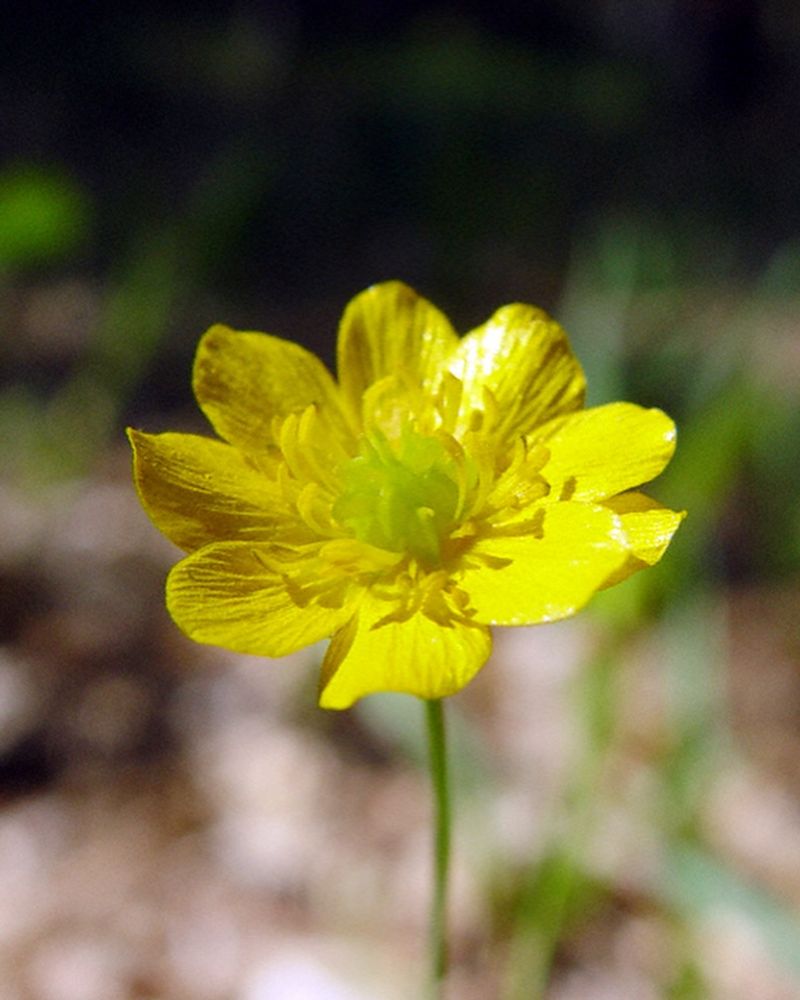
Bright yellow and cheerful, California buttercup is one of those wildflowers that makes you stop and smile. It blooms in early spring, often as early as February, painting roadsides and open hillsides across California with patches of golden yellow.
Growing it near your home brings a little of that wild California beauty right to your doorstep.
Ranunculus californicus, its scientific name, is a low-growing perennial that typically reaches about one to two feet in height. Its leaves stay green and relatively moist during the wet season, and the plant goes dormant in summer when conditions get dry.
That summer dormancy is actually a firewise advantage, since the plant is not actively growing or holding a lot of dry material during the highest fire-risk months.
Plant California buttercup in spots that get some afternoon shade, especially in hotter parts of the state. It pairs well with other California natives and looks beautiful in a mixed border just beyond your Zone 0 hardscape.
Keep the area around it clean and free of dry debris during fire season. For a low-maintenance, native, and relatively fire-safe option, this cheerful wildflower is well worth adding to your planting plan.
5. Flowering Currant
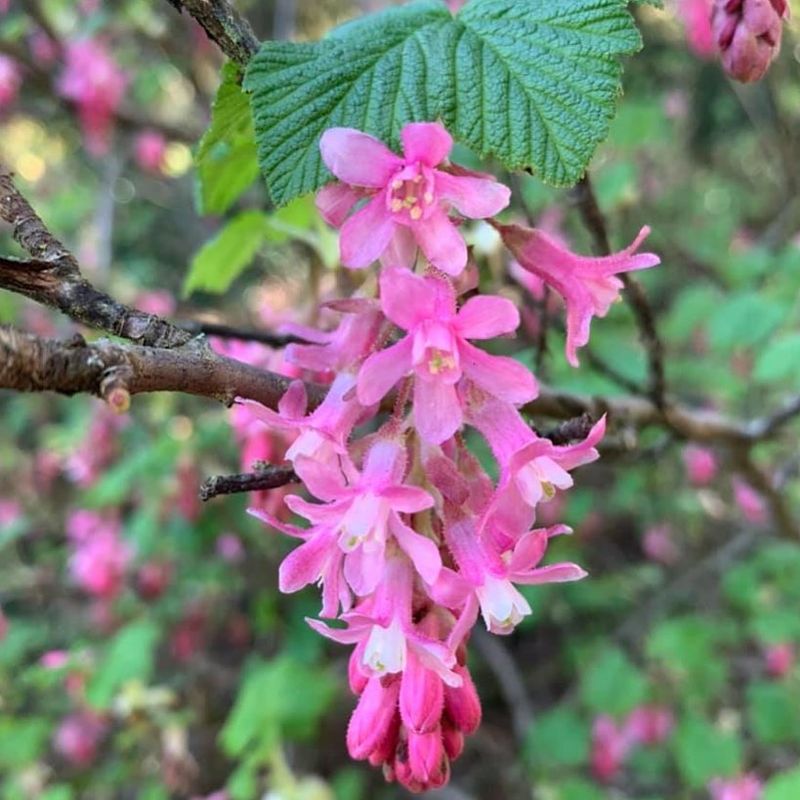
Walk past a flowering currant in full bloom and you might catch a faint, spicy scent drifting through the air. Ribes sanguineum, commonly called flowering currant, is one of the most beloved native shrubs in California and the Pacific Coast region.
It produces drooping clusters of pink to deep red flowers in late winter and early spring, often before its leaves even fully open.
From a fire safety standpoint, flowering currant has a lot going for it. It is not oily or heavily resinous, and its leaves hold reasonable moisture during the cooler seasons.
It grows to about five to ten feet tall, so place it a bit farther from the house if possible, or keep it pruned to a manageable size in Zone 1.
Regular pruning not only keeps it safer from a fire perspective but also encourages more blooms the following year. Flowering currant prefers partial shade and well-drained soil, which suits many California garden conditions.
Birds love the small berries that follow the flowers, so you get wildlife value on top of fire-smart landscaping. For California homeowners who want a shrub that works hard and looks stunning, this one delivers beautifully.
6. Snowberry
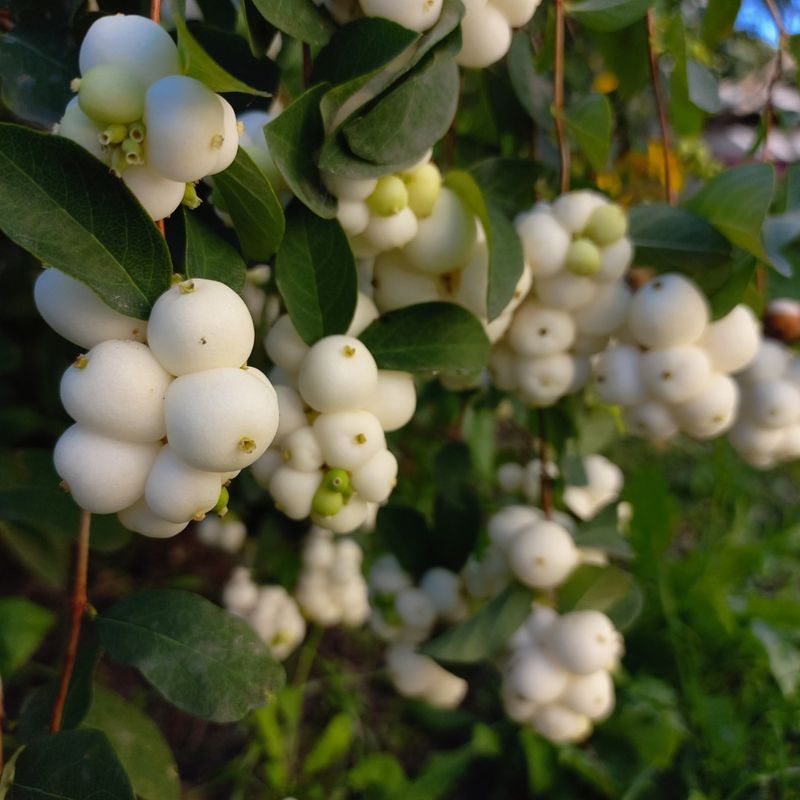
Not every firewise plant needs to dazzle with flowers. Snowberry, or Symphoricarpos albus, earns its place in the garden through reliability, toughness, and those distinctive clusters of white berries that appear in late summer and fall.
The berries look almost waxy and bright, like little pearls hanging from the branches, and birds find them irresistible.
Snowberry is native to much of California and grows naturally in shaded canyons and woodland edges. That shade tolerance is a real asset for spots on the north or east side of a California home where other plants might struggle.
It typically grows three to six feet tall and spreads slowly by root sprouts, forming a tidy thicket over time.
Its leaves are soft and relatively moist, without the heavy oil content found in fire-prone plants. It is also quite drought-tolerant once established, which matters a lot in California’s dry summers.
Prune snowberry regularly to remove old wood and keep the plant open and airy. Dense, tangled shrubs hold more dry material, which increases fire risk.
Kept tidy, snowberry is a low-fuss, wildlife-friendly, and firewise addition to any California home landscape. It is genuinely underrated.
7. Mock Orange
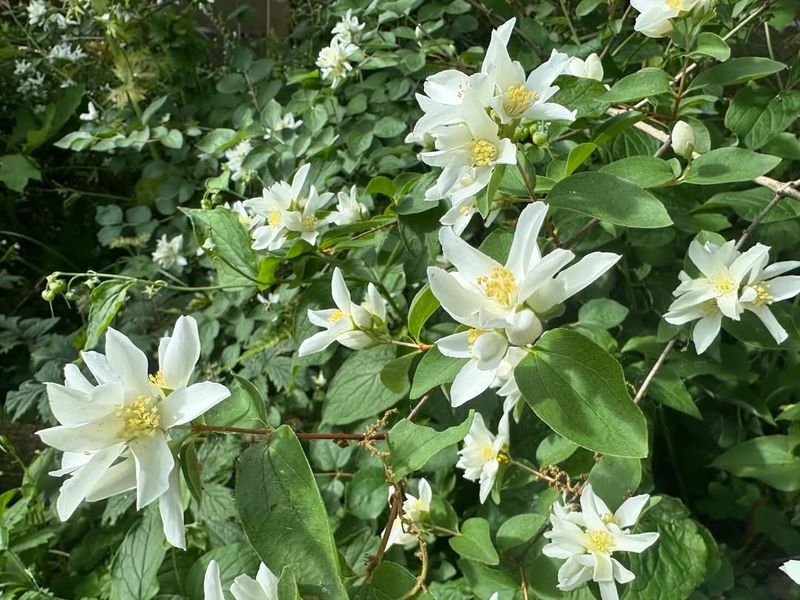
If you have ever walked past a mock orange in bloom and stopped in your tracks because of the scent, you already know why this shrub has so many fans. Philadelphus lewisii, the native mock orange of California and the western states, fills the air with a sweet, citrus-like fragrance in late spring.
The white flowers are simple but stunning, and they attract pollinators by the dozen.
From a firewise perspective, mock orange is a reasonable choice for planting near a California home. Its leaves are not heavily resinous, and the shrub does not carry the same volatile oil content as plants like rosemary or lavender.
It grows five to ten feet tall, so pruning is important to keep it manageable and to reduce the amount of dry material it holds.
Mock orange prefers full sun to partial shade and handles California’s dry summers reasonably well once established. Water it during the first couple of seasons to help it get rooted, then ease back on irrigation.
Remove withered branches and thin the interior of the shrub each year. Keeping it open and well-maintained makes it both safer and healthier.
For fragrance, beauty, and fire awareness combined, mock orange is a standout choice.
8. Coffeeberry
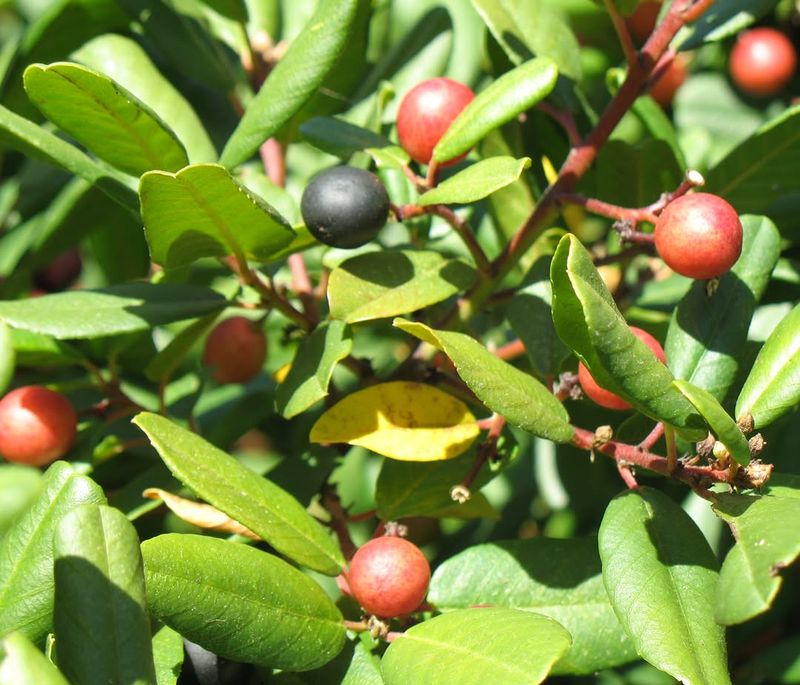
Tough, adaptable, and genuinely handsome, coffeeberry is one of those plants that landscape professionals in California keep reaching for again and again. Frangula californica, its botanical name, is a native shrub found across a wide range of California habitats, from coastal scrub to inland foothills.
That adaptability makes it easy to grow in many different garden conditions.
Coffeeberry earns its firewise reputation through a combination of traits. Its thick, glossy leaves retain moisture well.
It is not resinous or oily. And it can be pruned into a compact, manageable form that does not accumulate a lot of dry material.
Varieties like Mound San Bruno stay naturally low and dense, which makes them especially good choices near a home.
It grows well in full sun or partial shade and handles both clay and sandy soils. Once established in a California garden, it needs very little supplemental water.
The berries, which ripen from red to deep purple-black, are a favorite food source for birds and other wildlife. Coffeeberry is one of those rare plants that checks nearly every box: native, fire-resistant, drought-tolerant, wildlife-friendly, and attractive year-round.
Plant it just past your Zone 0 hardscape and let it thrive.
9. Bush Poppy
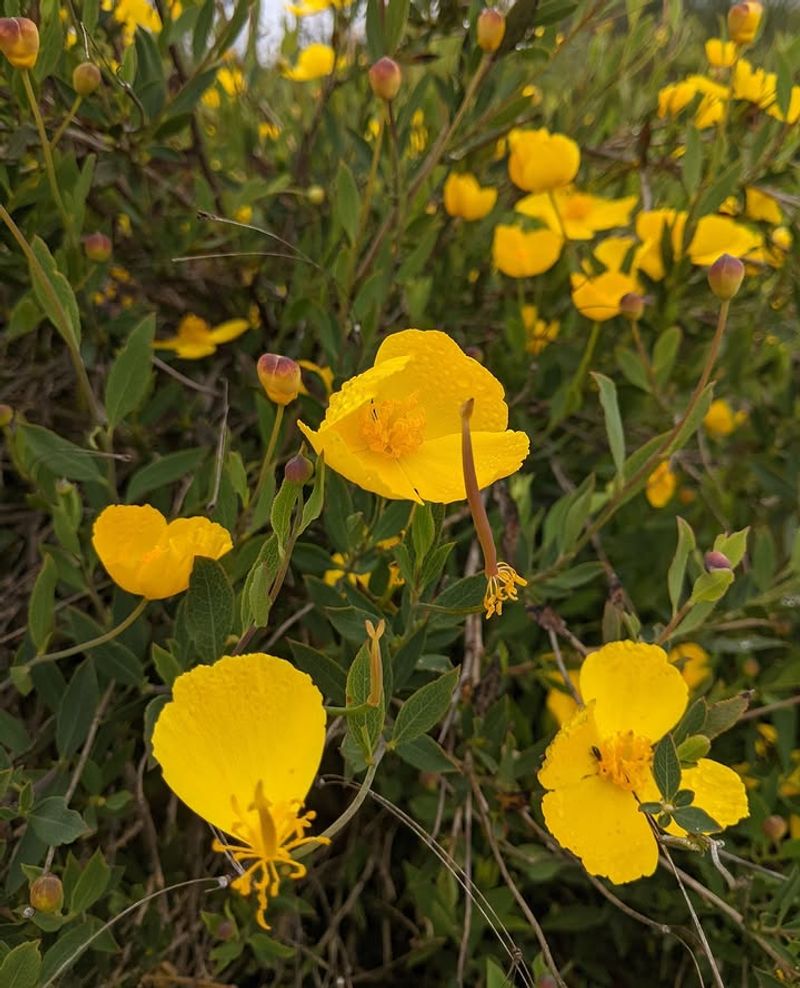
There is something almost electric about the yellow flowers of bush poppy against a clear California blue sky. Dendromecon rigida is a native shrub of California’s chaparral and foothill regions, and it produces bright, butter-yellow flowers nearly year-round in mild climates.
It is one of those plants that looks like it belongs in a painting.
Bush poppy grows best in full sun and very well-drained soil. It is extremely drought-tolerant, which makes it well-suited to California’s long dry seasons.
The leaves are a silvery blue-green color and have a waxy texture that helps reduce moisture loss. That same waxy coating, along with the plant’s relatively low resin content compared to other chaparral shrubs, makes it a reasonable firewise option.
It typically reaches four to eight feet tall, so keep that in mind when placing it near your home. Regular pruning after the main flush of bloom helps control its size and keeps withered wood from building up inside the plant.
Bush poppy does not love being moved once planted, so choose its spot carefully. For California gardeners in sunny, dry spots who want a native with real visual impact and solid fire-smart credentials, bush poppy is a wonderful pick.
10. Lemonade Berry
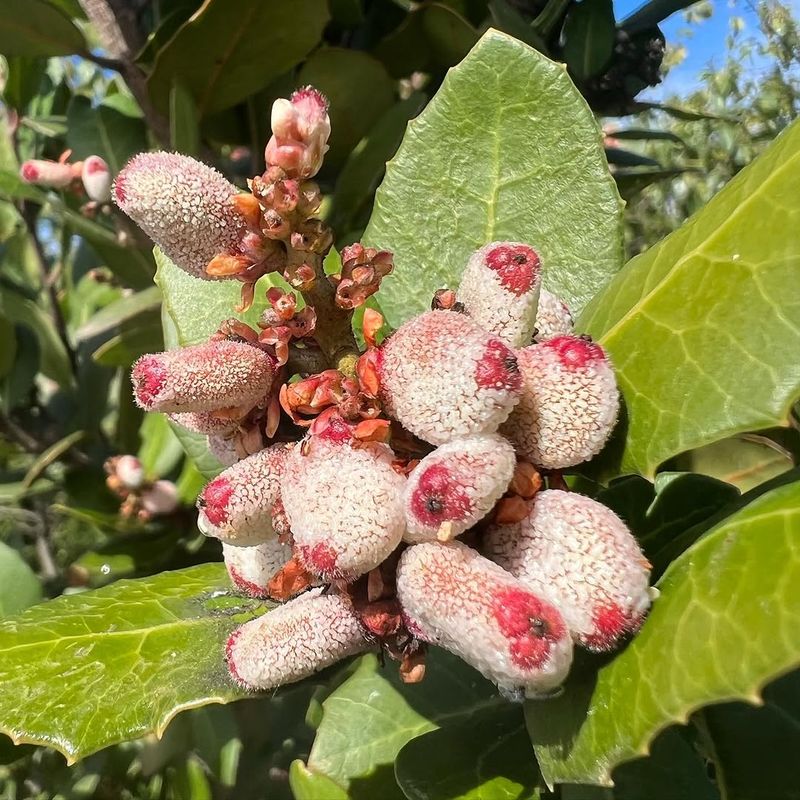
Native to the coastal sage scrub and chaparral of Southern California, lemonade berry is a plant that knows how to handle the heat. Rhus integrifolia is a tough, dense evergreen shrub that has been growing along California’s coast and foothills for thousands of years.
Its small, tart berries were once used by Indigenous Californians to make a lemony drink, which is exactly where the name comes from.
Lemonade berry is considered one of the better firewise shrubs for Southern California landscapes. Its thick, leathery leaves hold moisture and are not loaded with the volatile oils found in more flammable plants.
It forms a dense, rounded shape and can grow anywhere from five to twelve feet tall, depending on conditions. Keeping it pruned back encourages fresh growth and reduces the buildup of dry interior wood.
It thrives in full sun and is incredibly drought-tolerant once established, needing little to no supplemental irrigation in most California coastal areas. Plant it beyond your Zone 0 hardscape buffer and give it space to grow.
Lemonade berry also provides excellent habitat for birds and beneficial insects. For Southern California homeowners who want a native, fire-aware, and low-maintenance shrub with deep local roots, lemonade berry is a top-tier choice.