The 10 Beneficial Insects California Gardeners Should Never Get Rid Of
Not every bug in a California garden is bad news. Some of the most valuable ones are out there hunting pests, pollinating flowers, and quietly doing free yard work you would definitely rather not do yourself.
That matters fast in California, where long growing seasons give problem insects plenty of time to multiply. The good guys help keep that chaos in check.
Ladybugs, lacewings, hoverflies, parasitic wasps, and a few other tiny overachievers can make a huge difference before an infestation turns into a full garden meltdown.
Getting rid of every crawling or flying insect is where a lot of gardeners go wrong. Some bugs are the backup.
The muscle. The unpaid security team patrolling your tomatoes, roses, and squash like they have something personal against aphids.
Once you know which beneficial insects deserve protection, it gets a whole lot easier to work with nature instead of accidentally wiping out your best garden allies.
1. Green Lacewings
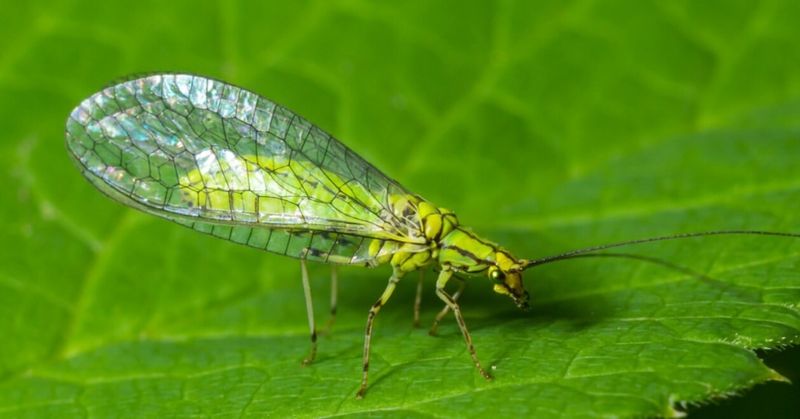
If you ever see a delicate, pale green insect with shimmering wings floating around your garden at dusk, do not disturb it. Green lacewings are some of the most effective pest controllers in California gardens, and they deserve a lot of respect.
Their lacy wings and gentle appearance are a bit misleading because their larvae are fierce hunters.
The larvae are nicknamed “aphid lions” for good reason. They use their curved, hollow jaws to grab and drain aphids, whiteflies, thrips, and even small caterpillars.
One larva can take out hundreds of pests before it ever becomes an adult.
Adult green lacewings feed mostly on nectar and pollen, so planting a variety of flowering plants like sweet alyssum, coriander, and cosmos helps keep them around. In California, where warm weather stretches across much of the year, green lacewings can go through several generations, meaning their pest-fighting benefits last a long time.
Encourage them to stay by reducing pesticide use and keeping a diverse, blooming garden.
2. Hover Flies
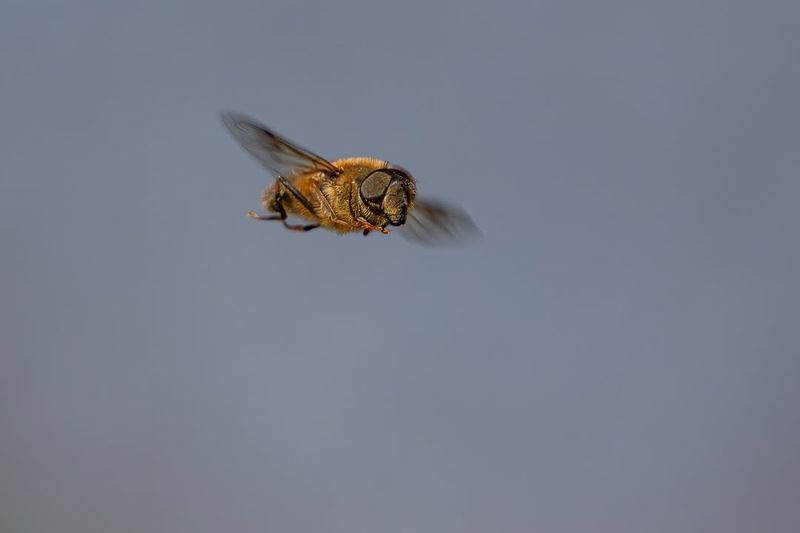
At first glance, hover flies look like tiny bees or wasps, and that is exactly the point. Their bee-like appearance helps protect them from predators, but unlike bees, they cannot sting.
These clever little insects are completely harmless to people and incredibly useful in the garden.
Adult hover flies are excellent pollinators. They visit flowers constantly, sipping nectar and moving pollen from bloom to bloom.
Meanwhile, their larvae have a completely different job. A single hover fly larva can eat up to 400 aphids before it transforms into an adult, which is an impressive number for such a tiny creature.
In California, hover flies are especially active during spring and early summer when aphid populations start to climb. You can attract more of them by planting flat-topped flowers like yarrow, buckwheat, and native California poppies.
These flowers make it easy for hover flies to land and feed. Skip the pesticides whenever possible, because these insects are sensitive to chemicals.
With the right plants and a little patience, hover flies will become regular visitors to your California garden.
Your California Garden Changes Every Week. Your Plan Should Too.
Gardening in California changes quickly throughout the season. Every Friday you’ll receive a simple weekly plan showing exactly what to plant, prune, fertilize, harvest, and protect so you never miss the right timing.
3. Parasitic Wasps
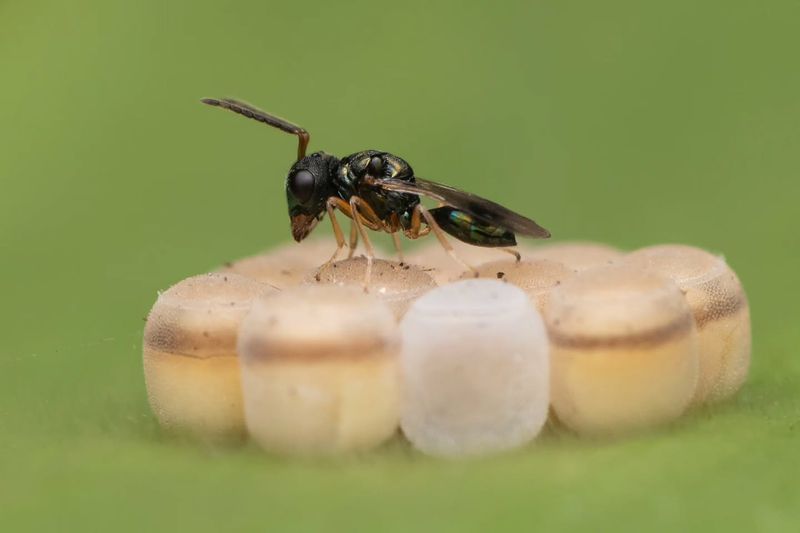
Most people hear the word wasp and immediately want to back away. But parasitic wasps are nothing like the large, aggressive wasps that crash your backyard barbecue.
These insects are tiny, often smaller than a grain of rice, and they pose zero threat to humans. What they do pose a serious threat to is garden pests.
Parasitic wasps lay their eggs inside or on top of pest insects like caterpillars, aphids, and whiteflies. The developing larvae then feed on the host pest from the inside, eventually stopping the pest from reproducing or surviving.
It sounds intense, but for your garden, it is an incredibly effective natural solution.
California gardeners can encourage parasitic wasps by planting small-flowered plants like dill, parsley, and sweet alyssum. These flowers provide the nectar adult wasps need to survive.
Because these wasps are so tiny, they need flowers with easy access to pollen. Reducing pesticide use is also critical, since many common sprays are harmful to parasitic wasps.
Once established in your garden, they quietly handle pest problems in the background without you having to do a thing.
4. Damsel Bugs
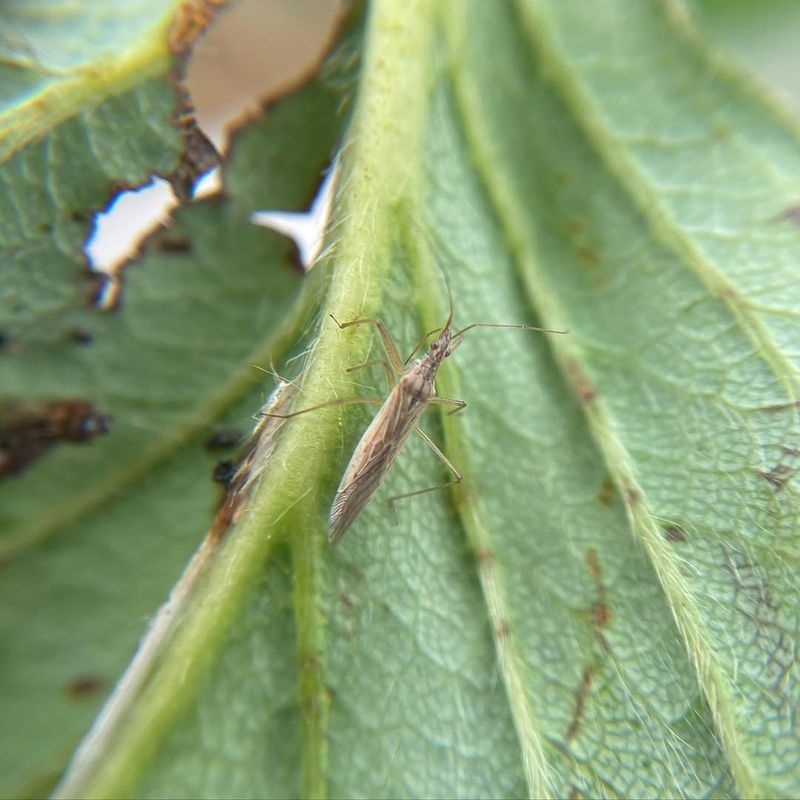
Not many gardeners have heard of damsel bugs, but these slim, brown, fast-moving insects are working hard behind the scenes in California gardens. They are generalist predators, which means they eat a wide variety of pest insects rather than focusing on just one type.
That makes them incredibly versatile helpers.
Damsel bugs go after aphids, small caterpillars, leafhoppers, and thrips. Both the adults and the nymphs, which are the younger versions of the insect, are active hunters.
They use their front legs to grab prey quickly, similar to how a praying mantis hunts. They are fast, efficient, and relentless when it comes to tracking down garden pests.
You are most likely to find damsel bugs in gardens with dense plantings and lots of ground cover. In California, they tend to be most active during spring and summer when pest activity is at its peak.
To encourage them, avoid tilling your garden soil too aggressively, since this can disturb their habitat. Planting a mix of flowering herbs and native plants also gives damsel bugs the shelter and hunting grounds they need to stick around all season.
5. Bigeyed Bugs
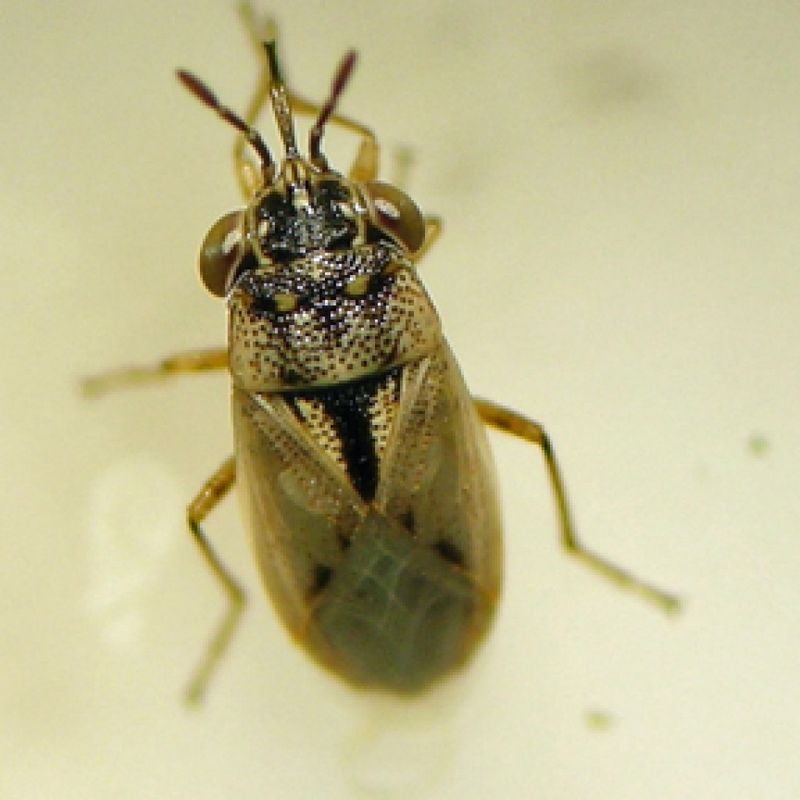
One look at a bigeyed bug and you will understand exactly how it got its name. These small insects have noticeably large eyes that take up a significant portion of their tiny heads.
But beyond their quirky appearance, bigeyed bugs are serious hunters that California gardeners should absolutely welcome.
Bigeyed bugs feed on a range of soft-bodied pests including aphids, spider mites, small caterpillars, and whitefly eggs. They are fast movers and tend to patrol the soil surface as well as plant leaves, which means they cover a lot of ground in your garden.
Both adults and nymphs are active predators, so the whole population is working for you at once.
These insects thrive in warm, sunny conditions, which makes California an ideal environment for them. They are commonly found in vegetable gardens, orchards, and landscapes throughout the state.
To support bigeyed bugs, reduce pesticide use and maintain a diverse garden with plenty of low-growing plants and ground cover. Adding native flowering plants to your California garden also helps by providing nectar for adults while keeping the overall ecosystem balanced and healthy for these useful little insects.
6. Minute Pirate Bugs
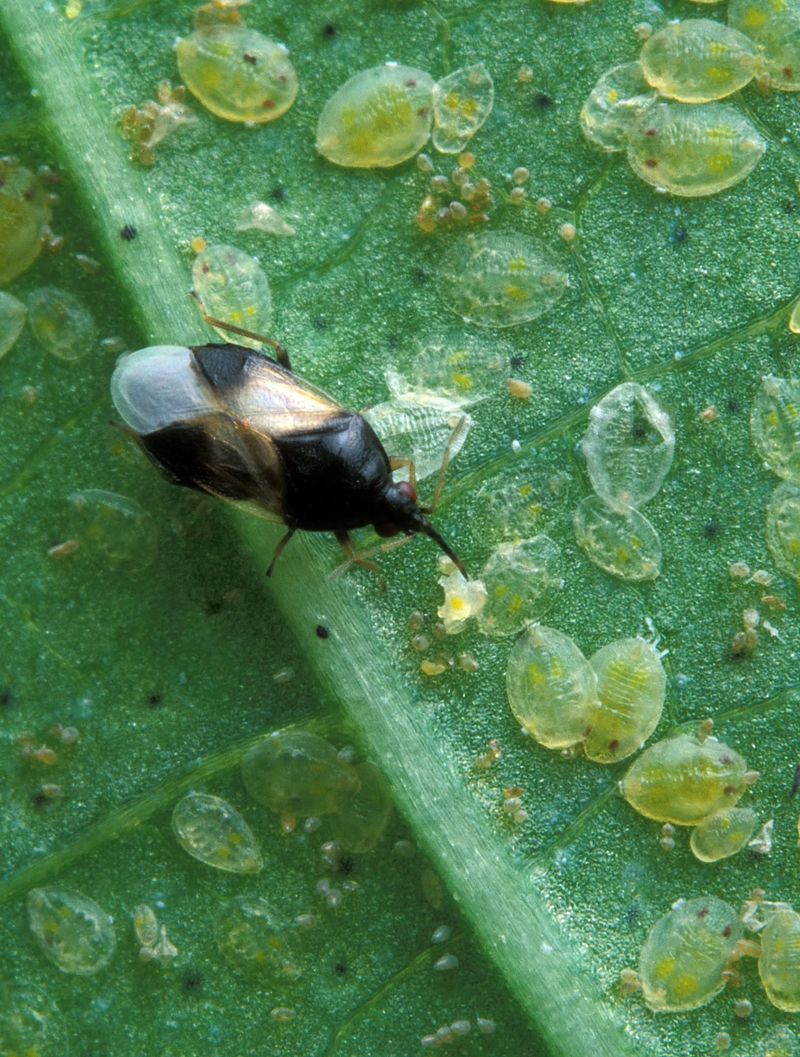
Do not let the small size fool you. Minute pirate bugs are among the most aggressive and effective predators in the entire California garden ecosystem.
They are so small that most gardeners never even notice them, but they are constantly working to reduce pest populations on your plants.
These tiny insects attack thrips, spider mites, aphids, whitefly larvae, and even small caterpillar eggs. What makes them especially impressive is their speed.
They can detect and attack prey faster than many larger predatory insects. In fact, minute pirate bugs are so enthusiastic about hunting that they will sometimes give humans a small, sharp bite during late summer when prey is scarce.
It does not cause any real harm, but it is worth knowing.
In California, minute pirate bugs are found in many types of gardens, from backyard vegetable plots to commercial orchards. They are especially common in areas with lots of flowering plants.
Planting pollen-rich flowers like sunflowers, goldenrod, and native asters will help attract and keep them around. Avoid chemical sprays as much as possible, and let these tiny but fierce insects do what they do best in your California garden.
7. Soldier Beetles
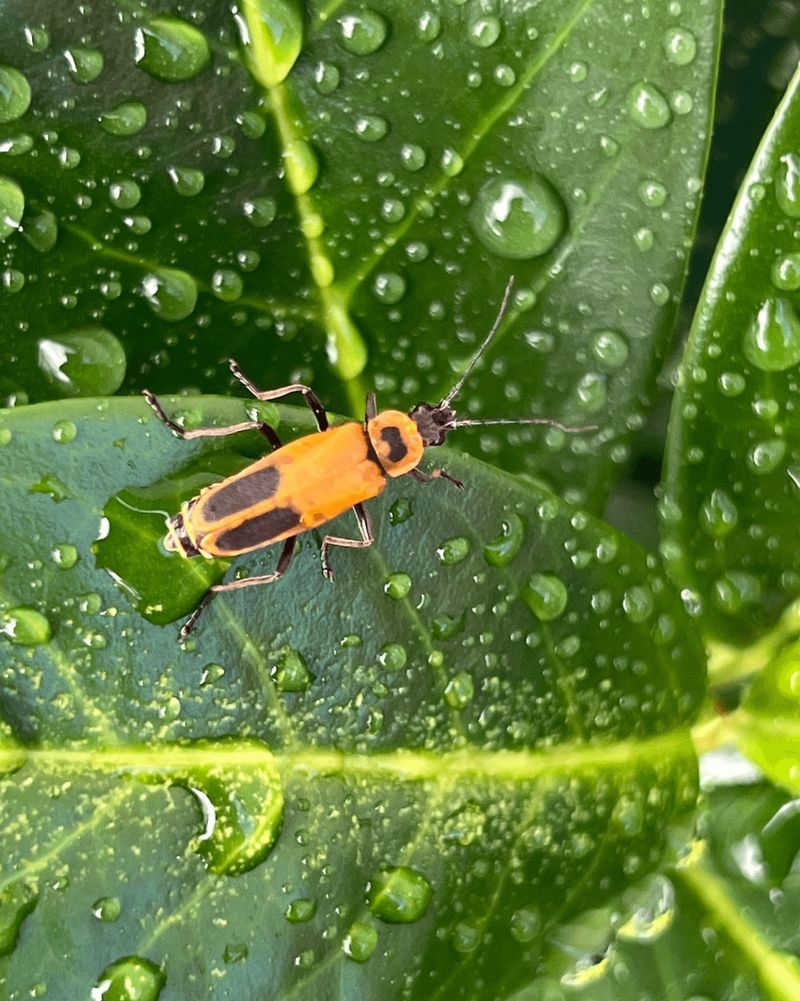
Soldier beetles have a look that makes them easy to spot. Their elongated bodies are usually dressed in shades of orange, red, and black, which gives them a bold appearance among garden flowers.
But their good looks are not the only thing going for them. These beetles are hardworking contributors to any California garden.
Adult soldier beetles are pollinators. They visit flowers regularly, feeding on nectar and pollen while transferring pollen between blooms.
At the same time, their larvae live in the soil and feed on pest insect eggs and larvae, including those of harmful beetles and moths. So soldier beetles are helping your garden on two different levels at once.
You will often find soldier beetles hanging out on goldenrod, milkweed, and other tall flowering plants during late summer and fall in California. These are their favorite feeding spots.
Planting a mix of late-blooming native flowers ensures soldier beetles have food sources as the season winds down. Since they are beneficial at both the adult and larval stages, protecting them throughout the year matters.
Skip the insecticides near flowering plants, and soldier beetles will reward your California garden with both pollination and natural pest control.
8. Ground Beetles
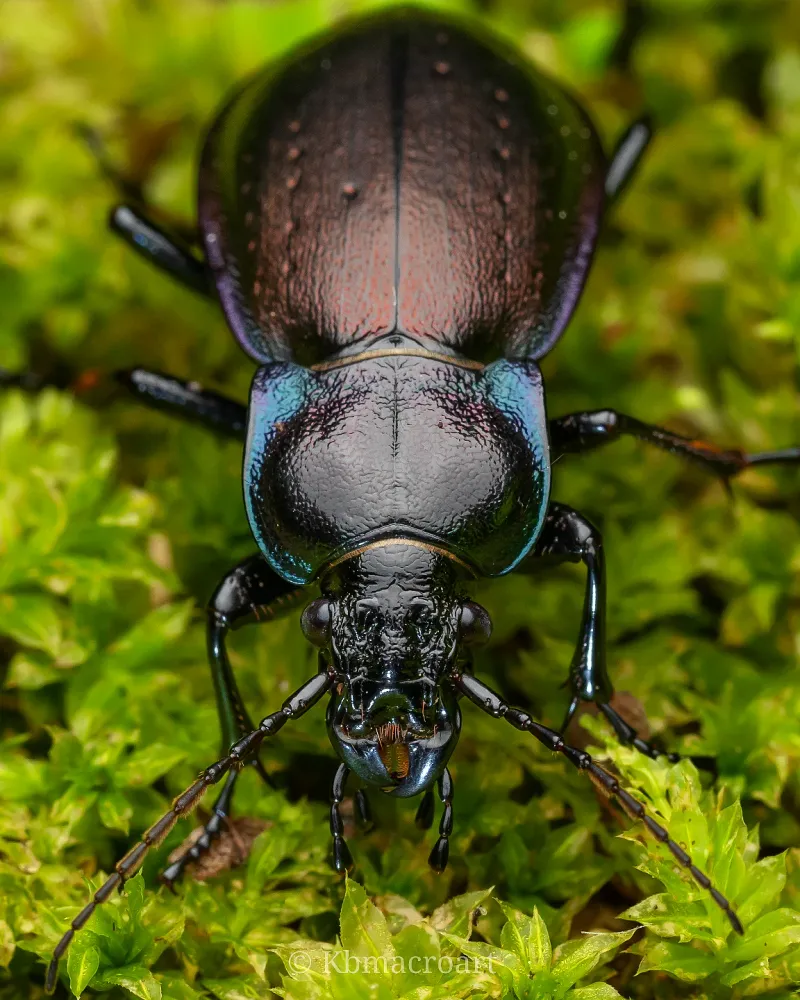
While most gardeners are asleep, ground beetles are just getting started. These nocturnal hunters spend their nights patrolling the soil surface and hunting down pests that hide in the dark.
In California gardens, they are one of the most dependable natural pest control options available, and they ask for nothing in return.
Ground beetles go after slugs, snails, cutworms, insect larvae, and other soil-dwelling pests. They are fast runners and use their strong jaws to overpower prey.
Some species also climb plants to hunt pests higher up. With over 2,000 species found across North America, there is a good chance several types are already living in your California garden right now.
To support ground beetles, focus on keeping healthy soil with lots of organic matter. Mulched garden beds, leaf litter, and undisturbed areas of soil give them places to hide during the day.
Avoid excessive tilling, which disrupts their habitat. Ground beetles also benefit from having rocks or logs nearby where they can shelter.
In California, where slugs and snails can be a serious problem in coastal and wetter inland gardens, having a strong population of ground beetles is especially valuable for keeping those pests in check.
9. Spiders
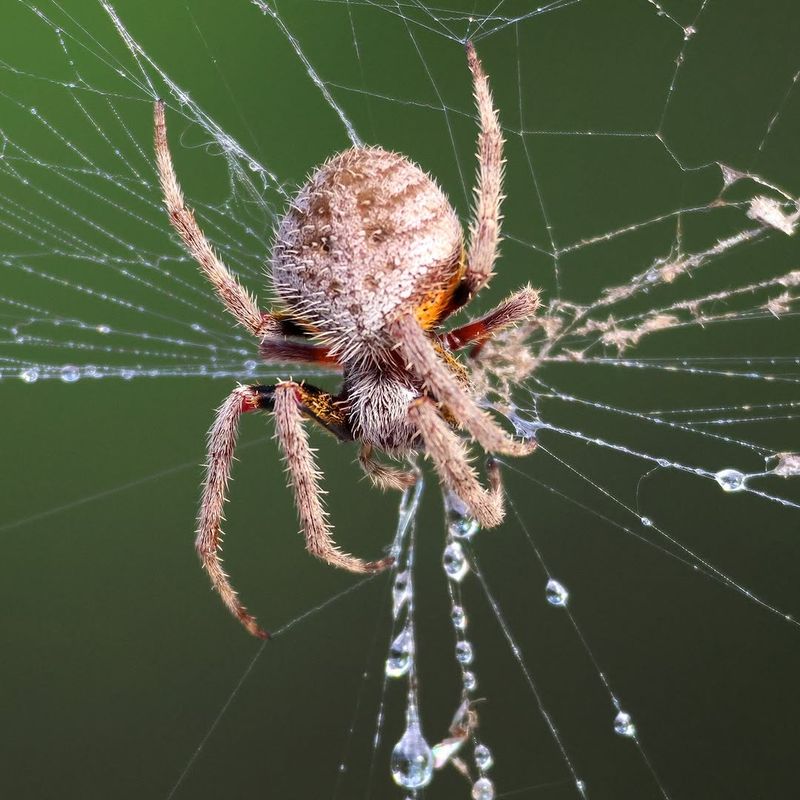
Technically arachnids rather than insects, they still belong on this list because of the enormous role they play in controlling pest populations. Spiders get a bad reputation, but in the garden, they are some of your best allies.
A garden with healthy spider populations is a garden with far fewer pest problems.
Spiders catch a huge variety of insects in their webs or by actively hunting on plant surfaces and in the soil. They eat moths, flies, beetles, aphids, leafhoppers, and many other garden pests.
Because they are not picky eaters, they provide broad-spectrum pest control around the clock, day and night.
California is home to hundreds of spider species, most of which are completely harmless to humans and extremely beneficial in garden settings. Garden spiders, crab spiders, and jumping spiders are especially common in California landscapes.
To encourage spiders, avoid removing every web you see and resist the urge to use pesticides. Leaving some areas of your garden slightly wild, with dense plantings and leaf litter, gives spiders the shelter they need.
Once you start seeing spiders as partners rather than pests, your whole approach to California garden care will shift for the better.
10. Dragonflies
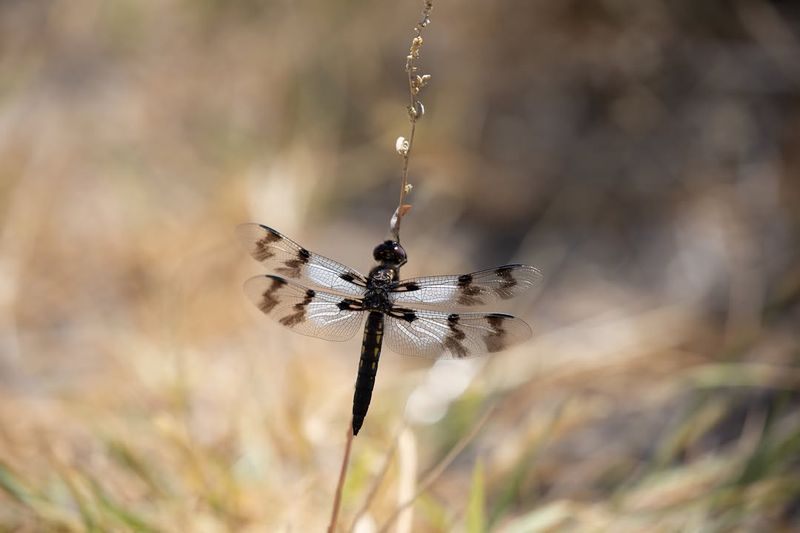
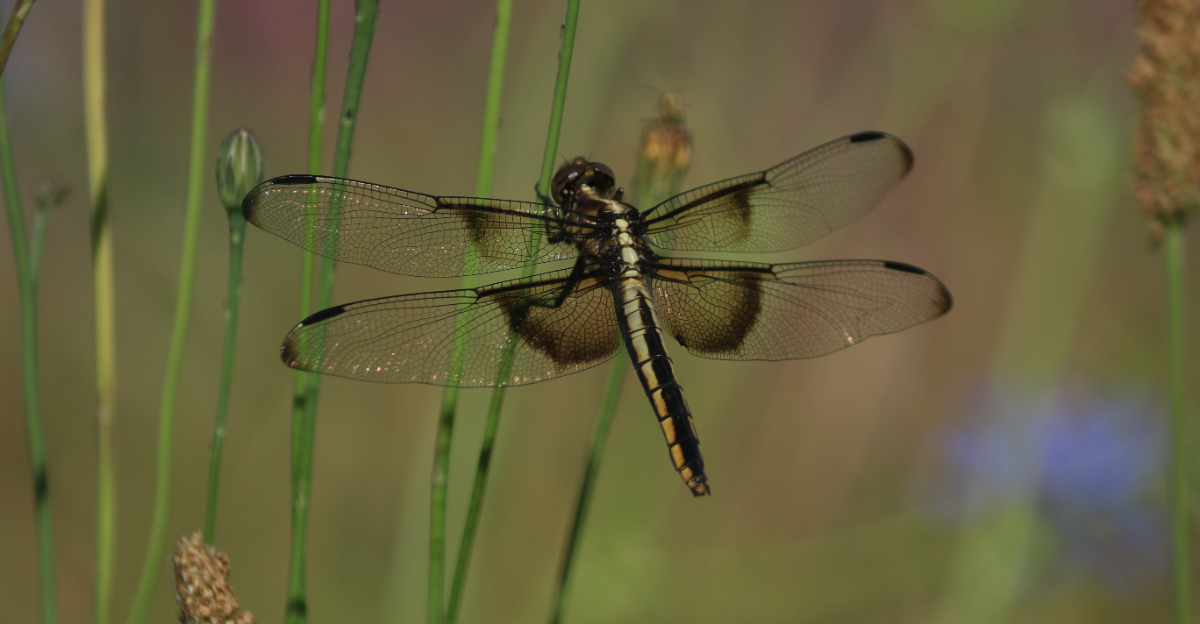
Few garden visitors are as striking as dragonflies. Their shimmering wings and bold colors make them look almost prehistoric, and in a way, they are.
Dragonflies have been around for over 300 million years, making them one of the oldest insect groups on Earth. And they have been controlling pest populations for just as long.
Dragonflies are expert aerial hunters. They catch mosquitoes, gnats, midges, and other flying insects mid-air with remarkable precision.
Studies show that dragonflies successfully catch their prey about 95 percent of the time, which makes them one of the most effective hunters in the entire animal kingdom. For California gardeners dealing with mosquitoes or fungus gnats, having dragonflies nearby is a huge advantage.
To attract dragonflies to your California garden, add a water feature. Even a small pond or a large container filled with water can be enough to bring them in.
Dragonflies lay their eggs in or near water, and their aquatic larvae also feed on mosquito larvae, giving you double pest control. Planting tall grasses or reeds near the water gives dragonflies perches to rest on.
Once you invite them in, these ancient and beautiful insects will become one of your California garden’s most impressive and helpful residents.