These Michigan Plants Survive Deer Browsing And Look Better For It Every Spring
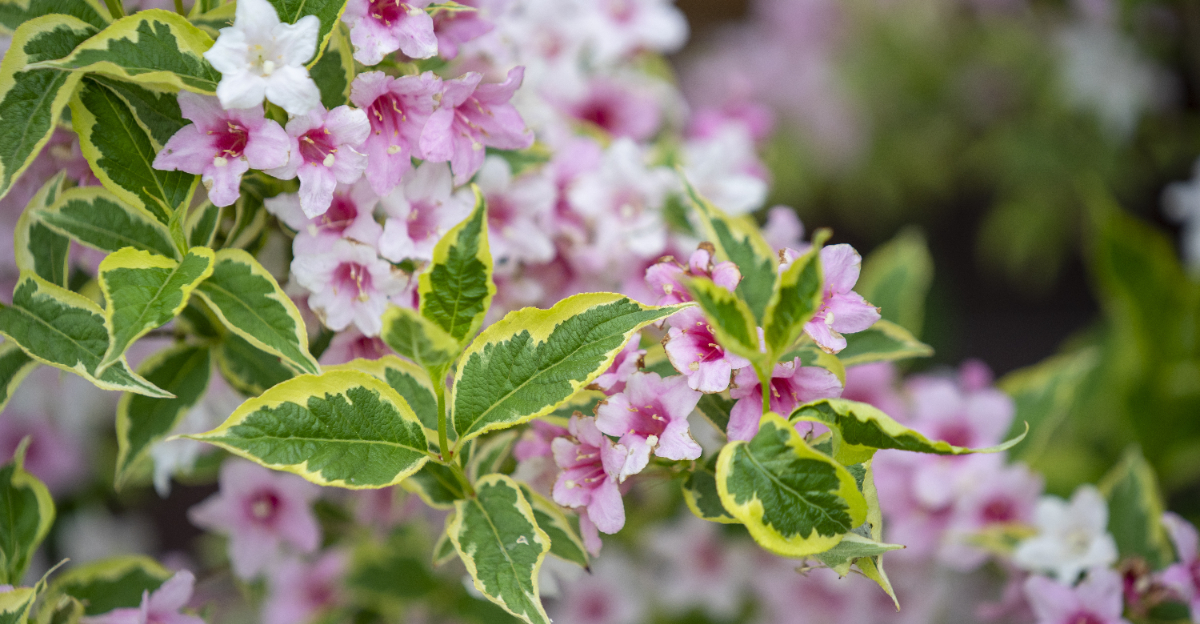
In many Michigan yards, deer browsing is just part of the landscape, but not every plant reacts the same way. Some get damaged and struggle to recover, while others seem to bounce back stronger each spring.
These tougher plants have a natural ability to handle light browsing and still grow full, healthy, and attractive as the season moves forward. In some cases, that nibbling even encourages fresh growth that makes the plant look better than before.
That is why more gardeners are choosing plants that can handle a little pressure instead of constantly replacing ones that cannot. Michigan’s mix of wildlife and changing seasons makes resilience an important trait in any landscape.
If you want a garden that keeps looking good without constant worry, these hardy plants can help you stay one step ahead while still enjoying a yard full of color and life.
1. Hellebores (Helleborus × Hybridus)
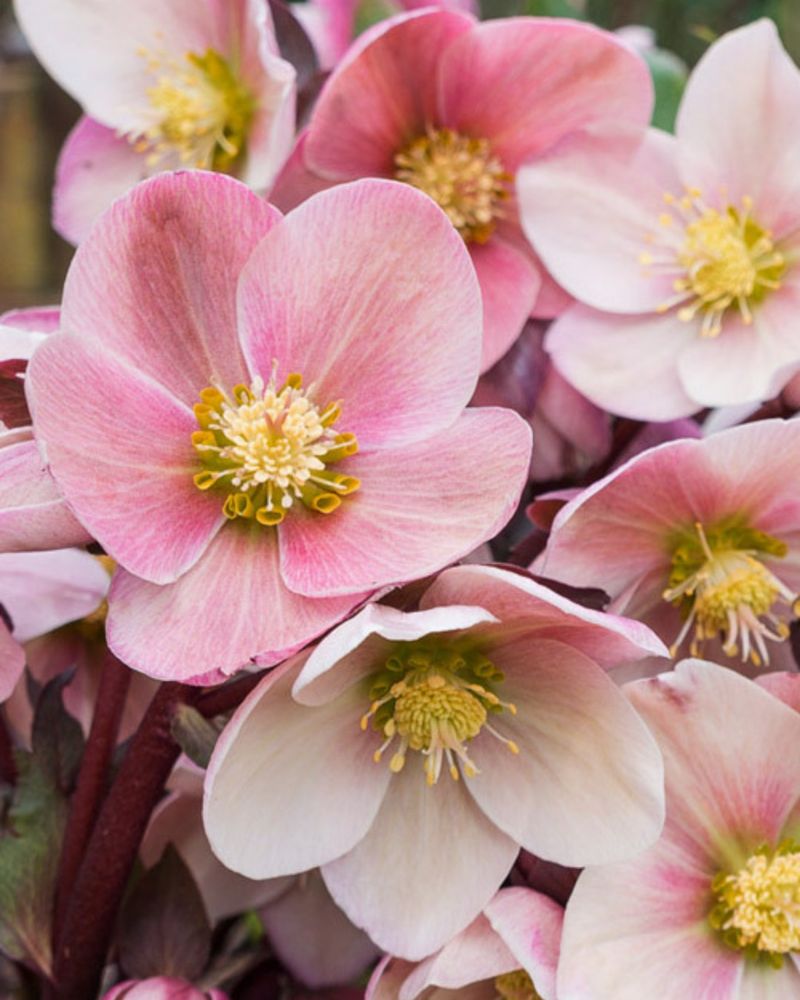
Few plants feel as quietly magical as hellebores pushing up through cold Michigan soil while everything else is still dormant.
Their thick, glossy leaves and nodding cup-shaped flowers appear so early in the season that they almost feel like a secret the garden is keeping.
Deer find them unappealing, likely because of the toxic compounds naturally present in the plant, so they tend to pass right by without a second glance.
For Michigan shade gardeners, this is a genuine gift. Hellebores settle beautifully under deciduous trees, in north-facing foundation beds, or along woodland edges where little else wants to grow.
Once established, they need almost no fuss, and their evergreen foliage stays fresh-looking even through mild winters.
Colors range from creamy white and soft pink to deep burgundy and near-black, giving you plenty of options to create a moody, layered planting. They pair wonderfully with ferns, hostas, and astilbe in a shaded Michigan border.
Over time, a single plant slowly multiplies into a fuller clump, improving its own appearance year after year. Plant them in rich, well-drained soil with consistent moisture and they will reward you generously.
Hellebores are truly one of the most elegant, low-effort perennials you can grow in a deer-heavy Michigan landscape.
2. Catmint (Nepeta × Faassenii)
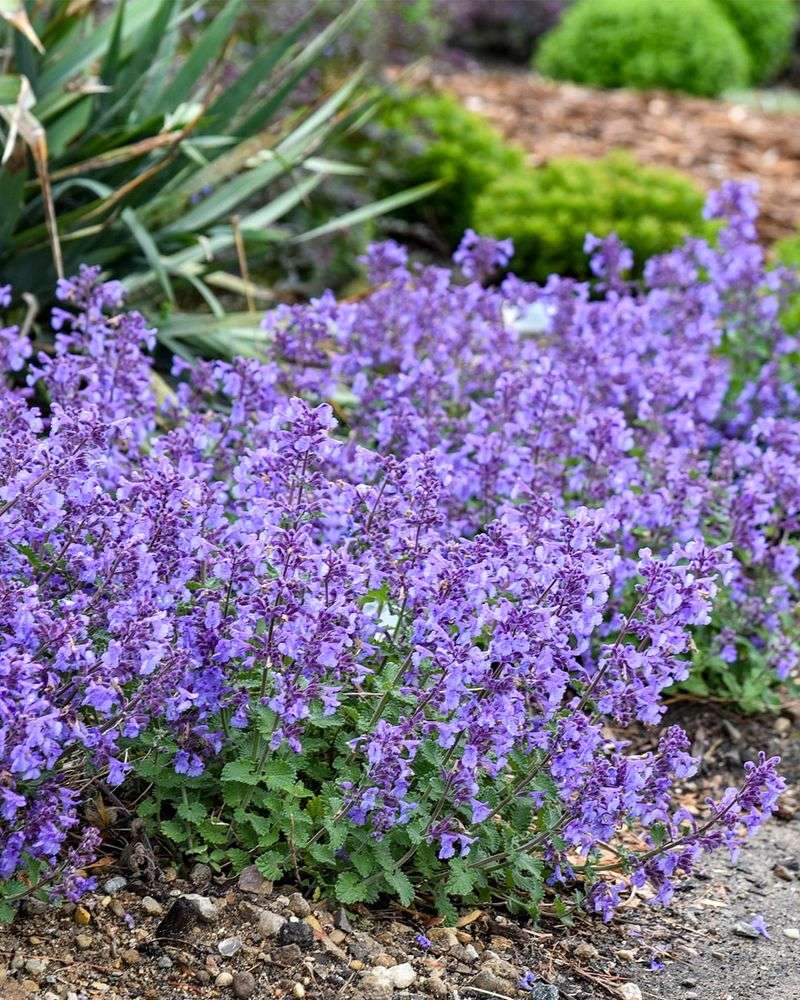
Walk past a patch of catmint on a warm morning and you will immediately understand why deer want nothing to do with it. The strongly aromatic, silvery-green foliage releases a sharp, minty scent that most deer find completely off-putting.
In Michigan gardens, that trait alone makes catmint worth planting, but the real bonus is how incredibly beautiful it looks every single spring.
After a Michigan winter, catmint bounces back with soft, billowing mounds of fresh gray-green growth that quickly fill out a border with texture and energy. By late spring, waves of lavender-blue flowers appear and draw in pollinators by the dozens.
Bees absolutely love it, which makes catmint a double win for any Michigan yard that wants to support local wildlife while keeping deer at bay.
One of the most practical things about catmint is how easy it is to manage. A quick trim after the first flush of blooms encourages a second wave of flowers in late summer, keeping the plant looking tidy and full all season long.
Your Michigan Garden Changes Every Week. Your Plan Should Too.
Gardening in Michigan changes quickly throughout the season. Every Friday you’ll receive a simple weekly plan showing exactly what to plant, prune, fertilize, harvest, and protect so you never miss the right timing.
It thrives in full sun with well-drained soil and handles dry spells with impressive resilience. Whether you edge a walkway or anchor a sunny border, catmint delivers effortless charm in any Michigan garden where deer pressure is a constant challenge.
3. Lavender (Lavandula Angustifolia)
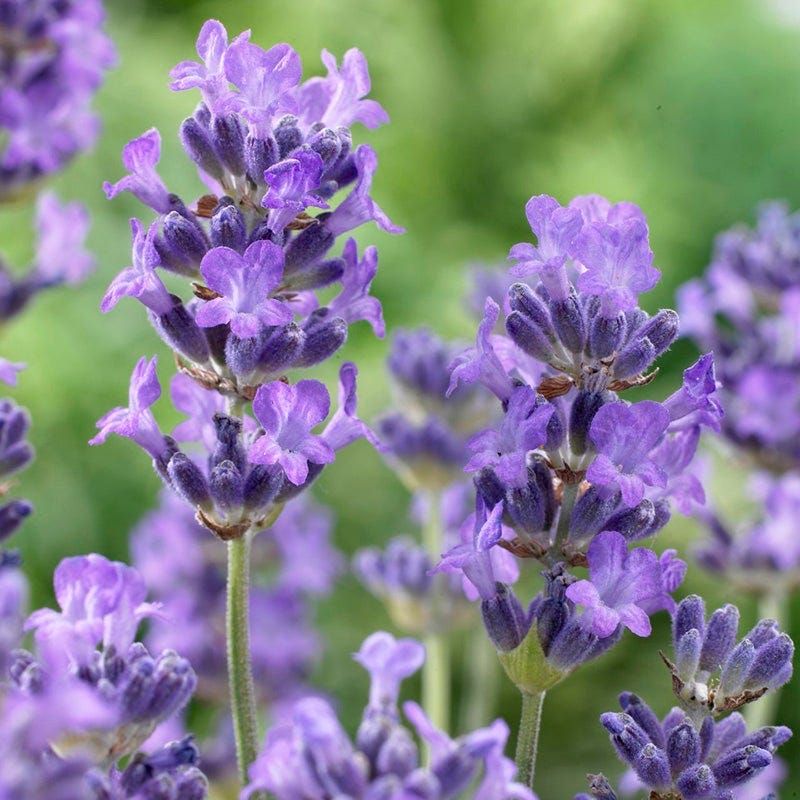
There is something wonderfully practical about a plant that smells like a spa and also keeps deer away. Lavender is exactly that plant, and it earns a permanent spot in Michigan gardens for more reasons than just its fragrance.
Deer strongly dislike its pungent, oily foliage, which means your lavender plants tend to emerge each spring looking completely untouched while nearby shrubs take the hit.
In Michigan, lavender performs best in full sun with sharp drainage, so raised beds, sloped sites, and sandy soils are ideal. Heavy clay can be a challenge, but amending with gravel or coarse sand makes a real difference.
Once you get the soil conditions right, lavender rewards you with tidy silver-green mounds in spring that build toward tall, fragrant spikes of purple flowers by midsummer.
Beyond its deer resistance, lavender brings incredible sensory value to the garden. Butterflies and bees flock to it, the dried flowers can be used indoors, and the silvery foliage looks striking against darker plants like salvia or ornamental grasses.
Varieties like Hidcote and Munstead are especially reliable for Michigan winters, handling cold snaps better than more tender types.
Plant lavender along a sunny path or in a front-yard border and it will become one of the most talked-about plants in your Michigan landscape, season after season.
4. Russian Sage (Salvia Yangii)
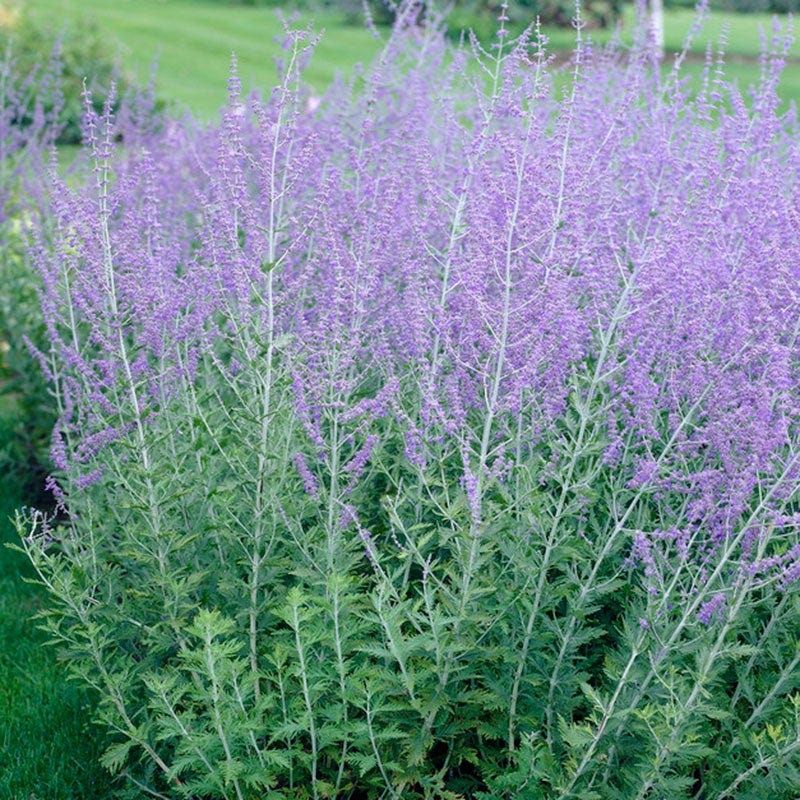
Russian sage has a reputation that precedes it in Michigan gardening circles, and for good reason.
Every spring, those silvery-white stems push up from the ground with fresh new growth, and within weeks the plant fills out into a tall, airy mass of aromatic foliage that deer consistently avoid.
The strong, almost medicinal scent of the leaves is exactly what makes deer turn around and find something else to browse.
What really sets Russian sage apart is its combination of toughness and elegance. It handles Michigan summers with ease, tolerates drought once established, and thrives in poor, well-drained soils where many other perennials struggle.
By midsummer, it erupts into long wands of hazy lavender-blue flowers that create a dreamy, soft effect in any sunny border.
Pairing Russian sage with ornamental grasses, coneflowers, or black-eyed Susans creates a stunning naturalistic planting that feels both wild and intentional. It works beautifully in large Michigan yards where you want big, bold color without constant maintenance.
Cutting stems back to about six inches in early spring keeps the plant compact and encourages the strongest new growth.
Russian sage is technically classified as Salvia yangii now, though you will still find it labeled as Perovskia atriplicifolia at many Michigan nurseries.
Either way, it is one of the most reliable deer-resistant perennials available for sunny Michigan gardens.
5. White Snakeroot (Ageratina Altissima)
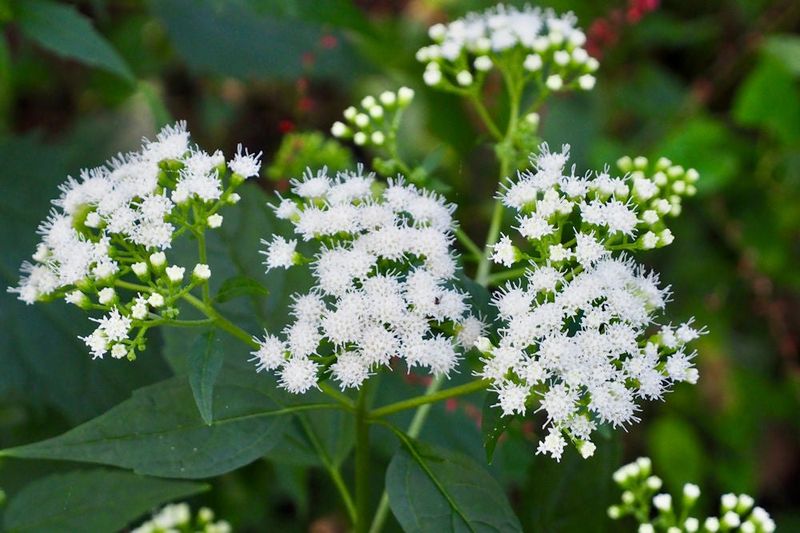
Native plants often have built-in survival strategies that non-natives simply cannot match, and white snakeroot is a perfect example of that principle in action.
This Michigan-native perennial contains compounds that make it unpalatable to deer, which is why you will often spot it thriving untouched in woodland edges and shaded areas where other plants get browsed right down to the ground.
White snakeroot is especially valuable for Michigan gardeners dealing with challenging spots, think deep shade under maples, dry woodland edges, or sloped areas with thin soil.
It fills those difficult corners with lush, bright-green foliage through spring and summer, then bursts into clusters of fluffy white flowers in late summer and early fall when most other shade plants have already finished blooming.
Because it is native to Michigan and the broader Midwest, white snakeroot supports local ecosystems in a meaningful way.
Native bees and butterflies visit its flowers regularly, making it a smart choice for anyone interested in supporting pollinators alongside managing deer pressure.
It spreads gradually by seed, which can help it naturalize a shaded area over time without becoming invasive.
For a low-maintenance, deer-resistant option that genuinely belongs in a Michigan landscape, white snakeroot deserves far more attention than it typically receives from home gardeners looking for reliable shade solutions.
6. Boxwood (Buxus Spp.)
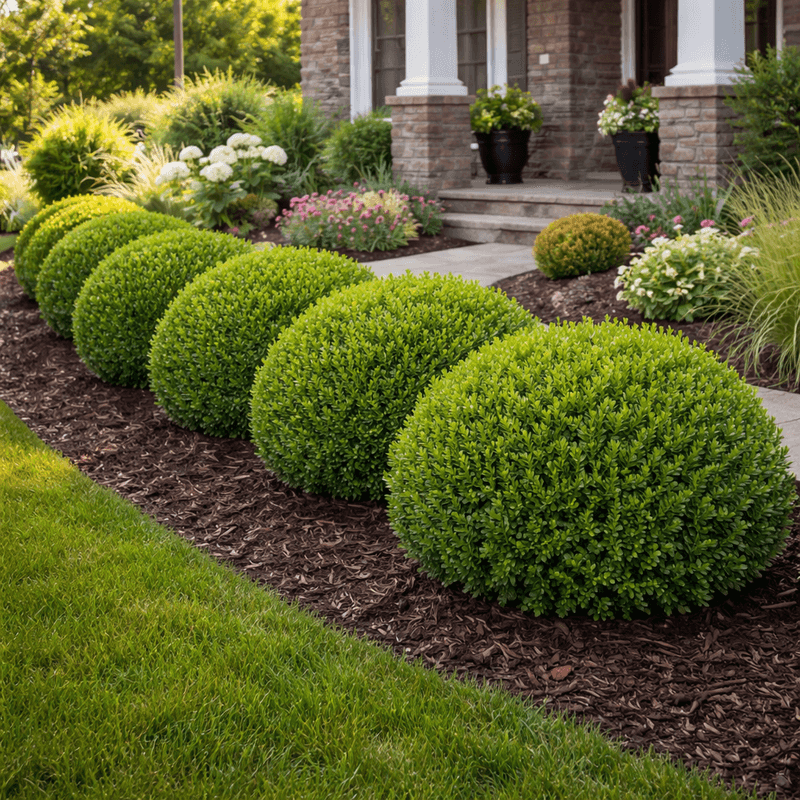
Boxwood has anchored formal and informal gardens for centuries, and in Michigan it continues to earn its place as one of the most dependable evergreen shrubs available.
While deer will eagerly browse arborvitae and yews down to bare sticks, they tend to leave boxwood alone, drawn away by its slightly bitter taste and dense, waxy foliage that is not particularly appealing as a meal.
That deer resistance, combined with boxwood’s year-round structure, makes it especially valuable in Michigan front yards and foundation plantings.
Come spring, when neighboring shrubs look ragged and patchy from winter browsing, boxwood stands crisp and full, its deep green color refreshed by warmer temperatures and spring rains.
It provides a reliable backbone that gives the rest of the garden something to anchor to visually.
Choosing the right variety matters in Michigan, where winters can be harsh. English boxwood can struggle in exposed sites, but American boxwood and newer cold-hardy cultivars like Green Velvet and Green Mountain handle Michigan winters with much more reliability.
Planting in a sheltered spot with morning sun and afternoon shade reduces winter burn. Boxwood responds well to shearing, which lets you shape it into clean spheres, low hedges, or free-form masses depending on your garden style.
For structure, staying power, and genuine deer resistance, boxwood remains a top-tier choice across Michigan landscapes of all sizes.
7. Ninebark (Physocarpus Opulifolius)
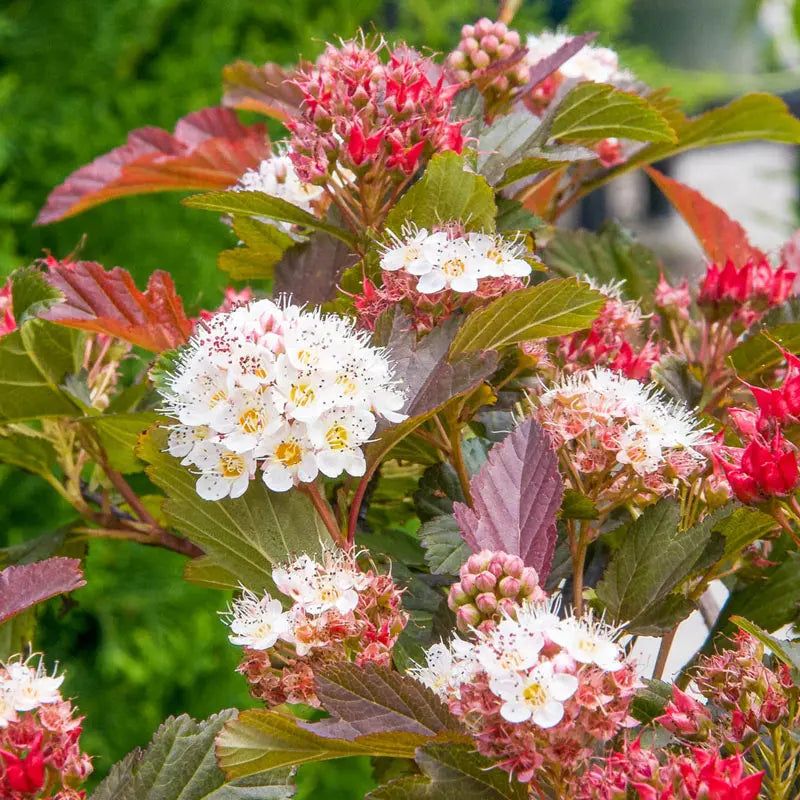
Ninebark is the kind of shrub that makes you feel smart for planting it. It is a true Michigan native, meaning it evolved here and knows exactly how to handle the state’s cold winters, wet springs, and occasionally brutal summers.
Deer browse it far less than many other landscape shrubs, and every spring it rewards that protection by leafing out with incredible energy and color.
Depending on the variety you choose, ninebark foliage can range from bright lime green to deep burgundy or almost chocolate brown. Varieties like Diablo, Summer Wine, and Little Devil bring rich, dark color to a Michigan border that other shrubs simply cannot match.
In late spring, the plant covers itself in clusters of small white or pink flowers that attract native pollinators and add a frothy, romantic texture to the landscape.
Beyond its beauty, ninebark is genuinely tough. It handles wet soil, dry soil, clay, and part shade without complaint, which makes it incredibly versatile across different Michigan yard conditions.
The exfoliating bark on older stems adds winter interest even after the leaves have dropped. Pruning right after flowering keeps the plant shapely and encourages the most vibrant new foliage growth the following year.
For Michigan gardeners who want a deer-resistant native shrub that delivers color in every season, ninebark is one of the best investments you can make for your yard.
8. Potentilla (Dasiphora Fruticosa)
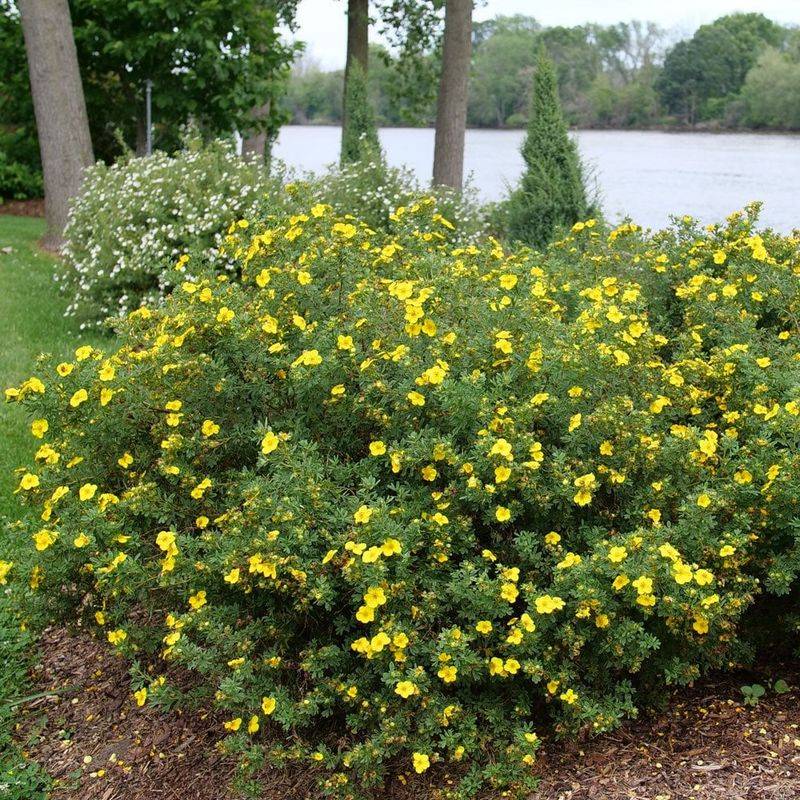
Potentilla has been a quiet workhorse in Michigan landscapes for decades, and it earns that reputation honestly.
This compact, mounding shrub leafs out reliably every spring, fills in quickly, and then flowers continuously from late spring all the way through fall, which is a blooming season that very few other shrubs can match.
Deer tend to avoid it, letting it go through its full seasonal performance without interruption.
The flowers are cheerful and simple, typically bright yellow, though varieties in white, pink, and orange are widely available at Michigan nurseries.
The foliage is fine-textured and soft, giving the plant a light, airy appearance that works well in both formal and naturalistic garden settings.
Because potentilla stays relatively compact, usually between two and four feet tall, it fits neatly into foundation plantings, mixed borders, and low hedges without overwhelming its neighbors.
One of the most practical qualities of potentilla is its tolerance for harsh conditions. It handles Michigan winters without complaint, grows well in poor or sandy soils, and manages dry spells with minimal stress once established.
Full sun brings out the best flowering, though it tolerates light shade without completely shutting down its bloom cycle. Occasional light pruning in early spring encourages fresh, vigorous growth and keeps the shape tidy.
For Michigan homeowners who want reliable, deer-resistant color from a small, easy-care shrub, potentilla consistently delivers far more than its modest size suggests.
9. Spirea (Spiraea Japonica)
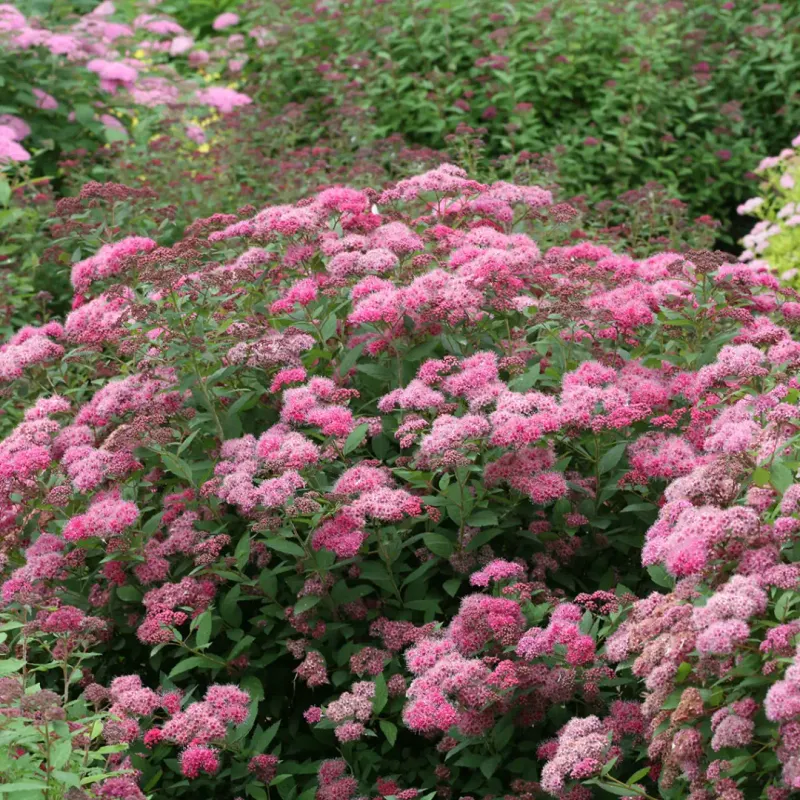
Every spring across Michigan neighborhoods, spirea puts on a show that is hard to miss. It leafs out fast, filling in quickly with dense, healthy foliage that gives the whole plant a fresh, well-groomed appearance almost overnight.
Deer tend to leave spirea alone more often than they browse softer, more tender shrubs, which means your spirea usually looks its absolute best right when the rest of the garden is still recovering from winter.
There is real variety within the spirea family, and Michigan gardeners have a lot of fun choices to work with.
Goldflame and Gold Mound varieties bring bright golden-yellow foliage in spring that gradually deepens to green in summer, while Magic Carpet stays low and colorful across multiple seasons.
Japanese spirea varieties produce flat-topped clusters of pink or white flowers in early to midsummer, creating a vivid contrast against the foliage.
Spirea is also incredibly adaptable to different Michigan growing conditions. It performs well in full sun or light shade, tolerates a range of soil types, and handles both heat and cold without requiring much intervention from the gardener.
Hard pruning in late winter or very early spring encourages the most vigorous new growth and the best flowering performance.
Spirea works beautifully as a mass planting along a fence line, as a low border hedge, or tucked into a mixed shrub bed where its reliable spring energy helps set the tone for the entire Michigan garden season.
10. Weigela (Weigela Florida)
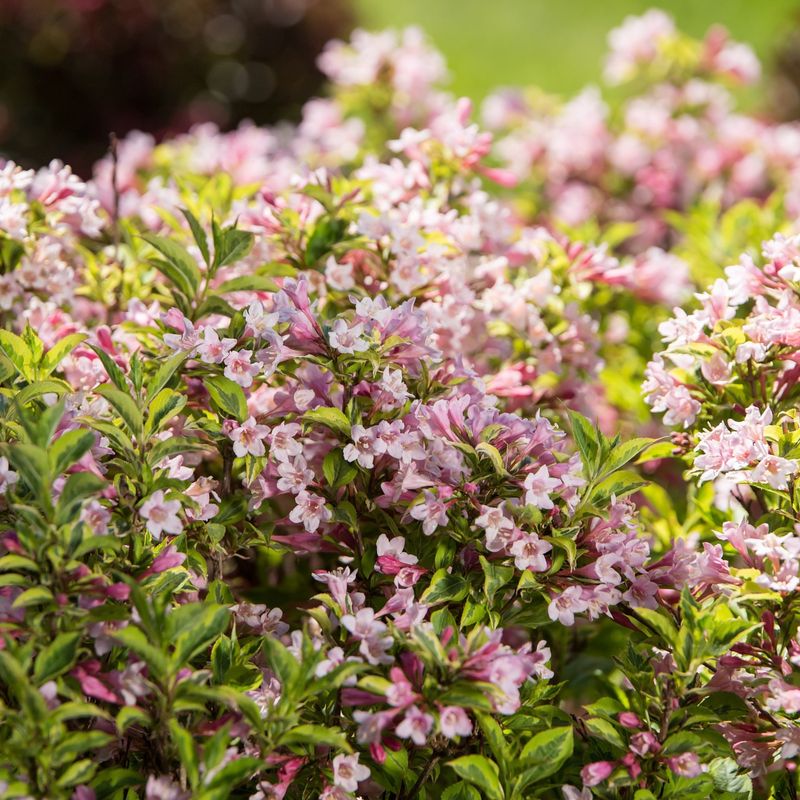
Weigela is the shrub that never seems to have a bad year, and Michigan gardeners who plant it quickly understand why it has stayed popular for so long.
Each spring, it leafs out with impressive fullness, covering its arching branches in fresh foliage before the first flush of trumpet-shaped flowers arrives in late spring.
Deer browse it far less than showier shrubs like roses or azaleas, so it gets to complete that full, gorgeous spring performance without interruption.
The flowers are genuinely stunning. Deep pink, red, white, and bicolor varieties are all widely available, and they attract hummingbirds and native bees with reliable enthusiasm.
Newer varieties like Wine and Roses pair deep burgundy foliage with hot pink flowers for a combination that looks bold and intentional in any Michigan front yard or mixed border planting.
Weigela is also surprisingly unfussy about growing conditions. It thrives in full sun for the best flowering but tolerates light shade without losing its vigor entirely.
Michigan winters do not bother established plants much, especially if you choose cold-hardy varieties suited to the state’s climate zones. Pruning right after the main bloom period encourages fresh growth and a possible light second flowering later in the season.
For Michigan gardeners who want a flowering shrub with genuine deer resistance, big seasonal color, and minimal drama, weigela is one of the most satisfying choices you can put in the ground.