The Watering Mistake Most Arizona Gardeners Make That Damages Their Plants
Arizona heat changes everything fast, and one small habit can quietly hold plants back more than expected. Leaves lose color, soil feels confusing, and growth slows down even when care seems right.
Something subtle often sits behind that shift, hiding in plain sight while plants struggle to keep up.
Desert gardens do not respond the same way as other climates, which is why routines that look harmless can turn into real problems here. Timing, depth, and rhythm matter far more than most people realize, especially once temperatures start climbing.
Getting this part right can turn weak plants into strong, steady growers that handle heat with far less stress. Small adjustments can bring noticeable results without adding extra work or effort.
Clear signs already show when something is off, and once noticed, they become hard to ignore. Fixing that one detail can change how the entire garden looks and feels moving forward.
1. Watering Too Frequently Keeps Roots Shallow And Weak
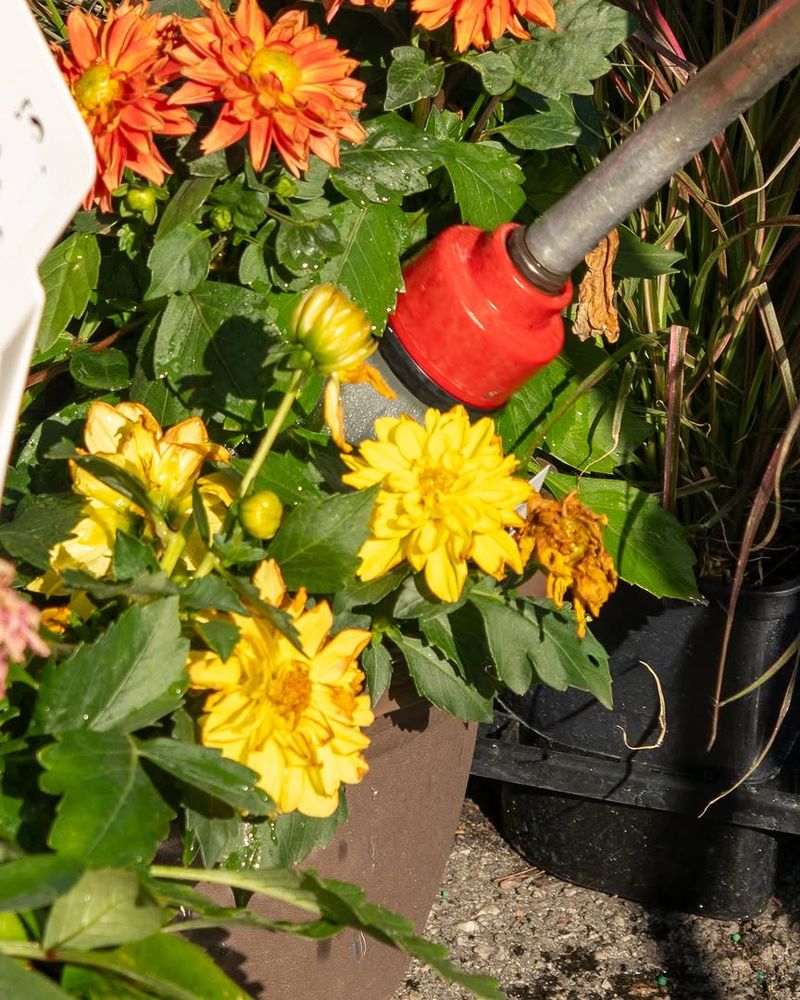
Frequent, light watering is one of the most common habits Arizona gardeners fall into, and it quietly causes real problems over time. When water only reaches the top inch or two of soil, roots have no reason to push deeper.
They stay right near the surface, chasing whatever moisture is available up top.
Shallow roots make plants fragile. A few hot days without water and those surface roots start to suffer fast because the top layer of Arizona soil dries out quickly, especially in summer.
Plants with deep roots handle heat and drought stress far better than ones that have been conditioned to expect frequent shallow drinks.
Watering every single day might feel like good plant care, but in practice it trains roots to be lazy. Roots follow water, so if water never goes deep, neither do they.
Cutting back to less frequent but longer watering sessions gives roots a reason to grow downward.
In Arizona’s sandy and rocky soils, water drains quickly, which means you need to water long enough for moisture to reach 8 to 12 inches down.
2. Deep Watering Less Often Helps Roots Grow Stronger
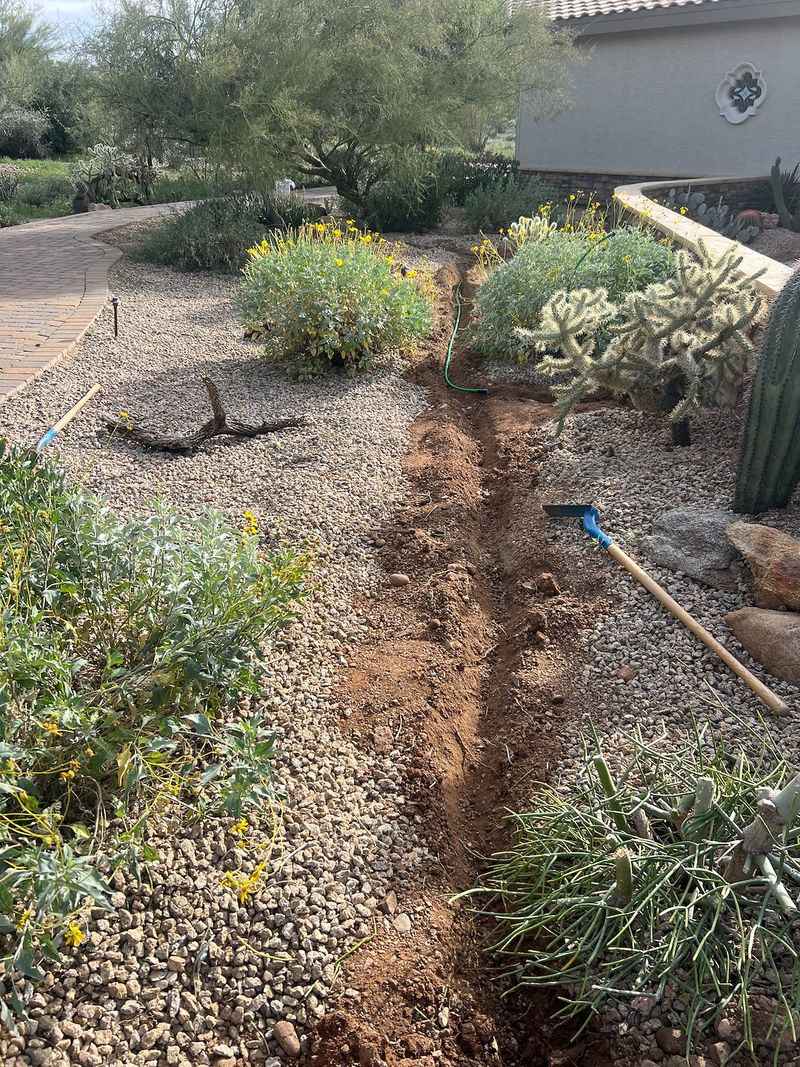
Roots are opportunistic. Give them a reason to go deep, and they will.
Deep watering less often is one of the most effective shifts Arizona gardeners can make, and it does not require fancy equipment or a complicated schedule.
When you water deeply, moisture moves down through the soil profile. Roots follow that moisture downward, anchoring the plant more firmly and accessing water that stays cooler and lasts longer.
In Phoenix or Tucson, where surface soil can heat up dramatically in July and August, having roots deeper in the ground offers real protection against temperature stress.
A good target for most Arizona landscape plants and vegetables is watering to a depth of at least 10 to 12 inches. For established shrubs and trees, going even deeper makes sense.
You do not need to do this every day. Depending on the plant type and the season, watering deeply two or three times a week during summer, and cutting back significantly in cooler months, is usually enough.
Your Arizona Garden Changes Every Week. Your Plan Should Too.
Gardening in Arizona changes quickly throughout the season. Every Friday you’ll receive a simple weekly plan showing exactly what to plant, prune, fertilize, harvest, and protect so you never miss the right timing.
Slow, steady delivery works better than blasting water fast. Drip irrigation and soaker hoses allow water to soak in gradually, which reduces runoff and gives soil time to absorb moisture at a useful depth.
3. Checking Soil Moisture Prevents Unnecessary Watering
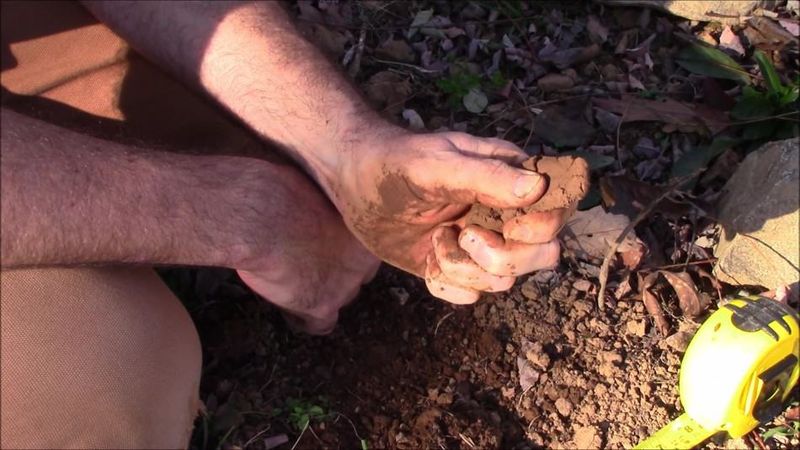
Sticking to a rigid watering schedule without checking the soil first is a mistake that catches a lot of Arizona gardeners off guard.
Soil conditions change constantly depending on temperature, humidity, recent rain, and plant size, so a schedule that worked last month might be too much or too little right now.
The finger test is the easiest tool you have. Push your finger two to three inches into the soil near the base of the plant.
If it still feels damp, hold off on watering. If it feels completely dry at that depth, it is time to water.
That simple check takes about five seconds and can prevent a lot of unnecessary moisture buildup in the root zone.
Moisture meters are another option and cost very little at most garden centers in Arizona. They remove the guesswork entirely and give you a quick read on what is happening a few inches below the surface.
Consistent overwatering based on a fixed schedule, rather than actual soil conditions, is one of the leading reasons Arizona gardeners see yellowing leaves, wilting despite wet soil, and stunted growth.
Plants do not follow a calendar. They respond to actual conditions in the soil and the air around them.
4. Adjusting Watering Based On Temperature Reduces Stress
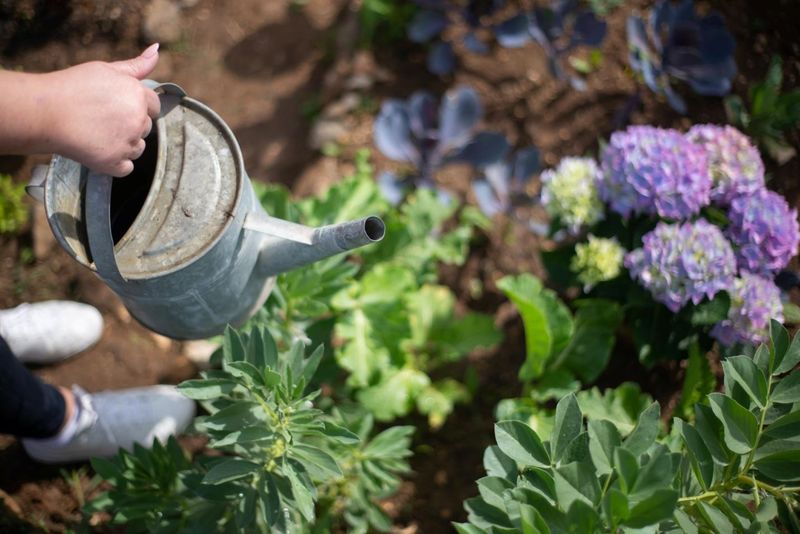
Arizona temperatures swing hard between seasons, and a watering routine that works in March can cause serious problems by June. Many gardeners set their irrigation timers in spring and forget to adjust them as the heat climbs, which leads to either too much or too little water depending on the time of year.
During peak summer heat in Arizona, plants lose moisture rapidly through their leaves. Evaporation from the soil surface also increases significantly.
That means plants may genuinely need more frequent deep watering in July and August than they do in October. Paying attention to those shifts and adjusting your schedule accordingly makes a real difference in plant health.
Cooler months are where overwatering tends to sneak up on gardeners. When temperatures drop in November and December, plant water needs decrease considerably.
Keeping the same summer irrigation schedule through fall and winter saturates the soil and promotes root problems that are hard to reverse. Cutting watering frequency back by at least half once temperatures consistently stay below 80 degrees is a reasonable starting point.
Watching your plants closely gives you useful signals. Wilting in the early morning, before the heat of the day, usually points to underwatering.
5. Improving Drainage Stops Roots From Sitting In Wet Soil
Poor drainage is a hidden problem in a lot of Arizona yards. Caliche, a hardened calcium carbonate layer common in desert soils, blocks water from draining properly and creates waterlogged pockets that roots sit in long after watering is done.
Most plants cannot tolerate that for long.
You can check drainage easily by digging a hole about 12 inches deep and filling it with water. If the water has not drained within an hour or two, you likely have a drainage issue worth addressing.
Compacted soil, clay-heavy spots, and caliche layers are the usual culprits in Arizona landscapes.
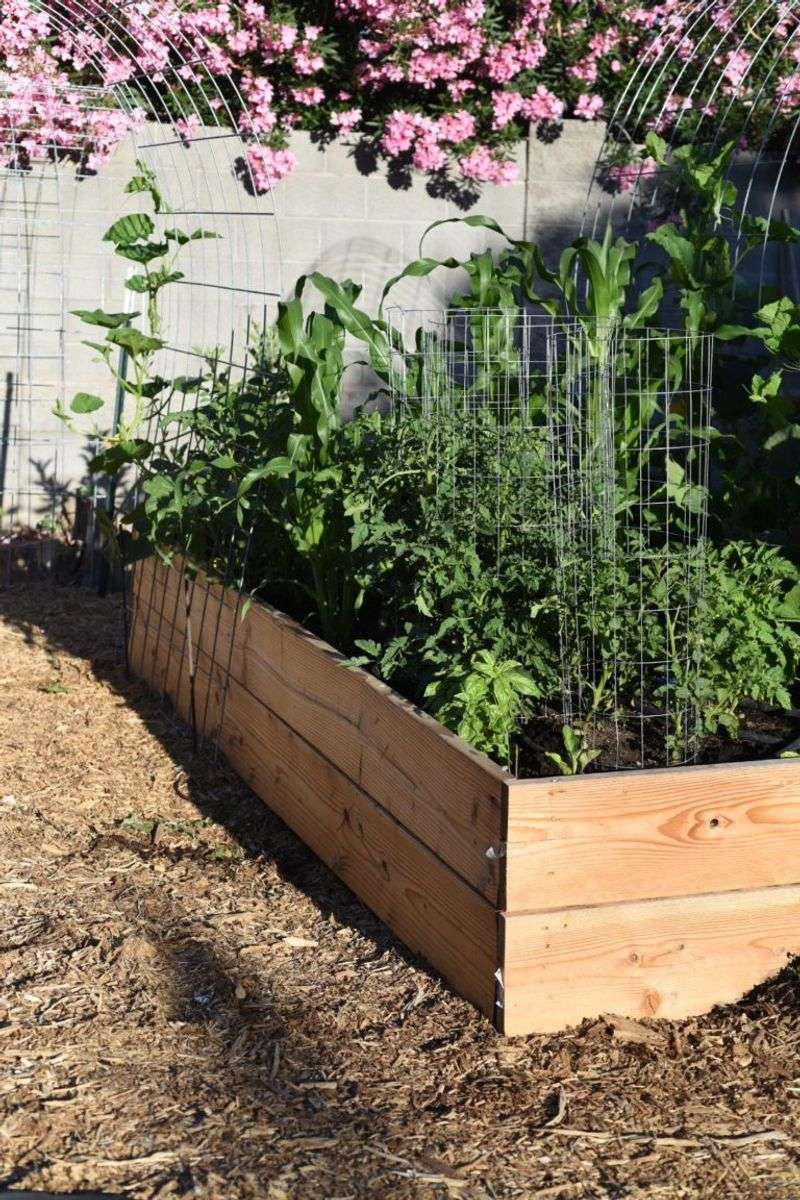
Breaking through caliche with a pick or chisel and filling the area with amended soil can help significantly. Raised beds are another solid option for Arizona gardeners dealing with persistent drainage problems.
Filling them with a mix of quality topsoil, compost, and coarse sand creates a root environment that drains well and holds just enough moisture without becoming waterlogged.
Adding organic matter to in-ground beds improves soil structure over time and helps water move through more evenly. Compost is particularly useful in Arizona because it also helps soil retain some moisture during extreme heat while still allowing excess water to drain away.
6. Using Mulch Helps Soil Hold Moisture Longer
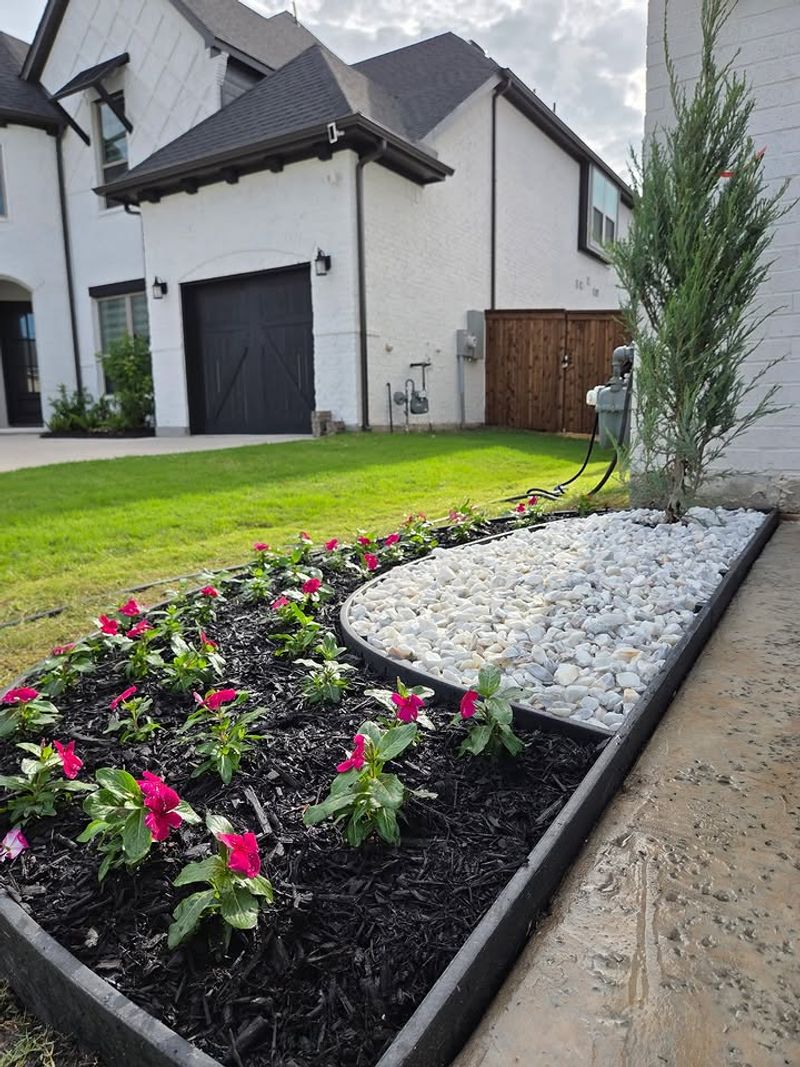
Bare soil in an Arizona summer is a problem. Without any covering, moisture evaporates from the surface incredibly fast, sometimes within hours of watering.
Mulch acts as a barrier between the soil and the sun, slowing that evaporation and keeping the root zone cooler and more consistently moist.
A two to three inch layer of organic mulch around your plants can reduce how often you need to water, which is a practical benefit in a state where water conservation matters. Wood chips, shredded bark, and straw all work well.
Inorganic options like gravel and decomposed granite are common in Arizona landscapes and do help with temperature regulation, though they do not add organic matter to the soil the way wood-based mulches do.
Keep mulch a few inches away from plant stems and tree trunks. Piling it directly against the base traps moisture against the bark and can lead to fungal issues or bark damage over time.
A small gap around the base lets air circulate while still giving the surrounding soil the moisture-retaining benefit you are after.
In Tucson and Phoenix, where summer ground temperatures can exceed 150 degrees Fahrenheit on bare soil, mulch does more than just hold moisture.
7. Watering Early In The Morning Reduces Evaporation Loss
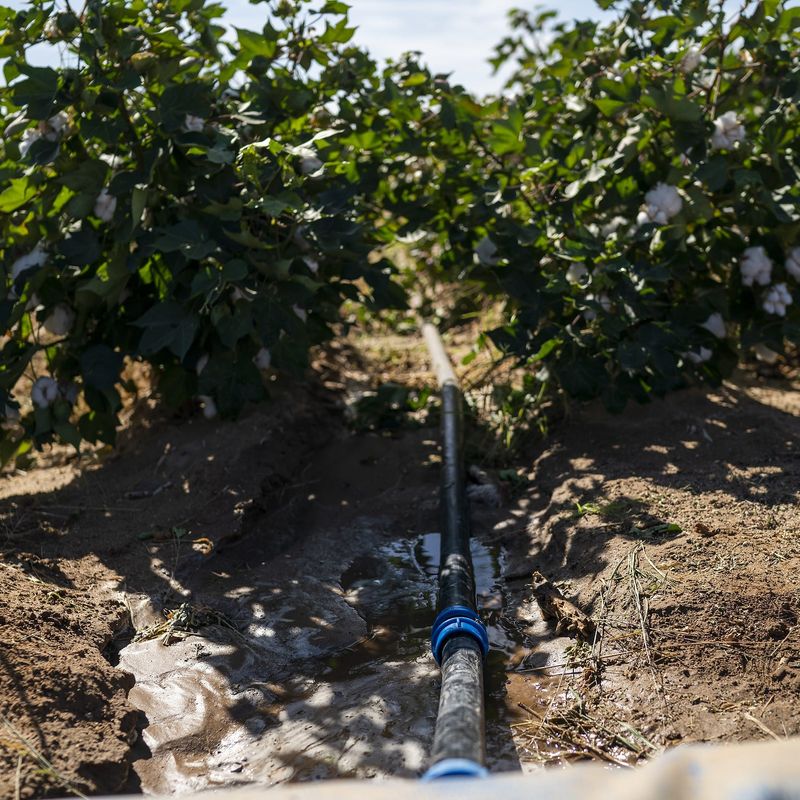
Timing your watering makes a bigger difference than most people expect. In Arizona, watering in the middle of the day or late afternoon means a significant portion of that water never reaches the roots.
It evaporates off the soil surface or gets pulled away by dry desert air before it can soak in.
Early morning, generally between 5 and 9 a.m., is the most effective window. Temperatures are cooler, wind is usually calmer, and the soil has a chance to absorb water before the heat of the day kicks in.
Plants can take up that moisture and use it during the hottest hours, which helps them handle afternoon heat more effectively.
Evening watering is tempting because it feels cooler and convenient, but it comes with a drawback in Arizona. Moisture sitting on leaves and at the soil surface overnight creates conditions where fungal diseases can develop more easily.
In a climate that is mostly dry, that might not seem like a big concern, but during Arizona’s monsoon season, nighttime humidity rises enough to make it a real issue.
If your irrigation system runs on a timer, shifting the start time to early morning is a small adjustment that can improve how efficiently your plants use every gallon of water.