These 7 Plants Are Being Banned In More Oregon Counties
A plant can look harmless in an Oregon yard and still turn into a major problem once it starts spreading.
That is why more counties are getting tougher about which plants they want controlled, removed, or kept out altogether.
The shift is catching plenty of gardeners off guard. A shrub, vine, or ornamental grass that once seemed like an easy landscaping pick can suddenly end up on the wrong side of local rules once it starts crowding out native plants or creeping into wild areas.
Not exactly the kind of garden fame most people are after. That is what makes this topic worth paying attention to.
The list of problem plants is not standing still, and county-level restrictions can make certain choices a lot riskier than they used to be.
Before you add anything vigorous, fast-spreading, or suspiciously unstoppable, it helps to know which plants Oregon counties are pushing back on hardest.
1. False-Brome
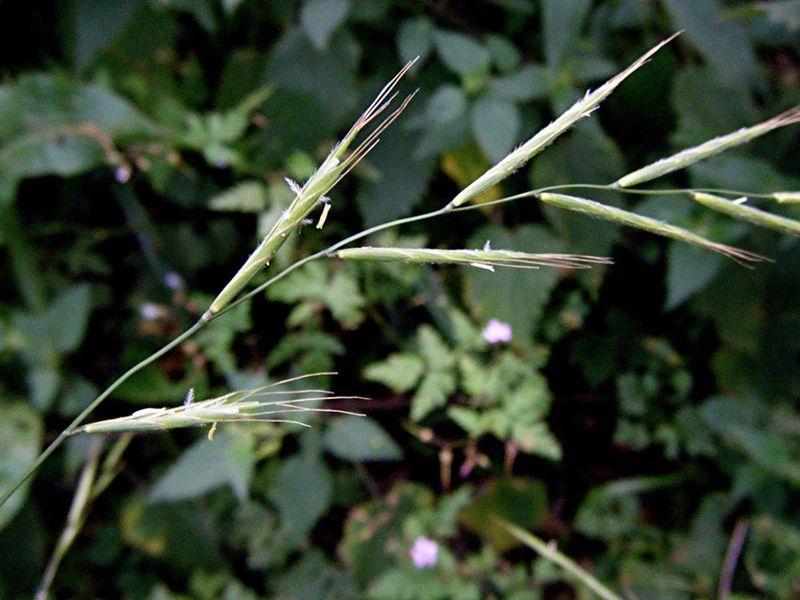
Sneaking quietly into Oregon’s forests, False-brome has become one of the most troublesome invasive grasses in the state. This grass looks harmless at first glance, but it spreads fast and takes over entire forest floors.
Areas like Eugene have seen serious problems with this plant pushing out native species.
False-brome thrives in shaded, moist environments, which makes Oregon’s forests a perfect home for it. Once it gets established, it crowds out the native plants that animals and insects depend on.
It also changes how fire moves through a forest, making wildfires more unpredictable and harder to control.
The Oregon Department of Agriculture has flagged this grass as a major concern. Hikers and homeowners near wooded areas should learn to recognize it.
The leaves are flat and wide for a grass, with drooping seed heads that spread easily by attaching to clothing, pets, and wildlife.
Removing False-brome takes real effort. You need to pull it out by the roots before it goes to seed.
Many conservation groups in Oregon offer volunteer events to help remove it from parks and natural areas. Getting involved is one of the best things you can do to protect Oregon’s forests for future generations.
2. Kudzu
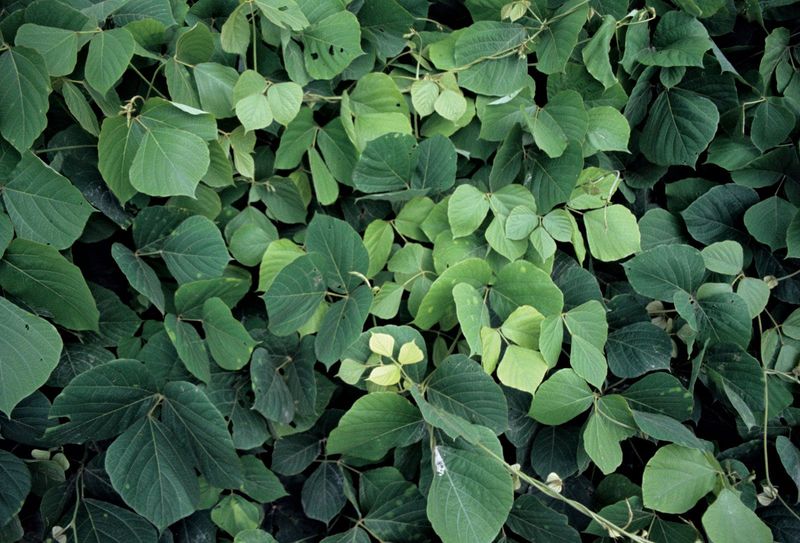
Back in the early 1900s, kudzu was actually promoted as a helpful plant across the United States. That turned out to be a serious mistake.
Today, it is one of the most aggressive invasive vines in the country, and Oregon counties like Clackamas and Multnomah are on high alert.
Kudzu is listed as an “A” rated noxious weed by the Oregon Department of Agriculture. That means it requires immediate eradication wherever it is found.
This vine can grow up to a foot per day in warm weather, smothering trees, shrubs, and even buildings under its thick blanket of leaves.
In Clackamas and Multnomah counties, officials have been working hard to locate and remove every known patch of kudzu before it spreads further. Early detection is key.
Once kudzu covers an area, it blocks sunlight from reaching anything underneath, essentially stopping native plant growth completely.
Your Oregon Garden Changes Every Week. Your Plan Should Too.
Gardening in Oregon changes quickly throughout the season. Every Friday you’ll receive a simple weekly plan showing exactly what to plant, prune, fertilize, harvest, and protect so you never miss the right timing.
If you spot kudzu anywhere in Oregon, report it right away to your local county weed control office or the Oregon Department of Agriculture. Do not try to compost it, because the plant can regrow from small pieces.
Consistent treatment with approved methods over several growing seasons is usually needed to fully get rid of it.
3. Garlic Mustard (Alliaria Petiolata)
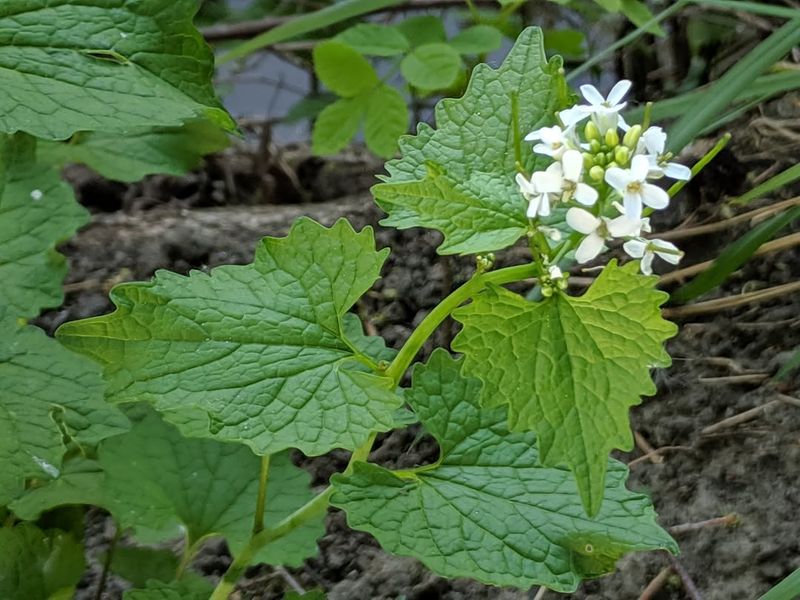
You might think a plant with the word “garlic” in its name sounds pretty harmless, but Garlic Mustard is one of the sneakiest invaders threatening the Portland metro region. It looks like a simple wildflower, but underneath the surface, it is doing serious damage to the soil and native plant communities.
Garlic Mustard releases chemicals from its roots that disrupt the soil fungi that native plants need to survive. This gives it a huge advantage over other plants.
In forests around Portland and across the Willamette Valley, it has been spreading steadily, and officials now list it as a high-priority invasive species.
One mature plant can produce hundreds of seeds, which stay viable in the soil for up to five years. That means even after you remove the visible plants, seeds left behind can sprout again the next season.
Pulling it out before it flowers is the most effective way to slow its spread.
Oregon State University Extension Service has resources to help homeowners and land managers identify and control Garlic Mustard. Community pull events are also common in the Portland area during early spring.
Getting involved in these local efforts makes a real difference. Protecting Portland’s natural green spaces starts with small actions from everyday Oregonians who care about their community.
4. Arborvitae (Thuja Sp.)
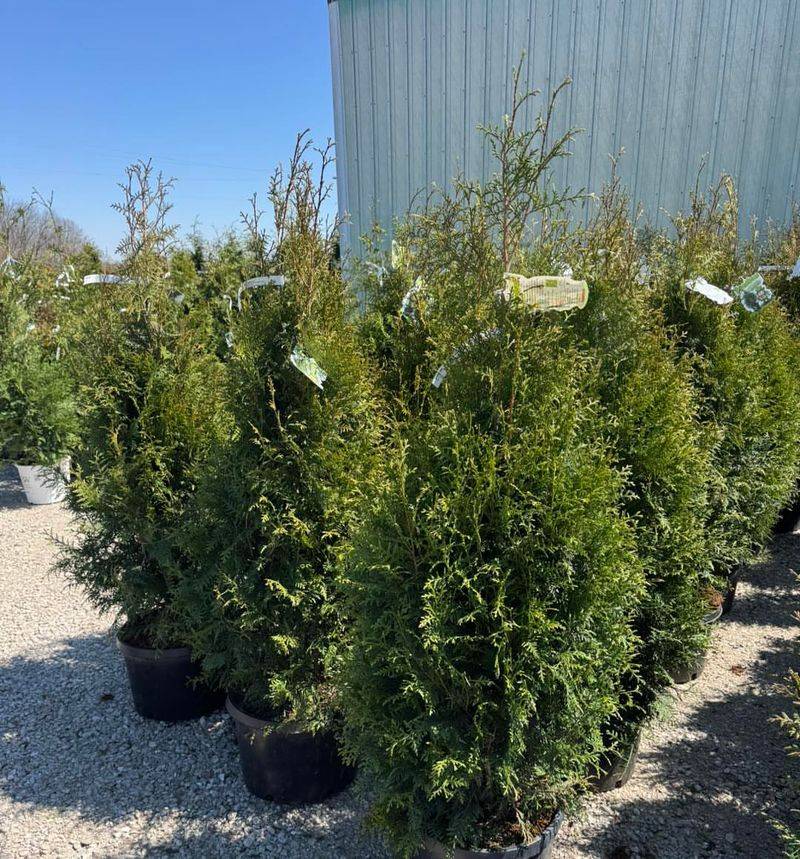
Many homeowners across Oregon love Arborvitae for its tall, thick growth that creates a natural privacy screen. However, the city of Ashland has taken a firm stance against planting it in landscaping.
Ashland sits in a high fire-risk zone, and Arborvitae is considered one of the most flammable plants you can put near a home.
Ashland’s prohibited plant list was created to reduce wildfire risk in and around the city. Arborvitae burns intensely and quickly, and when planted close to homes or fences, it can help a fire travel fast from one structure to another.
This is a serious concern in southern Oregon, where dry summers and strong winds create dangerous fire conditions.
The city encourages homeowners to replace Arborvitae with fire-resistant native plants that still provide beauty and privacy without the added risk. Options like Oregon grape or native shrubs can work well as alternatives.
Making smart plant choices is one of the easiest ways to protect your property and your neighbors.
If you already have Arborvitae on your property in Ashland, it is worth checking with the city about current rules and replacement programs. Some local nurseries also offer guidance on fire-safe landscaping.
Small changes in your yard can have a big impact on community safety throughout southern Oregon.
5. Juniper (Juniperus Sp.)
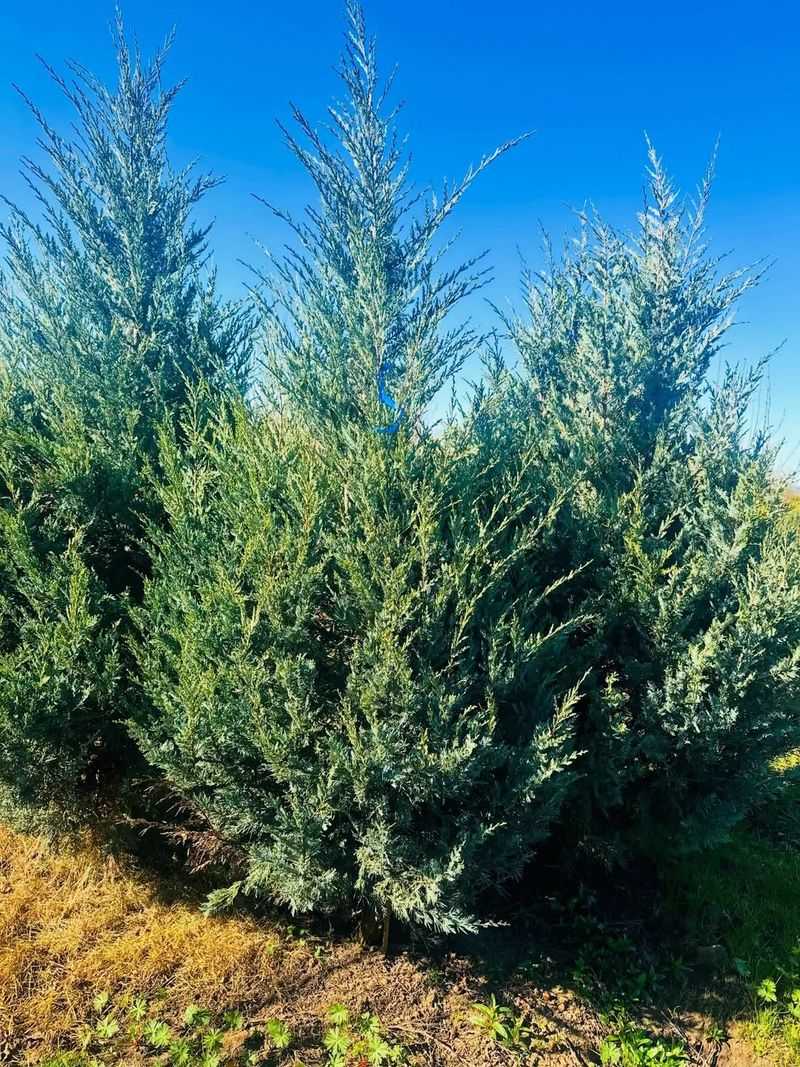
Few plants are as iconic to the Oregon landscape as Juniper, but planting certain species of it near your home in Ashland is now a big no. The city of Ashland includes Juniper on its prohibited landscaping plant list because of how quickly it catches fire and how intensely it burns. Dry Juniper foliage is almost like kindling.
Juniper species contain natural oils in their leaves and wood that make them highly flammable. In a wildfire-prone region like southern Oregon, having a large Juniper hedge next to your house is a serious risk.
Ashland’s fire-safe landscaping guidelines are designed to create a buffer zone that slows fire from reaching homes.
Across central and eastern Oregon, native Juniper woodlands are already a natural part of the landscape. But planting ornamental Junipers in residential areas of Ashland adds unnecessary fuel close to where people live.
Fire officials and city planners worked together to build the prohibited plant list based on real fire behavior data.
Homeowners looking for evergreen alternatives in Ashland should ask their local nursery about low-water, fire-resistant plants that suit southern Oregon’s climate. Native bunchgrasses, manzanita pruned correctly, or ceanothus can all add texture and color to a yard.
Swapping out high-risk plants is a practical step every Ashland resident can take to make their neighborhood safer.
6. English Ivy (Hedera Helix And H. Hibernica)
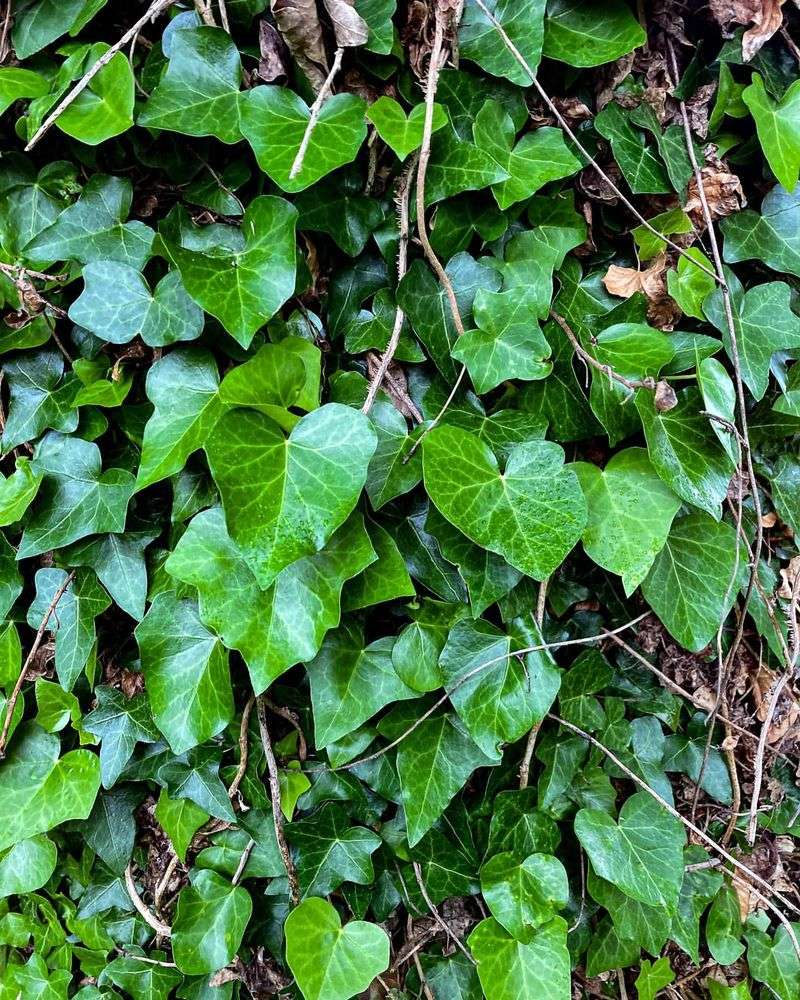
Oregon made history in 2010 by becoming one of the first states to ban the sale and propagation of English Ivy statewide. This classic garden plant may look charming climbing up a wall or spreading across a yard, but it causes real harm to Oregon’s forests and natural areas.
The ban covers both Hedera helix and Hedera hibernica.
English Ivy grows year-round and never stops spreading. It climbs trees and adds so much weight to branches that it can cause them to snap during wind and ice storms.
On the forest floor, it forms a thick mat that blocks native seedlings from getting the light and nutrients they need to grow.
In forested parks around Portland and across the Willamette Valley, volunteer groups have spent years pulling English Ivy out by hand. Progress is slow because the plant is so well established in many areas.
Even small pieces left in the ground can regrow, which makes complete removal very challenging.
If you still have English Ivy in your yard in Oregon, you are not required to remove it, but you are encouraged to replace it with native ground covers like wild ginger or sword fern. Never throw ivy clippings into natural areas or compost piles where they can spread.
Responsible yard management helps protect the beautiful forests that make Oregon so special.
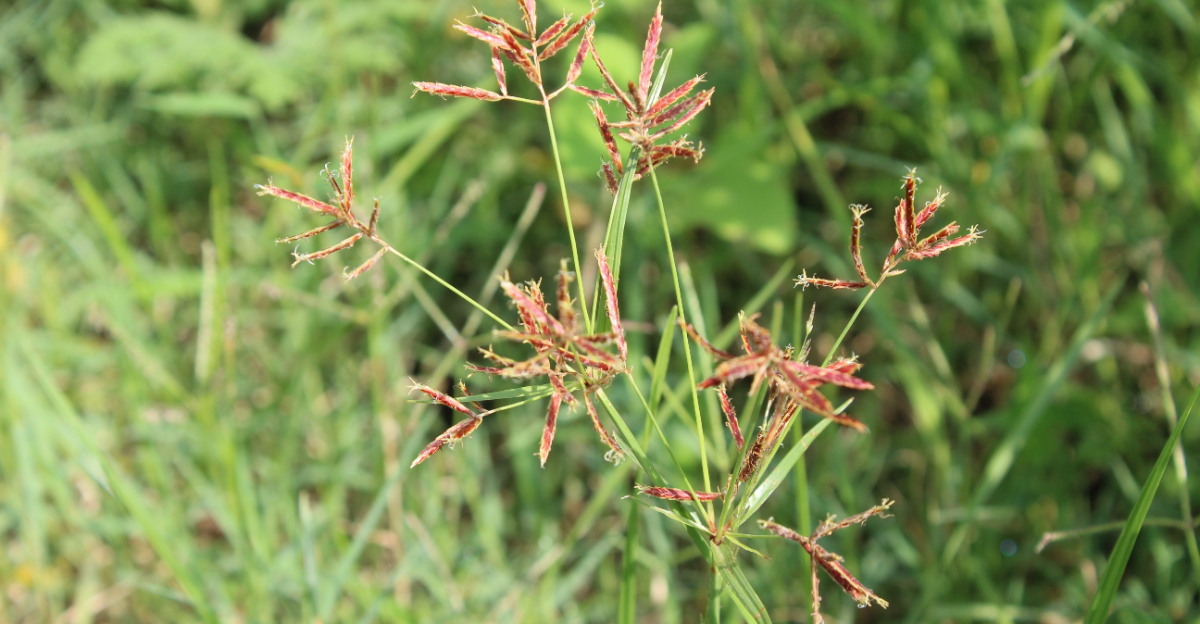
7. Purple Nutsedge
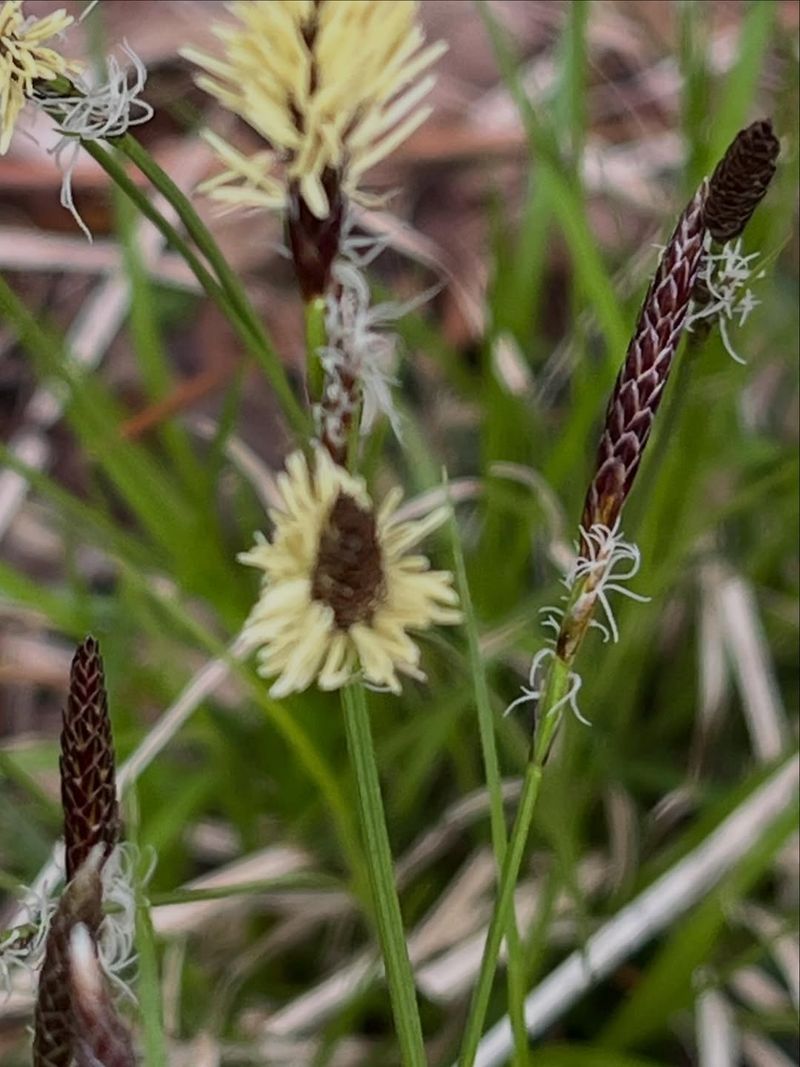
Often mistaken for grass, Purple Nutsedge is actually a sedge, and that small difference matters a lot when it comes to controlling it. Oregon lists it as a restricted noxious weed, meaning its spread must be managed and contained.
Farmers and gardeners across the state have struggled with this persistent plant for years.
Purple Nutsedge spreads through underground tubers, which are small bulb-like structures that are very hard to remove completely. If you pull the plant without getting every tuber, new plants will sprout right back.
One plant can produce hundreds of tubers in a single growing season, which is why it earns its reputation as one of the world’s most problematic weeds.
In Oregon’s agricultural areas, Purple Nutsedge competes directly with crops for water, nutrients, and space. It reduces yields and raises the cost of farming.
Home gardeners in warmer parts of Oregon, especially in the Rogue Valley and Willamette Valley, have also reported dealing with infestations that are tough to get under control.
Managing Purple Nutsedge requires patience and a consistent plan. Repeated cultivation, mulching, and in some cases approved herbicides are used to reduce populations over time.
Oregon State University Extension Service offers practical guides for both farmers and home gardeners. Staying on top of it early, before it spreads across your whole yard or field, is always the best strategy.