This Is What Texas Roses Need Before Summer Arrives
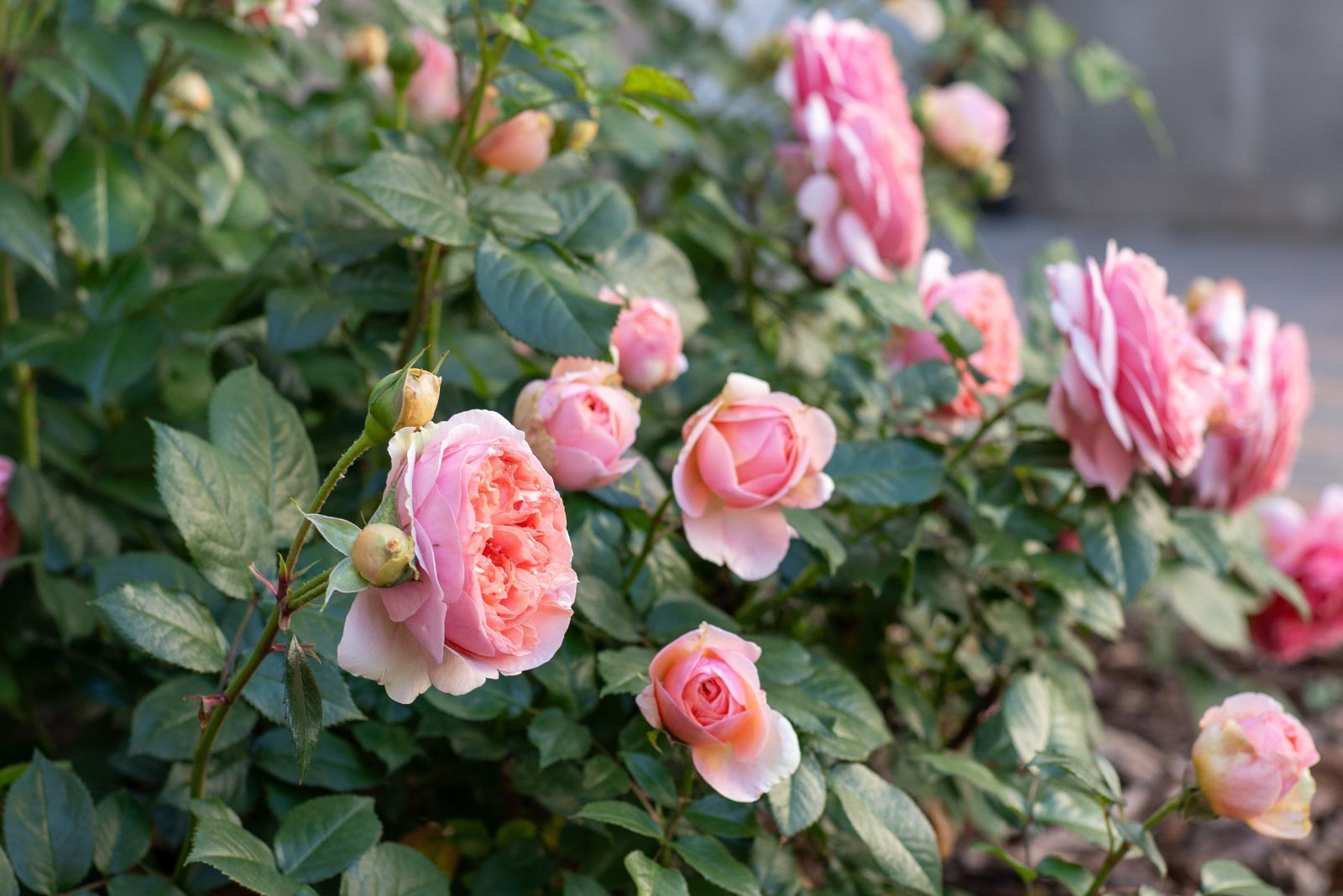
Rose bushes can look perfectly fine in spring and still struggle once a Texas summer settles in. That is why the weeks before the real heat arrives matter so much.
This is the time when a little attention can make the difference between roses that simply hang on and roses that stay healthy, leafy, and full of blooms as temperatures climb. Texas summers are not gentle, and roses feel that pressure fast if they go into the season unprepared.
A lot of gardeners focus on what roses need when they are already stressed, but the smarter move is getting ahead of the problem. Strong roots, good airflow, proper feeding, thoughtful pruning, and the right watering habits all play a role before the hottest stretch begins.
When those basics are handled early, roses have a much better shot at dealing with intense sun and long dry spells without losing their beauty.
For Texas gardeners, this prep work is one of the most important parts of the rose-growing year. A few smart steps now can set the stage for stronger growth, better blooms, and a plant that holds up far better when summer finally hits.
1. Texas Roses Need Deep, Consistent Watering
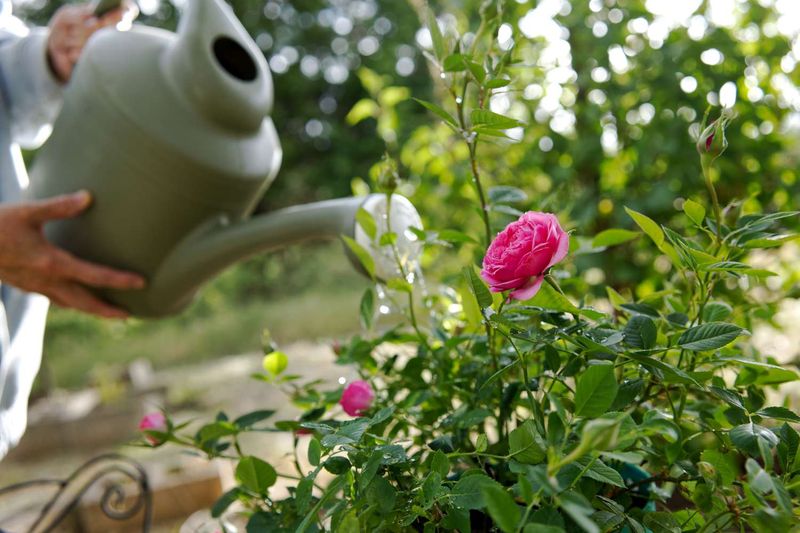
Most people do not realize that how you water your roses matters just as much as how often you water them.
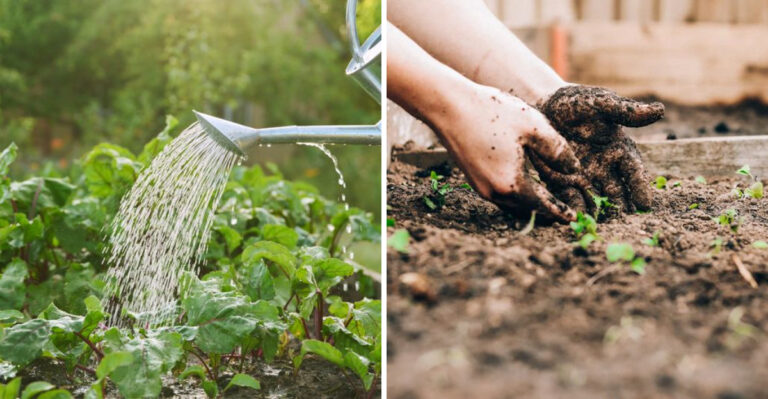
In Texas, the ground heats up fast, and shallow watering simply does not cut it once summer gets going. Your roses need water that reaches deep into the soil where the roots actually live.
Deep watering means letting water soak slowly into the ground rather than just wetting the surface. Aim for about one inch of water per week, and try to water at the base of the plant rather than overhead.
Getting water on the leaves can lead to fungal problems, especially when the air is warm and humid.
Morning watering is the best habit to build before Texas heat peaks. Watering early gives the soil time to absorb moisture before the sun starts baking the ground.
It also lets any water that splashes on the leaves dry off naturally throughout the day. Consistency is key here. Roses that get water one day and then go thirsty for a week will struggle badly once summer arrives.
Try to set a regular schedule so the soil stays evenly moist but never soggy. Waterlogged roots are just as harmful as dry ones.
If you are not sure when to water, stick your finger about two inches into the soil. If it feels dry, it is time to water.
Building this habit now will protect your Texas roses when the real heat begins to hit hard and fast.
2. A Thick Layer Of Mulch
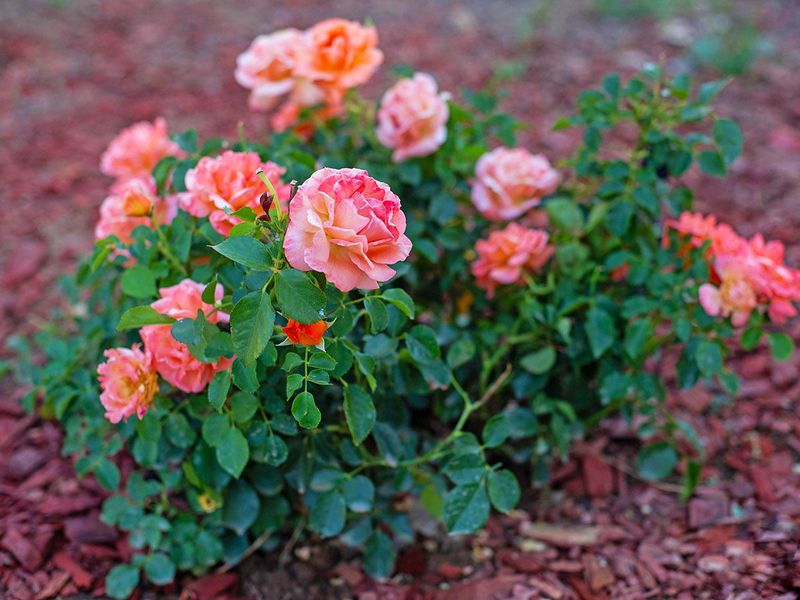
If there is one thing Texas gardeners swear by, it is mulch. A good layer of mulch around your roses works like a shield between the blazing sun and the soil underneath.
It keeps roots cooler, holds in moisture, and gives your plants a fighting chance when temperatures soar.
Your Texas Garden Changes Every Week. Your Plan Should Too.
Gardening in Texas changes quickly throughout the season. Every Friday you’ll receive a simple weekly plan showing exactly what to plant, prune, fertilize, harvest, and protect so you never miss the right timing.
You want to apply about two to three inches of mulch around the base of each rose bush. Spread it out evenly, but keep it a few inches away from the main stem.
Piling mulch right against the stem can trap moisture and cause rot, which is definitely something you want to avoid.
Wood chips, shredded bark, and pine needles all work well for Texas roses. These materials break down slowly, which means they continue to improve your soil over time.
As they decompose, they add organic matter that helps the soil hold water even better. That is a big win during a long, dry Texas summer.
Mulch also helps keep weeds from sprouting up around your rose beds. Fewer weeds mean less competition for water and nutrients, which gives your roses a real advantage.
Think of mulch as one of the easiest and most affordable things you can do for your garden. Laying it down before the heat arrives is much more effective than adding it after the ground has already dried out.
A little effort now goes a long way toward keeping your Texas roses healthy, hydrated, and full of color from spring all the way through the hottest months of the year.
3. Light Pruning For Better Airflow
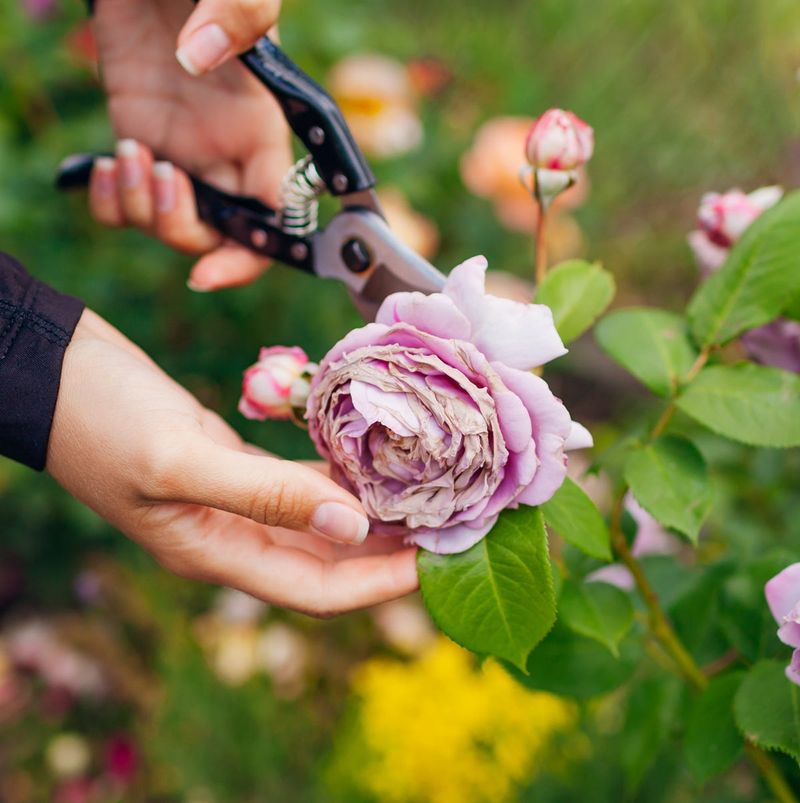
Late spring pruning is not about cutting your roses back hard. Heavy pruning is best saved for late winter, before new growth really gets going.
By the time late spring rolls around in Texas, your goal should be light cleanup and shaping, nothing more.
Start by removing any canes that look weak, thin, or damaged. These are the parts of the plant that are not contributing much to growth anyway.
Cutting them away helps the plant focus its energy on the strong, healthy stems that will actually produce blooms.
Airflow is a big deal for roses, especially in a place like Texas where heat and humidity can combine to create the perfect conditions for fungal disease. When rose bushes are too dense and tangled, air cannot move through them freely.
That trapped moisture on the leaves and stems is where black spot and other problems tend to start.
Shaping your roses lightly before summer gives the plant an open, airy structure. You do not need to be aggressive about it.
Just remove crossing branches and any growth that is pointing inward toward the center of the plant. This simple step makes a noticeable difference in how healthy your roses stay through the season.
Always use clean, sharp pruning shears. Dirty or dull blades can damage plant tissue and spread disease from one bush to another.
Wipe your shears with rubbing alcohol between plants to stay on the safe side. A little careful pruning now keeps your Texas rose garden looking tidy and thriving all summer long.
4. Final Feeding Before The Heat Hits
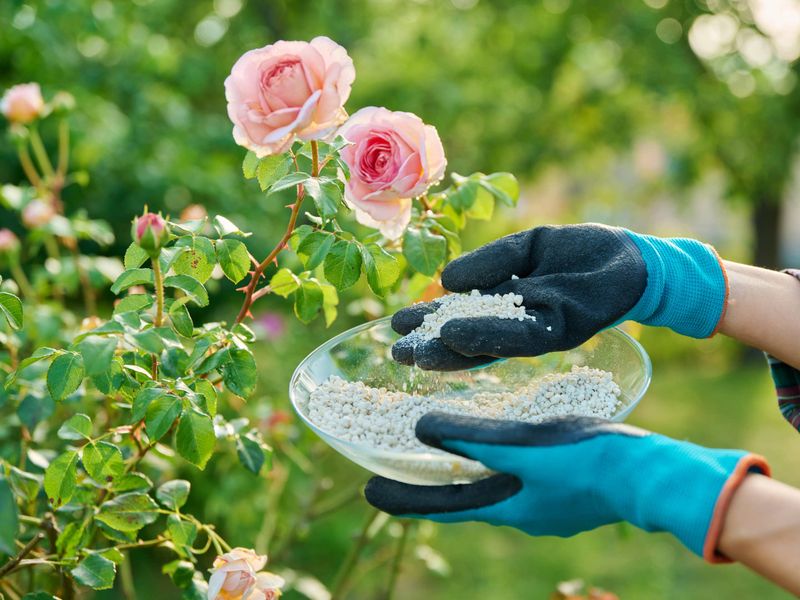
Roses are hungry plants. They put a lot of energy into producing those gorgeous blooms, and that energy has to come from somewhere.
Feeding your roses before summer fully arrives gives them the nutrients they need to stay strong when the heat really starts bearing down across Texas.
A balanced fertilizer or one made specifically for roses works great at this stage. Look for a product that includes nitrogen, phosphorus, and potassium.
Nitrogen supports leafy green growth, phosphorus helps with root strength and bloom production, and potassium boosts overall plant health. Together, they set your roses up for a productive season.
Timing matters a lot here. You want to fertilize while temperatures are still relatively mild, before the peak of summer heat arrives.
Fertilizing during extreme heat can actually stress your roses rather than help them. The roots have a harder time absorbing nutrients when the soil is scorching hot, and pushing new growth during a heat wave is hard on the plant.
A light feeding in late May or early June tends to be the sweet spot for Texas gardeners. After that, it is usually best to hold off on fertilizing until temperatures cool back down in early fall.
Always water your roses thoroughly before and after applying fertilizer. This helps move the nutrients into the soil and prevents fertilizer burn on the roots.
Read the label on whatever product you choose and follow the recommended amounts. More fertilizer is not always better, and over-feeding can cause just as many problems as under-feeding in a hot Texas climate.
5. Pest And Disease Check
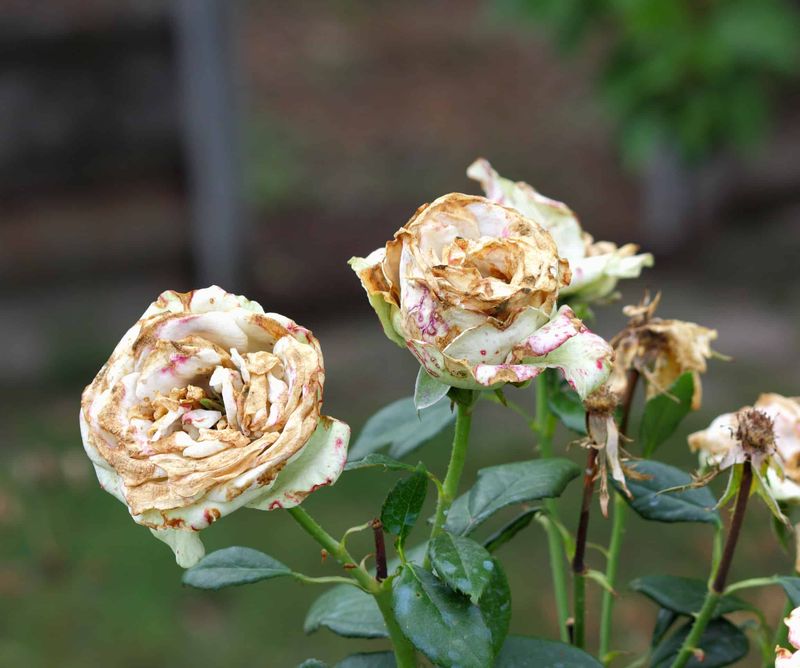
Warm weather wakes up more than just your roses. Aphids, spider mites, and fungal diseases all get very active as temperatures climb across Texas.
Catching problems early is the single most effective thing you can do to keep your rose garden healthy heading into summer.
Aphids are tiny, soft-bodied insects that cluster on new growth and flower buds. They suck the sap out of your plants and can multiply incredibly fast in warm conditions.
A strong spray of water can knock them off, or you can use an insecticidal soap for a more targeted approach. Check under leaves too, because that is where many pests like to hide.
Spider mites are another common issue in Texas, especially once the weather turns hot and dry. They leave behind a fine webbing and cause leaves to look speckled or dusty.
Keeping your plants well-watered and increasing humidity around them can help, but a miticide may be needed if the problem gets out of hand.
Black spot is probably the most well-known rose disease in Texas. It shows up as dark circular spots on leaves and causes them to turn yellow and drop.
Fungal diseases spread fast when conditions are warm and moist, so catching it early is critical. Remove affected leaves right away and avoid getting water on the foliage when you can.
A weekly walkthrough of your rose beds takes only a few minutes but can save you a lot of trouble later. Healthy foliage going into summer means your Texas roses are much better prepared to handle whatever the season throws at them.
6. Sun And Airflow Management

Roses love the sun, but in Texas, there can genuinely be too much of a good thing. Full, all-day sun exposure during the hottest months can wear plants down and reduce blooming.
Managing how much direct sun and heat your roses get is a smart move before summer officially takes over.
Most roses need at least six hours of direct sunlight each day to bloom well. Morning sun is ideal because it is gentler and helps dry dew off the leaves quickly.
If you have any flexibility in your garden layout, placing roses where they catch morning light but get a little relief from the harsh afternoon sun is a great strategy for Texas conditions.
Airflow between plants is just as important as sunlight. Roses that are planted too close together create a crowded environment where moisture lingers and disease spreads easily.
Good spacing allows air to circulate freely around each plant, which keeps foliage drier and healthier overall.
If your rose beds are already established, you can improve airflow by trimming nearby shrubs or removing any overcrowded plants. Even adjusting the direction of a garden fence or trellis can make a difference in how air moves through the space.
For roses in containers or raised beds, consider moving them to a spot with afternoon shade during peak summer months. Texas gardeners who make these small adjustments often see a noticeable improvement in bloom quality and overall plant health.
A little planning around sun and airflow now can protect your roses from unnecessary stress and keep them producing beautiful flowers well into the season.