Overlooked Native Michigan Groundcovers That Replace Grass And Survive Winter
A lot of Michigan homeowners are tired of fighting thin lawns, bare patches, and grass that never seems happy in shady or difficult spots. That is one reason native groundcovers are getting more attention.
Some of the best options stay low, spread well, and handle Michigan winters without needing the constant mowing, watering, and repair that grass often demands.
Even better, many of these plants bring more texture, seasonal color, and natural charm than a basic lawn ever could.
The surprising part is how many great native choices still get overlooked, even though they are well suited to local conditions. Some thrive in shade, others handle sun, and a few can soften those awkward areas where grass always struggles.
If you want a yard that looks fuller, feels more alive, and asks for less work over time, these native Michigan groundcovers are well worth a closer look.
1. Pennsylvania Sedge (Carex pensylvanica)
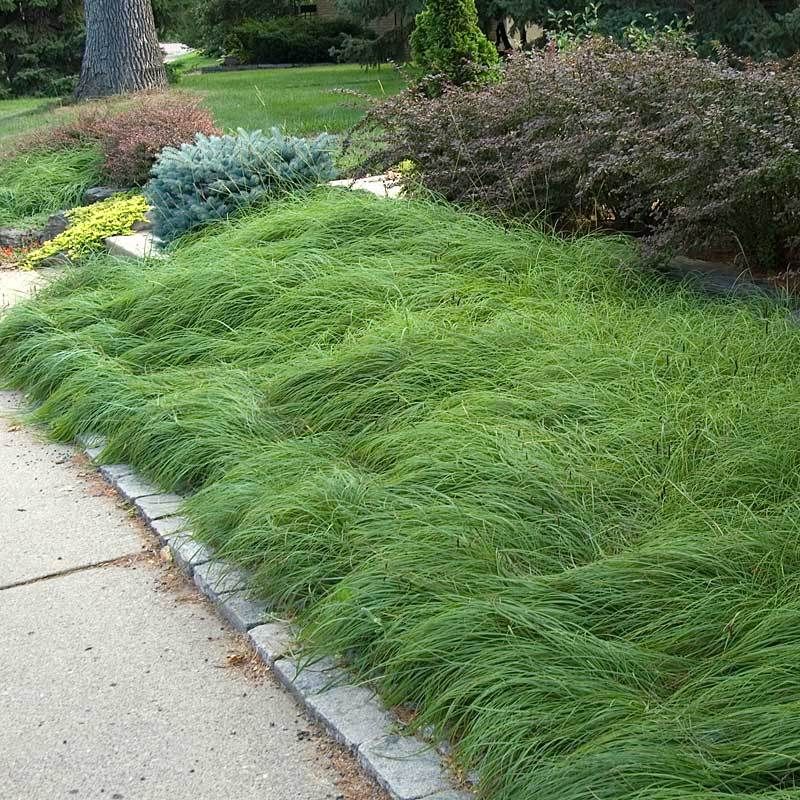
Forget everything you thought you knew about boring lawn alternatives. Pennsylvania Sedge is honestly one of the most underrated plants in all of Michigan, and once you see it in action, you will wonder why you ever bothered with turf grass.
It forms a soft, low-growing carpet that stays green through most of the year and handles shade far better than any traditional lawn grass could.
Michigan State University lists Pennsylvania Sedge as a top native groundcover option for both northern and southern Lower Michigan. It spreads by rhizomes, slowly filling in bare patches under trees where grass simply refuses to grow.
The fine-textured blades give it a lush, almost lawn-like look without any mowing required once it settles in.
Planting it from plugs spaced about 12 inches apart gives the best results in shaded spots with dry to medium moisture levels. It shelters ground-nesting birds and provides seeds that local wildlife genuinely love.
Pennsylvania Sedge is also incredibly winter-tough, staying green well into late fall and bouncing back strong every spring across Michigan gardens without missing a beat.
2. Wild Strawberry (Fragaria virginiana)
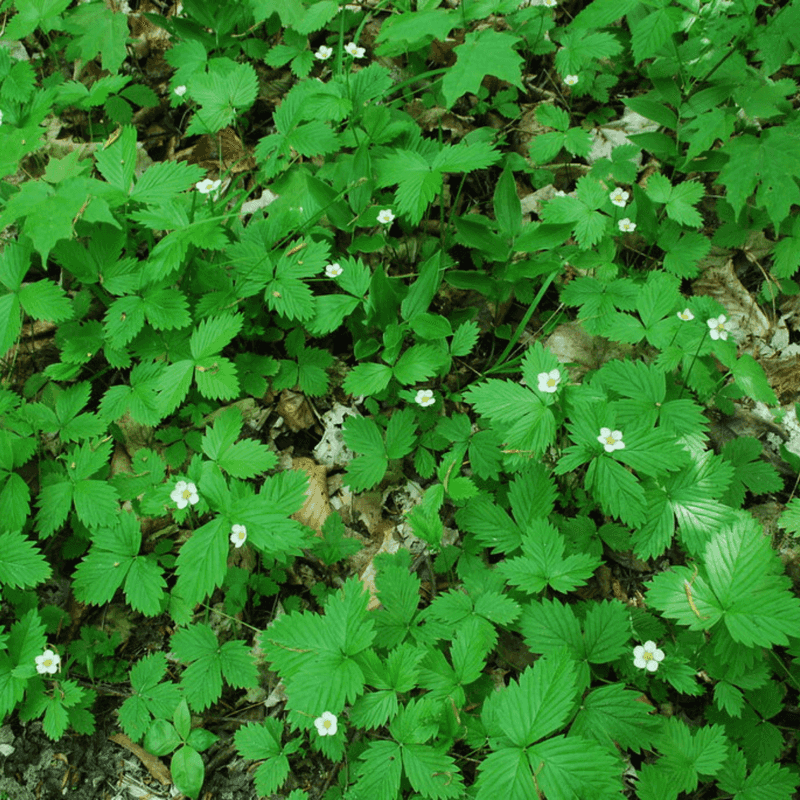
Imagine walking through your yard and spotting tiny red berries peeking out from a dense green carpet of leaves. Wild Strawberry makes that a real possibility, and it does so while outperforming most traditional lawn grasses in Michigan’s tougher growing conditions.
It spreads by runners, filling in gaps quickly and creating a lush, low mat that looks polished without much help from you.
Michigan State University research found that Wild Strawberry filled in remarkably well during its first year when planted from plugs.
It handles full sun to light shade and thrives in well-drained soils, which makes it perfect for those sunny Michigan yards where turf always looks patchy and tired. The white spring flowers are a bonus that pollinators absolutely cannot resist.
Beyond its good looks, Wild Strawberry tolerates light foot traffic better than most groundcovers, making it a genuinely practical choice for low-use areas.
Birds and small mammals enjoy the fruit, so you are essentially growing a mini wildlife habitat right in your front yard.
Your Michigan Garden Changes Every Week. Your Plan Should Too.
Gardening in Michigan changes quickly throughout the season. Every Friday you’ll receive a simple weekly plan showing exactly what to plant, prune, fertilize, harvest, and protect so you never miss the right timing.
For Michigan gardeners who want something that works hard and looks great through every season, Wild Strawberry is a plant worth taking seriously.
3. Wild Ginger (Asarum canadense)
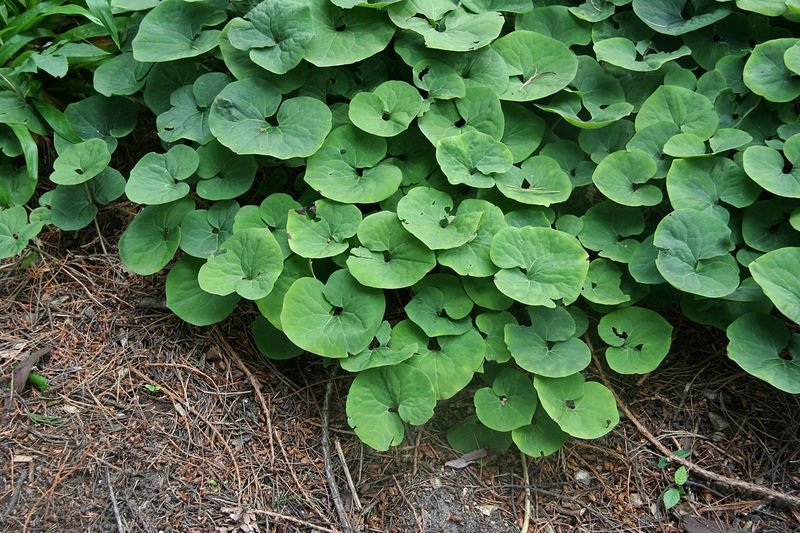
Deep shade is where most lawns wave a white flag, but Wild Ginger thrives right where grass gives up entirely.
The large, heart-shaped leaves form such a dense mass that weeds struggle to push through, making it one of the most effective low-maintenance groundcovers available to Michigan gardeners.
It has a quiet confidence about it, slowly spreading by rhizomes until it owns every inch of shaded ground you give it.
Michigan State University describes Wild Ginger as a native Michigan plant that works especially well for erosion control on shady, moist slopes. It is hardy in Zones 3 to 7, which means even the coldest corners of northern Michigan are well within its comfort zone.
Once established, it builds a root system that holds soil firmly through freeze-thaw cycles without any extra attention from you.
Wild Ginger also attracts early spring pollinators with its small, hidden flowers that bloom close to the soil surface beneath the leaves. Rich, moist, well-drained soil gives it the best start, though it adapts well once settled.
For anyone dealing with a shady problem area in their Michigan yard, Wild Ginger transforms a frustrating bare spot into a lush, living carpet that looks great from spring straight through the first hard frost.
4. Canada Anemone (Anemone canadensis)
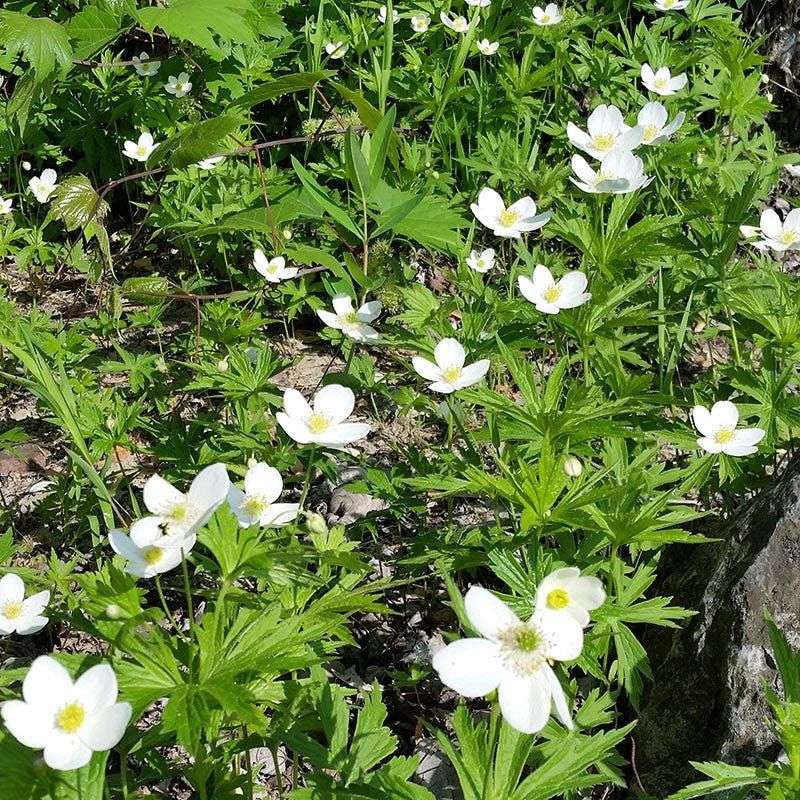
Speed matters when you want ground covered fast, and Canada Anemone is one of the quickest-spreading native groundcovers Michigan has to offer.
It pushes through average to moist soil with impressive energy, sending out rhizomes in every direction and building a thick, weed-suppressing mat in a relatively short growing season.
The bright white flowers that appear in late spring are a genuine showstopper against the rich green foliage.
Michigan State University flags Canada Anemone as opportunistic, which in gardening terms is a compliment. Give it a spot with average to moist soil and decent sunlight, and it will cover ground that other plants ignore.
It works beautifully along stream banks, in low-lying areas, or anywhere in your Michigan yard where water tends to collect after a heavy rain.
One smart approach is to plant Canada Anemone in areas bordered by a mowing edge or hard landscape feature, since its spreading habit can be enthusiastic. That energy is exactly what makes it so valuable as a grass replacement in larger spaces.
It feeds pollinators in spring, provides dense summer cover, and comes back reliably each year across Michigan without any coaxing, making it a truly low-effort, high-reward addition to any native planting.
5. Foamflower (Tiarella cordifolia)
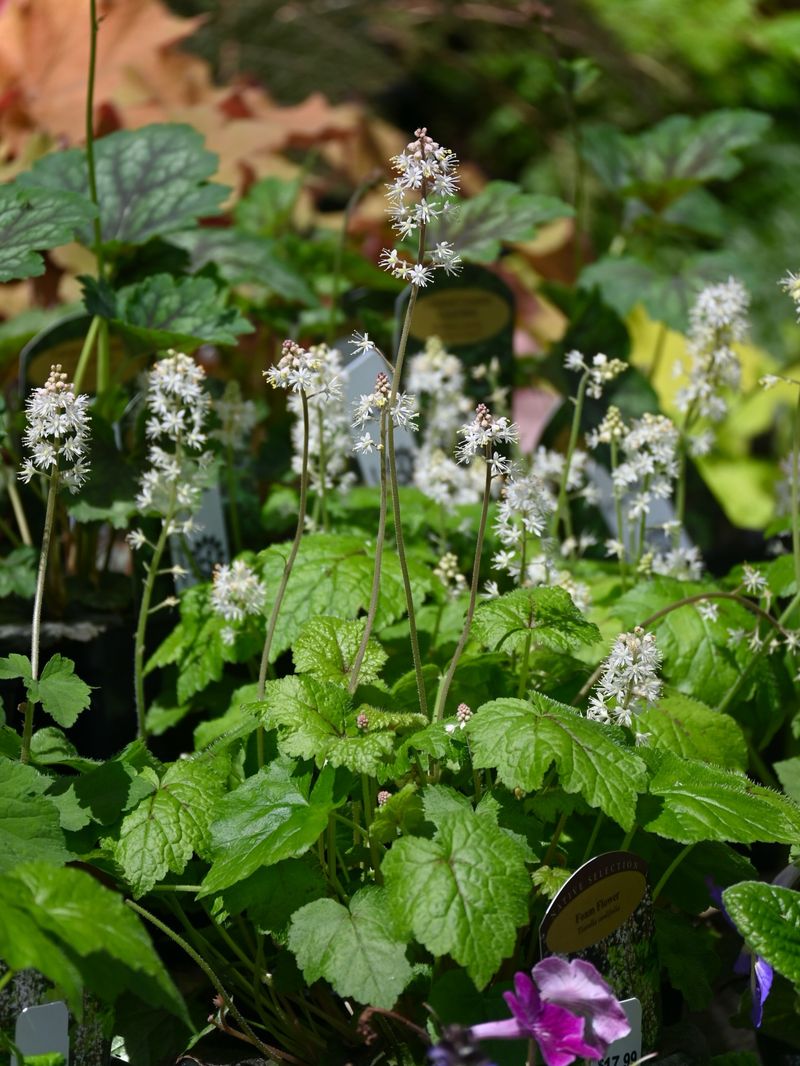
Some groundcovers get the job done, and some do it while looking absolutely stunning. Foamflower falls firmly in the second category, offering Michigan gardeners a shade-loving option that brings real visual excitement to spots where turf grass never had a chance.
The feathery white flower spikes that rise above the foliage in spring are so delicate and airy that the plant practically earns its name every single year.
Michigan State University recommends Foamflower specifically for dark, shaded sites where other groundcovers struggle to perform. It is hardy in Zones 4 to 9, so it handles Michigan winters without any special protection or winter prep.
The low, spreading rosettes of lobed leaves also provide attractive texture through the growing season, even after the flowers have finished their show.
Planting Foamflower in humus-rich, moist soil gives it the best possible start, and it spreads by stolons to gradually fill in shaded borders and woodland edges. Unlike turf grass, it never needs mowing, fertilizing, or dethatching.
For Michigan gardeners who feel like they have tried everything in a tricky shaded corner, Foamflower is the kind of plant that finally makes that space feel intentional, lush, and genuinely worth showing off to neighbors and visitors alike.
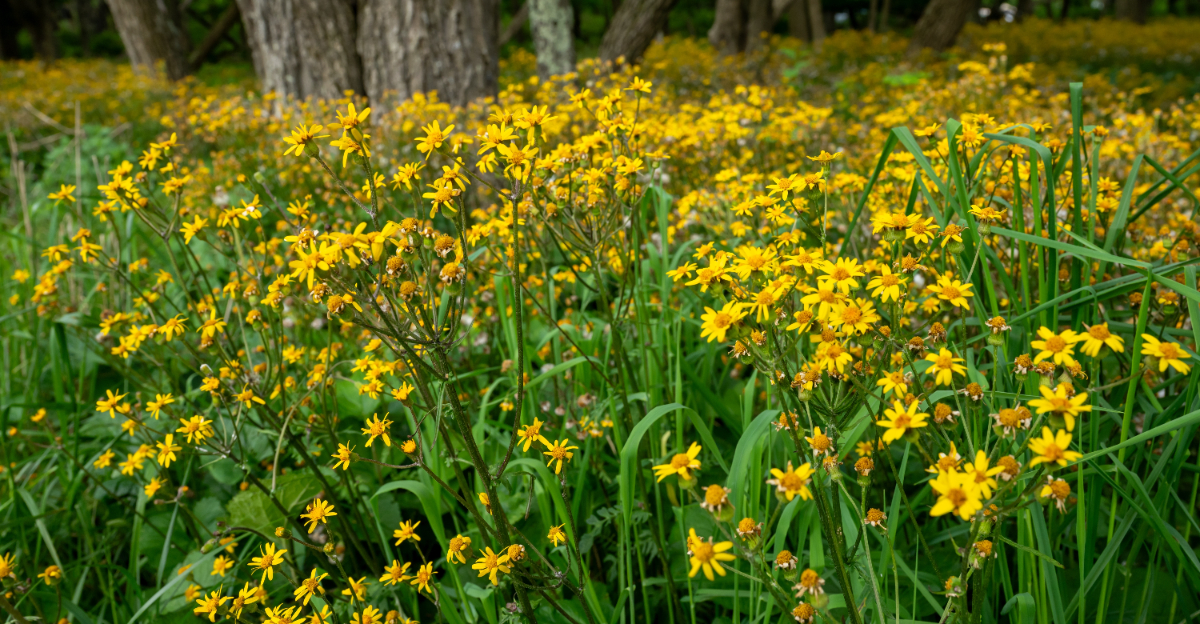
6. Golden Ragwort (Packera aurea)
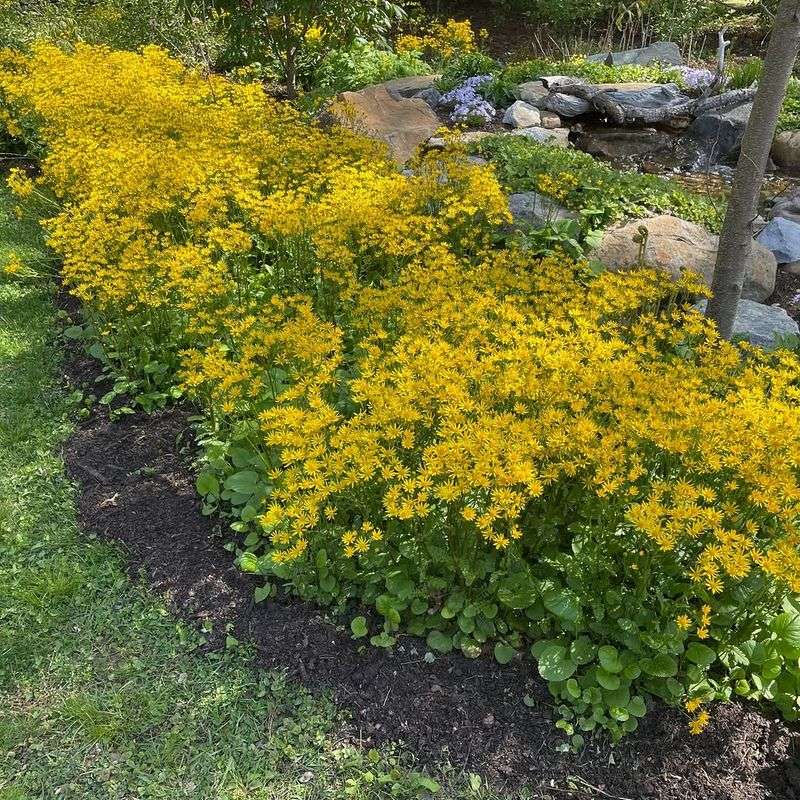
Cheerful yellow flowers in spring, a dense weed-smothering mat all summer, and zero fuss from you all year long.
Golden Ragwort is one of the most underappreciated native groundcovers in Michigan, and it shines especially bright in moist spots where grass always looks weak and waterlogged.
The basal rosettes of deep green leaves stay attractive long after the blooms fade, keeping your yard looking tidy through the whole growing season.
Michigan State University includes Golden Ragwort in its native Michigan plant materials, recognizing it as a solid choice for broad, naturalized groundcover sweeps across wet or partially shaded ground.
It spreads by both runners and self-seeding, so over time it builds a colony that covers surprisingly large areas without much intervention.
Moist soil and part shade to full sun are its preferred conditions, which covers a lot of typical Michigan yard situations.
Pollinators go wild for the bright yellow flowers, and the dense foliage provides cover for ground-level insects and small wildlife throughout the season.
Golden Ragwort is also remarkably winter-hardy, reappearing fresh and green each spring no matter how harsh the Michigan winter gets.
For anyone with a wet, shady corner that grass refuses to love, Golden Ragwort is the plant that finally makes that problem spot feel like a feature rather than a flaw.
7. Bearberry / Kinnikinnick (Arctostaphylos uva-ursi)
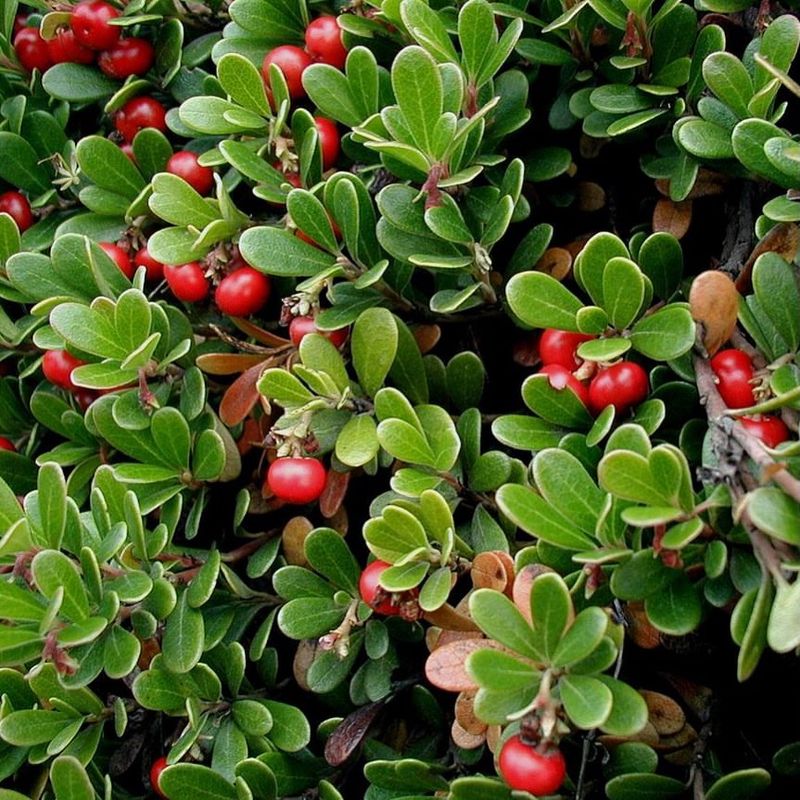
Sandy soil and blazing sun are a nightmare combination for traditional lawns, but Bearberry was practically born for exactly those conditions.
Also known as Kinnikinnick, this low-growing evergreen native is a powerhouse for dry, sunny Michigan sites where most other plants would simply give up by mid-July.
The small, glossy leaves stay green all winter, and the bright red berries that follow the spring flowers add color when the rest of the yard looks dull and faded.
Michigan State University lists Bearberry as a Michigan-native groundcover hardy in Zones 2 to 6, making it one of the toughest cold-weather survivors on this entire list.
It thrives in dry, sandy, acidic soils with excellent drainage, which describes a large portion of Michigan’s landscape, particularly in the Upper Peninsula and along the western lakeshore.
Once established, it needs almost no water or care beyond the occasional light trim. Wildlife benefits are a real bonus with Bearberry. Birds and small mammals rely on the persistent red berries as a food source through late fall and early winter.
The dense mat also suppresses weeds effectively, which cuts down on maintenance even further. For Michigan gardeners dealing with challenging sandy slopes or sunny dry banks, Bearberry is the evergreen solution that delivers year-round interest with almost no effort required on your part.
8. Wintergreen (Gaultheria procumbens)
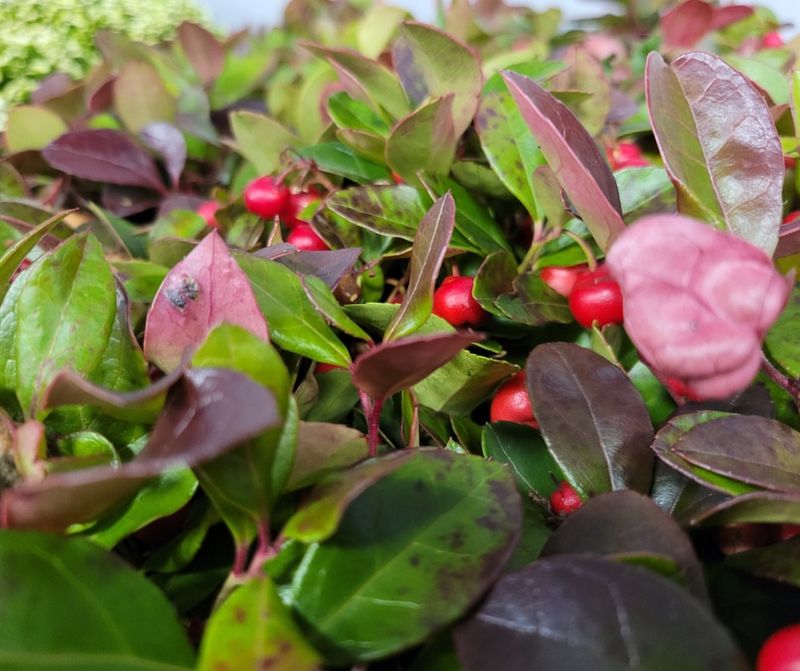
There is something genuinely magical about walking through a shaded Michigan woodland and spotting clusters of bright red berries peeking out from a carpet of glossy green leaves in the middle of winter.
Wintergreen pulls off that trick year after year, and it does so while covering ground in shaded spots where turf grass has absolutely no interest in growing.
The leaves even carry that familiar minty scent when brushed, which makes it one of the more sensory-rich groundcovers you can plant.
Michigan State University’s landscape bulletin lists Wintergreen as a groundcover hardy in Zones 4 to 8, covering the full range of Michigan growing conditions from the milder south to the colder north.
It prefers acidic, humus-rich soil and part to full shade, which makes it a natural companion for areas beneath oaks, pines, or other acid-loving trees common across the state.
Wintergreen spreads slowly by underground stems, gradually building a dense, low mat that stays attractive through every season.
It is not a plant for high-traffic areas, but for shaded naturalized spaces, woodland borders, or the ground beneath established trees, it performs beautifully.
The red berries provide winter food for birds, and the evergreen foliage adds structure and color to Michigan gardens during the long months when everything else has gone dormant and grey.
9. Red Fescue (Festuca rubra)
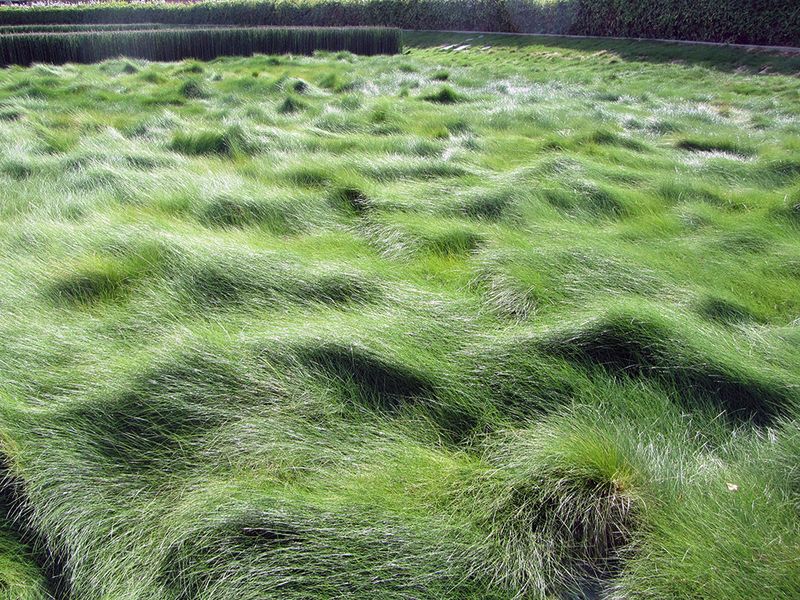
For Michigan gardeners who love the look of a traditional lawn but hate the maintenance that comes with it, Red Fescue might be the most practical compromise on this entire list.
The fine, soft texture of its blades gives a yard that familiar grassy appearance, but without the constant mowing schedule, heavy watering demands, or expensive fertilizer applications that cool-season turf grasses typically require.
It is a smart middle ground between a conventional lawn and a fully naturalized planting.
Michigan State University includes Red Fescue as a groundcover option for Michigan landscapes, though it notes that native status and hardiness can vary depending on the specific species or cultivar selected.
That means doing a little homework before you buy is worth the effort, since choosing the right type ensures you get a plant that truly suits Michigan’s climate and performs well through the winter months.
Red Fescue grows well in both sun and partial shade, tolerates dry conditions once established, and stays relatively low without frequent mowing.
It works especially well on slopes, in naturalized areas, or in low-traffic zones where a lawn-like appearance is desirable but full lawn maintenance is not.
For Michigan homeowners ready to reduce their yard work without sacrificing the look they love, Red Fescue offers a genuinely satisfying and practical solution worth planting this season.
10. Creeping Phlox (Phlox subulata)
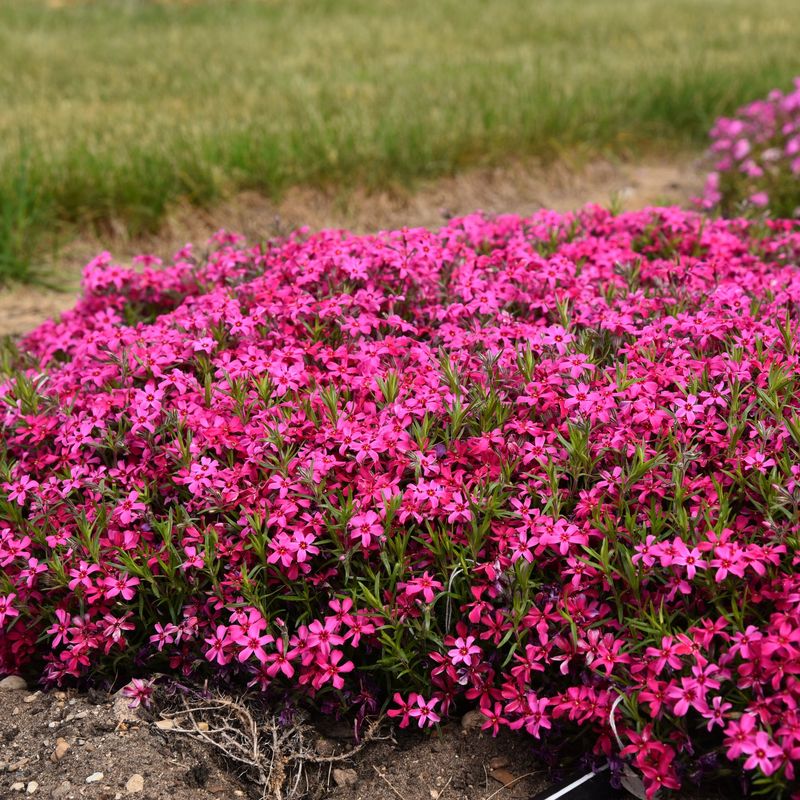
Every spring, Creeping Phlox puts on one of the most spectacular shows in the Michigan garden, covering slopes and dry banks with a solid blanket of pink, purple, or white flowers that stops people in their tracks.
It is the kind of plant that makes neighbors slow down as they walk past, wondering how you managed to make a difficult sunny slope look that good.
The dense evergreen mat it forms between bloom seasons keeps the area looking tidy all year long.
Michigan State University lists Creeping Phlox as a groundcover hardy in Zones 2 to 8, which means it handles Michigan winters without breaking a sweat, even in the coldest northern parts of the state.
It thrives in full sun with well-drained to dry soil, making it an ideal choice for those frustrating sunny slopes and dry banks where grass always looks thin, patchy, and completely uninspired by late summer.
While it is not built for heavy foot traffic, Creeping Phlox excels along garden edges, retaining walls, and any sloped area that needs erosion control with visual impact. It requires very little care once established, needing only a light trim after blooming to keep its shape tidy.
For Michigan gardeners who want maximum color payoff with minimum effort, Creeping Phlox delivers every single spring without fail.