Why Dieffenbachia Wilts In North Carolina Homes And How To Save It Fast
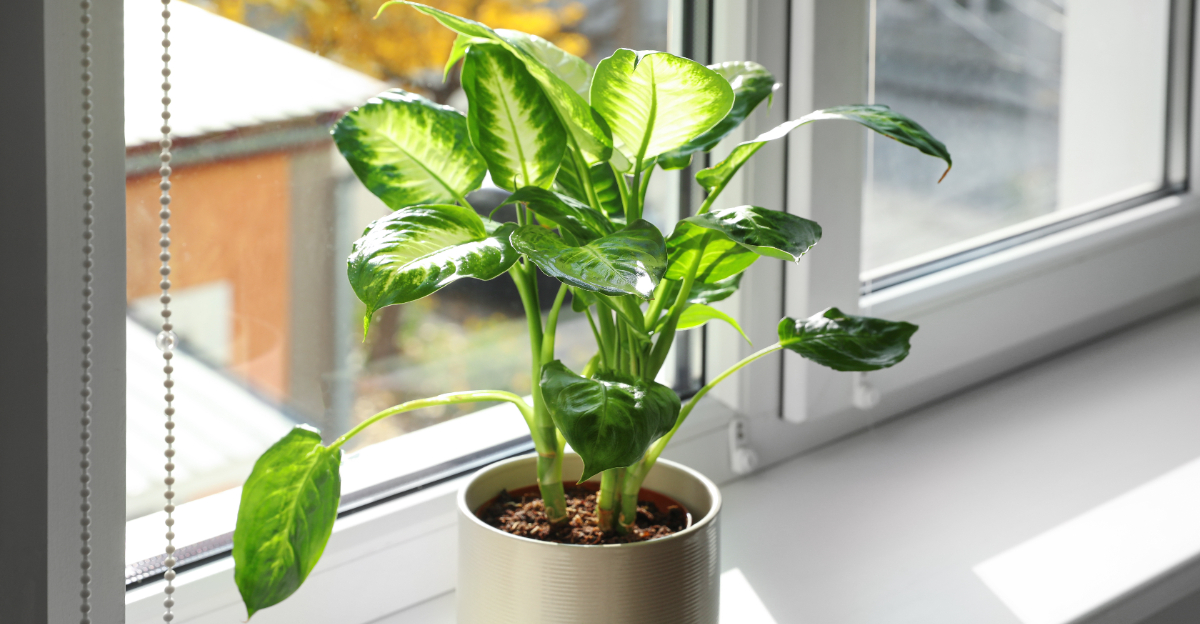
Dieffenbachia can look lush and healthy one day, then suddenly start drooping in a North Carolina home, leaving many plant owners confused. The leaves may bend, stems may soften, and the whole plant can seem stressed almost overnight.
This quick change often comes down to shifts in moisture, light, or indoor conditions that the plant is sensitive to. North Carolina’s mix of humidity, heating, and air conditioning can create an environment that changes more than people realize.
While the wilting can look serious, it is often a sign the plant is reacting to something that can be corrected. The key is figuring out what caused the change before the problem gets worse.
With the right adjustments, dieffenbachia can recover and return to its full, healthy look. Understanding what triggers wilting is the first step to getting your plant back on track fast.
1. Overwatering And Root Rot
Too much water is the number one reason Dieffenbachia wilts in North Carolina homes, and it catches many plant owners completely off guard. When the soil stays constantly wet, the roots cannot breathe properly.
Over time, they begin to rot, and a rotting root system cannot send water or nutrients up to the leaves, which causes the plant to droop even when the soil feels soaking wet.
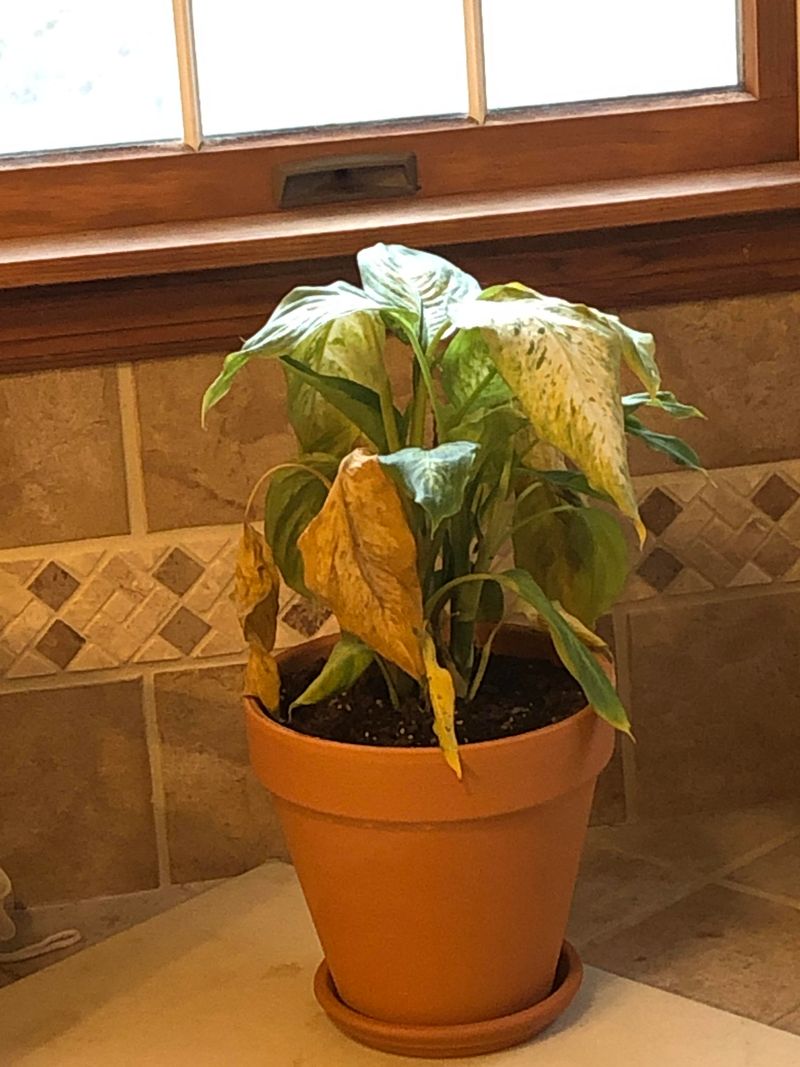
You might notice yellowing leaves, a sour or musty smell coming from the pot, or stems that feel soft and mushy near the base. These are all clear warning signs that overwatering has already started causing damage.
North Carolina homes can stay warm and humid in summer, which makes the soil dry out more slowly than expected, so it is easy to accidentally water too often.
Stopping watering right away is the fastest move you can make. Carefully remove the plant from its pot and check the roots closely.
Healthy roots look firm and white or tan, while damaged ones appear brown, soft, and slimy. Trim away any mushy roots with clean scissors, then repot the plant into fresh, well-draining potting mix.
Make sure the new pot has drainage holes so excess water can escape freely every time you water.
2. Underwatering And Dry Soil
Forgetting to water your Dieffenbachia regularly is just as harmful as watering it too much. When the soil dries out completely, the plant loses its ability to stay firm and upright, and the leaves begin to droop quickly.
North Carolina summers can be hot and dry indoors, especially in rooms with strong air conditioning running all day long.
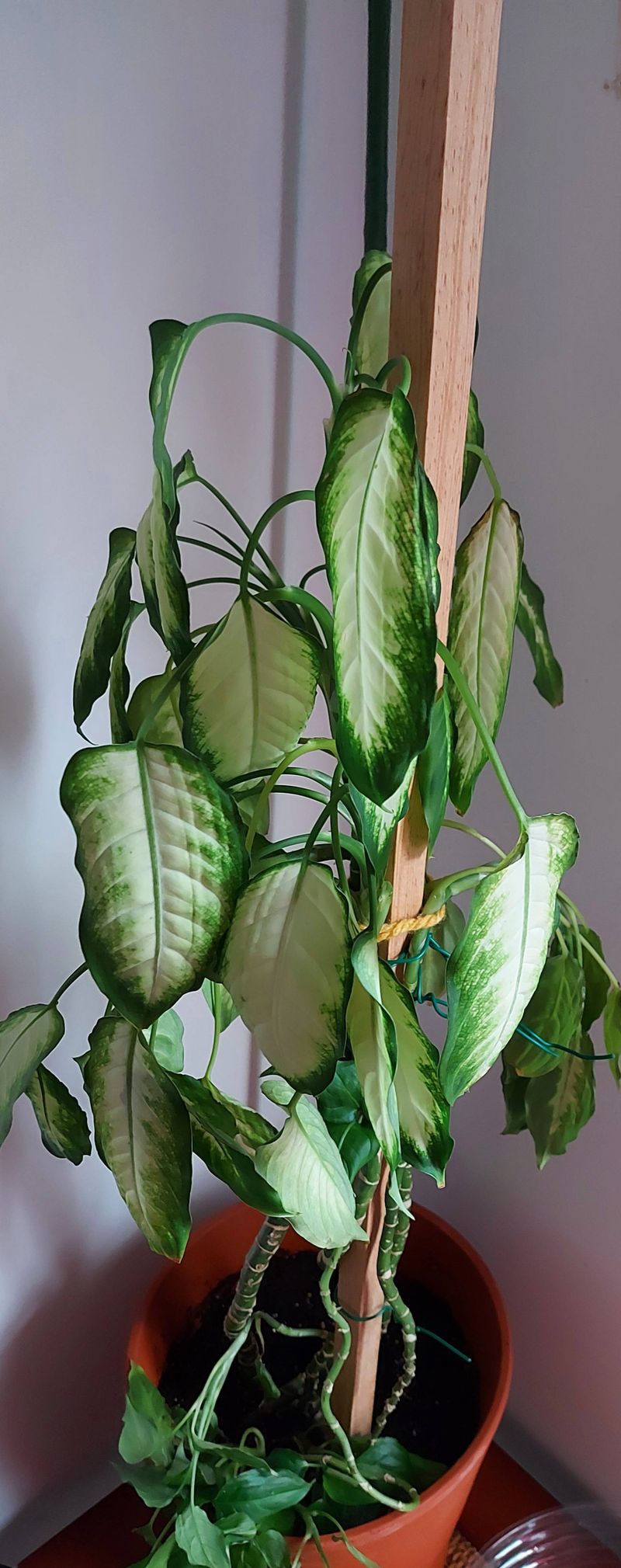
The leaves on an underwatered Dieffenbachia tend to look dull, feel slightly crispy at the edges, and hang downward like they have simply run out of energy.
Unlike overwatering, the soil in the pot will feel completely dry and may even pull away from the edges of the container.
This is a straightforward sign that your plant is very thirsty and needs attention right away.
Fixing underwatering is actually pretty simple once you catch it in time. Water the plant slowly and thoroughly until water flows freely out of the drainage holes at the bottom of the pot.
Your North Carolina Garden Changes Every Week. Your Plan Should Too.
Gardening in North Carolina changes quickly throughout the season. Every Friday you’ll receive a simple weekly plan showing exactly what to plant, prune, fertilize, harvest, and protect so you never miss the right timing.
This ensures the entire root system gets a good drink rather than just the top layer of soil. Going forward, check the soil every few days by sticking your finger about an inch into the soil.
When that top inch feels dry, it is time to water again. Keeping a consistent schedule helps your Dieffenbachia stay healthy and strong all year round.
3. Sudden Temperature Changes From HVAC Systems
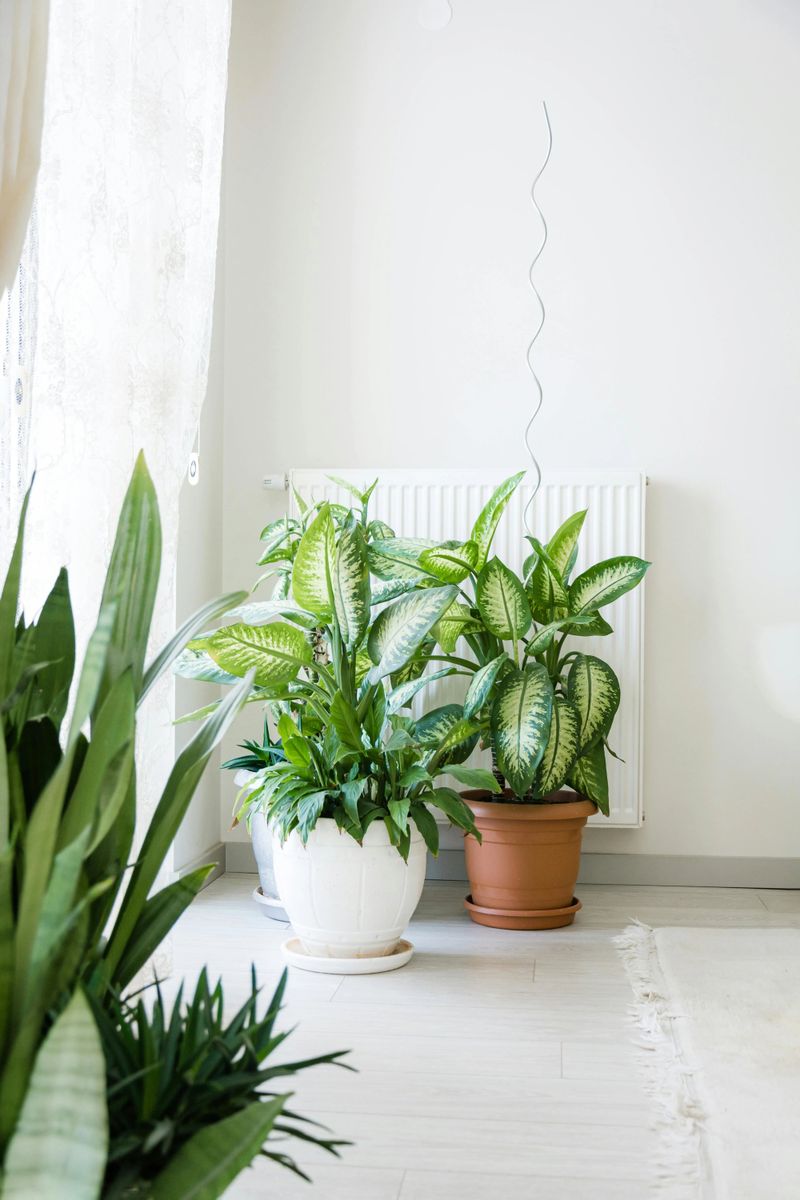
North Carolina homes rely heavily on heating and cooling systems throughout the year, and those systems can create sneaky temperature swings that stress your Dieffenbachia. This plant loves stable warmth, ideally between 65 and 75 degrees Fahrenheit.
When cold air blasts from a nearby vent or a chilly draft sneaks in through a window, the plant reacts fast and the leaves begin to wilt and curl inward.
Hot air from heating vents is just as problematic. Constant warm, dry airflow pulls moisture right out of the leaves faster than the roots can replace it.
During North Carolina winters, when the heat runs frequently, plants sitting near floor vents or wall registers are especially vulnerable to this kind of stress. Even a few hours of exposure to extreme air movement can trigger noticeable wilting.
The fix here is straightforward and requires no special supplies at all. Simply move your Dieffenbachia away from air vents, exterior doors, and windows that let in cold drafts.
A spot a few feet away from any air source makes a big difference in how the plant feels day to day. Using a simple thermometer near the plant can help you monitor the temperature and make sure it stays within a comfortable range.
Consistency is everything for this tropical beauty, and a stable environment helps it bounce back quickly.
4. Low Indoor Humidity Drying Out The Leaves
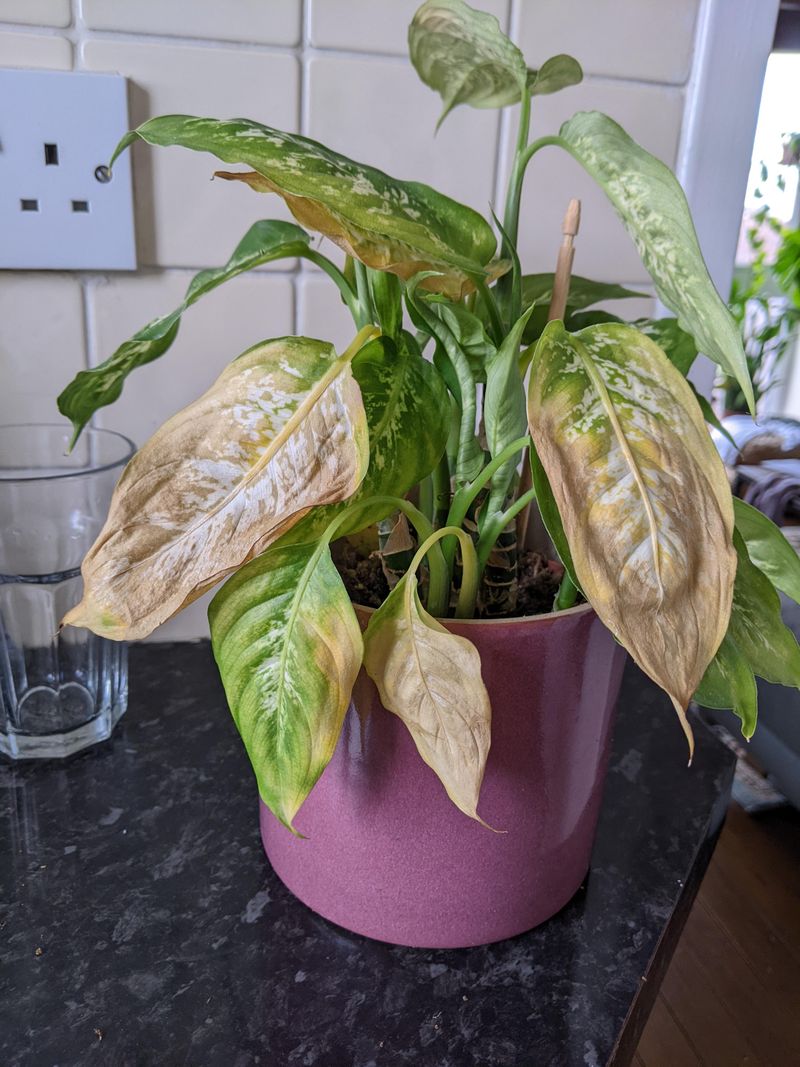
Dieffenbachia originally comes from tropical rainforests where humidity levels stay naturally high, so dry indoor air is a real challenge for this plant.
Even though North Carolina has a reputation for being humid outdoors, the inside of a home can feel surprisingly dry once the heating or air conditioning system runs for a while.
That dry air pulls moisture right out of the plant’s large leaves, and wilting or curling can follow quickly.
Brown leaf tips are often the first sign that humidity is too low, but full wilting can happen when conditions stay dry for too long. Rooms with poor air circulation or those positioned near heating vents tend to have the driest air in the house.
North Carolina winters especially tend to lower indoor humidity as heating systems run almost constantly during cold snaps.
Boosting humidity around your plant is easier than most people think. Placing a shallow tray filled with pebbles and water directly under the pot creates a gentle misting effect as the water evaporates upward around the plant.
Grouping several houseplants together also helps because plants naturally release moisture into the air around them. Misting the leaves lightly a few times each week is another helpful option, though it works best as a supplement rather than a main solution.
A small humidifier placed nearby works wonders for keeping your Dieffenbachia looking lush and fresh.
5. Root Bound Conditions In A Too-Small Pot
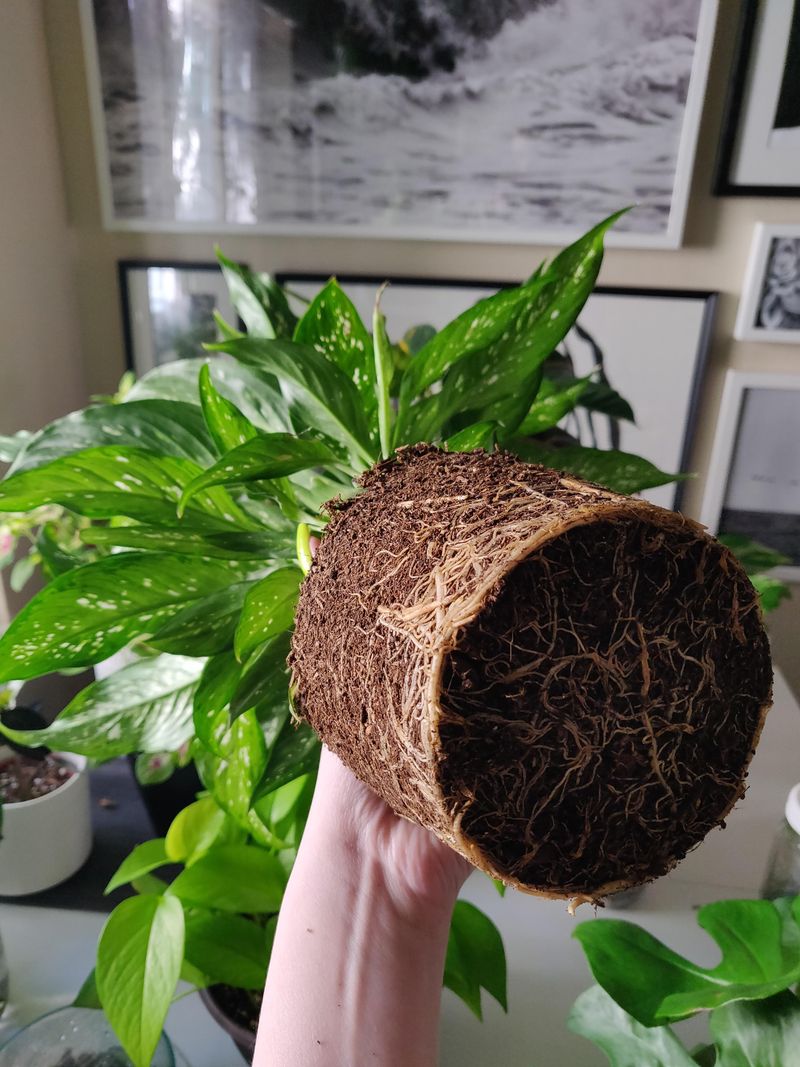
Picture a plant trying to grow in a pot that is way too small for its roots. That is exactly what happens when a Dieffenbachia becomes root bound, meaning the roots have completely filled the pot and have no room left to expand.
When this happens, the roots cannot absorb water efficiently anymore, and the plant begins to wilt even when you are watering it on a regular schedule.
You can usually spot a root bound plant by checking the bottom of the pot. If roots are visibly poking out through the drainage holes or circling tightly around the inside of the container, the plant has outgrown its home.
In North Carolina homes where Dieffenbachia grows quickly during warm spring and summer months, this situation can sneak up on plant owners faster than expected.
Repotting into a slightly larger container is the solution, and it works surprisingly fast. Choose a new pot that is one to two inches wider in diameter than the current one, and fill it with fresh, well-draining potting mix.
Gently loosen the tight root ball with your fingers before placing the plant into its new home, being careful not to damage the roots in the process. Water the plant well after repotting and place it in a spot with bright, indirect light.
Within a week or two, you should see the plant looking noticeably stronger and more upright.
6. Too Much Direct Sunlight Scorching The Plant
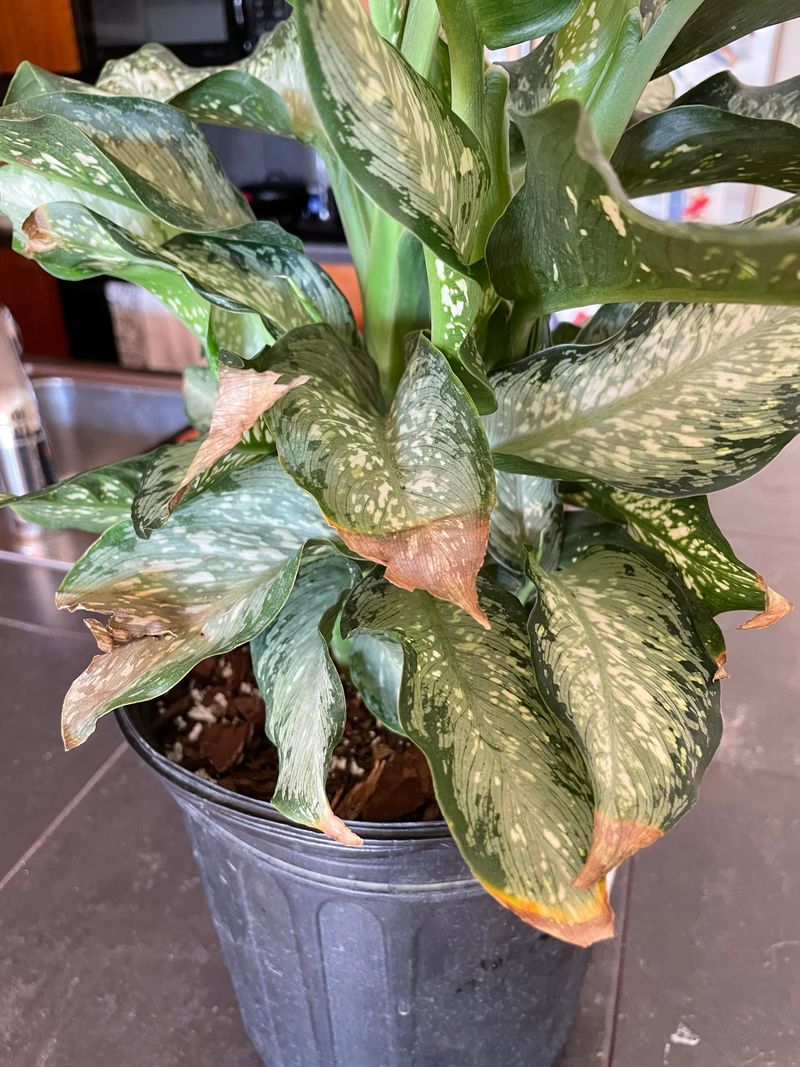
Bright sunshine feels wonderful on a warm North Carolina afternoon, but Dieffenbachia is not a fan of direct sun hitting its leaves for long periods. This plant evolved under the canopy of tropical forests, where light filters gently through layers of trees.
When strong sunlight shines directly on its large leaves through an unshaded window, the cells in the leaves can overheat and lose moisture faster than the roots can keep up.
Scorched leaves often look washed out, pale, or even develop dry brown patches where the sun hit hardest. Shortly after, the whole plant may start to droop as it struggles to manage the water loss.
South-facing windows in North Carolina homes are especially intense during spring and summer, when the sun angle is high and the light is powerful for most of the day.
Moving the plant to a spot with bright but filtered light is the quickest fix. East-facing or north-facing windows tend to offer softer, gentler light that Dieffenbachia absolutely thrives in.
If you love having your plant near a sunny window, hanging a sheer curtain is a simple and stylish way to diffuse the harsh rays without blocking the light entirely.
Once you move the plant to a better location, give it a good drink of water and keep the soil evenly moist while it recovers over the next couple of weeks.
7. Transplant And Relocation Shock
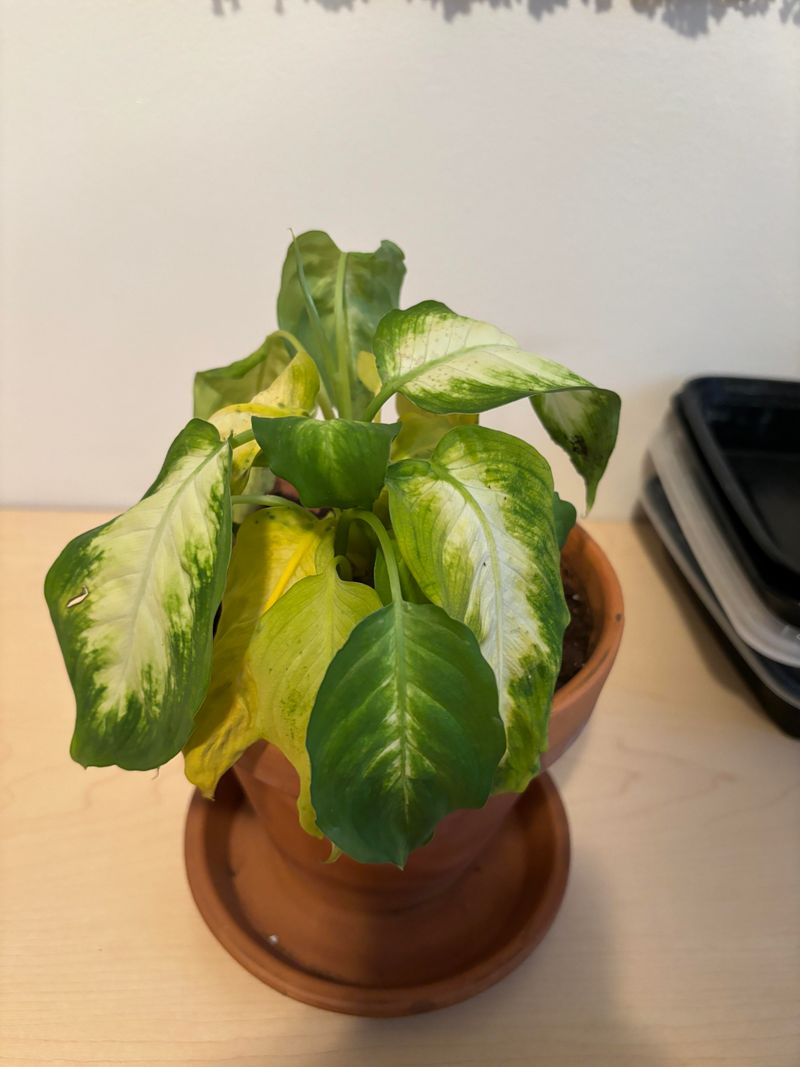
Moving a Dieffenbachia to a new spot or repotting it into fresh soil can cause something called transplant shock, and it is more common than most plant owners realize.
The plant suddenly has to adjust to new soil, different light levels, and a changed environment all at once, and that combination of changes can cause the leaves to droop noticeably within the first few days.
It can feel alarming, but in most cases, the plant is simply catching its breath.
North Carolina plant owners who bring home a new Dieffenbachia from a nursery or garden center often see this happen right after placing the plant in their home.
The plant spent time in a controlled greenhouse environment and now has to adapt to the light, temperature, and humidity of a real home.
Even moving an established plant from one room to another can trigger mild wilting if the new conditions differ significantly from the old ones.
Patience is truly the best tool here. Keep the plant in a stable spot with consistent indirect light and avoid the temptation to repot it again or move it around while it adjusts.
Water it lightly and evenly, making sure the soil never dries out completely but never stays soggy either. Avoid fertilizing during this recovery period since fresh nutrients can actually add more stress to an already struggling root system.
Within two to three weeks, most Dieffenbachia plants bounce back beautifully and begin producing healthy new growth.