These Fruits And Veggies Stay Productive In Hanging Baskets In Georgia
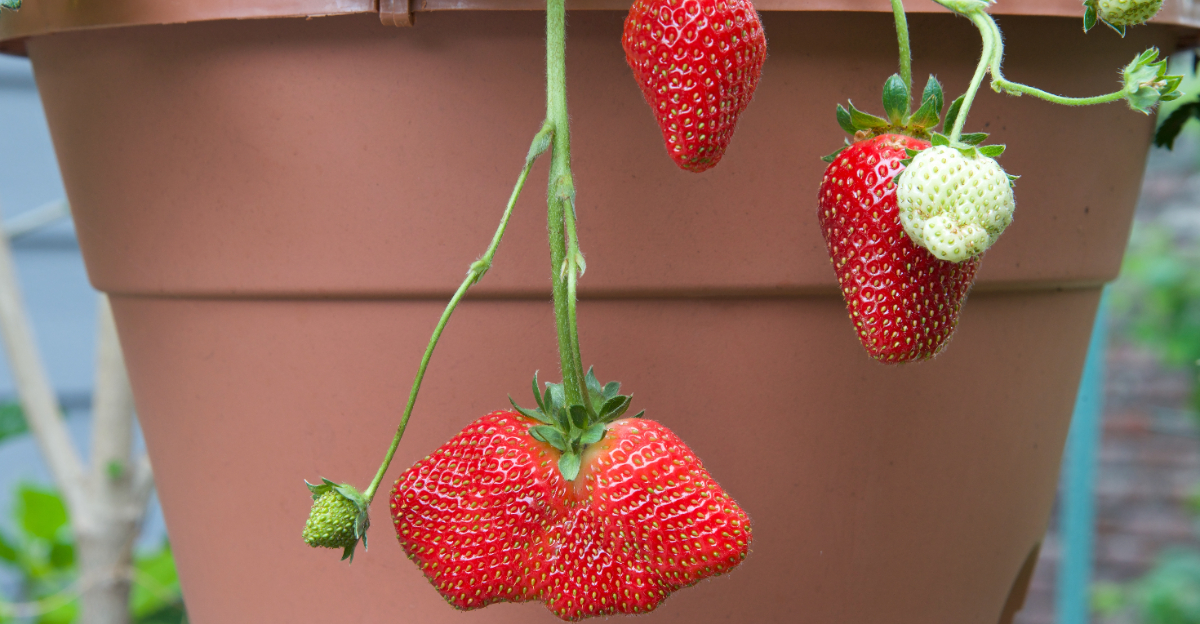
The basket looked full and promising when it first went up, with fresh growth spilling over the edges and settling in nicely in a Georgia yard. For a while, it felt like an easy way to grow more without using extra ground space.
Then something small started to change. A few plants slowed down, some stopped producing as expected, and the basket did not stay as full as it once was.
It is easy to notice when one basket keeps producing while another struggles to keep up.
Watering feels consistent, sunlight seems right, but the results begin to fall off in a way that does not make sense at first.
This is where the choice of plant makes a bigger difference than most expect. Not every fruit or veggie can handle the conditions in a hanging basket, especially as heat builds across Georgia.
1. Cherry Tomatoes Grow Well In Hanging Setups
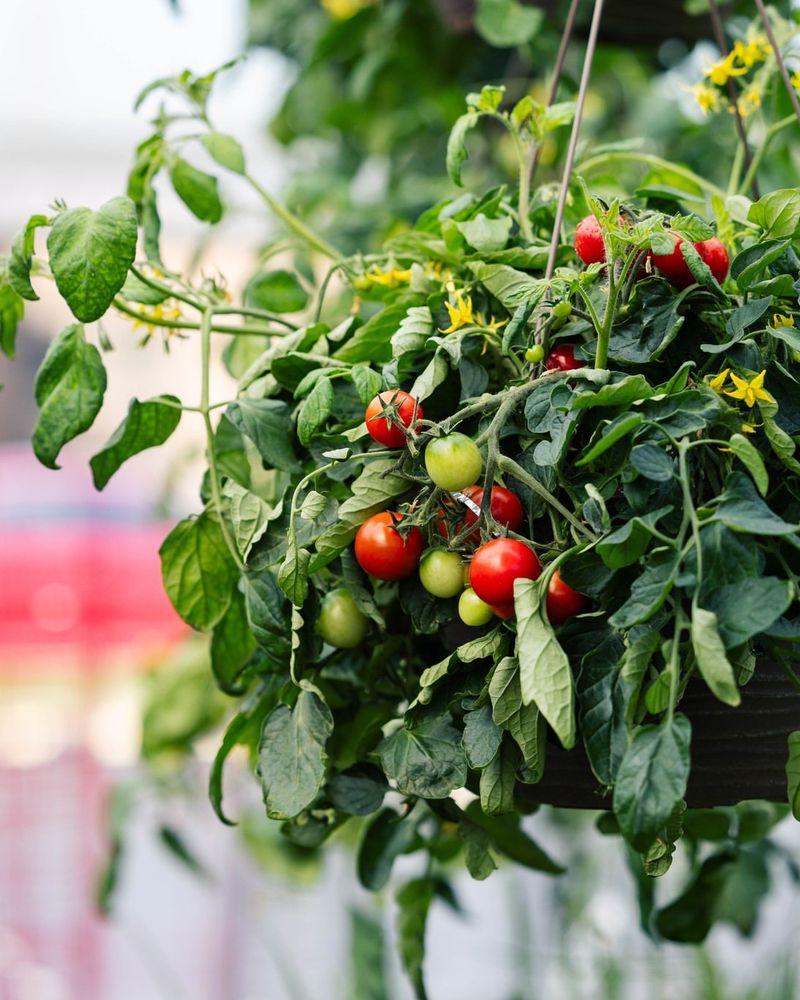
Cherry tomatoes were practically made for hanging baskets. Compact trailing varieties like Tumbling Tom or Balconi Red send their stems downward naturally, which means you get a full, loaded basket without needing any staking or caging.
In Georgia, where summer sun is intense and consistent, these small-fruited plants can pump out a surprising number of tomatoes from late spring through early fall with the right care.
Start seeds indoors about six to eight weeks before your last frost date, or just grab transplants from a local nursery in April. Plant one tomato per large basket, at least 14 inches wide, so the roots have enough room to spread.
Pack the basket with a rich, well-draining potting mix and add a slow-release granular fertilizer at planting time.
Watering is where most people run into trouble. Hanging baskets in Georgia’s heat lose moisture fast, sometimes needing water twice a day in July and August.
Inconsistent watering leads to blossom end rot, which is frustrating when you are so close to a full harvest. Keep the soil evenly moist and feed with a diluted liquid tomato fertilizer every ten days once flowering begins.
Hang the basket in a spot that gets full sun, and move it to afternoon shade during the most brutal heat waves if the leaves start curling badly.
2. Strawberries Keep Producing Well In Hanging Baskets
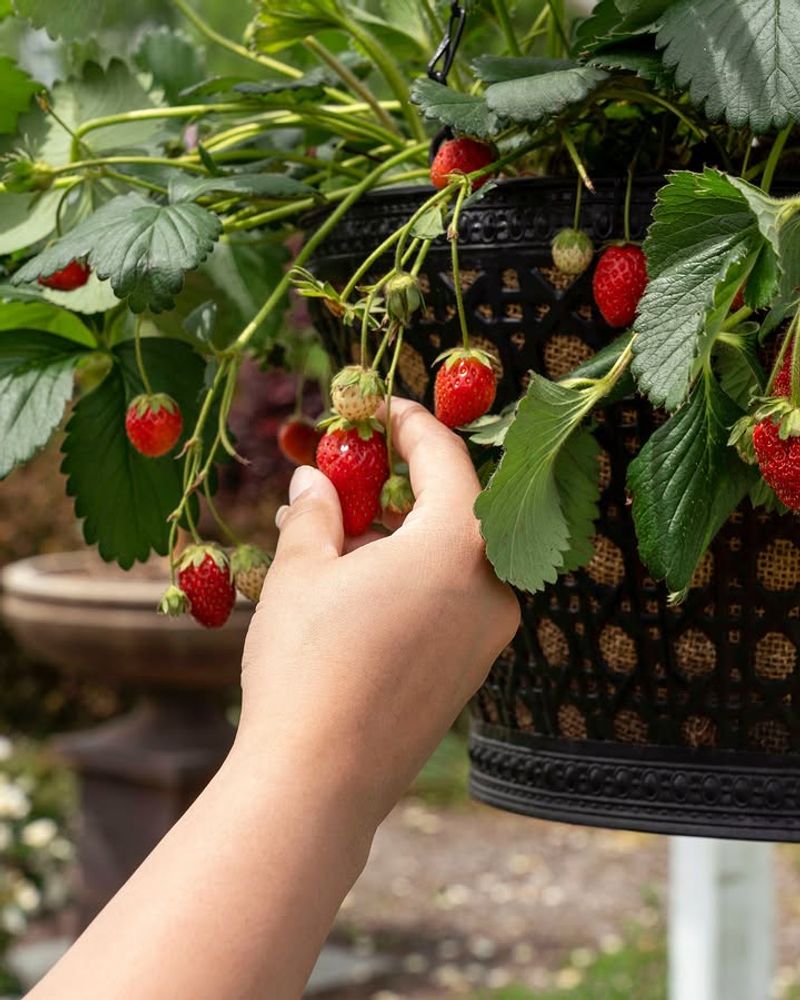
Strawberries might be the single best reason to try hanging baskets in the first place. Everbearing varieties like Ozark Beauty keep sending out fruit from spring well into fall, which is a real bonus here in Georgia where the growing season stretches longer than in most northern states.
The trailing runners look great spilling over basket edges, and you do not need to worry about slugs or ground rot the way you would with in-ground plants.
Basket size matters more than most people expect. Go with at least a 12-inch diameter container, and fill it with a lightweight potting mix that drains fast.
Strawberries sitting in soggy soil will struggle, and hanging baskets in Georgia’s summer heat can swing from bone dry to waterlogged if you are not paying attention.
Your Georgia Garden Changes Every Week. Your Plan Should Too.
Gardening in Georgia changes quickly throughout the season. Every Friday you’ll receive a simple weekly plan showing exactly what to plant, prune, fertilize, harvest, and protect so you never miss the right timing.
Water every morning during hot spells, and check again in the afternoon if temperatures climb past 90 degrees. A diluted liquid fertilizer every two weeks keeps production going without overfeeding.
Hanging baskets dry out faster than ground beds, so consistency with watering makes a bigger difference here than almost anything else.
Tuck two or three plants per basket for the best balance of airflow and fruit output, and hang them where they catch at least six hours of direct sun each day.
Keep an eye on runners and trim a few if they start taking over, so the plant can focus more energy on producing steady, healthy fruit.
3. Ground Cherries Stay Productive In Hanging Containers
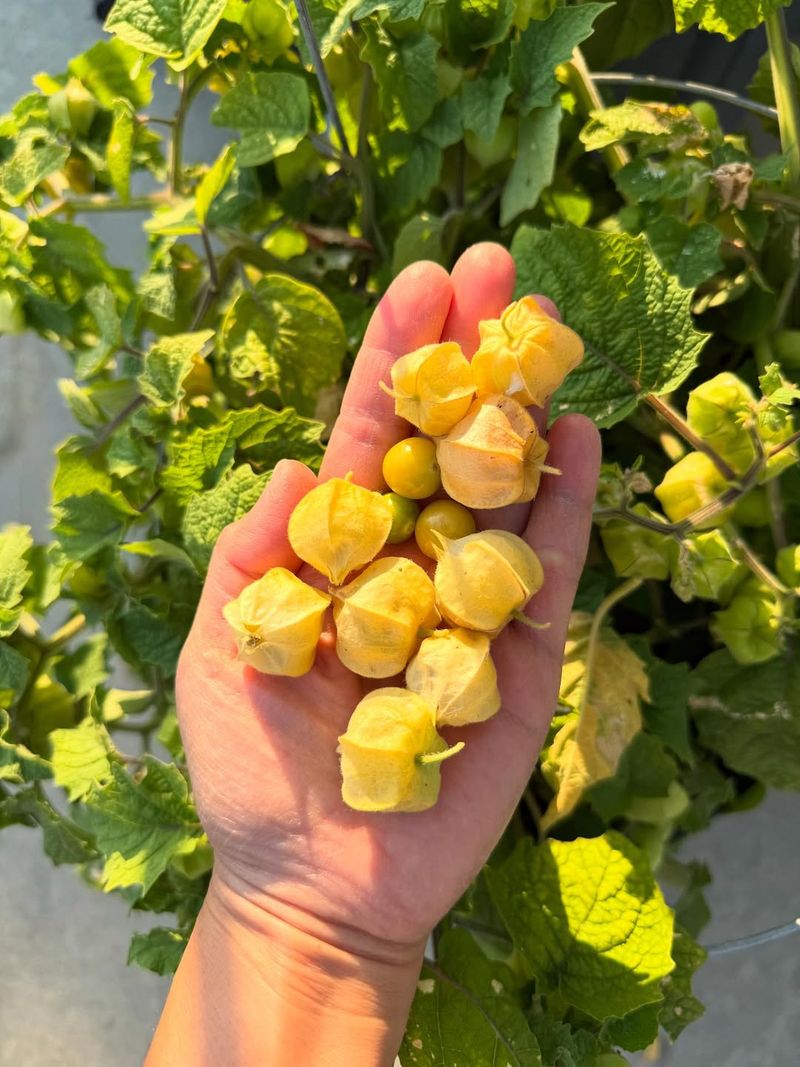
Ground cherries do not get nearly enough credit in Southern gardens. Wrapped in little papery husks that look like tiny lanterns, these fruits have a sweet, almost tropical flavor that catches people off guard the first time they try one.
In Georgia, they handle heat reasonably well compared to many other fruiting plants, and their naturally bushy, drooping habit makes them a decent fit for hanging containers.
Choose a basket at least 14 inches wide because ground cherry plants can spread more than you expect. They need full sun, ideally six or more hours daily, and consistent moisture to keep fruit setting steadily through the season.
Start plants from transplants rather than direct seed if you want fruit earlier in Georgia’s season, since they need a longer lead time than most people plan for.
Fertilize lightly every couple of weeks with a balanced liquid feed once the plants are established and flowering. Do not go heavy on nitrogen or you will get lots of leafy growth and fewer fruits.
Harvest when the husks turn tan and papery and the fruit inside feels firm. Fruits that drop naturally into the husk are usually fully ripe.
Ground cherries store well at room temperature for a couple of weeks inside their husks, which makes them surprisingly practical for a small-space hanging basket setup on a Georgia porch or balcony.
4. Pineberries Grow Well In Hanging Baskets With Care
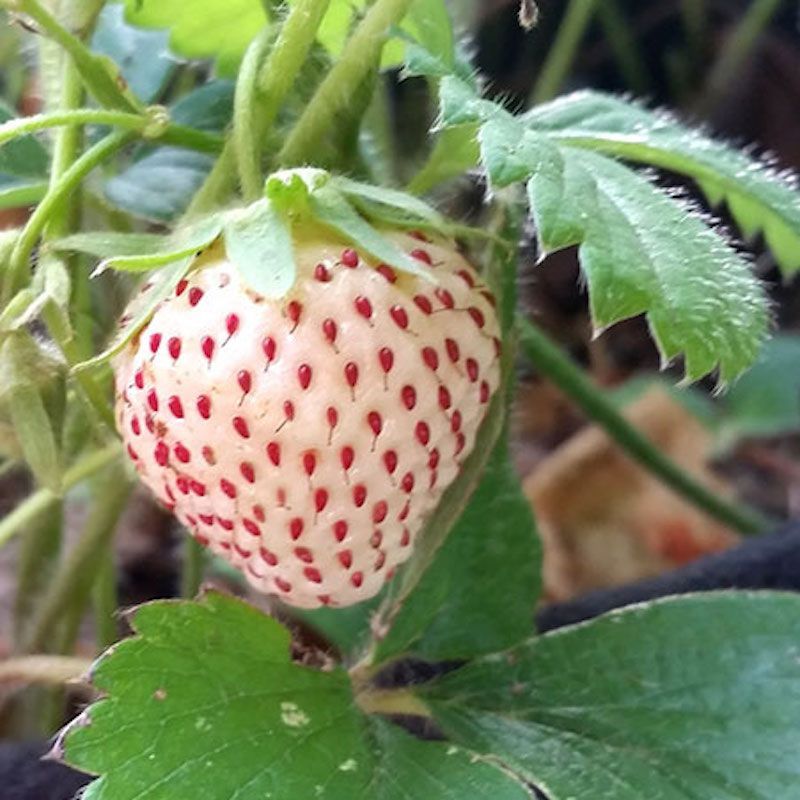
Pineberries look almost too strange to be real. White skin, red seeds, and a flavor that genuinely tastes like a cross between a strawberry and a pineapple, these unusual fruits draw attention from anyone who sees them growing on a porch.
They are a natural fit for hanging baskets because, like their red strawberry relatives, they send out trailing runners that drape nicely over basket edges.
Growing pineberries in Georgia takes a bit more attention than standard strawberries. They tend to prefer slightly cooler conditions for setting fruit, which means spring and fall are your most productive windows.
Georgia’s summer heat can slow fruit production significantly, so position the basket where it gets morning sun and some relief from the harsh afternoon rays during the hottest months.
Use a well-draining potting mix and a basket with good airflow around the root zone. Water consistently but avoid letting the basket sit waterlogged.
Feed every two weeks with a balanced liquid fertilizer during active growth, and cut back feeding if growth slows in peak summer. Pineberries are typically self-fertile, but planting a red strawberry variety in a nearby basket can improve pollination and fruit set noticeably.
With reasonable care and realistic expectations about Georgia’s heat, pineberries can produce well in spring and again as temperatures drop in early fall across most parts of the state.
5. Lettuce Grows Quickly In Hanging Baskets Before Heat
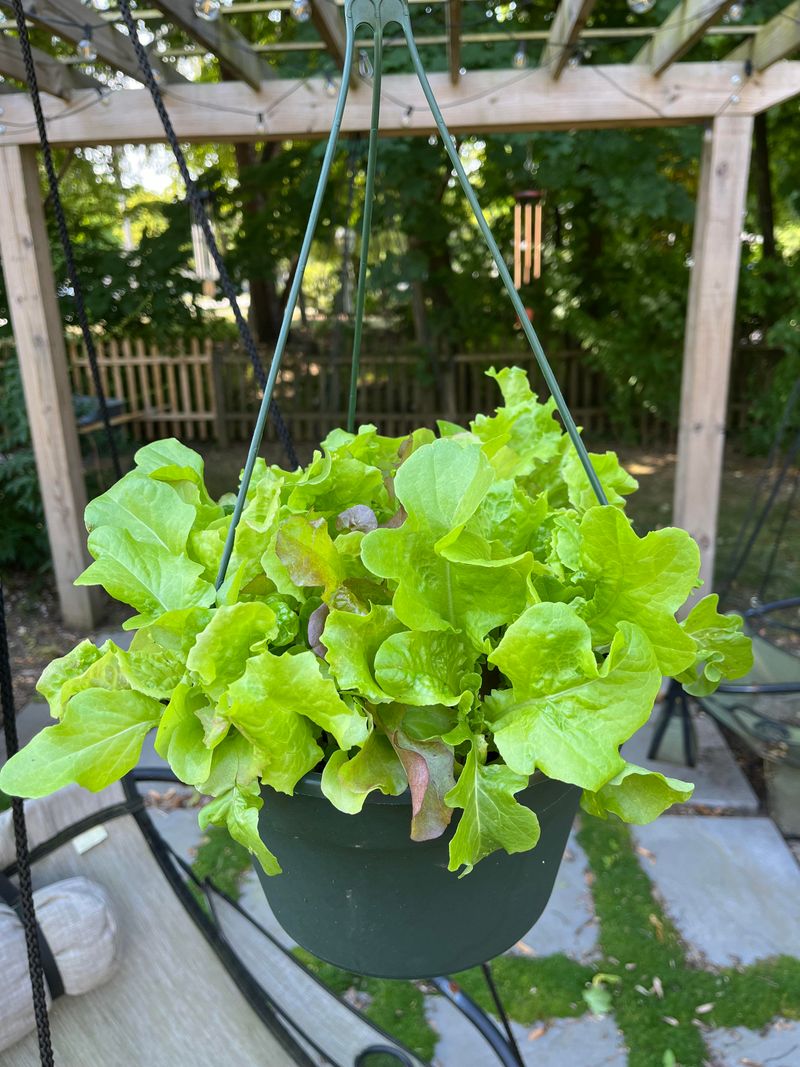
Lettuce is a cool-season crop, and in Georgia that window runs roughly from late February through early May before the heat shuts things down.
Hanging baskets actually work in lettuce’s favor here because you can move them to a shadier spot as temperatures climb, buying yourself a few extra weeks of harvest before the leaves turn bitter and bolt.
Loose-leaf varieties like Black-Seeded Simpson or any cut-and-come-again mix are the most practical choices for baskets. You can snip outer leaves as needed and the plant keeps pushing out new growth, which stretches your harvest window considerably.
Sow seeds directly into the basket or start with small transplants from a nursery, spacing them about four inches apart in a 12-inch basket.
Keep the soil evenly moist since lettuce roots are shallow and dry out fast in a hanging container. A light liquid fertilizer every couple of weeks keeps leaves coming in tender and green.
Skip heavy nitrogen feeds as temperatures rise because that pushes bolting faster. In Georgia, hanging baskets of lettuce on a north-facing porch or under a pergola can stay productive well past what most gardeners expect from a spring planting.
Once daytime temperatures consistently hit the mid-80s, the lettuce will signal the end of the season, and that is simply the reality of growing cool-season crops in the South.
6. Peppers Grow Well In Hanging Containers With Full Sun
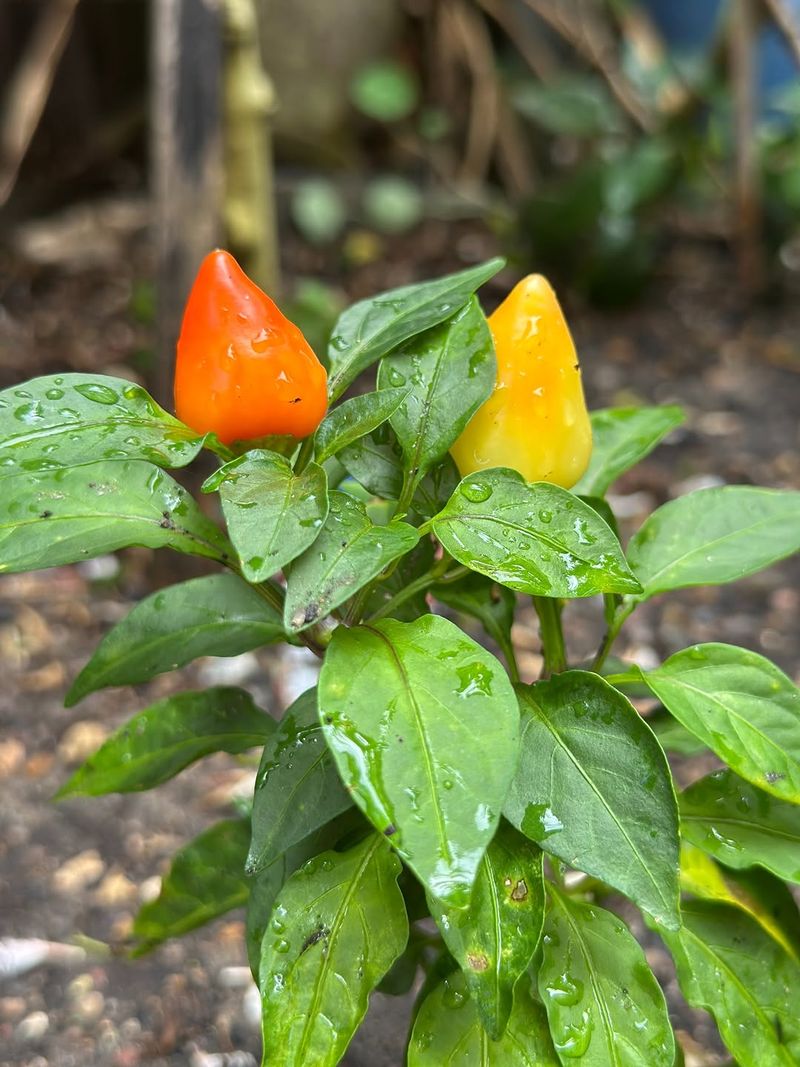
Few plants match Georgia’s summer like peppers do. Hot or sweet, compact pepper varieties genuinely thrive when given plenty of direct sun and warm temperatures, which Georgia delivers reliably from May through September.
Basket of Fire and Lunchbox Sweet are two varieties that stay compact enough for hanging containers while still producing a solid amount of fruit through the season.
Use a 14-inch or larger basket and fill it with a well-draining potting mix amended with some slow-release fertilizer at planting. Peppers need consistent moisture but absolutely cannot sit in waterlogged soil, so drainage matters as much as watering frequency.
In Georgia’s peak summer heat, plan to water hanging pepper baskets every morning and check again by afternoon on days above 95 degrees.
Feed with a balanced liquid fertilizer every two weeks from transplanting through mid-August. Switch to a lower-nitrogen, higher-phosphorus feed once the plant is loaded with fruit to support continued production rather than excess leaf growth.
Hang the basket in a spot that gets at least six hours of full sun daily, ideally eight or more during summer. Peppers in containers tend to produce well when they are slightly root-bound, so do not go overboard with basket size.
One healthy plant per 14-inch basket is usually the right call for a productive Georgia growing season.
7. Spinach Stays Productive In Hanging Baskets In Cooler Weather
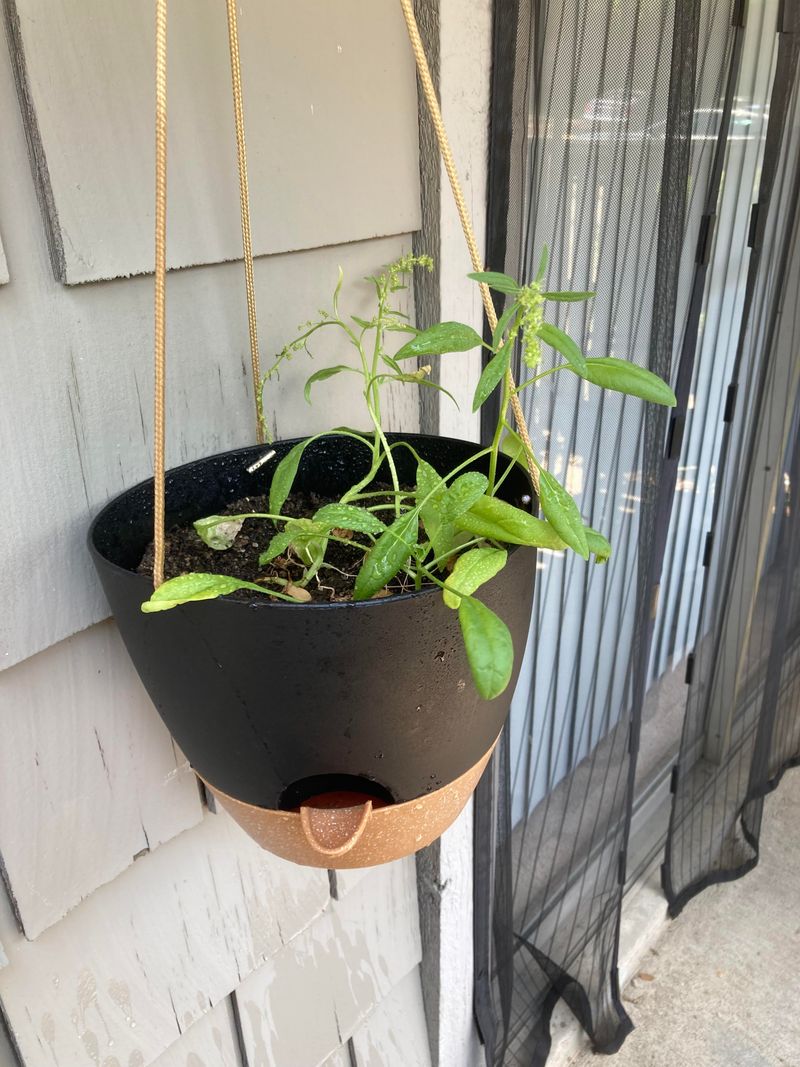
Spinach has a reputation for being fussy, and honestly in Georgia it can be. The heat tolerance is low, which means your realistic window runs from late September through November in fall, and again from late February into April in spring.
Hanging baskets are actually a smart move for spinach here because you can shift the basket to follow the shade as days warm up, extending the productive period a bit longer than a fixed garden bed allows.
Bloomsdale Long Standing is a reliable variety for Georgia’s climate because it holds up slightly longer before bolting compared to thinner-leafed types. Sow seeds directly into the basket about half an inch deep and thin seedlings to about three or four inches apart once they sprout.
Keep the soil consistently moist but not soggy since shallow roots in a hanging container dry out faster than you might expect.
Fertilize lightly every two weeks with a balanced liquid feed to keep leaves coming in dark and tender. Harvest outer leaves regularly rather than pulling entire plants, and the basket will continue producing for several weeks under the right conditions.
Expect spinach to slow down noticeably once daytime temps push past 75 degrees in Georgia. That is just the nature of this crop in a Southern climate, and planning around that reality will save you a lot of frustration when the warm weather rolls back in.
8. Kale Grows Well In Hanging Baskets Early In The Season
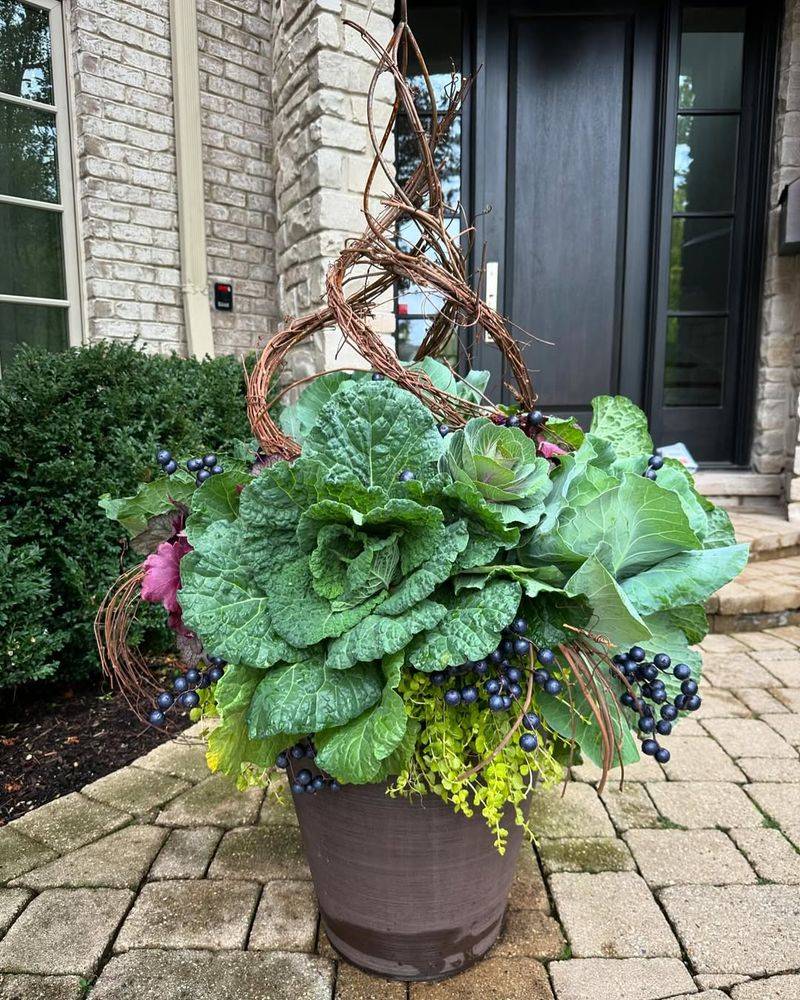
Kale is tougher than most leafy greens when it comes to handling a bit of cold, which makes it an ideal early-season choice for Georgia gardeners who want to get a head start in February or March.
It can handle light frosts without much trouble, and a hanging basket setup lets you bring it under cover on nights when temperatures dip unexpectedly low in late winter.
Dwarf Siberian or Red Russian varieties stay compact enough for hanging baskets without getting too leggy. Plant one or two seedlings per 12-inch basket in a lightweight potting mix and hang them where they get at least five to six hours of sun daily.
Early spring sun in Georgia is gentler than summer sun, so south-facing spots work well during these cooler months without scorching the leaves.
Water regularly but check the soil before adding more since kale in a hanging basket can go from adequate to too dry quickly on breezy days. A light liquid fertilizer every two to three weeks keeps the leaves coming in steadily without pushing soft, floppy growth.
Harvest outer leaves consistently to encourage the center to keep producing.
By the time Georgia’s heat arrives in late May or June, kale production will naturally taper off, but a spring basket started in February or early March can give you eight to ten solid weeks of fresh harvests before that happens.