Easy Plant Pairings That Grow Well Together In One Pot In Michigan
Growing plants together in one pot is a simple way to create a full, eye catching display, but the right combinations make all the difference.
In Michigan, where the growing season can be shorter and conditions change quickly, pairing plants that thrive together helps everything grow stronger and look better.
Some plants share similar needs for sunlight, water, and space, while others can compete and struggle if grouped the wrong way. The goal is to choose combinations that support each other instead of getting in each other’s way.
When done right, one container can offer layers of color, texture, and growth that feel balanced and lively. It also makes care easier since all the plants in the pot will need similar attention.
With a few smart pairings, you can turn a simple container into a thriving, beautiful part of your Michigan garden.
1. Basil (Ocimum Basilicum) And Parsley (Petroselinum Crispum)
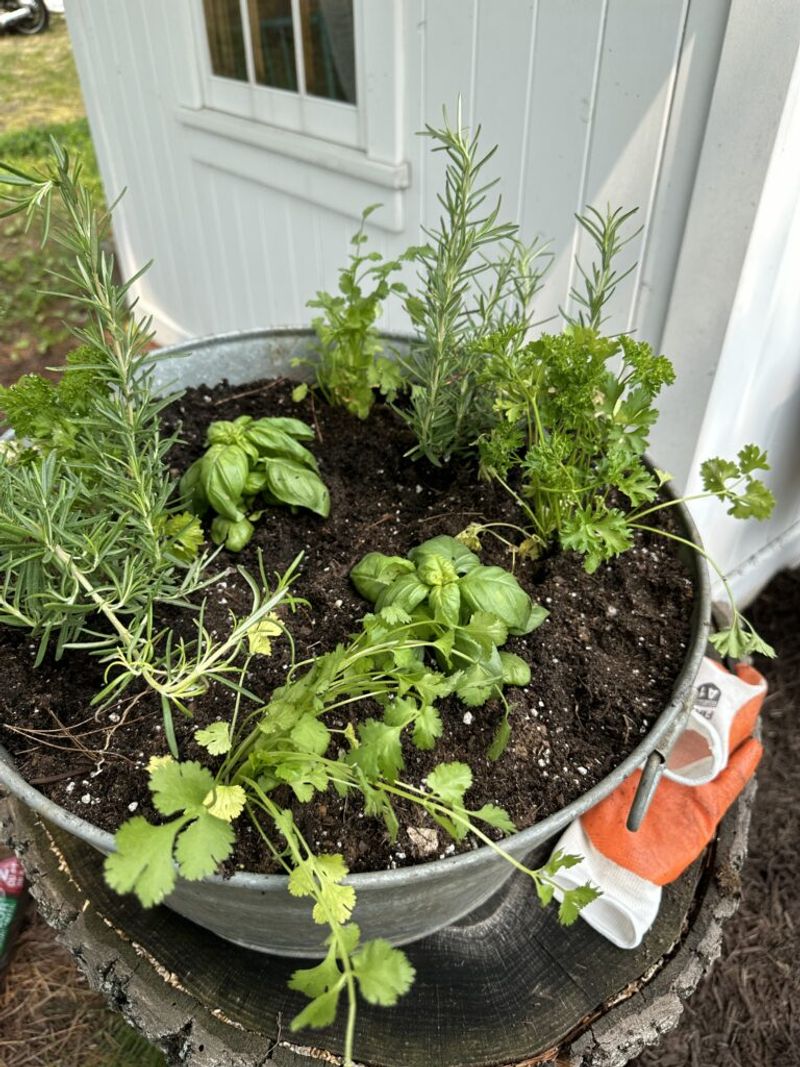
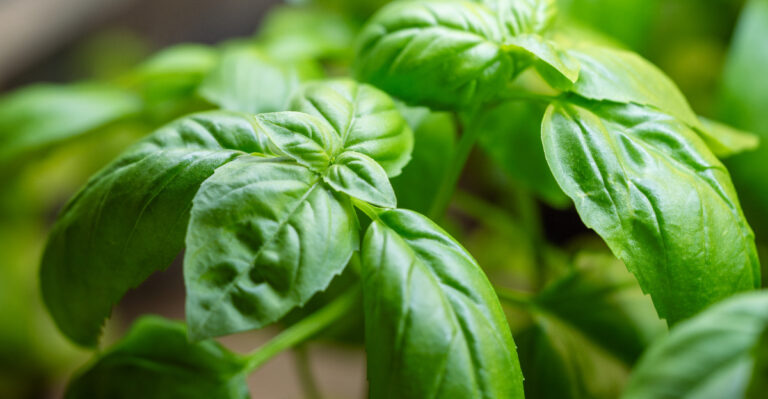
Basil and parsley make one of the easiest herb pairings for a Michigan container garden once warm weather settles in. Both enjoy rich potting mix, steady moisture, and at least six hours of sun, so they stay on the same care schedule.
That shared rhythm makes your watering routine simpler and helps the pot stay productive through summer.
One good-sized container, about twelve inches wide or more, gives both plants enough room to fill out without crowding. I like using a compost-rich mix because parsley appreciates fertility, and basil responds with fast leafy growth when nutrients stay available.
Pinching basil tips often keeps it bushy, while regular parsley harvests encourage fresh stems from the center.
In Michigan, wait until frost risk has passed before setting this combo outside, because basil prefers genuinely warm nights. Parsley can handle cooler conditions, but it still grows well beside basil once temperatures rise and the pot receives consistent care.
A spot near a sunny deck, patio, or back step usually works beautifully. Best of all, this pairing pays off in the kitchen almost every week. You can snip basil for pasta, pizza, and salads, then grab parsley for soups, potatoes, and dressings without walking far.
It is practical, fragrant, attractive, and perfect for gardeners who want a reliable first container.
2. Rosemary (Salvia Rosmarinus) And Thyme (Thymus Vulgaris)
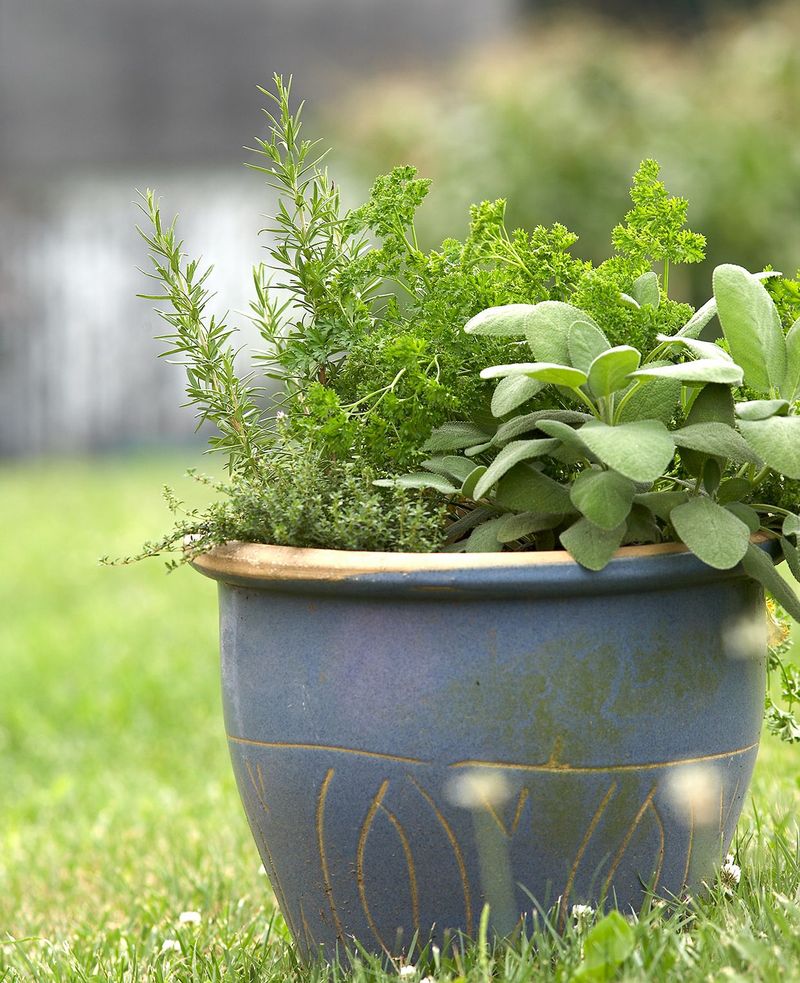
Rosemary and thyme are a natural match because both prefer bright sun, sharp drainage, and lighter watering than many other herbs. When you plant them together, the container stays easy to manage since neither one likes soggy roots or heavy soil.
That Mediterranean style makes them especially useful for a hot Michigan patio or driveway corner.
A terracotta pot works well because it dries a little faster and helps prevent overly wet conditions after summer rain. Use a loose potting mix, and consider adding extra perlite or coarse sand so water moves through quickly.
Rosemary grows upright with woody stems, while thyme spreads lower and softens the rim of the pot.
In Michigan, thyme usually adapts faster outdoors, while rosemary appreciates the warmest, sunniest place you can offer. Because rosemary is less hardy in many parts of the state, many gardeners treat it as seasonal or bring it indoors before cold weather arrives.
Your Michigan Garden Changes Every Week. Your Plan Should Too.
Gardening in Michigan changes quickly throughout the season. Every Friday you’ll receive a simple weekly plan showing exactly what to plant, prune, fertilize, harvest, and protect so you never miss the right timing.
Keeping both herbs in one container makes that transition easier at the end of the season.
The flavor payoff is worth the small effort. You can clip thyme for roasted vegetables and chicken, then snip rosemary for potatoes, breads, and grilled dishes.
The pot looks tidy, smells wonderful in summer heat, and suits gardeners who sometimes forget to water every single day.
3. Lettuce (Lactuca Sativa) And Chives (Allium Schoenoprasum)
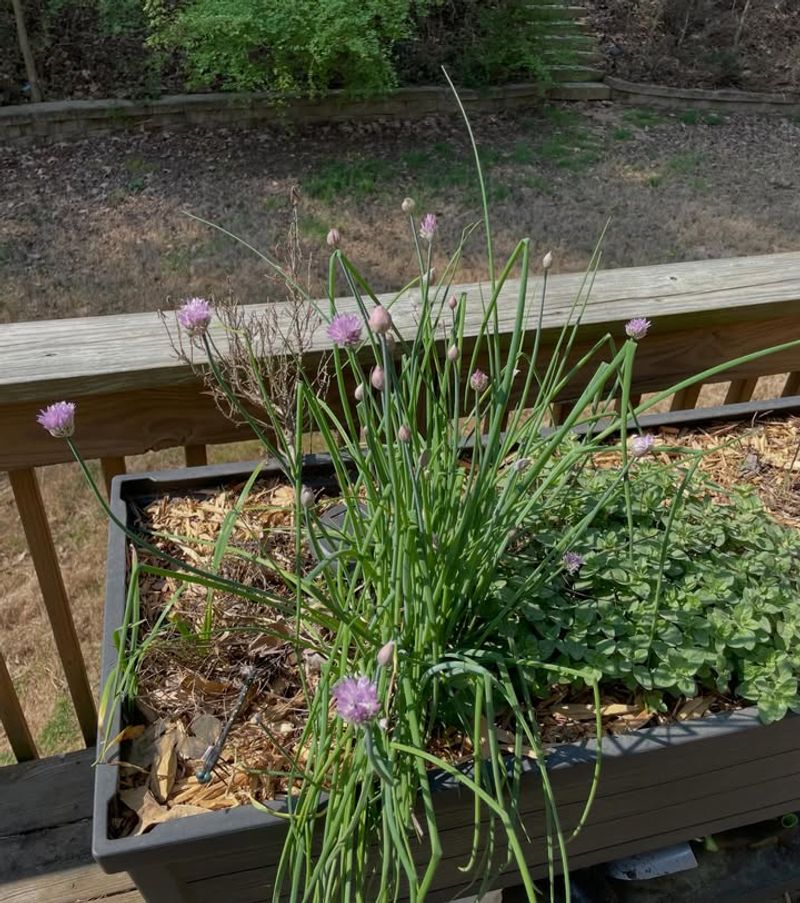
Lettuce and chives grow well together because both enjoy the cool stretches of spring and fall in Michigan. They like consistent moisture, moderate sun, and fertile soil, which makes care straightforward when planted in one roomy container.
The contrast also looks great, with soft lettuce leaves beside upright, grassy chive stems.
Start with a wide pot rather than a deep one, since lettuce roots stay fairly shallow and appreciate even moisture. Tuck chives near the middle or back, then plant looseleaf lettuce around them so you can harvest outer leaves easily.
Snipping lettuce a little at a time keeps the container full, fresh, and useful for weeks.
Michigan gardeners can begin this pairing early because both plants handle cool weather much better than heat-loving herbs or vegetables. A spot with morning sun and some afternoon relief helps lettuce stay tender longer as temperatures rise.
If a warm spell arrives, extra water and light shade can stretch the harvest a bit further.
At mealtime, this combo makes container gardening feel especially rewarding. You can cut chives for eggs, dips, and baked potatoes, then pick lettuce for sandwiches and salads the same day.
It is a smart pot for small spaces, apartment patios, and anyone who wants a quick edible success early in the Michigan season.
4. Kale (Brassica Oleracea) And Nasturtium (Tropaeolum Majus)
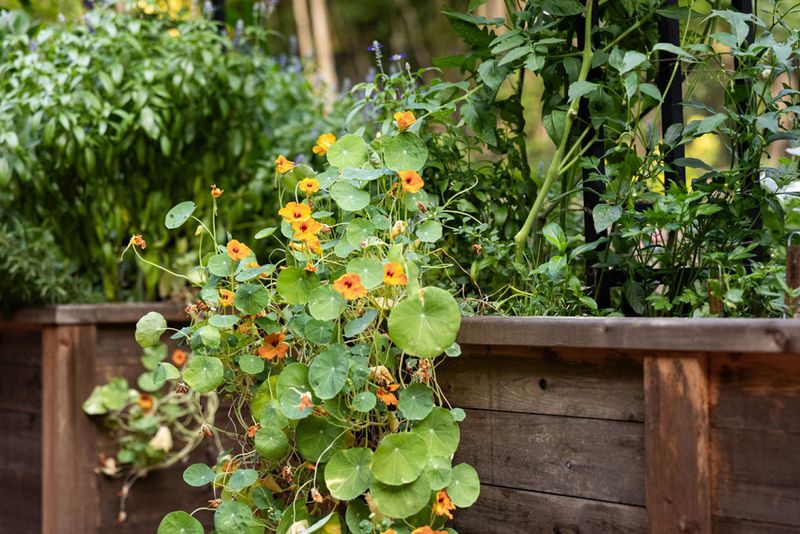
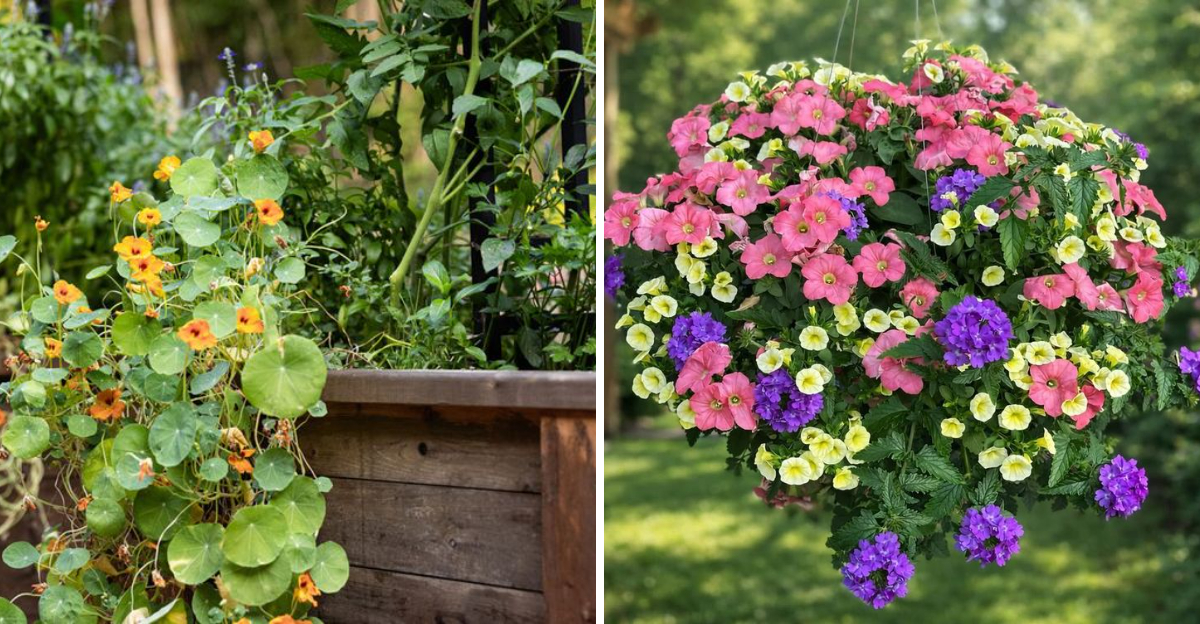
Kale and nasturtium make a container feel full, colorful, and useful at the same time. Kale grows upright and sturdy, while nasturtium spills over the edge with round leaves and cheerful flowers that brighten the whole pot.
Because both perform well in Michigan during spring and early summer, they can share a comfortable growing window.
Use a large container with rich potting mix and reliable drainage so kale has enough root space to produce steady leaves. Plant the kale slightly off center, then tuck nasturtium near the rim where it can trail naturally.
That arrangement gives the pot a layered look without making it feel crowded or messy.
Both plants appreciate regular watering, though nasturtium usually blooms best without overly rich feeding. Kale benefits from fertile soil and a sunny location, but in warmer parts of Michigan, some afternoon shade can help keep leaves tender.
Harvesting kale often encourages fresh growth, and removing spent nasturtium flowers keeps the display lively.
The best part is how much personality this combination brings to a porch or raised patio corner. Kale offers serious texture and a steady harvest, while nasturtium adds movement and edible flowers with a peppery bite.
For gardeners in Michigan who want a pot that feels ornamental and practical, this pairing hits both goals beautifully.
5. Petunias (Petunia × Hybrida) And Sweet Alyssum (Lobularia Maritima)
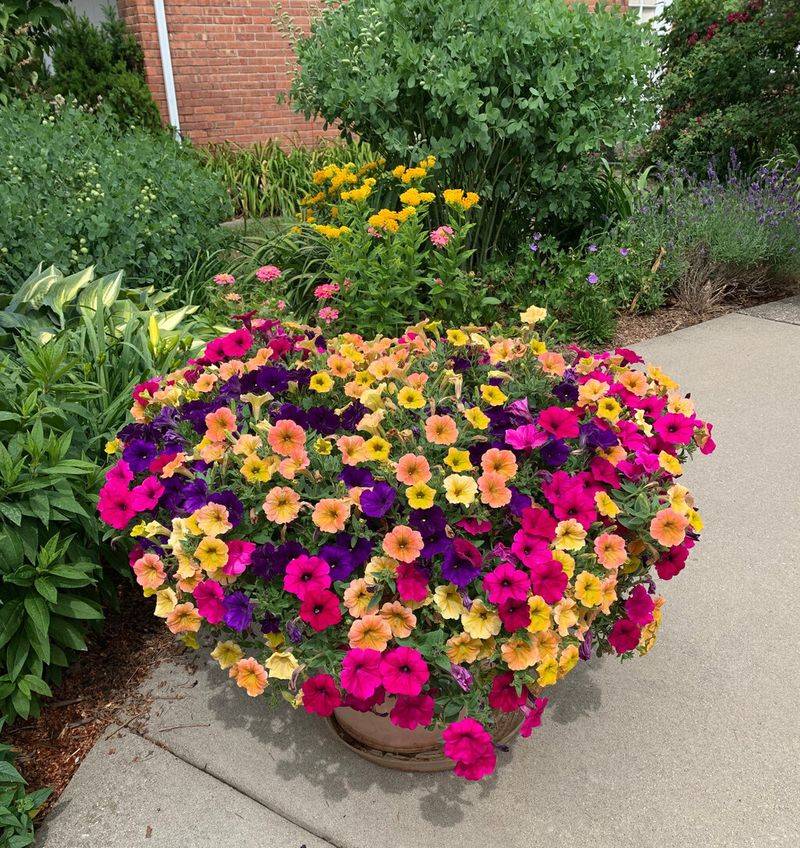
Petunias and sweet alyssum create that classic overflowing container look many Michigan gardeners want all summer long. Both enjoy full sun, regular watering, and rich potting soil, so they settle into the same care routine with very little fuss.
Petunias bring bold color, while alyssum fills gaps with soft flowers and a light, sweet fragrance.
Choose a container wide enough for the plants to spread, because this pairing looks best when it has room to mound and drape. Set petunias toward the center or back, then plant alyssum around the edges so it softens the rim as it grows.
A slow-release fertilizer at planting time can help both keep blooming steadily through the season.
In Michigan, these annuals shine after the weather turns reliably warm and sunny. They can handle summer heat well, but containers dry quickly in July, so checking moisture often keeps the flowers looking fresh.
Trimming petunias lightly and removing faded blooms from time to time helps the display stay colorful instead of stretched out.
What makes this combination special is its easy charm. It works in formal front porch pots, casual patio planters, and even window boxes where space matters.
If you want dependable color that feels full and inviting through a Michigan summer, petunias and sweet alyssum are one of the simplest flower pairings to trust.
6. Coleus (Coleus Scutellarioides) And Begonias (Begonia Spp.)
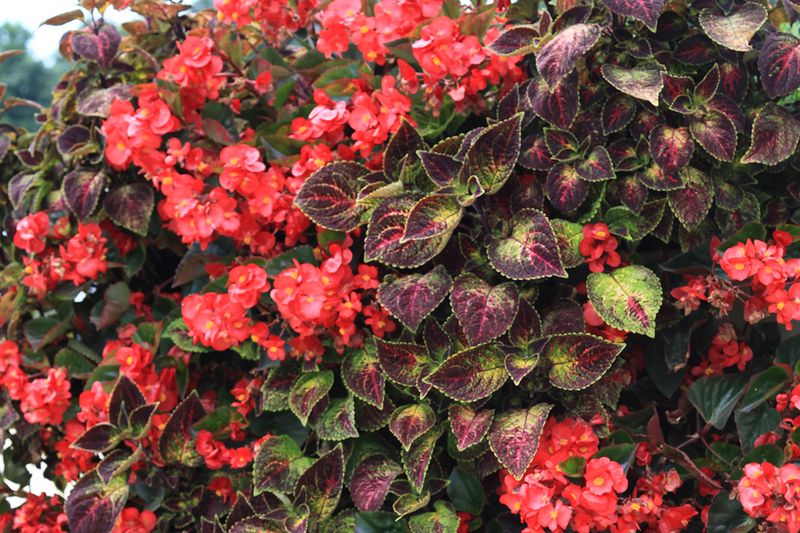
Coleus and begonias are excellent partners for shady containers, especially on Michigan porches that do not receive strong afternoon sun. Both tolerate shade to part shade, and both appreciate evenly moist soil that never stays waterlogged for long.
Together, they create a polished look with almost no need for constant fussing or complicated care.
Coleus brings the bold foliage, with leaves in deep burgundy, lime, bronze, pink, or green depending on the variety you choose. Begonias add a softer touch through rounded leaves and steady blooms, giving the container color from two different directions.
That mix of foliage and flowers keeps the pot interesting even when light levels stay lower than ideal for sun-loving annuals.
Use a high-quality potting mix and a container with good drainage, then water when the top inch starts to feel dry. In Michigan humidity, airflow still matters, so avoid packing too many plants into one pot just to make it look full on day one.
Pinching coleus tips helps maintain a bushy shape, while begonias stay tidier with occasional cleanup.
This pairing shines near entryways, shaded decks, and north or east exposures around the house. It gives you strong color without chasing full sun across the yard.
For Michigan gardeners who want reliable containers in lower light, coleus and begonias are one of the easiest and prettiest combinations you can grow.
7. Tomatoes (Solanum Lycopersicum) And Basil (Ocimum Basilicum)
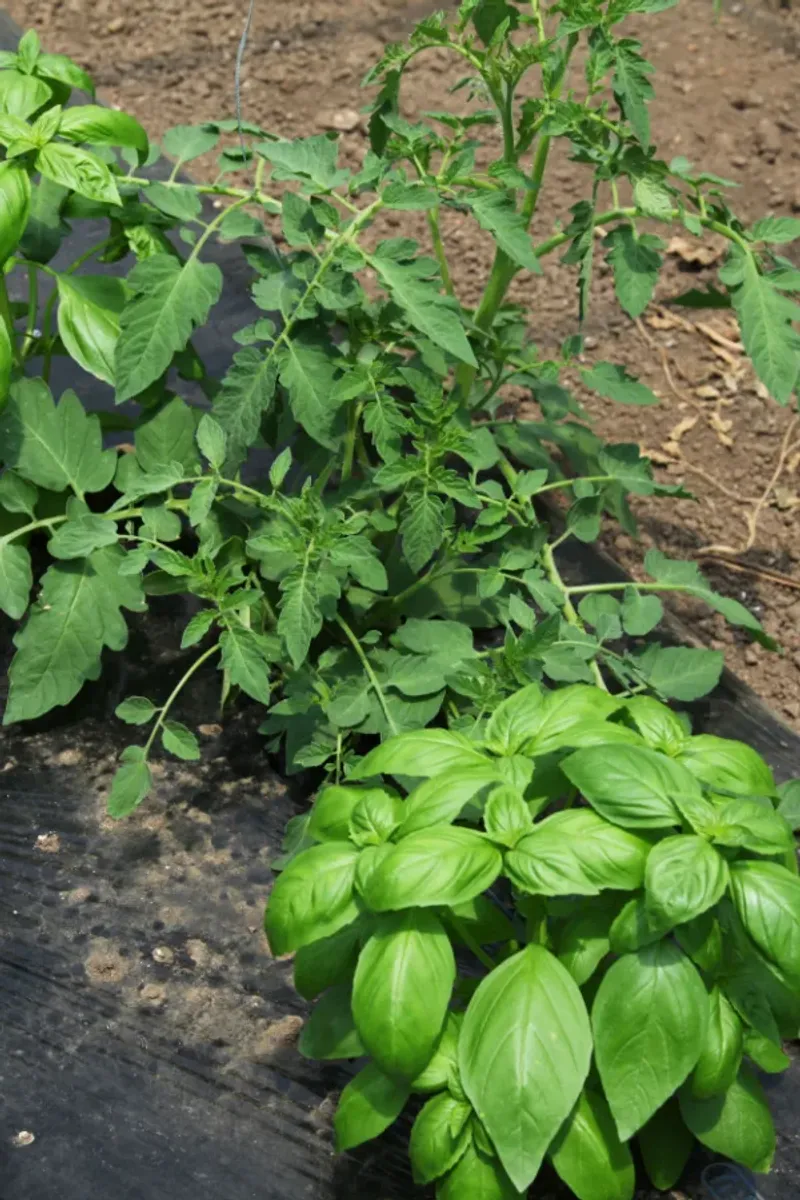
Tomatoes and basil are a favorite container pair for good reason. Both love full sun, warm weather, rich soil, and steady moisture, so they fit naturally into the same pot when the container is large enough.
In Michigan, they settle in beautifully after frost season passes and summer temperatures begin to climb.
Go bigger than you think, because tomatoes need serious root space and consistent moisture for strong growth. A large container, ideally at least five gallons for one tomato, gives you room to tuck basil near the edge without crowding the plant.
Add a sturdy cage or support at planting time so you do not disturb roots later.
Regular feeding matters here more than with many other pairings, since tomatoes are heavy users of water and nutrients. Keep the soil evenly moist, not soaked, because containers on Michigan patios can dry fast during sunny July stretches.
Basil benefits from frequent pinching, and harvesting lower tomato leaves only when needed can help airflow around the base.
The payoff comes all season and lands right on your dinner plate. Fresh basil and homegrown tomatoes turn simple meals into something memorable, especially in late summer when flavor peaks.
If you have room for only one edible container in Michigan, this classic duo offers beauty, fragrance, and a harvest that feels worth every bit of care.
8. Oregano (Origanum Vulgare) And Marjoram (Origanum Majorana)
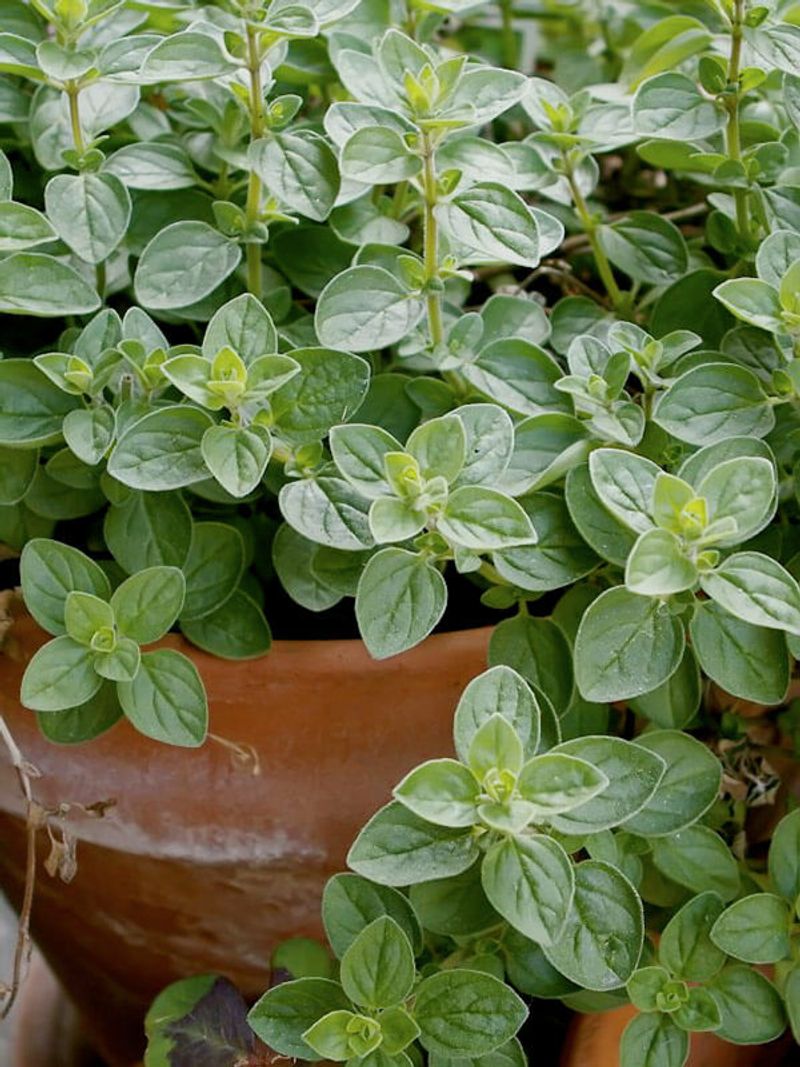
Oregano and marjoram belong to the same plant family and share such similar needs that pairing them feels almost effortless. Both prefer full sun, well-drained soil, and moderate watering, so one container can support them without creating conflicting care needs.
Their compact growth also makes them perfect for smaller Michigan patios, balconies, and kitchen garden corners.
Choose a pot with excellent drainage and avoid overly rich soil, because these herbs produce stronger growth in conditions that are not too heavy or wet. Oregano tends to spread a bit more, while marjoram stays softer and slightly more delicate in texture.
Plant them with enough breathing room so each keeps its shape and remains easy to harvest.
In Michigan summers, this duo performs best in a bright spot that receives at least six hours of direct sunlight. Because both herbs prefer drier conditions than basil or parsley, allow the top layer of soil to dry a little between waterings.
Frequent snipping keeps the plants bushy and prevents long, sparse stems from taking over the pot.
What I like most about this pairing is how useful it is from the first trim onward. Oregano adds bold flavor to sauces and roasted vegetables, while marjoram offers a gentler, sweet herbal note in dressings and meat dishes.
For Michigan gardeners who want low-fuss herbs with plenty of kitchen value, this is a smart, flavorful container choice.
9. Calibrachoa (Calibrachoa × Hybrida) And Verbena (Verbena × Hybrida)
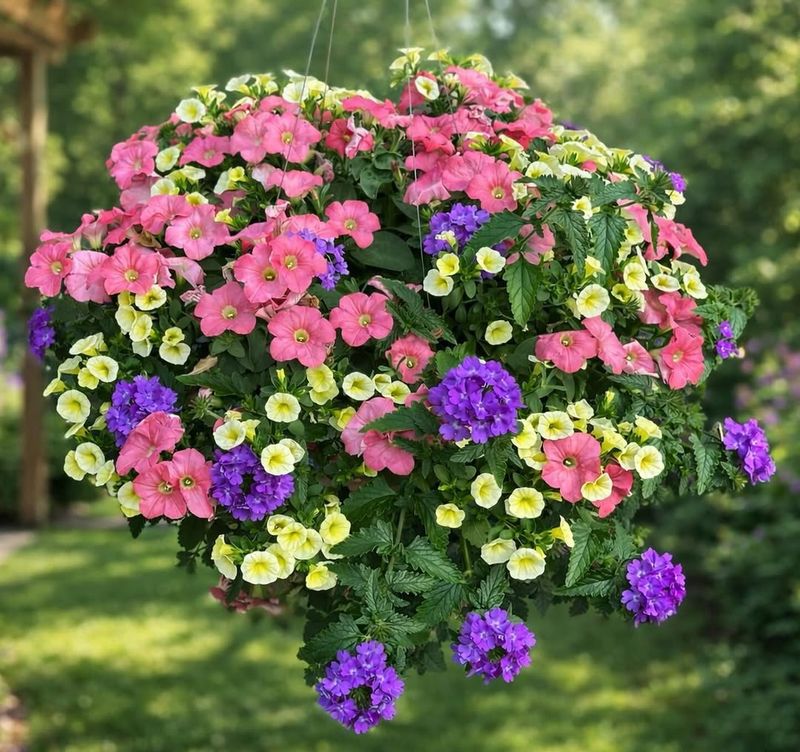
Calibrachoa and verbena bring serious color to a summer container without making care feel complicated. Both enjoy full sun, warm weather, and regular watering, and both bloom heavily when given consistent feeding through the season.
In Michigan, they are especially useful for bright patios and front steps where you want nonstop color through summer.
Calibrachoa usually trails or mounds with loads of small petunia-like flowers, while verbena adds clusters of blooms and a slightly airy texture. That contrast makes the container look layered and lively rather than flat.
Pick shades that either blend softly or pop boldly, depending on whether you want a relaxed look or a high-energy statement.
Because these plants bloom so freely, a quality potting mix and regular fertilizer make a real difference. Water whenever the top of the soil begins to dry, especially during hot Michigan stretches when hanging baskets and exposed containers lose moisture quickly.
Light trimming in midsummer helps refresh growth and encourages another strong wave of flowers.
This combination works beautifully in containers near outdoor seating, where the bright flowers stay close to eye level. It gives a cheerful, full look without needing complicated design skills.
For Michigan gardeners who love summer color and want plants that handle heat well, calibrachoa and verbena are a lively pair that earns its space.
10. Mint (Mentha Spp.) Alone (Important Exception)
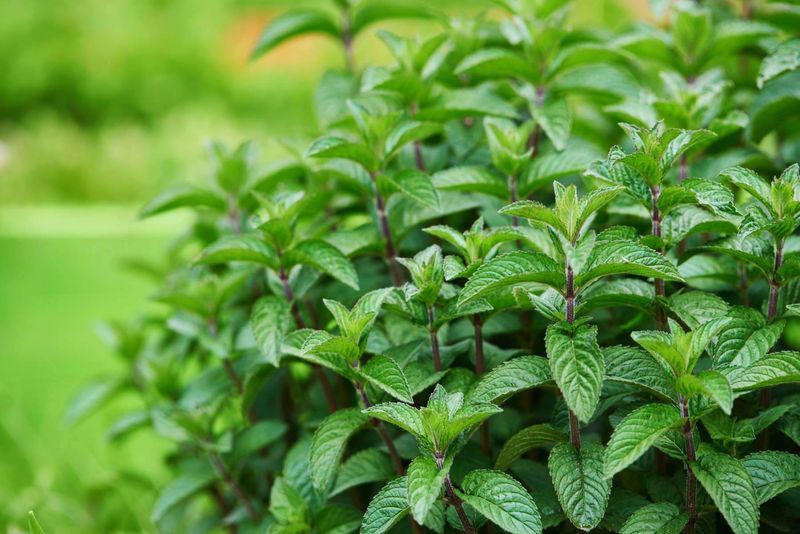
Mint is the big exception on this list because it should grow alone in its own pot. It spreads quickly by underground runners and can take over shared space fast, which makes mixed containers hard to manage.
In Michigan, that vigorous habit shows up in garden beds and containers alike, so giving mint a separate home is the smartest move.
The good news is that mint is very easy to grow when you respect that one rule. It likes moist, fertile soil and grows well in full sun to part shade, which makes it adaptable to many porches and patios.
A medium container with drainage holes usually gives it enough room while still keeping growth controlled.
Regular harvesting keeps the plant full and fresh, and pinching tips helps prevent a tall, floppy shape later in the season. In Michigan summer heat, mint appreciates consistent watering more than drought-tolerant herbs like rosemary or thyme.
Because it can spread so energetically, avoid planting even one small mint start beside slower companions you want to preserve.
Keeping mint alone is not a limitation. It is actually a simple way to enjoy one of the most useful herbs without frustration later.
You can snip leaves for tea, fruit salads, sauces, and summer drinks, then enjoy a tidy, fragrant pot that stays easy to handle from spring through the Michigan growing season.