These 7 Native Pennsylvania Flowers Deserve A Spot In More Gardens
Some flowers do more than look pretty. They bring butterflies, feed bees, support local wildlife, and still manage to make a garden look like it was planned by someone with excellent taste.
Native Pennsylvania flowers have that kind of quiet magic, yet many of them are still overlooked in favor of flashier plants that need more fuss.
That is a shame, because these local bloomers already understand Pennsylvania weather, soil, and seasonal mood swings. They do not need constant pampering to perform well, and once established, many can handle dry spells, chilly starts, humid summers, and surprise downpours like pros.
From cheerful woodland blooms to bold prairie-style flowers, native plants can add color, texture, and real purpose to your yard.
They make gardens feel alive in the best way, full of movement, pollinators, and natural beauty. A few smart choices can turn an ordinary flower bed into a backyard favorite.
1. Coneflower (Echinacea)
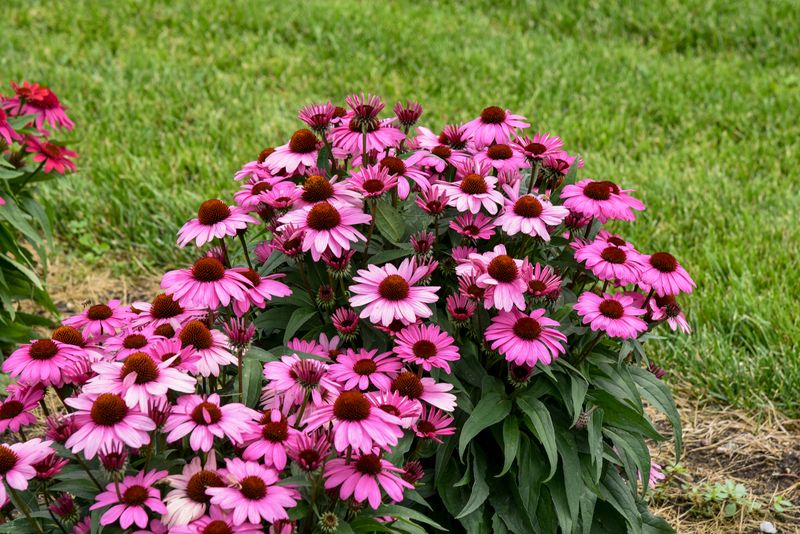
Few flowers say “summer in Pennsylvania” quite like the coneflower. With its bold purple petals and spiky orange-brown center, this plant is hard to miss and even harder not to love. It blooms from midsummer all the way into fall, giving your garden weeks of color.
Coneflowers are incredibly tough. They handle heat, drought, and poor soil without much fuss, which makes them a perfect choice for gardeners who do not have a lot of time to fuss over their plants.
Once established, they pretty much take care of themselves. Pollinators go absolutely wild for coneflowers. Bees, butterflies, and even goldfinches visit regularly, making your garden feel alive with activity.
Planting a cluster of three or more together creates a bigger visual impact and gives pollinators an easier target to find.
Coneflowers spread slowly over time, forming fuller clumps each year. You can divide them every few years to fill in more of your garden or share with neighbors. They also self-seed, so you may find new plants popping up in spots you never planned.
Native to much of the eastern United States, including Pennsylvania, Echinacea has also been used for centuries in herbal medicine. Many people recognize it as an ingredient in cold remedies.
Growing it yourself connects you to both the natural and cultural history of this region in a pretty meaningful way.
2. Black-Eyed Susan (Rudbeckia)
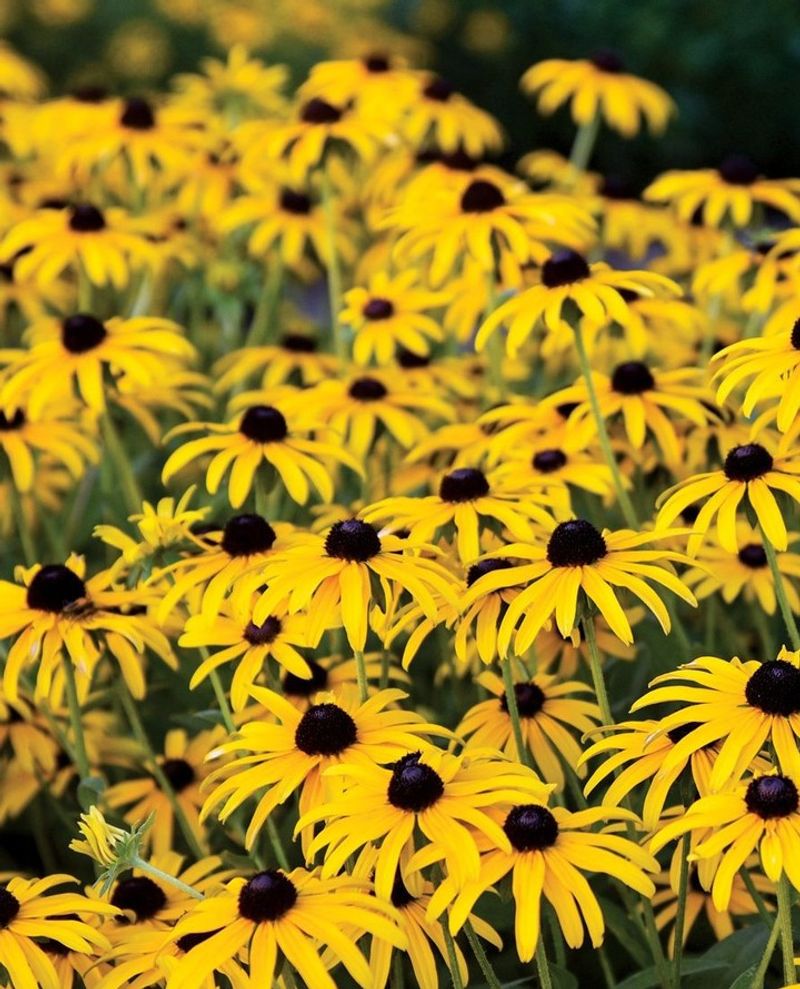
Cheerful, golden, and nearly impossible to mess up, Black-Eyed Susan is one of Pennsylvania’s most beloved native wildflowers.
The bright yellow petals surrounding that signature dark center create a bold, sunny look that works in gardens, meadows, and even roadside plantings. It is a flower that just makes people smile.
Rudbeckia thrives in full sun and tolerates dry conditions better than many other flowering plants. It does not need rich soil or constant watering, which makes it a great option for beginners.
Plant it in a sunny spot and step back. It will reward you with blooms from late June through September.
One of the best things about Black-Eyed Susan is how well it works with other native plants. It pairs beautifully with coneflowers, wild grasses, and Joe-Pye Weed to create a naturalistic Pennsylvania-style planting.
Your Pennsylvania Garden Changes Every Week. Your Plan Should Too.
Gardening in Pennsylvania changes quickly throughout the season. Every Friday you’ll receive a simple weekly plan showing exactly what to plant, prune, fertilize, harvest, and protect so you never miss the right timing.
Mixing these plants together mimics the look of a real meadow and supports a wider range of wildlife.
Birds love the seed heads that form after flowering. Leaving the spent flowers standing through winter gives goldfinches and other small birds a natural food source.
It also adds texture and visual interest to an otherwise bare winter garden. Black-Eyed Susan spreads by seed and can form large, happy colonies over time. Thinning them out occasionally keeps things from getting too crowded.
With a little basic care, this Pennsylvania native will return year after year, brighter and more abundant each season.
3. Bee Balm (Monarda)
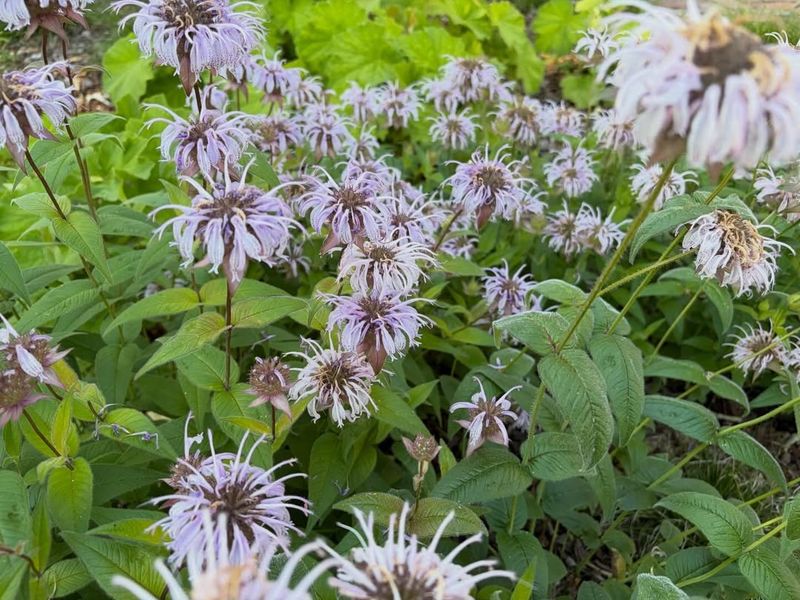
Walk past a patch of Bee Balm on a warm Pennsylvania afternoon and you will understand immediately how it got its name.
The shaggy, tubular flowers in shades of red, pink, and purple are a constant buzzing hub of bees, butterflies, and hummingbirds. It is one of the most wildlife-friendly plants you can grow in this region.
Monarda grows best in full sun to partial shade and prefers moist, well-drained soil. It does especially well near rain gardens or low areas where water collects after a storm.
Pennsylvania summers can bring heavy rains followed by dry spells, and Bee Balm handles both with ease.
The leaves are just as useful as the flowers. Crush one between your fingers and you will notice a strong, minty oregano scent.
Historically, Indigenous peoples of the eastern United States used Monarda as both a cooking herb and a medicinal plant. Growing it today connects you to that long and rich heritage.
Bee Balm can spread aggressively through underground runners, so give it a dedicated spot or use edging to keep it contained.
Dividing the clumps every two to three years keeps the plants vigorous and reduces the chance of powdery mildew, which can appear in humid conditions.
For the best show, plant Bee Balm in groups of five or more. The taller varieties can reach four feet, creating a dramatic backdrop for shorter plants.
In Pennsylvania gardens, it typically blooms in July and August, right when pollinators need it most.
4. Cardinal Flower (Lobelia Cardinalis)
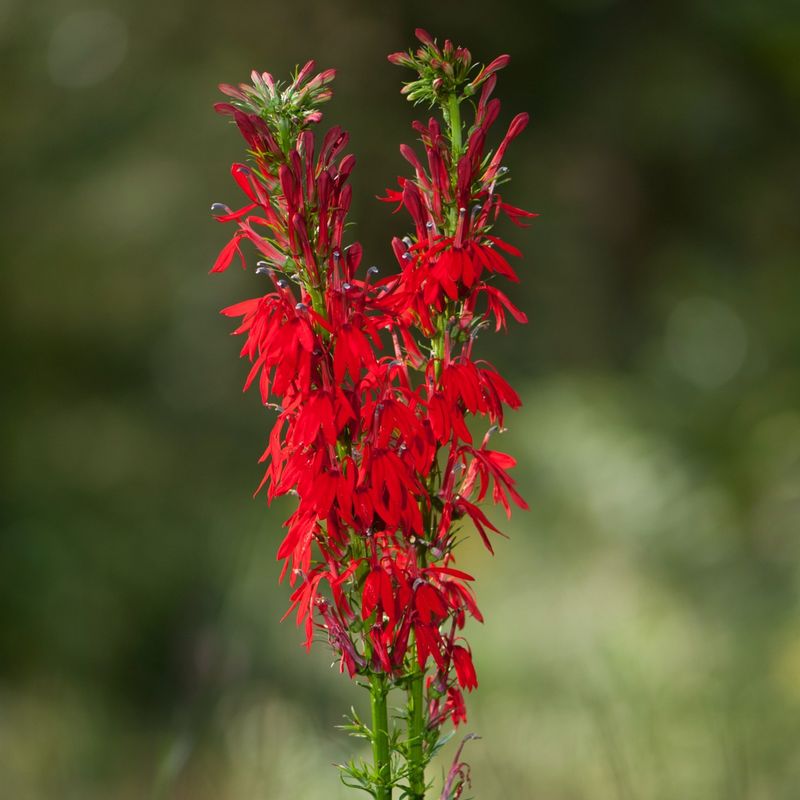
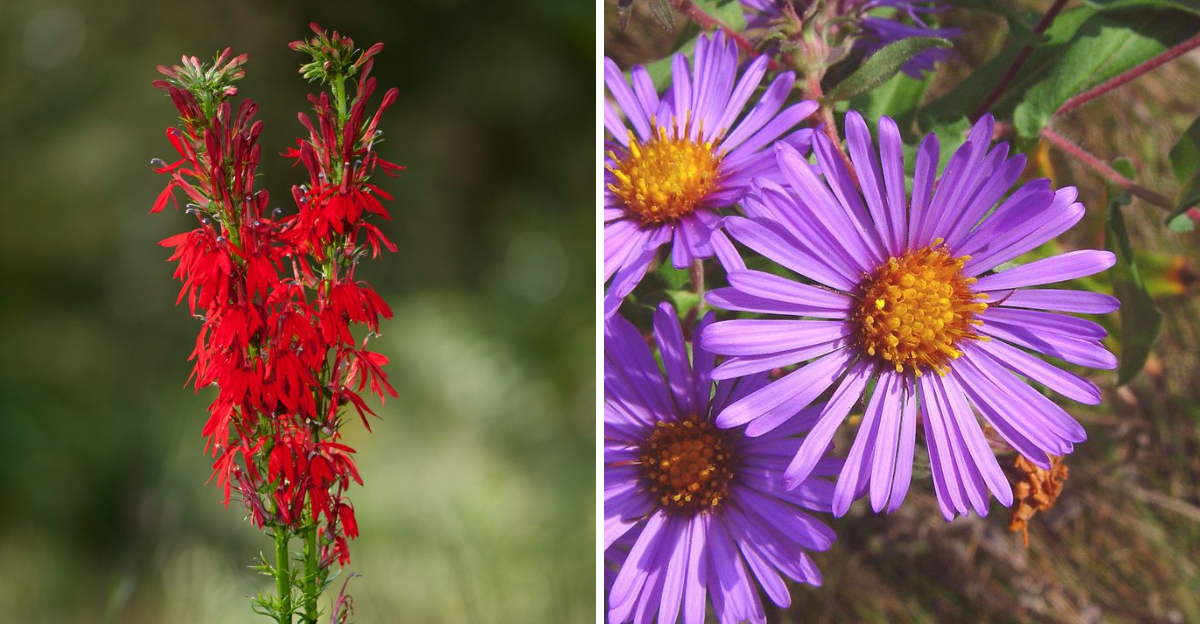
There is nothing quite like the color of a Cardinal Flower in full bloom. The red is so intense, so deeply saturated, that it almost looks like it is glowing.
Native to Pennsylvania and much of the eastern United States, Lobelia cardinalis has been turning heads along streambanks and woodland edges for centuries.
Ruby-throated hummingbirds are the primary pollinators of Cardinal Flower, and the relationship between the two is fascinating. The flower’s long tubular shape is designed almost perfectly to match the hummingbird’s bill.
Plant a few Cardinal Flowers near a window and you will likely have a front-row seat to one of nature’s best shows.
Cardinal Flower prefers moist to wet soil and partial shade, making it ideal for spots near ponds, rain gardens, or shaded low areas in your yard. It is a short-lived perennial, but it self-seeds readily, so new plants appear each year to replace the old ones.
With a little patience, a small planting can grow into a thriving colony. Height is one of Cardinal Flower’s best features. Plants can grow three to four feet tall, creating a vertical element that adds drama and structure to garden beds.
It works especially well as a backdrop for lower-growing plants like Wild Columbine or Black-Eyed Susan.
Planting Cardinal Flower is a simple but powerful way to support hummingbirds as they migrate through Pennsylvania each fall. Giving them a reliable food source during that journey makes a real difference for these tiny, remarkable travelers.
5. Wild Columbine (Aquilegia Canadensis)
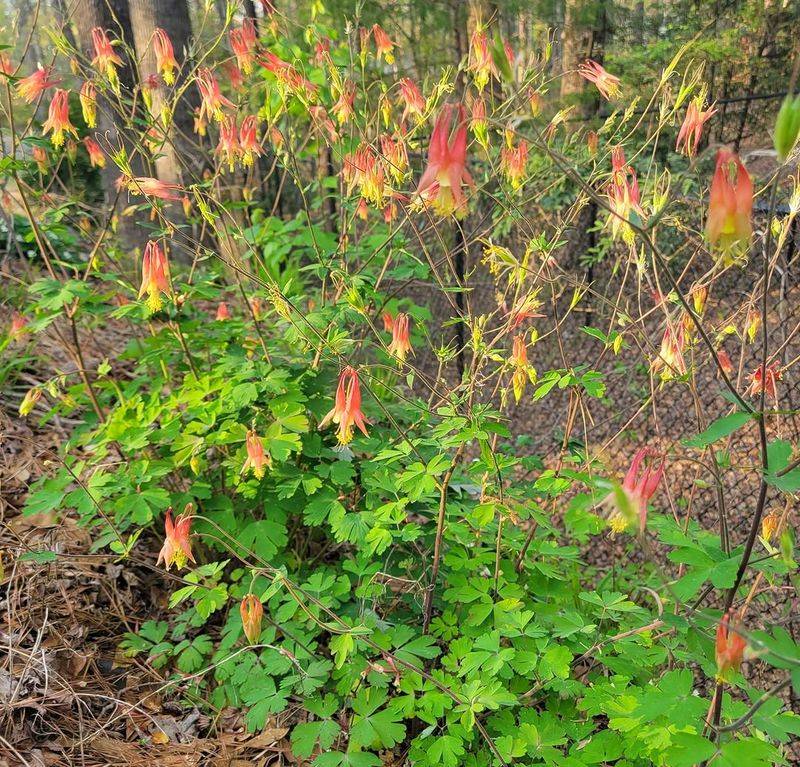
Wild Columbine is the kind of flower that makes you stop and stare. The nodding red and yellow blooms with their distinctive backward-pointing spurs look almost like tiny lanterns hanging from slender stems.
It is one of the most uniquely shaped wildflowers in all of Pennsylvania, and it has a quiet elegance that garden-center plants rarely match.
Aquilegia canadensis blooms in April and May, making it one of the earliest native flowers to appear in Pennsylvania gardens.
That early bloom time is incredibly valuable for hummingbirds and long-tongued bees that emerge in spring and need food sources before most other flowers open. Planting Wild Columbine is like putting out a welcome mat for early-season pollinators.
It grows naturally in rocky woodlands, shaded slopes, and forest edges across Pennsylvania. In gardens, it does best in partial to full shade with well-drained soil.
It is surprisingly drought-tolerant once established, which makes it a low-maintenance choice for shaded areas where other plants might struggle.
Wild Columbine self-seeds freely and can spread to fill in gaps around other plants. The delicate, ferny foliage remains attractive even after the flowers fade, adding a soft texture to the garden through summer.
Leaf miners may leave trails on the leaves, but this does not harm the plant at all. For a naturalistic Pennsylvania woodland garden, pair Wild Columbine with ferns, Wild Ginger, and Solomon’s Seal.
Together, they create a layered, lush look that feels genuinely connected to the forests and hillsides of this beautiful state.
6. Joe-Pye Weed (Eutrochium)
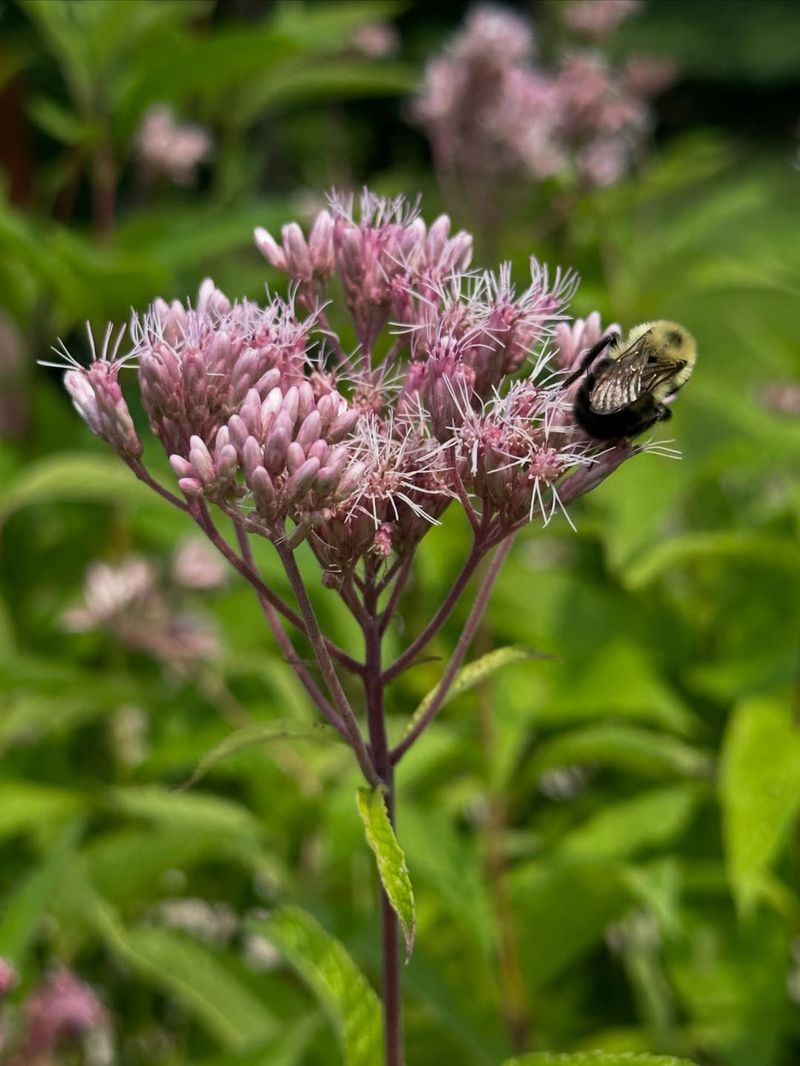
Do not let the name fool you. Joe-Pye Weed is anything but a weed. This tall, stately native plant produces massive clusters of dusty pink flowers that attract more butterflies per square foot than almost any other plant in the Pennsylvania landscape. When it blooms in late summer, it is a full-on butterfly festival in your backyard.
Eutrochium can grow anywhere from four to seven feet tall, depending on the variety and growing conditions. That height makes it one of the most impactful plants you can add to a large garden or naturalized area.
Plant it at the back of a border where it can tower over everything else without blocking smaller plants from sunlight.
Monarch butterflies, swallowtails, and fritillaries are especially drawn to Joe-Pye Weed during their late summer migration through Pennsylvania. Providing a food source for these traveling insects is one of the most meaningful contributions a home gardener can make.
A single large clump can attract dozens of butterflies on a sunny afternoon in August or September.
Joe-Pye Weed prefers full sun to light shade and moist, average soil. It grows naturally along stream banks and wet meadows throughout Pennsylvania, so it performs especially well in low areas of the yard that tend to stay damp.
It is also surprisingly resistant to deer browsing, which is a major bonus in many parts of the state.
The dried seed heads persist through winter, offering food for birds and structural interest in the garden. It is a plant that gives back to the ecosystem in every single season.
7. New England Aster (Symphyotrichum Novae-Angliae)
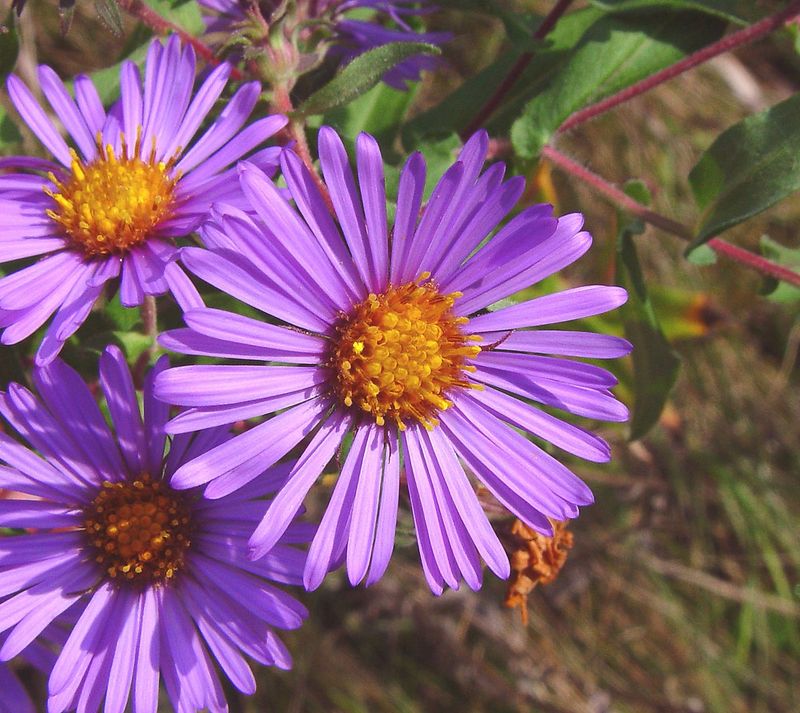
When most garden flowers have finished for the year, New England Aster is just getting started.
This bold, purple-flowered native blooms from September through October, bringing a burst of color to Pennsylvania gardens at a time when everything else is winding down. It is one of the most important fall-blooming plants in the entire region.
Symphyotrichum novae-angliae produces hundreds of small daisy-like flowers with bright yellow centers.
The contrast between the deep purple petals and the golden centers is striking, especially against the warm oranges and reds of fall foliage. Few plants look more at home in a Pennsylvania autumn landscape.
Bees and butterflies rely on New England Aster heavily in fall because there are so few other nectar sources available. Monarch butterflies fueling up for their long migration south will visit aster patches repeatedly throughout the day.
Planting even a small group of these flowers can have a real impact on migrating pollinator populations.
New England Aster grows best in full sun and adapts to a wide range of soil types, from clay-heavy Pennsylvania soils to drier upland conditions.
Pinching the stems back by half in late June encourages bushier growth and more flowers. Without pinching, the plants can get leggy and flop over by the time they bloom.
Varieties like ‘Purple Dome’ stay compact at around two feet tall, while straight species plants can reach five feet or more.
Either way, this Pennsylvania native delivers one of the most spectacular fall performances in the garden world, and it earns every bit of the attention it gets.