This Shrub Mistake Can Cost You Summer Blooms In Ohio
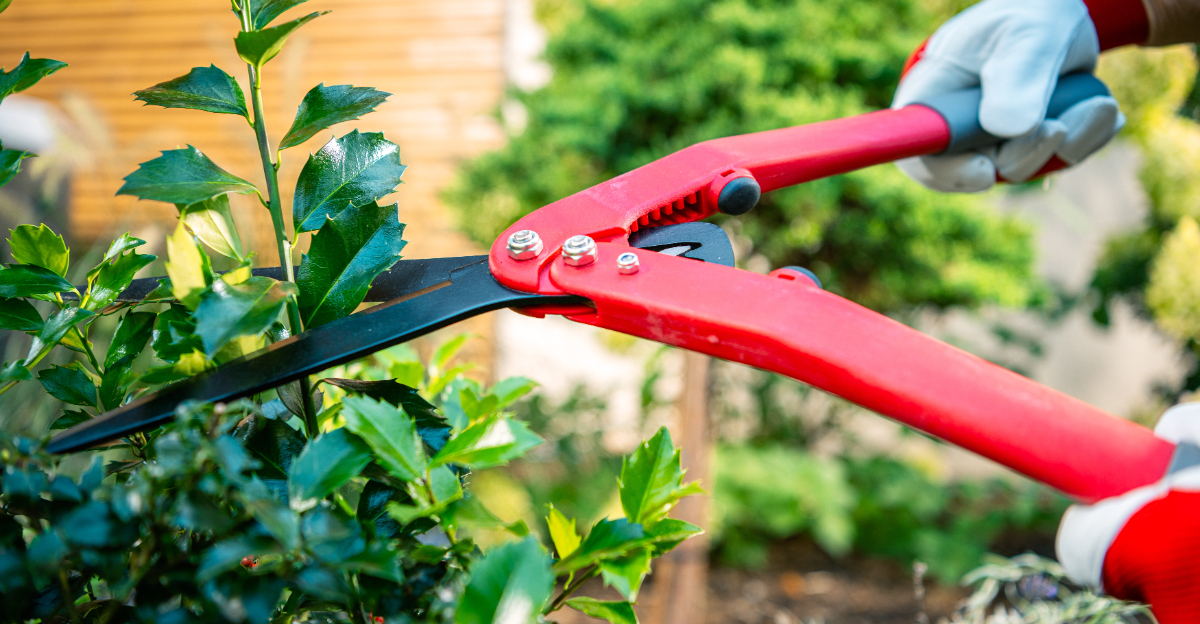
Every spring, plenty of Ohio gardeners head outside with pruning shears in hand, ready to clean up winter’s mess and get their shrubs back in shape. It feels like the right move.
A few quick cuts, a neater yard, and everything should bloom better later, right? Not always.
Some of the most popular flowering shrubs in Ohio are already carrying next season’s flower buds long before summer arrives. Cut at the wrong time, and you may be snipping off the very blooms you have been waiting months to see.
That is why a green, healthy-looking shrub can still leave you with a disappointing show when blooming season rolls around.
1. Prune At The Wrong Time And Lose Your Blooms
Most gardeners assume that pruning is always a good thing, and honestly, that makes sense. Cutting back overgrown branches feels productive, and a neatly shaped shrub looks tidy and cared for.
But here is what catches so many Ohio gardeners off guard: cutting at the wrong time can completely wipe out your summer blooms before they ever get a chance to open.
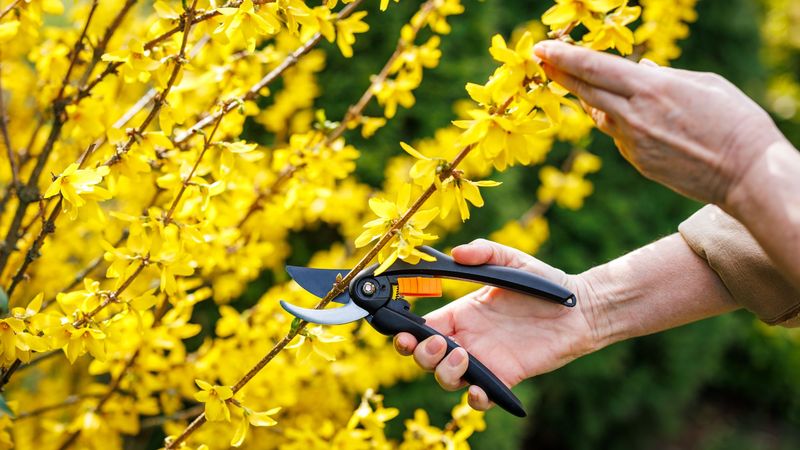
Many popular shrubs, including lilacs, forsythia, and bigleaf hydrangeas, actually set their flower buds during the previous growing season. That means by the time fall and winter arrive, those buds are already sitting on the branches, quietly waiting for warmer weather.
When you go out in late winter or early spring and start trimming things back, you are not just removing old wood. You are removing the buds that were supposed to become your flowers.
Ohio State University Extension has long emphasized that bloom timing is directly connected to pruning timing. The two cannot be separated.
Cut too early or at the wrong season, and the plant simply has nothing left to bloom with. You might still get healthy green growth all summer, which can be misleading.
The shrub looks fine, but the blooms never come.
This is the core mistake, and it happens every single year across Ohio neighborhoods. The effort is there, the tools are right, but the timing is off.
Understanding this one concept changes everything about how you approach shrub care. Before you ever pick up your shears again, the very first question to ask yourself is whether your shrub sets buds on old wood or new growth.
That answer tells you everything you need to know about when to prune.
2. Know Which Shrubs Bloom On Old Wood
Old wood sounds like a complicated term, but the idea behind it is actually pretty simple. When a shrub blooms on old wood, it means the plant forms its flower buds on branches that grew during the previous season.
Those buds stay on the plant through fall and winter, and then they open up in spring or early summer when the weather warms up again.
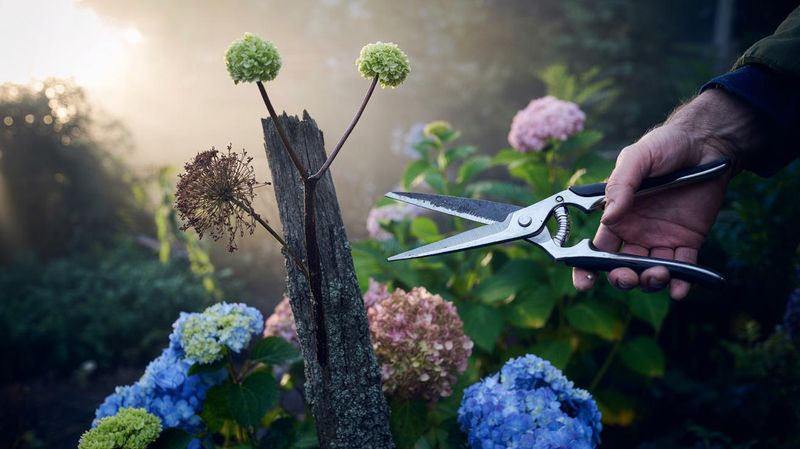
Some of the most popular shrubs in Ohio yards fall into this category. Bigleaf hydrangeas, the ones with those big round mophead flowers, are a classic example.
Your Ohio Garden Changes Every Week. Your Plan Should Too.
Gardening in Ohio changes quickly throughout the season. Every Friday you’ll receive a simple weekly plan showing exactly what to plant, prune, fertilize, harvest, and protect so you never miss the right timing.
Forsythia, with its bright yellow blooms that signal the end of winter, is another. Lilacs, which so many Ohio homeowners love for their fragrance, also set their buds on old wood.
Azaleas and rhododendrons follow the same pattern.
Because these plants carry next year’s flowers on this year’s branches, the timing of your pruning matters enormously. If you cut them back in fall, late winter, or early spring before they bloom, you are removing the very buds that were ready to open.
The plant does not have time to replace them before the blooming window closes.
The right approach for old wood bloomers is to wait until right after they finish flowering. That short window, usually just a few weeks after the last blooms fade, is when you can safely prune.
The plant still has plenty of the growing season ahead to put out new branches, and those new branches will carry next season’s flower buds. Pruning at this time protects your blooms and keeps the shrub healthy and well-shaped going forward.
3. Understand Which Shrubs Bloom On New Growth
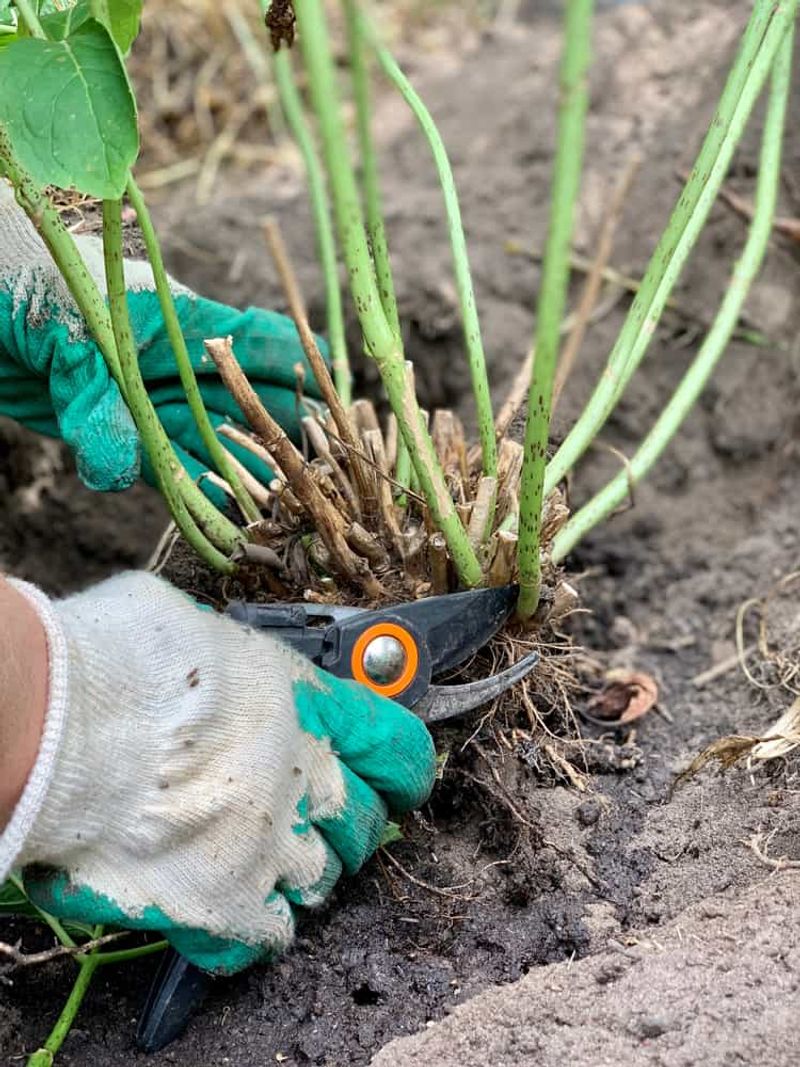
Not every shrub works the same way. While some plants hold onto their flower buds from the previous season, others actually grow their buds fresh each spring on brand new stems.
These are called new wood bloomers, and they follow a completely different pruning schedule than old wood shrubs.
Panicle hydrangeas are probably the most well-known example in Ohio gardens. Unlike their bigleaf cousins, panicle hydrangeas push out new stems each spring and then flower on those same stems later in summer.
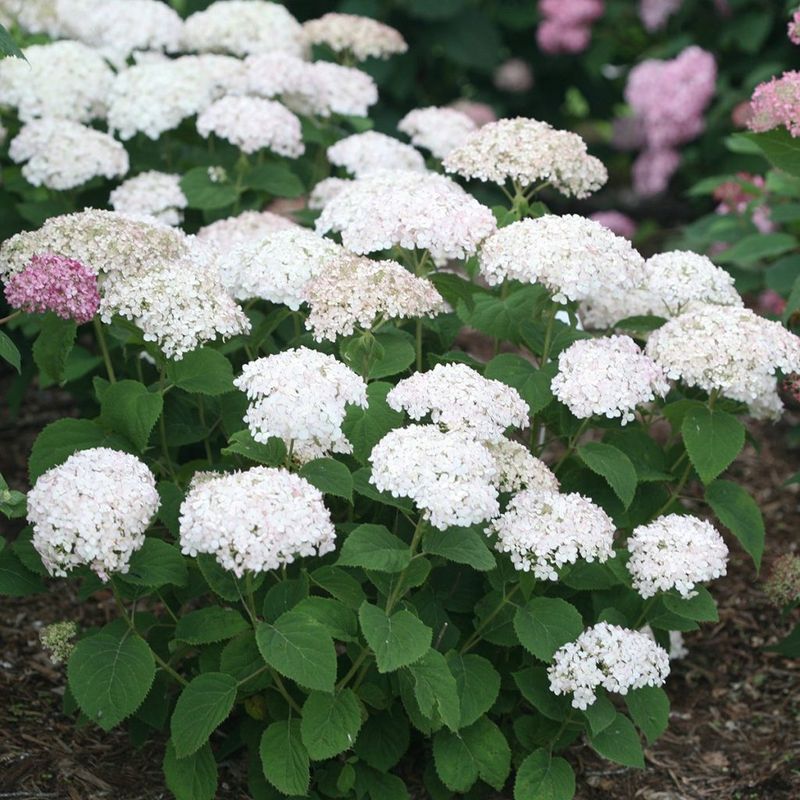
Spirea is another popular choice that blooms on new wood, and so does smooth hydrangea, often called Annabelle. These plants are actually a little more forgiving when it comes to pruning timing.
For new wood bloomers, late winter or early spring is the ideal time to prune, right before the plant wakes up and starts pushing out fresh growth.
Cutting them back at this point encourages the plant to send up strong new stems, and those stems will be loaded with blooms by midsummer.
Waiting too long into spring or summer to prune can delay or reduce flowering, but it will not eliminate it entirely the way mistimed pruning affects old wood shrubs.
Knowing which type of shrub you have makes a real difference in how you plan your garden tasks each year. New wood bloomers give you a little more flexibility, and pruning them in late winter can actually result in bigger, showier flower clusters.
Ohio gardeners who learn to separate their shrubs into these two categories find that their yards consistently produce better blooms season after season without a lot of extra work or guessing involved.
4. Stop Guessing Your Pruning Schedule
Here is something a lot of gardeners quietly admit: they are not totally sure what kind of shrubs are growing in their yard. Maybe the plants were already there when they moved in, or the tags got lost years ago.
So they do what feels reasonable and prune everything around the same time each year, hoping for the best. Unfortunately, that guessing game is often exactly what leads to summers without blooms.
The fix does not have to be complicated. If you still have the original plant tag or receipt from a nursery, that is your quickest source of information.
Plant tags often list the bloom time and pruning guidance right on them. If those are long gone, a quick online search using a description of the plant, its leaf shape, flower color, and bloom time, can usually get you to a solid identification within minutes.
Ohio State University Extension also offers free plant identification resources and gardening guides that are specifically tailored to Ohio growing conditions.
Local county extension offices can help you figure out exactly what you have planted and when to prune it.
Many Ohio nurseries are happy to answer questions too, especially during the spring season when foot traffic is high and staff are knowledgeable.
Another reliable method is simply watching your shrubs through one full season before making any cuts. Note when they bloom, whether they produce flowers on the tips of older branches or on fresh new growth, and how long the blooming period lasts.
One careful season of observation gives you enough information to prune confidently every year after that. Guessing costs you blooms.
Knowing saves them.
5. Watch For These Common Pruning Habits
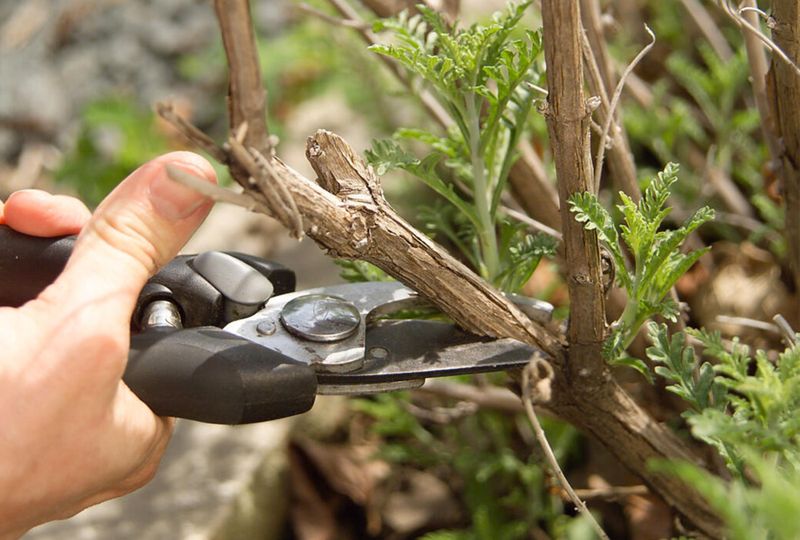
Even gardeners who know the basics of old wood and new wood can still fall into habits that quietly chip away at their bloom count each season. Some of these habits feel completely logical in the moment, which is part of what makes them so easy to overlook.
One of the most widespread habits is pruning everything in the yard on the same day, usually in early spring when the weather finally breaks and the urge to get outside is strong. It feels efficient, but it treats every shrub the same way regardless of its blooming type.
Old wood shrubs that should be left alone until after they bloom end up getting cut back right along with everything else.
Shearing shrubs into tight geometric shapes is another habit that causes problems. Hedge trimmers are great for certain plants like boxwood, but when used on flowering shrubs, they cut indiscriminately through new and old growth alike.
The result is a neat-looking plant that produces far fewer flowers because so many of the buds got clipped off in the process.
Over-pruning is also more common than most gardeners realize. Removing more than a third of a shrub’s overall growth at one time puts significant stress on the plant and can redirect its energy away from flowering and toward basic recovery.
Aggressive shaping every single year does not give the plant enough time to develop the mature branching structure that supports heavy blooming.
Catching these habits early makes a noticeable difference. Even shifting just one or two of these practices can result in visibly fuller and more colorful blooms by the following summer without any other changes to your routine.
6. Time Your Cuts For Stronger Summer Blooms
Timing is everything when it comes to getting the most out of your flowering shrubs.
Once you know whether your shrub blooms on old wood or new wood, setting a simple pruning schedule becomes straightforward and the payoff in summer blooms is genuinely worth the small adjustment.
For old wood bloomers like lilacs, forsythia, bigleaf hydrangeas, and azaleas, the golden window for pruning is right after the flowers fade.
In Ohio, that typically falls somewhere between late May and mid-June depending on the specific plant and how the season unfolds.
Pruning during this window gives the shrub the rest of spring and all of summer to grow new branches. Those new branches will develop flower buds before fall arrives, setting the plant up beautifully for next season.
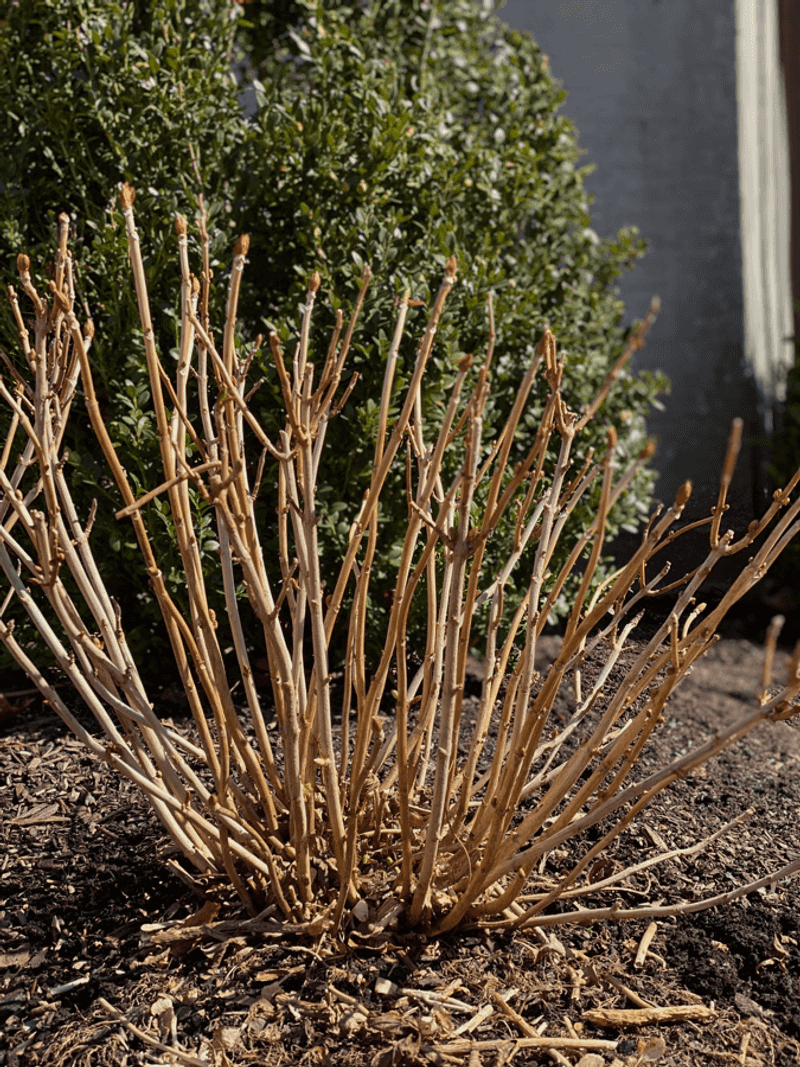
For new wood bloomers like panicle hydrangeas and spirea, late February through early March is usually the right time in Ohio.
Pruning while the plant is still dormant encourages a burst of vigorous new growth once temperatures rise, and that fresh growth becomes the source of your summer flowers.
Cutting back to about 12 to 18 inches from the ground on smooth hydrangeas, for example, often results in larger and more dramatic flower heads than you would get from lighter pruning.
Marking your calendar with specific pruning reminders for each shrub type takes just a few minutes and removes all the guesswork going forward. You stop reacting to how the yard looks and start following a plan that works with your plants instead of against them.
Consistent, well-timed pruning builds stronger shrubs and more reliable blooms every single year.
7. Let Your Shrubs Grow The Way They Should
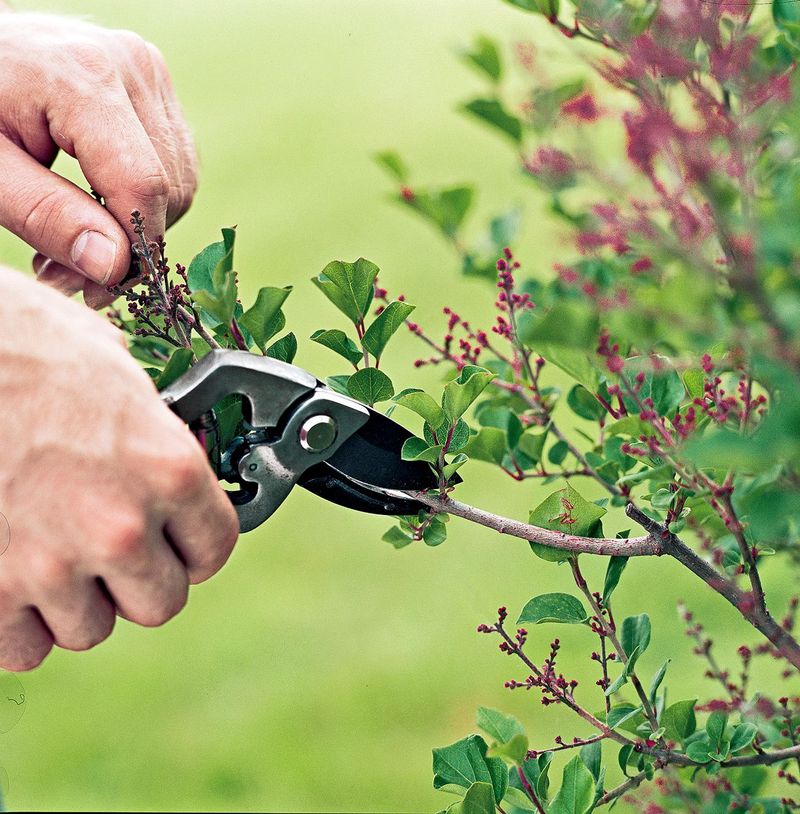
There is a certain satisfaction that comes from a perfectly shaped shrub, edges crisp and even, not a branch out of place. But for flowering shrubs, that level of control can actually work against the plant’s natural blooming process.
Many shrubs are built to grow in loose, arching, or rounded forms, and that natural shape is part of what allows them to produce the most flowers.
When you repeatedly shear a flowering shrub into a tight, formal shape, the plant responds by pushing out dense clusters of short new shoots right at the surface.
This looks full from a distance, but it actually shades the inner branches and prevents the kind of mature woody growth that supports flower buds.
Over time, the interior of the plant becomes congested and less productive, and bloom counts drop noticeably.
Selective pruning, where you remove specific branches rather than clipping everything to a uniform surface, is a much better approach for most flowering shrubs.
Removing crossing branches, thinning out the oldest and thickest stems from the base, and cutting back a few overly long shoots keeps the plant manageable without stripping away its blooming potential.
This kind of pruning actually improves airflow and light penetration inside the plant, which promotes healthier growth overall.
Giving shrubs enough space to reach their natural size also reduces the need for heavy pruning in the first place. A lilac or forsythia planted with room to spread does not need to be cut back aggressively every season.
Choosing the right plant for the right space is one of the simplest ways to keep your Ohio garden full of color each summer with far less effort than you might expect.