The Native Oregon Flower Gardeners Wish They Had Planted Years Ago
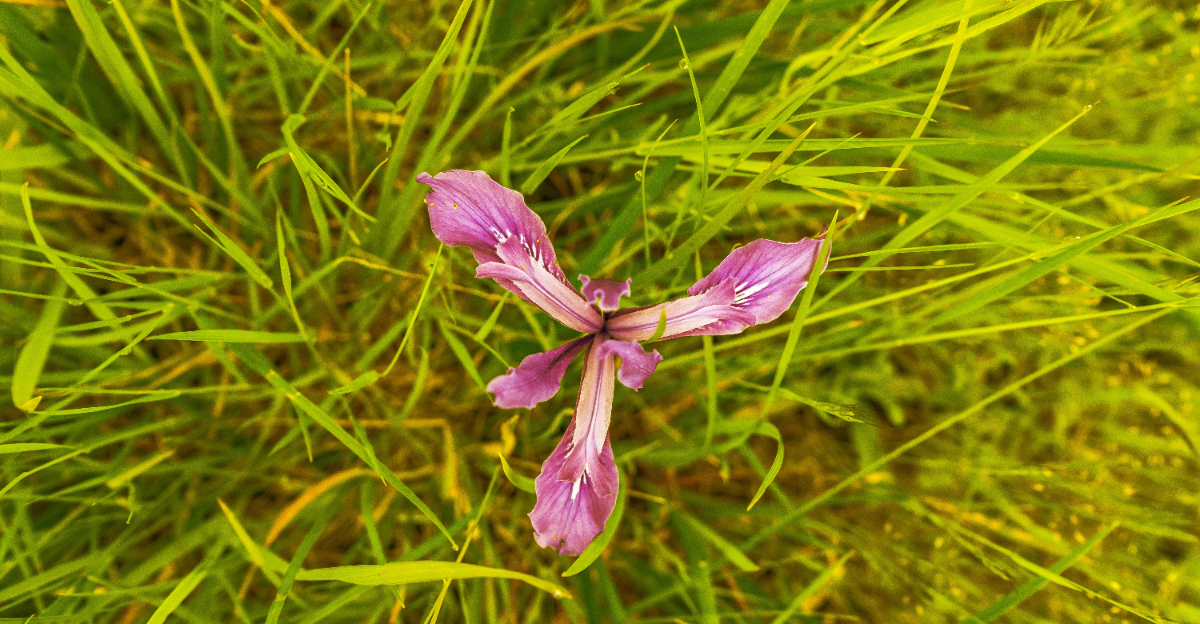
Oregon iris is one of those native flowers that makes gardeners stop and think, wait, why did I not plant this sooner? It has the kind of quiet beauty that sneaks up on you, then suddenly becomes the plant you cannot imagine the yard without.
This Oregon native brings graceful blooms, fits beautifully into local landscapes, and handles the region’s conditions without acting high-maintenance about it. That alone gives it major points.
While other plants demand constant attention like tiny green celebrities, Oregon iris tends to settle in and do its thing with a lot less drama.
It also helps that it looks downright charming. The flowers have that delicate, woodland feel, but the plant is tougher than it looks.
So you get beauty, resilience, and strong Oregon character all in one neat package. Once gardeners see how well Oregon iris performs and how naturally it belongs, the real surprise is not that they love it. It is that they waited so long to plant it.
Why Oregon Iris Wins People Over
Some plants just have a way of stopping you in your tracks. The Oregon Iris is one of those plants.
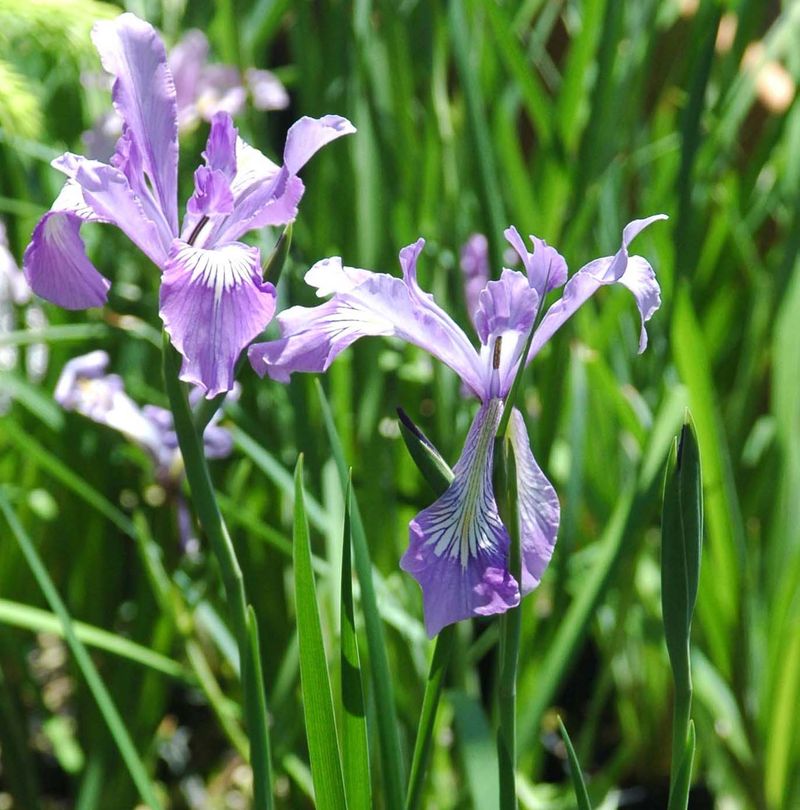
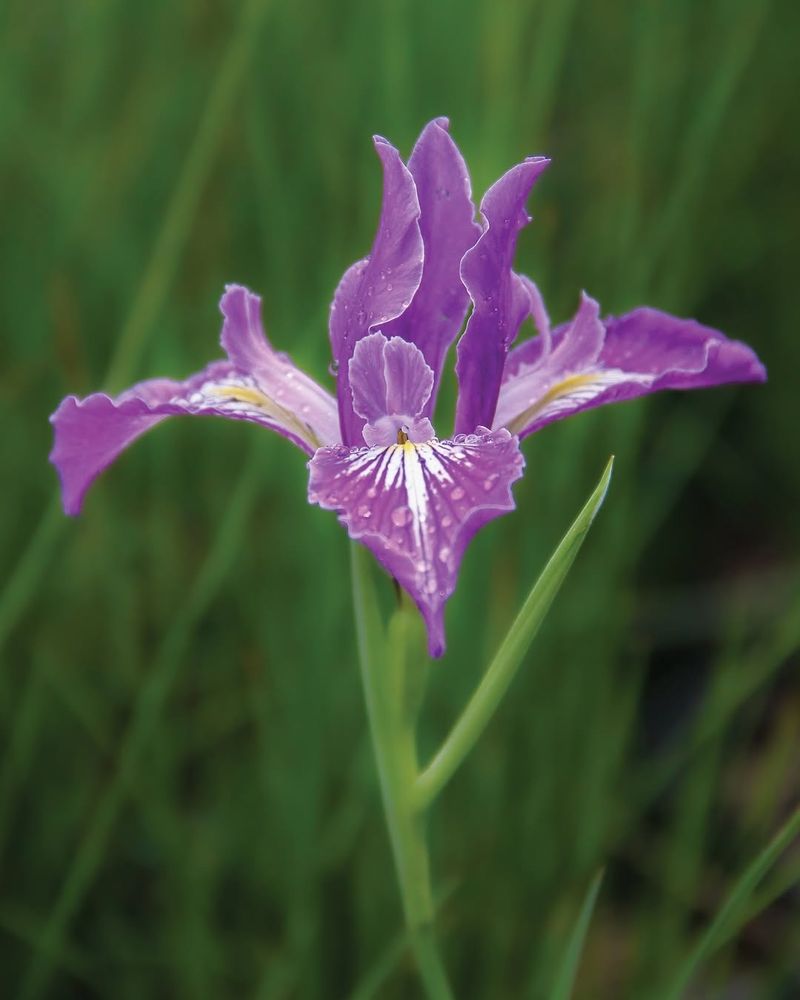
With its rich purple petals and delicate yellow markings, it looks like something you would find in a high-end florist shop, not growing wild along a forest edge in Oregon.
What really wins people over is the combination of beauty and toughness. This flower does not need constant attention.
It does not demand perfect soil or a complicated watering schedule. It simply grows, blooms, and impresses anyone who walks by.
Many gardeners in Oregon first see it growing naturally along roadsides or in open meadows. They assume it must be hard to grow at home.
Then they try it and realize how wrong they were. The Oregon Iris adapts well to home gardens and brings that same wild, natural charm right to your backyard.
Once people experience that first spring bloom, they are completely hooked. It is the kind of flower that earns loyal fans fast.
The Native Flower That Feels Effortless
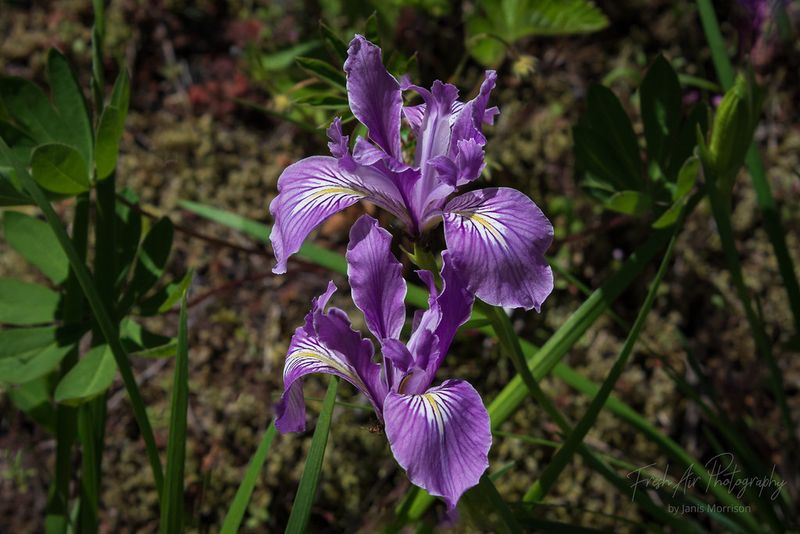
Planting something that just belongs makes all the difference. The Oregon Iris is native to the Pacific Northwest, which means it evolved right here in Oregon.
It knows the rain patterns, the soil types, and the seasonal changes better than almost any plant you could bring in from somewhere else.
Because it is native, it does not fight against the environment. Instead, it works with it.
You do not have to amend the soil heavily or worry about it struggling through Oregon’s wet winters. It handles all of that naturally.
Gardeners who have spent years babying non-native plants often describe switching to native species like the Oregon Iris as a breath of fresh air. Suddenly, gardening feels less like a chore and more like a partnership with nature.
You plant it, give it a little time to settle in, and then step back and watch it thrive. There is something deeply satisfying about growing a plant that genuinely belongs where you live.
Your Oregon Garden Changes Every Week. Your Plan Should Too.
Gardening in Oregon changes quickly throughout the season. Every Friday you’ll receive a simple weekly plan showing exactly what to plant, prune, fertilize, harvest, and protect so you never miss the right timing.
The Oregon Iris does not just survive in Oregon, it flourishes here, and that effortless quality is exactly what makes it so appealing to so many gardeners.
Where It Grows Best
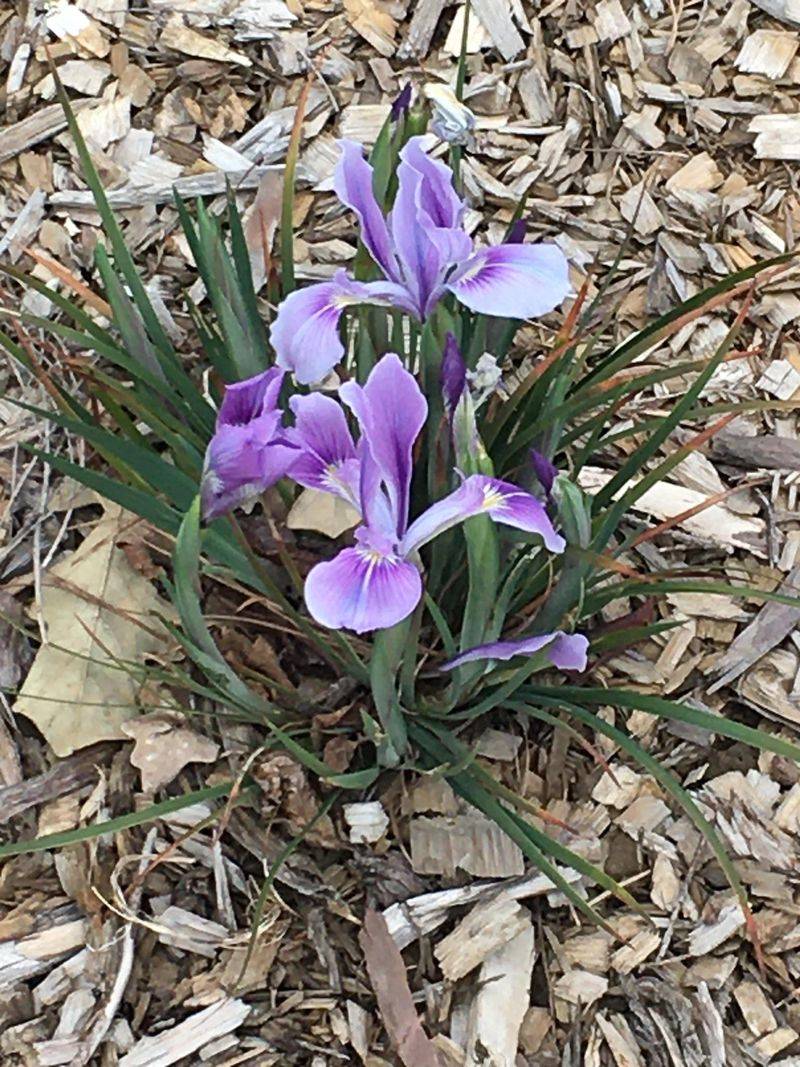
Knowing where a plant thrives helps you give it the best possible start. In the wild, you can find Oregon Iris growing across western Oregon and into parts of Washington and northern California.
It loves open meadows, forest edges, and grassy hillsides where it gets a good mix of sun and occasional shade.
In home gardens across Oregon, it performs best in well-drained soil with full sun to partial shade. It is not picky about soil quality, which is great news for gardeners who do not have perfect garden beds.
Rocky, clay-heavy, or slightly sandy soils all work reasonably well for this tough little native.
One thing to keep in mind is drainage. Oregon Iris does not love sitting in standing water for long periods.
If your yard tends to stay soggy after heavy rain, planting it on a slight slope or in a raised area can help. Beyond that, it is pretty forgiving.
Whether you are gardening in the Willamette Valley, along the Oregon Coast, or in the foothills of the Cascades, this plant has likely been growing nearby for centuries. That familiarity with local conditions makes it one of the most reliable native plants you can choose.
What Makes It So Easy
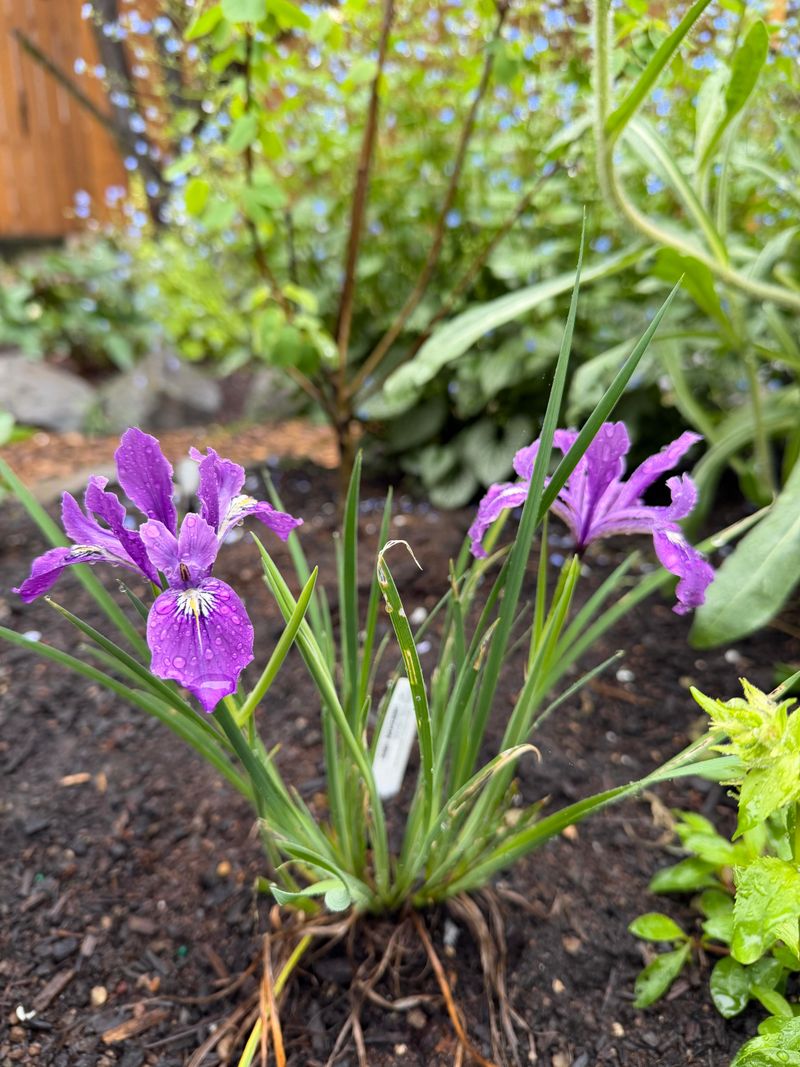
Low-maintenance plants are the dream of every busy gardener. The Oregon Iris delivers on that promise in a big way.
Once established, it requires very little care. No deadheading required, no heavy fertilizing, and no complicated pruning routine.
It takes care of itself through most of the year.
Watering needs are minimal once the plant is settled in. Oregon’s natural rainfall usually provides enough moisture during the growing season.
In dry summers, a little extra water here and there keeps it happy, but it is remarkably drought-tolerant compared to many ornamental flowers.
Spreading happens naturally over time. Oregon Iris forms clumps that slowly expand, filling in spaces beautifully without becoming invasive or out of control.
Every few years, you can divide the clumps if you want to spread them around your yard or share them with neighbors. Division actually encourages more blooming, so it is a win for everyone involved.
Pests and diseases rarely bother this native plant in Oregon, since it evolved alongside local insects and fungi. That natural resistance means fewer headaches for you.
If you have ever felt overwhelmed by high-maintenance plants, the Oregon Iris is a welcome change that makes gardening feel genuinely enjoyable again.
The Beauty It Brings Each Spring
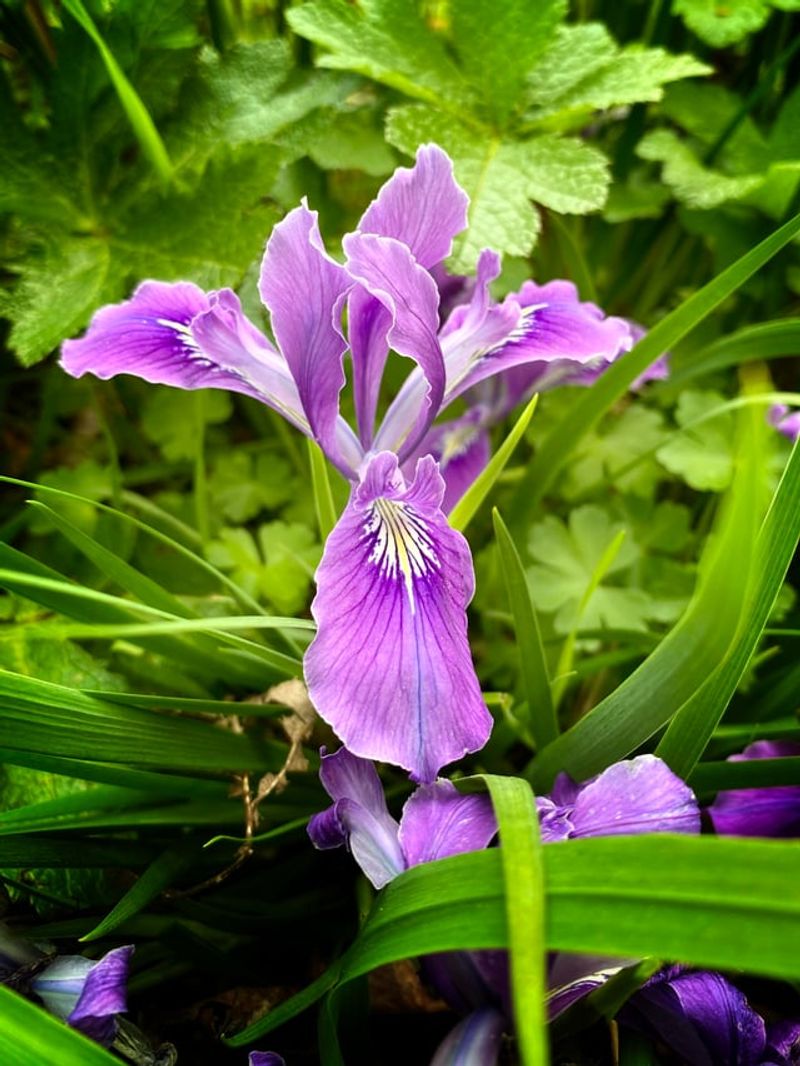
Few things signal the arrival of spring quite like the first bloom of an Oregon Iris. Typically flowering from April through June depending on your location in Oregon, these blooms arrive right when the garden needs them most.
After a long, grey winter, those purple and violet flowers are genuinely uplifting.
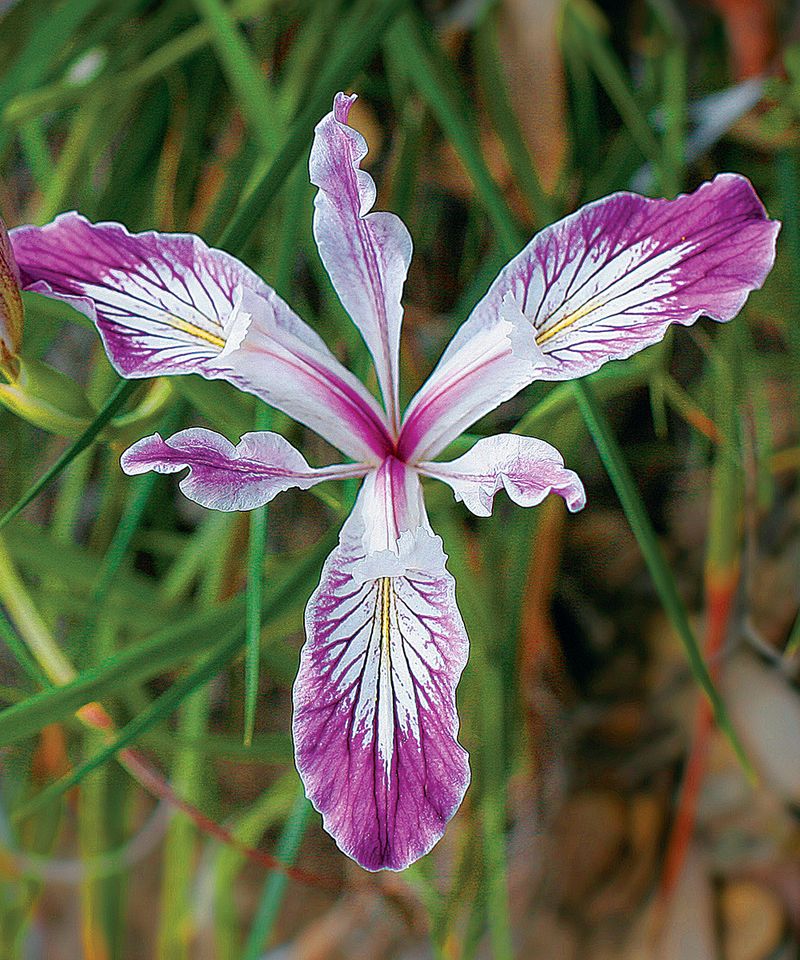
The color range is wonderful. Most Oregon Iris flowers show shades of deep purple, soft lavender, and pale violet, often with striking yellow and white markings near the center.
Some plants produce flowers that are almost blue, which is a rare and striking color in any garden.
Beyond the flowers themselves, the plant has a graceful, upright form with slender green leaves that look tidy even when the plant is not in bloom. This means it contributes to the garden’s appearance throughout the entire growing season, not just during its flowering window.
Planted in groups, Oregon Iris creates a stunning naturalistic display that looks both wild and intentional at the same time. Many Oregon gardeners use it along pathways, in rock gardens, or at the front of mixed borders where its elegant form and brilliant spring color can be admired up close by everyone who passes by.
Why Pollinators Love It Too
A garden full of pollinators is a healthy, thriving garden. The Oregon Iris plays a big role in supporting local wildlife, especially native bees.
The flower’s shape and color are perfectly designed to attract bumblebees and other native bee species that are common throughout Oregon.
The yellow markings near the center of each bloom act like a landing strip, guiding bees straight to the nectar and pollen. As bees move from flower to flower, they carry pollen with them, helping other plants in your garden get pollinated too.
Planting Oregon Iris is essentially inviting a whole team of helpful garden workers to move in.
Hummingbirds occasionally visit as well, drawn in by the bright colors and accessible blooms. Native butterflies also appreciate the flowers as an early-season nectar source.
Supporting these pollinators matters beyond just your own garden. Oregon’s native bee populations have faced pressure in recent years, and planting native flowers like the Oregon Iris gives them reliable food sources close to home.
Every yard that adds native plants becomes a small but meaningful refuge for local wildlife. Choosing this flower is a simple way to make your Oregon garden more alive, more connected, and genuinely good for the local ecosystem.
Why Gardeners Regret Waiting
Ask any gardener in Oregon who finally added the Oregon Iris to their yard, and you will likely hear the same thing: they wish they had done it years earlier. The regret is real, but it is the good kind.
It comes from realizing just how much joy and ease this plant brings after years of struggling with harder, less rewarding options.
Established clumps bloom more abundantly each year. The longer the plant is in the ground, the more it rewards you.
A clump that looks modest in its first spring can turn into a showstopping mass of blooms by its third or fourth year. Patience pays off in a big way with this native flower.
There is also something meaningful about growing a plant that is truly from here. Oregon has a rich natural landscape, and the Oregon Iris is a living piece of that heritage.
Bringing it into your garden connects you to the land in a way that imported exotic plants simply cannot match. Whether you are a seasoned gardener or just getting started, adding Oregon Iris this season means you will not be the one saying next year that you wish you had planted it sooner.
Start now and enjoy the rewards for years to come.