This Is Why Your Georgia Tomatoes Split Before You Can Pick Them
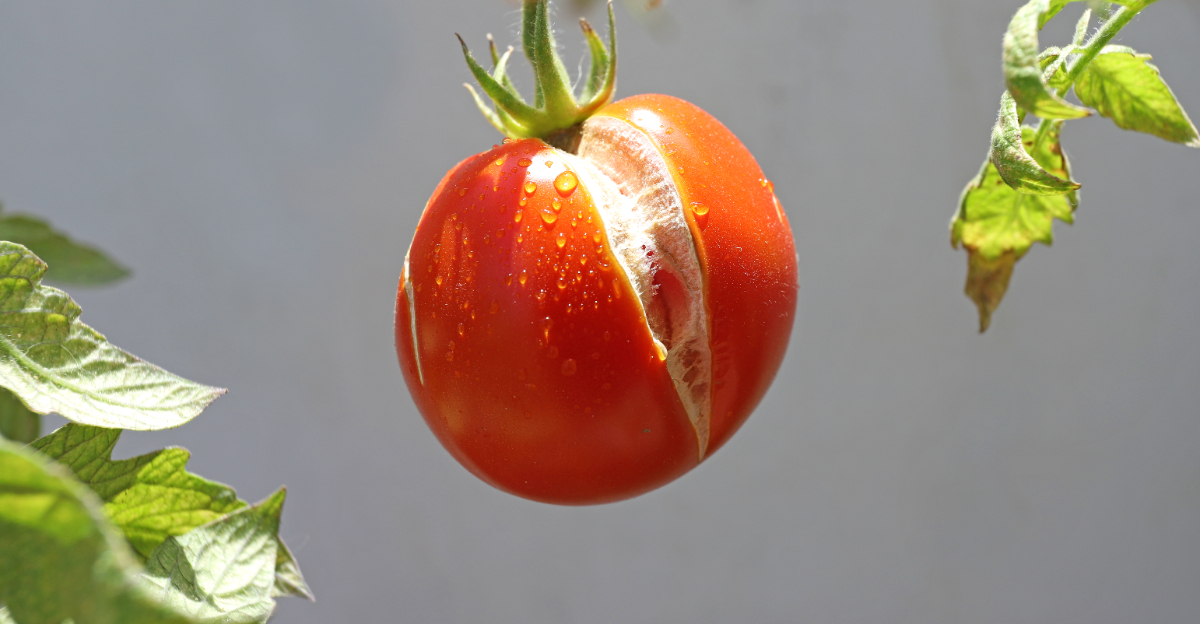
Tomatoes in a Georgia garden can look perfect one day, full, firm, and almost ready to pick, so it feels like the timing is finally right. Then the next check tells a different story, with skins cracking open and fruit losing that smooth finish just before harvest.
It happens fast and it never lines up with expectations.
That moment is frustrating because the plants looked healthy and nothing seemed off. Watering stayed consistent, growth looked strong, yet the result still falls short right at the finish.
There is a reason behind it, and it is not random. Small shifts in moisture, temperature, and timing can push tomatoes past their limit without warning.
Once that pattern becomes clear, it is easier to adjust and keep fruit intact long enough to actually enjoy the harvest.
1. Sudden Heavy Watering Causes Tomatoes To Split Open
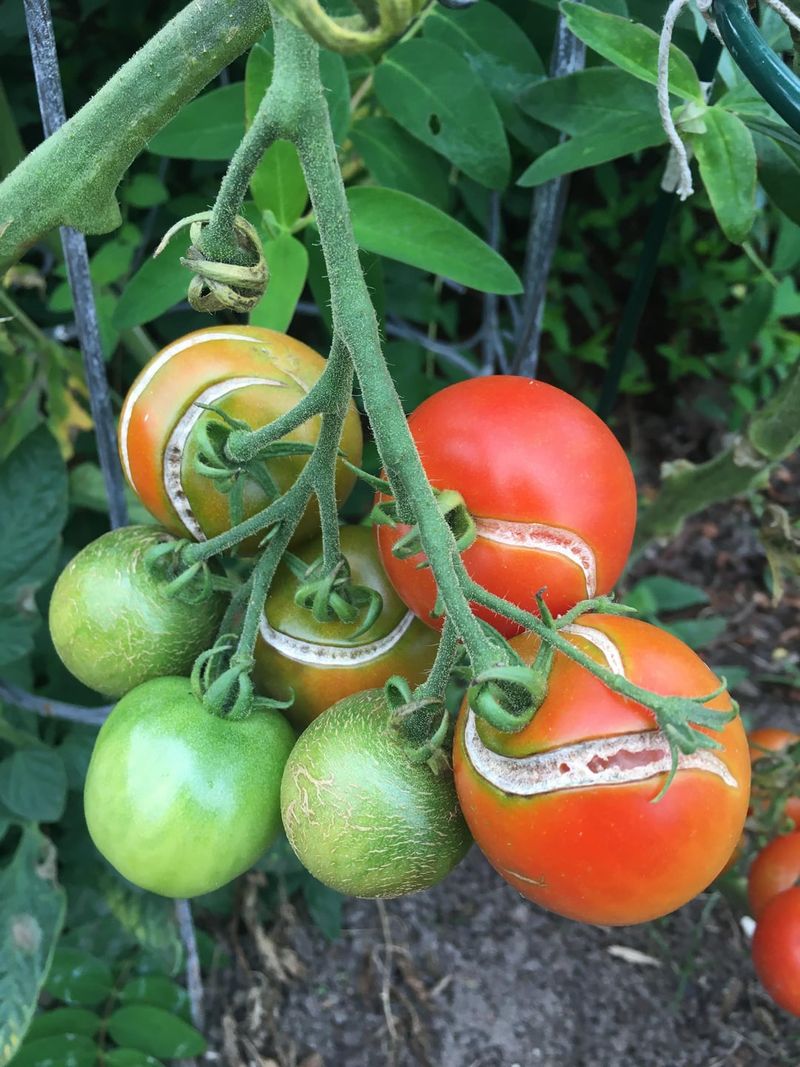
One of the biggest reasons tomatoes split in Georgia is a sudden soaking after the plants have been running a little dry. When dry fruit suddenly gets a huge drink, the inside swells faster than the skin can stretch.
That pressure shows up as cracks around the top or long splits down the sides, often right before picking time.
You might see it after a deep hose session, a thunderstorm, or even a weekend away when the garden shifts from thirsty to drenched. In Georgia summers, that swing happens fast because heat pulls moisture out of the soil quickly, then afternoon rain dumps it right back in.
The tomato reacts like a balloon filling too quickly, and the skin simply cannot keep up.
Losing fruit right as it starts looking perfect always feels frustrating, especially after weeks of steady care. The issue is usually not random damage but inconsistent watering over time.
Keeping soil moisture more even prevents those sharp stress swings that lead to splitting.
Checking soil a few inches down gives a clearer picture than the dry surface ever will. If it feels dry underneath, watering should be slow and deep so moisture moves down evenly instead of hitting the plant all at once.
That kind of steady rhythm gives tomatoes in Georgia a much better chance to size properly and stay intact until harvest.
2. Irregular Moisture Swings Lead To Rapid Fruit Expansion
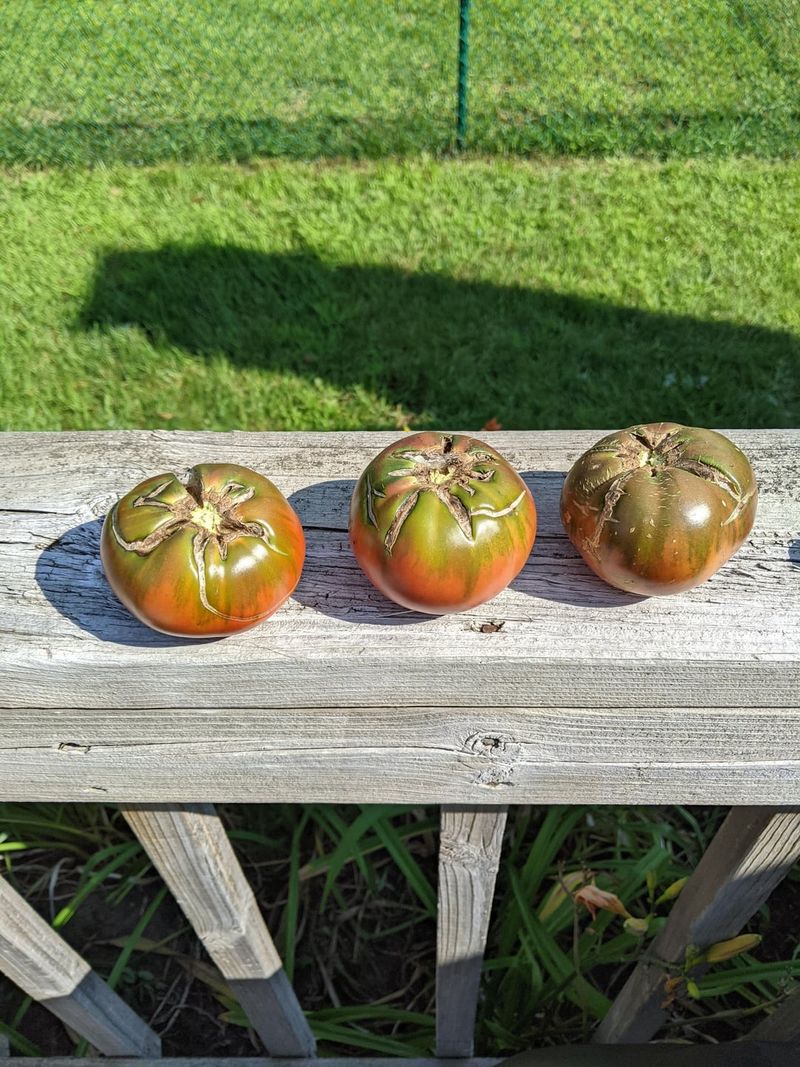
Another common reason tomatoes split in Georgia is the constant back and forth between dry soil and wet soil. Those irregular moisture swings are especially common in Georgia, where blazing sun can dry a garden bed fast and a sudden storm can soak it the same evening.
The fruit keeps reacting to every change, and that repeated stress pushes it toward cracking.
As moisture rushes back into the plant, the tomato expands quickly from the inside. The flesh absorbs water and gains size, but the outer skin has less flexibility once the fruit is close to ripe.
That mismatch between fast inner growth and slower skin stretch is what leads to split shoulders or side cracks.
This often happens more with nearly ripe fruit, since ripening tomatoes have softer skins and less tolerance for rapid changes. Green fruit can handle fluctuations more easily, but mature tomatoes in Georgia heat are far more sensitive.
Your Georgia Garden Changes Every Week. Your Plan Should Too.
Gardening in Georgia changes quickly throughout the season. Every Friday you’ll receive a simple weekly plan showing exactly what to plant, prune, fertilize, harvest, and protect so you never miss the right timing.
That is why fruit can look fine in the morning and show damage by later in the day after a weather shift.
The best response is to reduce those moisture swings as much as possible. Consistent watering, improved soil structure, and mulch around the base all help the plant absorb moisture at a steadier rate.
When soil conditions stay more even, tomatoes develop more gradually, ripen with less stress, and are more likely to stay intact until harvest.
3. Rain And Humidity Increase Pressure Inside The Fruit
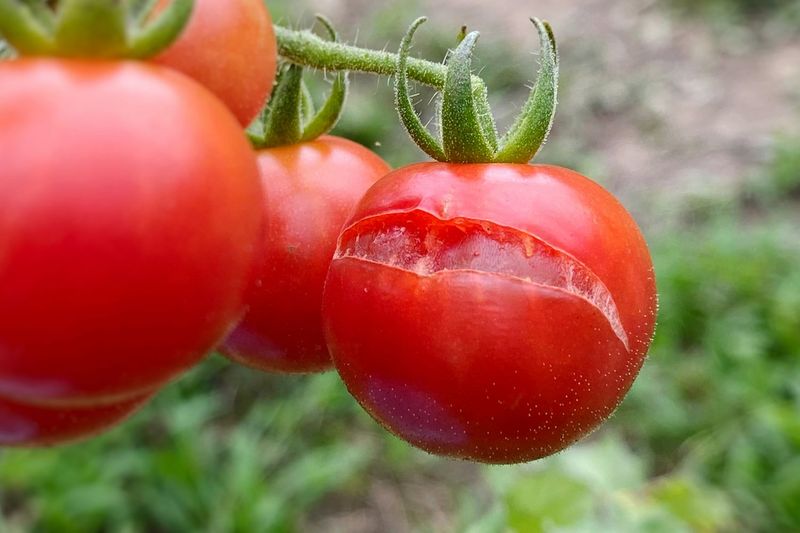
Georgia gardeners also have to deal with something harder to control than watering habits, and that is rain and humidity. When a stretch of wet weather rolls in, tomato plants take up plenty of moisture while the air stays heavy and damp around the fruit.
That combination increases internal pressure and makes splitting more likely.
High humidity slows evaporation from the plant, so moisture does not leave the system as quickly. At the same time, rainy soil keeps feeding water up through the roots, even when fruit is already close to full size.
The tomato ends up under strain from the inside, and the skin can crack at weaker points.
More splitting often appears after several cloudy, sticky days followed by warm temperatures. In many parts of Georgia, that pattern shows up during peak summer harvest, right when tomatoes are coloring up and becoming more delicate.
The fruit may still taste good, but cracks shorten shelf life and can lead to rot or insect issues if left too long.
Weather cannot be controlled, but harvest timing can help reduce losses. When rainy periods are expected, picking fruit that is close to ripe and allowing it to finish indoors can prevent splitting in the garden.
That small adjustment helps protect more of the harvest during humid Georgia stretches, especially when plants are producing heavily.
4. Keep Soil Moisture Consistent With Deep, Even Watering
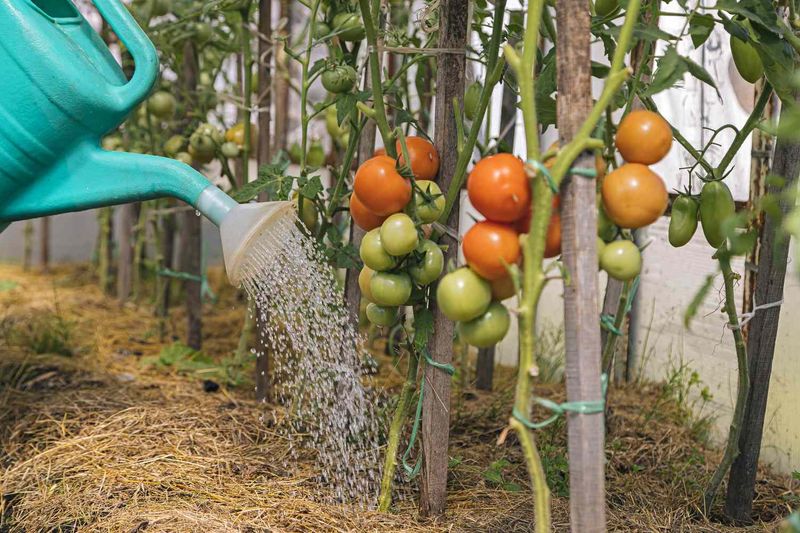
If you want fewer split tomatoes in Georgia, the most helpful habit is deep, even watering instead of random quick drinks. Tomatoes do best when the soil stays consistently moist several inches down, not bone dry one day and flooded the next.
That steady pattern supports gradual fruit growth and lowers the stress that leads to cracking.
Watering deeply means soaking the root zone so roots grow downward, where moisture lasts longer. Shallow splashes often wet only the surface, which dries quickly in Georgia heat and leaves the plant dealing with another sharp swing.
A slow hose, drip line, or soaker hose usually works better than a fast blast from above.
Morning is usually the best time to water because plants can take up moisture before the hottest part of the day. It also gives foliage time to dry, which helps reduce other common tomato issues in humid Georgia gardens.
Water should be directed at the base of the plant rather than over leaves and developing fruit.
A perfect schedule is not necessary, but consistency is important. Soil should be checked regularly, especially during heat or after rain, and watering adjusted before plants reach severe stress.
Once moisture stays more even, fruit quality improves, cracking becomes less common, and harvests tend to be more reliable during Georgia’s summer season.
5. Add Mulch To Slow Down Moisture Changes In The Soil
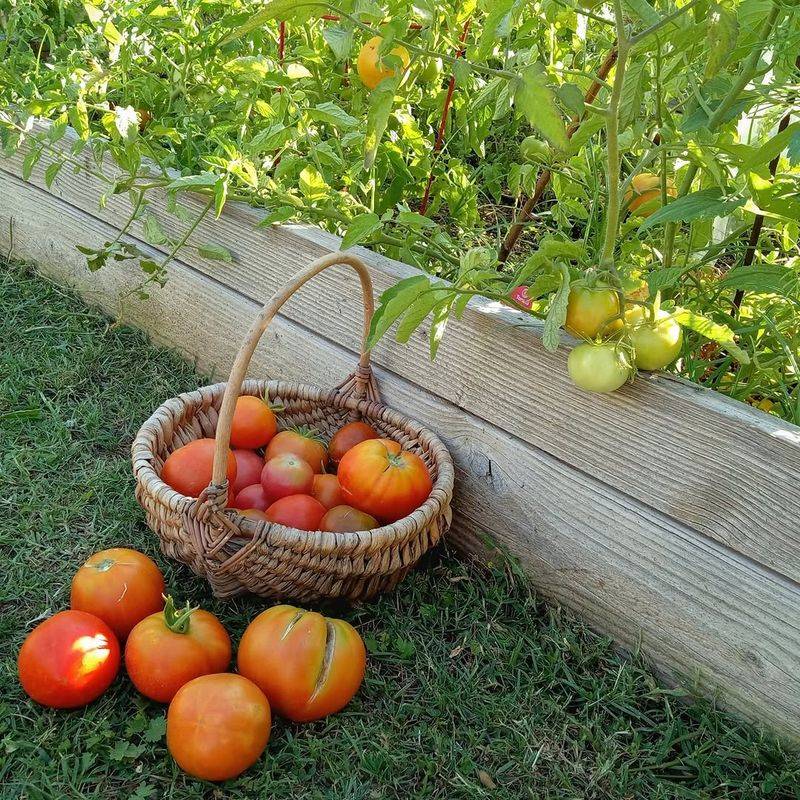
Mulch is one of the simplest tools for stopping tomato splitting, and it helps more than many Georgia gardeners expect. A layer of mulch slows evaporation, keeps soil temperatures steadier, and reduces the fast moisture swings that stress ripening fruit.
When the soil changes more slowly, tomatoes are less likely to swell too quickly and crack.
Straw, shredded leaves, pine straw, or untreated grass clippings can all work well if applied correctly. A couple of inches around the plants is usually enough, with a small gap left around the stem so moisture does not sit directly against it.
That cover acts like a buffer between harsh Georgia sun and the root zone underneath.
After rain, mulched beds tend to hold moisture more evenly than bare soil. That reduces sudden dry-down periods and helps the plant receive a steadier water supply over time.
It also reduces soil splash, which helps keep foliage cleaner during frequent summer storms.
Mulch also limits weed growth, which reduces competition for water and nutrients during peak growing season. That creates more stable conditions when Georgia weather shifts quickly between heat and heavy rain.
If tomatoes continue splitting year after year, consistent mulching is one of the most effective long-term improvements. It supports steadier growth, healthier fruit development, and more reliable harvest quality throughout the season.
6. Pick Tomatoes Early Before Full Ripeness During Wet Spells
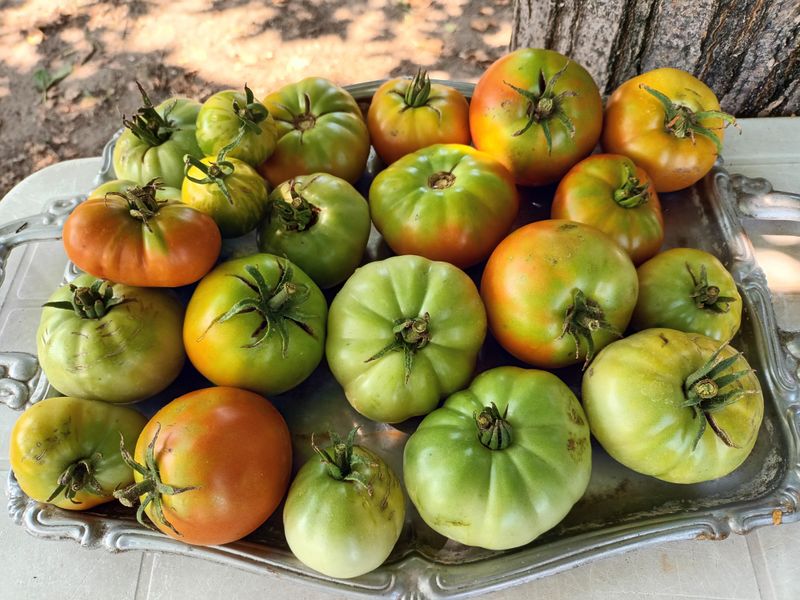
Sometimes the best way to reduce splitting is to harvest a little earlier than usual, especially during wet spells in Georgia. Once a tomato starts blushing and showing good color, it can usually finish ripening indoors without losing much quality.
That provides a simple way to avoid cracking during rainy, humid stretches.
Fully ripe fruit left on the vine becomes more vulnerable because the skin is softer and less able to handle sudden moisture changes. If a storm is coming, a nearly ripe tomato can split overnight even if it looked fine the day before.
Picking it early removes that risk while still preserving flavor as it finishes ripening indoors.
Not every tomato needs to be picked green for this approach to work. Focus on fruit that has started turning from green to pink, orange, or light red, depending on the variety.
Place them in a single layer indoors, away from direct sunlight, and allow them to finish at room temperature.
Vine-ripened fruit is often considered ideal, but weather conditions in Georgia can make that difficult during peak summer. Saving a clean, usable tomato is often more practical than losing a split one to rain, insects, or rapid spoilage.
During extended wet periods, slightly earlier harvesting helps protect yield, reduce losses, and maintain better overall harvest quality.
7. Choose Crack-Resistant Varieties For Better Results
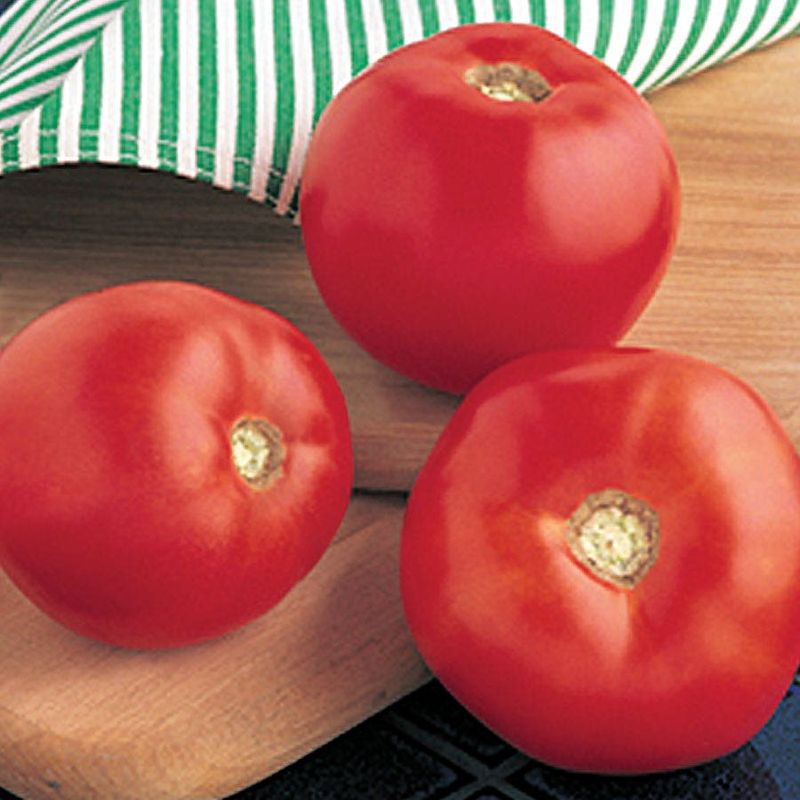
Even with great watering and mulch, variety choice still matters if the goal is fewer split tomatoes in Georgia. Some tomatoes naturally have skins and growth habits that handle moisture swings better than others.
Choosing crack-resistant varieties such as ‘Mountain Spring’, ‘Mountain Fresh’, or smaller types like ‘Juliet’ and other cherry or grape tomatoes gives an advantage before the season even begins.
Heirloom tomatoes are well known for flavor, but many are more prone to cracking, especially in hot, humid Southern weather. That does not mean they should be avoided completely, but they often perform better when balanced with more reliable crack-resistant types.
In Georgia gardens, that mix can help maintain both flavor and consistency through the season. Heirlooms like ‘Brandywine’ and ‘Cherokee Purple’ are especially prone to splitting compared to firmer hybrids.
When selecting seeds or transplants, descriptions that mention crack resistance, rain tolerance, or performance in humid climates are worth prioritizing. Local nurseries and experienced regional growers can also provide useful insight based on real growing conditions.
Regional experience often matters more than general labeling because performance can vary widely by climate.