These 7 Low-Water California Shrubs Make Front Yards Look More Expensive
First impressions matter, and your front yard is out there making one every single day. The good news is you do not need a thirsty lawn or a full-time gardener to make it look polished, pricey, and seriously pulled together.
California’s best low-water shrubs can deliver big style with far less fuss, which is kind of the dream, right? These plants bring texture, color, structure, and that crisp designer look that makes neighbors slow down just a little.
Yes, the casual “oh, this old yard?” effect is absolutely on the table. Even better, many of these shrubs thrive in heat, handle dry spells like champs, and keep your curb appeal looking sharp without running up your water bill.
That means more beauty, less maintenance, and a yard that feels elevated instead of exhausting. Honestly, that is a pretty great trade. Your hose can relax now. So can your weekend plans, for once.
1. Manzanita
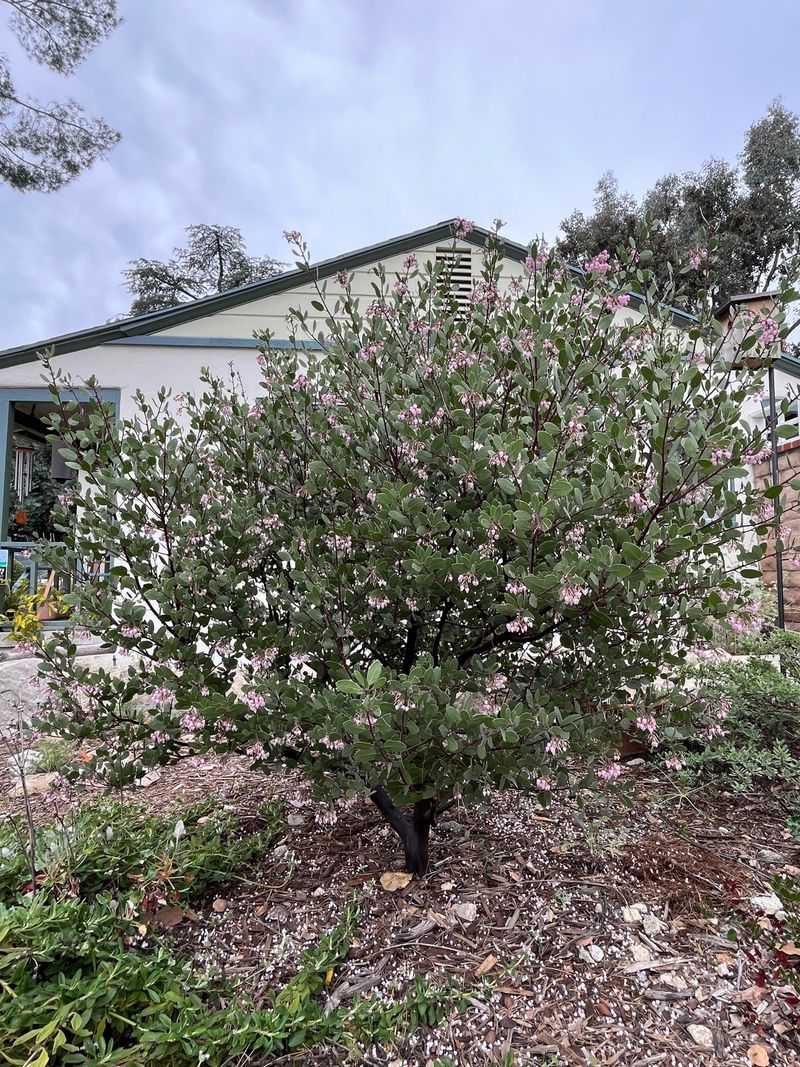
Few plants in California have the kind of natural drama that manzanita brings to a front yard and we are here for it. The smooth, reddish-brown bark almost looks like it was polished by hand.
It catches the light in a way that makes people stop and stare.
Manzanita is one of the most striking native shrubs you can plant in California. It thrives in dry, rocky soil and needs very little water once it gets established.
That means lower water bills and less time dragging a hose around on hot afternoons.
There are dozens of manzanita varieties to choose from, ranging from low ground-hugging types to taller, tree-like forms. Smaller varieties like ‘Emerald Carpet’ work beautifully as ground cover along a walkway.
Taller types can anchor a corner of your yard with real visual weight.
Pair manzanita with ornamental grasses or boulders for a clean, modern California look. It blooms in late winter with tiny pink or white flowers that attract hummingbirds.
Honestly, not many plants can say they look amazing every single season of the year.
2. Wild Lilac (Ceanothus)
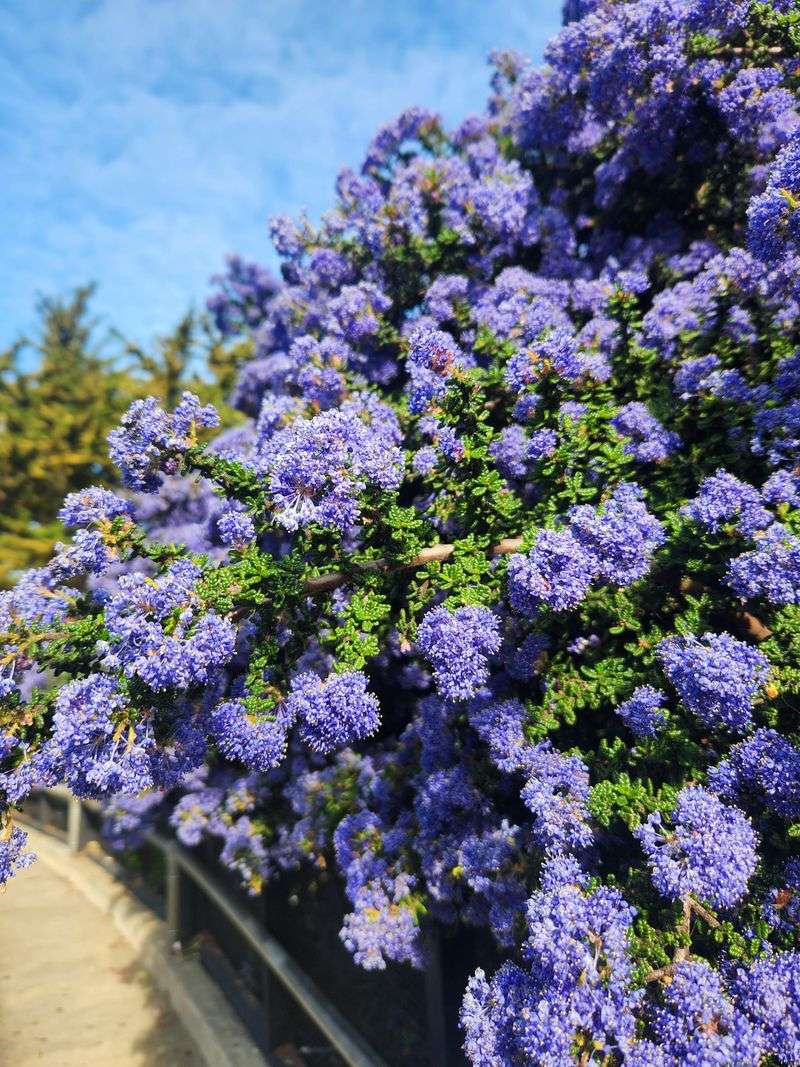
Walk past a yard full of blooming ceanothus in spring and you will understand why people call it wild lilac. The clusters of blue and purple flowers are absolutely electric.
It looks like someone spent a lot of money, but the plant basically does all the work itself.
Ceanothus is native to California and built for the state’s dry climate. Once established, it rarely needs supplemental watering.
That makes it one of the smartest choices for any California homeowner who wants beauty without the maintenance headache.
It grows quickly and fills in bare spots with dense, attractive foliage. The deep green leaves stay glossy even during the driest months of summer.
That contrast between the rich leaves and the bright blooms is what gives front yards that expensive, designer feel.
Ceanothus also draws in bees and butterflies, which adds life and movement to your yard. Plant it near a pathway or along a fence line for maximum impact.
Several varieties stay compact and tidy, which is perfect if you want a neat, put-together look without constant pruning.
Your California Garden Changes Every Week. Your Plan Should Too.
Gardening in California changes quickly throughout the season. Every Friday you’ll receive a simple weekly plan showing exactly what to plant, prune, fertilize, harvest, and protect so you never miss the right timing.
3. Toyon
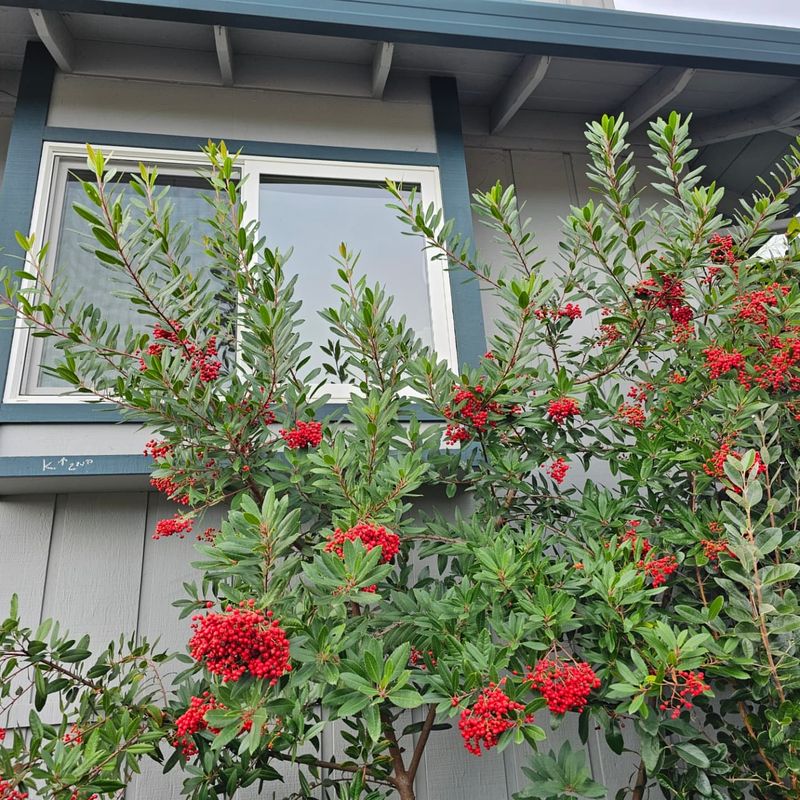
Toyon is the plant that actually inspired the name Hollywood. Early settlers saw the bright red berries covering the hillsides and thought of holly, so they started calling the area Hollywood.
That little piece of California history is a pretty great reason to plant one in your yard.
Beyond the backstory, toyon is genuinely one of the most useful native shrubs in California. It produces clusters of vivid red berries in winter, right when most other plants look dull and bare.
That pop of color during the cooler months gives your front yard a polished, seasonal look that feels intentional.
The dark green, glossy leaves look great year-round and provide a lush backdrop for other plants. Toyon grows tall enough to act as a privacy screen or a bold focal point.
It handles full sun and dry conditions without much fuss.
Birds absolutely love the berries, so your yard becomes a lively spot during the fall and winter months. Toyon is also fire-resistant, which is a real bonus in many parts of California.
Low maintenance, beautiful, and historically interesting — it checks every box.
4. Bush Germander
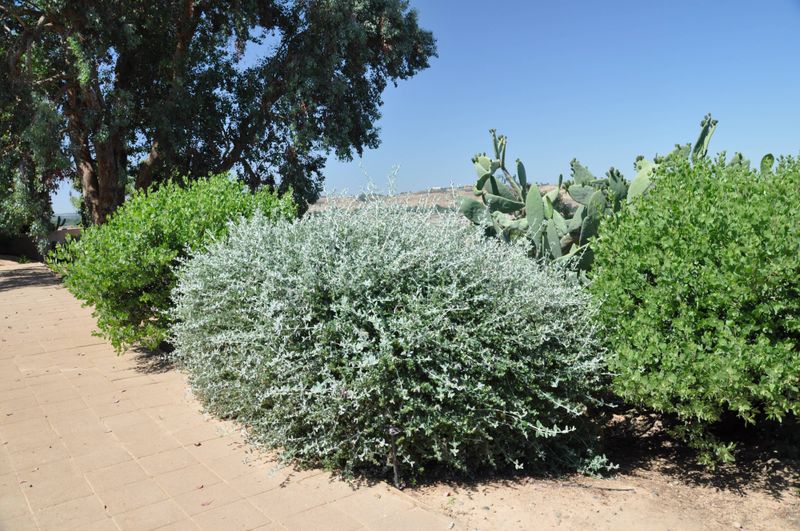
If you want a shrub that looks like it belongs in a fancy Mediterranean garden, bush germander is your answer. The silvery-green leaves have a soft, velvety texture that catches the breeze beautifully.
Add the small purple-blue flowers and you have something that looks genuinely elegant.
Bush germander thrives in California’s warm, dry climate because it originally comes from the Mediterranean region. It handles heat, poor soil, and very little water like a champion.
Once it gets settled in your yard, it practically takes care of itself through the long dry season.
One of the best things about this shrub is how well it responds to light trimming. You can shape it into a clean, rounded form that gives your front yard a manicured, upscale look.
It holds its shape for a long time without needing constant attention.
Plant bush germander along a walkway or in a raised planter for a polished, structured feel. It pairs nicely with lavender, rosemary, and other Mediterranean plants that share the same low-water needs.
The soft color palette of silver, green, and purple feels calm and sophisticated in any California front yard setting.
5. Rockrose (Cistus)
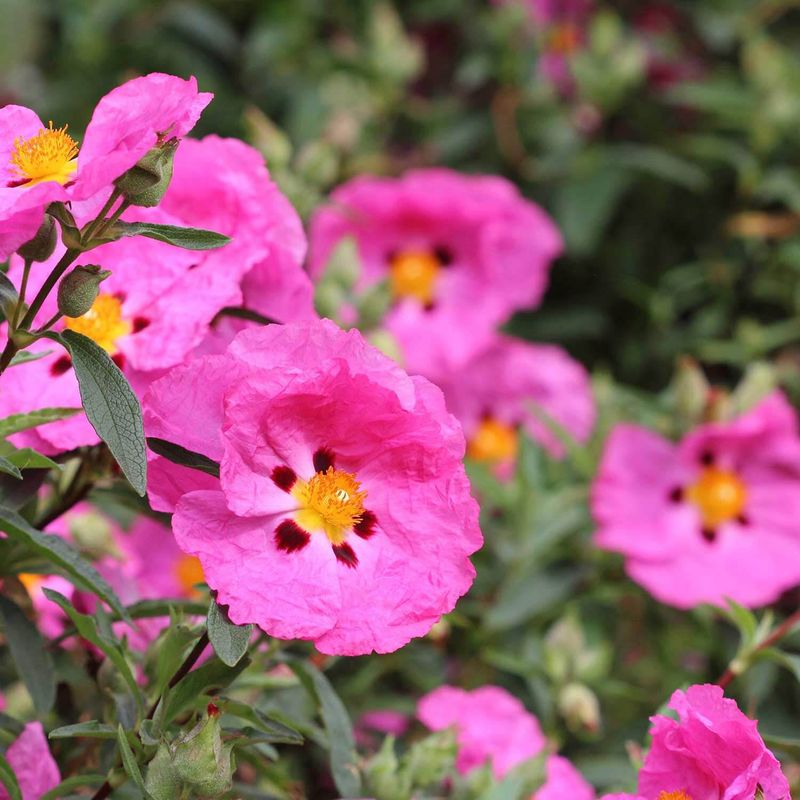
This stunning shrub looks like it demands constant attention, but it is actually one of the most self-sufficient shrubs you can plant in California. The big, papery flowers in shades of white, pink, and magenta are showstopping.
Neighbors will genuinely ask what you planted because it looks that good.
Native to the Mediterranean, rockrose is perfectly suited to California’s summer drought conditions. It thrives in full sun and sandy or rocky soil where other plants struggle.
Once established, it needs almost no supplemental water, which is a huge win for water-conscious California homeowners.
The blooms appear in late spring and early summer, covering the plant in color for several weeks. Even when it is not flowering, the gray-green foliage looks textured and interesting.
That year-round visual appeal is what separates a great landscaping plant from a forgettable one.
Rockrose grows fast, which means you will see results quickly after planting. It works beautifully on slopes or in areas where water runoff can be a problem, since its roots hold soil in place well.
For California yards that need both beauty and function, rockrose delivers on every front without asking for much in return.
6. Bush Anemone
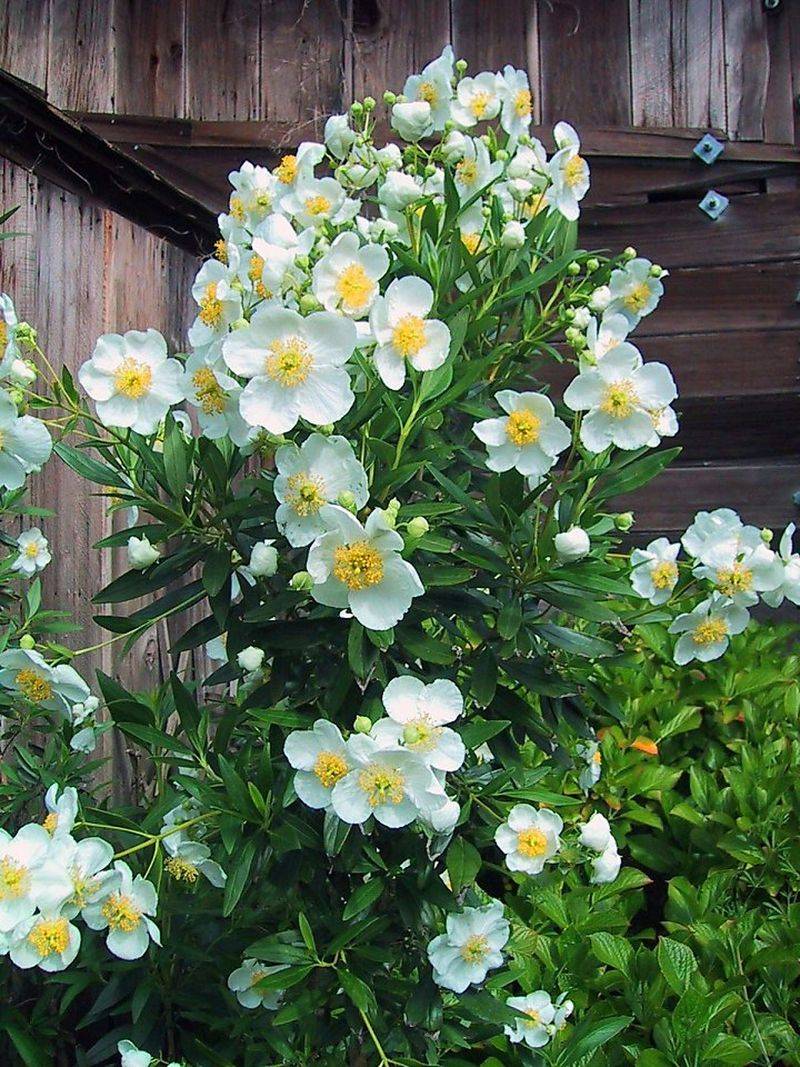
There is something quietly stunning about bush anemone that is hard to put into words at first. The large, white flowers look almost like oversized poppies, delicate and bright at the same time.
It is the kind of plant that makes a front yard look thoughtfully designed rather than just thrown together.
Bush anemone is a true California native, found naturally in the shaded canyons and woodsides of the state. Unlike many drought-tolerant plants that demand full blazing sun, this one actually prefers partial shade.
That makes it a fantastic option for front yards with areas that do not get direct sunlight all day.
The soft, gray-green leaves have a velvety texture that adds depth and contrast to garden beds. It blooms from spring through summer, giving you months of those gorgeous white flowers.
Even after the blooms fade, the foliage keeps the space looking lush and layered.
Bush anemone pairs well with ferns, toyon, and other shade-loving California natives. It grows into a medium-sized, rounded shrub that fills space without overwhelming smaller plants nearby.
For California homeowners looking to add a touch of understated elegance to a shaded spot, this plant is a genuinely wonderful choice.
7. Pineapple Guava
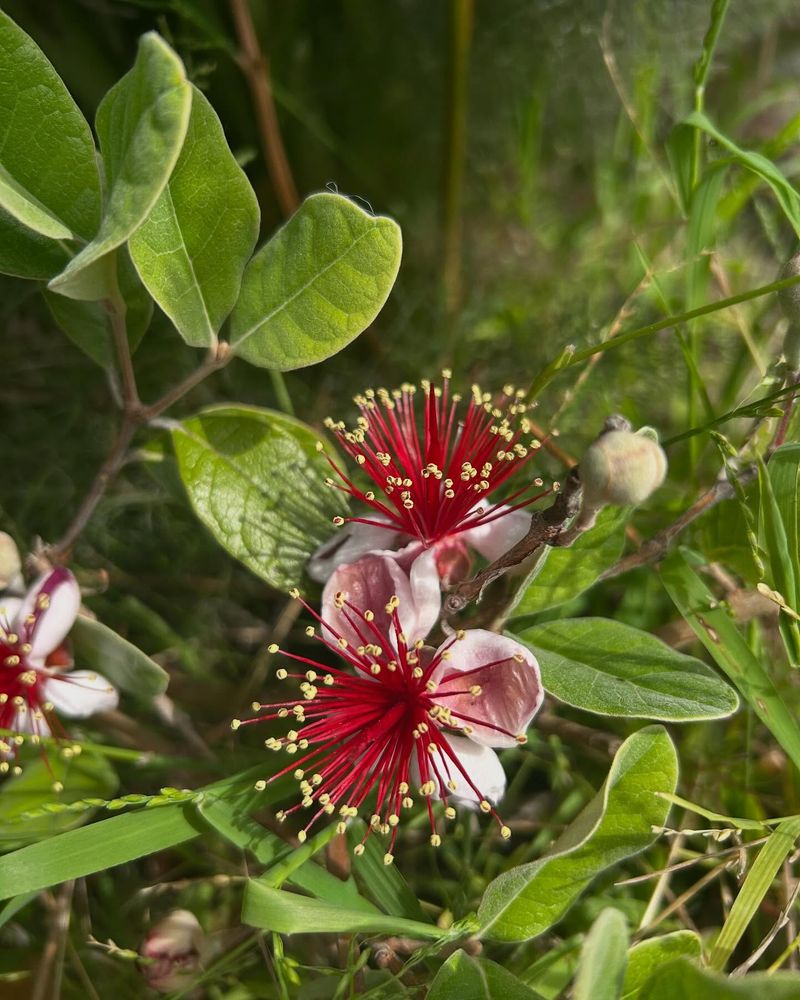
Not many front yard shrubs can offer good looks AND edible fruit, but pineapple guava pulls off both without breaking a sweat. The thick, blue-green leaves give it a sleek, modern appearance that fits right in with contemporary California home designs.
It honestly looks like it belongs in an expensive landscape portfolio.
Pineapple guava is originally from South America but has adapted beautifully to California’s mild, dry climate. It handles drought well once established and does not need much fuss to stay healthy and attractive.
The silvery underside of the leaves shimmers when the breeze moves through them, which adds a subtle but noticeable visual detail.
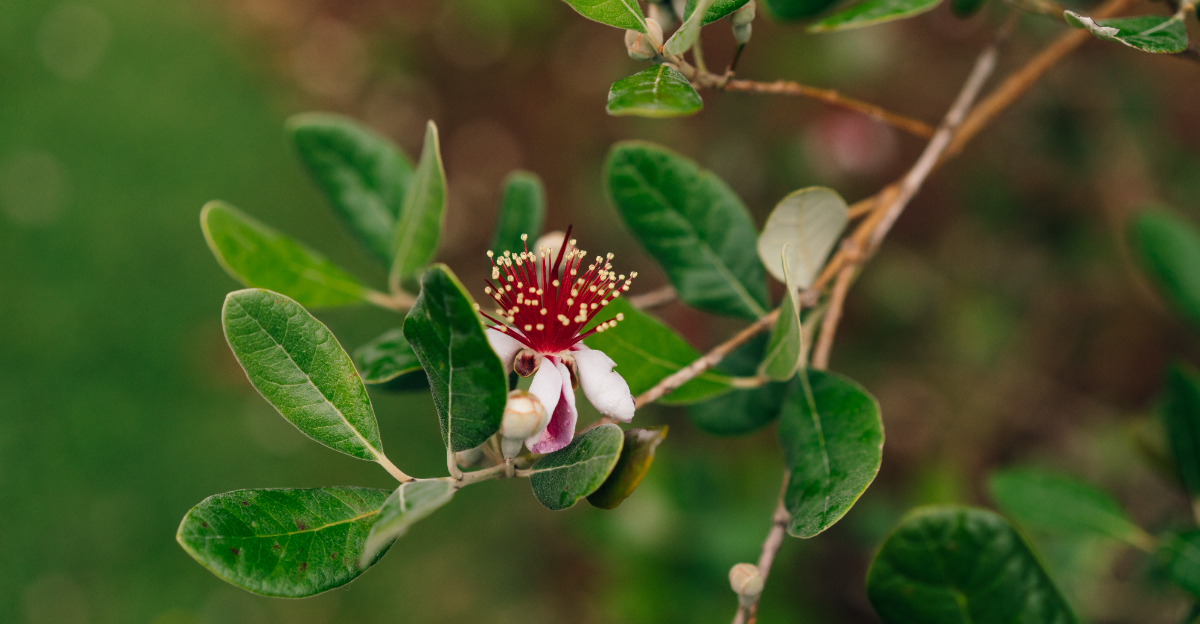
In late spring, the plant produces exotic-looking flowers with bright red stamens and white petals, and let’s be honest, they are just stunning. The petals are actually edible and taste sweet, which is a fun surprise for curious visitors.
Then in fall, the small oval fruits ripen with a tropical, minty flavor that is genuinely delicious.
Pineapple guava works well as a hedge, a standalone focal point, or even a privacy screen along a property line. It can be trimmed into a clean shape or left to grow more naturally.
Either way, it brings a polished, upscale energy to any California front yard with minimal effort required.