8 Plants More Oregon Gardeners Are Growing To Help Keep Ticks Away
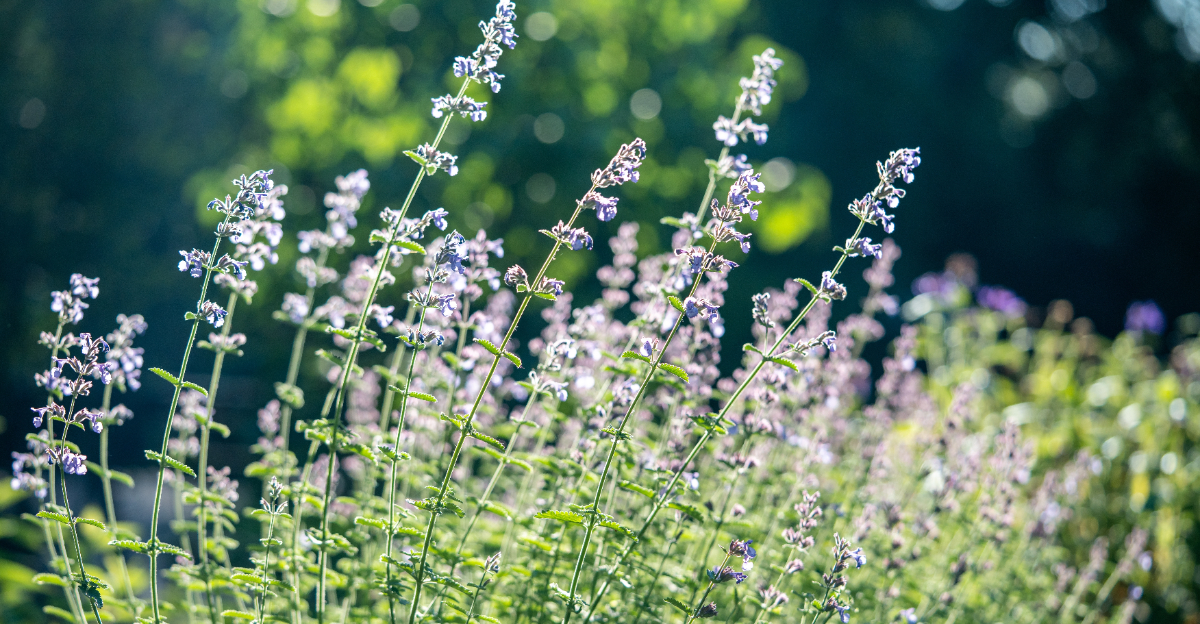
Ticks are bad enough on their own. Oregon gardeners are getting smarter about the plants they grow around patios, paths, and lounging spots to make the yard feel less inviting to them.
The idea is not that a few plants create some magical force field and every tick packs its bags. It is that certain choices can support a cleaner, drier, less tick-friendly space while also fitting naturally into the landscape.
That is a much better strategy than acting shocked every summer when the yard gets a little too wild for comfort.
In Oregon, where gardens often mix shade, moisture, and dense planting, that kind of planning can make a real difference. The right plants can help shape a yard that looks good, feels intentional, and works a little harder behind the scenes.
Less overgrown chaos, fewer places for ticks to lurk, and a garden that feels more comfortable to move through. That is the kind of upgrade more people are happy to make.
1. Lavender
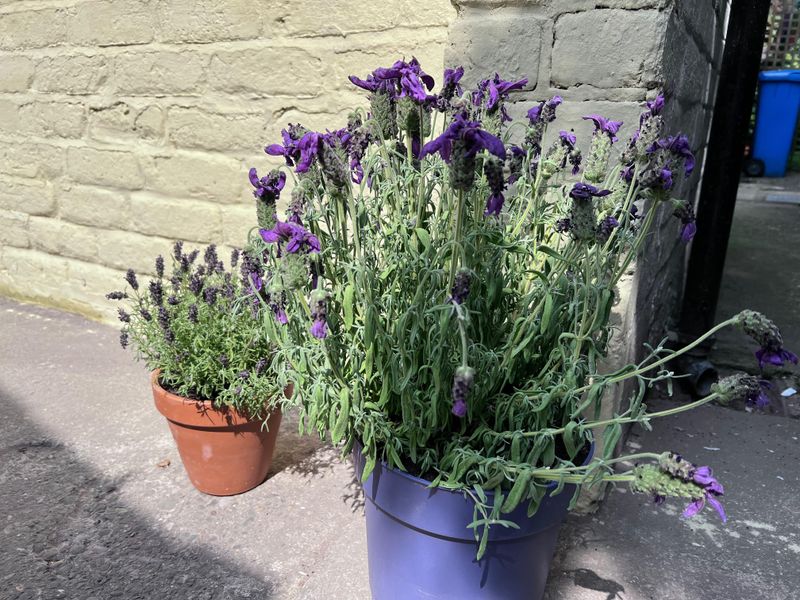
Few plants are as beloved in Oregon gardens as lavender. Its gorgeous purple blooms and calming scent make it a favorite for flower beds and borders.
But here is something many gardeners do not realize: ticks strongly dislike the smell of lavender. The natural oils in the plant, especially linalool, are known to repel ticks and other pests.
Lavender grows really well in Oregon’s mild climate, especially in well-drained soil with plenty of sunshine. It is drought-tolerant once established, which makes it a low-maintenance choice for busy gardeners.
You can plant it along walkways, near patios, or around the edges of your yard to create a natural barrier.
Beyond tick control, lavender attracts bees and butterflies, adding life and color to your garden. You can also cut the stems and dry them to make sachets for your home.
Placing dried lavender near doorways or outdoor seating areas can extend its tick-repelling benefits. Oregon gardeners in the Willamette Valley and beyond have found lavender to be one of the most rewarding plants to grow.
It looks great, smells wonderful, and works hard to protect your outdoor space from unwanted pests all season long.
2. Rosemary
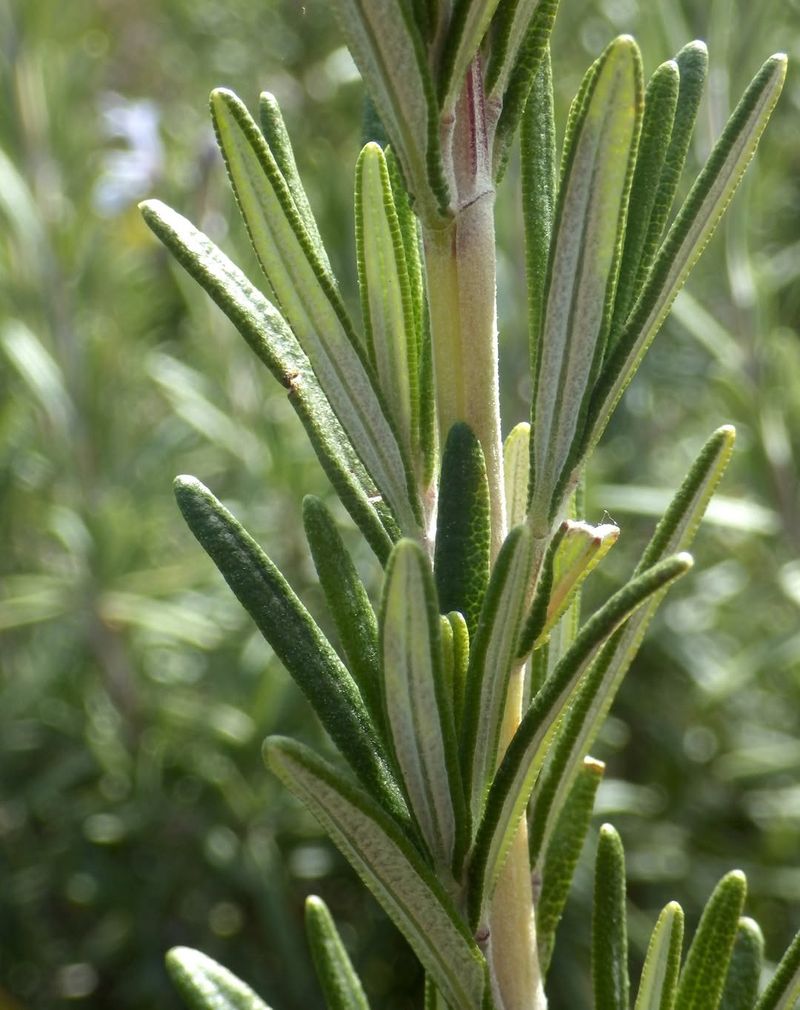
Rosemary is one of those plants that earns its place in any Oregon garden. Most people know it as a kitchen herb, but it is also a surprisingly powerful tick deterrent.
The strong, piney scent that makes rosemary such a great cooking ingredient is exactly what ticks cannot stand. Its natural oils contain compounds like camphor and cineole that bugs want nothing to do with.
In Oregon, rosemary does well in warmer, sunnier spots with good drainage. It is a hardy shrub that can grow quite large over time, making it useful as a low hedge or border plant.
Planting it near entrances to your yard or around outdoor seating areas can help create a natural zone of protection.
One fun trick many Oregon gardeners use is crushing a few rosemary leaves and rubbing them on their skin before heading outside. It works as a natural, chemical-free bug repellent.
Your Oregon Garden Changes Every Week. Your Plan Should Too.
Gardening in Oregon changes quickly throughout the season. Every Friday you’ll receive a simple weekly plan showing exactly what to plant, prune, fertilize, harvest, and protect so you never miss the right timing.
You can also toss a few sprigs on your outdoor grill or firepit to release the oils into the air. Rosemary is evergreen in many parts of Oregon, meaning it keeps working for you year-round.
It is truly one of the hardest-working plants you can add to your garden.
3. Catnip
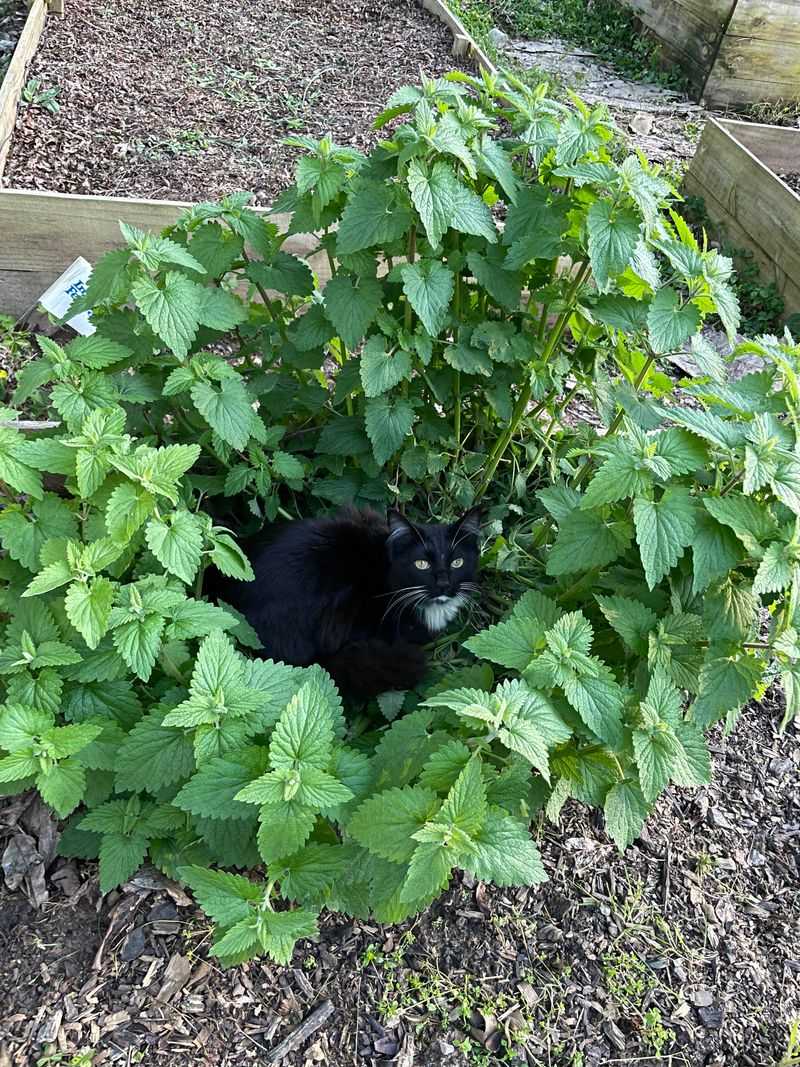
You might think of catnip as just a treat for your feline friends, but this plant has a serious reputation when it comes to repelling ticks. Research from Iowa State University found that nepetalactone, the active compound in catnip, is actually more effective at repelling insects than DEET, the chemical used in many commercial bug sprays.
That is a pretty impressive claim for a humble garden plant.
Catnip is easy to grow in Oregon and spreads quickly once established. It prefers full sun to partial shade and does not need much attention after planting.
Because it can spread aggressively, many gardeners choose to grow it in containers to keep it under control. You can place pots of catnip on your porch, deck, or near garden beds where ticks might be a concern.
Of course, if you have cats, they will absolutely love having catnip nearby. But even without cats, this plant pulls its weight in the garden.
The small white and lavender flowers also attract pollinators, making it a win for your whole yard. Oregon gardeners looking for an easy, low-cost way to boost their tick-repelling plant lineup should absolutely consider adding catnip to the mix this season.
4. Thyme
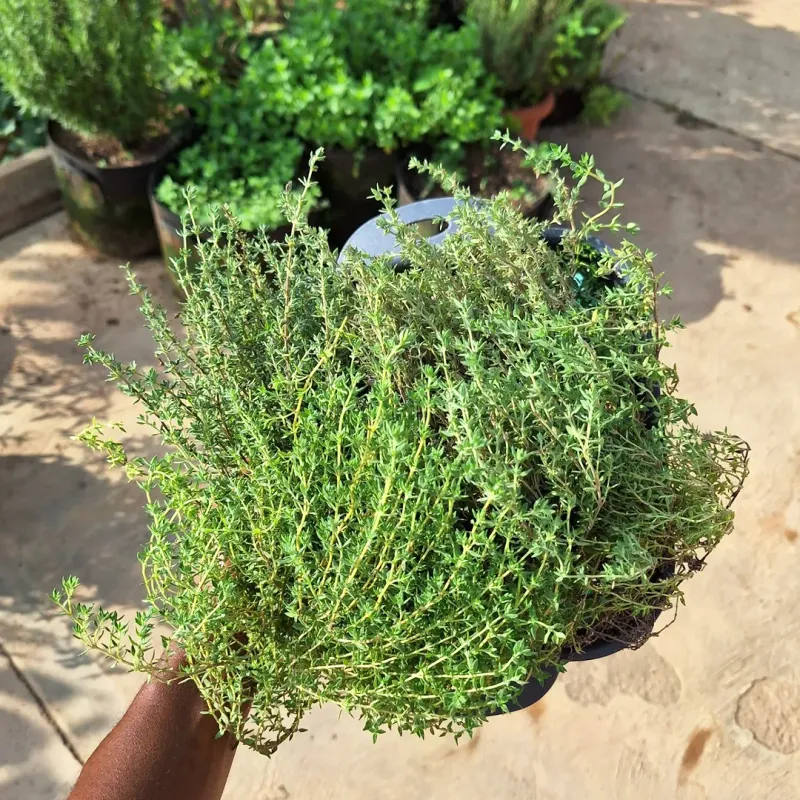
Thyme is a tough little herb with a big personality. It hugs the ground, spreads beautifully between stepping stones, and fills the air with a warm, earthy fragrance.
What makes it especially valuable in an Oregon garden is that ticks really do not like it. Thyme contains thymol, a natural compound so effective at repelling pests that it is actually used as an ingredient in some commercial insect repellents.
Growing thyme in Oregon is straightforward. It loves sunny spots and well-drained soil, both of which are easy to find in most Oregon yards.
It is drought-tolerant and practically pest-free itself, which makes it a great choice for beginner gardeners. You can plant creeping thyme as a ground cover along garden edges, pathways, or near outdoor seating areas where ticks might otherwise lurk.
When you walk on it or brush against it, thyme releases its oils into the air, creating a natural invisible barrier around your outdoor space. It also looks stunning when it blooms in the summer, covered in tiny purple flowers that bees absolutely adore.
Thyme is one of those plants that is almost too good to be true. It is beautiful, useful in the kitchen, and helps keep your Oregon backyard a safer place for the whole family.
5. Chrysanthemums
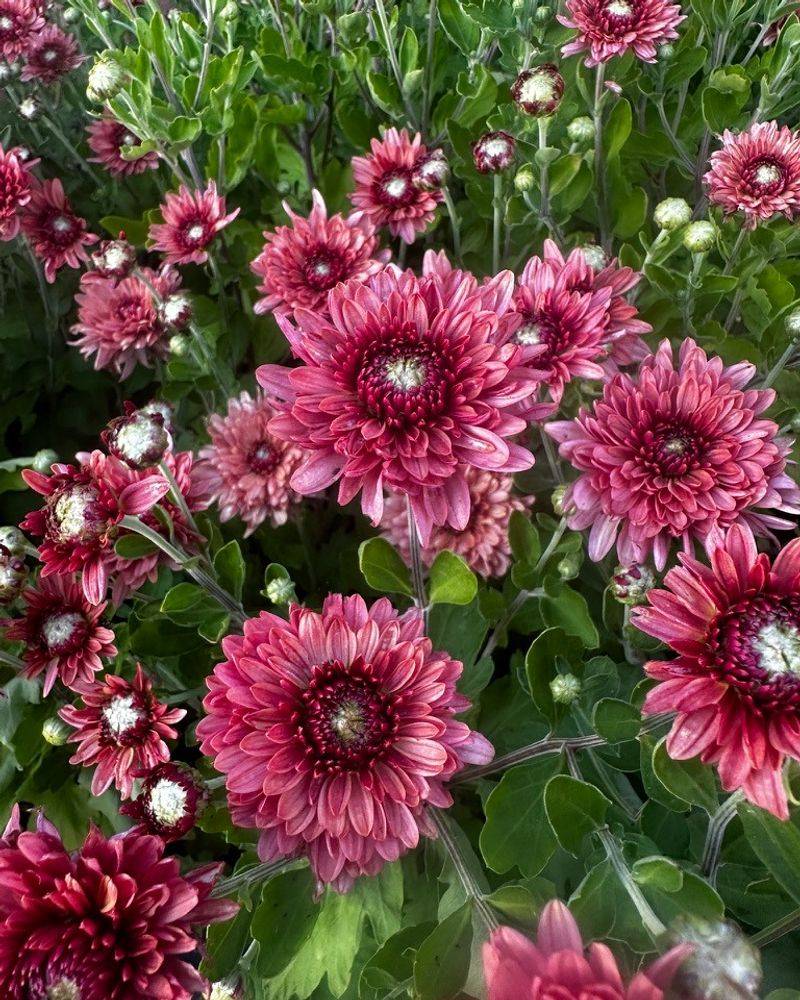
Chrysanthemums might be best known as cheerful fall flowers, but they have a powerful secret weapon hidden inside their petals. These plants naturally produce a compound called pyrethrin, which is so effective at repelling and affecting insects that it is used as the base for many commercial insecticides.
When it comes to ticks specifically, chrysanthemums are one of the strongest natural deterrents you can plant in your Oregon garden.
The great news is that chrysanthemums are not picky plants. They grow well across Oregon and come in a huge range of colors, from deep burgundy to bright gold.
They thrive in full sun with regular watering and are a fantastic choice for garden borders, raised beds, or large containers on a porch or patio. Planting them around the perimeter of your yard creates a colorful and functional barrier.
Fall is the most popular time to see chrysanthemums in Oregon gardens, but many varieties bloom from late summer through the first frost. That extended blooming period means you get tick protection during some of the most active outdoor months of the year.
Plus, they make stunning cut flowers for inside your home. For Oregon gardeners who want beauty and bug protection in one plant, chrysanthemums are hard to beat.
6. Marigolds
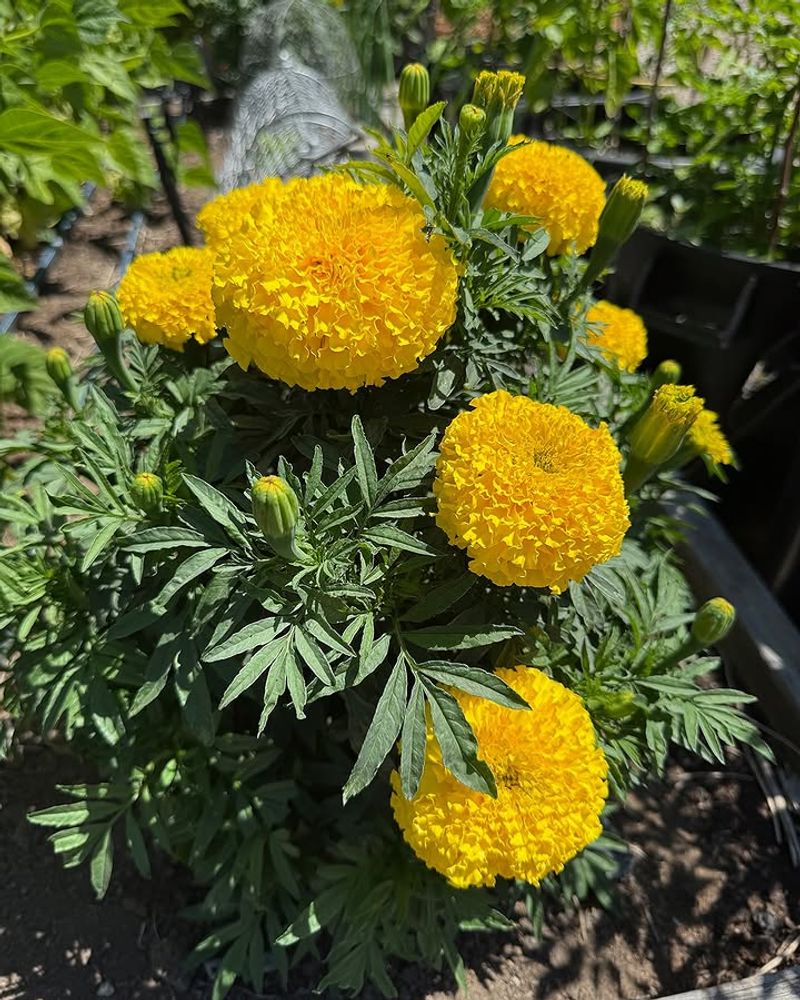
Ask any experienced Oregon gardener about marigolds and you will likely get an enthusiastic response. These bright, cheerful flowers have been a garden staple for generations, and for good reason.
Beyond their bold colors, marigolds produce a strong scent that many insects find overwhelming. Ticks, mosquitoes, and even some garden pests tend to avoid areas where marigolds are growing.
The secret lies in a compound called pyrethrum, which is naturally present in marigold flowers. It acts as a natural insect deterrent without any chemicals or sprays.
Marigolds are incredibly easy to grow from seed or transplant, and they thrive in Oregon’s climate. They prefer full sun and moderate watering, making them a reliable choice even for first-time gardeners.
Plant marigolds along the edges of your garden beds, near vegetable patches, or around outdoor living spaces to take advantage of their protective qualities. They also pair beautifully with vegetables like tomatoes and peppers, helping to protect those plants from pests too.
Marigolds bloom from late spring through fall, giving Oregon gardeners months of color and pest protection. They are affordable, widely available at local nurseries across Oregon, and nearly impossible to mess up.
Adding a row of marigolds to your yard might be the easiest upgrade you make all season.
7. Mint / Peppermint
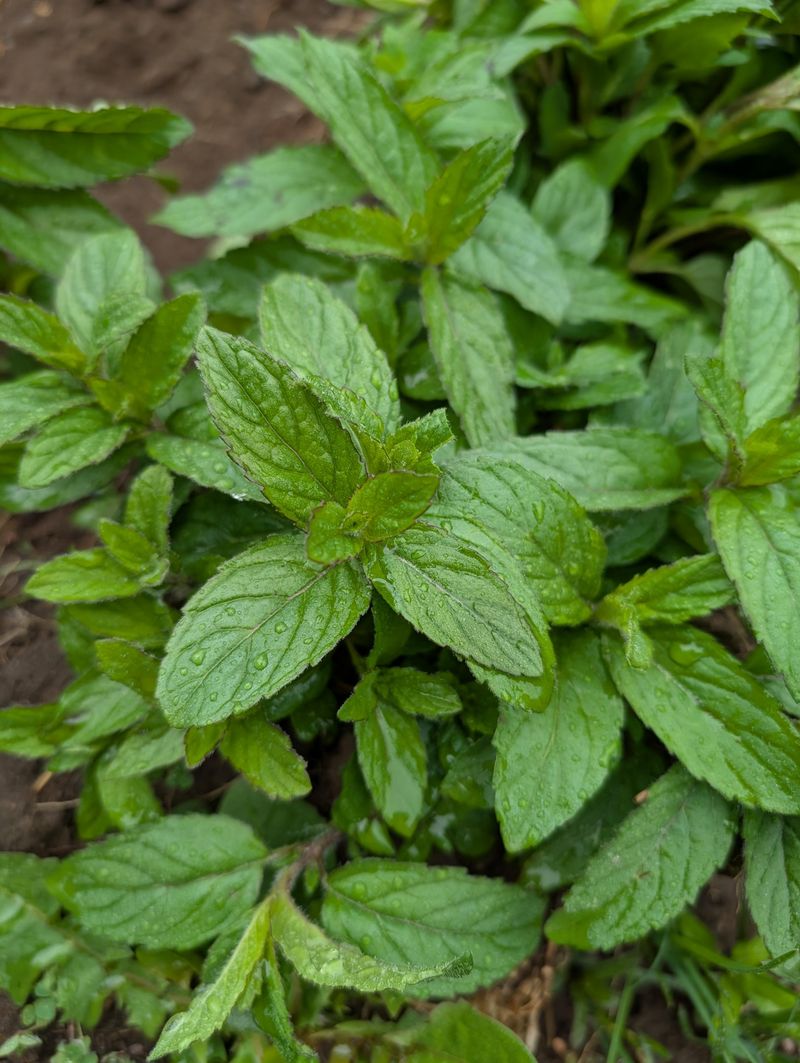
There is something refreshing about peppermint, and apparently ticks agree but in the opposite way. The intense menthol scent that humans find energizing and pleasant is something ticks actively avoid.
Peppermint and other mint varieties contain natural oils that are highly effective at repelling ticks, mosquitoes, and other outdoor pests. It is one of the most practical plants an Oregon gardener can add to their yard.
Mint grows aggressively, so most gardeners in Oregon recommend planting it in containers rather than directly in the ground. This keeps it from taking over your entire garden while still letting you place it strategically around patios, decks, and entryways.
A few well-placed pots of peppermint can make a noticeable difference in how many pests you encounter in your outdoor space.
You can also use fresh peppermint leaves to make a simple homemade tick-repellent spray. Just steep the leaves in water, strain the liquid, and spray it around your yard or on outdoor furniture.
It smells amazing and works naturally without harsh chemicals. Oregon families with young children or pets especially appreciate having a safe, non-toxic option like peppermint in their pest-control routine.
Plus, having fresh mint on hand means you are always ready for a refreshing glass of iced tea or a homemade mojito on a warm Oregon evening.
8. Garlic
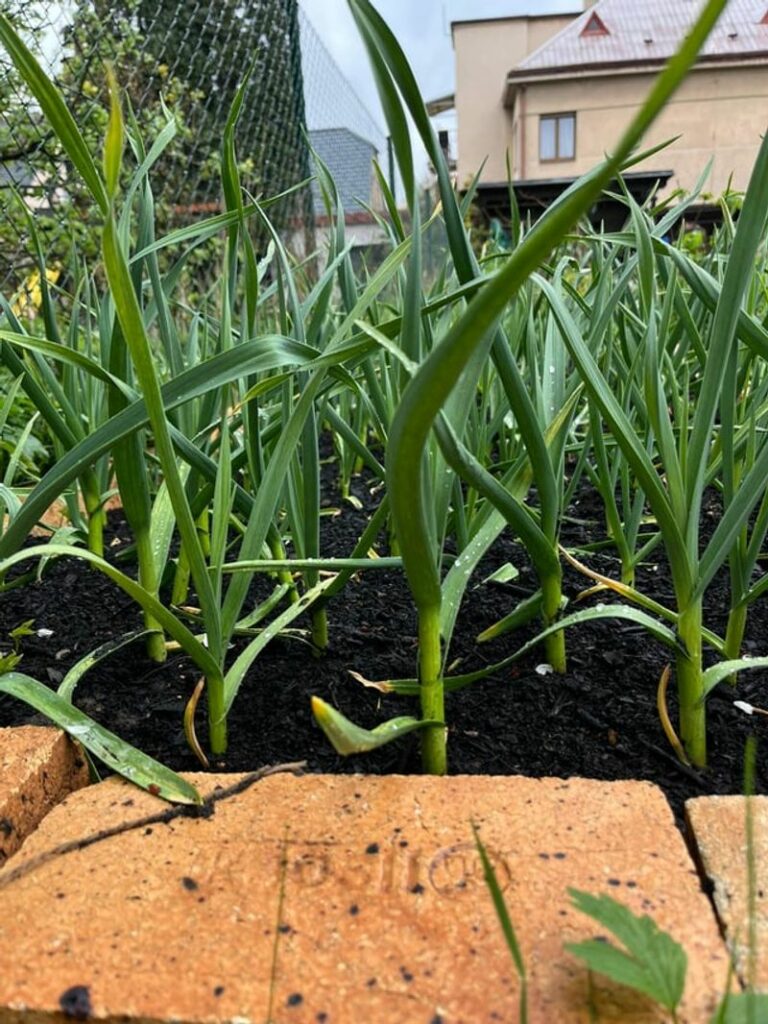
Garlic has been celebrated for centuries for its powerful properties, and its reputation as a pest deterrent is well earned. The strong sulfur compounds that give garlic its sharp, pungent smell are also what makes ticks want to stay far away.
Oregon gardeners who grow garlic in their vegetable beds often notice fewer pests in the surrounding area, and that includes ticks lurking in the grass and mulch nearby.
Growing garlic in Oregon is a rewarding experience. Most varieties are planted in the fall and harvested the following summer, making them a great addition to a year-round garden plan.
Garlic prefers loose, well-drained soil and plenty of sunlight. It does not take up much space and can be tucked in between other plants throughout your garden for maximum coverage.
Beyond growing it in the ground, you can make a simple garlic spray by blending garlic cloves with water and a little dish soap. Spray it around the edges of your yard, on mulch, or near garden borders to create a natural tick-deterring barrier.
The smell fades quickly for humans but lingers long enough to bother pests. Oregon gardeners who love cooking will also appreciate having a fresh supply of homegrown garlic right outside their door, making this plant both practical and delicious all year long.