If You See This Bug In California Do Not Touch It
If a strange bug shows up around your home, curiosity is not always your friend. The kissing bug has made appearances in California, and it is one insect you do not want to handle up close.
At first glance, it can look like just another harmless backyard visitor, which is exactly why it catches people off guard. A quick mistake can turn into a problem no one wants to deal with.
That is why it helps to know the basic warning signs before you get too close. A few details can help you spot the difference between a common insect and one worth treating with extra care.
If you see one, the safest move is simple: leave it alone and take a closer look only from a safe distance. Here is what sets the kissing bug apart, why experts take it seriously, and what to do next if one turns up near your home.
1. What A Kissing Bug Looks Like
Most people have never heard of the kissing bug, and even fewer would recognize one if they saw it. That is exactly what makes it so tricky.
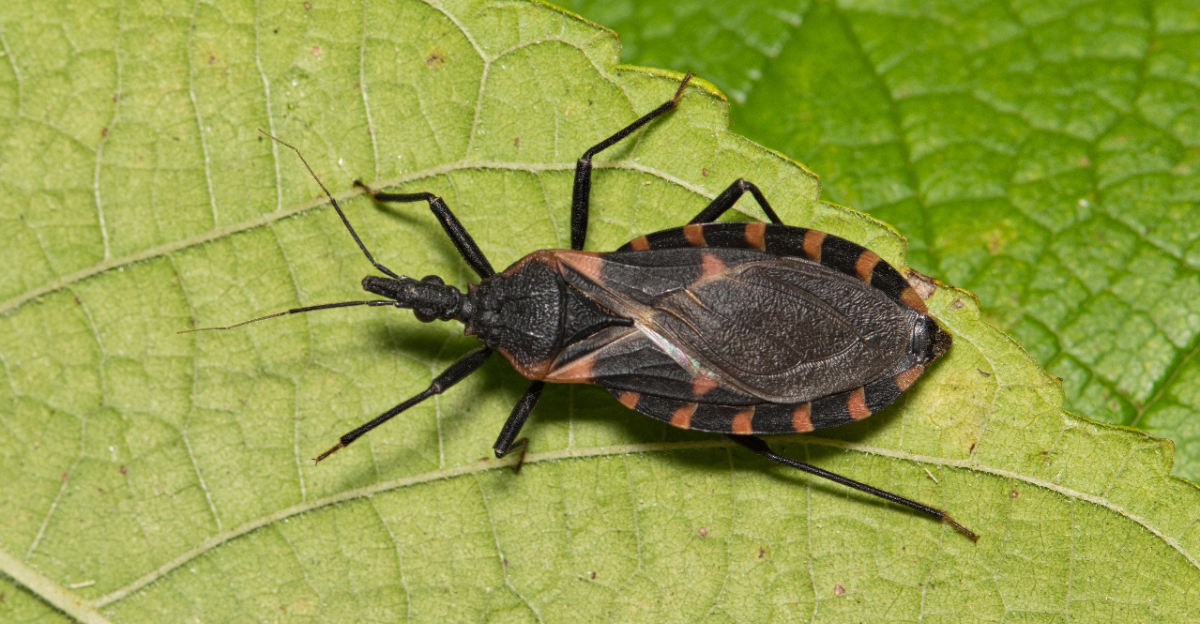
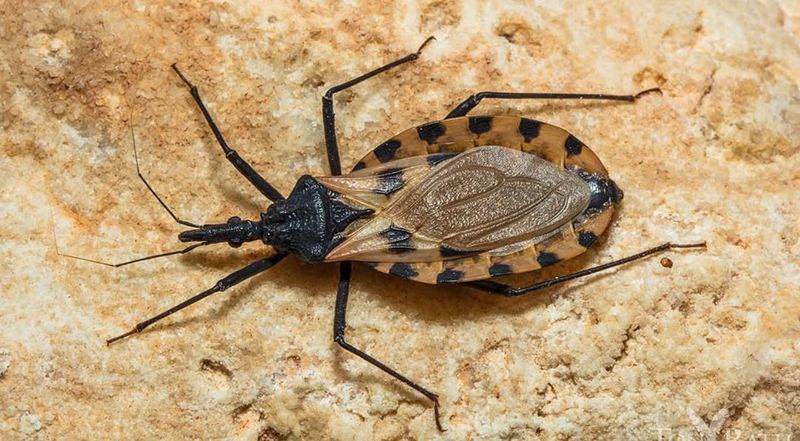
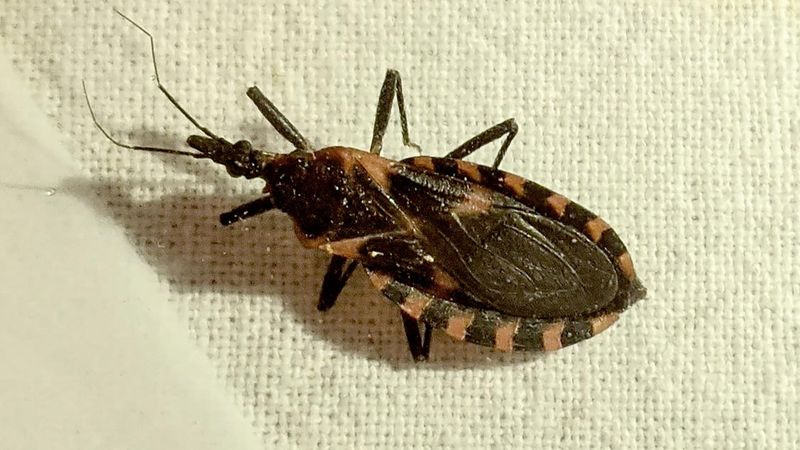
The kissing bug is a dark brown or black insect, roughly half an inch to one inch long. It has a flat, oval-shaped body that looks a little like a small shield.
Along the outer edges of its body, you will usually see a pattern of orange, red, or yellow stripes or spots. These colors are a warning sign in nature, and for good reason.
The bug also has a long, thin, pointed beak tucked under its head, which it uses to feed.
One easy way to identify it is by the way it holds its legs out wide and low to the ground. Its antennae are thin and long.
Young kissing bugs look similar but are smaller and may appear lighter in color. If you spot something matching this description anywhere in California, do not pick it up.
Take a photo from a safe distance instead and report it to your local health department.
2. Where It Shows Up In California
Across California, kissing bugs tend to show up in specific environments that give them easy access to food and shelter. They are most commonly found in rural and semi-rural areas, especially in the southern and central parts of the state.
Counties like San Diego, Riverside, and Los Angeles have all had confirmed sightings.
These bugs love hiding in dark, quiet spots. They often tuck themselves under wood piles, inside dog kennels, in rock piles, or beneath outdoor furniture.
They can also sneak into homes through small cracks in walls, around windows, or under doors, especially at night when they are most active.
Kissing bugs are strongly attracted to light and to the body heat and breath of animals and people. If you have outdoor pets, their sleeping areas are a common hiding spot.
In California, the warm climate in inland and desert regions creates ideal conditions for these insects to thrive year-round. Checking around your home regularly, especially in shaded and sheltered areas, is a smart habit.
Your California Garden Changes Every Week. Your Plan Should Too.
Gardening in California changes quickly throughout the season. Every Friday you’ll receive a simple weekly plan showing exactly what to plant, prune, fertilize, harvest, and protect so you never miss the right timing.
Being aware of where they tend to gather can help you avoid an unpleasant encounter with one of California’s more dangerous insects.
3. Why You Should Not Touch It
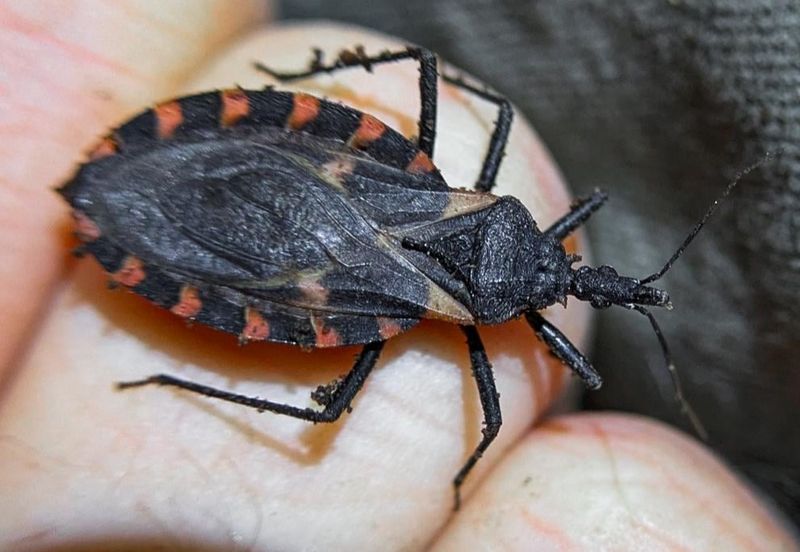
There is a very good reason people are warned to keep their hands away from this insect. The kissing bug does not just bite.
It can also leave behind something far more concerning when it feeds. While feeding, it may defecate near the bite wound, and that waste can carry a dangerous parasite called Trypanosoma cruzi.
Handling the bug directly puts you at a higher risk of accidentally rubbing infected feces into your eyes, mouth, or an open cut. Even without a bite, touching a contaminated bug with bare hands and then touching your face is enough to cause a problem.
Children are especially at risk because they may not understand the danger and are more likely to pick up insects out of curiosity.
Beyond the parasite risk, some people have strong allergic reactions just from contact with the bug’s saliva or body. In California, where these bugs are increasingly being spotted, public health officials strongly advise against touching one with bare hands under any circumstances.
If you need to remove one from your home, use gloves, a jar, and a sealed lid. Your safety is always more important than getting a closer look at an unusual insect.
4. The Bite Can Cause Reactions
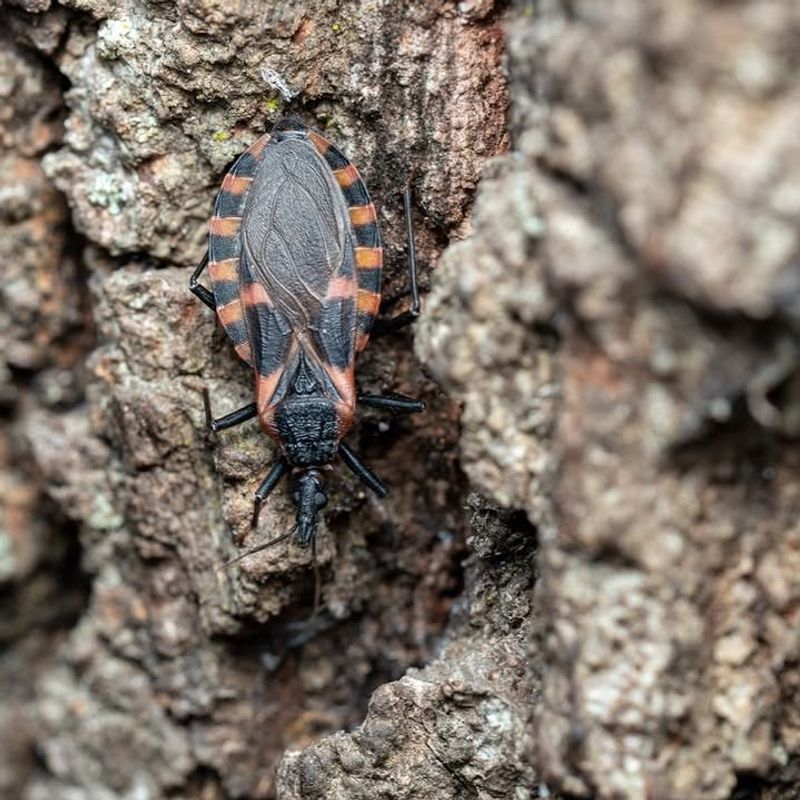
You might not even feel a kissing bug bite when it happens. That is part of what makes this insect so sneaky.
It usually feeds at night while people are asleep, and it tends to bite near the eyes, lips, or exposed skin on the face, which is how it earned its unsettling nickname.
After the bite, a red, swollen bump often forms at the site. For many people, the reaction stays mild, similar to a mosquito bite.
But for others, the response can be much more intense. Some people experience significant swelling, hives, itching, or a rash that spreads beyond the bite area.
In more serious cases, a person may have a strong allergic reaction that causes swelling of the face or throat, dizziness, or difficulty breathing. This kind of reaction needs medical attention right away.
People who have been bitten before are more likely to have a stronger reaction the second time around. In California, allergic responses to kissing bug bites have been documented by health researchers, and medical professionals take these cases seriously.
If you wake up with an unexplained bite, especially near your face, it is worth getting checked out by a doctor as soon as possible.
5. Can It Spread Disease?
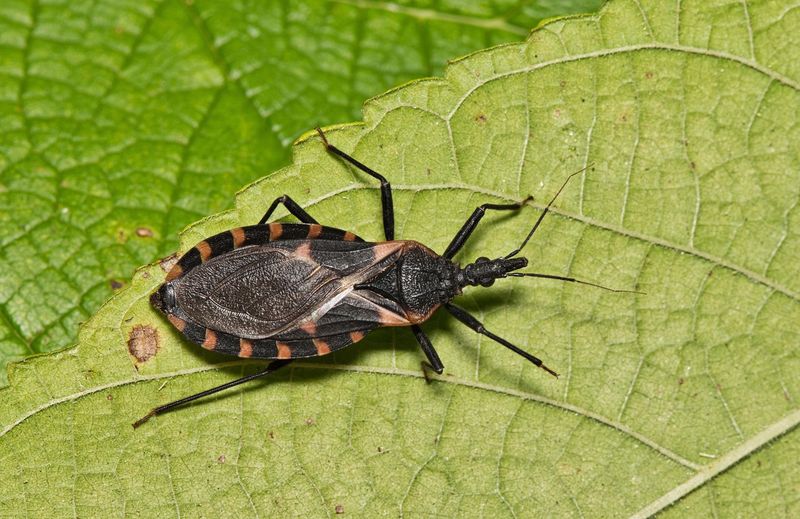
One of the most serious concerns about the kissing bug is its connection to Chagas disease. This illness is caused by the Trypanosoma cruzi parasite, which the bug can carry in its digestive system.
Chagas disease has long been a concern in Latin America, but cases connected to kissing bugs have been documented in the United States, including California.
The disease spreads when infected feces from the bug gets rubbed into a bite wound, the eyes, or the mouth. Not every kissing bug carries the parasite, but enough do that health officials take the risk seriously.
Early symptoms can feel like a mild flu, with fatigue, fever, or body aches. Many people do not realize they have been infected.
If left untreated for years, Chagas disease can affect the heart and digestive system in serious ways. The good news is that it is treatable, especially when caught early.
Testing is available, and doctors in California are becoming more familiar with the condition as sightings of the bug increase across the state. If you believe you may have been exposed, talking to your doctor about getting tested is the smartest step you can take for your long-term health.
6. What To Do If You See One
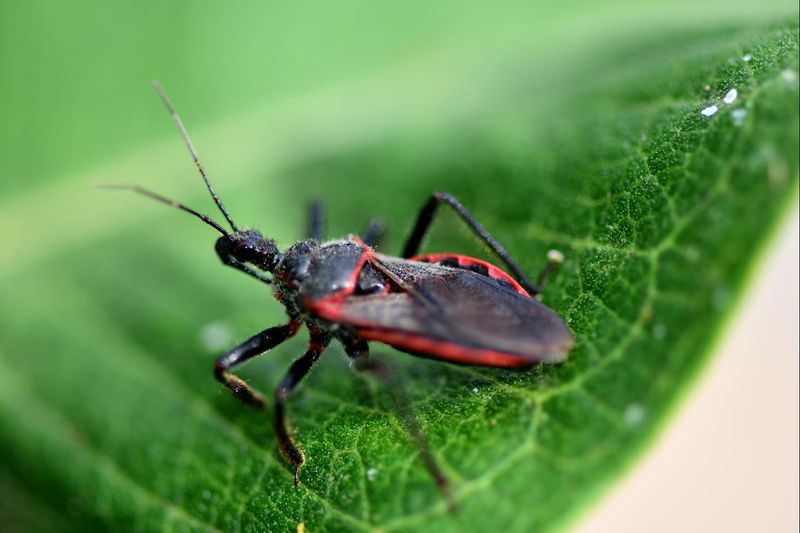
Spotting a kissing bug can feel alarming, but staying calm and taking the right steps makes a big difference. The first and most important rule is simple: do not touch it with your bare hands.
No matter how curious you are, keep your fingers away from it.
If the bug is inside your home, put on rubber or latex gloves before doing anything else. Use a jar or container with a tight lid to trap the bug without squishing it.
Researchers and health departments actually want to receive specimens so they can track where these insects are appearing across California. Keeping the bug intact helps with identification and testing.
Once you have safely contained it, take clear photos and note exactly where you found it, inside or outside, and what time of day or night it was. You can submit the bug or your photos to the California Department of Public Health or your local vector control agency.
They have tools and resources to help identify the insect and assess any risk. After handling any surfaces the bug touched, wash your hands thoroughly with soap and water.
Reporting your sighting helps protect not just your household, but the wider community across California.
7. When To Seek Medical Help
After any possible contact with a kissing bug, paying close attention to how you feel in the hours and days that follow is really important. Some reactions show up quickly, while others take a bit longer to appear.
Knowing what warning signs to watch for can help you act fast when it matters most.
Seek medical help right away if you notice swelling near your eye, a rash spreading across your skin, or difficulty breathing after a bite. These could be signs of a serious allergic reaction that needs immediate treatment.
Even if the reaction seems mild at first, it can sometimes get worse quickly, especially in children or people with known allergies.
If you suspect a kissing bug was in your sleeping area overnight and you wake up with a mysterious bite near your face, a visit to your doctor is a smart move. Tell your doctor exactly what you think happened and describe the bug if you can.
In California, more physicians are now aware of kissing bug risks and can order the right tests if Chagas exposure is a concern. Early action leads to the best outcomes, so never wait and wonder when your health is involved.
A quick call to your doctor costs nothing and could matter a great deal.