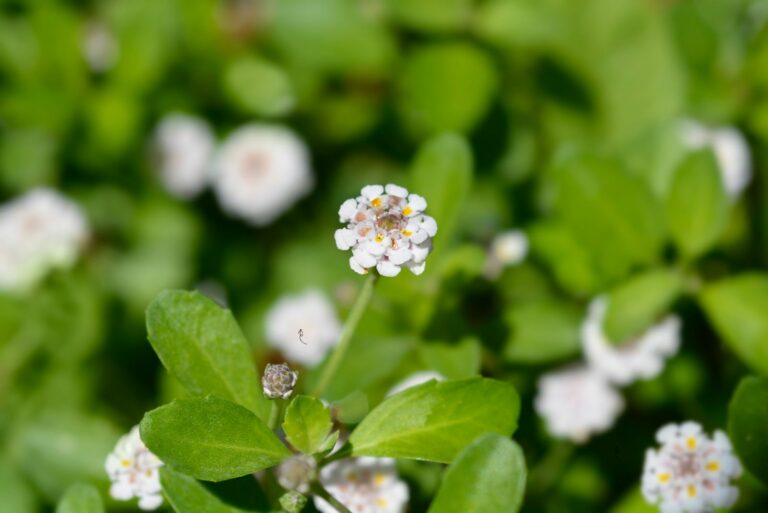
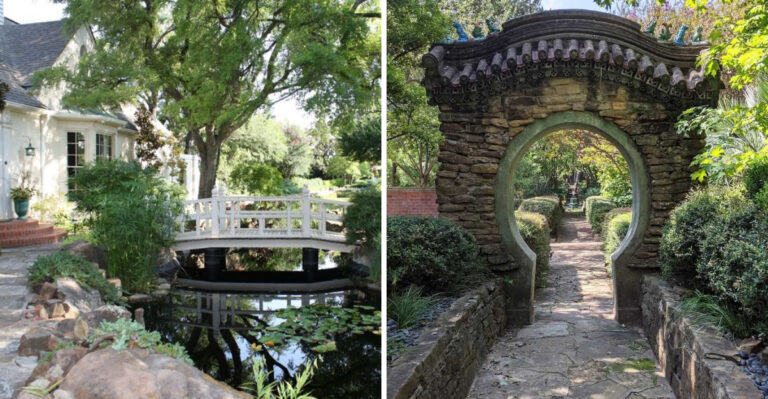
These Plants Bloom All Summer Long In Texas Heat (Even When Others Fade)
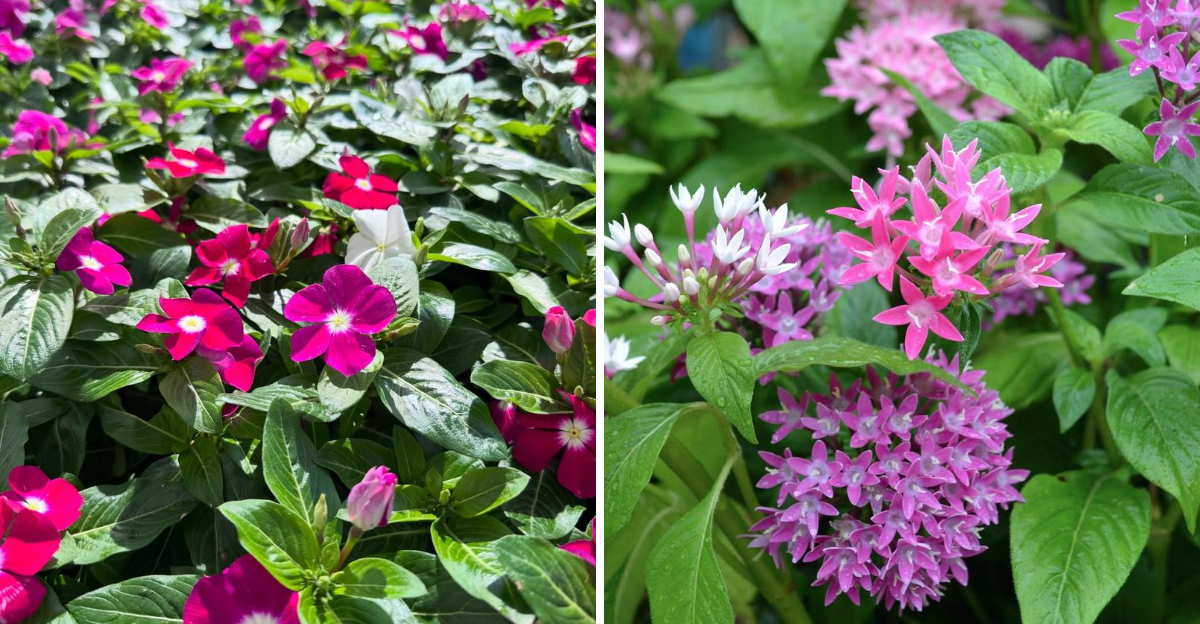
Summer in Texas is no joke. The sun beats down like it has a personal vendetta, the sidewalks could fry an egg, and most plants just… give up.
You water them, you baby them, you do everything right, and they still look like they’ve been through a drought apocalypse by July. But here’s the thing: some plants were practically made for this kind of punishment.
While your neighbors are mourning their wilted flower beds, these tough, stunning bloomers just keep going – color after color, week after week, all the way through those brutal summer months.
Whether you’re tired of replanting every few weeks or just want a yard that actually looks alive in August, you’re in the right place.
These plants don’t just survive Texas summers. They genuinely thrive in them. Get ready to completely rethink what you’re putting in your garden this year.
1. Lantana
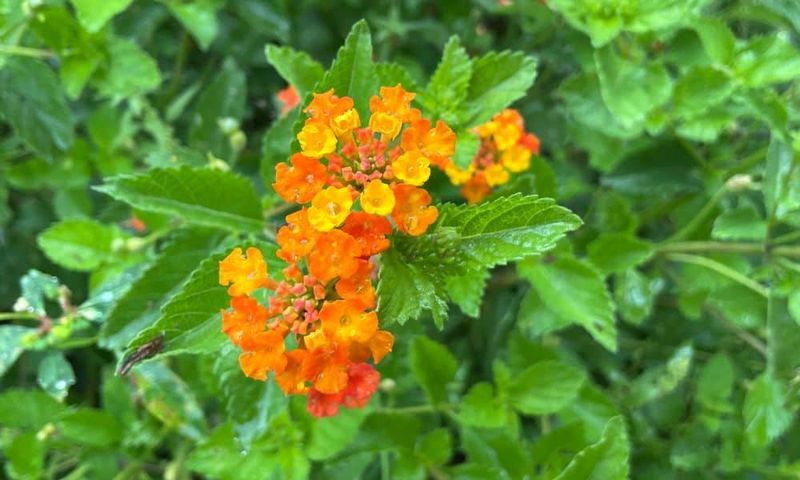
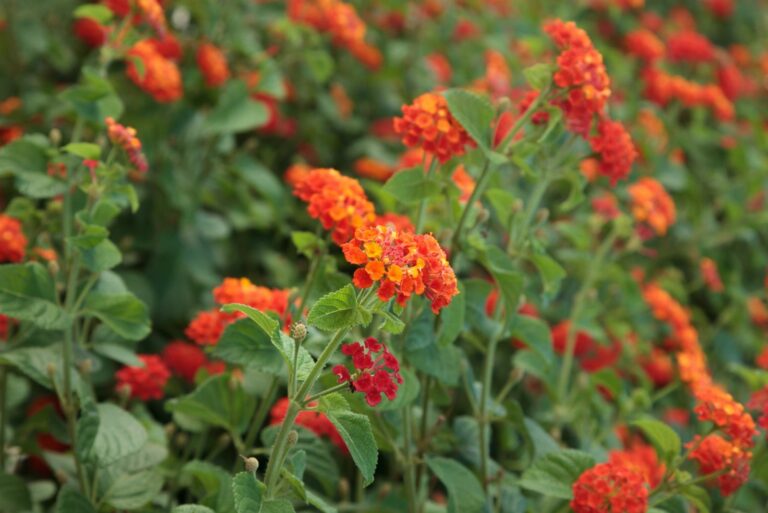
If there’s one plant that was practically made for Texas summers, it’s lantana. Walk through any neighborhood in Austin, San Antonio, or Houston in July, and you’ll spot these tough, colorful bloomers thriving in the blazing sun while everything else looks stressed.
Lantana doesn’t just survive the heat. It absolutely loves it.
The flowers grow in tight, rounded clusters and come in a stunning range of colors, including orange, yellow, red, pink, and purple. Many varieties even feature two or three colors in a single cluster, which makes them look like tiny fireworks.
Butterflies cannot resist them, so expect your yard to become a pollinator hotspot from early summer all the way through fall.
One of the best things about lantana is how little it asks for in return. Plant it in full sun, water it occasionally while it gets established, and then basically leave it alone.
It handles drought like a champ and actually blooms better when the soil stays a little dry. Overwatering is one of the few mistakes you can make with this plant.
Lantana grows well in garden beds, raised planters, and large containers. In Texas, some varieties behave like perennials and come back each spring.
Trim them back in late winter to encourage fresh, bushy growth. If you want a low-maintenance plant that delivers big color all summer long in the Texas heat, lantana should be at the top of your list.
2. Zinnias
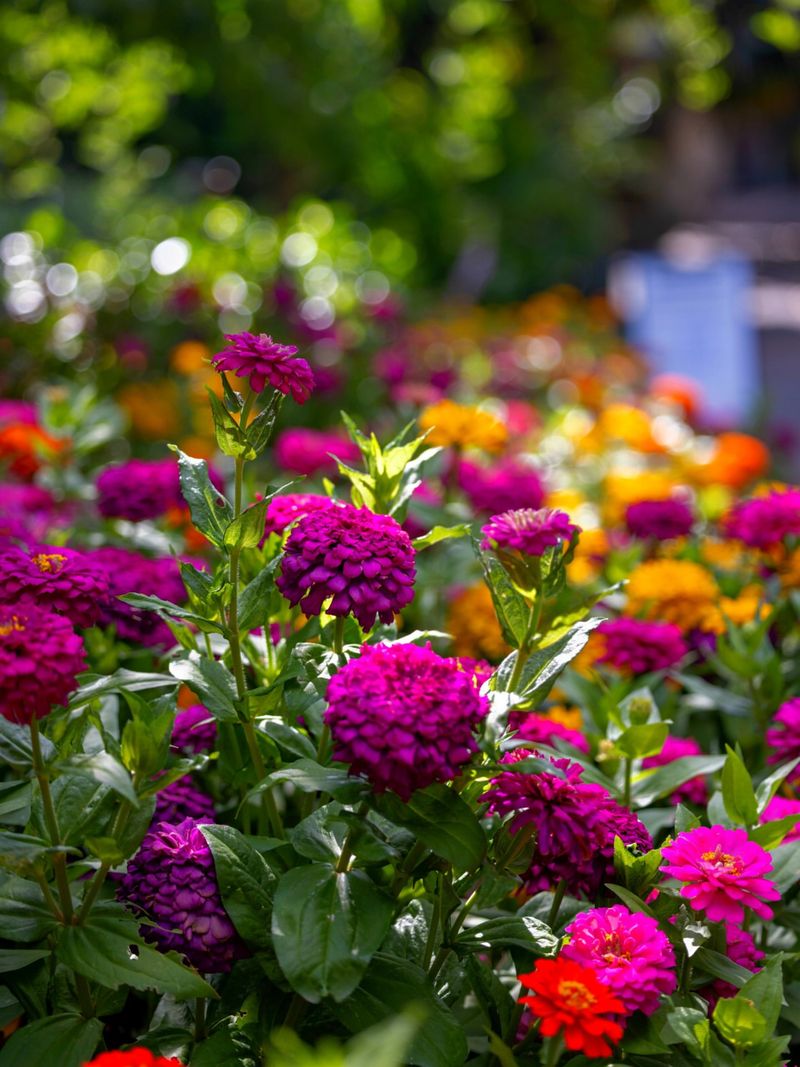
Few flowers bring as much cheerful energy to a summer garden as zinnias. They’re bold, they’re bright, and they’re surprisingly tough.
In Texas, where summer heat can wipe out even well-established plants, zinnias just keep going. They don’t slow down in July or August. If anything, they hit their stride right when other flowers start looking beaten down.
What makes zinnias especially great for Texas gardeners is how easy they are to grow from seed. You don’t need to buy expensive transplants from a nursery.
Just scatter seeds directly in the ground after the last frost, water them in, and watch them sprout within a week or two. They grow fast and start blooming in about six to eight weeks. That means you can have a full, colorful garden without spending a lot of money.
Your Texas Garden Changes Every Week. Your Plan Should Too.
Gardening in Texas changes quickly throughout the season. Every Friday you’ll receive a simple weekly plan showing exactly what to plant, prune, fertilize, harvest, and protect so you never miss the right timing.
The key to keeping zinnias blooming all summer long is deadheading. That just means pinching or cutting off the old, spent flowers once they start to fade.
When you remove the old blooms, the plant puts its energy into making new ones. Do this every week or two, and your zinnias will keep producing fresh flowers right through the end of summer in Texas.
Zinnias come in nearly every color imaginable and in sizes ranging from small and compact to tall and dramatic.
They also attract butterflies and are great for cutting and bringing indoors. Plant them in full sun with well-drained soil, and they’ll reward you all season long.
3. Portulaca (Moss Rose)
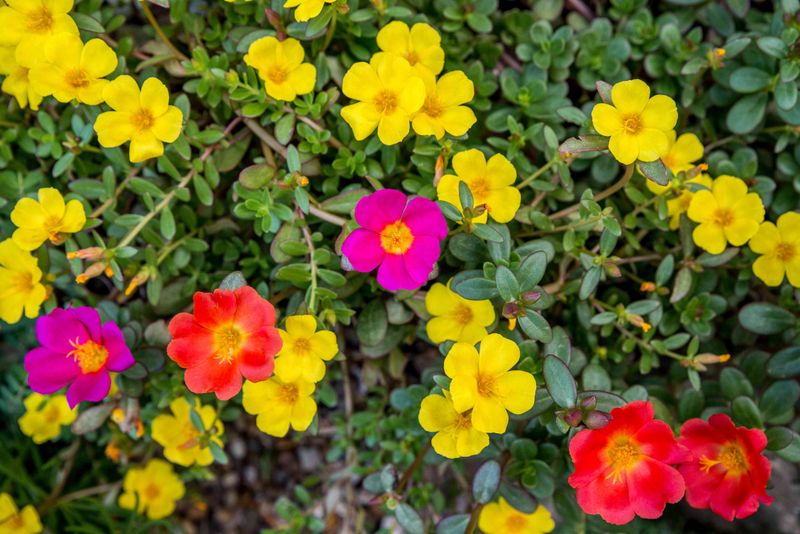
Portulaca, also known as moss rose, might be the most underrated summer plant in Texas. It looks delicate, with silky, tissue-paper-thin petals in jewel-bright colors like hot pink, orange, yellow, and red.
But don’t let that softness fool you. This little plant is as tough as they come, and it thrives in exactly the kind of conditions that send other plants into a tailspin.
Moss rose is a succulent-like annual, which means its thick, fleshy stems and leaves store water just like a cactus. It was built for hot, dry, sunny spots.
In fact, portulaca actually struggles in shady areas or overly wet soil. Give it full sun, poor or sandy soil, and minimal watering, and it will reward you with a carpet of colorful blooms from spring all the way through fall. Texas heat? No problem at all.
One fun quirk about portulaca is that the flowers open wide in bright sunlight and close up in the evening or on cloudy days. So your garden gets a daily light show.
The blooms aren’t huge, but they cover the plant so densely that the effect is breathtaking, especially when multiple colors are planted together.
Portulaca is perfect for spots where other plants struggle, like rocky slopes, sidewalk borders, or container gardens on a hot patio. It needs almost no fertilizer and very little attention once established.
For Texas gardeners looking for maximum color with minimum effort, moss rose delivers every single time.
4. Esperanza (Yellow Bells)
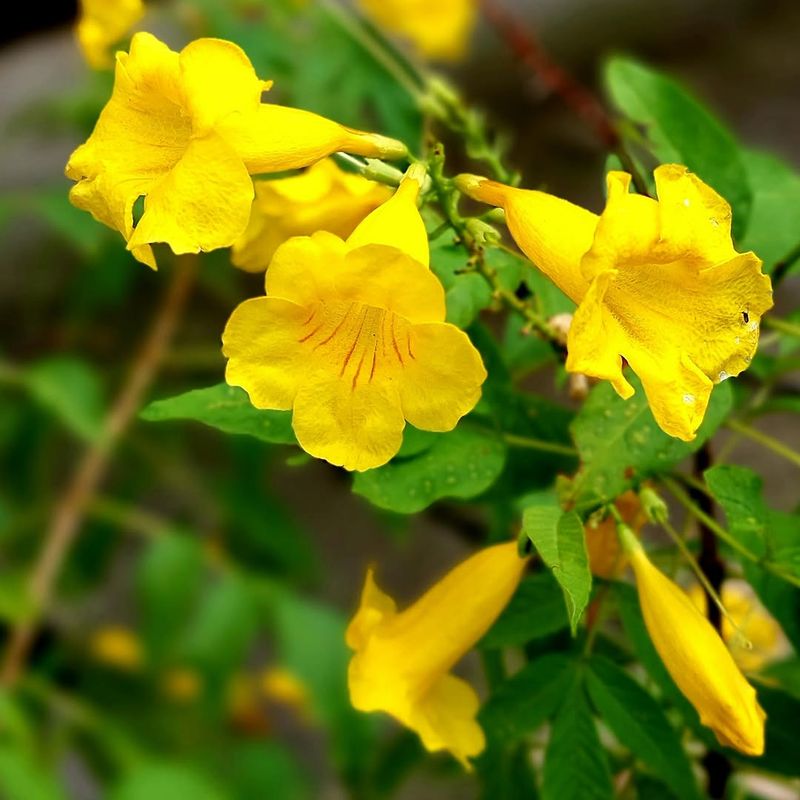
Ask any experienced Texas gardener which plant they’d never give up, and there’s a good chance Esperanza makes the list. Known by its Spanish name meaning “hope,” this stunning shrub earns that title every summer.
When the heat climbs to 105 degrees and most of the yard looks exhausted, Esperanza just keeps pushing out those gorgeous yellow trumpet-shaped flowers like it doesn’t even notice the temperature.
Esperanza, also called Yellow Bells, is a Texas superstar. It’s a native or near-native shrub that has adapted perfectly to the intense heat and occasional drought that define a Texas summer.
The flowers are big, bold, and bright yellow, and they grow in clusters at the tips of the branches. Hummingbirds and butterflies are drawn to them throughout the season.
This plant can get quite large, sometimes reaching four to six feet tall and wide, so give it some space when planting. It performs best in full sun and well-drained soil.
Once established, Esperanza needs very little supplemental watering, which is a huge bonus during those dry Texas summers when you’re trying to keep your water bill reasonable.
In most parts of Texas, Esperanza behaves like a perennial, going dormant in winter and returning strong in spring. Cut it back to about a foot from the ground in late winter to encourage bushy, vigorous growth.
It’s one of those plants that makes you look like a gardening expert with almost no effort at all.
5. Pentas
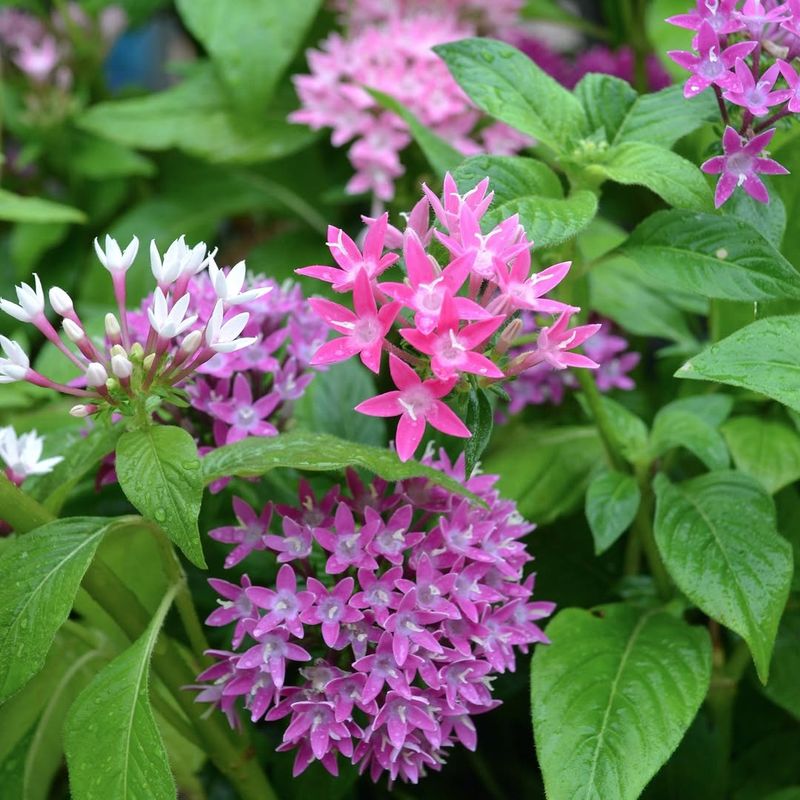
Pentas might not be the first plant that comes to mind when you’re planning a Texas summer garden, but it absolutely deserves a spot on your list. These cheerful plants produce clusters of small, star-shaped flowers in shades of red, pink, white, and lavender.
They bloom continuously from late spring through fall, and unlike a lot of summer annuals, they don’t take a break during the hottest weeks of the year.
One of the coolest things about pentas is how irresistible they are to wildlife. Butterflies flock to them, and hummingbirds make regular visits too.
If you want to turn your Texas yard into a lively outdoor space buzzing with pollinators, a few pots or beds of pentas will do the trick fast. Plant them near a window or patio where you can watch the action up close.
Pentas are tropical plants by nature, which explains why they handle Texas heat and humidity so well. They love full sun but can also manage with a bit of afternoon shade, which actually helps them in the most intense part of a Texas summer day.
Water them regularly, especially in containers, and give them a light feeding of fertilizer every few weeks to keep the blooms coming strong.
They work beautifully in garden beds, borders, and containers. Pentas grow about one to three feet tall depending on the variety, making them versatile for many different garden styles.
For continuous color and serious pollinator appeal, pentas are one of the best choices a Texas gardener can make.
6. Vincas (Periwinkle)
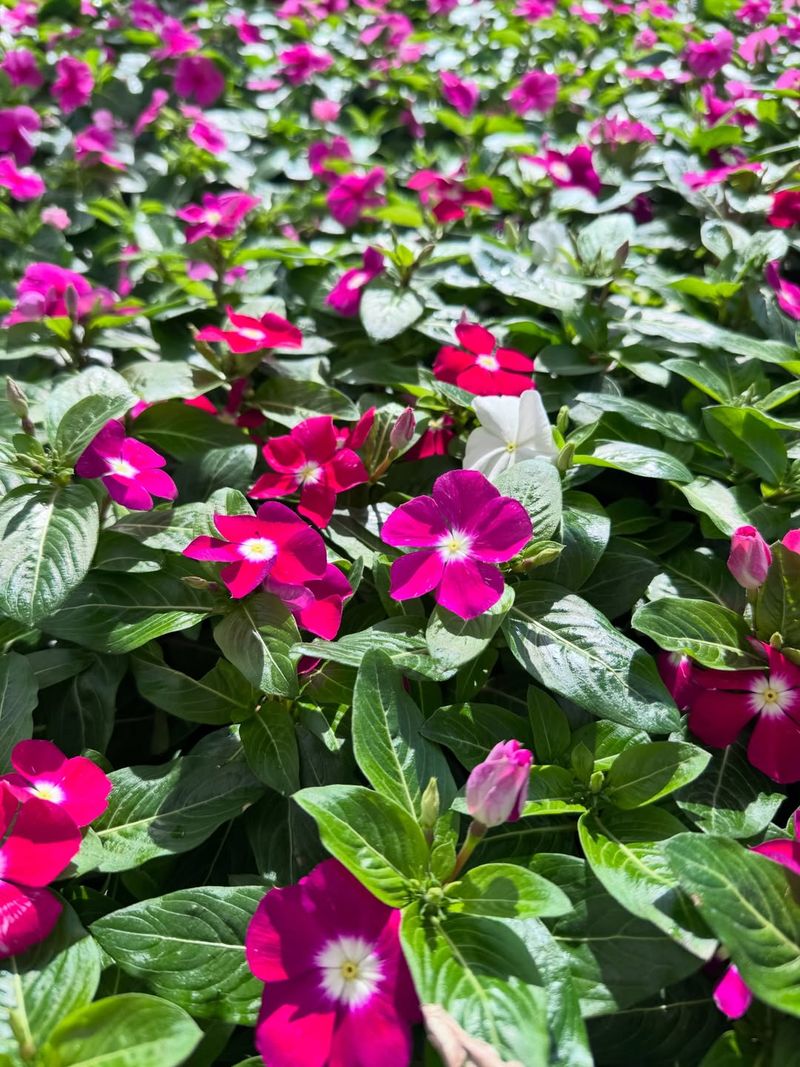
When it comes to reliable summer color in Texas, vincas are practically legendary. Drive through any neighborhood in Dallas, Houston, or San Antonio between June and September, and you’ll see them everywhere: tidy little plants covered edge to edge in cheerful blooms, sitting in the full blast of the afternoon sun without a care in the world.
Vincas, also called periwinkle, are one of the most dependable summer annuals a Texas gardener can plant.
What sets vincas apart is their ability to handle just about everything a Texas summer throws at them. Brutal heat? No problem. High humidity? They handle it fine. Stretches without rain?
They keep blooming. Most flowering annuals start to struggle when temperatures stay above 95 degrees for weeks at a time, but vincas seem almost energized by the heat. They’re the plant that makes your yard look great with very little drama involved.
Vincas come in a wide range of colors, including deep pink, coral, white, red, and lavender, often with a contrasting center eye that makes each flower pop. They grow in a neat, mounding habit and typically reach about one to two feet tall.
They’re great for garden borders, mass plantings, and containers. Plant vincas in full sun and well-drained soil. They don’t like to sit in wet conditions, so avoid overwatering.
A slow-release fertilizer at planting time will set them up for a season full of strong blooms. For Texas gardeners who want color that won’t quit, vincas are an absolute must-have every single summer.
7. Coreopsis (Tickseed)
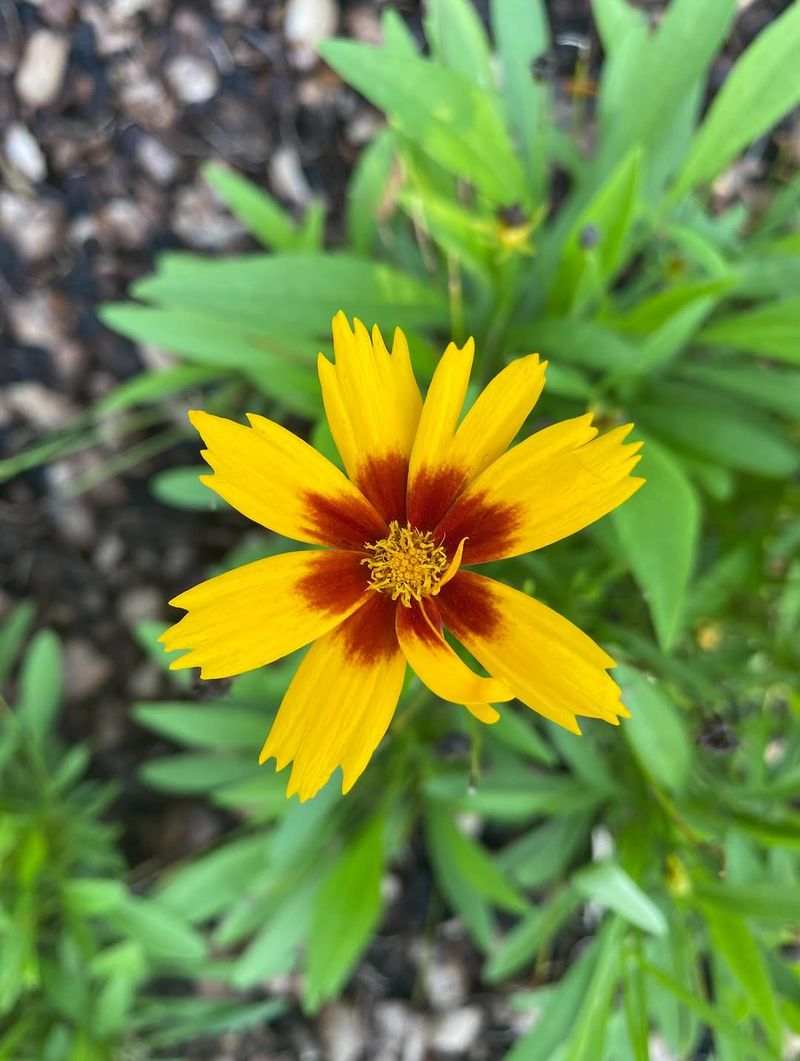
There’s something genuinely cheerful about a patch of coreopsis in full bloom. Those bright golden-yellow daisy-like flowers seem to catch the sunlight and throw it right back at you.
And in Texas, where summer can feel relentless and exhausting, having a plant that stays bright and happy from May through September is worth its weight in gold. Coreopsis, also called tickseed, does exactly that.
Many varieties of coreopsis are native to Texas and the surrounding region, which means they evolved alongside the state’s intense heat, dry spells, and unpredictable weather.
Native plants have a built-in advantage: they don’t need a lot of hand-holding once they’re established.
They know how to survive here because they’ve been doing it for thousands of years. That makes coreopsis one of the most low-maintenance summer bloomers you can choose for a Texas garden.
Coreopsis thrives in full sun and actually prefers lean, well-drained soil. Rich, heavily amended soil can cause the plants to get floppy and produce fewer flowers.
Less really is more with this plant. Water it occasionally during dry spells, but don’t fuss over it.
The more you leave it alone, the better it tends to perform throughout the long Texas summer season.
Deadheading spent flowers regularly encourages more blooms, though some varieties rebloom on their own without much help. Coreopsis also self-seeds, so you may find new plants popping up nearby each year.
It pairs beautifully with other native Texas wildflowers and works well in both formal garden beds and relaxed, naturalistic landscapes.