Top Unique Perennials You Should Plant In Texas In May
May in Texas is basically gardening’s sweet spot. The last frost is a distant memory, the soil is warm, and you’ve still got a few weeks before the full force of summer decides to show up uninvited.
It’s the perfect window to get some seriously impressive plants in the ground. Now, you could go the safe route and grab whatever’s sitting at the front of the nursery.
Or you could do something a little more interesting. There’s a whole world of perennials out there that most Texas gardeners walk right past, and that’s honestly a shame, because these plants come back year after year, handle the heat like champs, and bring something truly different to the landscape.
Skip the ordinary this season. Whether you’re starting a new bed or filling in the gaps of an existing garden, these unique perennials deserve a serious spot in your Texas yard this May.
1. Turk’s Cap
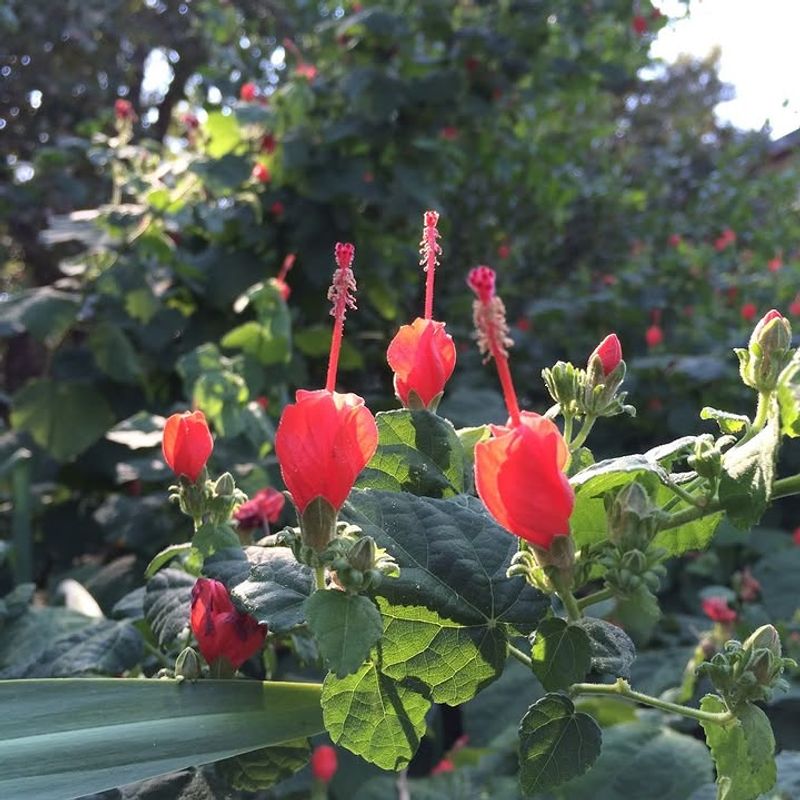
Picture a flower that never fully opens and still manages to steal the show. That is exactly what Turk’s Cap does.
Its bright red, swirled blooms look like tiny turbans sitting among lush green leaves, and hummingbirds absolutely cannot resist them. If you want a plant that practically takes care of itself in Texas, this is the one.
Turk’s Cap is a true Texas native, and it shows. It handles the brutal summer heat without flinching and actually prefers partial shade, which is rare for a flowering perennial.
Plant it along a fence line, under a tree, or in a shaded corner where other plants struggle. It will thrive where others give up.
May is a fantastic time to get Turk’s Cap in the ground across Texas. The warm soil helps it establish quickly, and you will start seeing those iconic red blooms by midsummer.
Butterflies and bees join the hummingbirds at the flowers, making your garden a buzzing, fluttering paradise.
One fun fact most gardeners do not know: the small red fruits that follow the blooms are actually edible and taste a little like watermelon. Birds love them too, so you will have wildlife visiting your yard all season long.
Turk’s Cap can grow three to nine feet tall depending on conditions, so give it some room. It is low-maintenance, drought-tolerant once established, and an absolute showstopper in any Texas landscape.
2. Flame Acanthus
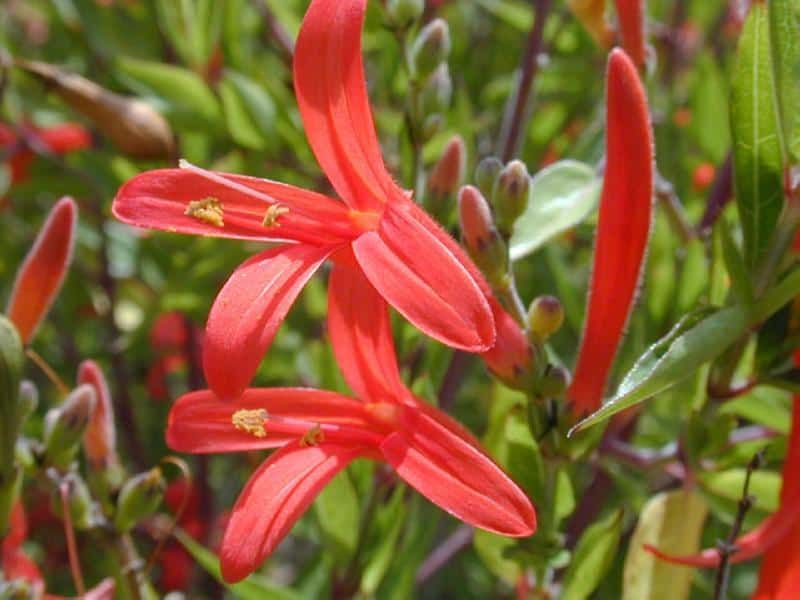
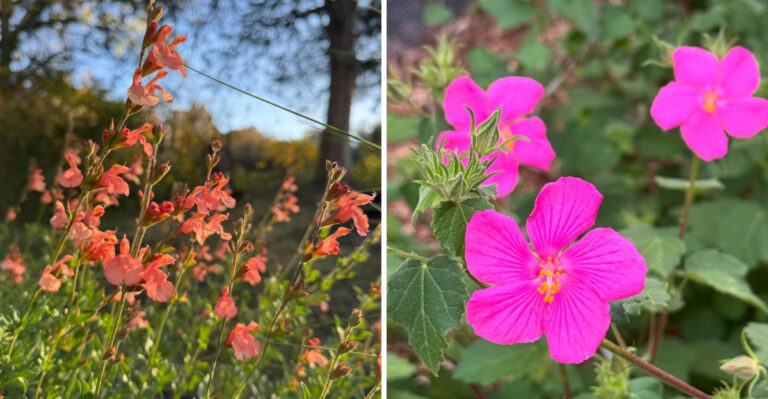
When summer heat is at its worst and most plants are struggling, Flame Acanthus is just getting started. This tough native perennial shrub earns its name with fiery orange-red blooms that look like little flames dancing on the branches.
It is one of the most reliable performers you can add to a Texas garden, and pollinators go absolutely wild for it.
Flame Acanthus is seriously drought-tolerant once it gets established. It thrives in poor soils, full sun, and the kind of relentless Texas heat that sends other plants into survival mode.
Planting it in May gives it the whole spring to root in before summer arrives in full force. You will not need to fuss over it much at all.
Your Texas Garden Changes Every Week. Your Plan Should Too.
Gardening in Texas changes quickly throughout the season. Every Friday you’ll receive a simple weekly plan showing exactly what to plant, prune, fertilize, harvest, and protect so you never miss the right timing.
Hummingbirds are especially drawn to those long, tubular blooms, and butterflies are not far behind. If you want a garden that feels alive with movement and color from summer through fall, Flame Acanthus delivers every single time.
It typically grows three to five feet tall and wide, making it a great mid-border plant or natural screen.
Here is something worth knowing: Flame Acanthus dies back to the ground in winter but bounces back strong each spring. That makes it a true perennial powerhouse for Texas landscapes.
Cut it back in late winter to encourage fresh, full growth. It is tough, beautiful, and completely at home in the Texas heat. Gardeners who plant it once rarely go without it again.
3. Blackfoot Daisy
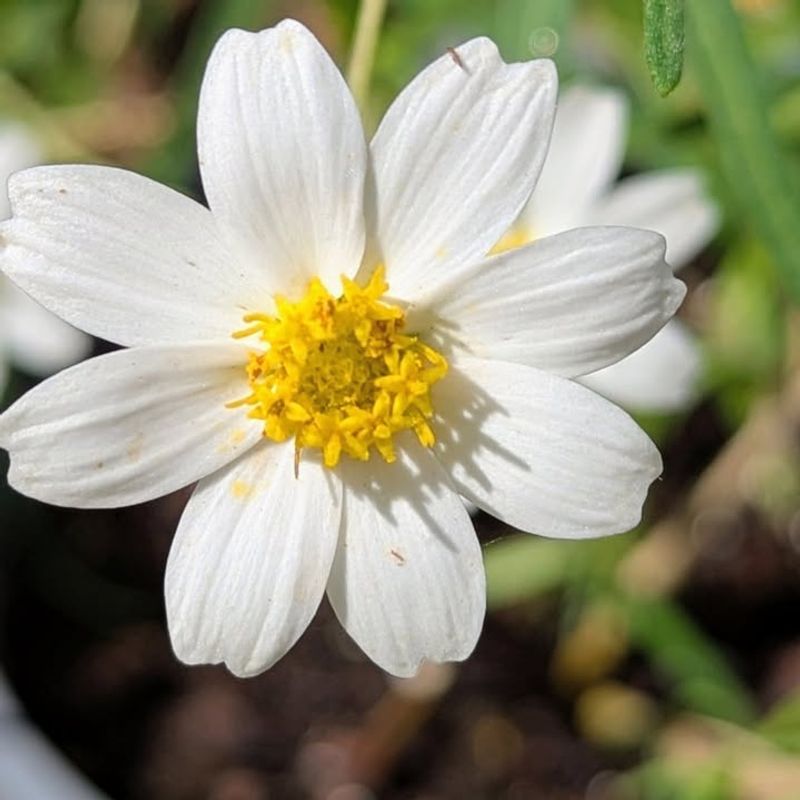
Small but mighty, the Blackfoot Daisy is one of those plants that makes you stop and smile every single time you walk past it.
Covered in cheerful white flowers with sunny yellow centers, this low-growing native blooms almost nonstop through the hottest months of the year. In Texas, where summer can feel endless, that kind of staying power is pure gold.
What makes Blackfoot Daisy so special is how little it asks for in return. It loves rocky, well-drained soil and full sun, and it actually performs better when you do not water it too much.
Overwatering is the fastest way to stress this plant out. Plant it in May in a spot with excellent drainage, and it will reward you all season long with almost no effort on your part.
The flowers attract bees and butterflies, making it a great addition to any pollinator garden in Texas. It typically stays under twelve inches tall, which makes it perfect for borders, rock gardens, or the edges of pathways.
Pair it with taller plants like Flame Acanthus or Autumn Sage for a layered look that feels natural and relaxed.
Did you know the name comes from the small black bracts at the base of each flower? They are tiny but easy to spot once you know what to look for.
Blackfoot Daisy is native to Texas and the Southwest, so it is perfectly adapted to local conditions. Once established, it is remarkably self-sufficient and endlessly charming in any Texas landscape.
4. Autumn Sage
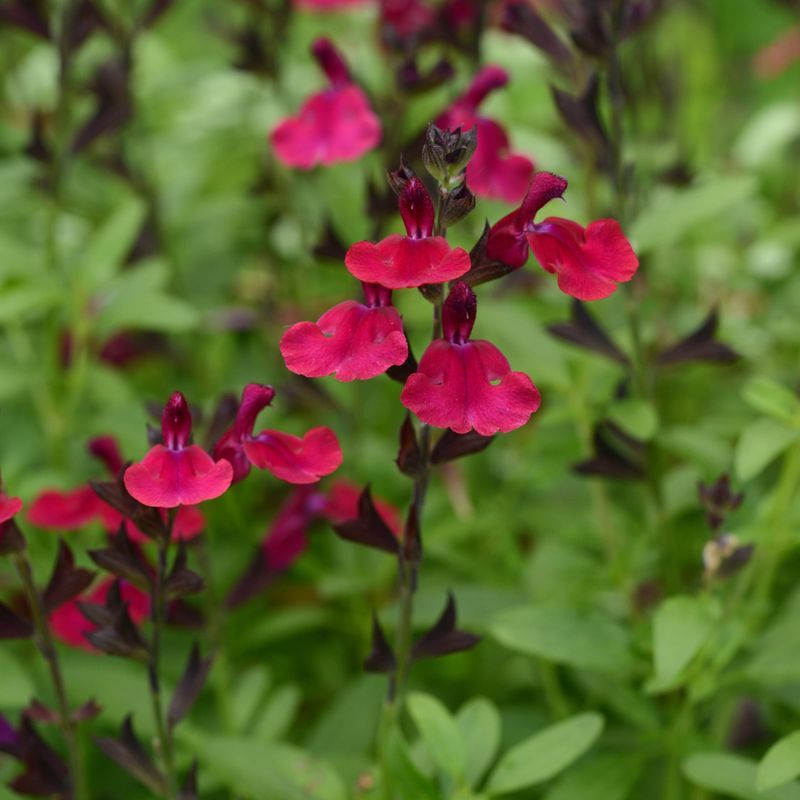
Ask any experienced Texas gardener which perennial they would never go without, and Autumn Sage is almost always near the top of the list.
This beloved native salvia blooms from spring all the way through fall, which is an impressive feat in a state where summer heat can shut most plants down. It comes in red, pink, coral, and white, so there is a color for every garden style.
Autumn Sage is built for Texas conditions. It loves full sun, handles dry soil like a champion, and shrugs off the kind of heat that would stress most plants.
Planting it in May means it will have time to settle in and start blooming before the peak of summer. Once established, it needs very little supplemental watering, making it a perfect choice for water-conscious gardeners.
Hummingbirds are obsessed with the tubular flowers, and butterflies and bees show up regularly too. It typically grows two to three feet tall and wide, making it a versatile mid-border plant.
Trim it back lightly after each flush of blooms to encourage the next wave of flowers and keep the plant looking tidy and full.
One thing that surprises new gardeners is how tough this plant really is. It handles poor soil, reflected heat from walls and pavement, and even light frost.
Across Texas, from the Hill Country to the Panhandle, Autumn Sage proves itself year after year as one of the most dependable flowering perennials available. Plant one and you will likely plant more very soon.
5. Rock Rose
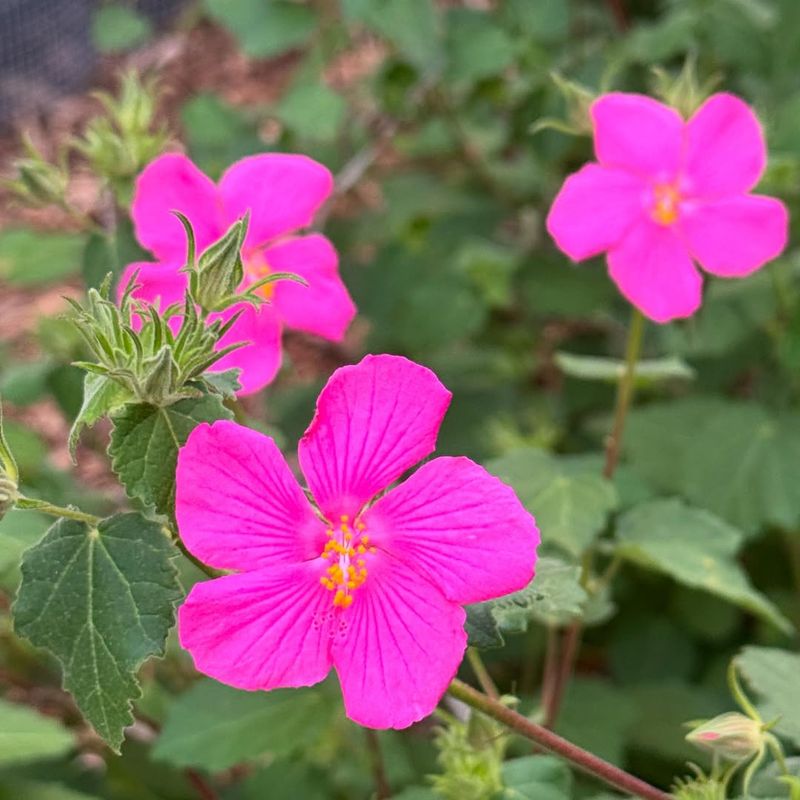
Rocky soil, blazing sun, and almost no water? Rock Rose does not just survive those conditions, it thrives in them.
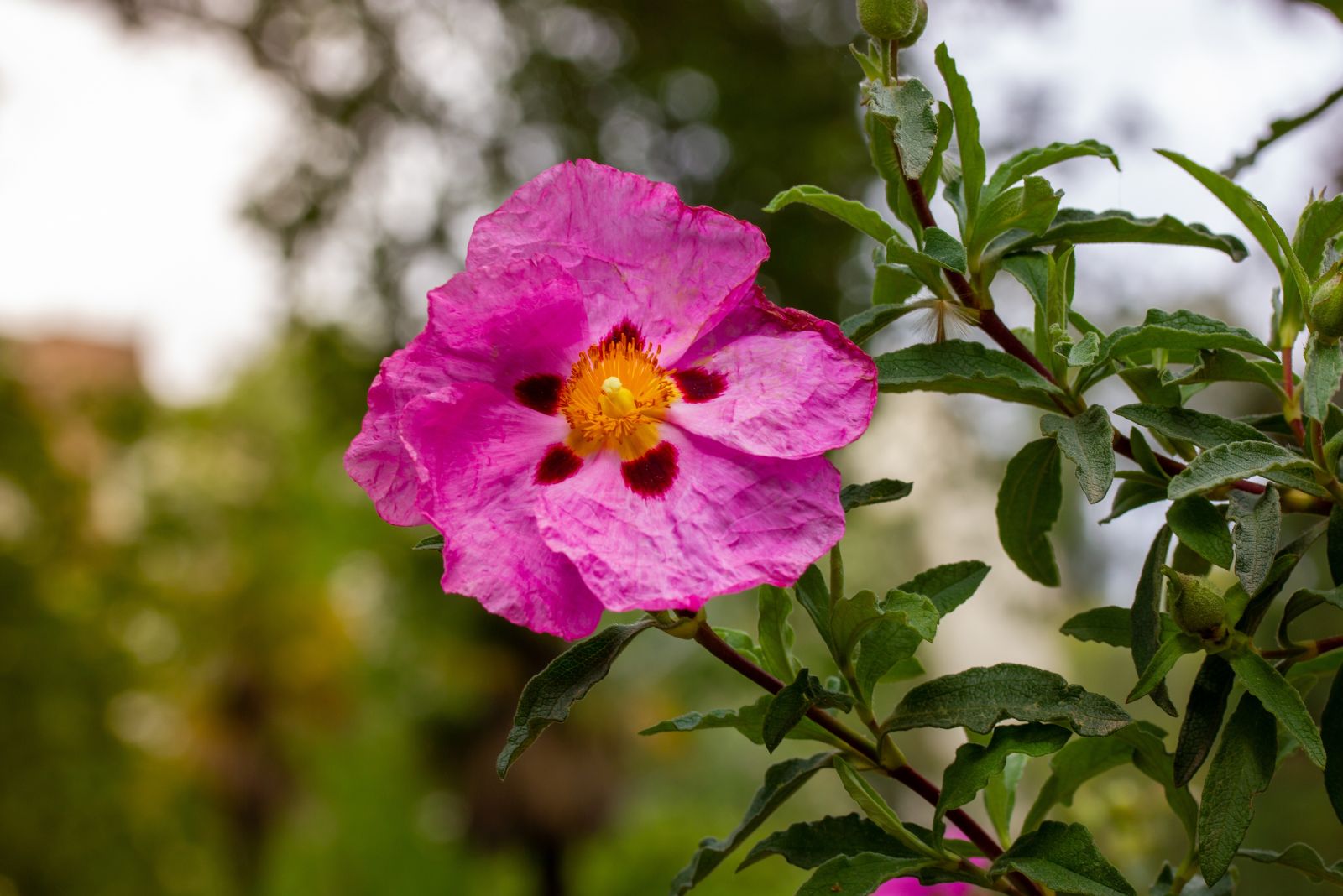
This charming Texas native produces soft pink, hibiscus-like flowers from summer through fall, and it does it all with very little help from the gardener. If low-maintenance beauty is what you are after, Rock Rose belongs in your Texas garden.
The flowers are delicate-looking but the plant itself is incredibly tough. Rock Rose handles poor, rocky soil that would exhaust most flowering plants.
It grows naturally in the limestone hills of central Texas, so it is perfectly adapted to the kind of challenging conditions that many Texas gardeners deal with. Planting it in May gives it the warm soil it needs to establish a strong root system before summer.
Butterflies love the blooms, and the soft pink color pairs beautifully with the orange-red tones of Flame Acanthus or the white of Blackfoot Daisy.
Rock Rose typically grows three to five feet tall and can spread just as wide, so give it a little room to stretch out. It works wonderfully as a natural hedge or a loose, informal border plant.
Here is a fun detail: Rock Rose is semi-evergreen in mild Texas winters, meaning it holds onto some of its foliage even when temperatures drop. It may freeze back in colder parts of the state but rebounds quickly in spring.
Gardeners in central and south Texas enjoy it nearly year-round. For anyone building a water-smart, wildlife-friendly landscape in Texas, Rock Rose is a must-have addition.
6. Mexican Oregano
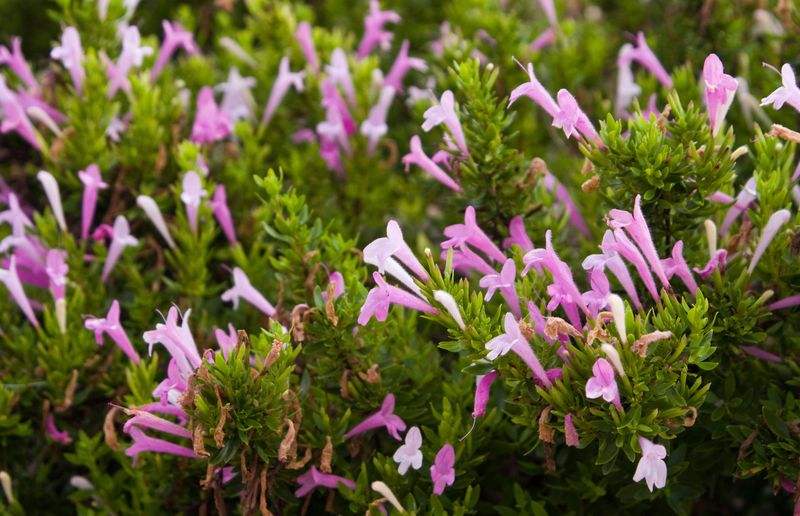
Not many plants can claim to be both beautiful and useful in the kitchen, but Mexican Oregano pulls it off with style. This underrated Texas-adapted perennial produces lovely purple tubular flowers that attract hummingbirds and butterflies all summer long.
At the same time, its aromatic leaves can be used fresh or dried as a culinary herb with a bold, slightly citrusy flavor.
Mexican Oregano is built for hot, dry conditions, which makes it a natural fit for Texas gardens. It loves full sun and well-drained soil, and once established, it rarely needs supplemental watering.
Planting it in May lets it get rooted in while conditions are still manageable before the full intensity of a Texas summer arrives. It is a great herb garden addition that doubles as an ornamental shrub.
The plant typically grows three to five feet tall with a soft, airy shape that looks elegant in borders or mixed beds. The purple flowers show up in waves from late spring through fall, keeping the garden colorful for months.
Bees are especially fond of the blooms, so expect plenty of pollinator activity around this plant all season.
Worth mentioning: Mexican Oregano is not the same as the common Mediterranean oregano you find in most grocery stores. The flavor is more intense and complex, with hints of oregano, mint, and citrus all at once.
It is used heavily in authentic Mexican and Tex-Mex cooking. Growing it in your Texas garden means you always have fresh, flavorful herbs just a few steps from your kitchen door. Truly a two-for-one plant.
7. Gaura
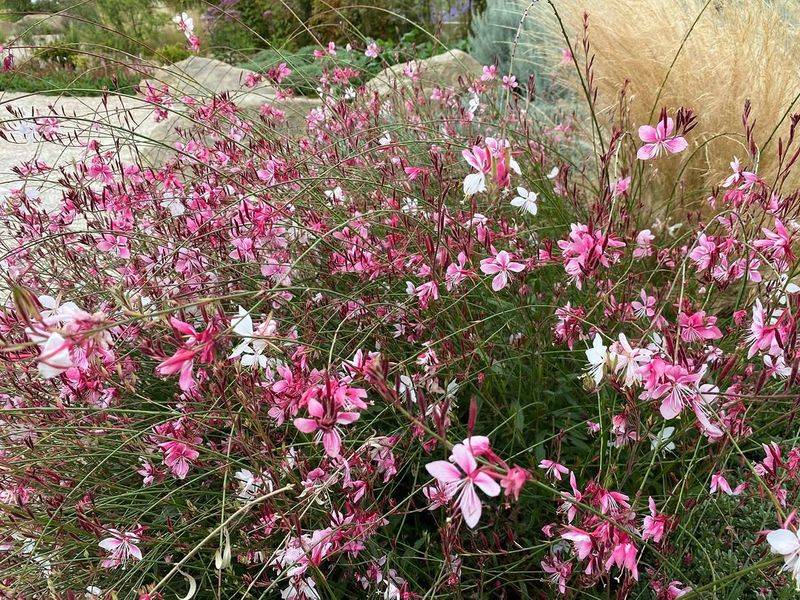
There is something almost magical about watching Gaura move in the breeze. Its tall, slender stems carry delicate white and pink flowers that flutter like tiny butterflies above the foliage, giving the whole plant a light, dancing quality that most garden plants simply cannot match.
In Texas, where heat and wind are constants, Gaura leans into those conditions and looks stunning doing it.
Gaura is native to Texas and Louisiana, so it is completely at home in the Texas climate. It is extremely drought-tolerant, thrives in full sun, and asks for very little once it gets established.
Planting it in May allows it to develop a deep root system that will carry it through even the driest Texas summers. It is the kind of plant that makes gardening feel easy and rewarding.
In the garden, Gaura works beautifully as a filler plant or a soft backdrop for bolder bloomers like Autumn Sage or Flame Acanthus. It grows two to four feet tall and has a loose, airy habit that adds movement and texture to any planting bed.
Bees and butterflies visit the flowers regularly, making it a solid choice for pollinator gardens across Texas.
A little-known fact about Gaura: it was reclassified from the genus Gaura to Oenothera, meaning it is technically related to evening primrose. The name Gaura still sticks in the gardening world though, and for good reason.
It is a beloved Texas classic that earns its place in the garden every single year. Plant it once and you will find yourself making room for more of it every spring.