Native Ohio Perennials That Outperform Daylilies Long-Term
Daylilies have been a familiar sight in Ohio yards for a long time, and honestly, they do make life easy. They bring bright color, handle a bit of neglect, and settle in fast.
That is a big reason so many gardeners have leaned on them year after year. Still, plenty of Ohio landscapes are starting to shift a little.
Gardeners want more buzz, more movement, more seasonal change, and plants that feel like they truly belong in the local setting. That is where native perennials start to get exciting.
Some of Ohio’s homegrown flowers bring vivid color, interesting texture, and a steady parade of pollinator activity that daylilies just cannot match in the same way.
They can also give a garden more personality, which is half the fun, right?
If your flower beds are feeling a little too familiar, this is a great time to look at native Ohio perennials with fresh eyes.
1. Purple Coneflower Offers Reliable Summer Color
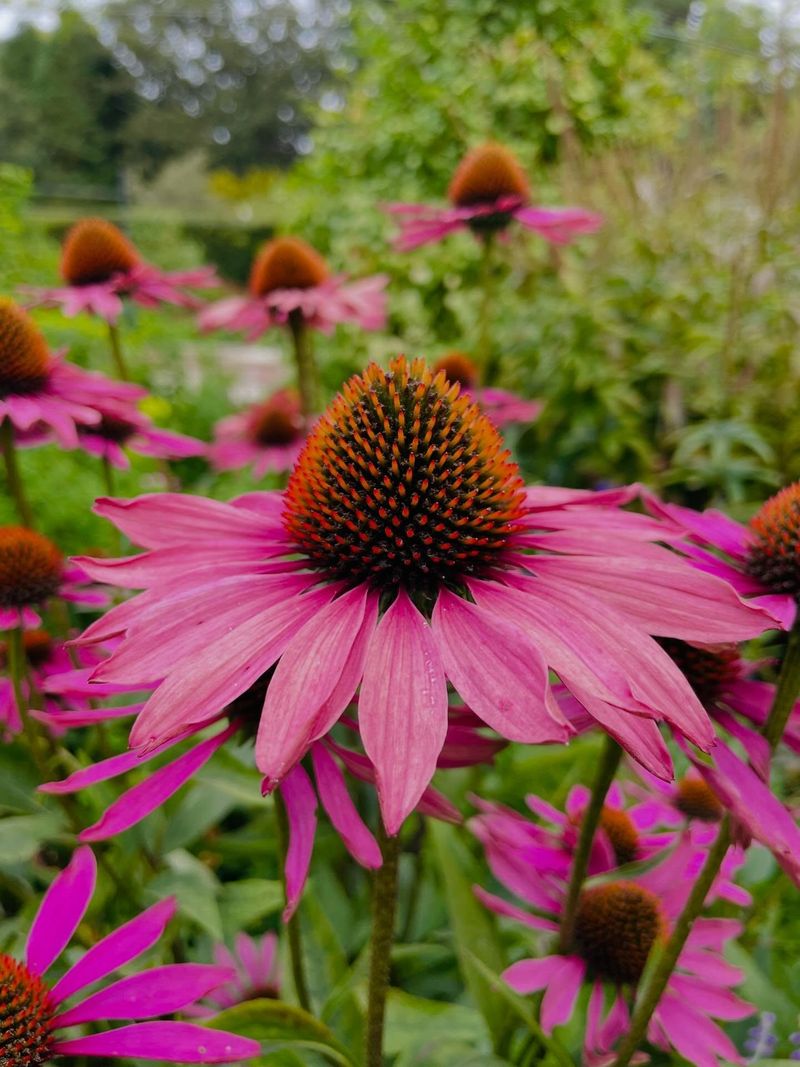
Few plants in an Ohio summer garden attract as much attention from both people and pollinators as purple coneflower.
Its bold, daisy-like blooms in shades of rosy pink and purple rise above sturdy stems from mid-summer well into early fall, giving Ohio gardeners a long window of reliable color.
Unlike daylilies, which bloom briefly and then fade into a sea of strappy foliage, purple coneflower keeps the garden lively for weeks.
Bees, butterflies, and even goldfinches visit coneflowers regularly, making them one of the most ecologically productive plants you can add to an Ohio bed.
The seed heads that remain after bloom provide food for birds well into winter, which is a benefit daylilies simply cannot match.
This extended seasonal value makes coneflower a genuinely smart long-term investment.
In terms of care, purple coneflower is well suited to Ohio’s variable climate. It handles dry spells reasonably well once established and thrives in full sun with average, well-drained soil.
It spreads gradually by seed, filling in gaps naturally over time. For mixed borders, pollinator gardens, or sunny foundation beds, purple coneflower is one of the most dependable native choices available to Ohio gardeners.
2. Foxglove Beardtongue Brightens Late Spring
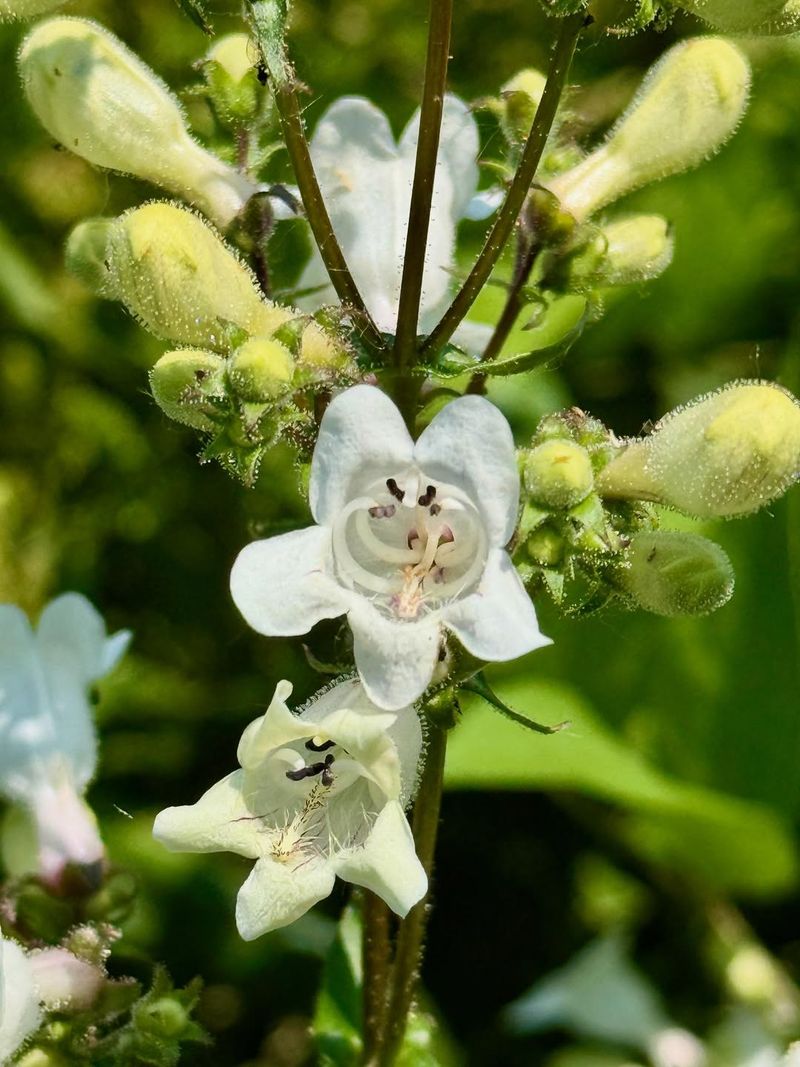
Late spring in Ohio can feel like a gap in the garden calendar, especially after early bulbs fade and before summer perennials take over.
Foxglove beardtongue steps right into that window with elegant spires of tubular, white to pale lavender flowers that bloom in May and June.
It fills a seasonal role that daylilies cannot, since daylilies typically do not bloom until summer is well underway.
Native bees, especially bumblebees, are strongly drawn to beardtongue’s flowers.
The tubular blooms are well shaped for native bee foraging, and the plant supports early-season pollinators at a time when fewer flowering plants are available in Ohio landscapes.
That kind of ecological timing is genuinely valuable for anyone trying to support a healthy pollinator community.
Foxglove beardtongue grows well in full to partial sun and adapts to a range of well-drained soil types common across Ohio. It forms attractive clumps with semi-evergreen basal foliage that adds structure even when the plant is not in bloom.
Your Ohio Garden Changes Every Week. Your Plan Should Too.
Gardening in Ohio changes quickly throughout the season. Every Friday you’ll receive a simple weekly plan showing exactly what to plant, prune, fertilize, harvest, and protect so you never miss the right timing.
The upright form works beautifully in mixed borders, cottage-style beds, and naturalized areas near woodland edges.
For Ohio gardeners who want native color in late spring, this plant is a strong and underused option worth exploring.
3. Butterfly Weed Brings Bold Orange Blooms
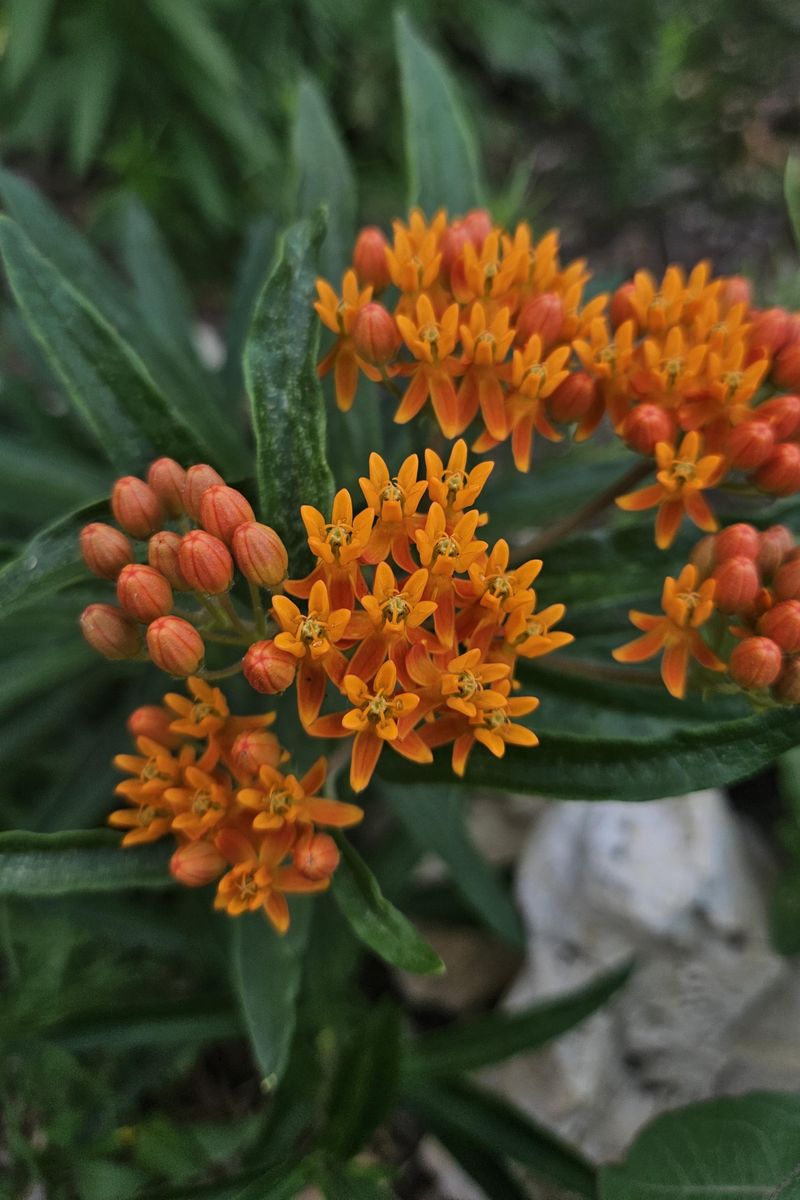
Bright orange is not a color that shows up often in native plantings, which makes butterfly weed stand out in a way that few other Ohio natives can match.
This milkweed relative produces dense, flat-topped clusters of flame-orange flowers from early to mid-summer, creating a striking focal point in any sunny bed.
The color pops even from a distance, and the blooms last several weeks before giving way to attractive seed pods.
Butterfly weed is one of the most important plants you can grow for monarch butterflies in Ohio. It serves as a host plant for monarch caterpillars and a nectar source for many other pollinators.
Daylilies offer little to no meaningful support for specialized pollinators, while butterfly weed actively contributes to monarch conservation efforts right in your own yard.
One thing to keep in mind is that butterfly weed emerges late in spring, so patience is needed early in the season. Once established, though, it is remarkably drought-tolerant and long-lived.
It prefers well-drained to dry soil and full sun, making it an excellent choice for slopes, rock gardens, or sunny borders where other plants might struggle.
Over many years, a well-placed clump of butterfly weed becomes a reliable and eye-catching garden anchor.
4. Wild Bergamot Adds Fragrance And Charm
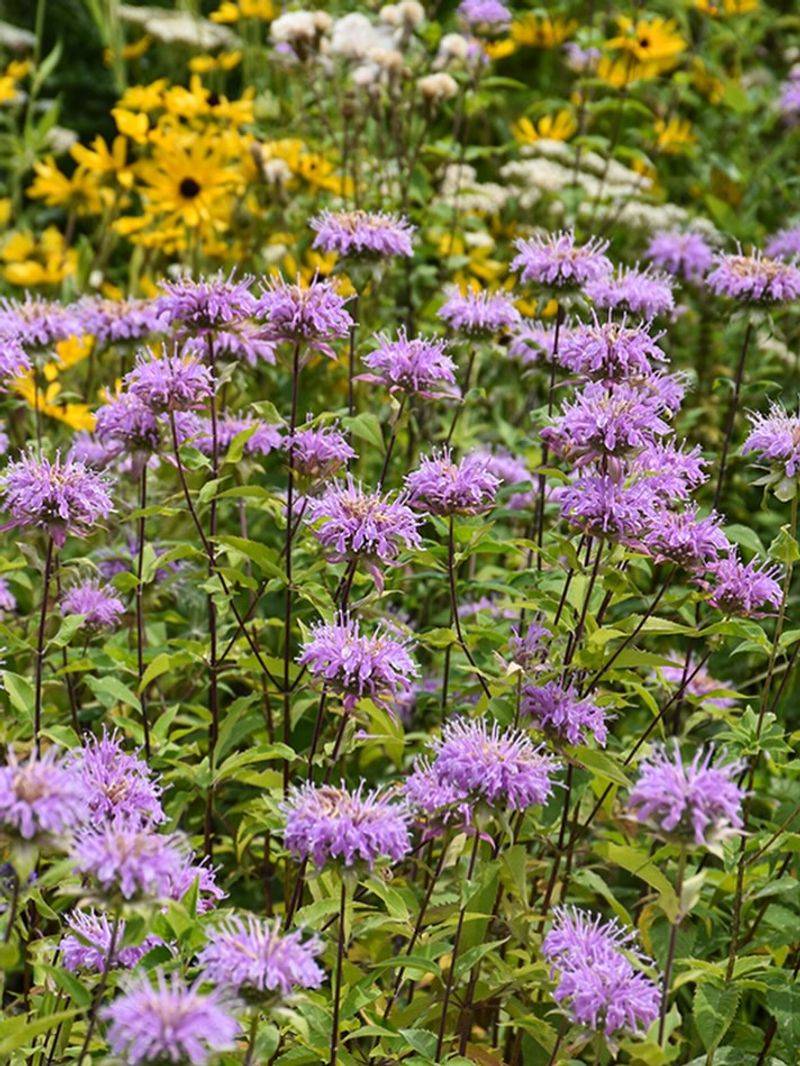
Walking past a patch of wild bergamot in mid-summer, you notice the fragrance before you even see the flowers.
This native member of the mint family releases a pleasant, oregano-like scent from its leaves and blooms, adding a sensory layer to Ohio gardens that daylilies simply do not offer.
The shaggy, lavender-purple flower heads appear from July into August and attract a remarkable variety of pollinators.
Bumblebees, hummingbird moths, skippers, and many native bee species visit wild bergamot regularly. It is one of the most pollinator-rich plants available to Ohio gardeners, and it earns its place in any garden designed with habitat in mind.
The blooms also have a loose, natural texture that pairs well with ornamental grasses, coneflowers, and other prairie-style companions.
Wild bergamot grows in full to partial sun and tolerates a range of well-drained soil conditions found throughout Ohio, including leaner soils where it tends to stay more compact and upright.
It spreads gradually by rhizomes, slowly filling in areas over time without becoming aggressive in most garden settings.
Cutting it back by about one-third in late spring can help keep the plant tidy and encourage bushier growth. For Ohio gardeners who want fragrance, color, and wildlife value in one plant, wild bergamot delivers on all three fronts.
5. Narrow-Leaved Mountain Mint Energizes Sunny Beds
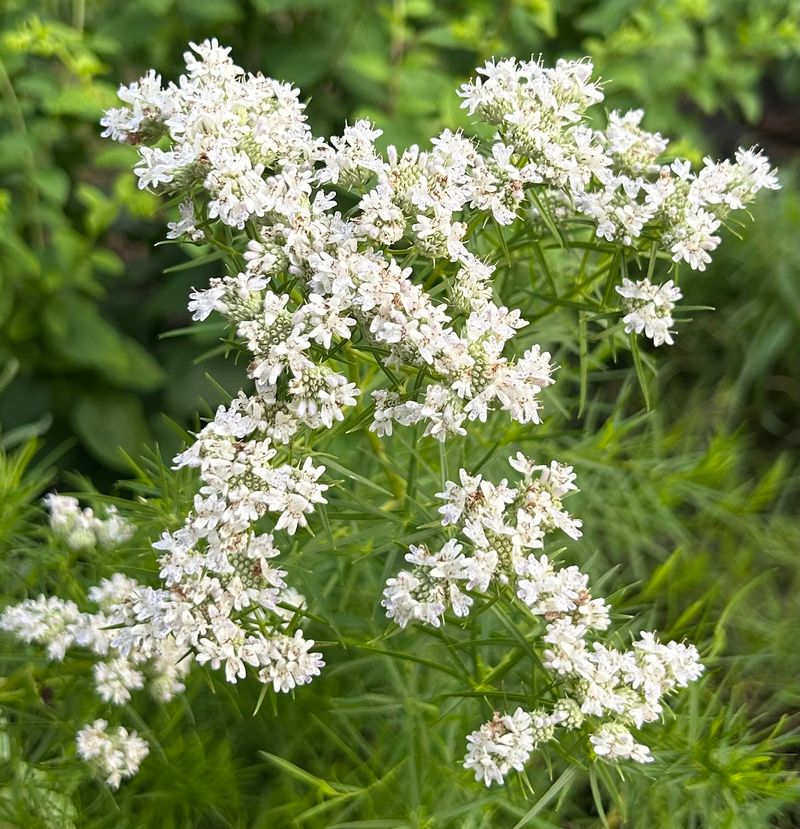
Some plants earn their keep not through showy blooms alone but through sheer ecological activity, and narrow-leaved mountain mint is one of the best examples in Ohio horticulture.
From midsummer into early fall, its small clusters of white flowers are almost constantly covered with an impressive variety of native bees, wasps, beetles, and butterflies.
Few other Ohio natives attract such a wide range of beneficial insects to a single planting.
The foliage has a strong, clean minty scent that many gardeners find pleasant. The silvery-green leaves and airy flower clusters give the plant a refined, textural quality that works well in mixed borders and pollinator gardens.
It holds its form reasonably well through the season, staying attractive even as surrounding plants begin to wind down in late summer.
Narrow-leaved mountain mint adapts well to Ohio’s range of sunny garden conditions. It prefers well-drained soil and full sun but can handle some light shade without losing too much vigor.
It spreads by rhizomes and can fill in an area over several years, which makes it useful as a mid-border filler or edging plant in larger beds.
For Ohio gardeners who want to maximize pollinator traffic in a relatively compact planting, this native mint is genuinely hard to beat.
6. New England Aster Shines Late In The Season
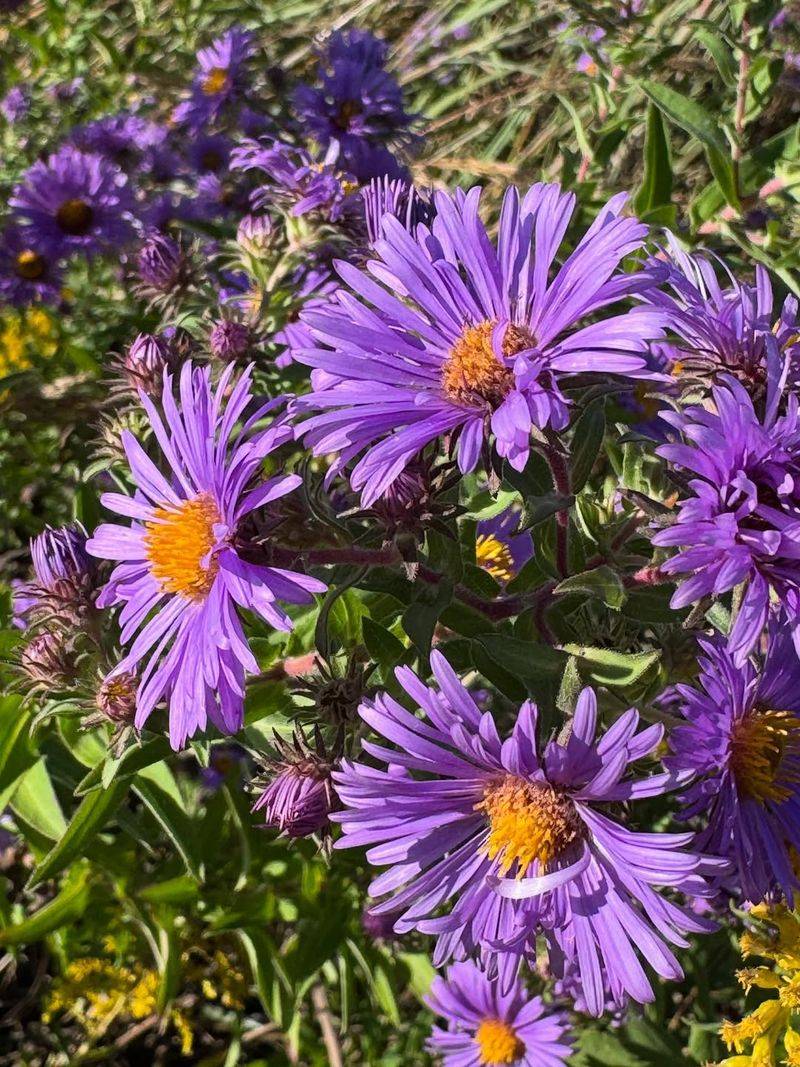
By the time October rolls around in Ohio, most summer perennials have finished their show and the garden can feel a bit tired.
New England aster changes that entirely, bursting into bloom with masses of rich purple, pink, or violet flowers right when the rest of the landscape is winding down.
Few plants bring as much visual impact to a late-season Ohio garden, and the timing alone sets it apart from daylilies, which are long past blooming by then.
The ecological value of New England aster in fall is hard to overstate.
It provides critical late-season nectar for migrating monarchs, native bees preparing for winter, and many other pollinators that are still active in Ohio’s autumn weeks.
Planting it is one of the most meaningful things a homeowner can do for fall pollinator support.
New England aster grows best in full to partial sun and tolerates a fairly wide range of soil moisture levels, from average to slightly moist conditions.
It can get tall, sometimes reaching four to six feet, so pinching the stems back in early summer helps encourage a bushier, more compact habit.
Over time, established clumps grow into impressive, flowering masses that anchor the back of a border beautifully through Ohio’s colorful fall season.
7. Gray-Headed Coneflower Adds Warm Golden Color
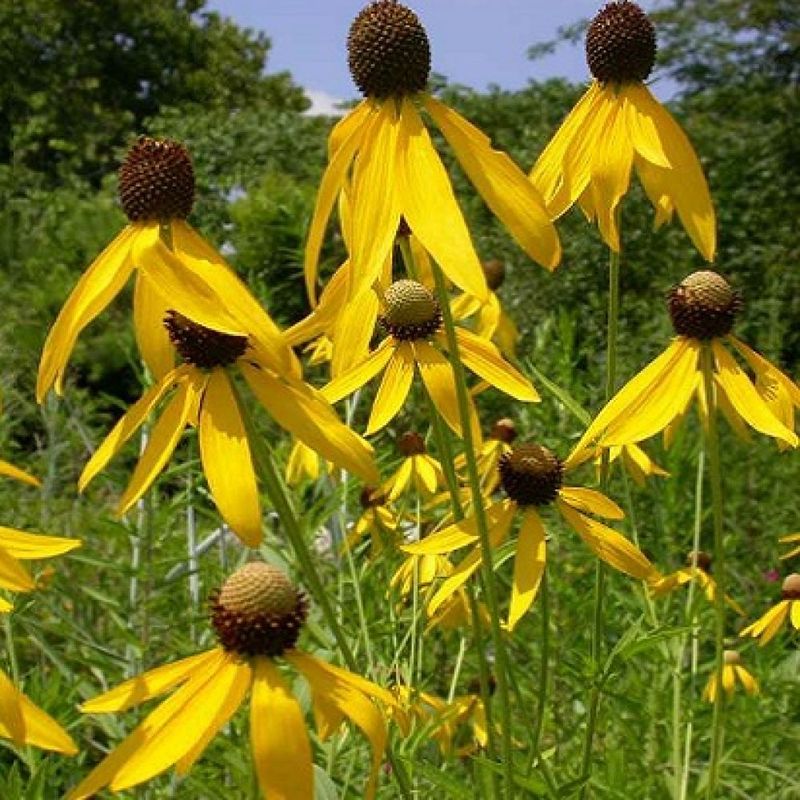
There is something cheerful and relaxed about gray-headed coneflower that suits Ohio’s late-summer mood perfectly.
The bright yellow petals droop gracefully downward from a prominent grayish-brown central cone, creating a look that is both bold and pleasantly casual.
Blooming from July into September, this native coneflower extends the season of warm golden color well beyond what most summer perennials can offer.
Gray-headed coneflower is particularly well suited to Ohio’s sunny, open garden spaces. It thrives in average to poor, well-drained soil and handles summer heat and dry spells with ease once established.
This toughness makes it a reliable performer in spots where more demanding plants might struggle, including roadside-style plantings, sunny slopes, and low-maintenance borders.
Pollinators visit the flowers regularly, and the seed heads that form after bloom provide food for birds in fall and winter.
The plant also has a slightly coarse, prairie-style texture that pairs well with other Ohio natives like purple coneflower, wild bergamot, and native grasses.
Over several years, gray-headed coneflower can spread by seed to form naturalistic drifts that give a garden a sense of depth and movement.
For Ohio gardeners seeking warm late-summer color with minimal upkeep, this native is a genuinely rewarding long-term choice.
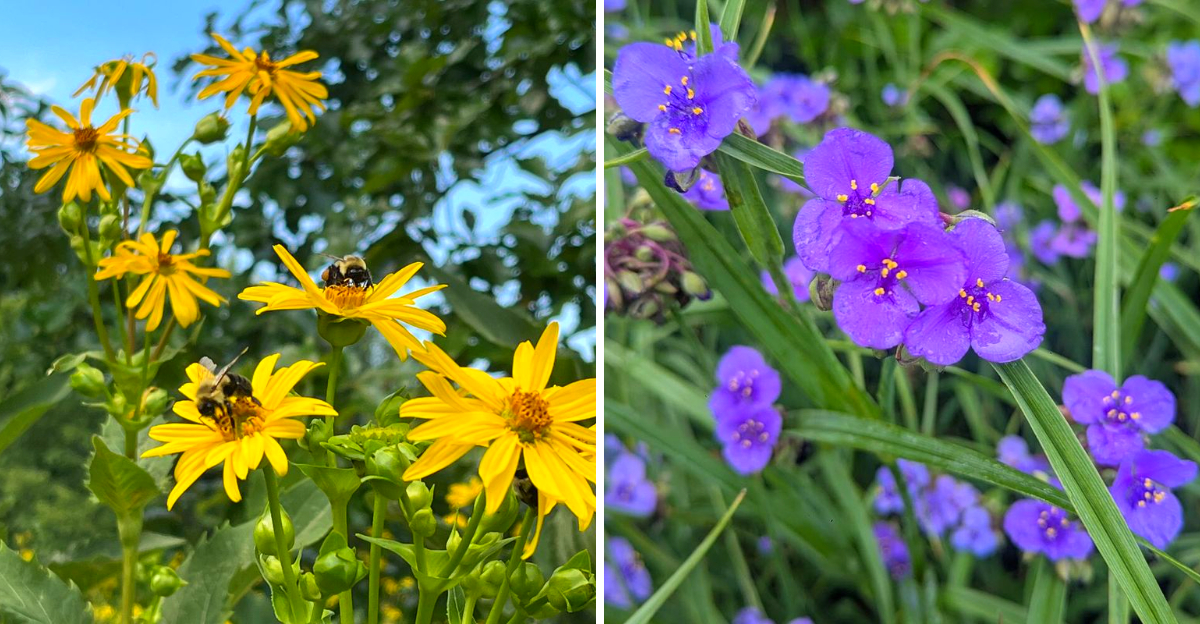
8. Cup Plant Makes A Bold Garden Statement
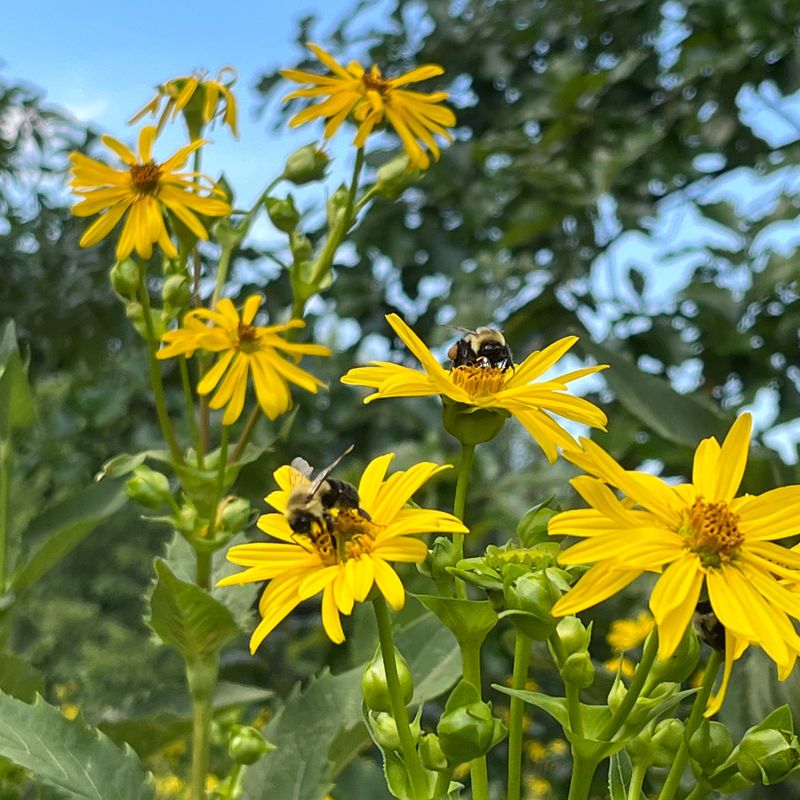
Standing anywhere from six to ten feet tall in a sunny Ohio garden, cup plant is not a shrinking violet.
Its common name comes from the distinctive way pairs of leaves join around the stem, forming small cups that collect rainwater and attract birds and insects looking for a drink.
This quirky feature alone makes it a conversation starter, but the plant also produces cheerful yellow, sunflower-like blooms from mid-summer into early fall.
Goldfinches are especially fond of cup plant seeds, and watching them cling to the tall stems in late summer is one of the small pleasures of Ohio garden life.
Native bees and butterflies visit the flowers regularly as well, adding layers of wildlife activity that daylilies rarely inspire.
The combination of food, water, and nectar in a single plant is genuinely unusual.
Cup plant grows best in full sun with average to moist soil, and it can spread aggressively in rich garden beds, so placing it thoughtfully matters. It works especially well at the back of a border, along a fence line, or in a naturalized area with room to expand.
For Ohio gardeners with space to spare and a taste for bold, structural plants, cup plant is a native that delivers seasonal drama and wildlife value in equal measure.
9. Ohio Spiderwort Brings Early Season Color
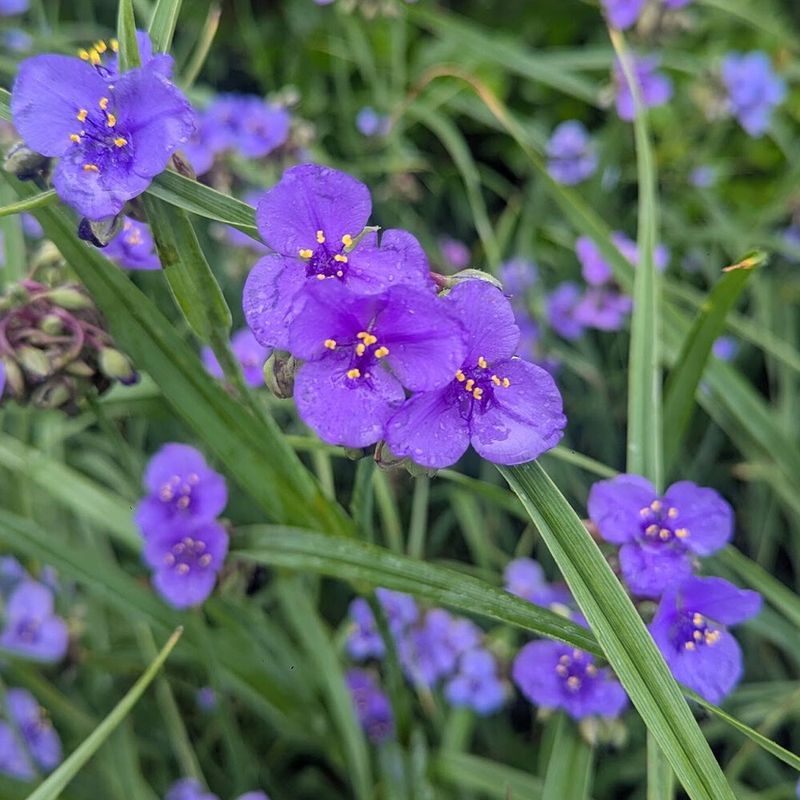
Early color is one of the things Ohio gardeners crave most after a long winter, and Ohio spiderwort delivers it reliably.
Starting in late spring and continuing into early summer, this native perennial produces clusters of vivid blue to violet three-petaled flowers that open each morning and close by afternoon.
That daily rhythm gives the garden a sense of gentle, living energy that is hard to replicate with other plants.
Ohio spiderwort is native to the state and grows well in a range of light conditions, from full sun to partial shade, making it more versatile than many native perennials.
It tends to do especially well in Ohio’s woodland edge settings and mixed borders where some afternoon shade is available.
After blooming, the foliage can get a bit floppy, but cutting it back encourages fresh new growth and sometimes a second flush of flowers.
Bumblebees and other native bees are frequent visitors, drawn to the pollen-rich flowers. The plant spreads gradually by self-seeding and can fill in a bed over time without becoming difficult to manage in most garden settings.
For Ohio homeowners who want early-season native color in a spot that daylilies might also occupy, spiderwort offers a more ecologically meaningful and seasonally interesting alternative that fits naturally into Ohio’s native plant communities.
10. Great Blue Lobelia Brightens Moist Areas
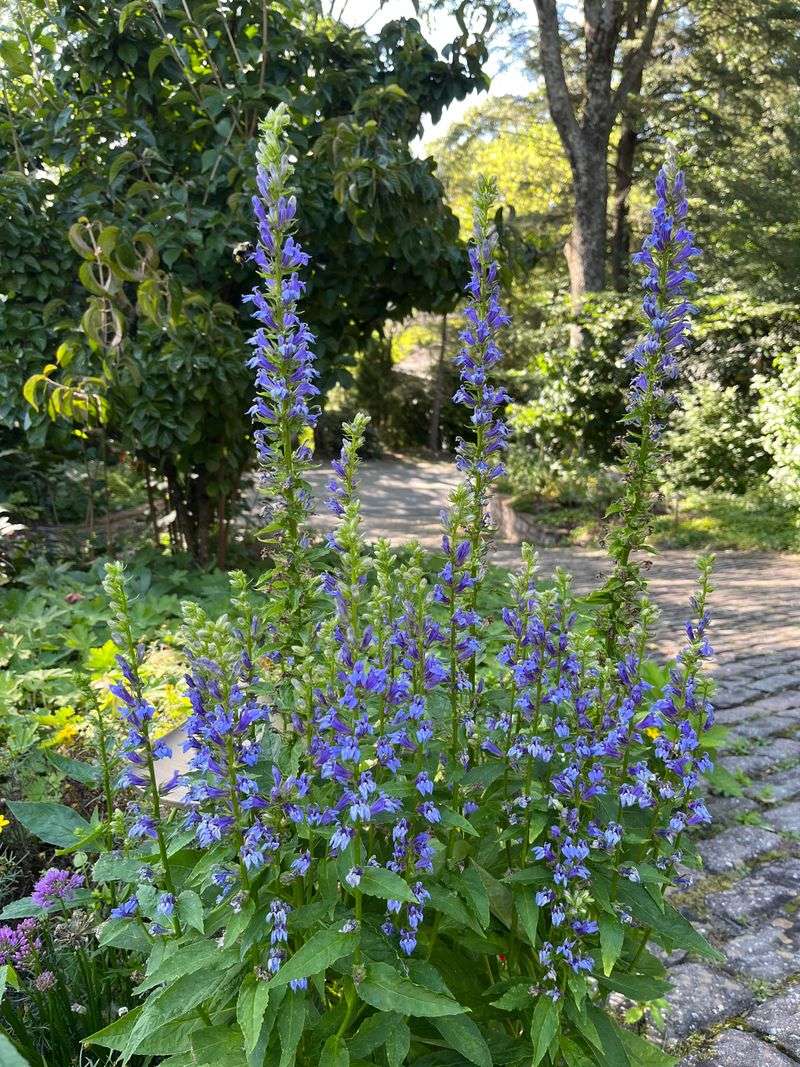
Moist spots in Ohio gardens can be tricky to plant well, but great blue lobelia turns a challenging area into one of the most visually striking parts of the yard.
Rising on upright stems from late summer into fall, its spikes of intense, deep blue flowers are among the most vivid colors in the Ohio native plant palette.
Daylilies rarely perform well in consistently moist soil, which gives great blue lobelia a clear advantage in these settings.
Hummingbirds are particularly attracted to the tubular blue flowers, and the plant’s bloom timing in late August and September aligns well with hummingbird activity in Ohio before migration begins. Native bees and bumblebees also visit regularly.
Planting great blue lobelia near a rain garden, pond edge, or low-lying bed can turn a soggy problem area into a productive wildlife habitat.
Great blue lobelia grows best in partial to full shade with consistently moist, rich soil, though it can handle more sun if adequate moisture is available.
It tends to be a short-lived perennial but self-seeds reliably enough to maintain a colony in the right conditions.
For Ohio gardeners working with shaded, moist areas where most ornamental plants struggle, this native lobelia offers bold late-season color and genuine ecological value that makes it a standout long-term choice.