The Oregon May Planting Calendar Every Vegetable Gardener Needs
May is when Oregon vegetable gardens start feeling like the main event. The soil warms up, seedlings get braver, and suddenly every gardener is eyeing empty beds like they’re prime real estate.
After months of planning, potting, and checking the forecast like it owes you money, this is the month when warm-season favorites can finally start joining the party.
Tomatoes, beans, squash, cucumbers, corn, herbs, and late rounds of cool-season crops all have their moment, but timing still matters.
Oregon’s coastal breezes, valley warmth, mountain chill, and high desert mood swings can make planting feel like a tiny weather puzzle. Get it right, and your garden gets a strong jump before summer arrives in full force.
So grab your seed packets, dust off the trowel, and clear some room in the beds, because May is packed with delicious possibilities.
1. What To Plant In May
May is the green light month for Oregon gardeners. After months of cold, wet weather, the soil temperature finally climbs above 50 degrees Fahrenheit in most parts of the state.
That means a wide variety of vegetables are ready to go into the ground.
You can plant beans, squash, cucumbers, and corn directly from seed in May. Tomatoes and peppers that you started indoors can move outside too, as long as nighttime temperatures stay above 50 degrees.
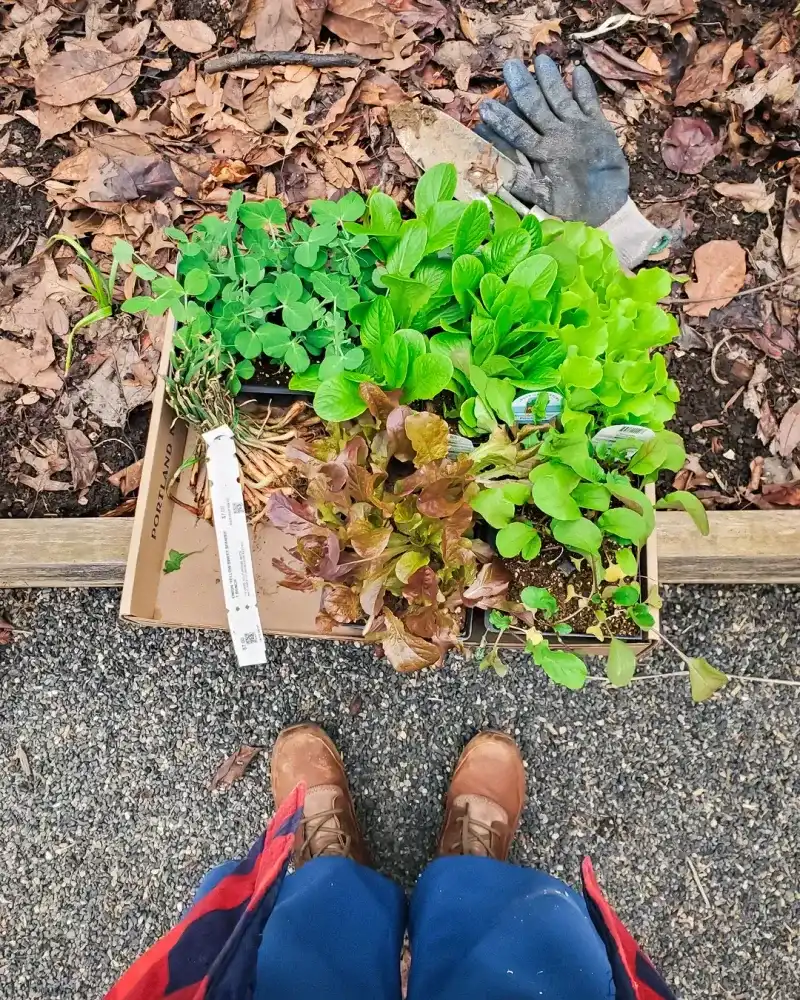
Leafy greens like spinach, arugula, and lettuce are still great choices for early May planting.
Herbs like basil, dill, and cilantro also thrive when started in May. Root vegetables like beets, carrots, and radishes do well with direct sowing right now.
Oregon’s mild spring weather gives you a great window to get a lot into the ground before summer heat arrives. Planning your planting schedule now means you will be harvesting fresh food well into fall.
The key is knowing your local climate zone, since Oregon has very different growing conditions from the coast to the mountains to the high desert.
2. Best Vegetables For Oregon
Oregon is a fantastic place to grow vegetables. The state has rich, fertile soil in many regions, and its varied climate means gardeners can grow an impressive range of crops.
Some vegetables, however, are especially well-suited to Oregon’s growing conditions.
Kale is practically made for Oregon. It loves cool, damp weather and can grow from spring all the way through winter in many parts of the state.
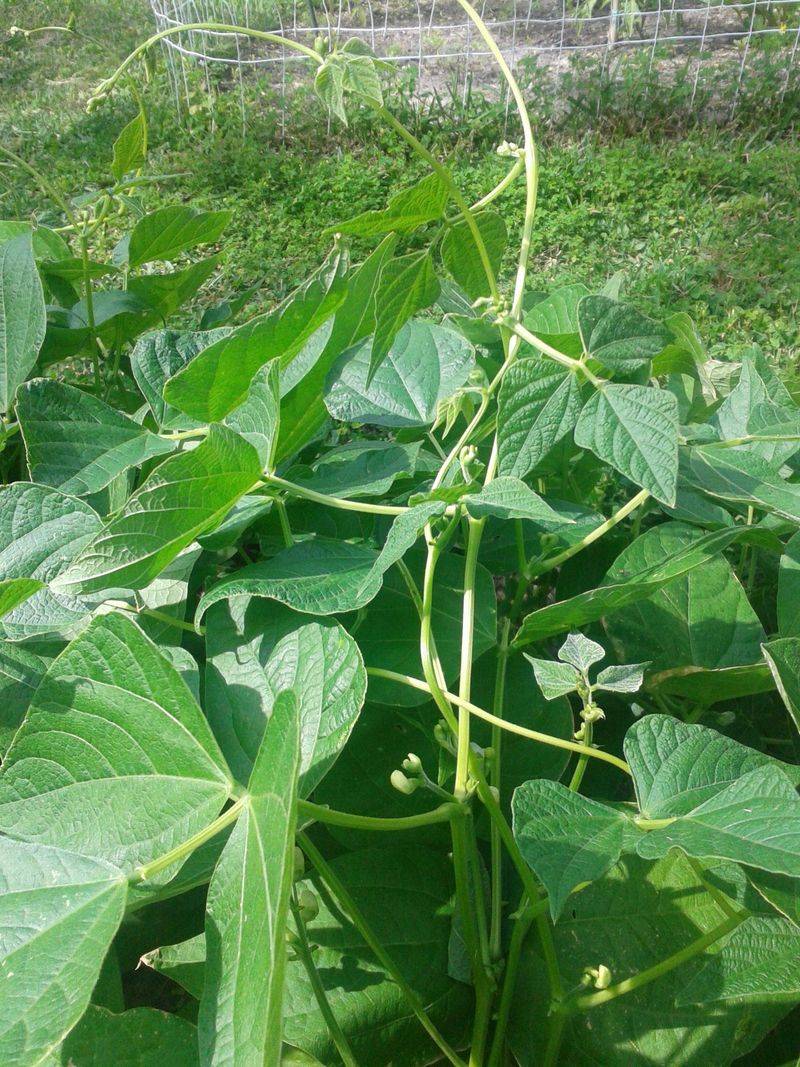
Zucchini and summer squash are also top performers, growing fast once the soil warms up in May. Bush beans are another favorite because they produce heavily and do not need staking.
Tomatoes grow well in the Willamette Valley and Southern Oregon, especially in warmer microclimates. Broccoli, cauliflower, and cabbage love Oregon’s mild summers and rarely bolt like they do in hotter states.
Potatoes thrive in the deep, loamy soils found across much of the state. Garlic planted the previous fall will be nearly ready to harvest by midsummer.
Knowing which vegetables grow best in your specific Oregon region helps you focus your energy and get the most out of your garden space every single season.
Your Oregon Garden Changes Every Week. Your Plan Should Too.
Gardening in Oregon changes quickly throughout the season. Every Friday you’ll receive a simple weekly plan showing exactly what to plant, prune, fertilize, harvest, and protect so you never miss the right timing.
3. Cool-Season Crops To Finish
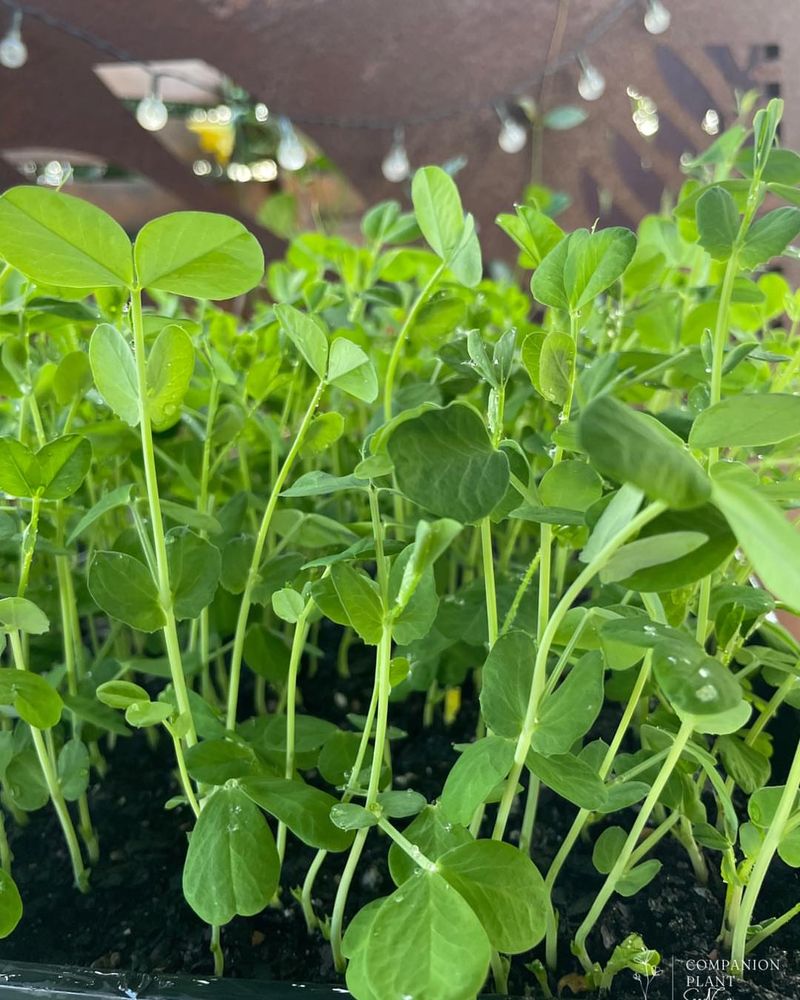
Cool-season crops have been the heroes of the early spring garden, but May signals the beginning of the end for many of them. Peas, spinach, and lettuce prefer cool temperatures and will start to struggle once summer heat sets in.
Now is the time to make the most of what you have left.
Harvest peas regularly to keep the plants producing. Pick lettuce leaves from the outside of the plant to extend your harvest a few more weeks.
Spinach tends to bolt quickly once temperatures rise, so grab it while it is still sweet and tender. If you have not planted these crops yet, there is still time in early May, especially in cooler parts of Oregon like the coast or higher elevations.
Overwintered kale and chard can still be harvested through May before they go to seed. Use this time to enjoy the last of your cool-season abundance and clear space for warm-season crops coming in.
Composting spent cool-season plants puts nutrients back into the soil. Think of this transition as a handoff, one team of vegetables passing the baton to the next.
Oregon’s spring window is short, so move quickly and enjoy every bite.
4. Warm-Season Crops To Start
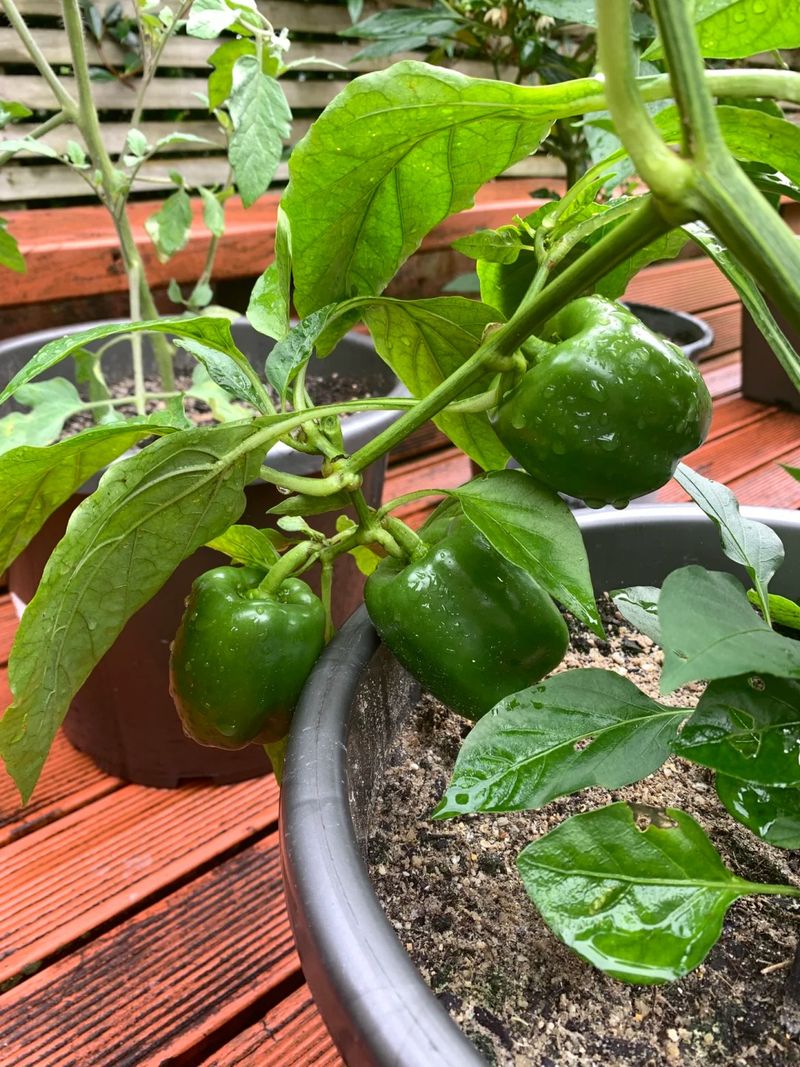
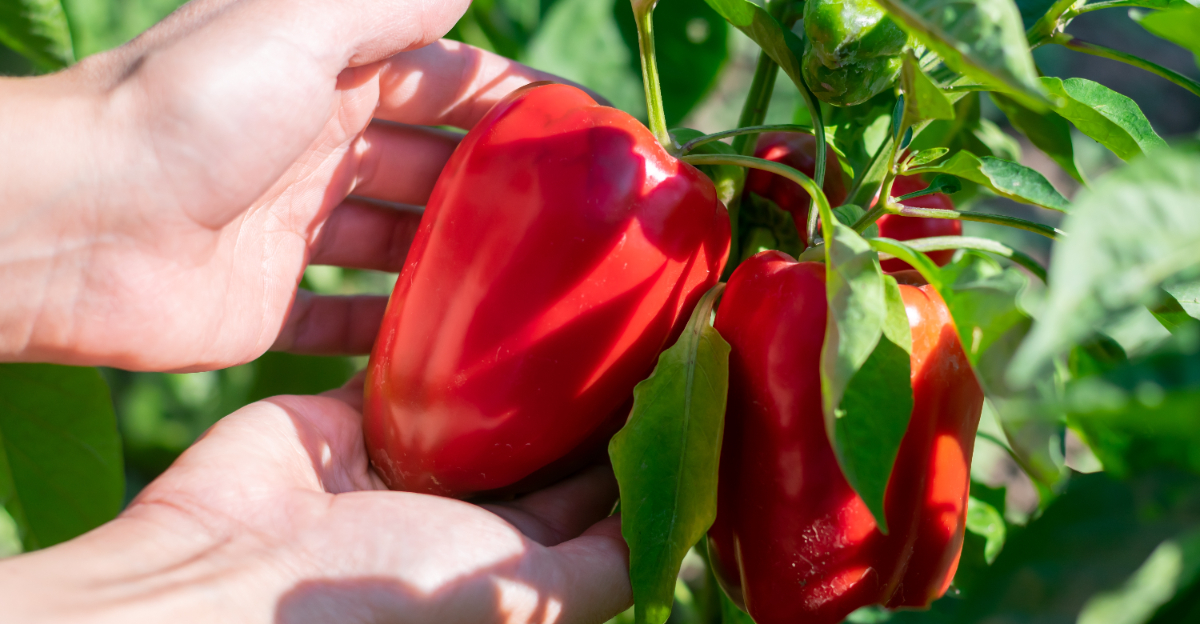
Warm-season crops are what most gardeners get most excited about, and May is when they finally get their moment. Tomatoes, peppers, cucumbers, squash, and melons all need warm soil and frost-free nights to thrive.
Most of Oregon reaches those conditions by mid-May.
If you started seeds indoors back in March, your tomato and pepper transplants should be stocky and ready to go outside. Harden them off first by setting them outside for a few hours each day over the course of a week.
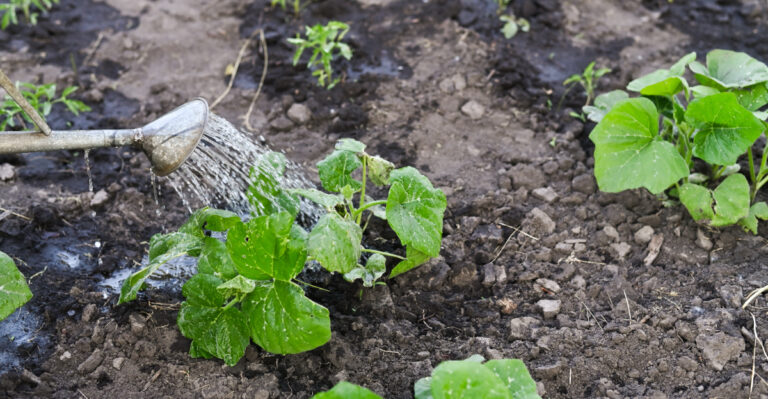
This helps them adjust to outdoor conditions without going into shock. Direct sow cucumbers, squash, and beans once soil temperatures hit at least 60 degrees Fahrenheit.
Corn needs a bigger space and warmer soil, but late May is a good time to sow it in Southern Oregon and the Willamette Valley. Melons are tricky in Oregon because they need a long warm season, but starting them in late May gives them a fighting chance in warmer microclimates.
Using black plastic mulch to warm the soil can give warm-season crops an extra boost in cooler Oregon regions. The effort you put in now pays off big when summer harvest season arrives.
5. When To Transplant Seedlings
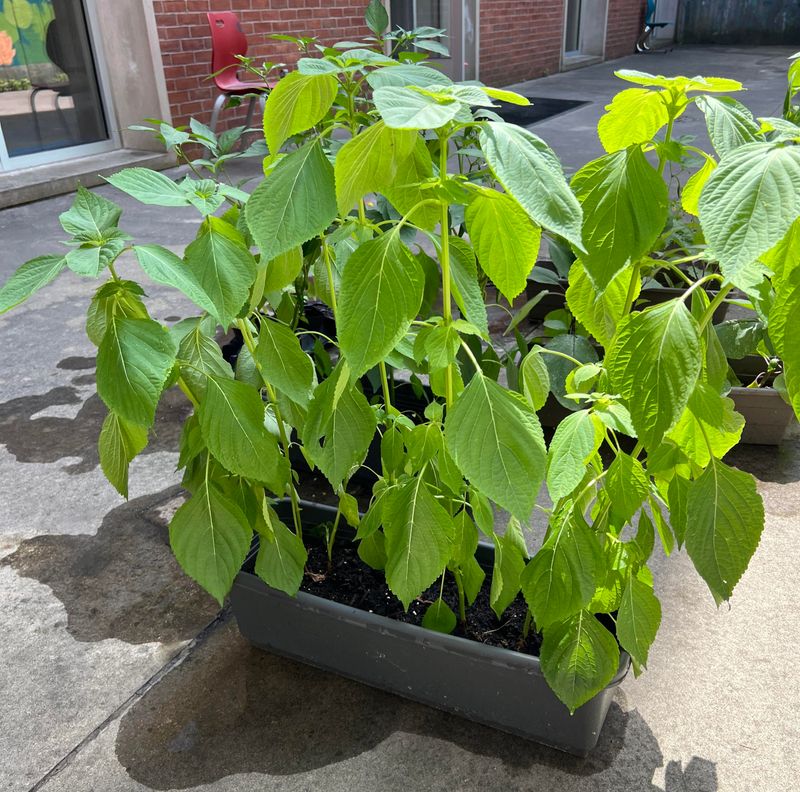
Timing your transplants correctly can mean the difference between a thriving plant and a struggling one. In Oregon, the general rule is to wait until after your last frost date before moving warm-season seedlings outside.
For most of the Willamette Valley, that date falls between mid-April and mid-May.
Coastal Oregon tends to stay cooler longer, so gardeners there often wait until late May or even early June to transplant tomatoes and peppers. Eastern Oregon has a shorter growing season with colder nights, making late May the safest window for transplanting.
Always check the ten-day weather forecast before you commit to putting seedlings in the ground.
Transplant on a cloudy day or in the evening to reduce stress on young plants. Water them in well and consider using a row cover or cloche for the first week to protect them from unexpected cold snaps.
Dig a hole slightly deeper than the root ball for tomatoes, since they can grow roots along their buried stems. Give each plant enough space to spread out as it grows.
Crowded plants compete for water and nutrients, which slows them down. Proper spacing and smart timing set your Oregon garden up for a truly productive season.
6. May Planting Tips
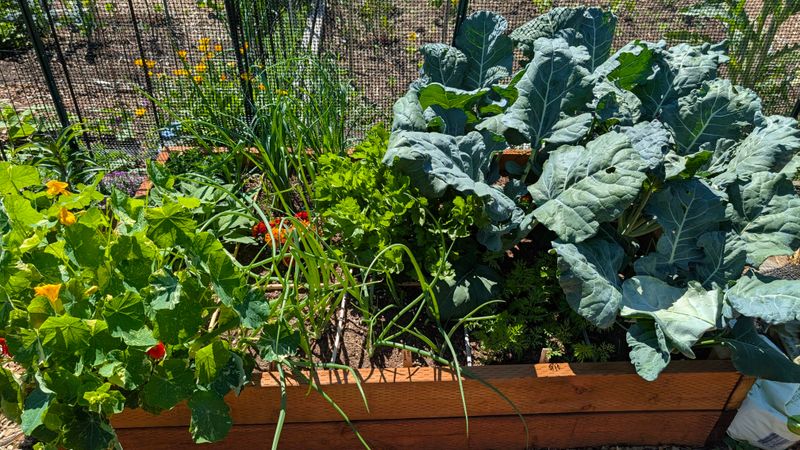
A few smart habits in May can make your whole growing season much smoother. Start by testing your soil if you have not done it recently.
Oregon soils, especially west of the Cascades, tend to be acidic. Most vegetables prefer a pH between 6.0 and 7.0, so adding lime may help balance things out.
Work compost into your beds before planting. Good soil structure feeds your plants naturally and helps retain moisture during dry summer months.
Mulching around transplants keeps weeds down and holds soil moisture in, which is a big help as Oregon summers get warmer and drier.
Water deeply and less often rather than giving plants a little water every day. This encourages roots to grow deep, making plants stronger and more drought-tolerant.
Set up a simple drip irrigation system if you can, since it saves water and reduces the chance of fungal disease on leaves. Keep a planting journal to track what you planted, where, and when.
Notes from this season will help you make better decisions next year. Oregon gardening rewards people who pay attention to the details.
Small actions taken in May often lead to the biggest harvests come July, August, and September.
7. Regional Timing Matters
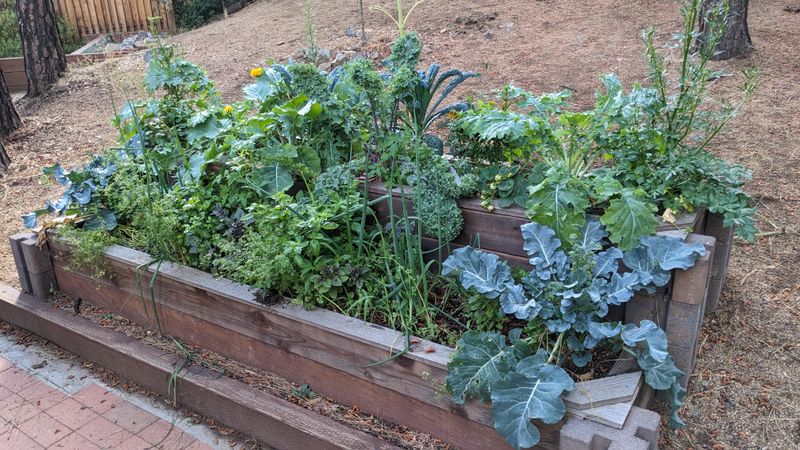
Oregon is not a one-size-fits-all state when it comes to gardening. The state stretches across multiple climate zones, and what works in Portland does not always work in Bend or Ashland.
Understanding your region helps you plant at exactly the right time.
The Willamette Valley enjoys mild, wet winters and warm summers, making it one of the best places to grow vegetables in the entire Pacific Northwest. Gardeners there can start transplanting warm-season crops by mid-May with confidence.
Southern Oregon, especially around Medford and Ashland, runs warmer and drier, giving tomatoes and melons a longer growing season than almost anywhere else in the state.
The Oregon Coast stays cool and foggy well into summer, which is great for greens but challenging for heat-loving crops. Coastal gardeners should lean into cool-season vegetables and choose short-season tomato varieties.
Eastern Oregon faces late frosts and hot, dry summers, so timing is critical. Gardeners there should focus on fast-maturing varieties and protect transplants with row covers in early May.
No matter where you live in Oregon, knowing your local frost dates, soil type, and typical weather patterns gives you a real advantage. Local knowledge is one of the most powerful gardening tools you can have.