7 Simple Ways To Attract Northern Cardinals To Your Georgia Yard
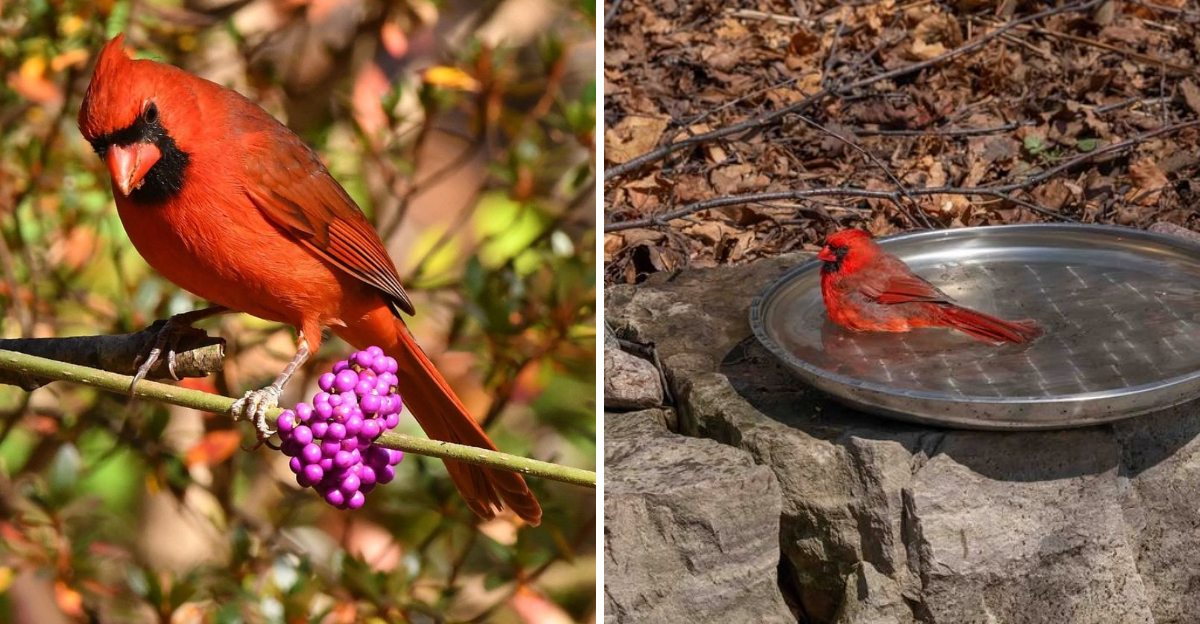
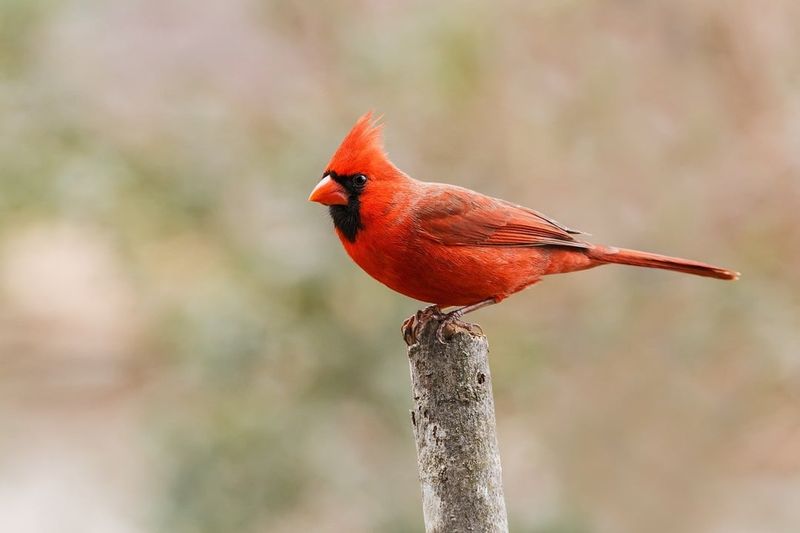
A flash of red can change the entire feel of a Georgia yard in seconds, turning an ordinary view into something far more lively. Northern cardinals stand out for their color and presence, yet they only settle in places that meet their needs.
Many yards look inviting on the surface but miss a few key details that make these birds stay.
Food helps, but cardinals look for more than a feeder. Thick cover, quiet corners, and a steady water source all shape how comfortable a space feels to them.
Without that mix, visits stay brief and unpredictable.
Simple changes can make a noticeable difference without turning the yard into a project. With the right balance in place, cardinals begin to show up more often and bring a steady rhythm of movement and color that does not go unnoticed.
1. Offer Black Oil Sunflower Seeds They Prefer Most
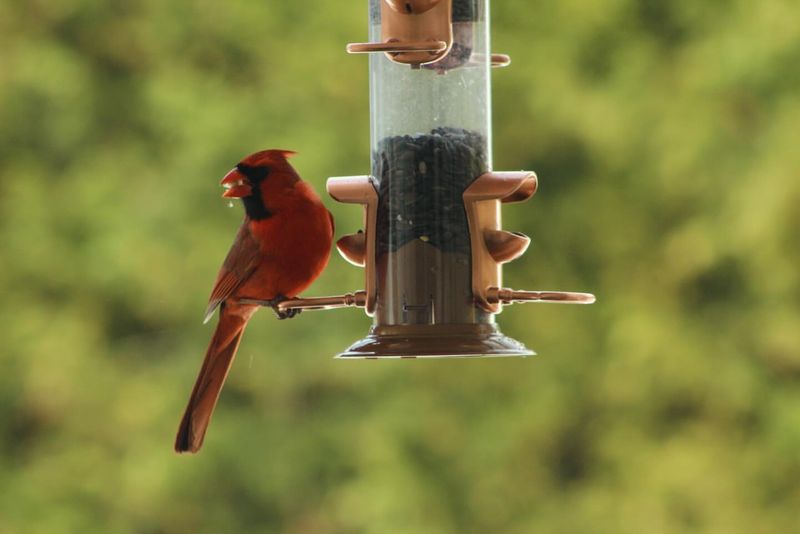
Black oil sunflower seeds are hands-down the single best food you can put out for Northern Cardinals in Georgia. Cardinals have strong, thick beaks built for cracking open seeds, and black oil sunflower seeds have thin shells that make feeding quick and easy.
What makes black oil sunflower seeds stand out from striped sunflower seeds is the higher meat-to-shell ratio and thinner outer hull. Cardinals can process them faster, which means they spend more time eating and less time working.
That efficiency matters especially during Georgia winters when birds need to conserve energy.
Keep seeds dry and fresh by using a feeder with a roof or by refilling frequently. Wet or moldy seeds can cause digestive problems for birds, so check your feeder every two to three days.
A small scoop stored near the feeder makes refilling quick and consistent.
Cardinals also like to feed from the ground, so scattering a small amount of seeds below your feeder works well. Ground feeding gives both males and females a comfortable option when the feeder gets crowded.
Watching a pair of cardinals feed together in your Georgia yard is genuinely one of the best parts of backyard birding.
2. Provide Dense Shrubs For Cover And Nesting
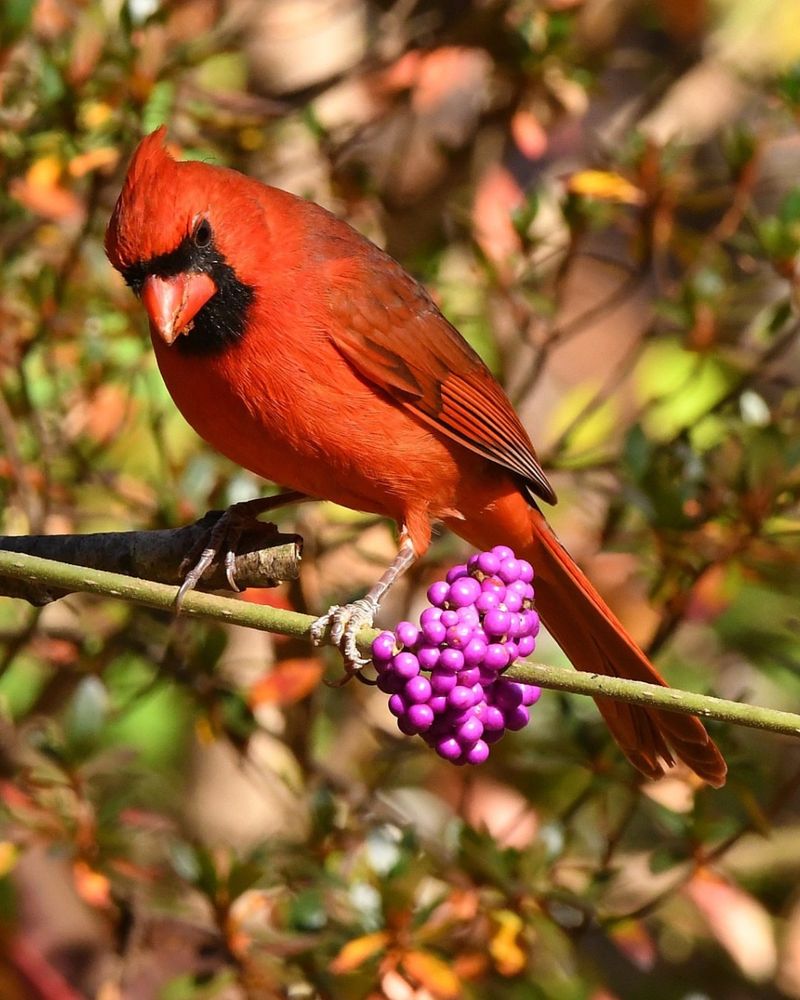
Cardinals are not bold birds when it comes to personal safety. Unlike some species that hop openly across lawns, cardinals prefer to stay close to thick cover they can dart into at the first sign of trouble.
Dense shrubs give them exactly that security, and without it, they are unlikely to stick around your Georgia yard for long.
Native shrubs work best because they also provide berries and attract insects that cardinals eat. Eastern red cedar, American holly, and wax myrtle are all solid choices for Georgia landscapes.
These plants grow well across most of the state and provide the year-round density cardinals need for both shelter and nesting.
Nesting usually happens between March and August in Georgia, and cardinals prefer shrubs with tangled, thorny, or thick interior branches. Planting shrubs in clusters rather than single specimens gives them more options and makes the cover feel safer.
A group of three to five shrubs planted together creates a mini-habitat that cardinals will return to season after season.
Your Georgia Garden Changes Every Week. Your Plan Should Too.
Gardening in Georgia changes quickly throughout the season. Every Friday you’ll receive a simple weekly plan showing exactly what to plant, prune, fertilize, harvest, and protect so you never miss the right timing.
Avoid trimming shrubs heavily during nesting season. Cardinals build cup-shaped nests low to the ground, typically between three and ten feet up.
Pruning at the wrong time can disturb active nests or remove the exact branch structure they were using. Let shrubs grow a little wild during spring and summer, and your yard becomes a place cardinals genuinely want to raise their young.
3. Keep A Reliable Water Source Available Year Round
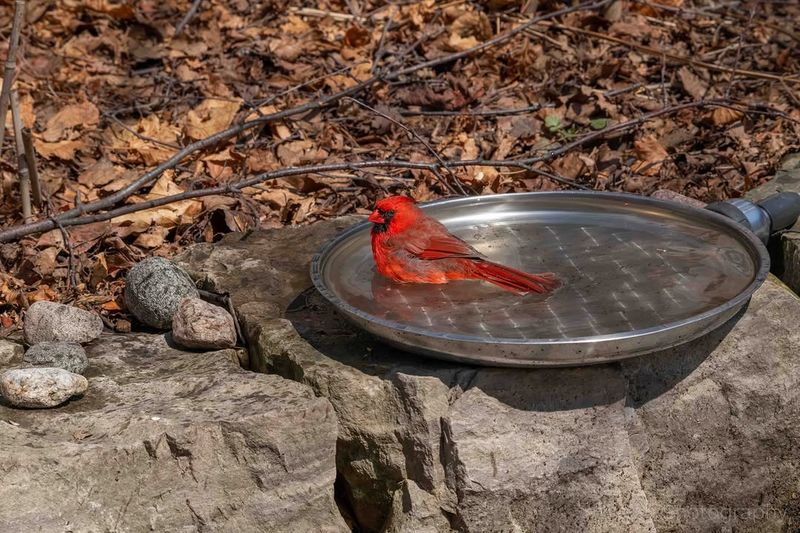
Water is not optional for cardinals. Every bird needs it daily for both drinking and bathing, and a yard without a water source is simply less attractive than one that has it.
Georgia summers can get brutally hot and dry, making a reliable water source one of the most powerful tools for drawing cardinals in consistently.
A classic birdbath works well, but placement matters a lot. Cardinals feel safer bathing near cover, so position your birdbath within ten to fifteen feet of shrubs or low trees.
Keep the water shallow, no deeper than two inches at the center, since cardinals prefer wading rather than swimming. A rough-textured basin gives their feet better grip and makes them more comfortable.
During Georgia winters, temperatures can occasionally drop below freezing, especially in the northern parts of the state. A heated birdbath or a small immersion heater keeps water liquid on cold nights when natural water sources are frozen solid.
Cardinals that find open water in winter tend to become loyal, regular visitors to your yard.
Change the water every two to three days to prevent algae and mosquito larvae from building up. A quick scrub with a stiff brush once a week keeps the basin clean without needing harsh chemicals.
Moving water, like a small dripper attachment or a solar-powered fountain, can attract even more birds because cardinals and other species are drawn to the sound of splashing.
4. Use Platform Or Hopper Feeders They Can Access Easily
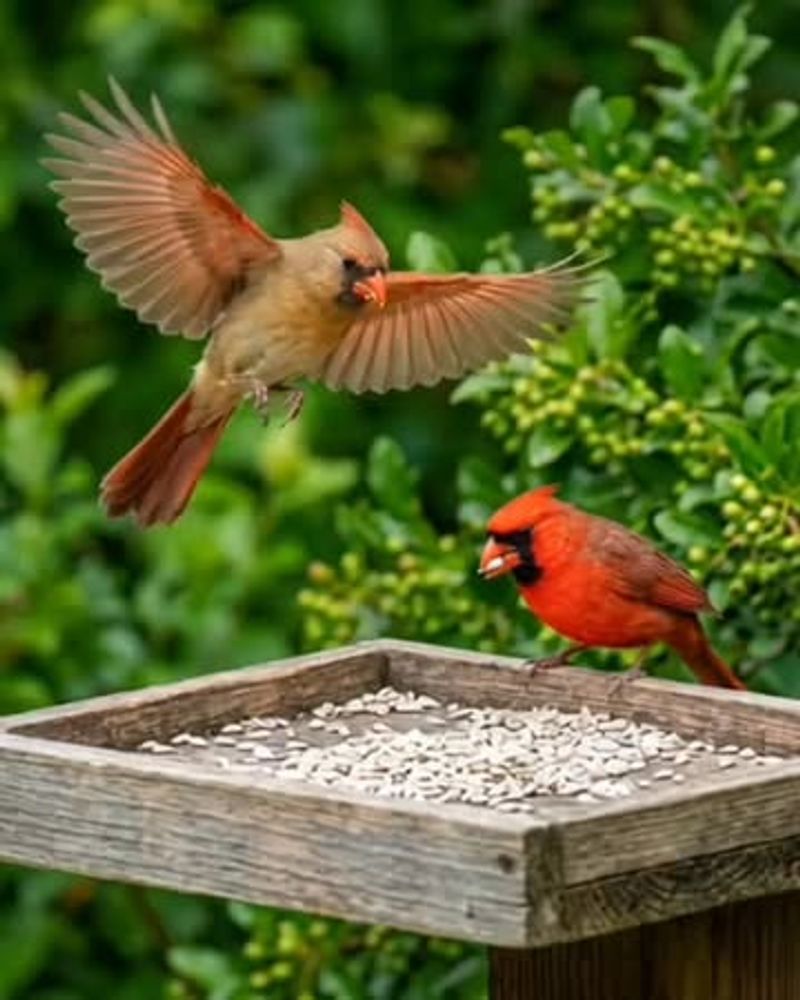
Cardinal beaks are built for seeds, not acrobatics. Tube feeders with small perches work great for finches and chickadees, but cardinals often struggle with them because they need room to actually sit and eat comfortably.
Platform feeders and hopper feeders solve that problem instantly by offering wide, flat surfaces where cardinals can land and feed without awkward maneuvering.
Platform feeders are essentially open trays, usually mounted on a post or hung from a branch. Cardinals love them because there are no barriers, no swinging motion, and plenty of space.
Fill them with black oil sunflower seeds or a cardinal-specific seed mix, and you will likely see birds within a day or two, especially if cardinals are already present in your Georgia neighborhood.
Hopper feeders offer a slight advantage over open platforms because they protect seeds from rain. Georgia weather can be unpredictable, with sudden afternoon storms common in summer.
A hopper feeder keeps seeds dry longer, which reduces waste and keeps the food appealing. Look for a hopper with a wide base tray so multiple birds can feed at once.
Mount feeders at a height between four and six feet off the ground, which puts them in the comfort zone for cardinals. Place them near shrubs but not so close that squirrels can leap directly onto them.
Cardinals are not aggressive birds, so having two feeders spaced apart reduces competition and lets both males and females eat without stress.
5. Plant Berry Producing Shrubs For Natural Food
Feeders are a great supplement, but natural food sources are what make a yard feel like genuine habitat. Berry-producing shrubs give cardinals a wild food option that mirrors what they would find in Georgia woodlands and forest edges.
Cardinals eat a wide variety of berries throughout fall and winter, and a well-planted yard can keep them fed even when you forget to refill the feeder.
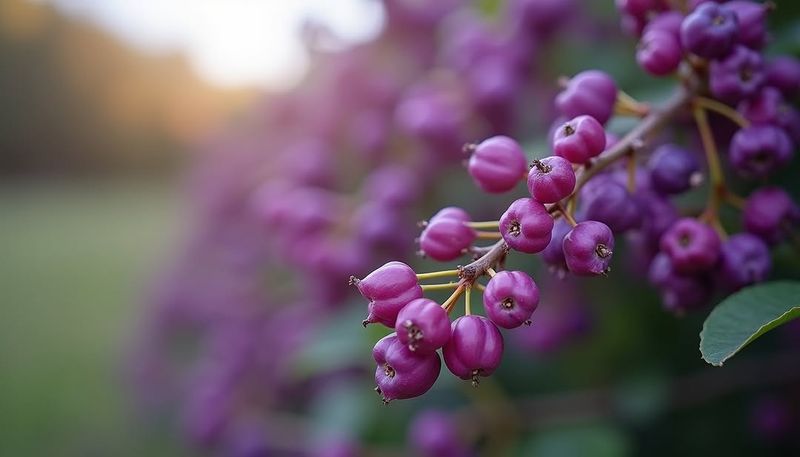
American beautyberry is one of the standout native plants for Georgia yards. Its clusters of vivid purple berries ripen in late summer and persist well into fall, giving cardinals and dozens of other bird species a reliable food source.
Beautyberry grows fast, handles Georgia heat well, and looks striking even in a casual garden setting.
Native hollies, including yaupon holly and winterberry, are equally valuable. Hollies produce red berries that cling to branches through winter, providing food exactly when natural resources are scarcest.
Pokeweed, though it can spread aggressively, is a native plant cardinals absolutely love and will strip clean by late fall if you can tolerate its size.
Plant a mix of species that ripen at different times to extend the natural food window across multiple seasons. A yard with something ripening from late summer through early spring keeps cardinals visiting consistently rather than in short bursts.
Native plants also attract insects, which cardinals rely on heavily during nesting season to feed their young protein-rich meals.
6. Avoid Pesticides That Reduce Their Food Supply
Pesticides do a lot more damage to backyard birds than most people realize. When you spray insecticides across your lawn or garden, you are not just targeting pest insects.
You are removing a huge portion of the food supply that cardinals depend on, particularly during breeding season when they need protein-rich insects to feed their nestlings.
Cardinals eat seeds most of the year, but they actively hunt insects in spring and summer. Caterpillars, beetles, grasshoppers, and spiders are all regular parts of their diet during warmer months.
A yard that has been heavily treated with broad-spectrum insecticides may look fine on the surface but can be surprisingly empty of the invertebrate life cardinals are searching for.
Switching to targeted, spot-treatment approaches instead of blanket spraying makes a real difference. Neem oil and insecticidal soap affect specific pest insects without wiping out entire insect communities.
Tolerating a certain level of leaf damage on plants is also worth it when that damage means caterpillars are present for birds to find.
Herbicides matter too. Broad-leaf herbicides remove flowering weeds that support insect populations across Georgia yards.
Native ground covers and naturalized areas with some weed diversity actually support far more insect life than a perfectly manicured chemically treated lawn. Cardinals that find a yard full of natural foraging opportunities will spend significantly more time there than in a sterile, heavily managed space.
7. Leave Some Leaf Litter For Insects They Feed On
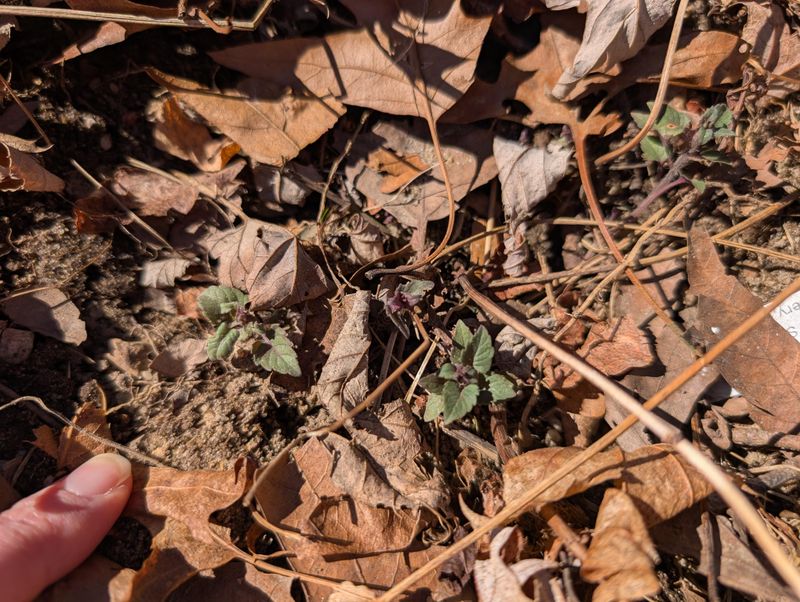
Raking every fallen leaf out of your yard might seem tidy, but it actually removes one of the most productive feeding zones cardinals use. Leaf litter is a living ecosystem packed with beetles, earwigs, spiders, millipedes, and the larvae of dozens of moth and butterfly species.
Cardinals scratch through leaf piles regularly, flipping leaves to find what is hiding underneath.
Leaving a layer of leaves under shrubs and along fence lines costs nothing and requires zero maintenance. Georgia yards with mature oaks, hickories, or maples generate significant leaf fall each autumn, and simply letting those leaves accumulate in garden beds rather than bagging them creates instant foraging habitat.
Native bees also overwinter in leaf litter, making it a win for pollinators as well.
You do not need to let your entire yard go wild to make a difference. Even a single corner or a strip along a back fence left with natural leaf cover gives cardinals a reliable place to forage.
Pair that area with nearby shrubs for cover and a feeder within sight, and you have created a small but complete habitat zone that cardinals will use regularly throughout the year.
Shredded leaves decompose faster and are less likely to mat together and block water absorption. Running a mower over a pile before spreading it under shrubs breaks leaves down into a looser layer that insects can move through more easily.
Cardinals in Georgia are active foragers year-round, so maintaining leaf litter in all seasons keeps your yard productive no matter the month.