How Often You Should Really Be Watering Your Vegetables In North Carolina
Watering your vegetable garden sounds straightforward until your plants start wilting, yellowing, or producing less than they should, and suddenly you are second guessing everything. North Carolina throws a lot of variables at gardeners.
The western mountains hold moisture differently than the clay heavy Piedmont, and the coastal plain can swing from soaking rain to dry stretches fast.
Add in summer temperatures that regularly push past 90 degrees and you have conditions where watering mistakes show up quickly.
Both too much and too little water cause serious problems for vegetables, and the common advice to water a certain number of times per week often does not account for what is actually happening in your specific yard.
Soil type, plant variety, sun exposure, and recent rainfall all factor in more than most guides acknowledge.
This breakdown covers what your vegetables genuinely need in North Carolina’s climate, how to read the signs your garden is giving you, and how to build a watering routine that actually works.
1. Tomatoes (Solanum lycopersicum)
Few vegetables demand as much attention in a North Carolina summer garden as tomatoes. These sun-loving plants thrive on consistency, and getting the watering schedule right is honestly half the battle.
Aim to water deeply about two to three times per week when your tomatoes are in the ground. In the peak of summer heat, you may need to bump that up to nearly every other day.
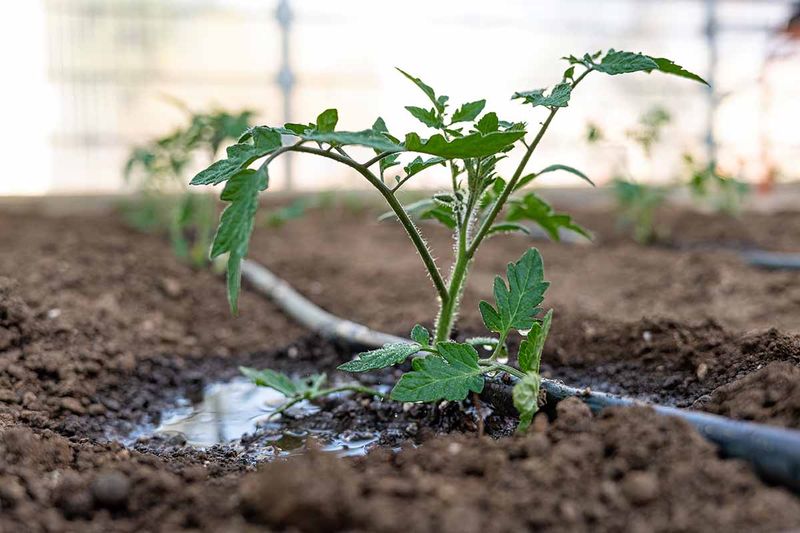
Deep watering is the key phrase here. You want moisture to reach at least six to eight inches into the soil so roots grow downward rather than spreading near the surface.
Shallow watering trains roots to stay near the top, making plants much more vulnerable during dry stretches. A slow, steady soak at the base of each plant works far better than a quick spray over the leaves.
Inconsistent watering causes blossom end rot and fruit cracking, two of the most frustrating problems North Carolina tomato growers face. Mulching around the base of each plant helps lock in moisture between watering sessions.
Aim for about one to two inches of straw or wood chip mulch to keep the soil temperature stable and reduce evaporation. Check the soil about two inches down before watering. If it feels dry, your tomatoes are ready for another good drink.
2. Peppers (Capsicum annuum)
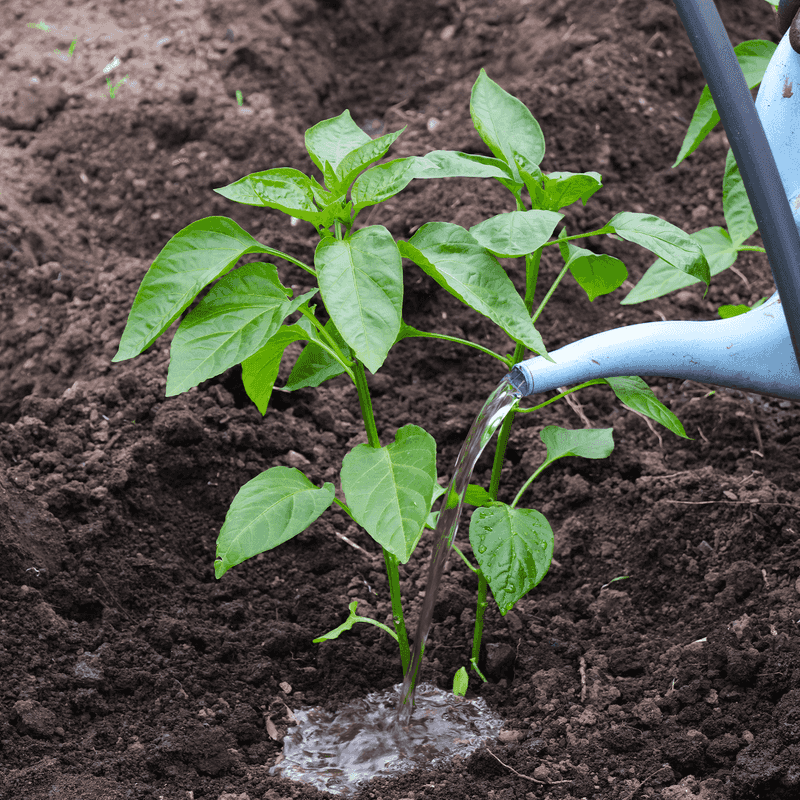
Peppers are a little more forgiving than tomatoes, but they still need steady moisture to produce well in North Carolina’s warm growing season. Unlike their tomato neighbors, peppers actually prefer soil that dries out slightly between waterings.
Water them deeply once or twice a week, and always check the soil before adding more moisture. Overwatering peppers leads to yellowing leaves and weak root systems.
During the hottest weeks of a North Carolina summer, you might need to water every two days to keep plants from wilting. Morning watering works best because it gives the soil a chance to absorb moisture before afternoon heat kicks in.
Avoid wetting the foliage if possible, since wet leaves in humid conditions can invite fungal problems that spread quickly in the Southeast.
Your North Carolina Garden Changes Every Week. Your Plan Should Too.
Gardening in North Carolina changes quickly throughout the season. Every Friday you’ll receive a simple weekly plan showing exactly what to plant, prune, fertilize, harvest, and protect so you never miss the right timing.
Container-grown peppers need more frequent attention than in-ground plants because pots dry out much faster in direct sun. Check container peppers daily during heat waves.
A good rule of thumb is to stick your finger about an inch into the soil. If it feels dry at that depth, go ahead and water thoroughly until it drains from the bottom.
Peppers grown with consistent care in North Carolina produce crisp, flavorful fruit all the way through fall, making that extra attention completely worth it.
3. Cucumbers (Cucumis sativus)
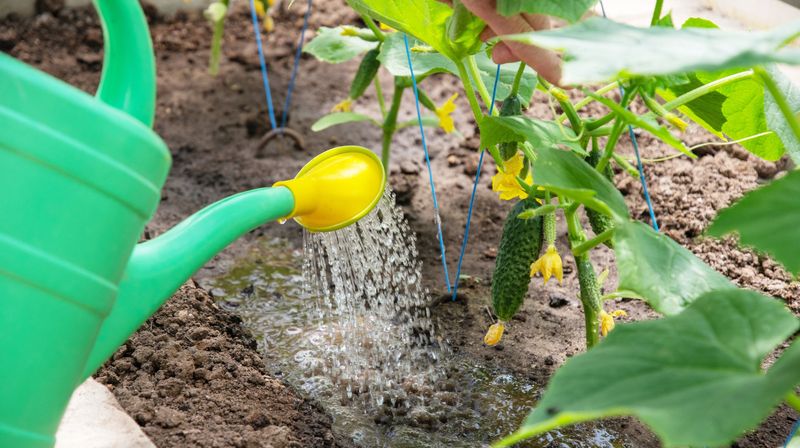
Cucumbers are thirsty plants, plain and simple. In North Carolina’s warm summer climate, cucumbers need watering every two to three days to stay healthy and productive.
These vines wilt noticeably fast when water runs short, and a stressed cucumber plant will produce bitter, misshapen fruit that nobody wants to eat. Consistent moisture is non-negotiable if you want a solid harvest.
The soil around cucumber plants should stay evenly moist but never waterlogged. Soggy roots lead to root rot, which spreads quickly and quietly before you even notice a problem.
A drip irrigation system or soaker hose works wonderfully for cucumbers because it delivers water right at the root zone without splashing the large leaves.
Wet cucumber foliage is an open invitation for powdery mildew, which is already a common issue in humid North Carolina summers.
Cucumbers need even more water once flowers appear and fruit starts forming. That window of active growth is when moisture matters most for flavor and size.
Mulching the soil generously around your cucumber plants helps retain moisture between waterings, which takes some pressure off your schedule. Aim for about one to two inches of water per week total.
If rainfall covers part of that, adjust accordingly. Checking the soil daily takes just a few seconds and keeps your cucumber patch performing at its very best all season long.
4. Squash And Zucchini (Cucurbita pepo)
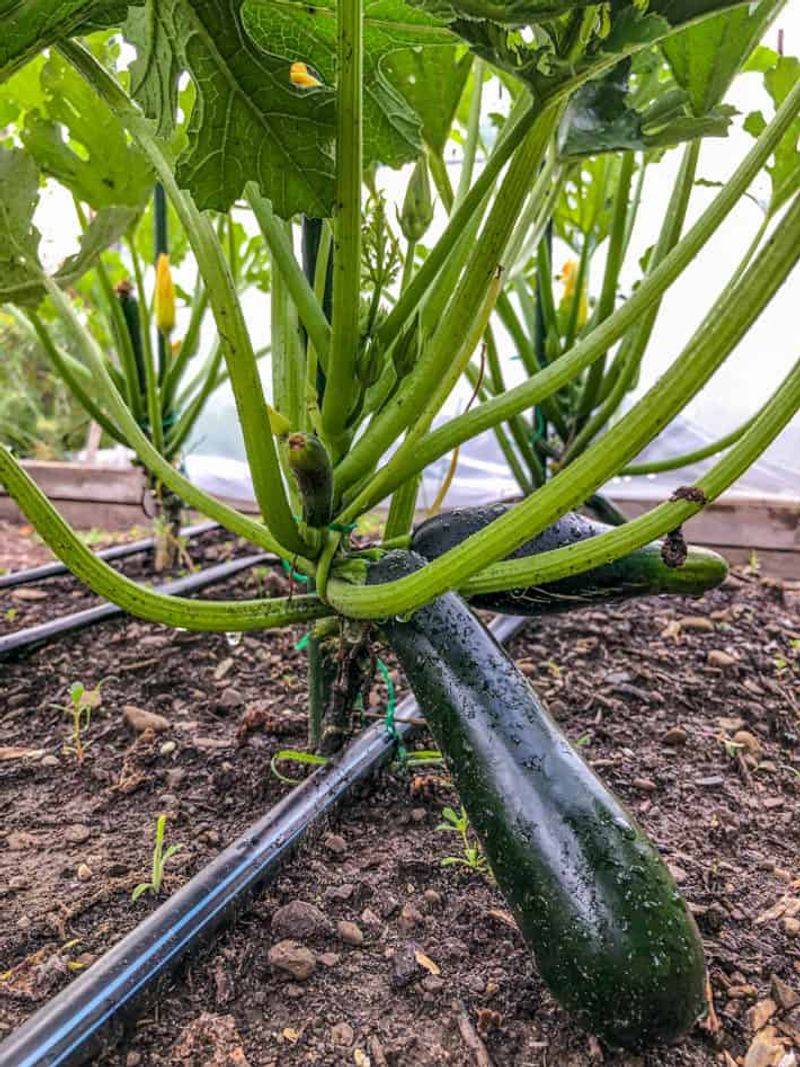
Squash and zucchini are powerhouse producers in a North Carolina garden, but their enormous leaves lose water at an impressive rate in summer heat. Watering two to three times per week is typically necessary to keep these plants thriving.
During a heat wave, you may find yourself watering every other day just to prevent wilting. The bigger the plant grows, the more water it needs to sustain all that lush green growth.
Always water squash at the base of the plant rather than overhead. Those big, broad leaves trap moisture and create the perfect environment for squash vine borers and fungal diseases that run rampant across the Southeast.
Drip irrigation or a gentle soaker hose placed near the crown of the plant keeps water where it belongs without encouraging disease. A two-inch layer of mulch around each plant dramatically reduces how often you need to water.
One thing many North Carolina gardeners overlook is soil drainage. Squash and zucchini hate sitting in waterlogged soil, even though they drink a lot.
Raised beds or well-amended garden soil helps strike that balance between moist and well-drained. Water deeply each session so moisture reaches at least six inches down.
Shallow watering produces shallow roots, and shallow-rooted squash plants struggle badly during dry spells. Get the watering right, and squash will reward you generously from midsummer all the way into fall.
5. Green Beans (Phaseolus vulgaris)
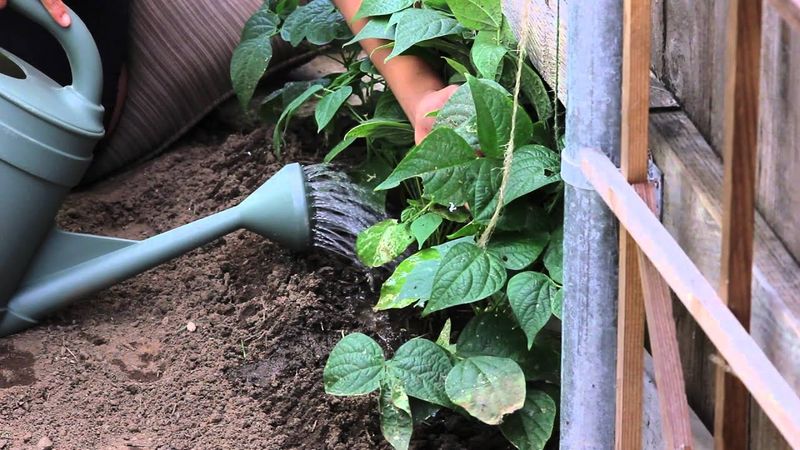
Green beans are one of the most satisfying vegetables to grow in North Carolina, and they are relatively easy to manage with the right watering routine. Water green beans deeply about once or twice per week, giving the soil a thorough soak rather than a light sprinkle.
About one inch of water per week is the general target, whether it comes from rainfall or your garden hose. Consistency keeps plants healthy and productive.
The most critical time to stay on top of watering is during flowering and pod formation. Moisture stress during those stages causes flowers to drop before pods ever form, which directly cuts into your harvest.
If North Carolina is going through a dry stretch during that window, bump up your watering frequency and do not let the soil dry out completely. Early morning watering gives the plants time to absorb moisture before midday heat arrives.
Green beans do not like soggy feet any more than they like drought. Well-draining soil is essential so roots stay healthy and strong.
Raised beds work particularly well for green beans in heavier North Carolina clay soils because drainage improves significantly. Avoid watering the foliage, since wet leaves promote bean rust and other fungal issues common in humid summers.
A light layer of mulch between rows helps lock in soil moisture and keeps the root zone cooler during the hottest parts of the growing season.
6. Lettuce (Lactuca sativa)
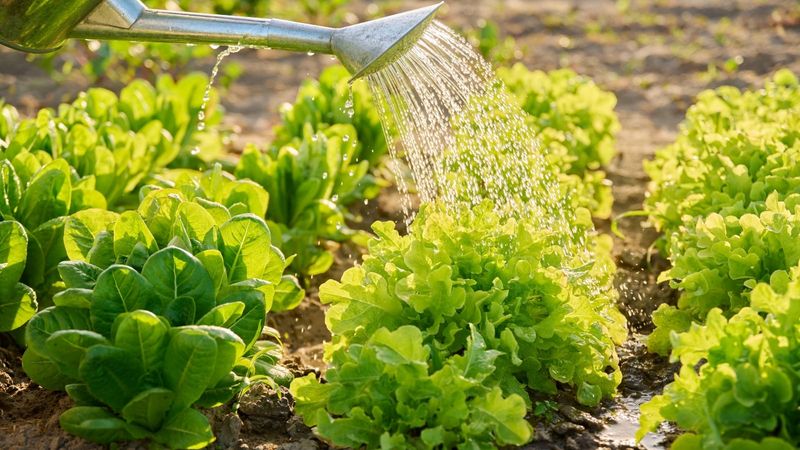
Lettuce is a cool-season champion in North Carolina, thriving beautifully during spring and fall when temperatures stay mild. Because lettuce has shallow roots that only reach a few inches into the soil, it needs light but frequent watering.
Watering every one to two days is often necessary, especially as temperatures start climbing toward summer. Without regular moisture, lettuce turns bitter and bolts to seed quickly.
The trick with lettuce is to water lightly and consistently rather than deeply and infrequently. Since the roots are not deep, a heavy soaking session just sends water past the root zone where it cannot do any good.
Keep the top two to three inches of soil evenly moist, and your lettuce will stay tender, crisp, and sweet. Morning watering is ideal so leaves dry off before evening, reducing the risk of fungal rot in North Carolina’s humid air.
Planting lettuce in a spot with afternoon shade is one of the smartest moves a North Carolina gardener can make. Shade keeps the soil cooler and reduces moisture loss, which means you water slightly less often and get a longer harvest window.
Mulching lightly around lettuce plants also helps retain that surface moisture between watering sessions. Once daytime temperatures consistently hit the upper eighties, most lettuce varieties will bolt regardless of watering.
At that point, pull the plants and plan your fall crop for a fresh start in cooler weather.
7. Carrots (Daucus carota subsp. sativus)
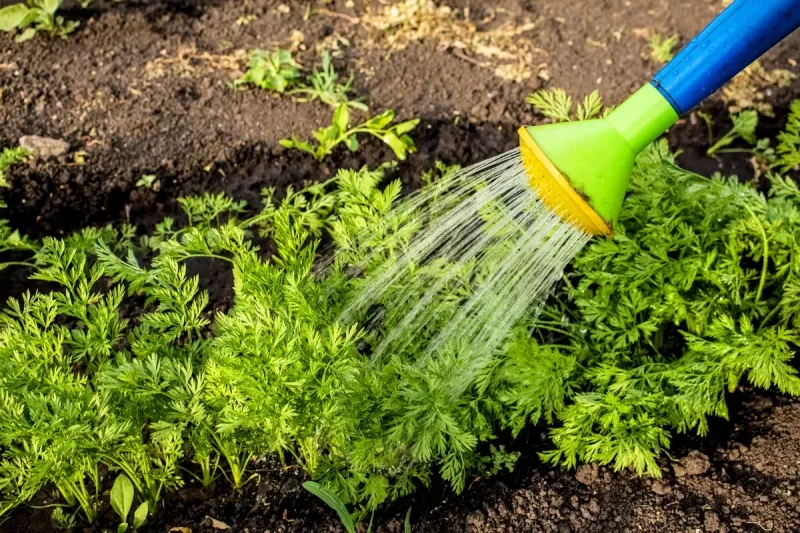
Carrots have a reputation for being low-maintenance, but their watering needs are actually quite specific. These root vegetables need consistently moist soil from the moment seeds go into the ground until roots are fully developed.
Water lightly but frequently, roughly every two to three days, to keep the soil evenly moist without soaking it. Uneven moisture is one of the main reasons carrots grow forked, cracked, or stunted in North Carolina gardens.
During germination, which can take up to two weeks, the soil surface must never dry out completely. Dry soil prevents seeds from sprouting and causes uneven stands that are frustrating to manage.
A fine mist setting on your hose nozzle works perfectly for keeping the seedbed moist without disturbing tiny seeds. Once carrot tops are a few inches tall and roots are establishing, you can water slightly deeper but still keep up the regular schedule.
North Carolina soil can be heavy with clay in many areas, which holds moisture longer than sandy coastal soils. Understanding your specific soil type helps you adjust watering frequency accurately.
Sandy soils dry out faster and need more frequent attention. Raised beds filled with loose, well-amended soil give carrots the best environment to develop straight, smooth roots.
Deep, loose soil also means water moves through evenly. Consistent moisture throughout the growing season leads to sweeter, more uniform carrots that are worth every bit of effort you put in.
8. Corn (Zea mays)
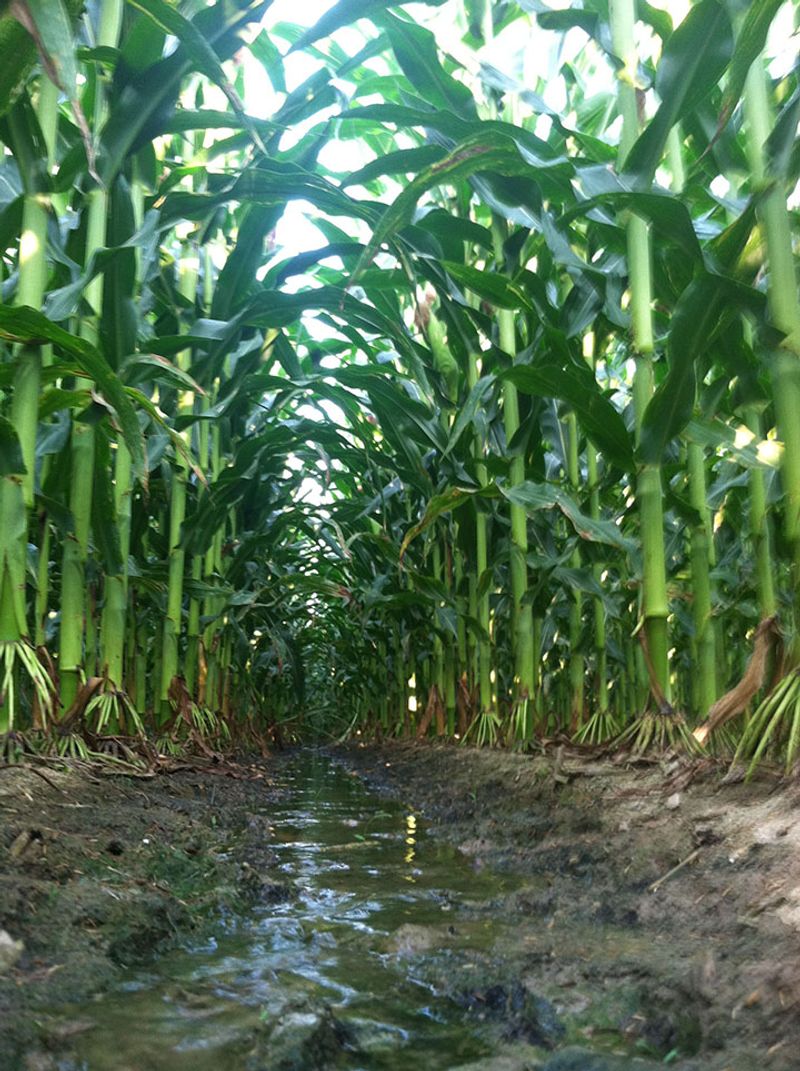
There is something undeniably exciting about watching corn shoot up in a North Carolina garden through the heat of summer. Corn is a heavy feeder and an even heavier drinker, needing deep watering about two to three times per week during the growing season.
Each watering session should soak the soil thoroughly to encourage deep root development. Strong roots help stalks stay upright during the afternoon thunderstorms that roll through North Carolina regularly.
The most critical watering window for corn is during tasseling and ear development. That stage is when water demand spikes dramatically, and any moisture stress during pollination directly reduces kernel set.
A poorly watered corn plant during tasseling can produce ears with missing kernels, which is deeply disappointing after months of work. Keep the soil consistently moist during that stage above all others.
Corn planted in large blocks rather than single rows pollinates far more effectively, and well-watered blocks produce fuller, more satisfying ears. Soaker hoses running between rows make deep watering easy and efficient, especially in larger North Carolina home gardens.
Avoid overhead watering if possible since it can interfere with pollen distribution during tasseling. Mulching between rows cuts down on soil moisture loss and keeps weeds from competing with your corn for water.
With the right watering schedule and a little patience, homegrown North Carolina sweet corn is one of summer’s greatest rewards.
9. Okra (Abelmoschus esculentus)
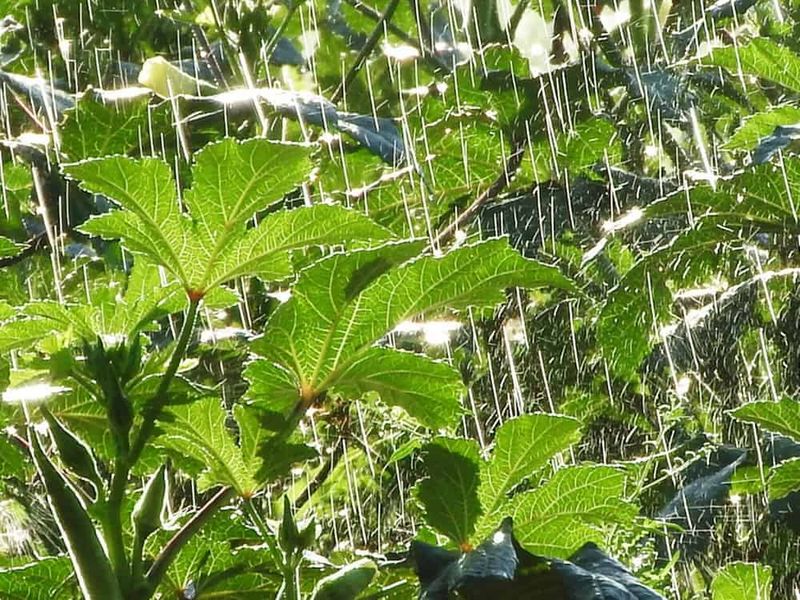
Okra is practically made for the Southern heat, and North Carolina’s long, blazing summers are nearly perfect growing conditions for this classic crop.
While okra handles heat and drought better than most garden vegetables, it still performs best with regular, deep watering about once or twice per week.
Established okra plants develop impressive root systems that pull moisture from deeper in the soil, giving them natural drought resistance that younger plants do not have.
Overwatering okra is actually a more common mistake than underwatering. Too much water causes root problems, yellowing leaves, and reduced pod production.
The goal is to water deeply but allow the soil to dry out somewhat between sessions. Check the soil about two inches down before watering again.
If it still feels slightly moist, give it another day before adding more water. Okra planted in well-draining soil thrives far better than plants sitting in heavy, compacted ground.
Young okra seedlings need more frequent watering than mature plants while their root systems are still getting established. Water every two to three days during the first few weeks after transplanting or thinning.
Once plants are a foot tall and growing vigorously, you can back off to that once or twice weekly deep watering routine.
Mulching around okra plants helps maintain soil moisture and keeps roots cooler during the hottest stretches of a North Carolina summer, which makes a noticeable difference in pod quality and overall yield.