How To Divide And Transplant Perennials In Georgia This May
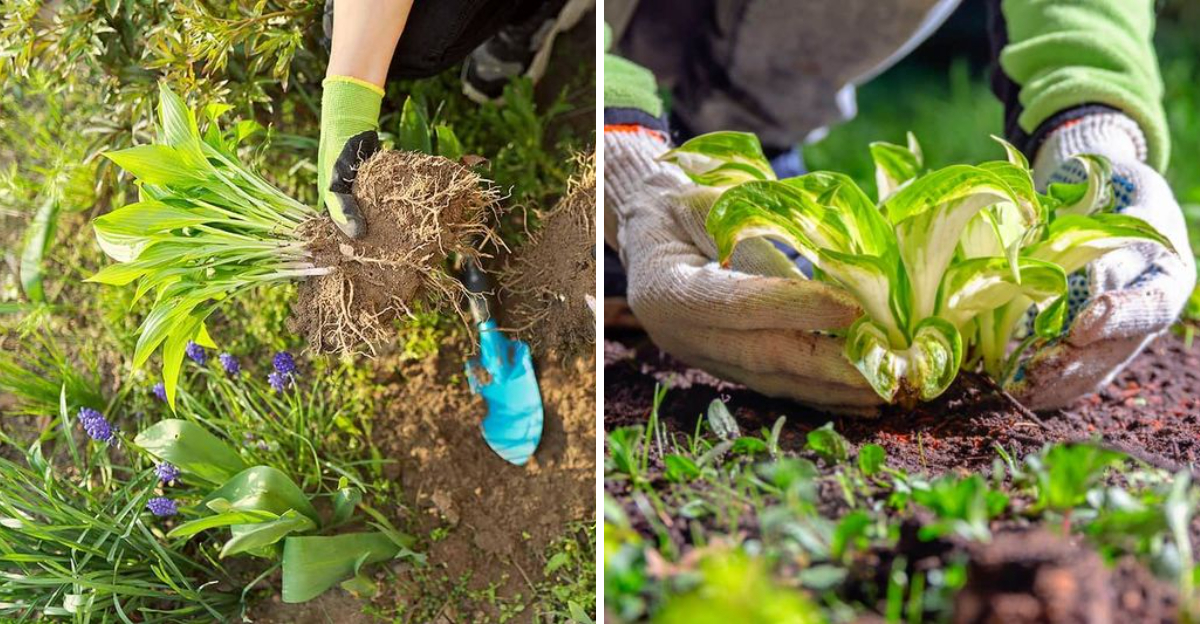
Perennials in Georgia do not stay tidy forever, and crowded clumps can start showing it as growth picks up in May.
Blooms get smaller, centers thin out, and plants lose that full look that made them stand out before. That shift signals a good moment to step in and reset things before summer pressure builds.
Dividing and moving those plants gives them space to breathe and helps roots establish more evenly. Freshly separated sections often bounce back with stronger growth and better flowering once they settle into new spots.
Good timing also helps reduce stress so plants recover faster. Soil moisture, shade, and careful handling all make a difference during the process.
Paying attention to those details can turn an overgrown area into something healthier and more balanced, with plants that look refreshed instead of worn down as the season moves forward.
1. Choose The Right Perennials That Can Be Divided In Late Spring
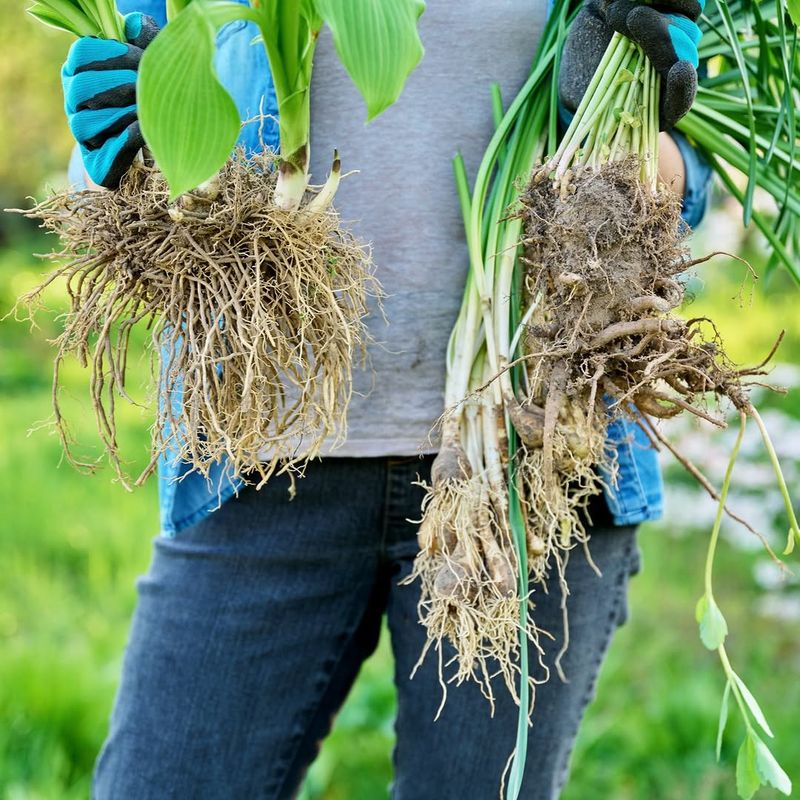
Not every perennial is happy about being divided in late spring, and knowing which ones are actually ready makes all the difference. Some perennials thrive when split during this window, while others prefer fall or early spring.
Getting this wrong can set your plants back for an entire season.
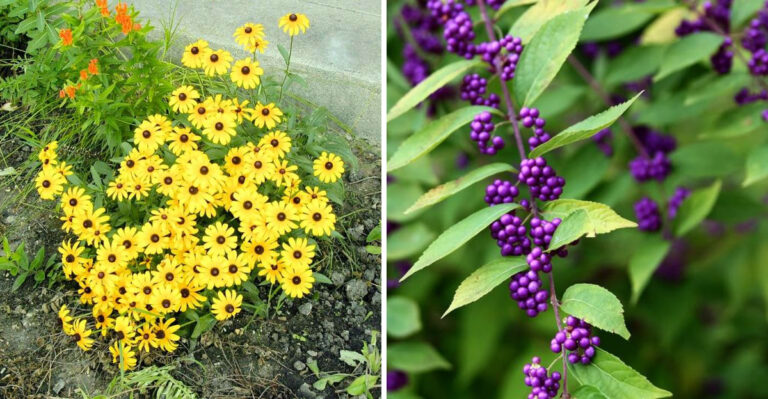
Daylilies are a perfect example of a Georgia garden staple that handles late spring division really well. Hostas, black-eyed Susans, coneflowers, and ornamental grasses also respond well when divided in May before the Georgia heat becomes relentless.
Liriope is another tough performer that splits easily and re-establishes quickly in Georgia’s clay-heavy soils.
Plants that bloom in spring, like creeping phlox or bleeding heart, should generally be left alone right now since they’re finishing their flowering cycle. Dividing them during active bloom can cause unnecessary stress.
Wait until their foliage begins to fade before touching those varieties.
Look for visual clues that a plant is ready. Crowded clumps with fewer blooms than previous years, hollow centers, or stems pushing outward in all directions are all signs a division is overdue.
2. Water Plants Well Before Digging To Reduce Stress
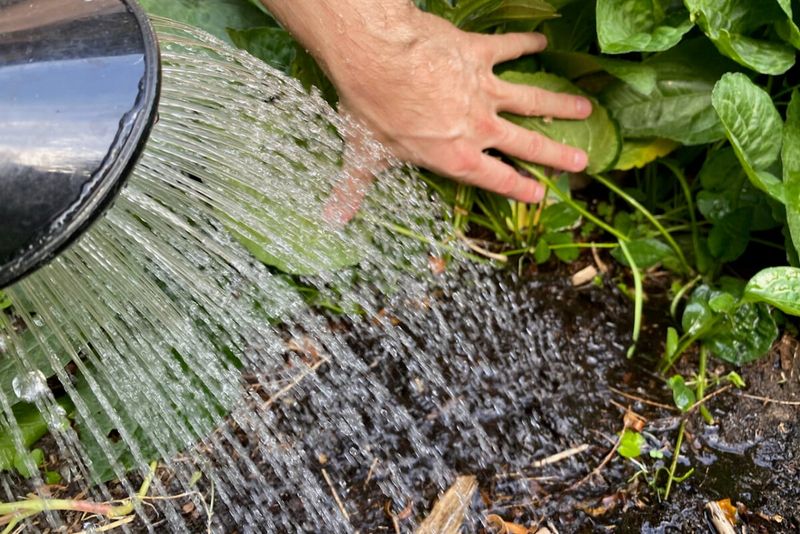
Watering your perennials the day before you plan to divide them is one of the simplest things you can do to improve your results. Moist soil clings to roots instead of crumbling away, which means the plant holds onto more of its root system during the move.
Dry roots exposed to Georgia’s May air can lose moisture fast.
Give each clump a deep, slow soak rather than a quick sprinkle. You want water to penetrate at least six to eight inches down so the entire root zone is thoroughly hydrated.
A light surface watering won’t cut it, especially if your soil has any clay content, which is common across much of Georgia.
Morning watering the day before works well, or you can water the evening before if you plan to divide early the next morning. Avoid dividing plants in the heat of the afternoon, particularly in Georgia, where temperatures in May can already climb into the upper 80s.
Your Georgia Garden Changes Every Week. Your Plan Should Too.
Gardening in Georgia changes quickly throughout the season. Every Friday you’ll receive a simple weekly plan showing exactly what to plant, prune, fertilize, harvest, and protect so you never miss the right timing.
Early morning is almost always the best time to work.
Hydrated plants physically handle the shock of division better than dry ones. Their cells are plump with moisture, their stems are upright, and their root hairs are active and ready to start recovering.
3. Lift The Root Ball Carefully To Protect Healthy Roots
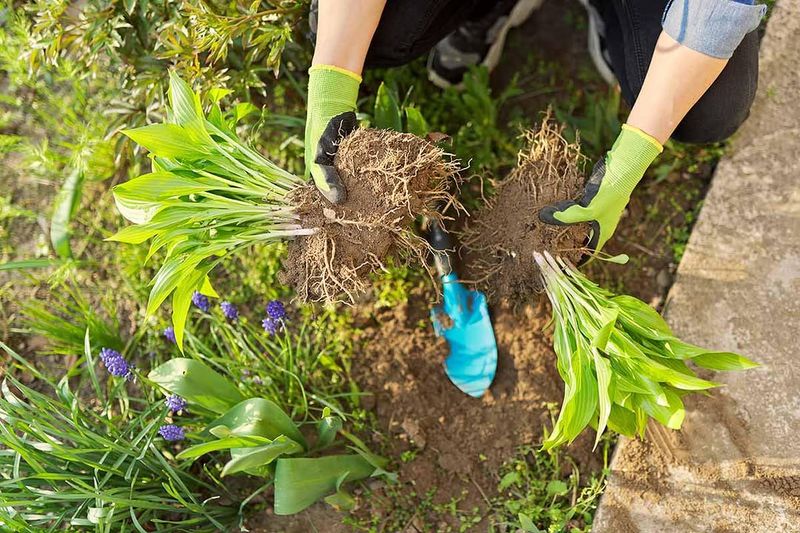
Digging up a root ball without damaging it takes more patience than most people expect the first time around. Rushing the lift is where most gardeners lose healthy roots, and those roots are exactly what the new division needs to get established quickly in Georgia’s warm May soil.
Start by pushing a garden fork or sharp spade into the ground about six inches away from the outer edge of the plant clump. Work your way around the entire perimeter before attempting to pry anything loose.
Going all the way around first loosens the surrounding soil evenly and reduces the chance of snapping roots.
Once you’ve worked around the clump, angle your fork or spade under the root ball and lever it upward from below rather than pulling from above. Pulling from the stems puts pressure on the crown, which is the most sensitive part of the plant.
Lifting from underneath keeps the root structure intact as much as possible.
Larger clumps, like overgrown ornamental grasses common in Georgia landscapes, may need two forks inserted from opposite sides and worked simultaneously. One person prying from each side makes the job far easier and reduces root damage significantly.
A second set of hands is genuinely useful here.
4. Divide Clumps Using Clean Sharp Tools
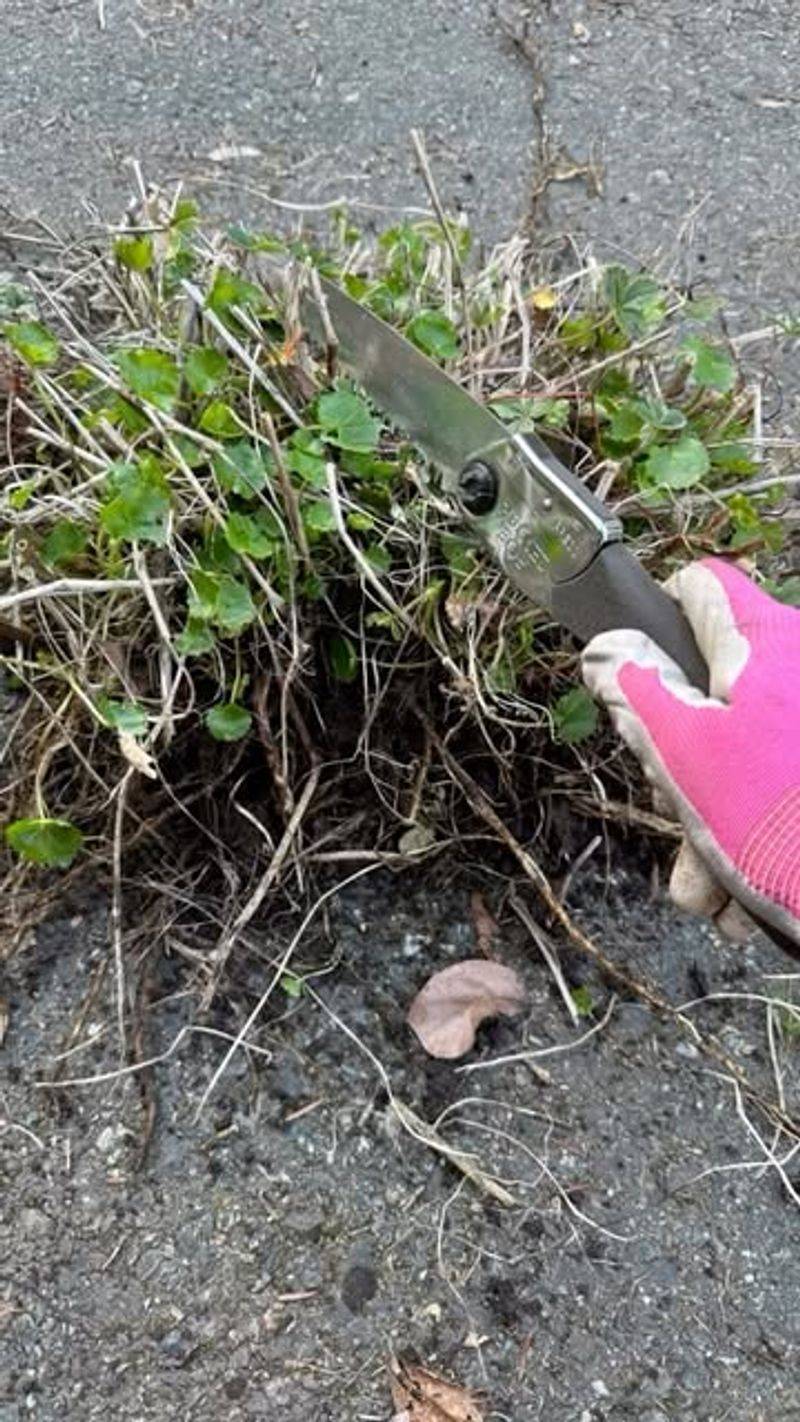
Sharp tools are not optional when it comes to clean divisions. A dull spade or rusted knife tears through root tissue instead of slicing it cleanly, and torn roots are slower to recover and more vulnerable to soil-borne pathogens.
Cleanliness matters just as much as sharpness.
Before you start cutting, wipe your blades with a cloth soaked in rubbing alcohol or a diluted bleach solution. Moving between plants without cleaning tools can spread fungal issues or bacterial problems from one clump to another without you ever realizing it.
Georgia’s warm, humid conditions in May make plants more susceptible to these kinds of transfers.
For smaller perennials like black-eyed Susans or coneflowers, a sharp garden knife or a serrated soil knife works great. Pull the clump apart by hand first to find natural separation points, then use the knife to cut through any roots that resist.
Working with the plant’s natural structure reduces unnecessary cutting.
Larger clumps, particularly ornamental grasses or overgrown liriope, often need two spading forks pushed back-to-back into the center of the clump and then levered apart. This technique splits the root mass with less damage than chopping straight through with a spade.
It takes a bit more effort but the results are noticeably better.
5. Replant Divisions Quickly At The Same Depth
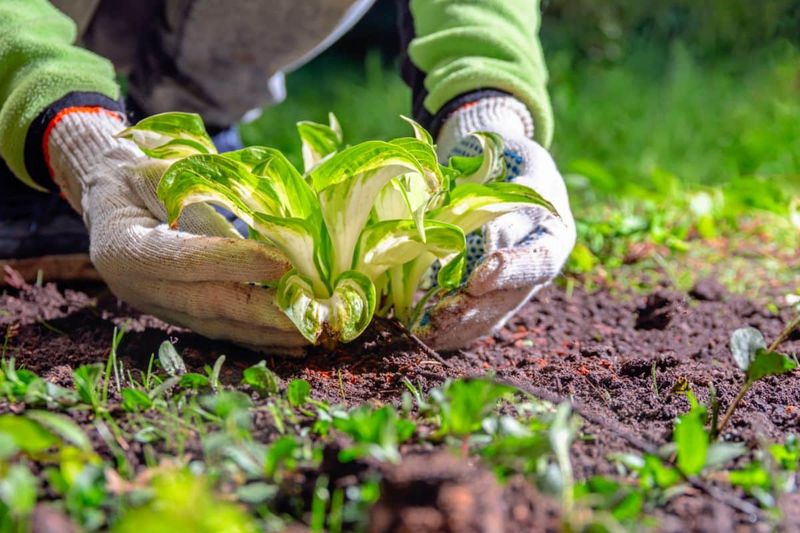
Speed matters once a division is out of the ground. Every minute a bare-rooted plant sits in open air, especially in Georgia’s warming May temperatures, is a minute it’s losing moisture through exposed roots and cut surfaces.
Getting divisions back into the ground quickly is one of the most practical things you can do for their survival.
Prepare planting holes before you even start digging up the original clump. That way, divisions go straight from the ground into a waiting hole without any unnecessary delay.
Pre-digging holes sounds like extra work upfront, but it makes the whole process smoother and faster when it counts.
Planting depth is something gardeners sometimes overlook in the rush to get things back in the ground. Each division should go in at the same depth it was growing before.
Planting too deep buries the crown and can cause rot, while planting too shallow leaves roots exposed and vulnerable to Georgia’s drying heat.
Check the crown position as you set the plant in the hole. The point where stems meet roots should sit right at soil level, not below it and not an inch above it.
Firm the soil gently around the roots with your hands to eliminate air pockets, which can dry out roots from below.
6. Water Deeply After Transplanting To Help Roots Settle
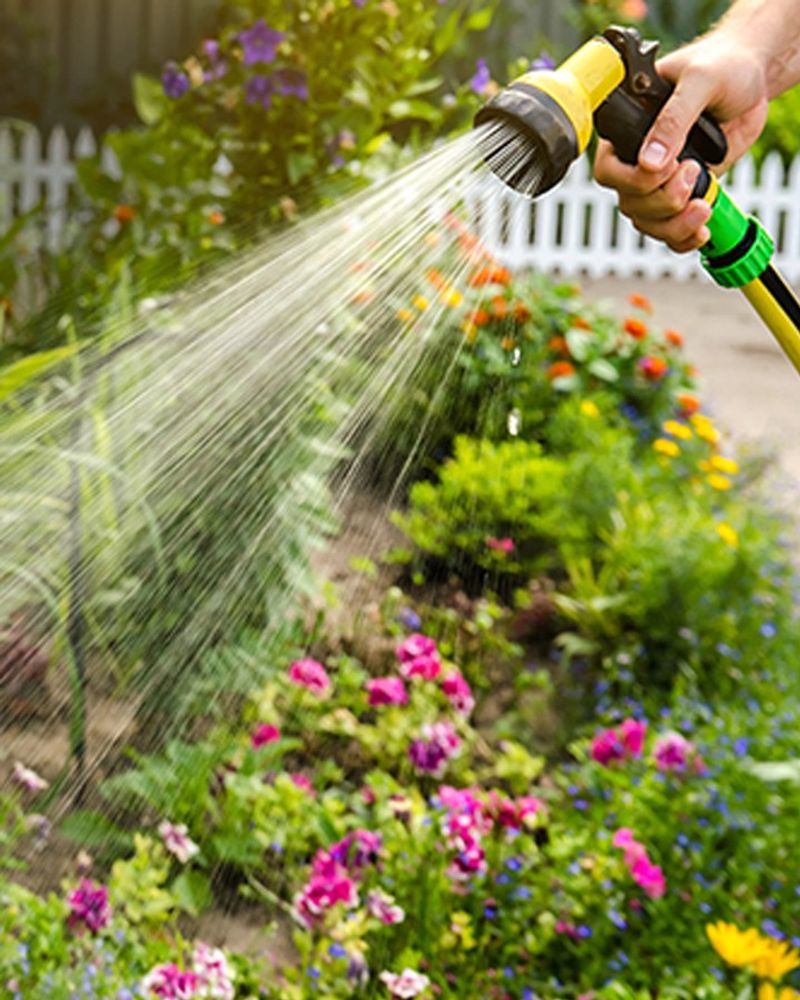
Watering right after transplanting isn’t just a good habit, it’s what actually starts the recovery process. Water pushes soil particles into contact with freshly cut roots, fills air pockets, and signals the plant to begin re-establishing its connection with the surrounding soil.
Without that first deep watering, divisions often sit in loose soil and struggle to take hold.
Soak each newly planted division slowly and thoroughly. Fast watering runs off before it soaks in, especially in Georgia’s clay-heavy soils where the surface can form a crust.
A slow trickle from a hose or a watering can held close to the base works better than a strong stream from above.
Continue watering newly transplanted perennials every one to two days for the first two weeks, adjusting based on rainfall and temperature. Georgia in May can swing between rainy stretches and dry, breezy days that pull moisture out of the soil faster than expected.
Keep an eye on conditions rather than following a rigid schedule.
Wilting the day after transplanting is common and usually not a cause for alarm. Leaves lose water faster than freshly cut roots can replace it, so some drooping is normal.
Keep the soil moist and most plants will perk back up within two to three days as roots begin to reconnect.
7. Add Mulch To Retain Moisture And Reduce Stress
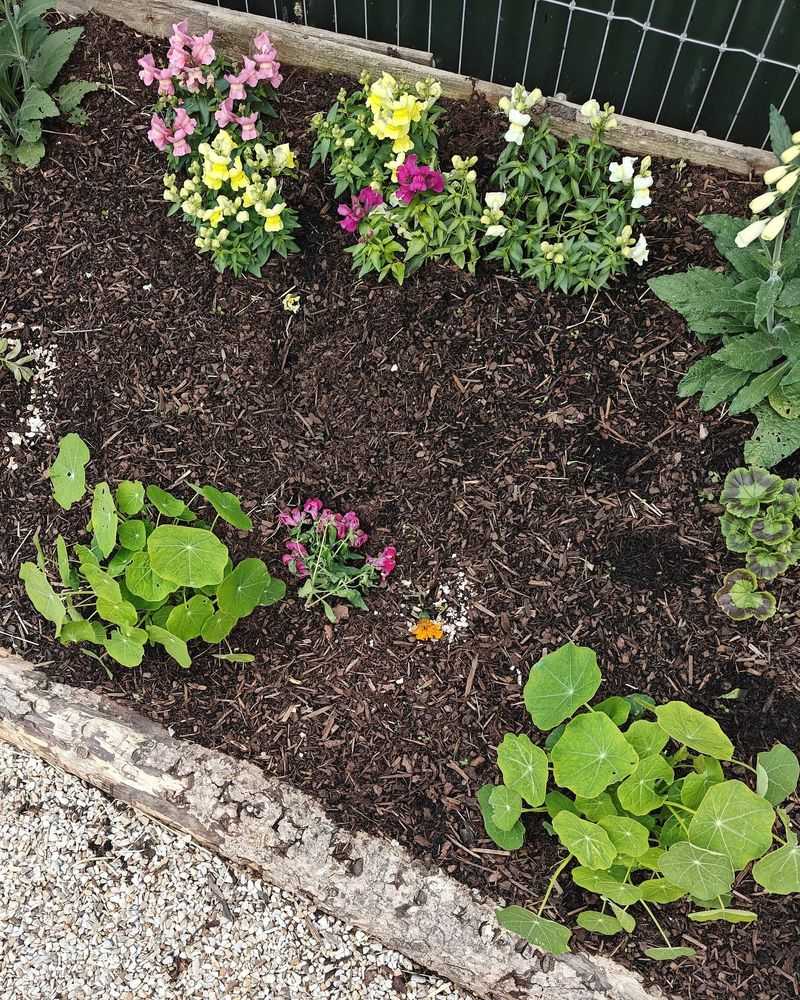
Mulch is one of those things that experienced Georgia gardeners swear by, and there’s good reason for it.
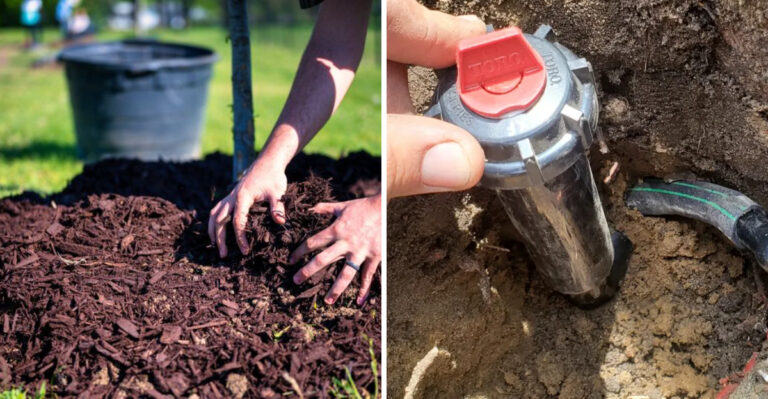
A two to three inch layer of mulch over the root zone of newly transplanted perennials holds soil moisture in, moderates soil temperature, and reduces competition from weeds all at once.
That combination is genuinely valuable during the critical first few weeks after division.
Pine straw is widely used across Georgia and works well for most perennials. It’s lightweight, breaks down slowly, and allows water to pass through easily without forming a hard crust.
Shredded hardwood bark is another solid option, especially for beds with heavier, clay-based Georgia soils that benefit from organic matter over time.
Keep mulch about an inch away from the base of each plant stem. Piling mulch directly against stems traps moisture against the crown and can lead to rot, which is a real risk in Georgia’s humid late spring and summer conditions.
A small gap around each stem is all it takes to avoid that problem.
Mulching also buffers soil temperature, which matters more than most people think. Georgia soil can heat up fast in May, and newly divided perennials with limited root systems are sensitive to that heat spike.