The Biggest Mistakes Arizona Gardeners Make With Plumeria
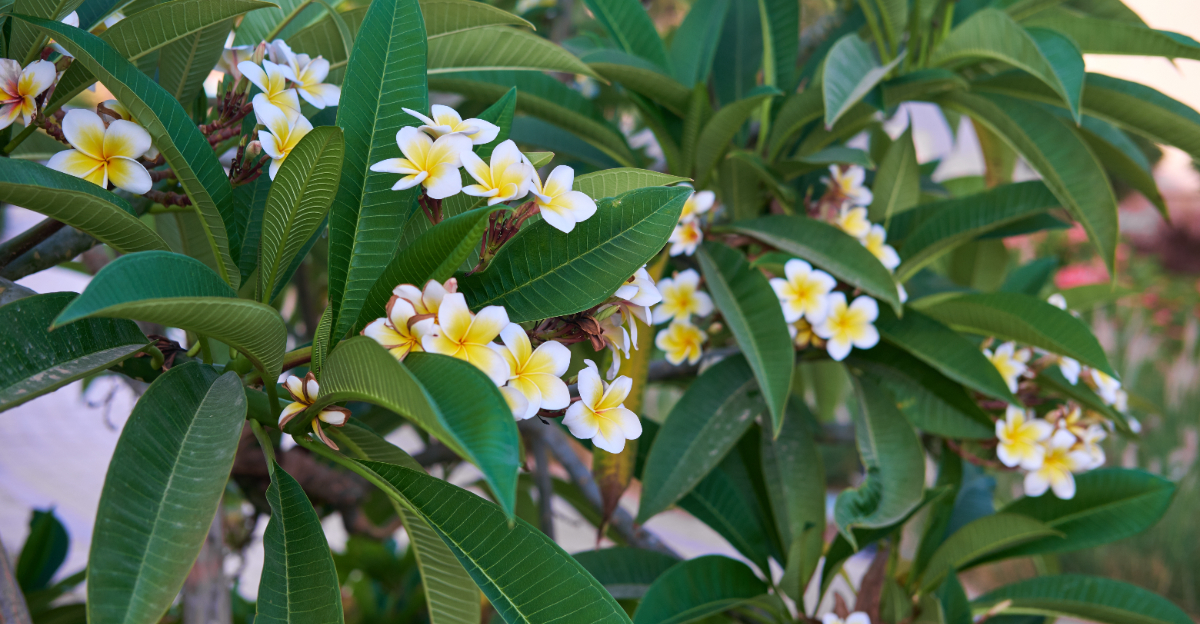
Plumeria can look effortless in Arizona, but that illusion fades quickly once heat, sun, and soil conditions start working against it.
Leaves drop, growth stalls, and blooms never show up the way they should, even though the plant seems established.
Small missteps often build up behind the scenes and lead to those frustrating results. Watering habits, sun exposure, and container choices all play a bigger role than most expect.
Plumeria responds fast to changes, which makes mistakes show up sooner in Arizona’s climate compared to milder regions. What works elsewhere does not always hold up once intense heat becomes a daily factor.
Getting a few basics right can completely change how this plant performs. Strong growth, fuller foliage, and better blooming come from avoiding those common pitfalls and setting the plant up for conditions it can actually handle.
1. Overwatering In Heat That Leads To Root Rot
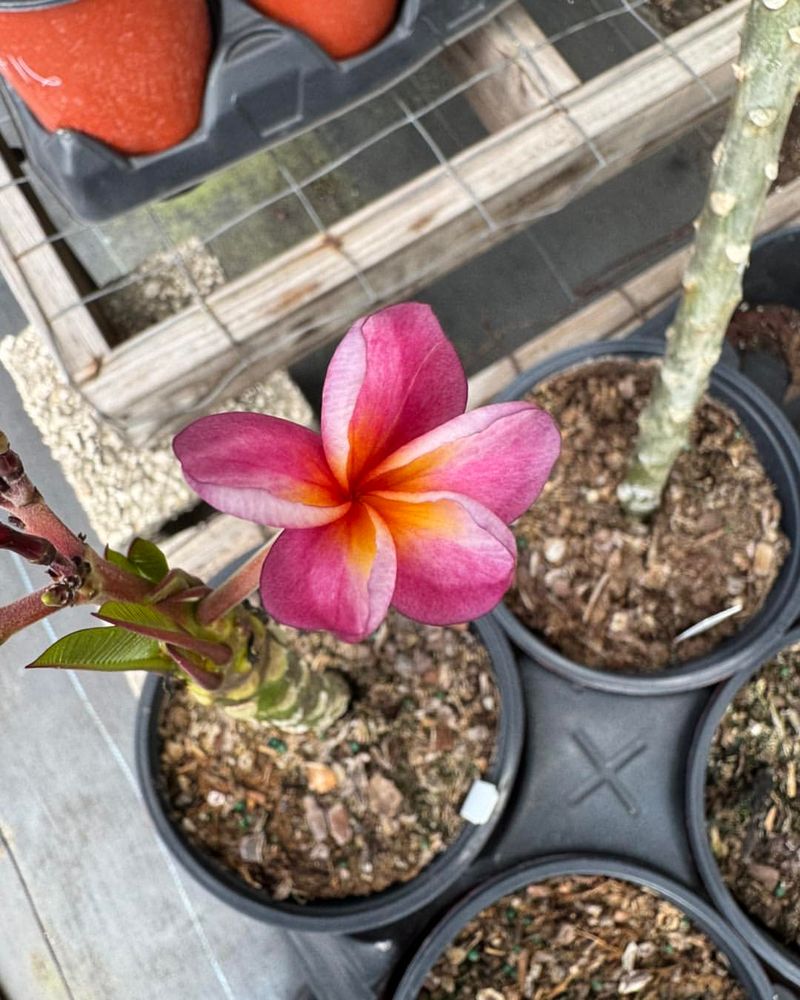
Watering a plumeria like it is a thirsty vegetable garden is one of the fastest ways to ruin it in Arizona. People see the intense Phoenix heat and assume the plant needs constant moisture to survive.
What actually happens is the opposite: plumeria roots need air just as much as water, and sitting in wet soil suffocates them quickly.
Root rot sets in quietly. By the time you notice soft, mushy tissue at the base of the stem or yellowing leaves that drop without warning, the damage is already deep.
In Arizona summers where temperatures regularly hit 110 degrees, evaporation happens fast, but if your pot or ground has poor drainage, the water lingers too long at the root zone.
A healthy watering schedule for Arizona plumeria growers means letting the soil dry out almost completely between waterings. During peak summer heat, that might mean watering every five to seven days, not every day.
Stick your finger two inches into the soil. If it still feels damp, wait another day or two.
Container-grown plumeria are especially vulnerable because water has nowhere to escape if the drainage holes are blocked or the pot sits in a saucer full of standing water.
2. Planting In Soil That Does Not Drain Fast Enough
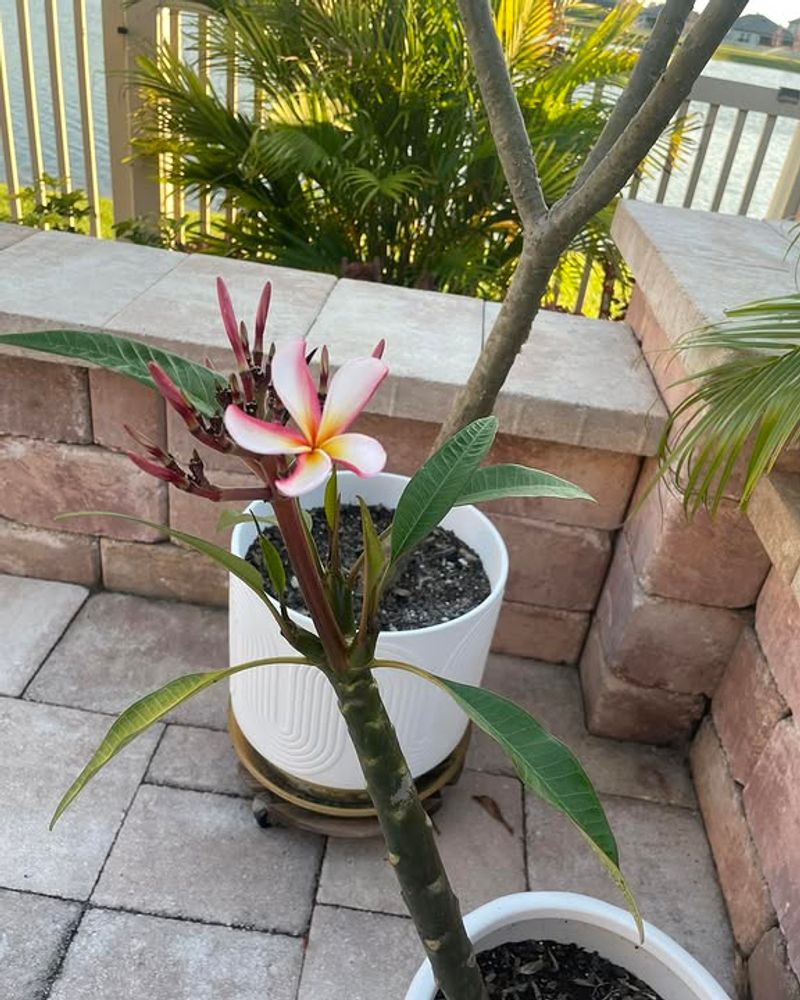
Plumeria planted in heavy, compacted Arizona clay soil will struggle no matter how well you care for it in other ways. Native desert soil in much of Arizona holds moisture longer than these tropical plants prefer, and that extra moisture around the roots creates problems fast.
Drainage is not optional with plumeria. It is the foundation everything else depends on.
A mix that works well in Arizona combines coarse perlite, pumice, or decomposed granite with a quality cactus and succulent potting mix. Aim for a blend that is at least fifty percent inorganic material.
Water should flow through the mix within seconds of being applied, not sit on top or drain slowly over several minutes.
Ground planting in Tucson or Phoenix requires extra effort. Dig a hole much wider than the root ball, and fill it with your amended mix rather than backfilling with native soil.
Your Arizona Garden Changes Every Week. Your Plan Should Too.
Gardening in Arizona changes quickly throughout the season. Every Friday you’ll receive a simple weekly plan showing exactly what to plant, prune, fertilize, harvest, and protect so you never miss the right timing.
Some Arizona gardeners raise the planting area slightly above grade to encourage water to move away from the root zone naturally after irrigation or monsoon rains.
Container growing gives you more control, but only if you choose the right pot. Terracotta pots are popular in Arizona because they are breathable and allow moisture to evaporate through the walls.
3. Exposing Plants To Cold Too Early In Spring
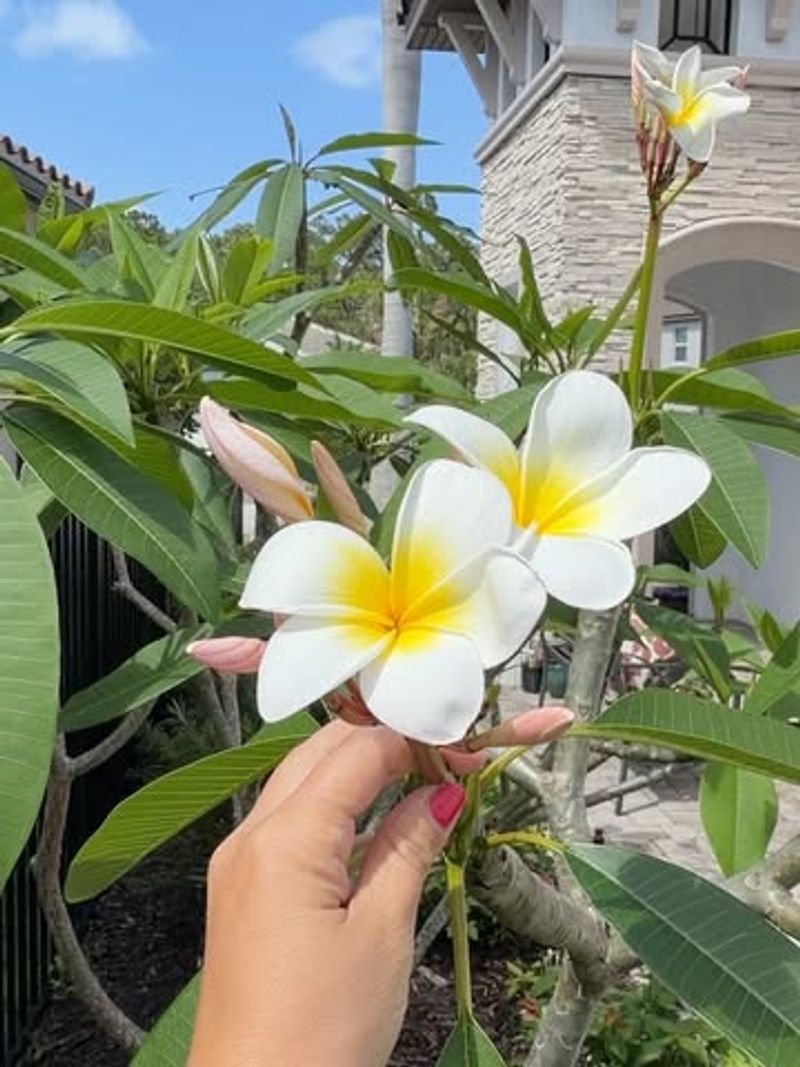
Spring in Arizona feels warm quickly, and that warmth fools a lot of gardeners into moving their plumeria outside before it is actually safe. A sunny afternoon in late February can hit 75 degrees in Phoenix, but nights in early March still regularly drop into the low 40s.
Plumeria goes into a dormant state during winter, and waking it up with a cold snap can stall its growth for weeks.
Cold damage on plumeria does not always look dramatic right away. Sometimes the tips of the new growth turn black, the emerging leaves crinkle and fail to open fully, or the whole branch tip softens and collapses.
Once cold damage sets in, that section of the plant will not recover. You have to cut back to healthy tissue and wait for new growth to push from a lower point on the branch.
A safe rule for most Arizona locations is to wait until nighttime temperatures are consistently above 55 degrees Fahrenheit before moving plumeria outside permanently. In Phoenix, that typically means late March to early April.
In higher elevation areas like Prescott or Flagstaff, it can be well into May before nights are reliably warm enough.
4. Placing In Full Sun Too Quickly Without Acclimation
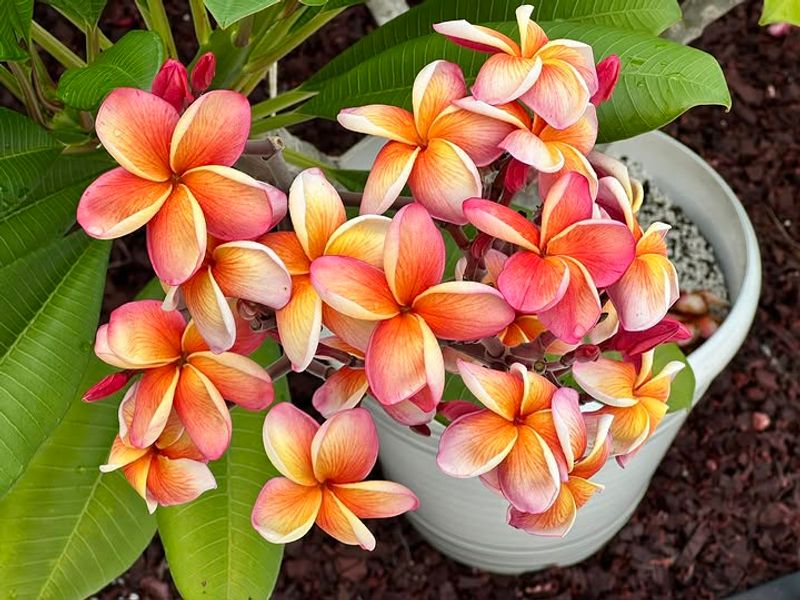
Arizona sun is brutal in a way that most plant guides do not fully prepare you for. A plumeria that spent winter indoors near a window or under grow lights has soft tissue adapted to low light intensity.
Placing it directly in full Phoenix summer sun without any transition period can cause serious sunscald within just a day or two.
Sunscalded leaves turn pale, bleached, or almost white in patches. The tissue dries out and becomes papery.
Affected leaves usually drop, and while the plant can push new growth, it wastes energy recovering from damage that was completely avoidable. In Arizona, where UV intensity is among the highest in the country, acclimation is not a suggestion.
It is a real necessity.
Start newly moved or recently purchased plumeria in a spot that gets morning sun and afternoon shade for the first two to three weeks. East-facing locations work well for this.
Gradually shift the plant into more direct exposure over the following weeks. Watch the leaves closely during this period.
If they start looking washed out or feel dry and papery, pull the plant back into more shade and slow down the process.
Established plumeria that have grown outdoors in Arizona through a full season handle intense sun much better.
5. Fertilizing Too Early Before Active Growth Starts
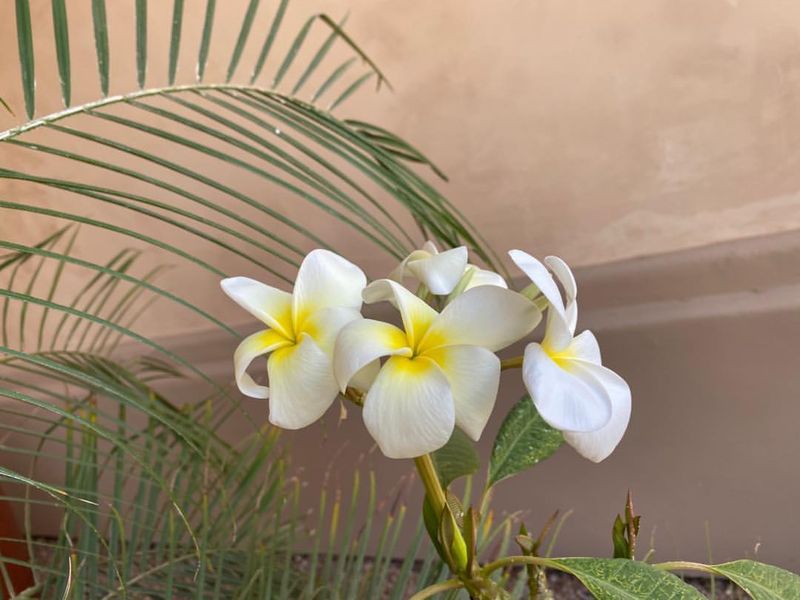
Reaching for the fertilizer bag the moment temperatures warm up is a habit that can actually set your plumeria back. When a plumeria is still dormant or just beginning to wake up in early spring, its root system is not actively absorbing nutrients yet.
Applying fertilizer before the plant is ready pushes salts into the soil without any uptake, which can stress the roots rather than fuel new growth.
Active growth is the signal you need to wait for. Look for swelling tips, small leaf nubs pushing out, or the first hint of new red or green growth at the branch ends.
In Arizona, this typically happens sometime in March through April depending on your specific location and elevation. Until you see that activity, hold off on feeding.
Plumeria responds best to a fertilizer with a higher middle number, which represents phosphorus. Phosphorus supports root development and flower production, which is exactly what you want to encourage early in the season.
Products marketed specifically for plumeria or those labeled for flowering tropicals usually have the right ratio. Follow the label dosage and resist the urge to apply more than recommended.
Slow-release granular fertilizers work well for Arizona gardeners because they reduce the risk of salt buildup and feed the plant gradually over several weeks.
6. Ignoring Salt Buildup From Irrigation Water
Arizona water is notoriously hard. Whether you are on city water in Phoenix or well water in a rural area, high mineral content is a reality that affects your plants over time.
Plumeria grown in containers are especially vulnerable because salts accumulate in the soil with every watering and have nowhere to go unless you actively flush them out.
Salt buildup shows up in a few different ways. A white or crusty tan residue on the soil surface is the most obvious sign.
Leaf tip burn, where the very ends of the leaves turn brown and crispy, is another common symptom. Over time, heavy salt concentration in the root zone makes it harder for the plant to absorb water properly, which creates a strange situation where the soil is moist but the plant shows signs of drought stress.
Flushing your containers every four to six weeks during the growing season helps prevent serious buildup. Water slowly and thoroughly until water runs freely from the drainage holes, then repeat the process two or three times in a single session.
This moves accumulated salts down through the soil and out of the root zone. It is a simple step that most Arizona gardeners overlook until they start seeing damage.
7. Leaving Plants Outdoors When Nights Drop Too Low
Even in the low desert regions of Arizona, winter nights get cold enough to seriously damage plumeria. Phoenix averages several nights per year below 40 degrees Fahrenheit, and a single night at freezing or below can cause significant damage to branches and stems.
Gardeners who assume the desert stays warm year-round often learn this lesson the hard way after one bad winter.
Plumeria goes dormant naturally as days shorten in fall, and that dormancy provides some tolerance for cooler temperatures. However, sustained cold below 40 degrees or any frost exposure pushes past what the plant can handle.
Damaged tissue turns dark, soft, and sunken. In severe cases, damage can extend deep into the main trunk, which takes an entire growing season to recover from if recovery happens at all.
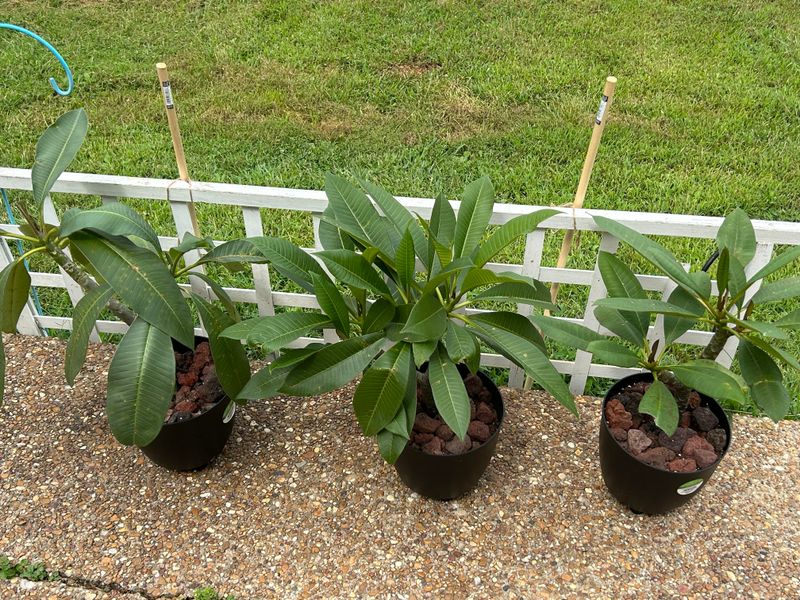
Bringing container plumeria indoors before the first cold snap is the simplest protection strategy for Arizona gardeners. A garage, shed, or interior room that stays above 50 degrees is sufficient.
You do not need heat lamps or grow lights during dormancy unless you want to encourage early growth, which is generally not recommended. Just keep the plant dry and above the cold threshold.