These Arizona Succulents Look Stunning In Pots And Stay Low Maintenance
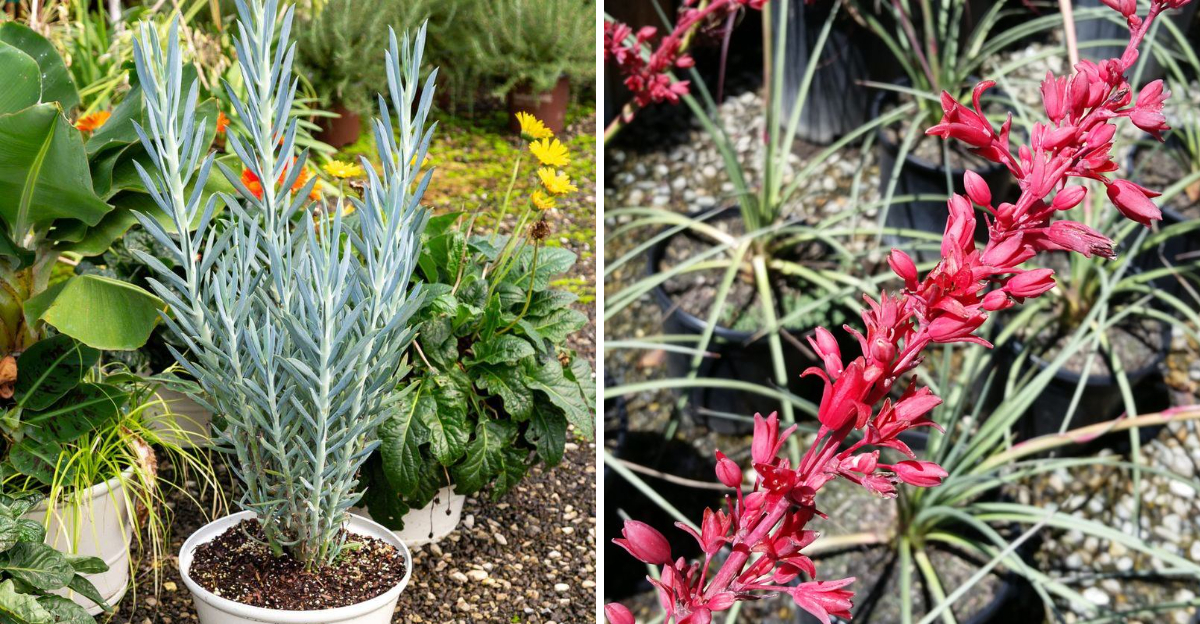
Containers can transform a simple Arizona setup, but not every plant holds up once heat reflects off hard surfaces. Some varieties fade, stretch, or struggle in pots, especially during long stretches of intense sun.
That is where the right succulents stand out without demanding constant care.
Certain types handle dry conditions, strong light, and limited soil far better than others. Thick leaves store moisture, compact growth keeps them neat, and natural resilience helps them stay attractive through the toughest months.
With the right picks, pots stay full and balanced instead of looking tired halfway through the season.
Placement and drainage still matter, but maintenance stays minimal once those basics are in place. Choosing succulents that match Arizona conditions can turn containers into something reliable and eye catching without adding extra work.
1. Aloe Vera Handles Heat And Needs Very Little Water
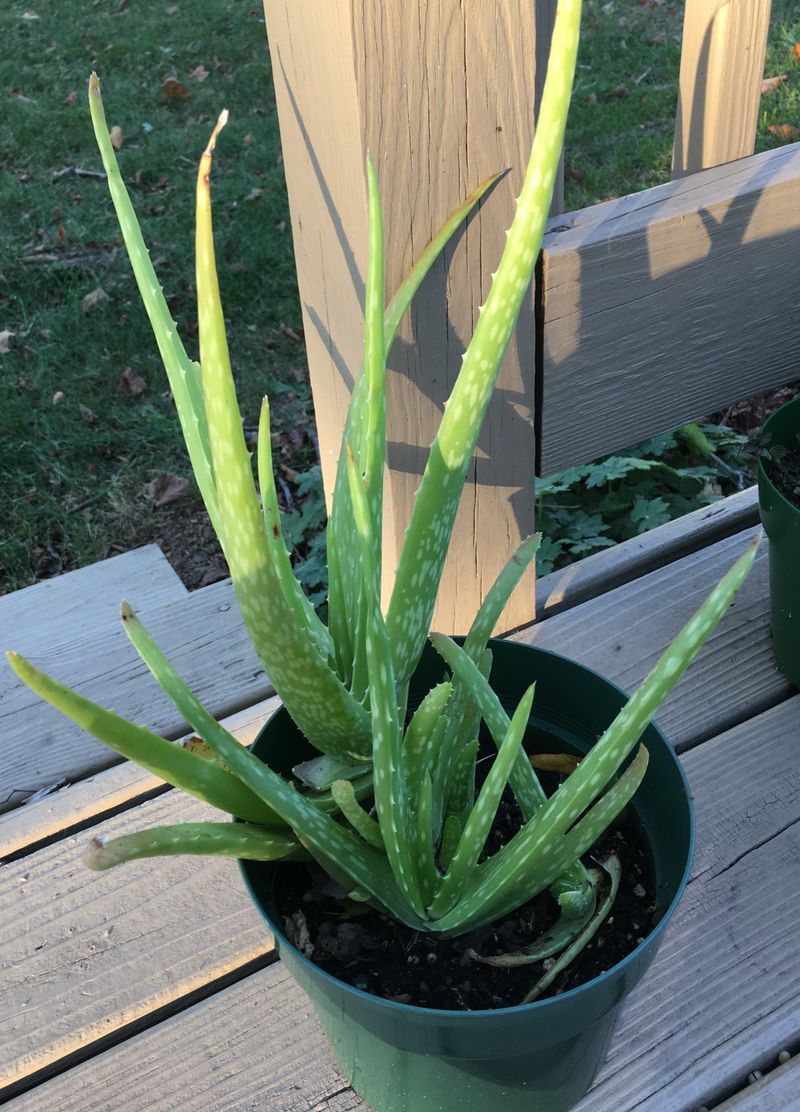
Few plants have earned their place in Arizona gardens as confidently as aloe vera. Sitting in a pot under full sun, a mature aloe looks bold and architectural without you lifting a finger to maintain it.
Aloe vera stores water inside its thick, fleshy leaves, which means it can go weeks without a drink during Arizona’s dry summers. Water deeply once every two to three weeks in summer, then cut back even further in winter when the plant basically rests.
Overwatering is the one thing that will actually cause problems, so when in doubt, skip the watering can.
Use a pot with solid drainage holes and a sandy or cactus-mix soil to keep roots from sitting in moisture. Terracotta pots work especially well in Arizona because they breathe and help prevent root rot in the intense heat.
Aloe vera also has a practical bonus most people appreciate: the gel inside the leaves soothes minor burns and skin irritation. Keep one near your outdoor grill or kitchen window and it doubles as a first-aid plant.
In Tucson and Phoenix alike, aloe vera remains one of the most popular container succulents for very good reason. It is reliable, tough, and genuinely attractive year-round.
Rotate the pot every couple of weeks so the plant grows evenly and does not lean toward the sun over time.
2. Ghost Plant Thrives In Sun And Spreads Easily In Pots
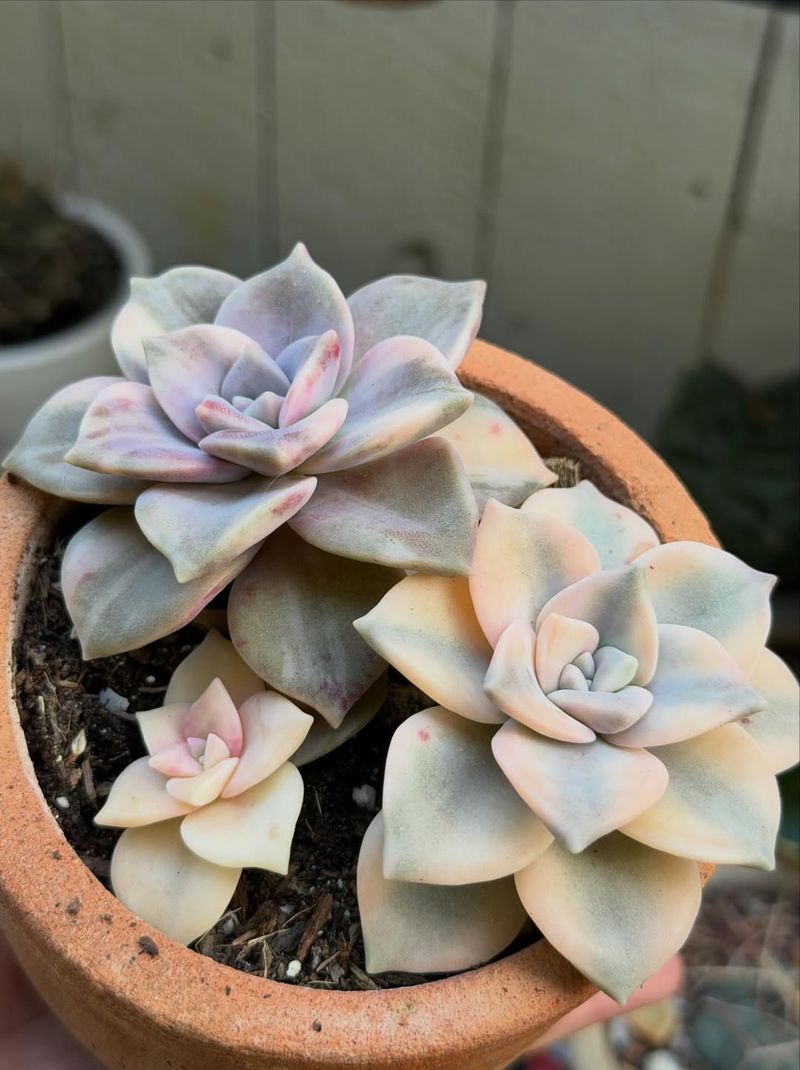
Ghost plant might just be the most underrated succulent growing across Arizona right now. Its rosettes shift between silvery blue and soft lavender depending on how much sun they receive, making every pot look a little different and genuinely interesting.
Native to Mexico and perfectly at home in Arizona’s climate, ghost plant handles full sun without complaint. Place it in a container on a south-facing porch in Scottsdale or Sedona and it will reward you with tight, colorful rosettes all season long.
Give it too much shade and the rosettes loosen up and lose that tight, compact shape that makes them so appealing.
One of ghost plant’s best traits is how freely it spreads. Stems trail over pot edges and send out new rosettes almost constantly during warm months.
Your Arizona Garden Changes Every Week. Your Plan Should Too.
Gardening in Arizona changes quickly throughout the season. Every Friday you’ll receive a simple weekly plan showing exactly what to plant, prune, fertilize, harvest, and protect so you never miss the right timing.
You can snap off a rosette, let it dry for a day, and press it lightly onto fresh cactus mix in a new pot. Within a few weeks, roots appear and a new plant is growing.
Watering is simple: soak the soil thoroughly, then wait until it is completely dry before watering again. Ghost plant tolerates neglect surprisingly well, making it a reliable choice for anyone who wants a beautiful container plant without a strict care schedule in Arizona’s demanding climate.
Protect it from heavy monsoon rain by moving containers to a covered spot, since excess moisture can cause rot quickly.
3. Blue Chalksticks Stay Low And Handle Intense Sun
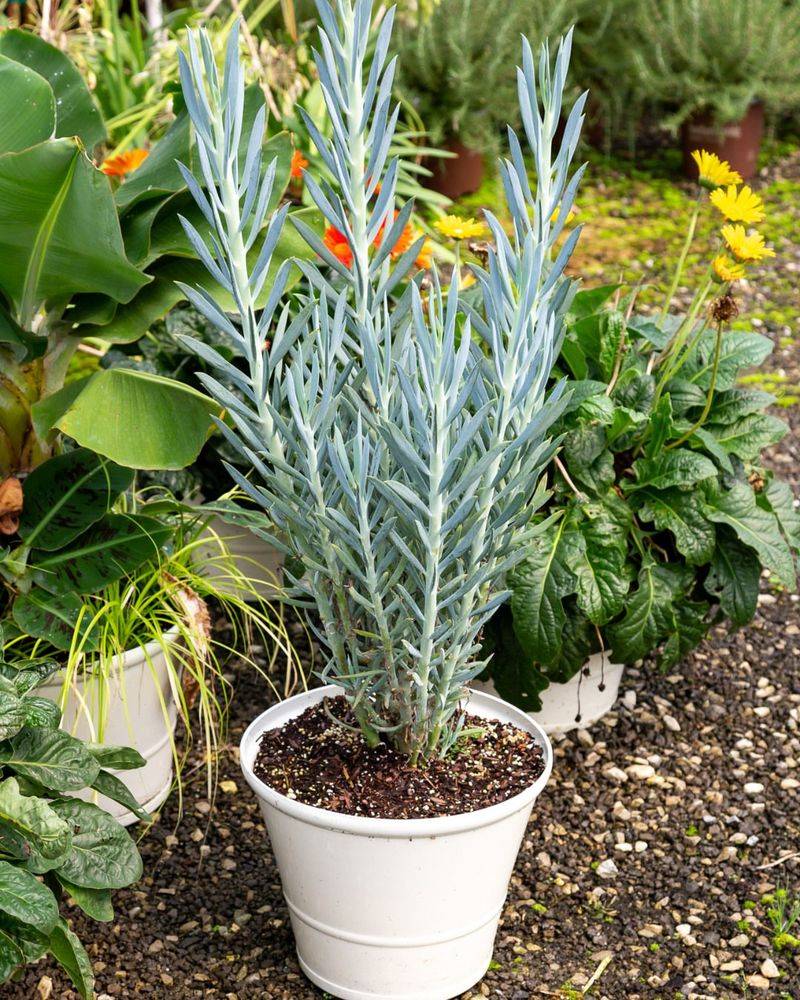
Blue chalksticks stop people in their tracks. Those cylindrical, chalky blue-gray fingers pointing upward out of a pot create a look that feels almost sculptural, and they do it with almost no effort from the gardener.
In Arizona, where summer sun is relentless and reflected heat off concrete can push temperatures even higher, blue chalksticks perform without missing a beat.
The powdery coating on each leaf actually helps reflect excess sunlight, which is a clever natural adaptation that works perfectly in Phoenix or Mesa conditions.
Plant them in a wide, shallow container with fast-draining soil and place them somewhere they get at least six hours of direct sun daily.
Height stays modest, usually under a foot tall, so blue chalksticks work beautifully in mixed container arrangements. Pair them with something taller and spiky behind them and something trailing at the front edge for a polished, layered look that suits Arizona’s desert aesthetic.
Water deeply but infrequently. During summer, once every two weeks is generally enough.
Pull back to once a month or less in winter. Root rot from soggy soil is the main risk, so drainage matters more than almost anything else with this plant.
Once established in a well-draining pot, blue chalksticks are about as close to a set-it-and-forget-it plant as you will find in Arizona container gardening.
4. Parry’s Agave Tolerates Extreme Heat And Dry Conditions
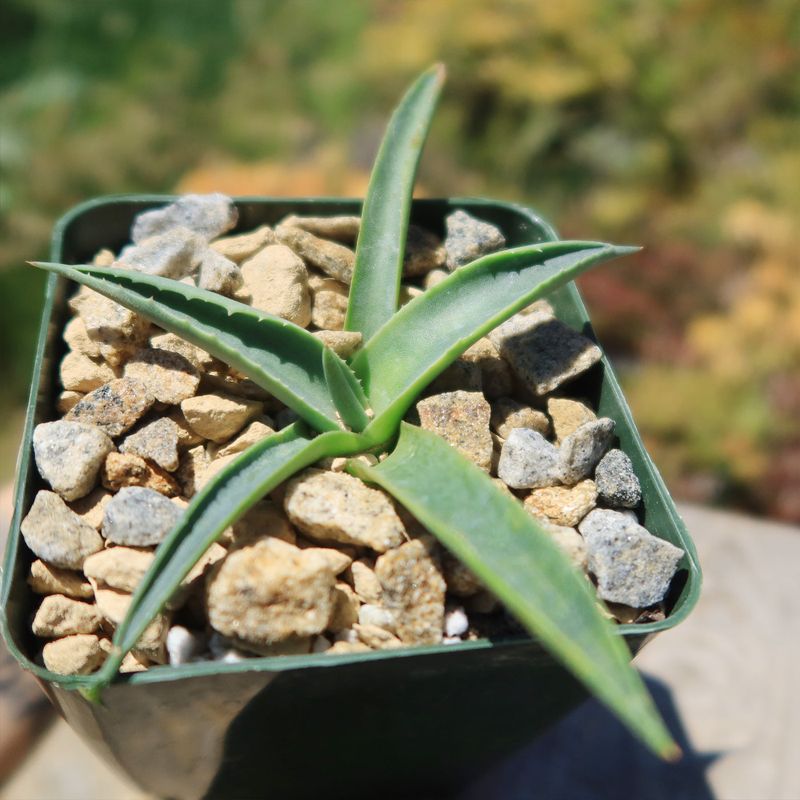
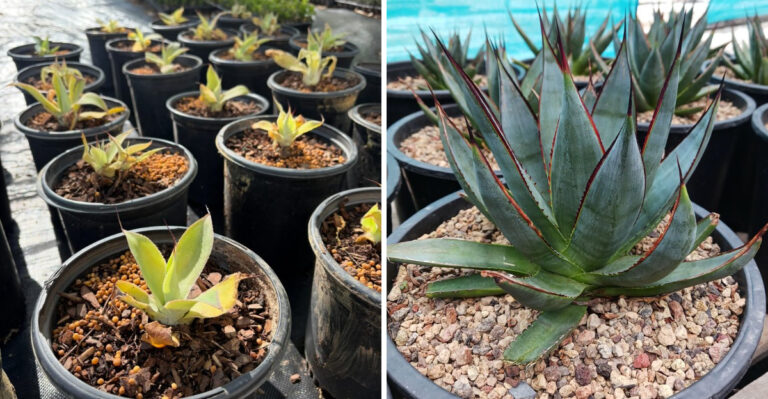
Parry’s agave is genuinely built for Arizona. Native to the mountains and desert grasslands of the Southwest, it developed its toughness over thousands of years in conditions that would stress most garden plants into oblivion.
Compact and symmetrical, Parry’s agave forms a tight blue-gray rosette that looks impressive in a large decorative pot. Each leaf ends in a sharp dark spine, so placement matters: keep it away from walkways and areas where kids or pets move around frequently.
A wide ceramic or concrete pot suits it well because agaves can get heavy as they mature and need a stable base.
In Phoenix, Tucson, and other Arizona cities, Parry’s agave handles summer heat without any special treatment. Water it once every three to four weeks during summer and barely at all during winter.
The plant pulls moisture from its thick leaves during dry spells, which is exactly what you want in a container plant during Arizona’s rainless stretches.
Parry’s agave blooms once in its lifetime, sending up a tall flowering stalk that can reach 15 feet. After blooming, the main rosette finishes its life cycle, but offsets around the base carry on.
Pot growers often remove these pups and start new containers, keeping the cycle going without losing their favorite plant.
Use a gritty cactus mix with added pumice or gravel to improve drainage and keep roots from staying wet after watering.
5. Red Yucca Handles Heat And Stays Low Maintenance
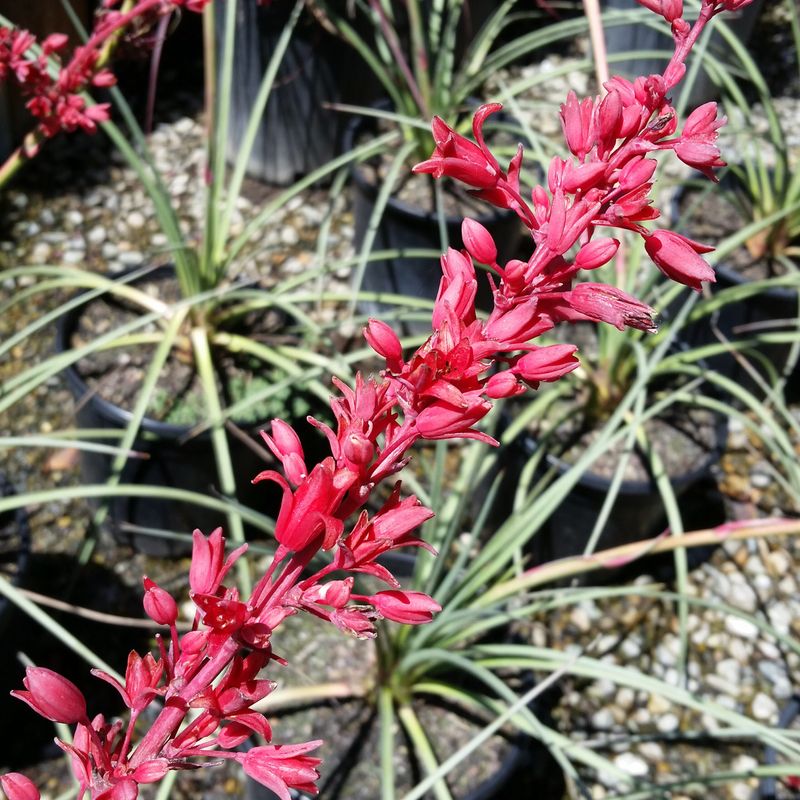
Red yucca earns its spot in Arizona container gardens by doing something most succulents skip entirely: it blooms with tall, coral-pink flower spikes that hummingbirds visit constantly from spring through summer.
The flowers are a genuine bonus on top of an already attractive plant.
Despite the name, red yucca is not a true yucca. It is actually a member of the agave family, which explains why it handles Arizona’s extreme heat and dry conditions so comfortably.
Long, narrow leaves arch outward in soft, fountain-like form, giving the plant a relaxed, natural appearance that pairs well with both modern and rustic container styles.
Plant red yucca in a deep container with excellent drainage. In Tucson and the surrounding Sonoran Desert region, established red yucca plants can go three to four weeks between waterings during summer without showing any stress.
Winter watering can drop to once a month or even less depending on rainfall.
One thing worth knowing: red yucca grows slowly, especially in its first year in a new pot. Patience pays off because once it settles in, it requires almost no attention.
Fertilizing is unnecessary in most cases. Trim spent flower stalks after blooming if you want a cleaner look, but even left untouched, red yucca stays tidy and attractive throughout the year in Arizona gardens.
Use a slightly wider pot rather than a deep, narrow one to give roots room to spread and keep the plant stable as it matures.
6. Elephant Bush Grows Well In Pots With Minimal Care
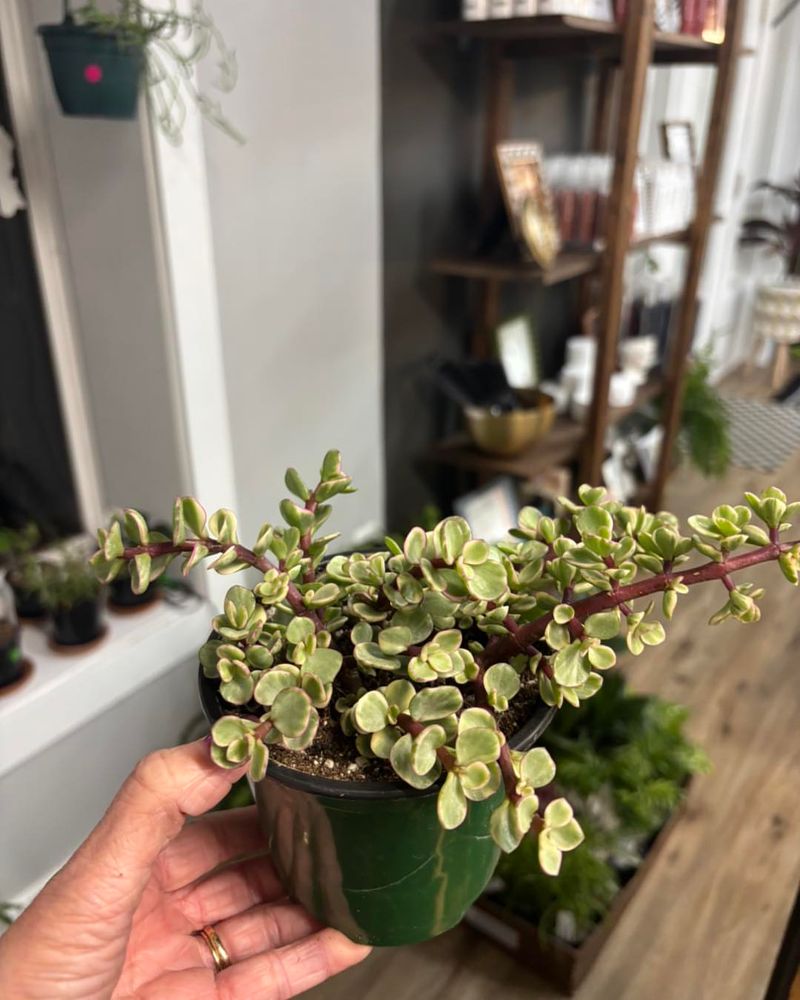
Walk through any neighborhood in Tucson or Phoenix and you will almost certainly spot elephant bush growing somewhere nearby. Its small, round, glossy leaves on thick reddish stems make it immediately recognizable, and it has a natural bonsai quality that looks polished without any pruning effort.
Elephant bush loves heat and handles Arizona summers with ease. In a pot on a sunny patio, it grows at a steady pace during warm months and slows down in winter when temperatures drop.
The plant is native to South Africa, where dry and hot conditions are standard, so Arizona’s climate suits it almost perfectly.
Container care is straightforward. Use a cactus or succulent potting mix, water once every one to two weeks in summer, and reduce that to once every three to four weeks in cooler months.
Bright, direct sun brings out the best color in the leaves and keeps the stems compact and sturdy rather than leggy.
One practical advantage of elephant bush in pots is how easily you can shape it. Light trimming encourages branching and keeps the plant looking full.
Cuttings root quickly in dry cactus mix, so propagating new plants is simple and costs nothing. For Arizona gardeners who want something low-effort but visually interesting on a porch or balcony, elephant bush consistently delivers without demanding much attention.
7. Golden Barrel Cactus Thrives In Full Sun And Dry Soil
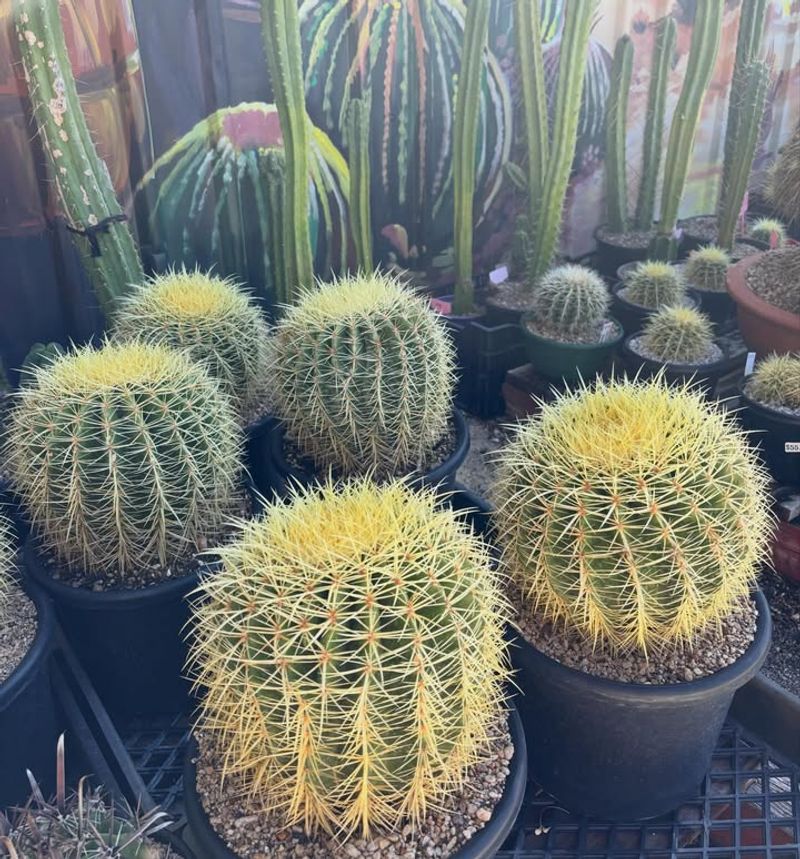
Golden barrel cactus is practically a symbol of the Arizona desert, and it earns that reputation every single summer. Round, dense, and covered in bright golden spines, it looks like it belongs on a movie set, yet it asks almost nothing from the person growing it.
In a container, golden barrel cactus develops slowly but steadily over the years. Young plants start small and round, eventually growing into impressive globes that can reach two feet across in a large pot.
Placing one on a sunny Arizona patio creates an instant focal point that looks great every month of the year, not just during a short blooming window.
Full sun is non-negotiable. Six to eight hours of direct sunlight daily keeps the spines golden and the shape tight.
Less sun causes the cactus to lean toward the light source and lose that perfect symmetrical form. In Phoenix and other low-desert Arizona cities, afternoon reflected heat from concrete or walls is not a problem for this plant at all.
Water deeply but rarely. Every three to four weeks during summer is usually enough, and winter watering can drop to once every six weeks or less.
Sandy, fast-draining soil in a pot with drainage holes prevents the only real issue this cactus faces: waterlogged roots. Keep it dry and sunny and golden barrel cactus will thrive for years.
8. Firesticks Handle Heat And Require Very Little Attention
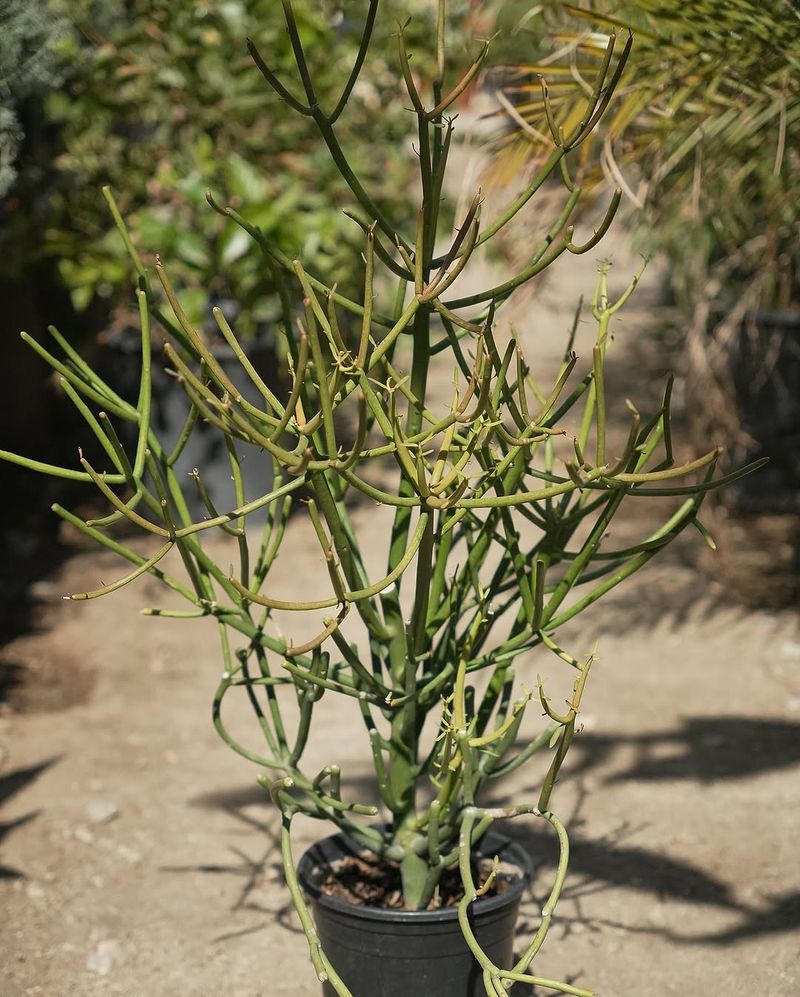
Firesticks turn heads every time. Those slim, pencil-like stems shift from green in summer to vivid shades of orange, red, and coral as temperatures cool in fall, creating one of the most dramatic color displays in any Arizona container garden.
Also known as pencil cactus or Euphorbia tirucalli, firesticks is technically a succulent shrub rather than a true cactus.
In Arizona, it handles intense summer heat without wilting or dropping leaves, and the color transformation it puts on in October and November makes it worth growing for that alone.
Placed in a large pot on a Scottsdale patio, a mature firesticks plant becomes a genuine conversation starter.
One important note: the milky white sap inside the stems is a skin irritant. Wear gloves when pruning or repotting, and keep the plant away from spots where children or pets might brush against it regularly.
Outside of that precaution, care is minimal.
Water every two to three weeks in summer and once a month or less during winter. Full sun brings out the best color intensity, so choose the sunniest spot available.
Firesticks grows quickly in warm Arizona conditions, so occasional trimming keeps it from outgrowing its container too fast. Cuttings should be left to dry for several days before planting to allow the cut end to seal properly before contact with soil.