The 10 Plants California Gardeners Should Stop Fertilizing Before Summer
Fertilizer feels like a love language for gardeners, but some California plants would really prefer you put the scoop down before summer starts flexing.
Extra feeding at the wrong time can push soft, thirsty new growth just when heat, dry soil, and water restrictions make life harder.
For many natives, drought-tough perennials, Mediterranean herbs, and woody shrubs, a spring boost may be plenty, while late feeding can lead to floppy stems, fewer flowers, pest problems, or plants that need more irrigation than they should.
California gardens are already heading into the season where resilience matters more than speed.
The goal is not to make everything grow faster. It is to help plants toughen up, settle in, and handle hot days without drama.
Before reaching for the fertilizer bag again, it is worth knowing which garden favorites are better off coasting into summer on their own.
1. Roses
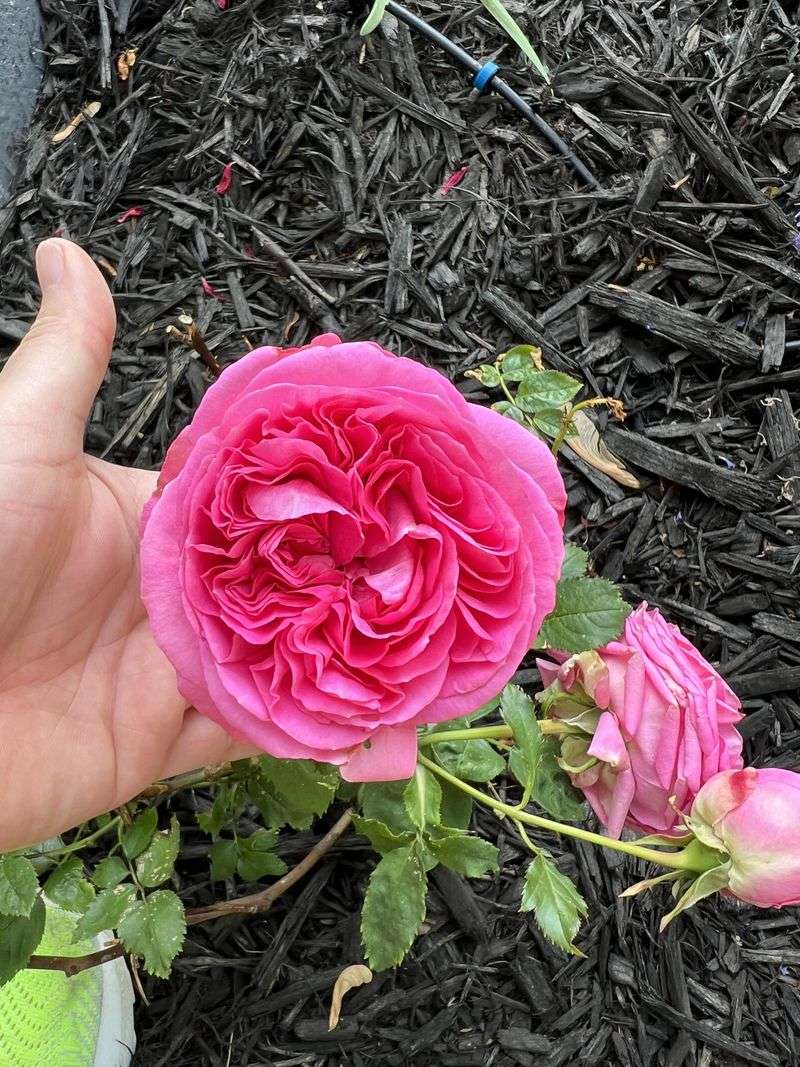
Few things make a California garden look more stunning than a row of healthy, blooming roses. But here is something many gardeners do not realize: feeding roses too close to summer can push out soft, new growth that cannot handle intense heat.
When temperatures start climbing in California, roses shift their energy toward survival rather than blooming. Giving them fertilizer at this point encourages tender shoots that wilt quickly under the hot sun.
It also stresses the roots when the soil heats up.
The smart move is to stop fertilizing about six to eight weeks before your hottest months hit. In most parts of California, that means wrapping up feeding by late spring.
Focus instead on deep watering and a good layer of mulch around the base of each plant.
Mulch keeps the soil cooler and holds moisture longer, which is exactly what roses need when summer arrives. If you do want to give them a little boost, use a very light, slow-release fertilizer early in spring.
Then let the plant settle in naturally as the season changes. Your roses will reward you with stronger, longer-lasting blooms.
2. Citrus Trees
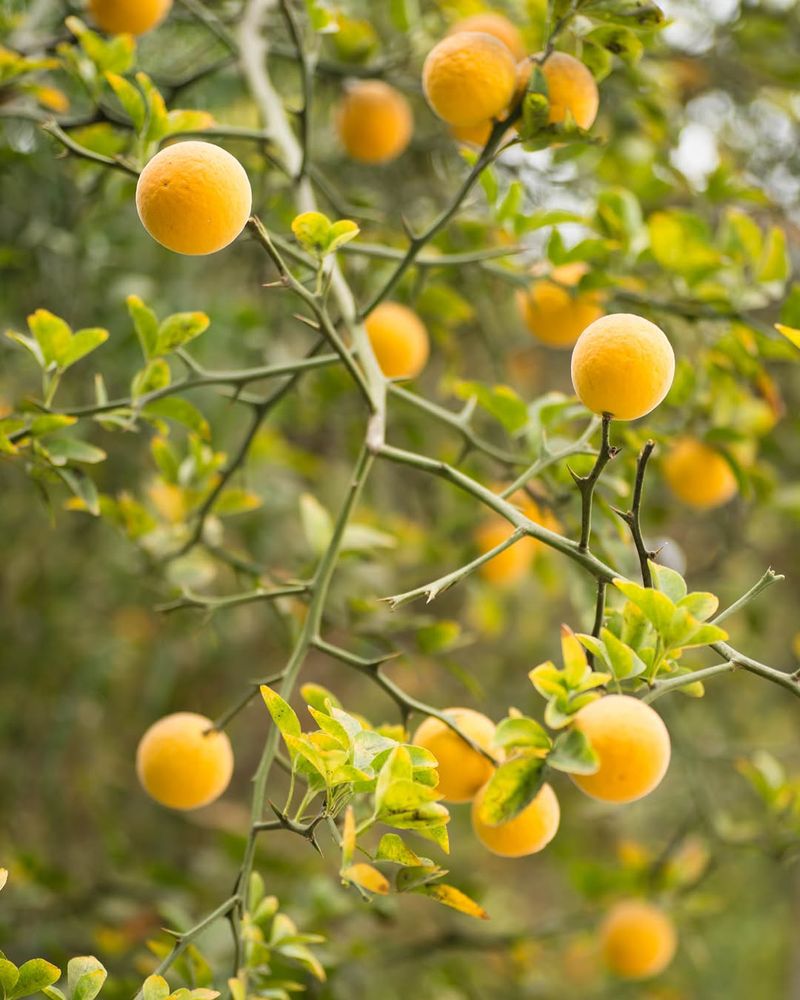
Citrus trees are one of the most beloved plants in California gardens, and it is easy to see why. Oranges, lemons, and limes thrive in the state’s warm climate and can produce fruit for many months of the year.
However, fertilizing citrus trees too late in the season is a common mistake. When you feed them right before summer, you push new leaf growth at a time when the tree should be focusing on developing fruit.
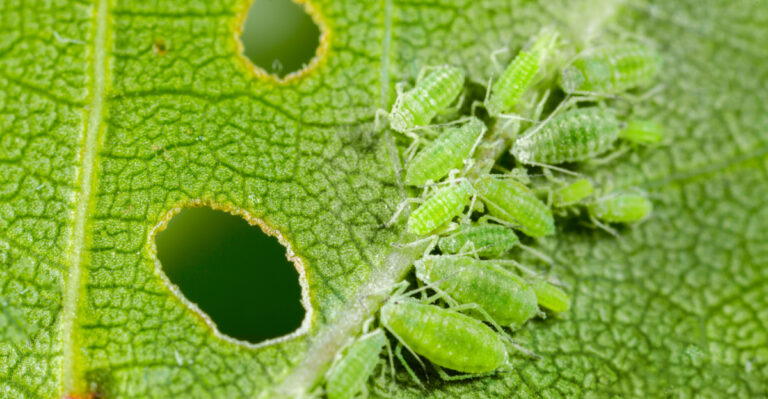
That new growth is also more attractive to pests like aphids and citrus leafminers, which are already active during warmer months in California.
Most citrus trees do best with their last fertilizer application in late spring, usually around May. After that, ease off and let the tree do its thing naturally.
Make sure it gets consistent, deep watering instead, especially during dry spells.
Citrus roots go deep, so watering slowly and thoroughly encourages stronger root development. Dropping fertilizer too late can also lead to excessive nitrogen in the soil, which affects fruit flavor.
Your California Garden Changes Every Week. Your Plan Should Too.
Gardening in California changes quickly throughout the season. Every Friday you’ll receive a simple weekly plan showing exactly what to plant, prune, fertilize, harvest, and protect so you never miss the right timing.
Keeping things simple during the summer months actually leads to better, juicier fruit come harvest time.
3. Bougainvillea
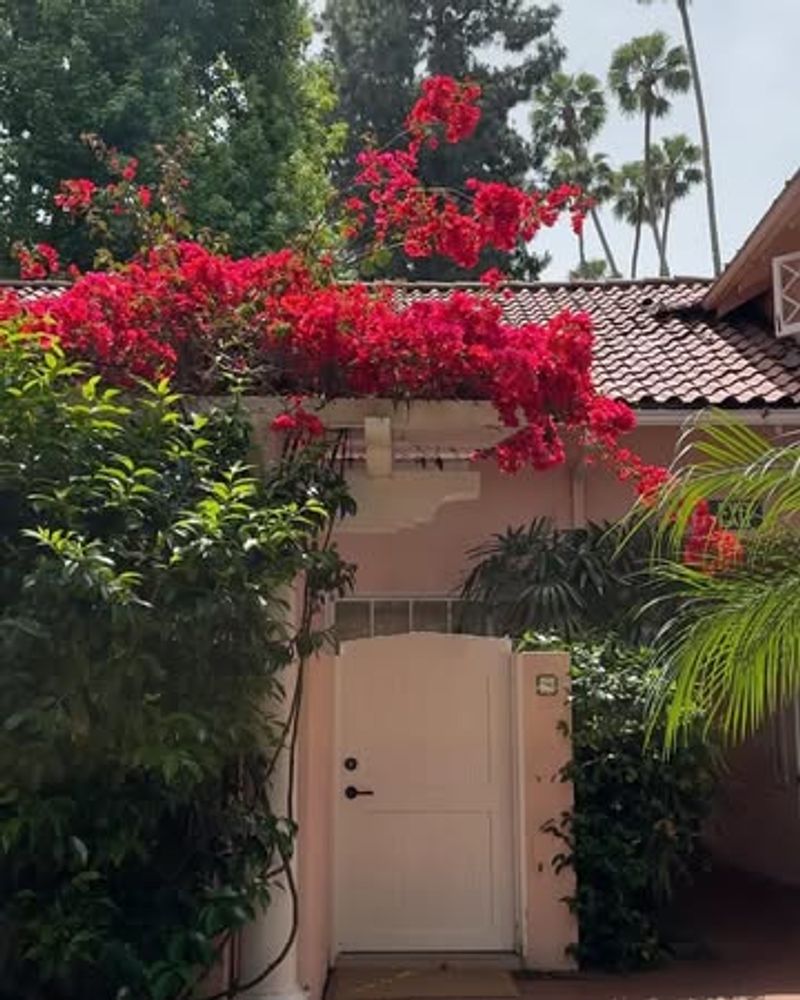
Here is a fun fact about bougainvillea: it actually blooms better when it is a little stressed. That might sound strange, but this plant thrives on neglect more than it does on pampering.
In California, bougainvillea is a garden superstar, draping over fences and walls with brilliant splashes of color.
Fertilizing bougainvillea right before summer is one of the quickest ways to reduce its blooms. Nitrogen-heavy fertilizers push leafy, green growth instead of flowers.
And in summer, that extra growth can become a burden for the plant under intense California heat.
Stop feeding bougainvillea around late spring and let it experience a bit of dryness between waterings. This mild stress actually signals the plant to produce more of those eye-catching bracts that everyone loves.
If you do fertilize, use a low-nitrogen, bloom-boosting formula in early spring only.
Once summer arrives, bougainvillea in California is largely self-sufficient. It loves full sun and handles heat well, but too much water and fertilizer during this time can weaken the plant.
Step back, water sparingly, and enjoy the show it puts on naturally throughout the warm months.
4. Hibiscus
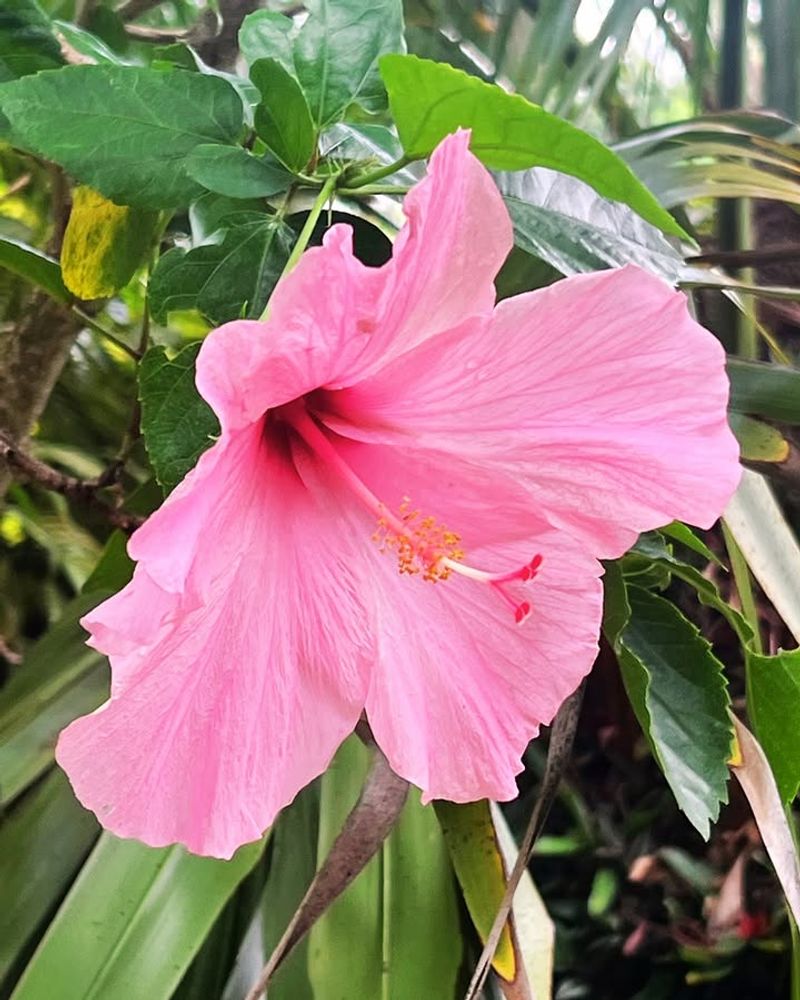
Hibiscus plants are bold, tropical, and absolutely gorgeous in California gardens. Their large, showy flowers can stop anyone in their tracks.
But even this heat-loving plant needs a break from fertilizer as summer approaches.
The issue is that hibiscus can be sensitive to fertilizer imbalances. Too much feeding in late spring causes rapid, weak growth that struggles once summer temperatures peak.
In Southern California especially, those scorching days can overwhelm an overfed hibiscus, leading to wilting and leaf drop.
Plan your last fertilizer application for mid-spring, using a balanced formula that supports both blooms and root health. After that, switch your focus to consistent moisture.
Hibiscus loves water, but it should drain well and never sit in soggy soil.
During summer, hibiscus in California benefits most from regular watering in the early morning hours. This gives leaves time to dry before the afternoon heat sets in, which helps prevent fungal issues.
You can also add a thin layer of mulch around the base to keep roots from overheating. Come fall, when temperatures cool slightly, you can resume a light feeding schedule.
Until then, let the plant settle into summer on its own terms.
5. Lawn Grass
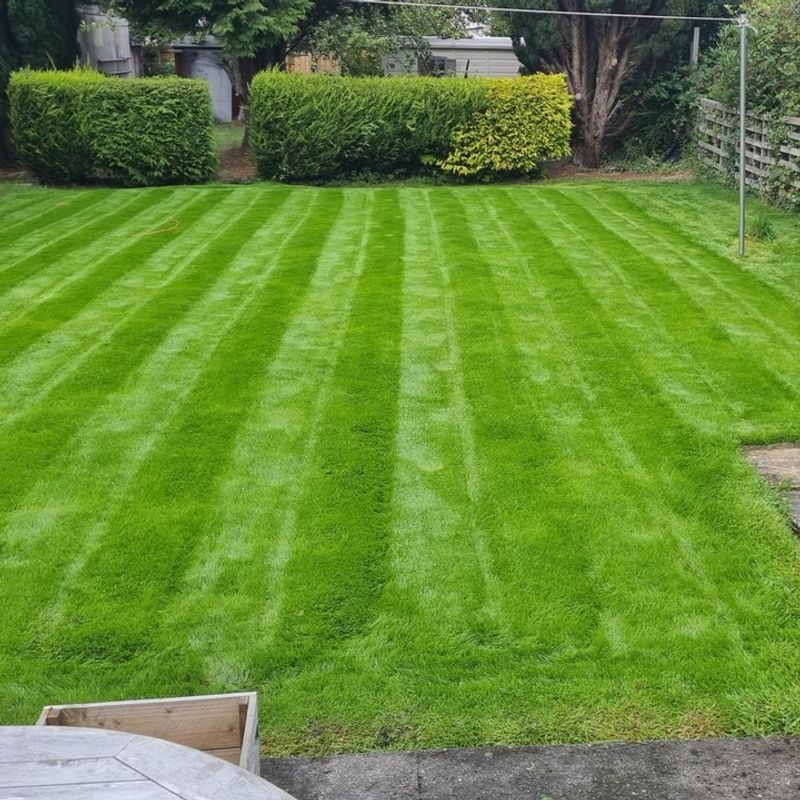
A green, healthy lawn is something most California homeowners take real pride in. But many people make the mistake of fertilizing their grass too frequently, especially heading into summer.
That extra feeding can actually do more harm than good once the heat ramps up.
When you fertilize lawn grass right before summer, you push fast growth that requires even more water to sustain. In a state like California, where water conservation is always a concern, this creates an unnecessary strain on both your lawn and your resources.
The grass also becomes more vulnerable to heat stress and drought damage.
Warm-season grasses like Bermuda and Zoysia, which are popular in California, should get their last spring fertilization in late spring. Cool-season grasses like fescue should stop receiving fertilizer even earlier, as they naturally slow down during California’s hot summers.
Instead of feeding, focus on mowing at the right height. Taller grass shades the soil and keeps moisture in longer.
Water deeply but less often to encourage deeper root growth. These simple habits keep California lawns looking good through summer without the risks that come from over-fertilizing before the hottest months of the year.
6. Tomatoes
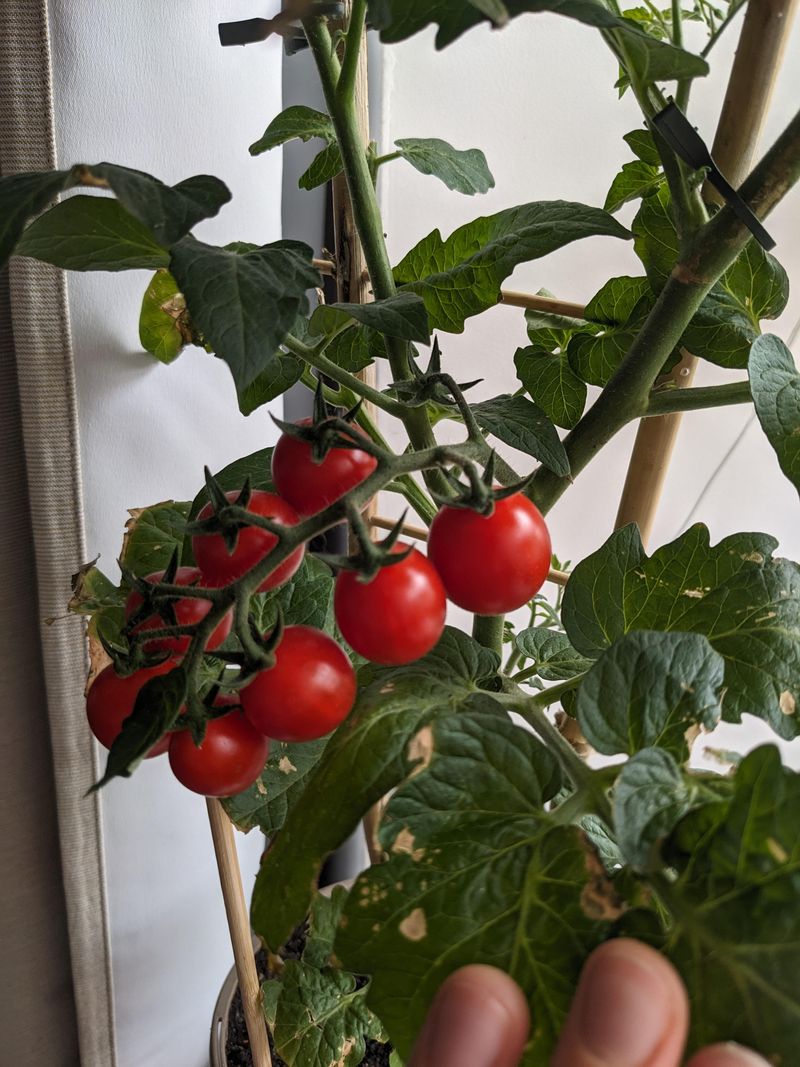
Tomatoes are one of the most popular vegetables grown in California home gardens, and for good reason. They love the sunshine, and California has plenty of it.
But timing your fertilizer correctly is key to getting a great harvest.
Many gardeners keep feeding tomatoes with nitrogen-rich fertilizer all the way into early summer, thinking more is better. The problem is that too much nitrogen at this stage causes the plant to push out lots of leafy growth instead of setting fruit.
You end up with a big, bushy plant that produces very few tomatoes.
Once your tomato plants start flowering, it is time to switch to a fertilizer that is lower in nitrogen and higher in phosphorus and potassium. This shift supports fruit development rather than leaf growth.
And once summer heat really kicks in across California, ease off fertilizing altogether.
Extreme heat actually causes tomatoes to drop their blossoms, so over-feeding during this time adds unnecessary stress to the plant. Focus on deep, consistent watering and a thick layer of mulch to keep roots cool.
Your tomato plants will hold up much better through the California summer heat when they are not being pushed to grow too fast.
7. Camellias
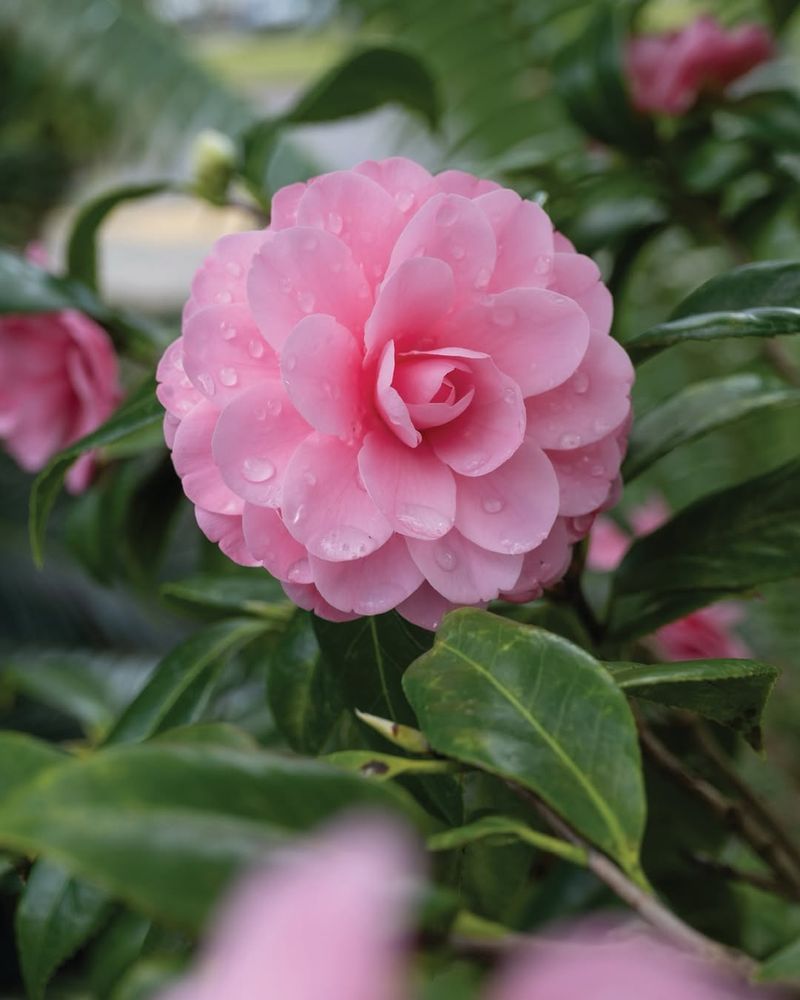
Camellias are elegant, classic plants that many California gardeners treasure for their beautiful flowers and glossy green leaves. They bloom in fall and winter, which makes their summer care a little different from most other garden plants.
Because camellias bloom during cooler months, they spend the summer resting and building up energy for the next flowering season. Fertilizing them right before or during summer disrupts this natural cycle.
It pushes new growth at the exact time the plant needs to be slowing down and conserving resources.
Wrap up camellia fertilizing by late spring, no later than early May in most California regions. After that, let the plant rest.
Make sure it is planted in a spot with partial shade, since camellias in California can suffer from sunburn during the hottest part of the day.
Good drainage is also important. Camellias do not like to sit in wet soil, and overwatering combined with late fertilizing is a recipe for root problems.
Keep the area around the base mulched to regulate soil temperature and moisture. When fall arrives and cooler weather returns to California, you can begin a light feeding routine again to support bud development for the next bloom season.
8. Jasmine
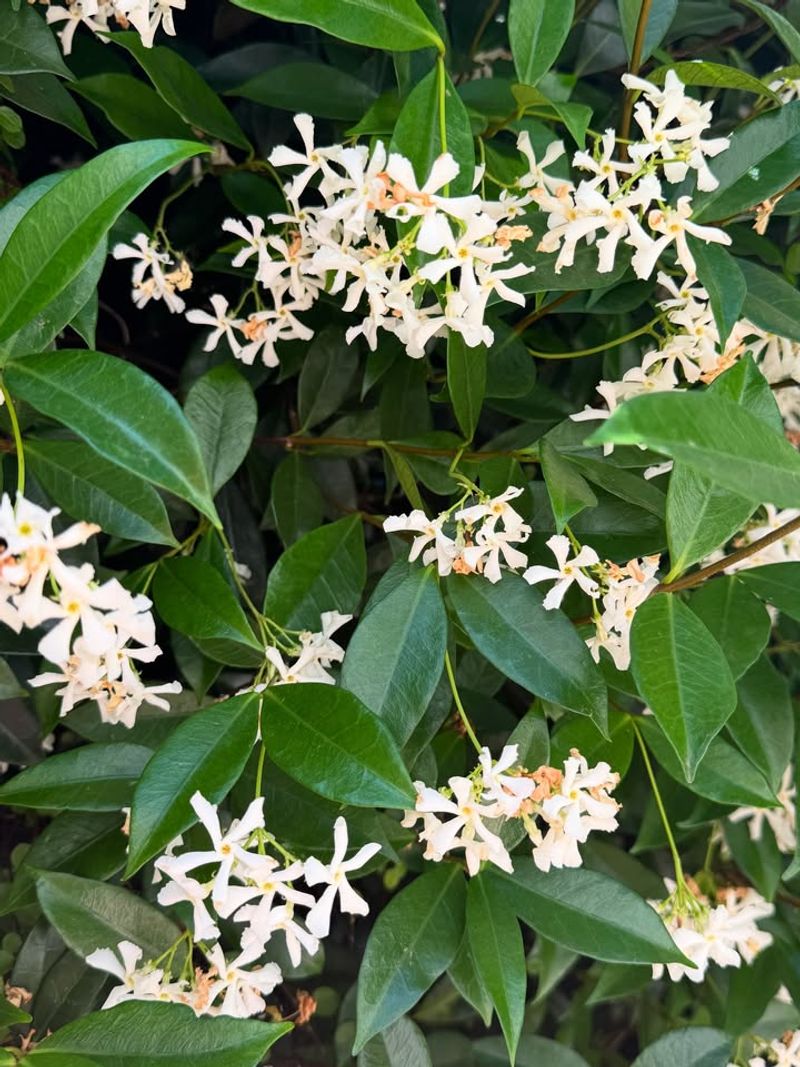
The sweet smell of jasmine drifting through a California evening is one of those simple pleasures that makes gardening so rewarding. Jasmine vines grow quickly and bloom generously, but they need the right care to keep performing well throughout the year.
One common mistake is continuing to fertilize jasmine as summer approaches. Jasmine is a fast grower to begin with, and extra feeding right before hot weather pushes out a burst of new growth that is fragile and prone to wilting.
In warmer California regions, this can leave the plant looking ragged by midsummer.
Stop fertilizing jasmine around late spring and let it coast through the summer on its own. Make sure it gets regular water, especially during dry spells.
Jasmine likes consistent moisture but does not want to sit in waterlogged soil, so good drainage matters.
If your jasmine is climbing a wall or fence, check that it has enough support and is not getting too much reflected heat from nearby surfaces. In California, south-facing walls can get extremely hot and dry in summer.
A light trim after the main spring bloom helps keep the vine tidy and encourages fresh growth when cooler temperatures return in fall. Simple care goes a long way with jasmine.
9. Fruit Trees
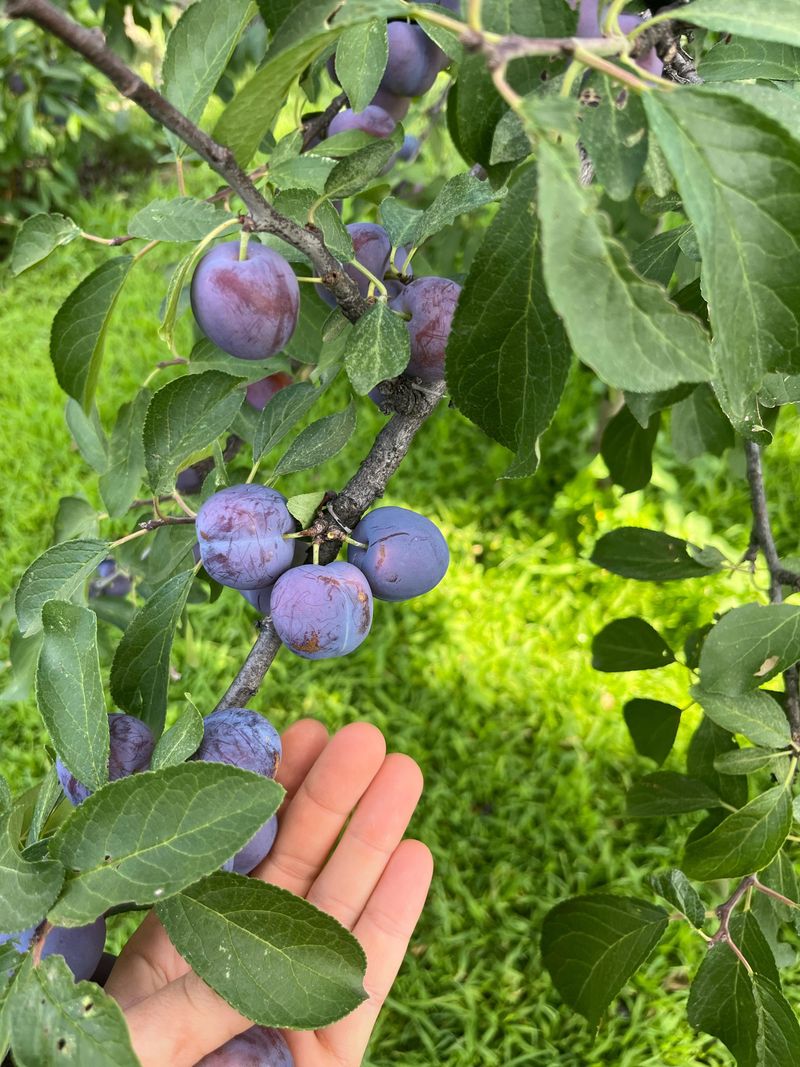
Growing fruit trees in California is one of the most satisfying things a home gardener can do. Apples, peaches, plums, and figs all thrive in the state’s climate, producing generous harvests year after year when cared for properly.
But fertilizing fruit trees at the wrong time can actually reduce your harvest instead of improving it. Applying fertilizer too close to summer pushes leafy growth rather than fruit development.
It can also make the tree more susceptible to certain pests and diseases that are more active in California’s warm summer months.
Most fruit trees should receive their last fertilizer application in late spring, just as fruit is starting to develop. After that, the tree needs to focus its energy on maturing the fruit already on its branches.
Adding more fertilizer at this stage interrupts that process.
Deep watering is far more beneficial for California fruit trees during summer than any fertilizer. Water slowly and thoroughly to encourage deep root growth, and apply a good layer of organic mulch to keep moisture in the soil.
Watch for signs of stress like leaf curl or premature fruit drop, and adjust your watering schedule as needed. Let the tree do its natural work, and you will enjoy a much better harvest.
10. Gardenias
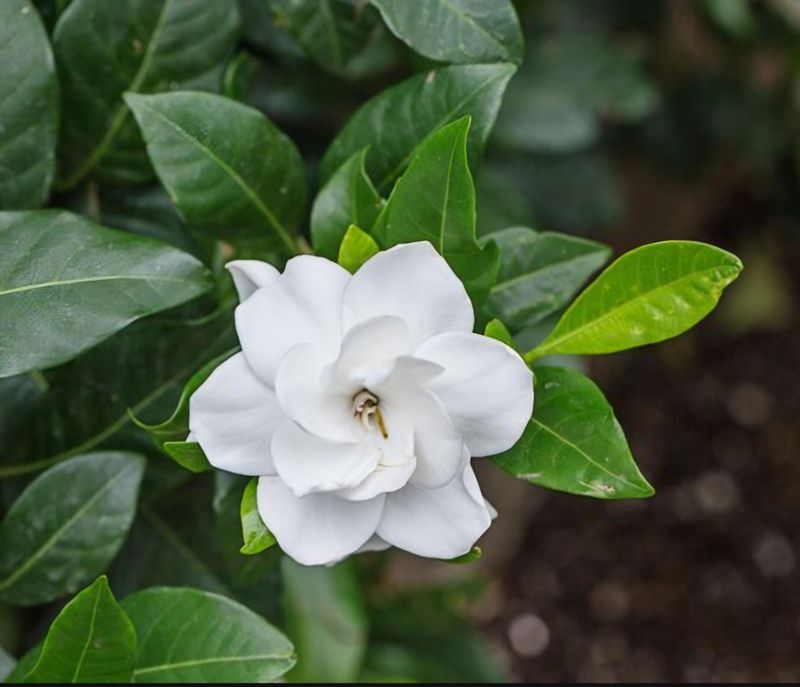
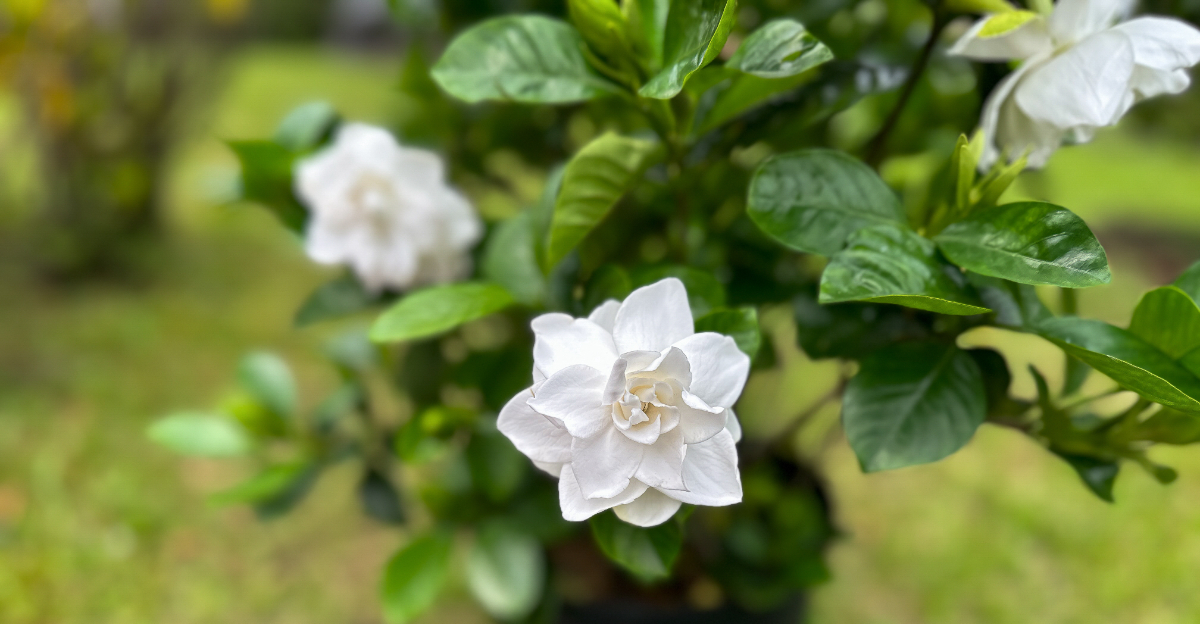
Gardenias are the kind of plant that makes people stop and lean in for a closer smell. Their creamy white flowers and rich fragrance are absolutely unforgettable.
In California, gardenias can do really well, but they are also one of the more sensitive plants when it comes to fertilizing timing.
These plants are picky about their nutrients. Too much fertilizer heading into summer can cause a condition called fertilizer burn, where the roots are overwhelmed and the leaves start to yellow and drop.
This is especially common in warmer California regions where soil heats up quickly and chemical concentrations in the soil can spike.
Plan to stop fertilizing gardenias by late spring. If you notice yellowing leaves before that, it could be a sign of iron deficiency, which is common in California’s alkaline soils.
A dose of chelated iron can help correct this without adding excess nitrogen to the mix.
During summer, gardenias need regular watering and high humidity to stay comfortable. In drier parts of California, misting the leaves in the morning or placing the plant near a water feature can help.
Keep the soil consistently moist but never soggy. With the right balance of water and rest, gardenias will reward you with beautiful blooms well into the season.