This Invasive Weed Is Taking Over Ohio Yards And Most People Miss It
You may have already stepped over it this spring without realizing it was a problem.
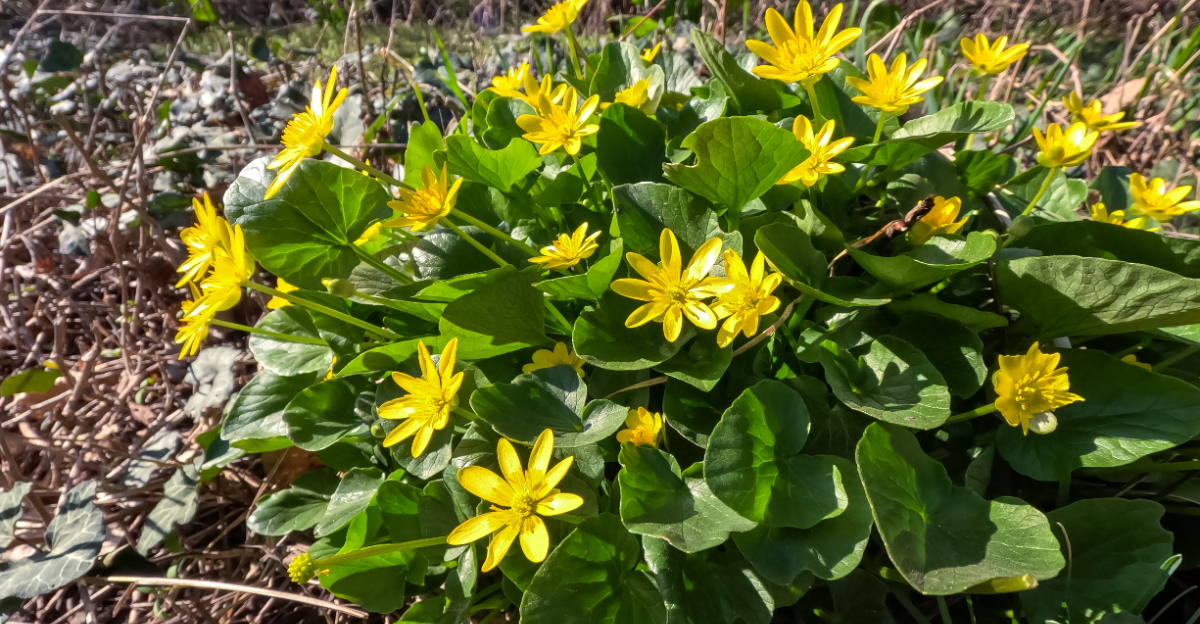
At first glance, it looks almost charming, a low carpet of glossy green leaves sprinkled with bright yellow flowers, tucked along a lawn edge, under a tree, or in that damp corner of the yard where not much else seems to grow.
That harmless look is exactly what makes lesser celandine so easy to miss. By the time many Ohio homeowners notice it, the patch has already started spreading beneath the surface.
Lesser celandine wakes up early, often appearing in late winter or early spring while the rest of the yard still looks half-asleep.
It takes advantage of that quiet window, covering ground before many native spring plants and garden perennials have even had a chance to get going.
The trouble is not just what you see above the soil. Underground, small tubers help it return and expand, which means a neat little patch this spring can become a much larger problem next year if it is ignored.
If you have spotted shiny rounded leaves and cheerful yellow flowers spreading through a shady, damp, or low-lying part of your Ohio yard, it is worth taking a closer look.
1. Lesser Celandine Is Taking Over Ohio Yards
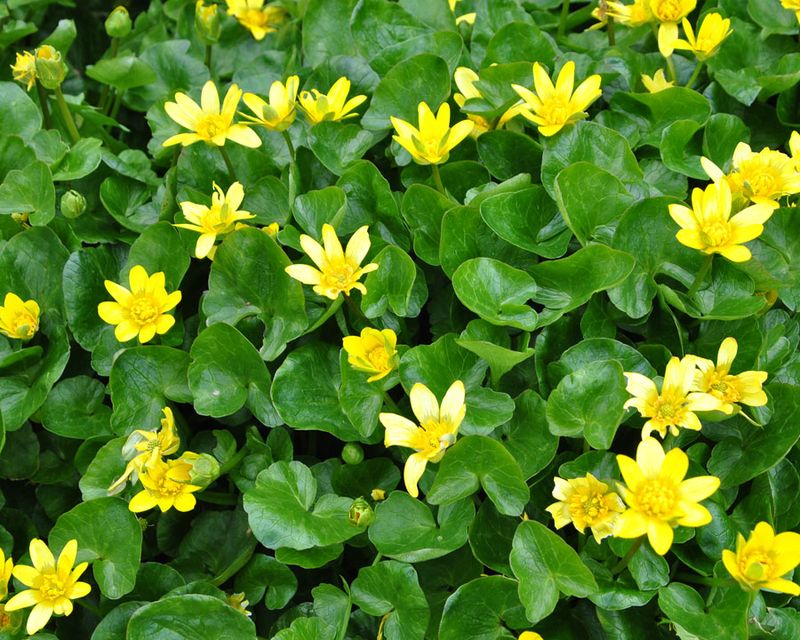
Walk through almost any shady or damp corner of an Ohio yard right now and you might notice a thick, low-growing mat of shiny leaves covering the ground.
That plant has a name: lesser celandine, and it is one of the most aggressive invasive plants spreading through Ohio landscapes today.
Originally from Europe and western Asia, lesser celandine was brought to North America as an ornamental plant. It looked pretty, grew fast, and seemed manageable at first.
But over time, it escaped gardens and started taking over natural areas, stream banks, wooded edges, and residential yards across Ohio and much of the eastern United States.
Ohio State University Extension and the Ohio Invasive Plants Council both recognize lesser celandine as a serious ecological threat.
It thrives in the same moist, shaded spots where native wildflowers like trout lily and trillium typically grow, and it can crowd those plants out completely.
Lawns, garden beds, low spots near drainage areas, and shady borders near trees are all common places to find it.
The tricky part is that it looks almost harmless when it first appears. The leaves are neat, the flowers are bright, and the whole plant stays low to the ground.
That tidy appearance fools a lot of homeowners into leaving it alone, which is exactly when it gets the upper hand.
2. Look For Glossy Leaves And Yellow Flowers
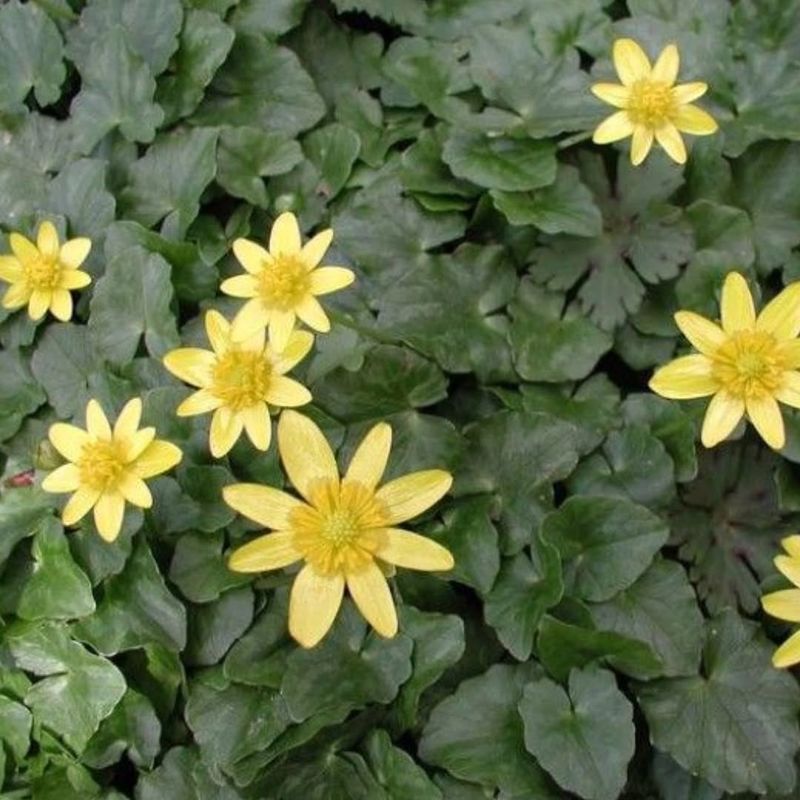
Knowing what to look for is the first step to catching this plant before it takes over. Lesser celandine has a very recognizable appearance once you know what you are seeing, and a quick walk around your yard in April or early May can tell you a lot.
The leaves are the first thing to notice. They are dark green, glossy, and rounded or kidney-shaped, almost like a small lily pad sitting close to the ground.
Your Ohio Garden Changes Every Week. Your Plan Should Too.
Gardening in Ohio changes quickly throughout the season. Every Friday you’ll receive a simple weekly plan showing exactly what to plant, prune, fertilize, harvest, and protect so you never miss the right timing.
The surface has a slight shine to it that catches the light, which makes the plant stand out against mulch or bare soil. Leaves are typically between one and two inches wide.
The flowers appear in early spring and are bright, butter-yellow with eight to twelve narrow petals arranged in a star-like pattern. Each flower sits on its own small stem rising just above the leaf mat.
Up close, the blooms are actually quite attractive, which is part of why the plant was originally sold as a garden ornamental.
The entire plant stays low, rarely growing taller than six to eight inches. You are most likely to spot it in shady or partially shaded areas, especially near downspouts, drainage channels, tree bases, or spots that stay moist after rain.
If you see a spreading carpet of glossy rounded leaves in those areas right now, take a closer look before assuming it is harmless.
3. Catch It While The Patch Is Small
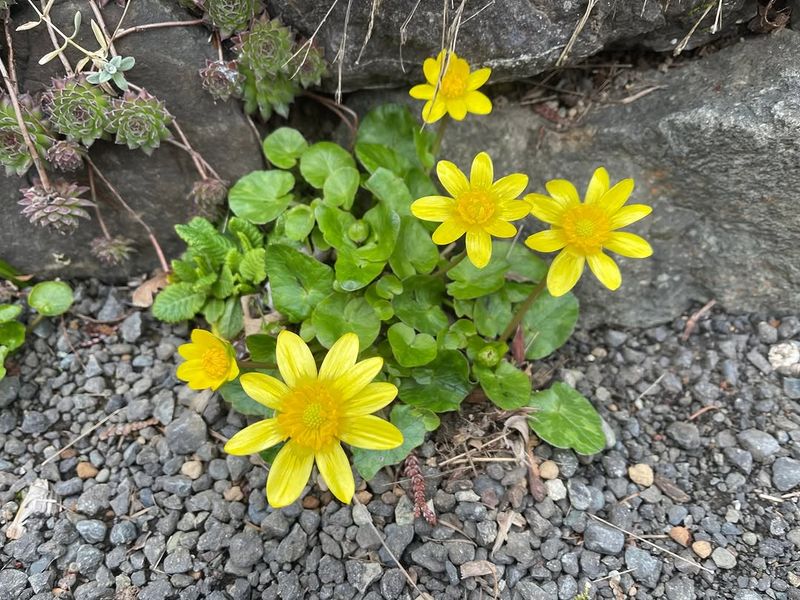
A patch the size of a dinner plate is a very different problem than a patch the size of a parking space. With lesser celandine, acting early can save you a serious amount of effort later in the season and in seasons to come.
This plant follows a tight seasonal schedule. It emerges in late winter, grows fast through March and April, flowers in early spring, and it often fades from view by late May or June.
Once the weather warms up, the above-ground plant disappears entirely. That vanishing act is one of the biggest reasons it catches homeowners off guard.
When the plant goes dormant, it is easy to assume the problem solved itself. But underground, the tubers are still there, waiting for next winter.
The following spring, the patch comes back larger than before. Some homeowners repeat this cycle for several years before realizing the infestation has grown into something much harder to manage.
Catching a small patch in April or early May, while the plant is actively growing and easy to see, gives you the best chance of getting ahead of it. A few minutes of attention now is far more effective than hours of work next spring.
Marking the location with a garden flag or photo on your phone can also help you find the spot again when the plant has gone dormant and the ground looks bare.
4. Do Not Mistake It For Marsh Marigold
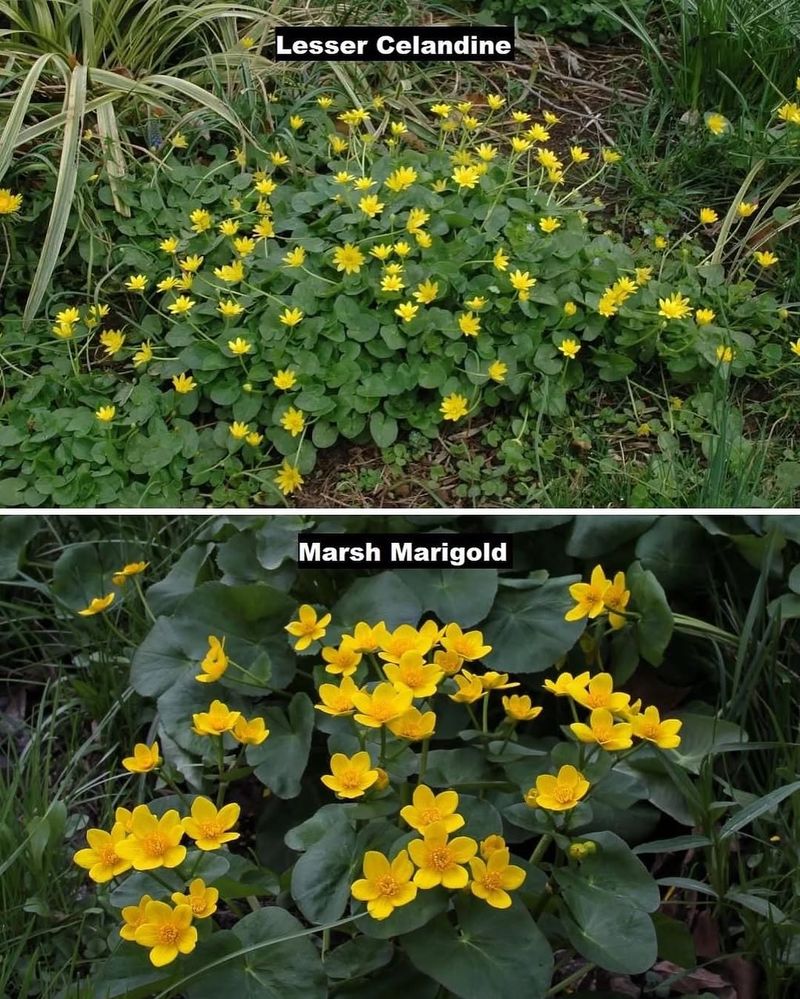
Before you start pulling anything out of your yard, make sure you are looking at the right plant.
One of the most common mistakes Ohio gardeners make is confusing lesser celandine with marsh marigold, a native Ohio wildflower that deserves protection, not removal.
Both plants produce yellow flowers in spring, which is where the confusion usually starts. But there are clear differences once you know what to compare.
Marsh marigold is a larger plant overall, with big, rounded, dark green leaves that can reach four to seven inches across. Lesser celandine leaves are much smaller, typically one to two inches wide, and have that distinctive glossy surface.
The flowers are also different. Marsh marigold flowers have 5 to 9 yellow petal-like sepals and a more open, rounded look.
Lesser celandine flowers usually have 7 to 12 yellow petals and 3 green sepals. Marsh marigold also tends to grow in wetter areas, like stream edges and true wetlands, though there can be habitat overlap.
Marsh marigold is a native plant that supports early pollinators and is part of Ohio’s natural ecosystem. Removing it by mistake would be counterproductive.
If you are not certain which plant you are looking at, take a clear photo and compare it to resources from Ohio State University Extension or your local OSU Extension office before taking any action.
5. Stop The Tubers From Moving Around
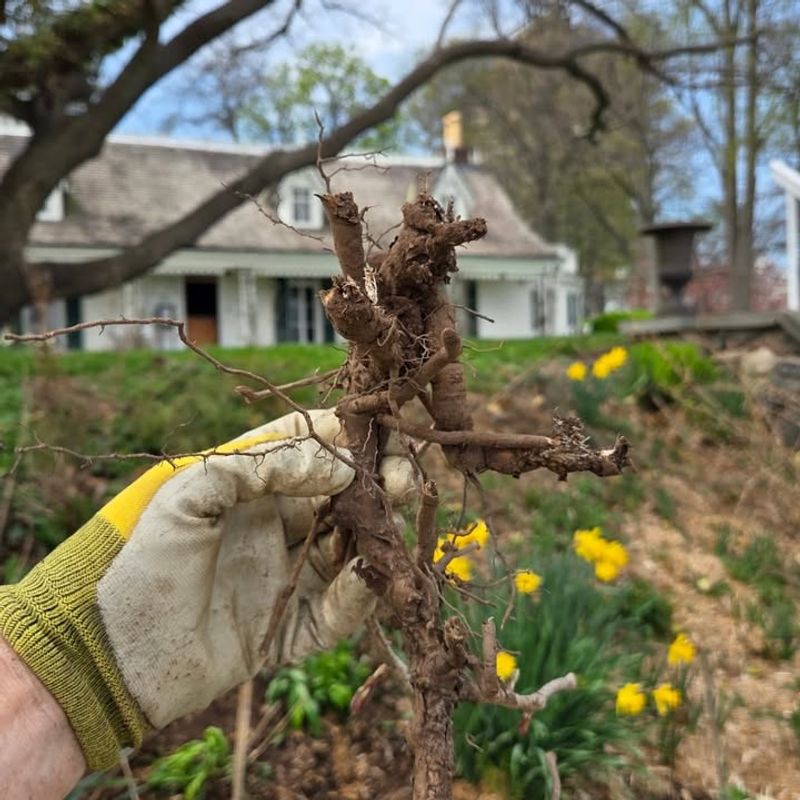
One of the reasons lesser celandine spreads so persistently is that it does not rely on seeds alone. The plant produces small underground tubers and tiny bulblets that cling to roots, soil, and garden tools.
These structures are how it travels, and they are surprisingly easy to move without realizing it.
Digging in an infested area and then moving that soil to another part of your yard is one of the fastest ways to spread the problem.
The same thing happens when contaminated soil gets moved in wheelbarrows, on the soles of boots, or on garden tools that have not been cleaned.
Even sharing divisions of other plants growing near an infestation can unknowingly carry tubers along for the ride.
Yard waste is another common transport method. Dumping plant material from an infested area into a compost pile or along a wooded edge gives the tubers a new place to establish.
Because home compost piles rarely get hot enough to break down tubers completely, composting removed lesser celandine material is not a safe option.
Being thoughtful about how you move soil and plant material during spring yard work can make a real difference. Clean tools before moving them to a new area of the yard.
Bag removed material and check your local disposal guidance. Do not place it in home compost or dump it along a wooded edge.
Small habits like these help keep the problem contained.
6. Pull Small Patches The Right Way
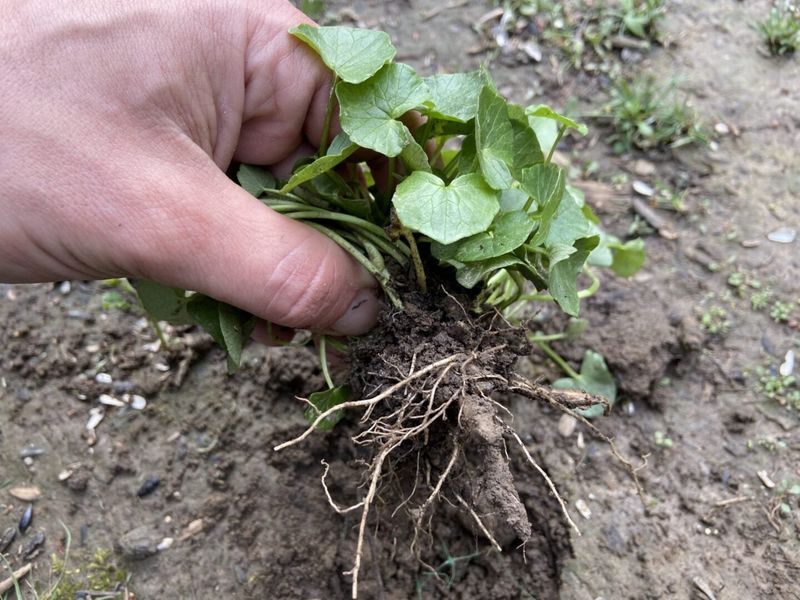
For small infestations, hand removal is a reasonable first step, but the technique matters. Grabbing the leaves and pulling is not enough.
The tubers sit just below the soil surface, and if they stay behind, the plant will regrow from them the following spring.
Work when the soil is moist, which makes it easier to get the full root system out intact. Use a hand trowel or garden fork to loosen the soil around the base of the plant before pulling.
Try to remove as much of the root system and surrounding soil as possible, since tubers can be small and easy to miss. Go slowly and check the soil carefully as you work.
Once you have removed the plant material, do not put it in your compost bin. Bag everything in a sealed plastic bag and place it in your regular household trash or coordinate with your local yard waste program if they accept invasive species material.
Leaving removed plants on the ground or in an open pile gives the tubers a chance to reattach and regrow.
After removal, check the same spot every two to three weeks while lesser celandine is still in season. Missed tubers will send up new growth, and catching those sprouts early is much easier than waiting until they have established again.
A single thorough pass rarely solves the problem completely, so patience and follow-through are both part of the process.
7. Use Control Methods Before It Disappears
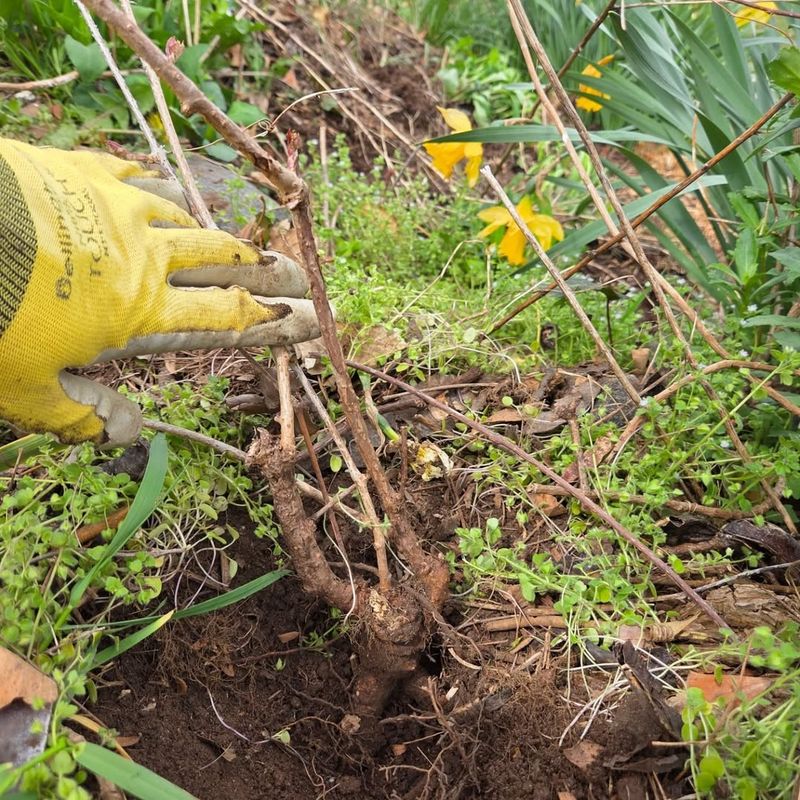
Timing is everything with lesser celandine control. The plant is only visible and actively growing for a short window in early spring, and once it goes dormant in late May, there is nothing to treat and no easy way to find where it was growing.
For larger patches that hand removal cannot realistically address, some homeowners and land managers turn to herbicide options.
According to guidance from Ohio State University Extension and other university extension sources, certain broadleaf herbicides have been used against lesser celandine with varying results.
However, because this plant emerges so early and often grows near water, desirable plants, and lawn areas, product selection and application timing require careful attention.
Always read and follow the product label completely before applying any herbicide.
Labels carry legal weight and include important information about where a product can and cannot be used, especially near water features, streams, and garden beds with other plants you want to keep.
When in doubt, contact your local OSU Extension office for guidance specific to your situation.
Repeated treatment over more than one season is often necessary for established patches. Lesser celandine does not usually surrender after a single application, and expecting instant results can lead to frustration.
Treating in early to mid-spring, while the plant is actively growing and before it goes dormant, gives any control method the best chance of being effective. Missing that window means waiting until next year.
8. Check The Same Spot Next Spring
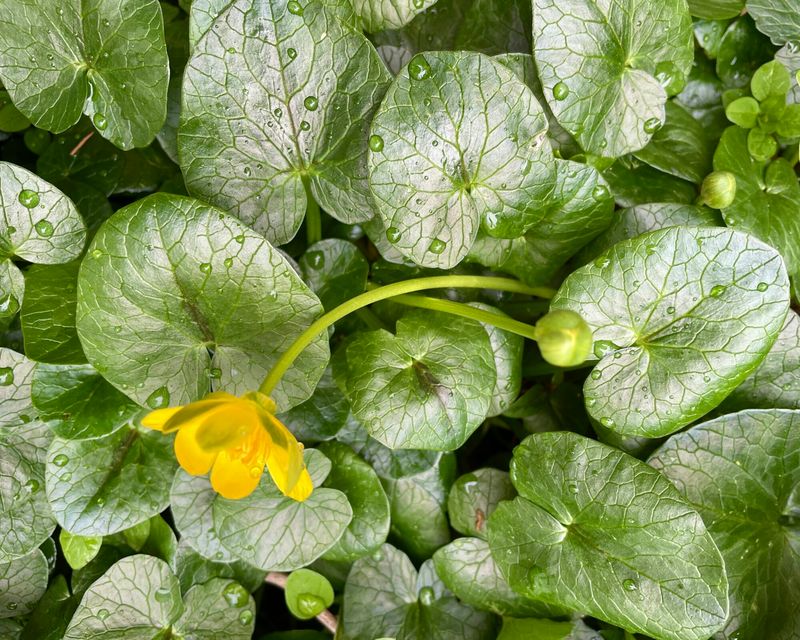
Managing lesser celandine is rarely a one-and-done situation. Even after a thorough removal or a well-timed treatment, missed tubers can remain in the soil and produce new growth the following spring.
Building a follow-up plan into your yard care routine is one of the most practical things you can do.
Mark the spot before the plant disappears for the season. A small garden flag, a photo on your phone with a note about the location, or even a simple sketch of your yard can help you find the area again next April when the ground might look completely bare.
Lesser celandine patches can be surprisingly hard to relocate once the plant has gone dormant and surrounding plants have filled in.
When you return to that spot next spring, look for any new growth emerging from the soil. Even a few small leaves reappearing is a signal that tubers survived and the work is not finished.
Addressing regrowth when it is small is always easier than waiting for a full mat to develop.
Once the infestation is under control, filling bare spots with desirable native plants or ground covers can help prevent lesser celandine from recolonizing the area. Dense, established plantings leave less open soil for invasive plants to move into.
Ohio native options like wild ginger or native sedges can work well in shaded, moist spots where lesser celandine tends to thrive.