9 Ohio Flowers To Grow Instead Of Geraniums For Longer Blooms
Your porch pots do not have to look like everyone else’s by Memorial Day. Geraniums are reliable, sure.
They are bright, familiar, and easy to find at every garden center in Ohio. But after a while, the same red, pink, and white blooms can start to feel a little too predictable.
Want flowers that spill over basket edges? Need something that laughs at July heat?
Hoping for more butterflies around the patio instead of another stiff row of upright blooms? That is where geranium alternatives earn their spot.
Ohio gardeners have plenty of warm-season flowers that bring longer-lasting color, softer movement, bold texture, and more pollinator activity to containers and sunny beds. Most are grown as annuals here, which means they get one big season to show off before frost.
Give them the right sun, drainage, and care, and they can keep your pots, borders, and beds looking fresh long after the usual porch display starts feeling old.
1. Spill Color Over Pots With Calibrachoa
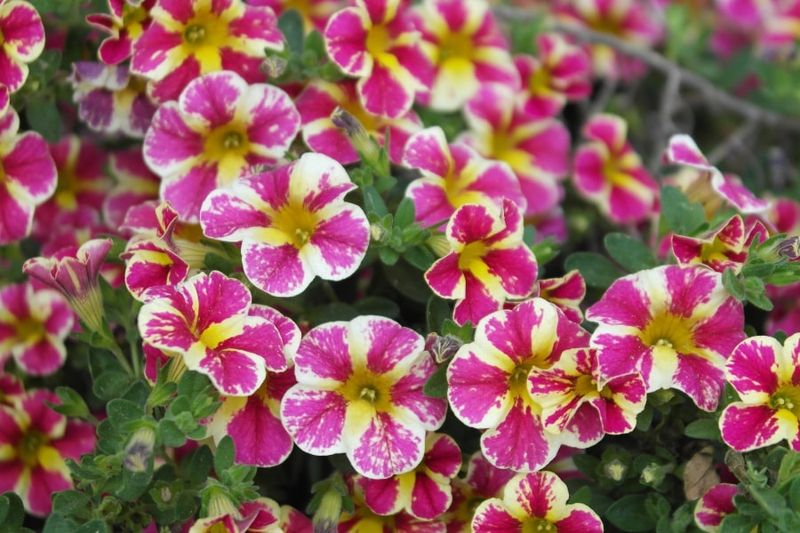
Picture a hanging basket so full of tiny, bright flowers that the whole thing looks like it is overflowing with color. That is exactly what calibrachoa does, and it is one of the best trailing annuals you can grow in Ohio containers, window boxes, and hanging baskets.
The blooms look like miniature petunias and come in a huge range of colors including hot pink, coral, yellow, purple, and bicolors.
Calibrachoa performs best in full sun with consistent moisture, but it does not like sitting in soggy soil. Use a quality, well-draining potting mix rather than heavy garden soil when filling containers.
Garden soil in pots tends to compact over time, which can limit drainage and cause root problems.
If your plants start to look a little stretched or leggy by midsummer, a light trim can encourage fresh, bushy growth and more blooms. Regular watering and a balanced liquid fertilizer every one to two weeks will keep them looking their best.
Calibrachoa is self-cleaning on most modern varieties, meaning you do not need to deadhead spent flowers.
For Ohio gardeners who want a softer, spilling look that geraniums cannot quite deliver, calibrachoa is a strong choice from spring through fall frost.
2. Keep Sunny Beds Bright With Zinnias
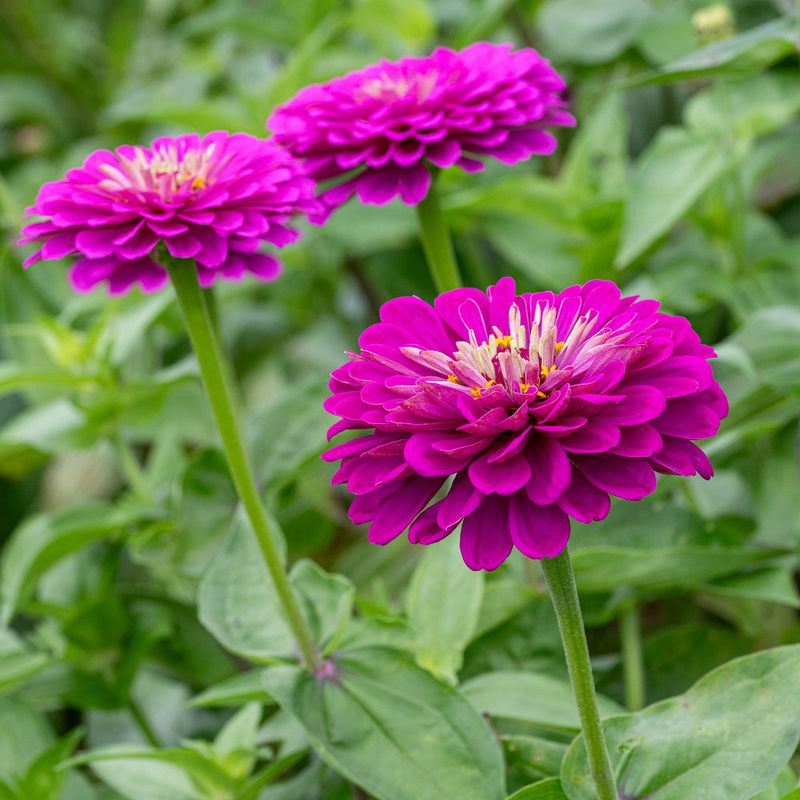
Few annuals match the sheer cheerfulness of a zinnia bed in full summer color.
These warm-season workhorses are easy to grow from seed sown directly into sunny Ohio beds after the last frost date, or you can start with transplants from a local garden center for an earlier start.
Either way, zinnias reward you with bold, round blooms in nearly every color except blue.
Zinnias genuinely love the heat, which makes them a smart pick for Ohio’s mid to late summer garden when some other flowers start looking tired.
They attract butterflies, bees, and other pollinators in impressive numbers, making them a great choice if you want more activity in your yard.
Taller varieties can also serve as cut flowers, which means you get color both indoors and out.
Your Ohio Garden Changes Every Week. Your Plan Should Too.
Gardening in Ohio changes quickly throughout the season. Every Friday you’ll receive a simple weekly plan showing exactly what to plant, prune, fertilize, harvest, and protect so you never miss the right timing.
Good airflow around plants can help reduce the powdery mildew that sometimes affects zinnias in humid Ohio summers. Avoid crowding plants and try not to wet the foliage when watering.
Removing spent blooms regularly encourages the plant to keep producing new flowers rather than putting energy into seed production. Start seeds after soil warms and expect blooms within about two months.
Zinnias are honest, practical, and genuinely rewarding for everyday gardeners.
3. Bring Heat Loving Color With Lantana
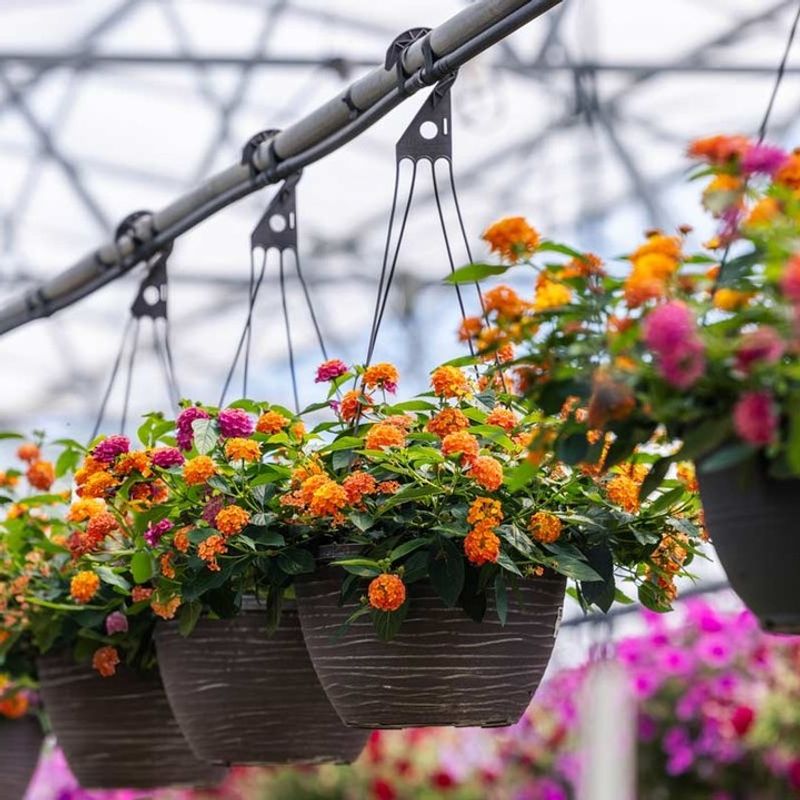
On the hottest days of an Ohio summer, when some annuals start to sulk and drop petals, lantana just keeps going.
This tropical beauty is grown as an annual in Ohio since it cannot survive the state’s winters outdoors, but through the warm season it delivers some of the most reliable color you can find in a sunny spot.
The flower clusters shift color as they age, often showing two or three shades at once on the same plant.
Lantana is a magnet for butterflies, particularly swallowtails, and it handles heat and drought better than many other flowering annuals. Plant it in full sun with well-drained soil or a quality potting mix if growing in containers.
It works beautifully as a border plant, a container specimen, or a focal point in a pollinator planting.
One thing to keep in mind is that lantana may slow down or pause blooming during cooler stretches in early summer or fall. Once temperatures climb back up, it typically picks right back up.
Avoid overwatering, especially in containers, since lantana prefers to dry slightly between waterings. Remove spent flower heads to encourage fresh clusters.
For a hot, sunny spot that needs low-maintenance color all season, lantana is hard to beat.
4. Grow Angelonia For Upright Summer Blooms
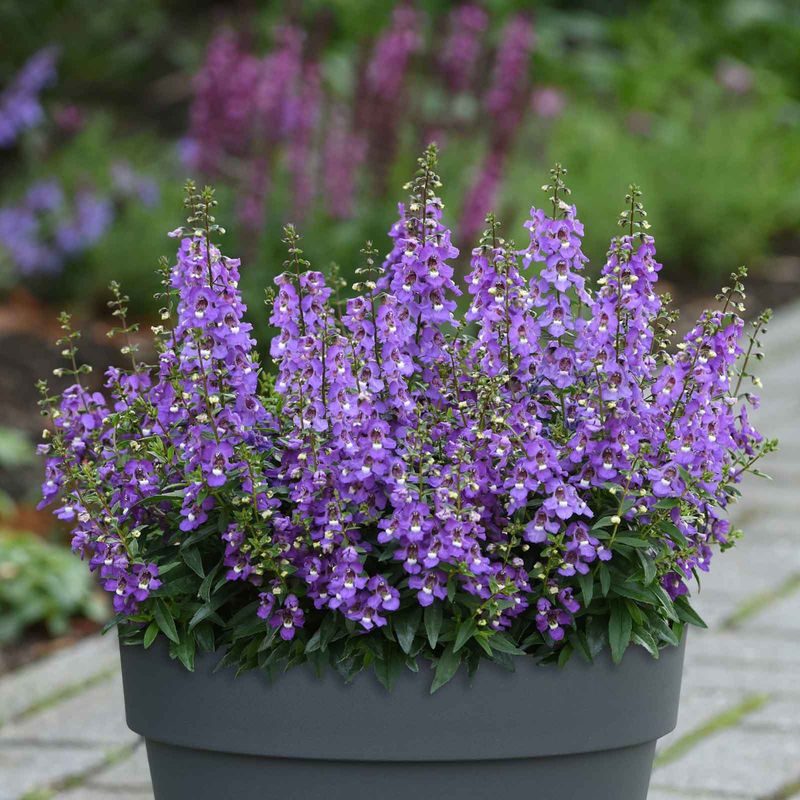
When a garden bed or container needs something with height and structure, angelonia steps up in a way that trailing or mounding flowers simply cannot.
Sometimes called summer snapdragon, angelonia produces slender, upright spikes covered in small orchid-like flowers through most of the warm season.
The blooms have a light, pleasant fragrance that makes them even more enjoyable near a porch or patio.
Angelonia handles Ohio’s summer heat with ease and keeps a tidy, upright shape without much intervention. It works well in the center or back of a container surrounded by lower, spreading annuals like calibrachoa or verbena.
In garden beds, it adds vertical interest among ground-hugging or mounding plants and helps give a planting more visual depth.
Full sun and well-drained soil are the two things angelonia needs most. It does not perform as well in partial shade, so save it for your brightest spots.
Unlike some annuals, angelonia does not need regular deadheading since spent flowers drop on their own fairly cleanly. If plants look a little crowded by late summer, a light trim can help encourage fresh growth.
Colors range from white and pink to deep purple, and some varieties are bicolored. It is a low-fuss annual that earns its space in any Ohio garden.
5. Add Pollinator Power With Salvia
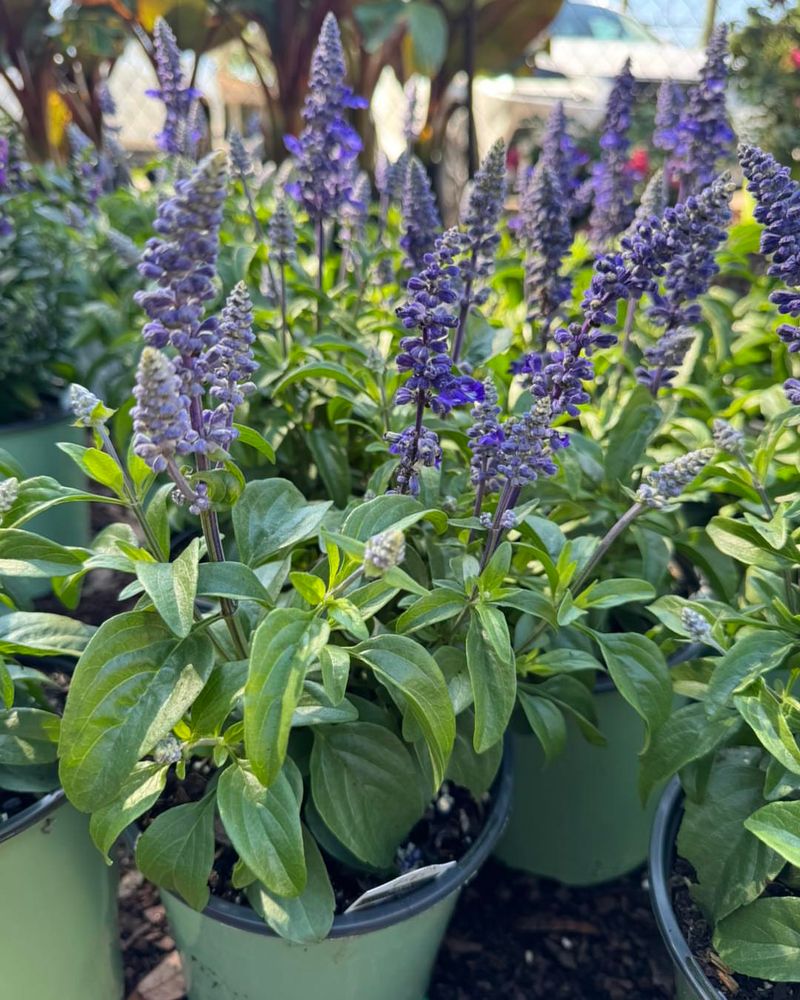
A hummingbird hovering over a spike of red salvia is one of those garden moments that makes you glad you planted something different this year.
Annual and tender perennial salvias are some of the most pollinator-friendly flowers you can grow in an Ohio yard, attracting bees, butterflies, and hummingbirds throughout the warm season.
The upright flower spikes add bold vertical color that works in beds, borders, and larger containers.
Salvias need full sun and well-drained soil to perform well. They are reasonably heat-tolerant once established and generally keep blooming through summer with consistent watering and occasional light feeding.
Some varieties bloom almost continuously, while others benefit from trimming spent spikes to push out new flower growth.
One practical note worth keeping in mind is that salvias vary quite a bit in height, color, cold tolerance, and bloom time depending on the variety. Common annual types like Salvia splendens come in red, pink, purple, and white and stay relatively compact.
Other salvias, like Salvia guaranitica, can grow quite tall and are only hardy in warmer zones, so they are treated as annuals in Ohio. Always read the plant tag before buying so you know what to expect.
With so many options, there is a salvia suited for nearly every sunny Ohio garden space.
6. Fill Empty Spaces Fast With Cosmos
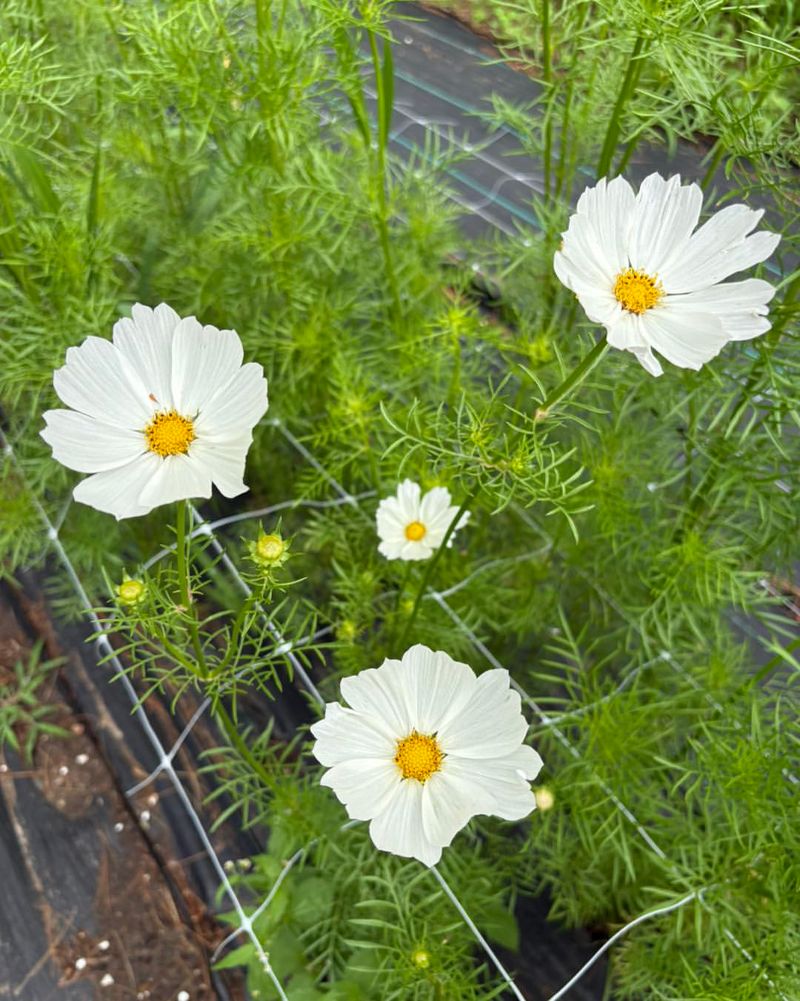
Sometimes a garden bed has a gap that needs filling fast, and cosmos is the answer.
This airy, fast-growing annual can go from seed to flower in roughly seven to eight weeks under good conditions, making it one of the quickest ways to add movement and color to a sunny Ohio bed.
The delicate, feathery foliage gives it a relaxed, cottage-garden feel that heavier, more structured annuals cannot replicate.
Cosmos actually prefers lean soil, which is a refreshing change from many annuals that need regular feeding.
Overly rich soil tends to produce lush foliage with fewer flowers, so skip the heavy fertilizing and let it grow in average, well-drained ground.
Direct sow seeds after frost danger passes, and thin seedlings so plants have room to breathe and stand upright.
Taller cosmos varieties can reach three to four feet, so give them a spot where height is welcome, or choose shorter compact cultivars for smaller spaces.
Deadheading spent blooms consistently encourages the plant to keep producing flowers rather than going to seed early.
Cosmos attracts bees and butterflies and brings a sense of lightness and movement to beds that sometimes feel too stiff or formal. For a relaxed, low-input annual that fills space beautifully, cosmos is a genuinely satisfying choice for Ohio gardeners.
7. Try Pentas For Bright Flower Clusters
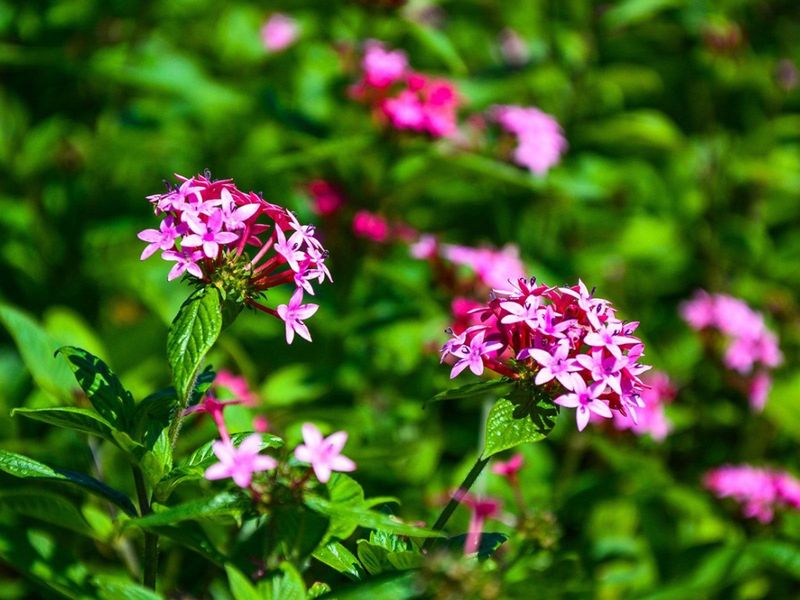
There is something almost tropical about a pot of pentas in full bloom on a sunny Ohio patio. The starry, clustered flowers come in shades of red, pink, white, and lavender, and they have a cheerful, bold look that holds up well through the heat of summer.
Pentas are grown as annuals in Ohio since they are not cold-hardy in this climate, but through the warm season they bring consistent, eye-catching color to containers and sunny beds.
Butterflies are especially drawn to pentas, and planting a few pots near a seating area is a reliable way to bring them in close. The plants prefer full sun, warmth, consistent moisture, and well-drained soil or a quality container mix.
They do not perform well in cold, wet conditions, so wait until nighttime temperatures are reliably above 50 degrees Fahrenheit before putting them out in spring.
Pentas hold their blooms well without heavy deadheading, though removing old clusters can help keep plants looking tidy and encourage fresh growth.
If you want to try saving a plant over winter, they can be brought indoors as a houseplant before the first frost and kept in a bright, warm spot.
For most Ohio gardeners, though, treating pentas as a seasonal annual is the most practical approach. They are worth every bit of the investment.
8. Plant Marigolds For Easy Season Long Color
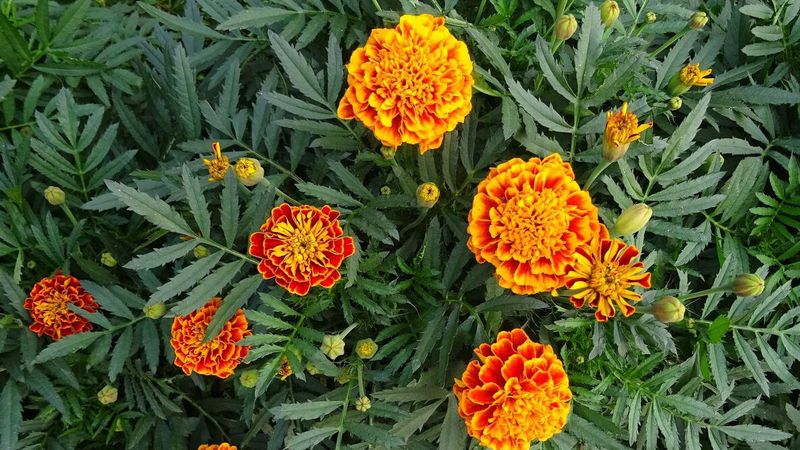
Marigolds might be one of the most underrated annuals in the Ohio gardener’s toolkit. They are affordable, widely available, easy to grow, and capable of delivering strong, warm color from late spring all the way to fall frost with very little fuss.
French and African marigold varieties offer different heights and flower sizes, so there is a type suited to almost every use from container edges to full garden borders.
Full sun and decent drainage are really all marigolds ask for. They tolerate Ohio’s summer heat well and bounce back quickly after a dry stretch if given a good drink of water.
Removing spent blooms regularly keeps plants producing fresh flowers and prevents them from looking ragged by midsummer. Without deadheading, plants may slow their bloom production as they focus on seed development.
Marigolds work well in vegetable gardens, sunny borders, mass plantings, and containers. Their bold orange, yellow, and red tones pair well with cooler colors like blue salvia or purple verbena for a lively contrast.
Some gardeners also use them as companions near vegetables, though results vary and no guaranteed pest-control effect should be assumed.
What is reliable is their color, their toughness, and their ability to keep a garden looking cheerful through the longest stretch of Ohio summer.
Few annuals deliver this much for this little effort.
9. Trail More Blooms With Verbena
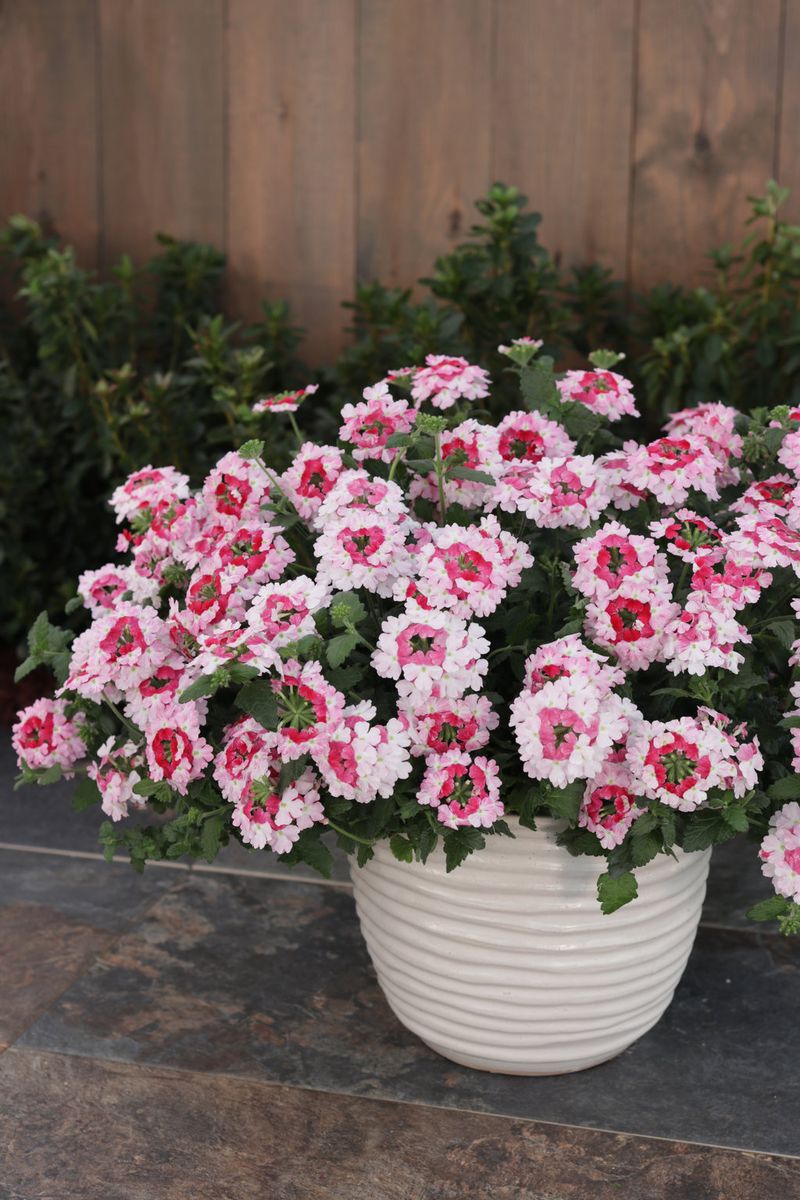
Trailing verbena has a way of softening a container or border edge that almost nothing else can match. The clusters of small, bright flowers spread outward in a loose, relaxed habit that feels more casual and natural than the upright structure of geraniums.
Colors range from deep purple and magenta to soft pink and white, and many varieties offer bicolor patterns that add even more visual interest.
Verbena performs best in full sun with well-drained soil. In containers, this means using a quality potting mix and making sure pots have adequate drainage holes.
Wet, heavy soil is one of the quickest ways to run into trouble with verbena, so avoid overwatering and let the top inch of soil dry slightly between waterings.
If plants start to look a little thin or stretched by midsummer, a light trim of the trailing stems can refresh growth and encourage a new flush of blooms.
Verbena is reasonably drought-tolerant once established, which makes it a good option for containers that may dry out faster on hot Ohio summer days.
It also attracts butterflies and other pollinators, adding some life and movement to pots and beds. For Ohio gardeners who want a trailing flower with a softer, looser look than geraniums offer, verbena is a natural and rewarding fit.