The Best Flowers To Plant In May For Summer Blooms In Texas
May is when Texas gardens start showing their true summer personality. The soil warms up fast, the sunshine gets bolder, and the whole yard seems to say, “Hope you picked the tough plants.”
It is an exciting time, but it can also be a little sneaky.
A flower that looks amazing during a mild spring weekend might look far less impressed once Texas heat really settles in. That is why May planting matters so much.
This is the moment to fill beds, borders, and containers with flowers that can keep the color coming once the temperatures climb and the rainfall turns unpredictable.
And in Texas, unpredictable likes to make itself comfortable.
The good news is that plenty of flowers are more than ready for the challenge. Pick the right ones now, and your garden can stay bright, lively, and full of personality long after spring has packed up and left.
1. Angelonia Keeps Summer Color Coming
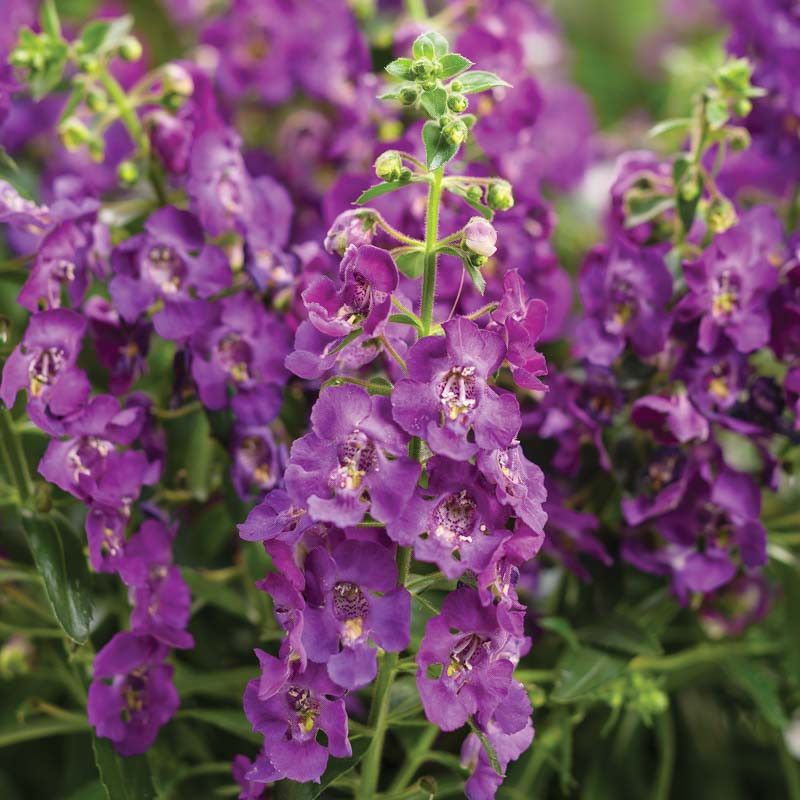
Walking through a Texas nursery in May, it is hard to miss angelonia. Its tall, slender spikes covered in small blooms in purple, pink, white, and bicolor shades stand out in the display benches, and for good reason.
Angelonia is one of the most reliable warm-season flowers available to Texas gardeners who want steady color from late spring all the way through fall.
Sometimes called summer snapdragon, angelonia handles the kind of intense heat and humidity that causes many other flowers to shut down.
It keeps producing new blooms even during the hottest weeks of a Texas summer, which is something gardeners really appreciate when flower beds can look tired by August.
The plants grow upright, usually reaching around one to two feet tall, making them useful in the middle or back of a border.
May planting gives angelonia time to establish before peak heat arrives. Once it settles in, it needs very little fussing.
Deadheading is not required because spent blooms fall away on their own and new ones replace them quickly. Angelonia works well in garden beds, raised planters, and large containers on sunny Texas patios.
It prefers full sun and well-drained soil, and it handles dry stretches better than many flowering annuals. Butterflies and hummingbirds are also drawn to the blooms, adding extra life to the garden through the long Texas summer season.
2. Baby’s Breath Euphorbia Adds Airy White Blooms
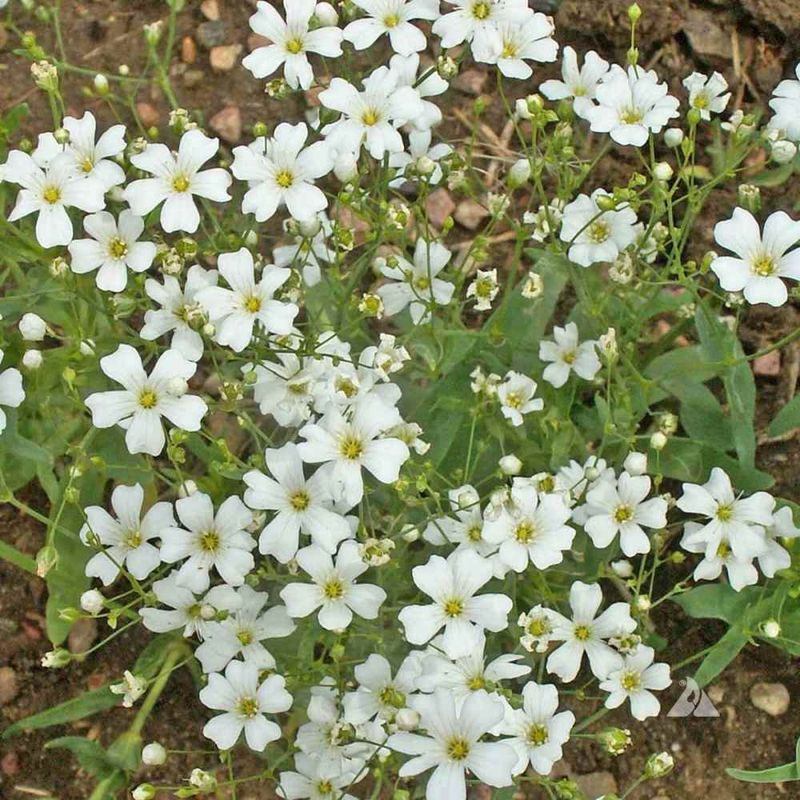
Not every Texas summer garden needs bold, saturated color. Sometimes what a flower bed really needs is something light and airy to balance out the deeper hues around it, and baby’s breath euphorbia does exactly that.
This plant produces a cloud of tiny white flowers on delicate branching stems that give it a soft, almost floating look in the landscape.
What makes this plant especially valuable in Texas is its ability to keep that light, fresh appearance even when temperatures climb well above 90 degrees.
Many white-flowering plants look washed out or stop blooming in intense summer heat, but baby’s breath euphorbia stays surprisingly consistent.
It works beautifully as a filler in mixed containers, tucked between bolder flowering plants to soften the overall look and add visual texture.
Your Texas Garden Changes Every Week. Your Plan Should Too.
Gardening in Texas changes quickly throughout the season. Every Friday you’ll receive a simple weekly plan showing exactly what to plant, prune, fertilize, harvest, and protect so you never miss the right timing.
Planting in May gives these plants time to fill in before summer heat is fully established. They grow well in full sun to partial shade and do not need much water once they are settled in.
In Texas garden beds, they tend to spread outward rather than grow tall, which makes them useful along borders and edges.
The airy white blooms also catch light in interesting ways during morning and evening hours, making the garden feel cooler even on the hottest Texas afternoons.
Pollinators, including small bees and butterflies, visit the blooms regularly throughout the season.
3. ‘Allyson’ Mexican Heather Brings Soft Color
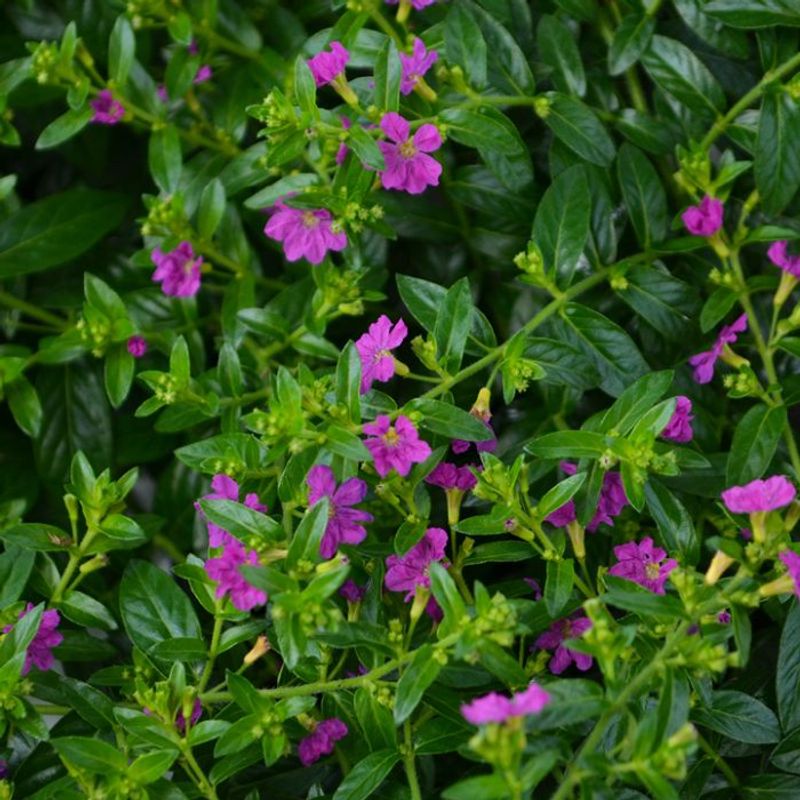
Few flowering plants manage to look as delicate as Mexican heather while being as tough as nails in Texas heat.
The Allyson variety, developed and promoted through the Texas Superstar plant program, earned its recognition by proving it could handle the demanding conditions that come with a Texas summer, including high temperatures, intense sun, and periods of dry weather.
The plant produces tiny lavender to purple blooms along fine, feathery foliage that gives it a soft, almost fern-like texture.
That combination of delicate appearance and strong heat performance makes it a standout choice for Texas gardeners who want something that looks refined without requiring constant care.
It grows into a rounded mound, typically reaching one to two feet in height, and fills in nicely along borders, in mixed beds, or as a container plant on a sunny porch.
Planting Mexican heather in May allows it to get established while conditions are still manageable before the peak of summer sets in. Once it is rooted in well-drained soil with regular sun exposure, it becomes quite self-sufficient.
It handles the humidity that hits parts of Texas in summer better than many similar-looking plants. Butterflies are frequent visitors to the small blooms, which adds movement and color to the garden through the season.
The Allyson variety tends to bloom more heavily and hold its shape better than older Mexican heather selections, making it a smart upgrade for Texas home landscapes.
4. New Look Celosia Adds Bold Summer Color
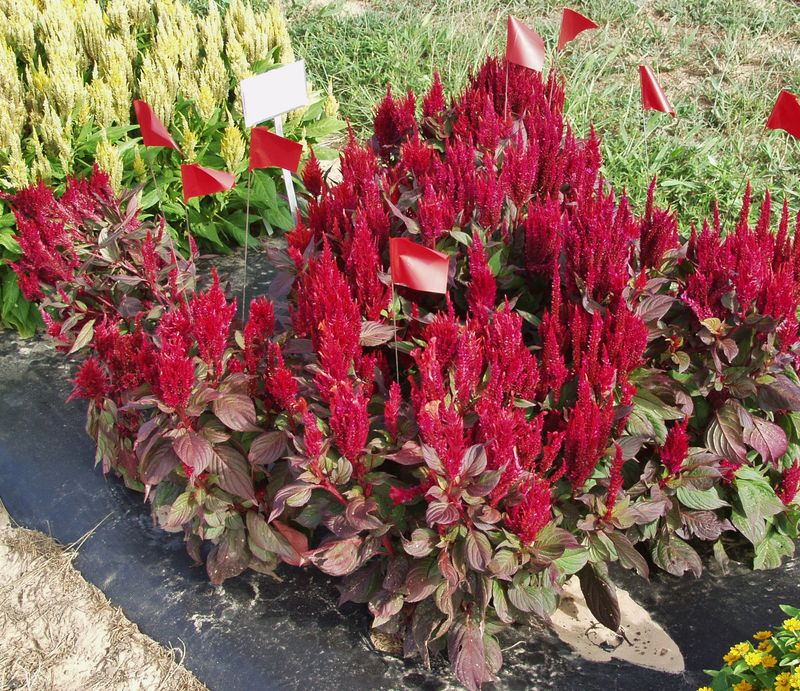
Celosia is the kind of flower that stops people in their tracks.
The New Look variety, which earned recognition as a Texas Superstar plant, produces rich, velvety plumes in shades of deep red, orange, gold, and pink that hold their color even under the blazing Texas sun.
Where some flowers fade or go pale in summer heat, New Look celosia gets bolder and more vibrant as the season progresses.
The plants grow to about one foot tall with a compact, bushy habit that makes them easy to use in beds, borders, and container arrangements.
Their dense, upright plumes have a texture unlike most other summer flowers, which gives them real visual impact in the landscape.
Mixing them with plants that have fine or airy foliage creates a contrast that makes both plants look better.
May is an excellent time to get celosia into the ground in Texas because the warm soil encourages quick establishment.
Once settled in, New Look celosia handles heat and humidity with ease, continuing to push new blooms through the hottest months without much intervention.
It prefers full sun and well-drained soil, and it responds well to occasional fertilizing during the growing season.
Gardeners who want a flower that brings drama and dependability to their Texas summer landscape often find celosia to be one of the most satisfying choices available at the nursery in May.
5. Purslane Spreads Bright Color In Heat
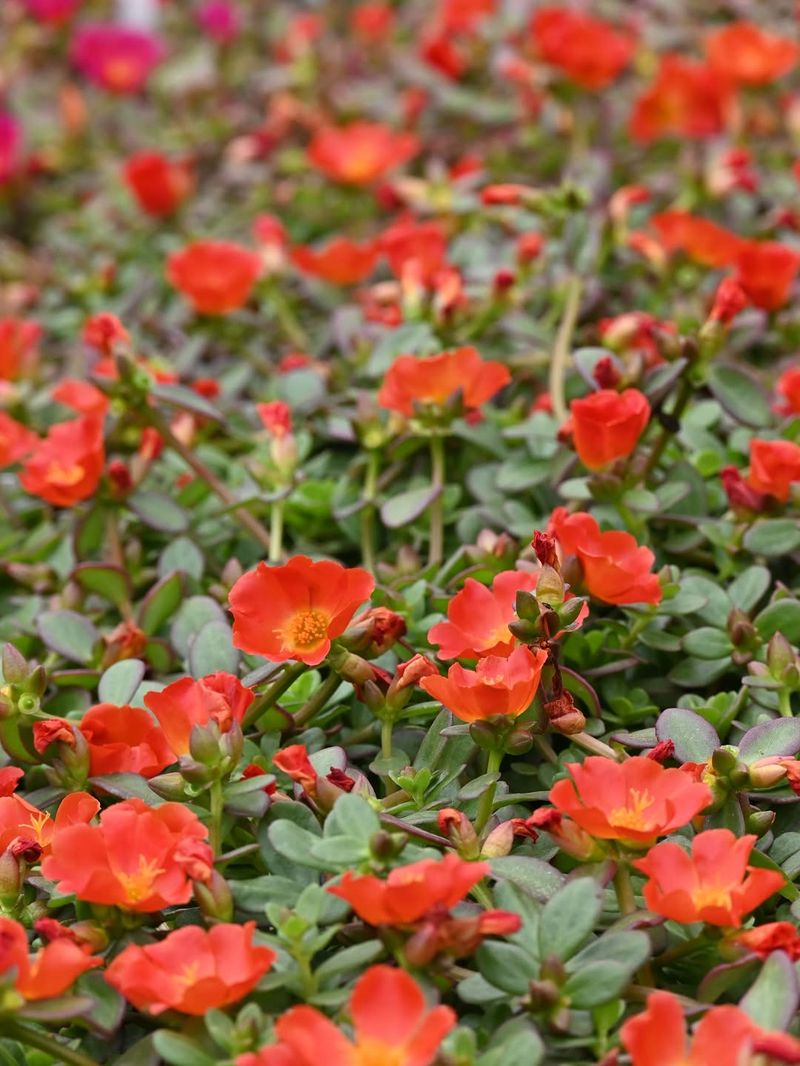
On the hottest afternoons in a Texas summer, when the thermometer climbs past 100 degrees and other flowers look wilted and worn, purslane just keeps going.
This low-growing, spreading plant produces cheerful blooms in shades of pink, red, orange, yellow, and white, and it thrives in the kind of bright, baking heat that would stress most other flowering plants.
It is one of the most heat-tolerant flowering plants available for Texas home gardens.
Purslane grows outward rather than upward, spreading into a colorful mat that works well in rock gardens, along sunny slopes, in raised beds, and in hanging baskets or shallow containers.
Its thick, succulent-like stems and leaves store moisture, which helps it get through dry stretches without looking stressed.
That drought tolerance makes it especially practical in parts of Texas where summer rainfall is unpredictable and irrigation may be limited.
Planting purslane in May gives it time to spread and fill in before the most intense heat of summer arrives. It roots quickly in warm, well-drained soil and does not need a lot of fertilizer to perform well.
The flowers open fully in bright sunlight and may close slightly on cloudy days, which is normal behavior for this plant.
Gardeners who have struggled to keep color going in a blazing hot, south-facing bed or container often find that purslane is one of the few plants that genuinely rises to the challenge through a full Texas summer.
6. Pentas Bring Long-Lasting Garden Color
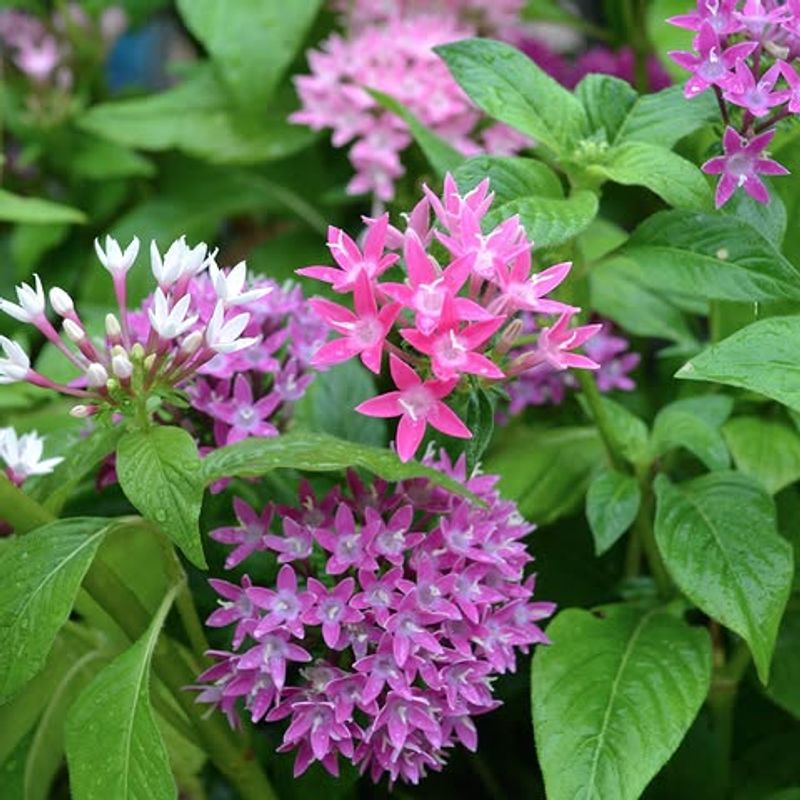
Butterfly gardens in Texas would not be the same without pentas.
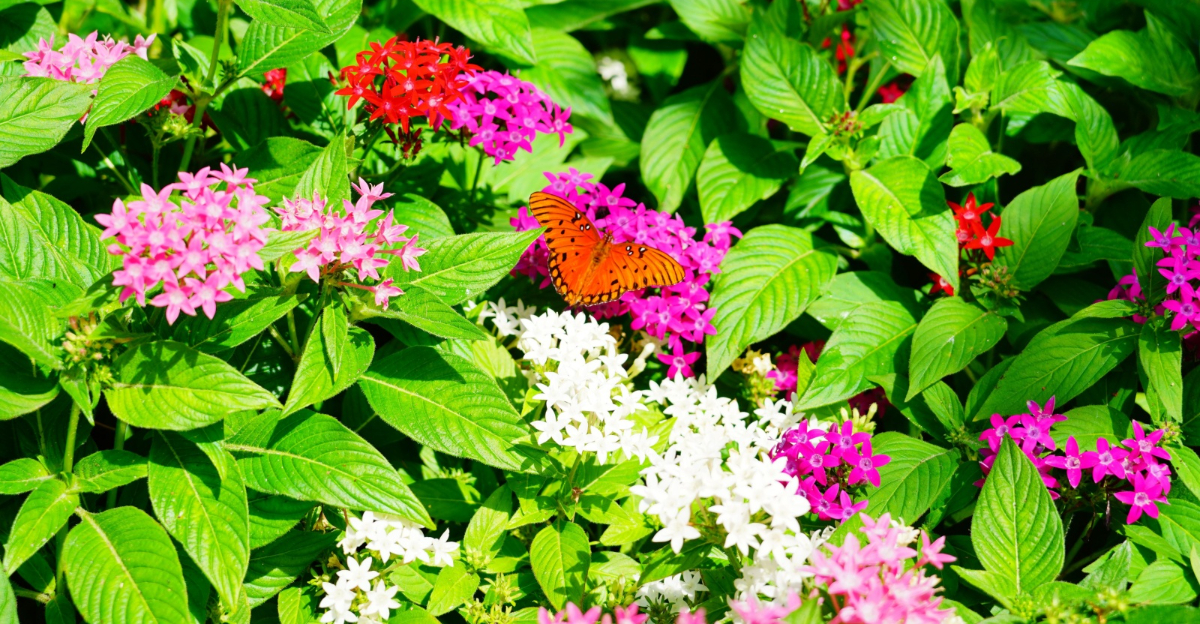
These cheerful, cluster-flowering plants produce rounded heads of small star-shaped blooms in shades of red, pink, coral, lavender, and white, and they are magnets for butterflies and hummingbirds from the moment they open.
Few plants deliver the same combination of pollinator appeal and heat tolerance that pentas offer through a long Texas summer.
Pentas grow well in full sun and handle the heat that builds through June, July, and August in Texas without losing their bloom production.
They reach about one to two feet tall depending on the variety and work well in garden beds, along borders, and in containers where they can be paired with taller or trailing plants for a layered look.
Their consistent flowering habit means there is rarely a gap in color once they are established.
Getting pentas into the ground in May sets them up for a strong performance through the season. They prefer well-drained soil and consistent moisture, though they show reasonable tolerance for dry spells once established.
Removing spent flower heads occasionally encourages fresh blooms to develop, though many newer varieties are quite self-cleaning.
In warm Texas winters, pentas sometimes return the following year, though they are typically treated as warm-season annuals.
For gardeners who want a flower bed that stays active with color and pollinator visits from late spring all the way through fall, pentas are one of the most dependable choices available.
7. Blue Daze Adds Cool Color In Sun
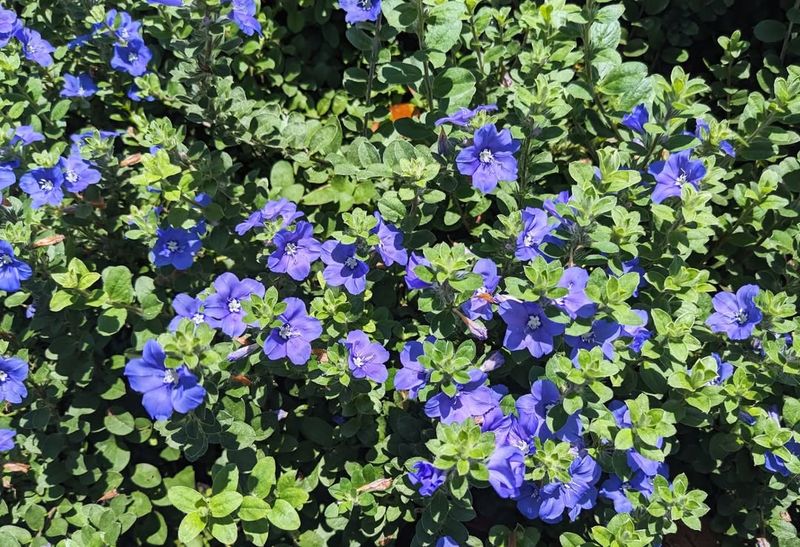
There is something refreshing about blue flowers in a Texas summer garden, and blue daze delivers that cool visual tone even when the temperature outside says otherwise.
This low, spreading plant produces small, clear sky-blue blooms that open in the morning sun and continue through the day, covering the plant in a soft wash of color that pairs well with nearly anything planted nearby.
Blue daze, botanically known as Evolvulus glomeratus, is well suited to Texas growing conditions.
It handles full sun, warm temperatures, and periods of dry weather without much complaint, and it keeps blooming steadily through the summer months rather than peaking early and slowing down.
The plant stays low and mounding, typically reaching six to twelve inches in height, which makes it a natural fit for the front of a border, a window box, or a mixed container on a sunny patio.
May is a good time to plant blue daze in Texas because the warm soil helps it establish quickly. It prefers well-drained soil and does not like to sit in standing water, so raised beds and containers with good drainage work well.
Once established, it is fairly low-maintenance and does not require deadheading to keep blooming. The blue flowers also provide a nice visual break in beds that lean heavily toward warm colors like red, orange, and yellow.
Gardeners looking to add something a little unexpected to their summer landscape often find blue daze to be a standout performer.
8. Firebush Brings Bright Color Through Heat
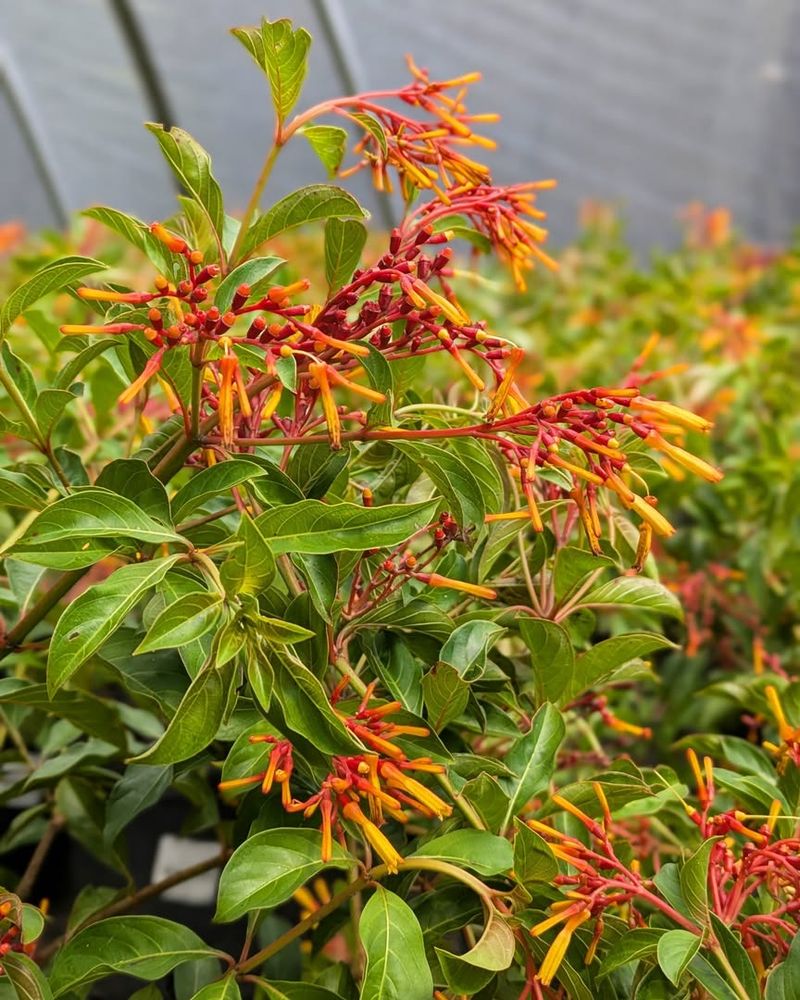
Hummingbirds find firebush before most gardeners even finish planting it.
The clusters of slender, tubular flowers in blazing shades of red and orange are practically irresistible to them, and the plant produces those blooms reliably from late spring through the first cool weather of fall.
In Texas, where hummingbird migration passes through in both spring and fall, having firebush in the landscape is a smart move for anyone who enjoys watching those fast-moving visitors.
Firebush, known botanically as Hamelia patens, is a shrubby tropical plant that grows vigorously in Texas heat.
It can reach three to five feet or taller in a single growing season under good conditions, making it useful as a tall background plant in a bed or as a bold specimen in a large container.
Its foliage takes on reddish-orange tints in strong sun, which adds to its overall visual warmth even when it is not in full bloom.
Planting firebush in May allows it to take full advantage of the warm growing season ahead. It handles heat, humidity, and sun exposure without fading, and it keeps pushing new flower clusters as long as warm temperatures continue.
Well-drained soil and full sun bring out the best performance, though it tolerates some afternoon shade. In warmer parts of Texas, firebush may return from the roots after a mild winter, behaving more like a perennial.
For gardeners who want bold color, wildlife appeal, and real staying power through a Texas summer, firebush is hard to overlook.