Best Herb Pairings To Grow In Pots In Michigan
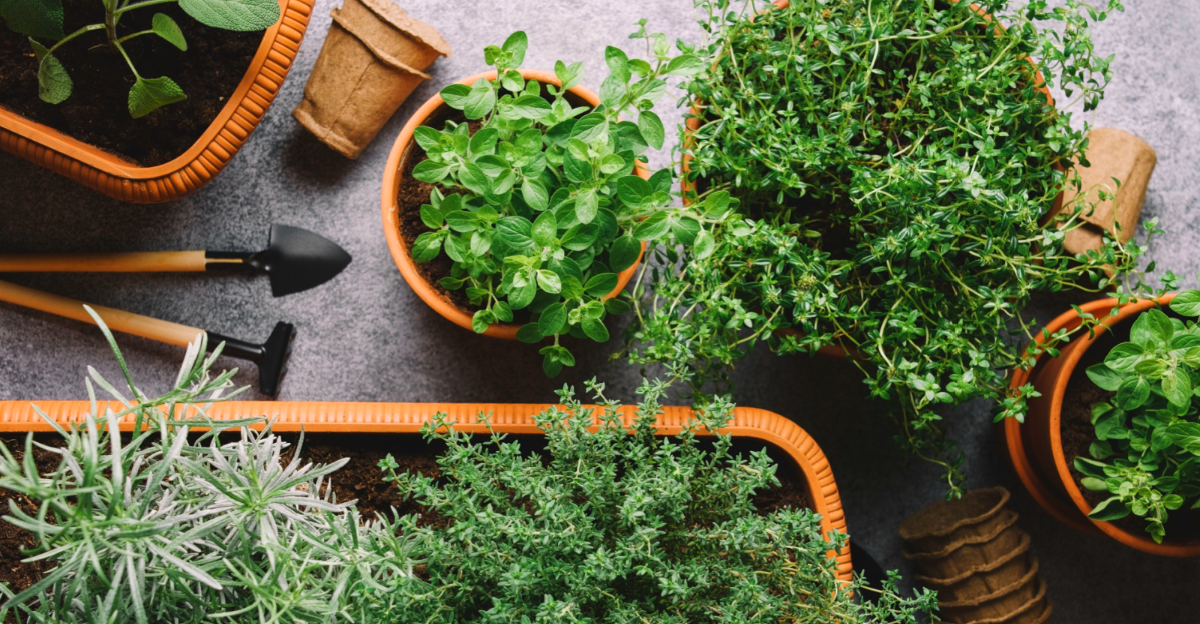
Growing herbs in pots might be one of the easiest ways to make a Michigan garden feel both useful and charming.
When spring weather can change its mind overnight and backyard space is not exactly endless, containers make life a lot simpler.
You can give tender herbs a head start indoors, move them outside when the air settles down a bit, and keep your favorites close enough to snip on the way to dinner. That part alone feels like a small victory.
The tricky part is pairing the right herbs together. Some like a little more moisture, some prefer drier soil, and some want every bit of sunshine they can get.
Toss the wrong mix into one pot and things can get a little dramatic. Choose smarter pairings, though, and your herb pots can look great, smell amazing, and make summer cooking in Michigan a whole lot more fun.
Fresh basil by the door? Hard to argue with that.
1. Basil And Parsley Bring Fresh Flavor To One Pot
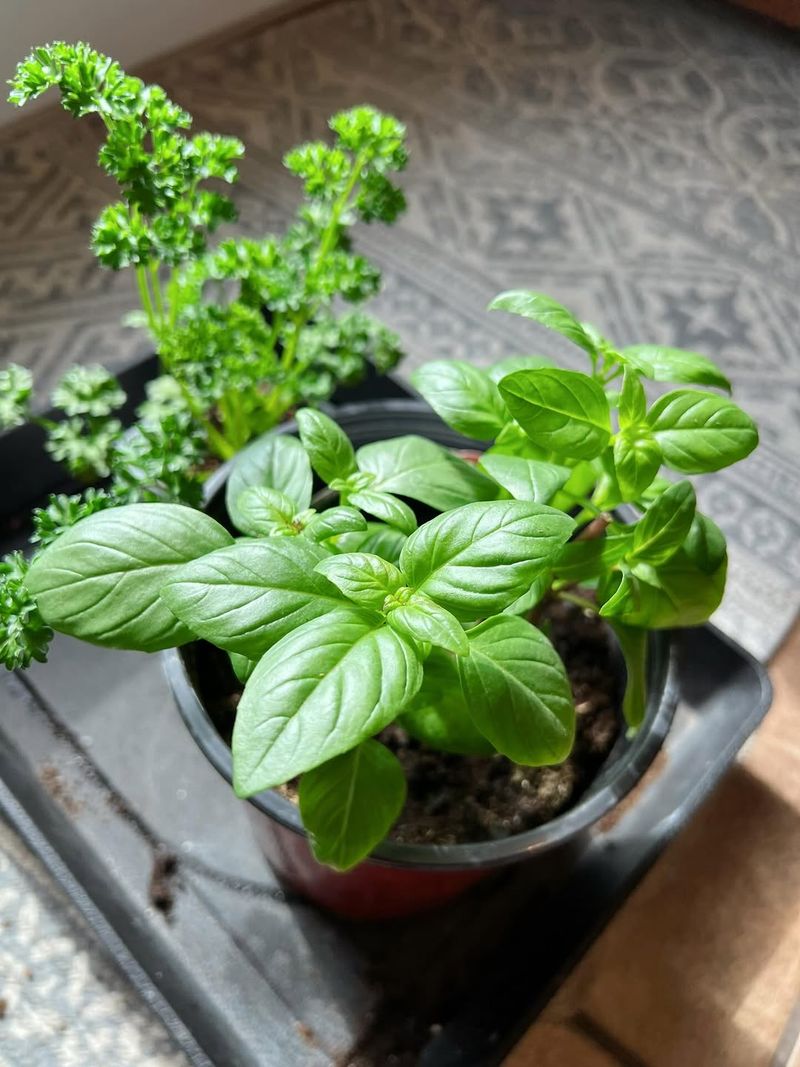
Few combinations feel as useful on a summer patio as basil and parsley growing side by side in the same container.
Both herbs are kitchen staples, both enjoy regular watering, and both tend to thrive in the warm, sunny conditions that Michigan summers actually deliver once the season gets going.
Pairing them in one generously sized pot means you can snip from both without running back and forth between separate planters.
Basil is a warm-season herb that really wants full sun and consistent moisture.
In Michigan, it should stay indoors or in a sheltered spot until frost risk has passed, which typically means waiting until late May or early June before moving it out to a patio or deck.
Parsley is a bit more forgiving of cool spring temperatures, but it also appreciates the same well-draining potting mix and regular watering schedule that basil needs, which makes the pairing practical to manage.
Choosing a pot that is at least 12 inches wide gives both herbs enough room to develop without crowding each other too quickly. A pot with good drainage holes is important because neither herb does well sitting in soggy soil.
During the hottest weeks of a Michigan summer, checking soil moisture every day or two helps both herbs stay productive.
Basil tends to grow faster and taller, so trimming it back regularly keeps it from shading the parsley and encourages bushy, flavorful growth from both plants throughout the season.
2. Parsley And Chives Add Soft Texture And Easy Kitchen Use
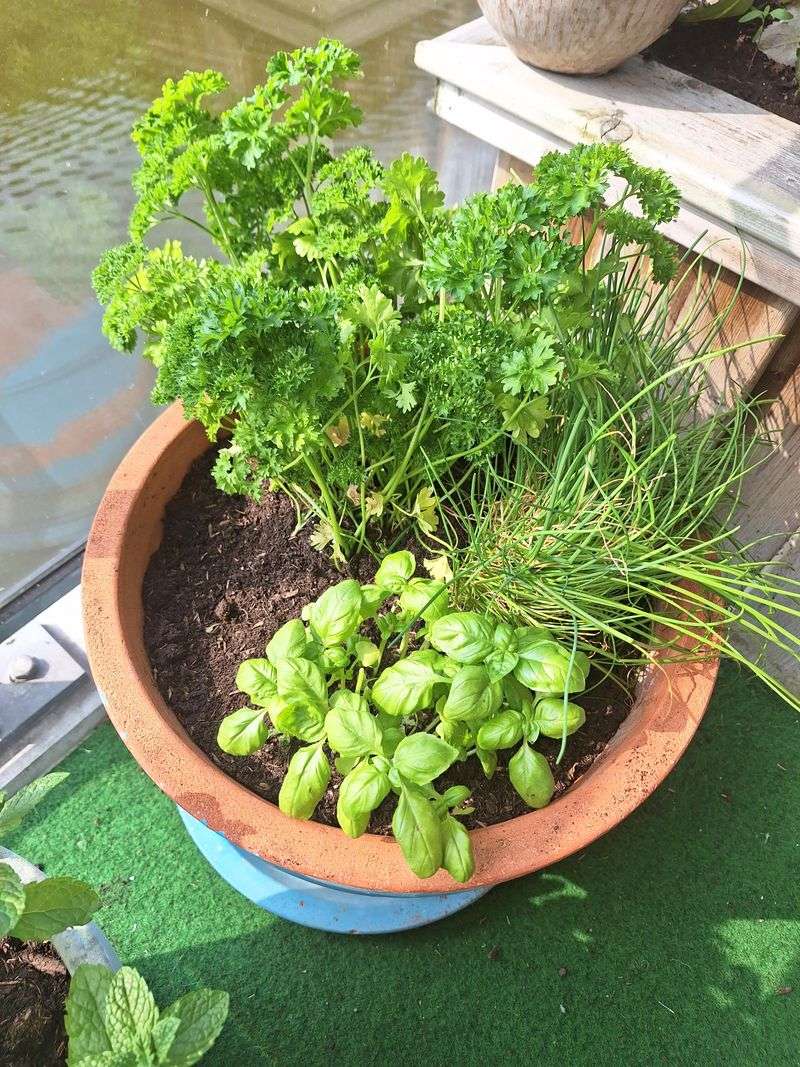
Parsley and chives are the kind of low-maintenance pair that makes container herb gardening feel genuinely rewarding.
Both herbs are relatively compact, both tolerate Michigan’s cooler spring temperatures better than many warm-season herbs, and both can actually be planted outdoors earlier in the season without much worry about a light frost setting them back significantly.
That early-season flexibility is a real advantage for Michigan gardeners who are eager to get something growing on the patio before summer fully arrives.
Your Michigan Garden Changes Every Week. Your Plan Should Too.
Gardening in Michigan changes quickly throughout the season. Every Friday you’ll receive a simple weekly plan showing exactly what to plant, prune, fertilize, harvest, and protect so you never miss the right timing.
Chives have a mild onion-like flavor and thin upright leaves that contrast nicely with the fuller, rounder texture of curly or flat-leaf parsley.
Visually, the combination looks tidy and appealing in a pot, which matters when you are growing herbs on a porch or balcony where the planting also serves as part of the outdoor decor.
Both herbs appreciate similar moisture levels and do well in a pot with a good-quality, well-draining potting mix rather than dense garden soil.
In terms of sunlight, parsley and chives both prefer at least four to six hours of direct sun each day, though they can manage in partial shade better than herbs like basil or rosemary.
A 10 to 12-inch pot works reasonably well for this pairing, though a slightly larger container gives the roots more room as the season progresses.
Chives tend to spread gradually through clumping, so dividing them occasionally keeps the pot from becoming too crowded and helps both herbs continue producing through Michigan’s growing season.
3. Oregano And Sage Fill Pots With Fragrant Summer Growth
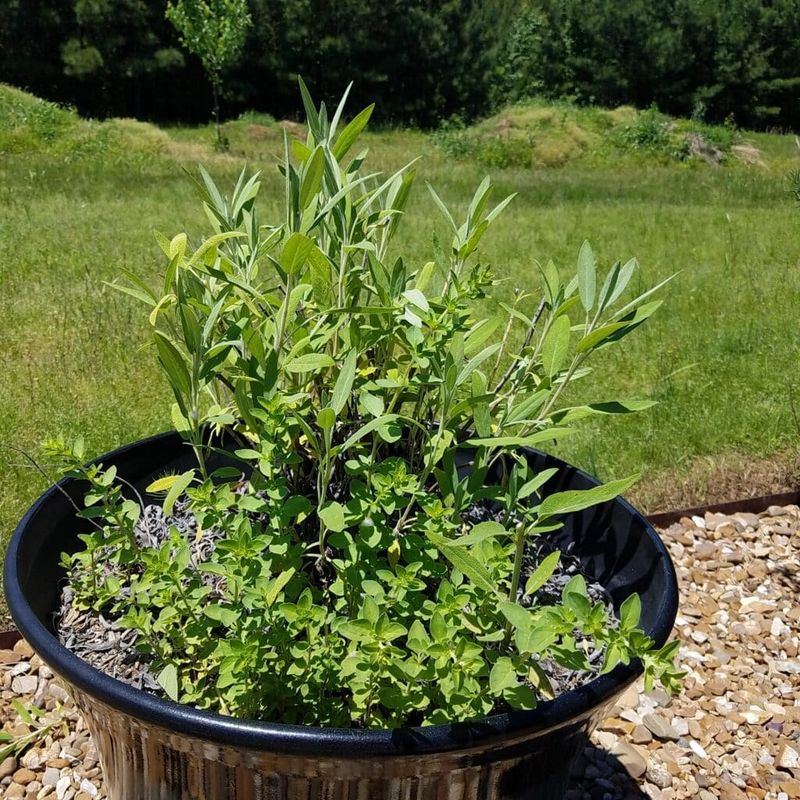
Oregano and sage make a practical pairing for a sunny Michigan container because they enjoy many of the same basic conditions and bring plenty of flavor to a small space.
Both herbs grow best in full sun and need very good drainage, which makes it easier to care for them in one pot without juggling completely different watering habits.
Oregano needs a full sun location and good drainage, while sage also prefers full sun and very well drained soil. With such similar growing needs, this duo makes a sensible choice for a patio pot in summer.
They also look good side by side. Oregano tends to spread and soften the edges of a container with leafy growth, while sage usually adds a more upright, slightly shrubby form with soft, textured leaves.
That contrast can make one pot feel fuller and more interesting without looking chaotic. On the kitchen side, the pairing earns its place quickly.
Both herbs are classic choices for roasted vegetables, tomato dishes, beans, poultry, and simple summer meals, so keeping them near the back door can be genuinely useful.
In Michigan, a container also gives gardeners more control over drainage during rainy stretches, which matters for herbs that prefer not to sit in soggy soil for long.
A terracotta pot can help excess moisture move out a bit faster.
4. Rosemary And Sage Bring Bold Flavor To Sunny Containers
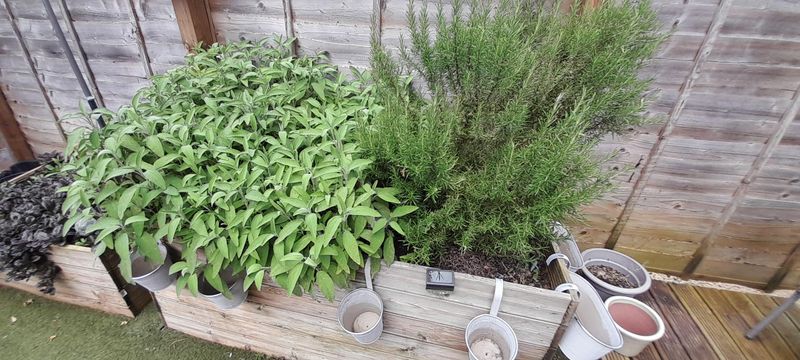
Rosemary and sage are two of the most aromatic herbs you can grow in a container, and placing them together on a sunny Michigan patio creates a planting that is both useful and genuinely beautiful.
Both herbs have a bold, woodsy fragrance that you notice even without touching the leaves, and their contrasting textures, rosemary’s slender needle-like foliage against sage’s broader, slightly fuzzy leaves, make the pot visually interesting throughout the growing season.
From a care standpoint, rosemary and sage are well matched.
Both are drought-tolerant once established, both prefer full sun for most of the day, and both do best in a pot with excellent drainage and a leaner potting mix that does not hold too much moisture.
Overwatering is one of the most common problems with these two herbs, so letting the soil dry out noticeably between waterings is a habit worth building early in the season.
Michigan gardeners should keep in mind that rosemary is not cold-hardy enough to survive a Michigan winter outdoors in most parts of the state. Treating it as an annual or bringing it inside before temperatures drop in the fall is the practical approach.
Sage is somewhat hardier but also benefits from indoor protection during Michigan’s coldest months.
During summer, both herbs grow well in a large container, at least 12 to 14 inches wide, positioned in the sunniest spot available.
Regular light harvesting from both herbs encourages fresh growth and prevents the plants from becoming too woody and overgrown by midsummer.
5. Thyme And Sage Suit Dry Pots And Sunny Spots
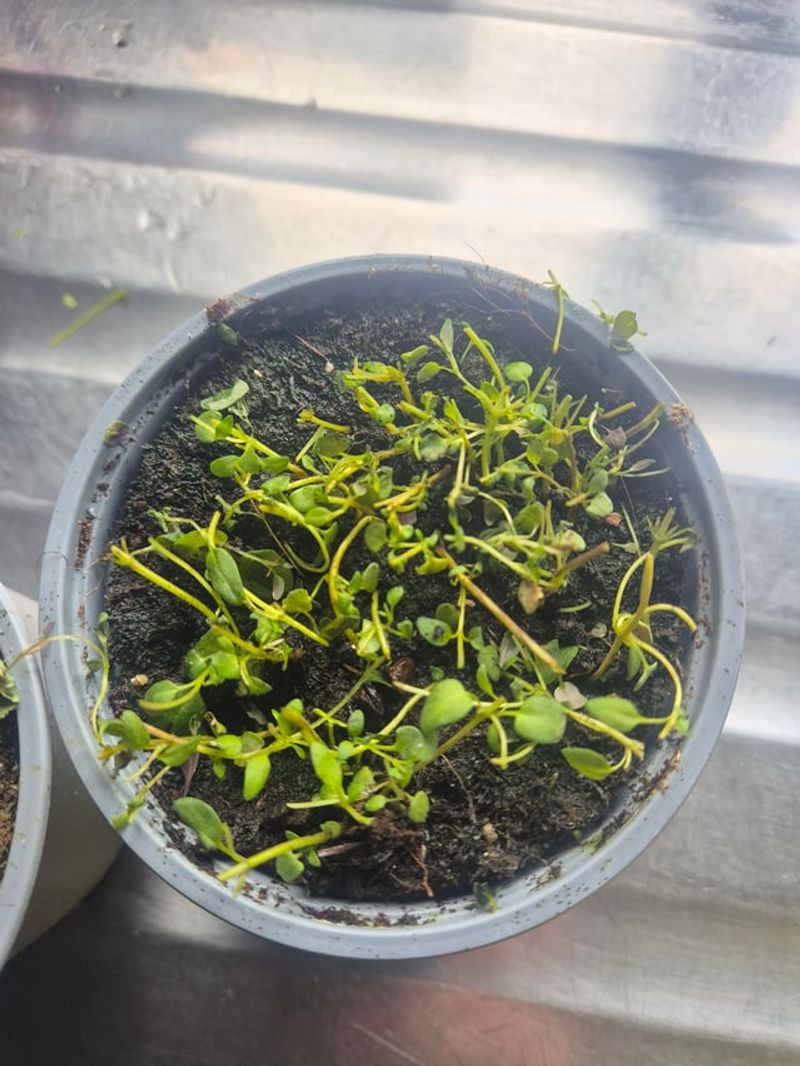
Gardeners who tend to forget about watering for a day or two will find thyme and sage to be genuinely forgiving companions in a pot.
Both herbs lean toward the drier end of the moisture spectrum, both appreciate full sun, and both come from regions where soil tends to be rocky and well-drained rather than rich and consistently moist.
That shared background makes them one of the more naturally compatible pairings for Michigan container gardening, especially on a hot, south-facing patio or deck where pots can dry out quickly on sunny summer days.
Thyme is a low-growing, spreading herb with small leaves and a slightly earthy, lemony flavor that works well in a wide range of dishes.
Sage has broader, more textured leaves and a stronger, more savory flavor that pairs especially well with poultry and roasted vegetables.
Having both within arm’s reach of the kitchen is a genuine convenience, and growing them together in one pot simplifies the watering routine considerably since their moisture needs align so closely.
A wide, shallow container with drainage holes works particularly well for this pairing because it mimics the kind of environment both herbs prefer in their natural habitat.
In Michigan, thyme is more cold-tolerant than sage and may even survive a mild winter in a sheltered spot, but sage generally does better when brought inside before the first hard frost.
During the summer growing season, both herbs benefit from light, regular trimming that keeps the growth tidy and flavorful rather than straggly and overgrown.
6. Oregano And Thyme Fill Patio Pots With Fresh Flavor
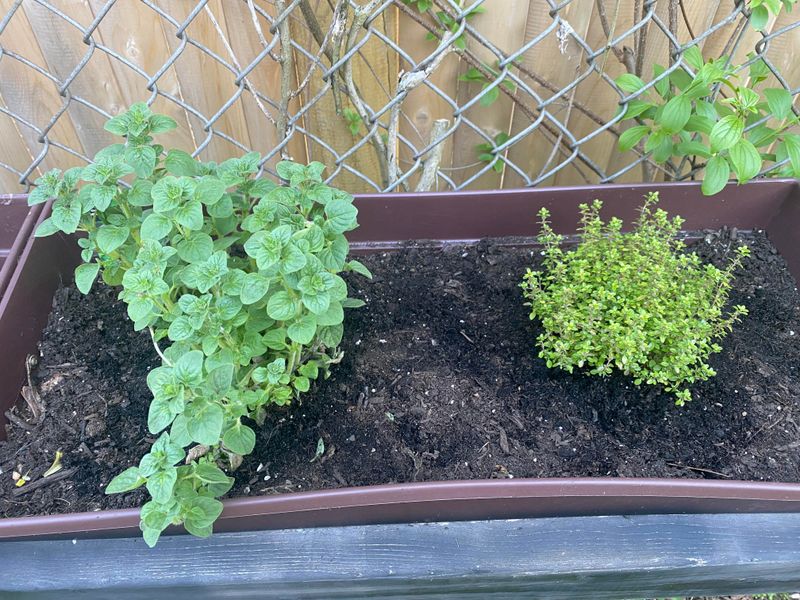
Oregano and thyme make a smart pairing for patio pots because they like many of the same conditions, and that makes them easier to manage together through a Michigan summer.
Both herbs grow best in full sun and well-drained potting mix, so one container can suit them without forcing you to balance very different watering needs.
Thyme and oregano are both well suited for summer container gardening, and oregano has growing requirements very similar to thyme, especially when it comes to sun and drainage.
On a patio or porch, this pairing also brings a lot of sensory appeal. Thyme stays low and tidy, often softening the edge of a container, while oregano tends to spread a bit more and fill in with leafy growth.
That contrast can make one pot look fuller and more textured without feeling crowded too quickly.
Both herbs are valued for their strong aroma and kitchen use, so keeping them close to the door makes it easy to clip a few stems for roasted vegetables, grilled dishes, sauces, or summer salads.
Most herbs need at least six hours of direct sunlight, and stronger light helps develop the oils that give herbs their fragrance and flavor, which is one reason sunny Michigan patios can be such a good fit for this combination.
7. Mint Usually Works Best Alone In Its Own Pot
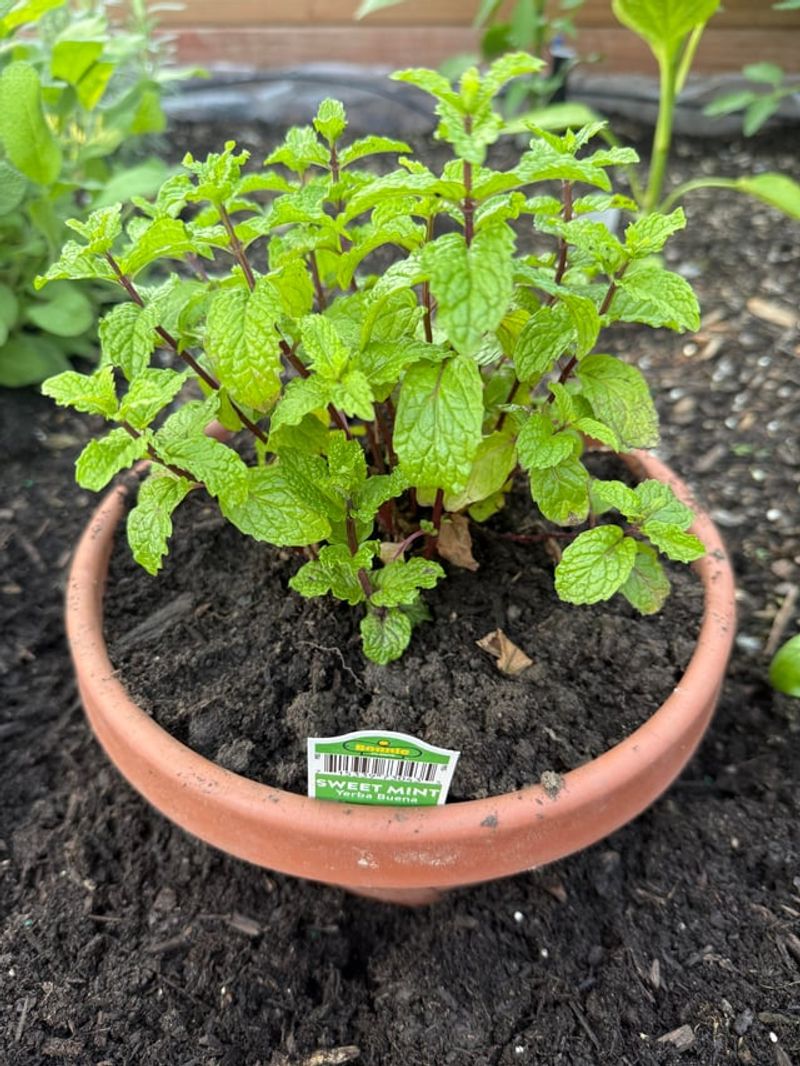
Mint has a reputation in the gardening world, and it has earned every bit of it. Given any opportunity, mint will spread aggressively, sending out runners in multiple directions and quickly taking over whatever space it shares with other plants.
Growing it in its own dedicated container is not just a suggestion.
It is genuinely the most practical approach for any Michigan gardener who wants to keep a tidy, manageable herb collection on a patio or porch without one plant slowly edging out everything else.
Beyond its spreading habit, mint also has slightly different moisture preferences than many of the Mediterranean herbs that pair well with each other.
It enjoys more consistent moisture than rosemary, thyme, or sage, which means combining it with those herbs in one pot tends to create a watering conflict where one herb gets too much water or the other gets too little.
Giving mint its own container lets you water it on its own schedule without compromising neighboring plants.
Spearmint, peppermint, and lemon mint are all popular choices for Michigan container gardens, and all of them grow enthusiastically in a pot with regular moisture and at least partial sun.
A medium-sized pot with drainage holes works well, and trimming the stems back regularly keeps the plant from becoming leggy and encourages fresh, flavorful leaf production.
In Michigan, mint can be moved indoors before frost arrives and kept as a houseplant through the colder months, which means you can enjoy fresh mint leaves well beyond the end of the outdoor growing season.