10 Smart Ways Oregon Gardeners Can Use Epsom Salt
Epsom salt has a bit of garden folklore sparkle around it, and Oregon gardeners have definitely heard the hype.
Tomatoes!Roses! Peppers!Greener leaves! Bigger blooms! It sounds like a tiny bag of magic, but the smartest use starts with knowing what it actually does.
Epsom salt is magnesium sulfate, which can help plants only when magnesium is truly lacking.
That matters in Oregon, where rainy seasons can leach nutrients, but not every struggling plant needs the same fix. Used carefully, it may support certain crops, container plants, or tired-looking foliage after a soil test points in that direction.
Used randomly, it can waste time or throw soil nutrients out of balance. So before sprinkling it around like garden confetti, it helps to know the practical, plant-friendly ways this simple mineral can earn its keep.
1. Test Soil Before Using Epsom Salt
Before you grab that box of Epsom salt off the shelf, take a step back and test your soil first. Many Oregon gardeners skip this step, but it is one of the most important things you can do for your plants.
Soil testing tells you exactly what nutrients are already present and what is missing.
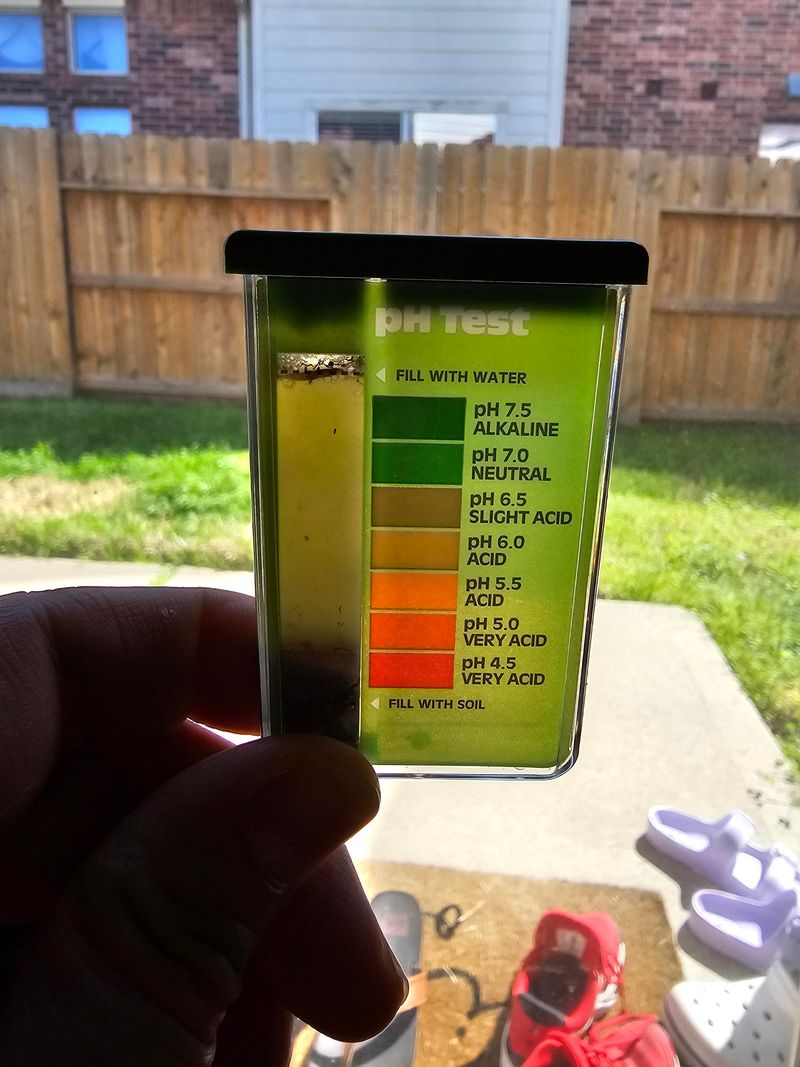
Oregon State University Extension Service offers affordable soil testing kits for home gardeners. You can also find simple at-home test kits at most garden centers.
A good test will show you your soil pH, nitrogen levels, and magnesium content. Without this information, you are just guessing.
Adding Epsom salt to soil that already has enough magnesium can actually cause problems. Too much magnesium can block calcium uptake, which weakens plants over time.
In parts of western Oregon, soils are often already rich in minerals from volcanic activity and heavy rainfall leaching nutrients back into the earth.
Testing costs just a few dollars and saves you money in the long run. Once you know your soil’s magnesium level, you can make a smart and informed decision about whether Epsom salt is even necessary.
Always start with data, not guesswork.
2. Correct Magnesium Deficiency
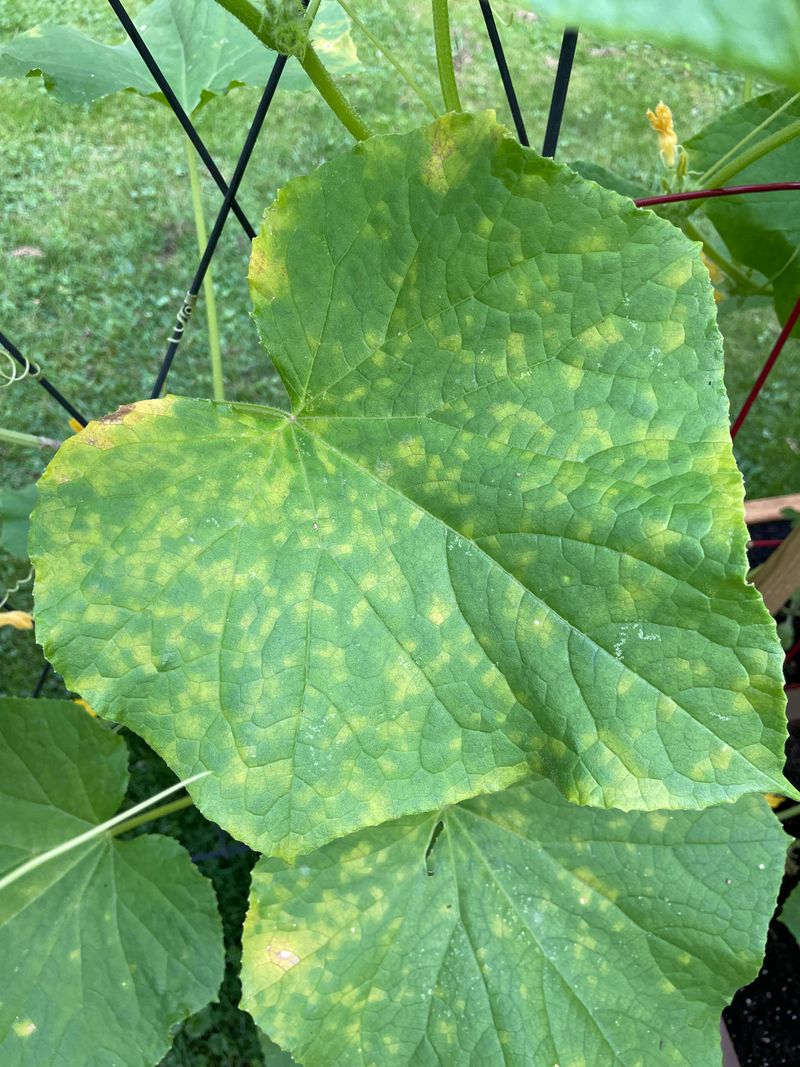
Magnesium deficiency is a real problem that shows up in Oregon gardens, especially in sandy or heavily leached soils. When a plant lacks magnesium, it struggles to produce chlorophyll.
That means less energy from the sun and slower growth overall.
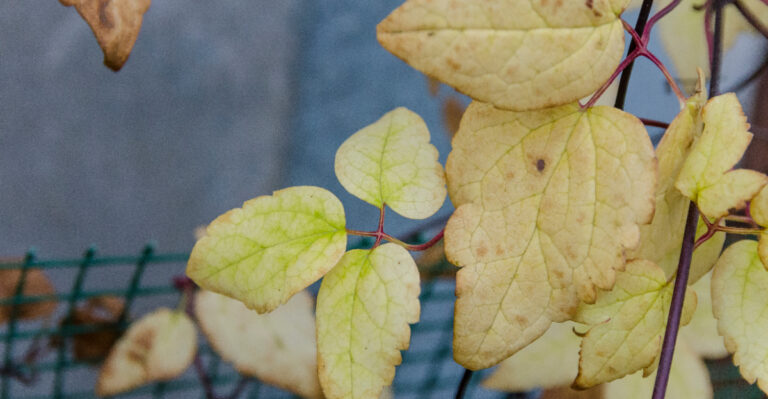
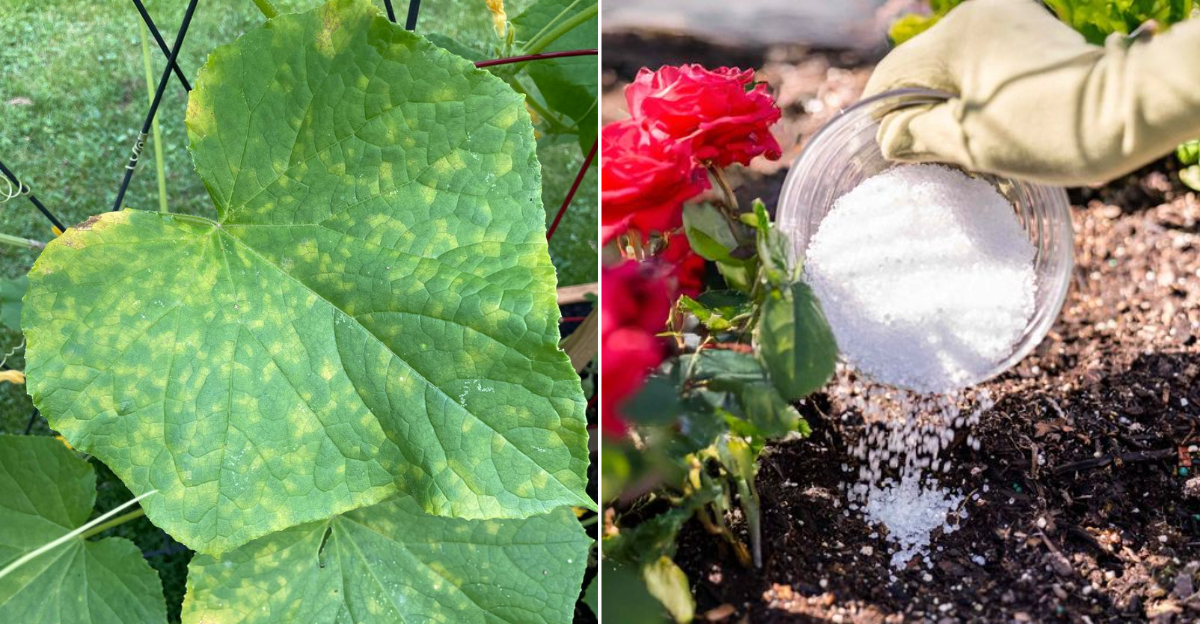
The classic sign of magnesium deficiency is called interveinal chlorosis. That is a fancy way of saying the leaf turns yellow between the veins, while the veins themselves stay green.
You will often see it first on older, lower leaves. If your soil test confirms low magnesium, Epsom salt is a practical and affordable fix.
Mix one tablespoon of Epsom salt into one gallon of water. Apply this solution directly to the soil around the base of affected plants.
You can also use it as a foliar spray, misting it lightly onto the leaves for faster absorption.
Repeat the application every two to four weeks during the growing season. Oregon gardeners in the Coast Range and Cascades foothills may notice this deficiency more often due to high rainfall washing nutrients away.
Your Oregon Garden Changes Every Week. Your Plan Should Too.
Gardening in Oregon changes quickly throughout the season. Every Friday you’ll receive a simple weekly plan showing exactly what to plant, prune, fertilize, harvest, and protect so you never miss the right timing.
Correcting a true deficiency with Epsom salt can bring your plants back to full, healthy color quickly and effectively.
3. Help Yellowing Leaves Recover
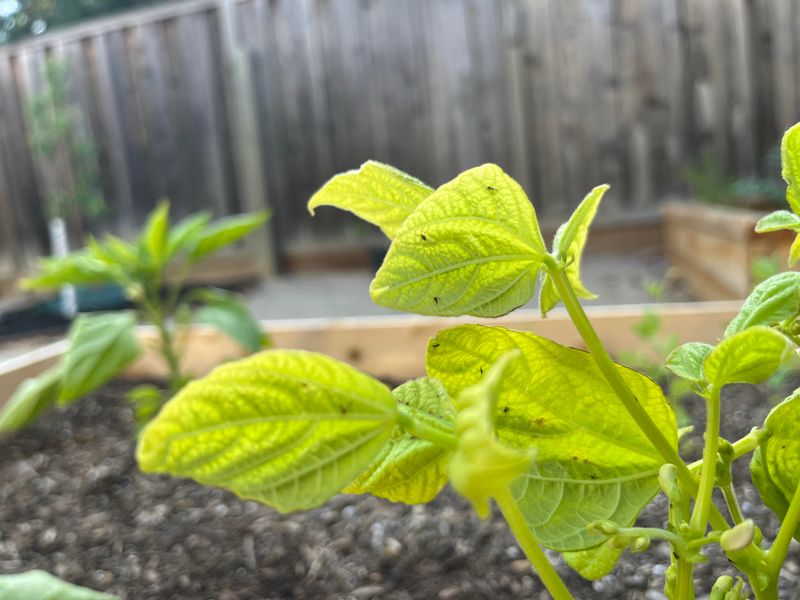
Yellow leaves can make any gardener nervous, and for good reason. They are usually a sign that something is off.
While there are many causes of yellowing, a magnesium shortage is one of the more common culprits in Pacific Northwest gardens where heavy rain flushes nutrients out of the soil.
Epsom salt can help bring those pale, tired-looking leaves back to life when magnesium is truly the issue. A simple foliar spray works surprisingly fast.
Mix two tablespoons of Epsom salt with one gallon of water and spray it directly onto the leaves. Plants can absorb magnesium through their leaf surfaces, which speeds up recovery.
Apply the spray in the early morning or late afternoon to avoid scorching leaves in direct sunlight. Oregon summers can bring some warm, sunny days, especially east of the Cascades, so timing matters.
Avoid spraying when rain is expected within a few hours, or the solution will wash off before it can be absorbed.
Keep in mind that yellow leaves do not always mean magnesium deficiency. Overwatering, poor drainage, and nitrogen shortages can cause similar symptoms.
Always cross-check with a soil test before committing to an Epsom salt treatment to make sure you are solving the right problem.
4. Support Magnesium-Hungry Roses
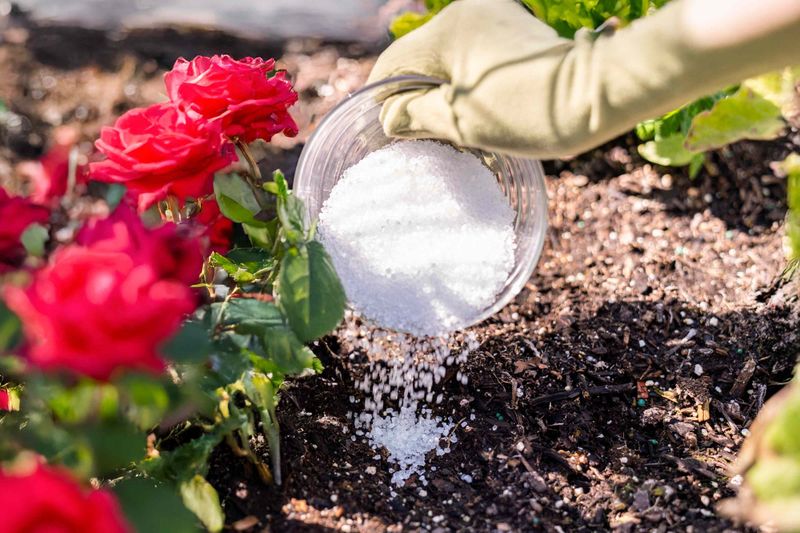
Roses are among the most magnesium-hungry plants you can grow, and Oregon gardeners who love their rose beds know how demanding these beauties can be. Magnesium plays a direct role in the production of chlorophyll and the development of strong, healthy canes.
Without enough of it, roses can look pale, weak, and bloom poorly.
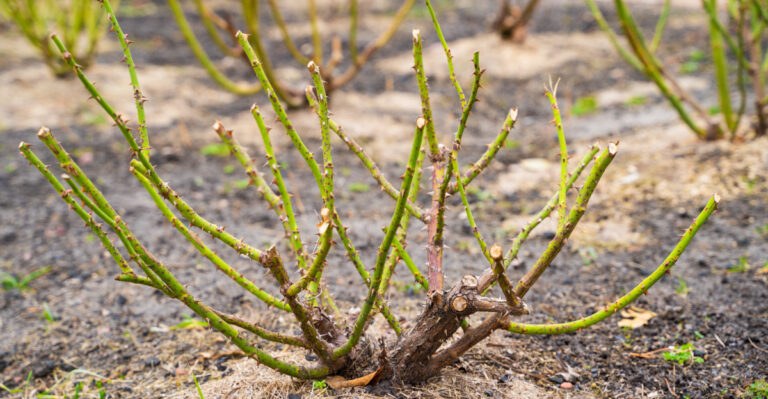
Many experienced rose growers in the Portland area and the Willamette Valley swear by Epsom salt as part of their seasonal care routine. The general recommendation is to apply one tablespoon of Epsom salt per foot of plant height around the base of each rose bush.
Work it gently into the soil and water it in well.
Do this once in early spring when new growth begins and again in midsummer to support the second flush of blooms. You can also use a diluted foliar spray during the growing season for a quick boost.
Roses respond well to consistent care, and adding Epsom salt at the right times can lead to deeper green foliage and more vibrant blooms.
Even still, always confirm with a soil test before making it a regular habit. Oregon soils vary widely, and not every rose garden will benefit the same way from this treatment.
5. Use Sparingly Around Tomatoes
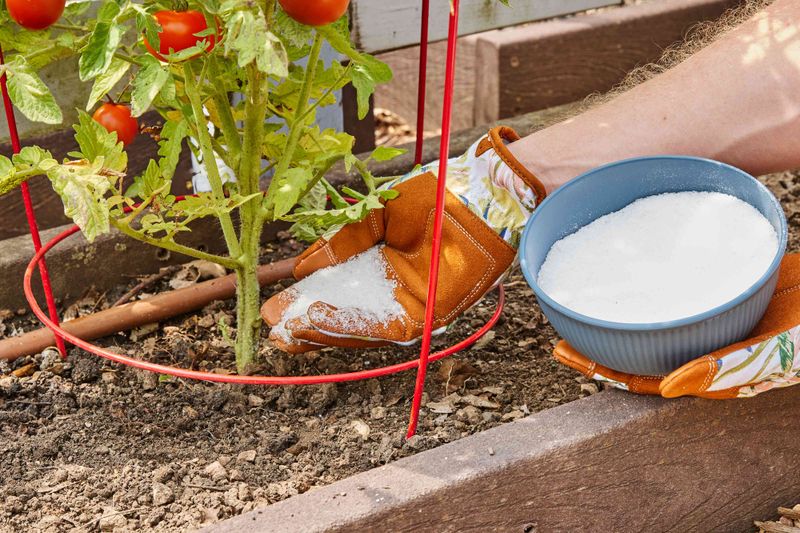
Tomatoes have a bit of a complicated relationship with Epsom salt. You will find plenty of gardening advice online saying to pour it on freely, but the science tells a more careful story.
Tomatoes do need magnesium, but overdoing it can cause more harm than good.
Too much magnesium in the soil can compete with calcium absorption. Tomatoes need calcium to develop strong cell walls.
When calcium uptake is blocked, plants become vulnerable to certain disorders that affect fruit quality. So moderation is key when growing tomatoes in Oregon gardens.
If a soil test shows a genuine magnesium deficiency, a light application can help. Use one tablespoon of Epsom salt dissolved in one gallon of water and apply it to the base of each plant once a month during the growing season.
Avoid applying it every week, as many online guides suggest.
Oregon’s varied climate means tomato growers in the Rogue Valley have different soil conditions than those in the cloudy Willamette Valley. What works in one region may not be right for another.
Stick to tested, evidence-based rates and always observe how your plants respond after each application. A little goes a long way with tomatoes.
6. Avoid Treating Blossom-End Rot
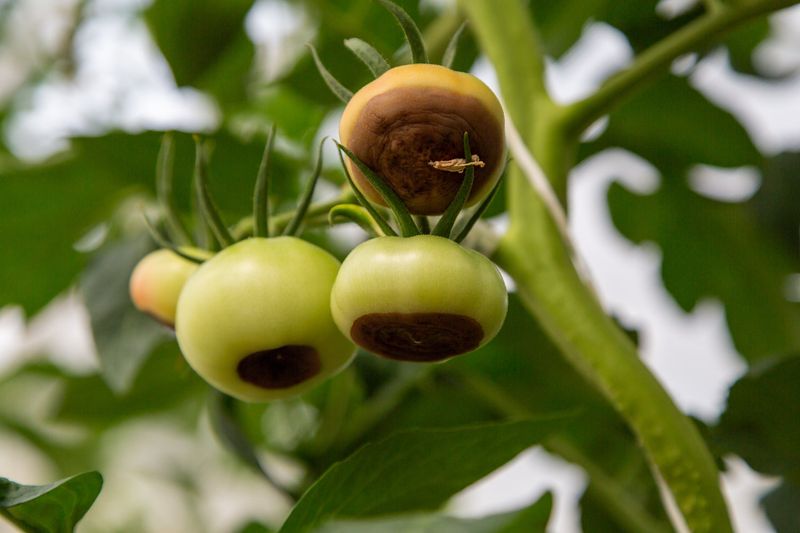
Blossom-end rot is one of the most frustrating problems Oregon tomato growers face. That dark, leathery patch on the bottom of a tomato is hard to miss.
Many people assume it means the plant needs more magnesium, but that is actually a common myth worth clearing up.
Blossom-end rot is caused by a calcium deficiency in the developing fruit, not a magnesium shortage. Adding Epsom salt to fix it can actually make things worse.
Excess magnesium in the soil competes with calcium, making it even harder for the plant to absorb the calcium it desperately needs.
The real causes of blossom-end rot include inconsistent watering, poor calcium levels in the soil, and root damage. Oregon summers can swing between cool and wet to warm and dry, which creates uneven soil moisture.
Inconsistent watering is a top trigger for this condition in the Pacific Northwest.
To address blossom-end rot properly, focus on consistent watering schedules and mulching to keep soil moisture steady. Get a soil test to check calcium levels.
If calcium is low, amend with lime or gypsum instead of Epsom salt. Reaching for Epsom salt when blossom-end rot appears is one of the most common mistakes Oregon gardeners make.
7. Skip Routine Lawn Applications
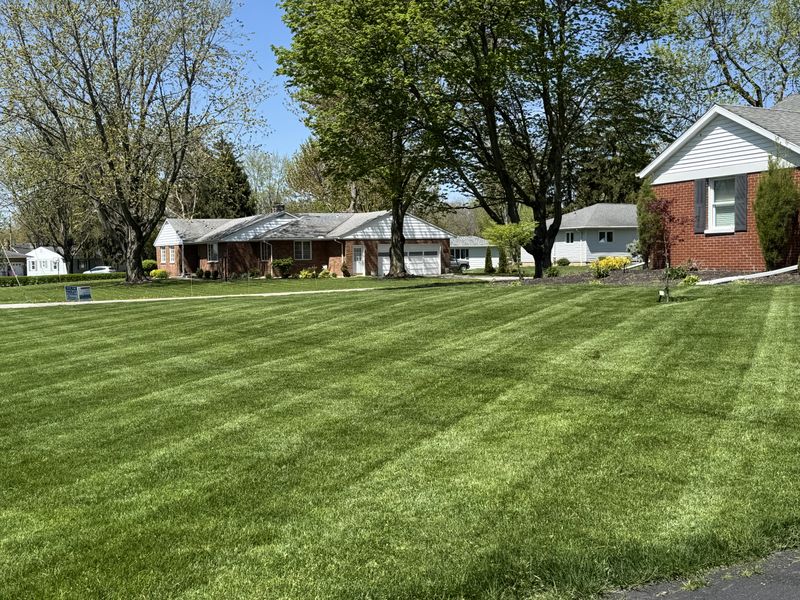
Walk into any garden store in Oregon and you might hear someone suggest sprinkling Epsom salt on the lawn to make it greener. It sounds simple, but lawn care experts and soil scientists generally advise against making this a routine practice.
Here is why.
Lawns in Oregon, particularly in western regions like the Willamette Valley, already receive plenty of moisture and often have adequate magnesium levels. Applying Epsom salt to a lawn that does not need it adds unnecessary sulfate to the soil.
Over time, this can alter soil chemistry and cause imbalances that actually reduce grass health.
Grass does not have the same magnesium demands as fruiting vegetables or flowering plants like roses. The nutrient requirements of a lawn are mostly met through regular fertilization and healthy soil biology.
Adding Epsom salt on top of that is rarely helpful and often wasteful.
If your lawn looks pale or patchy, the cause is more likely to be compaction, poor drainage, thatch buildup, or nitrogen deficiency. These are all common issues in Oregon’s cool, wet climate.
Address those problems directly with aeration, overseeding, and a balanced lawn fertilizer. Save your Epsom salt for plants that actually benefit from a magnesium boost.
8. Dilute Well For Container Plants
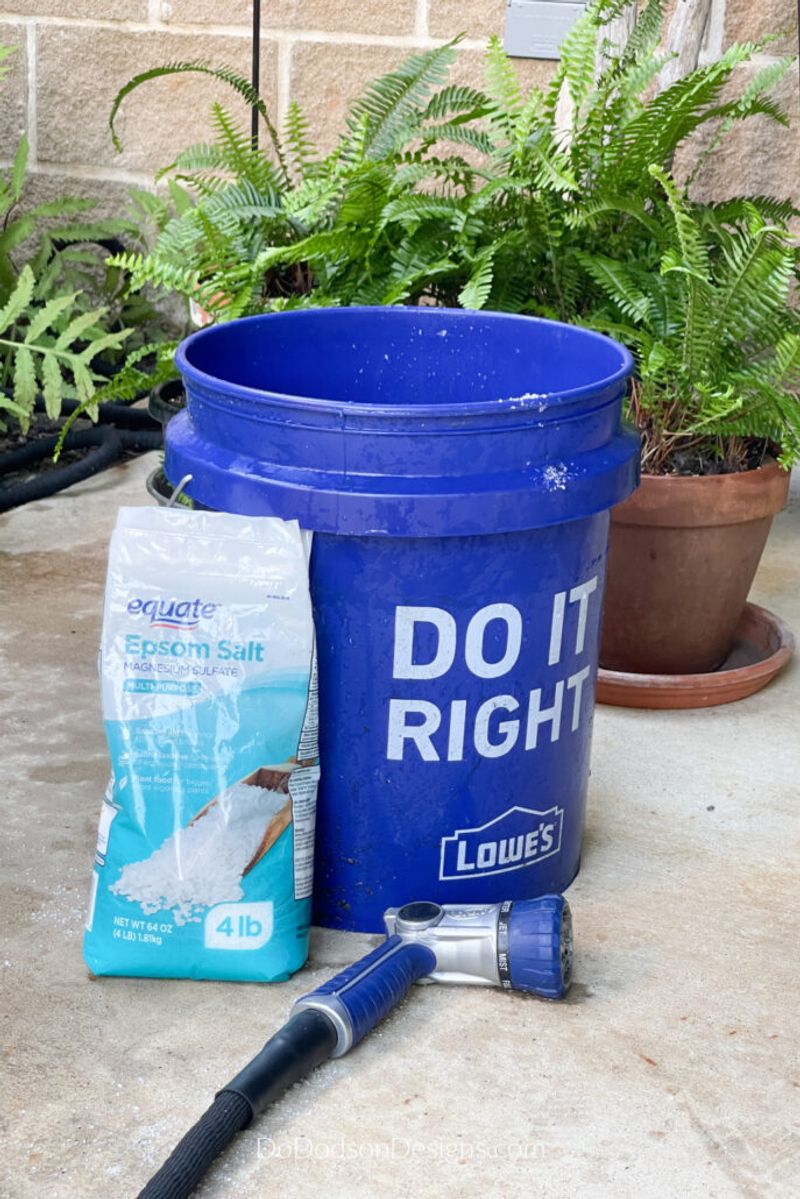
Container gardening is hugely popular in Oregon, especially in urban areas like Portland and Eugene where outdoor space is limited. Pots, planters, and raised containers are a great way to grow herbs, vegetables, and flowers.
But container plants have special needs that in-ground plants do not share.
Nutrients in containers get used up quickly and do not replenish naturally the way they do in the ground. Magnesium can become depleted faster in pots, especially if you are growing heavy feeders like tomatoes, peppers, or basil.
A diluted Epsom salt solution can help top up magnesium levels between regular fertilizing sessions.
The key word here is diluted. Use just one teaspoon of Epsom salt per gallon of water for container plants.
That is much less than what you would use in a garden bed. Container plants are more sensitive to salt buildup because there is limited soil volume to buffer the concentration.
Apply the solution once a month during the active growing season, not every week. Flush your containers with plain water occasionally to prevent any mineral buildup in the soil.
Oregon’s rainy winters naturally flush outdoor containers, but indoor or covered plants need extra attention. Keeping the concentration low protects roots and keeps your container garden thriving all season long.
9. Apply Only During Active Growth
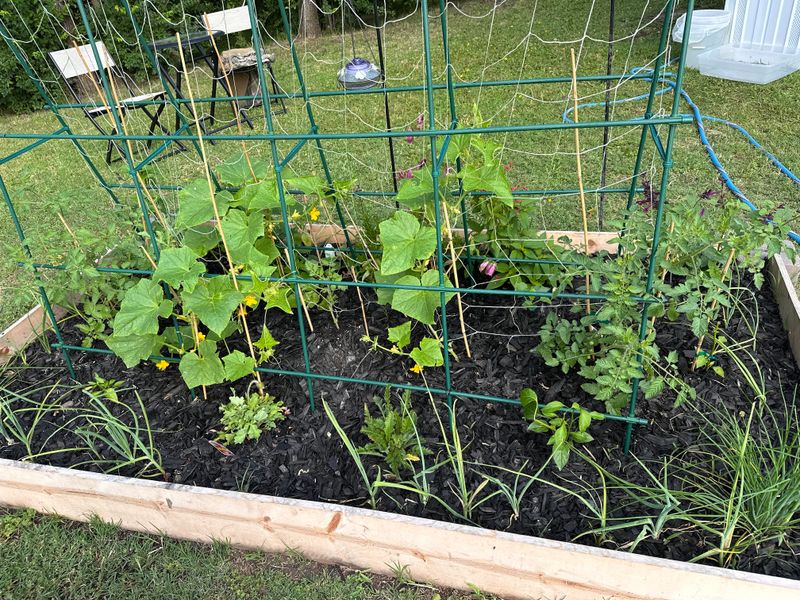
Timing matters more than most gardeners realize when it comes to using Epsom salt. Applying it at the wrong time of year can be completely useless, or worse, it can stress plants that are already dormant or resting.
Active growth is the window when plants can actually use the magnesium you are offering.
In Oregon, the active growing season typically runs from late spring through early fall. That is roughly May through September for most of the state, though the Rogue Valley in southern Oregon enjoys a longer warm season.
During these months, plants are photosynthesizing, producing new leaves, flowering, and setting fruit. Magnesium is in high demand during all of these processes.
Applying Epsom salt in late fall or winter when plants are slowing down or going dormant serves little purpose. The nutrients will not be absorbed efficiently and may leach out of the soil before spring arrives.
Oregon winters bring significant rainfall, which washes away dissolved minerals quickly.
Stick to applications made in the morning during warm, dry stretches of weather. Early in the growing season and again at midsummer are the most effective times.
Match your Epsom salt applications to your plants’ natural growth cycles and you will get far better results from every application you make.
10. Know When Not To Use It
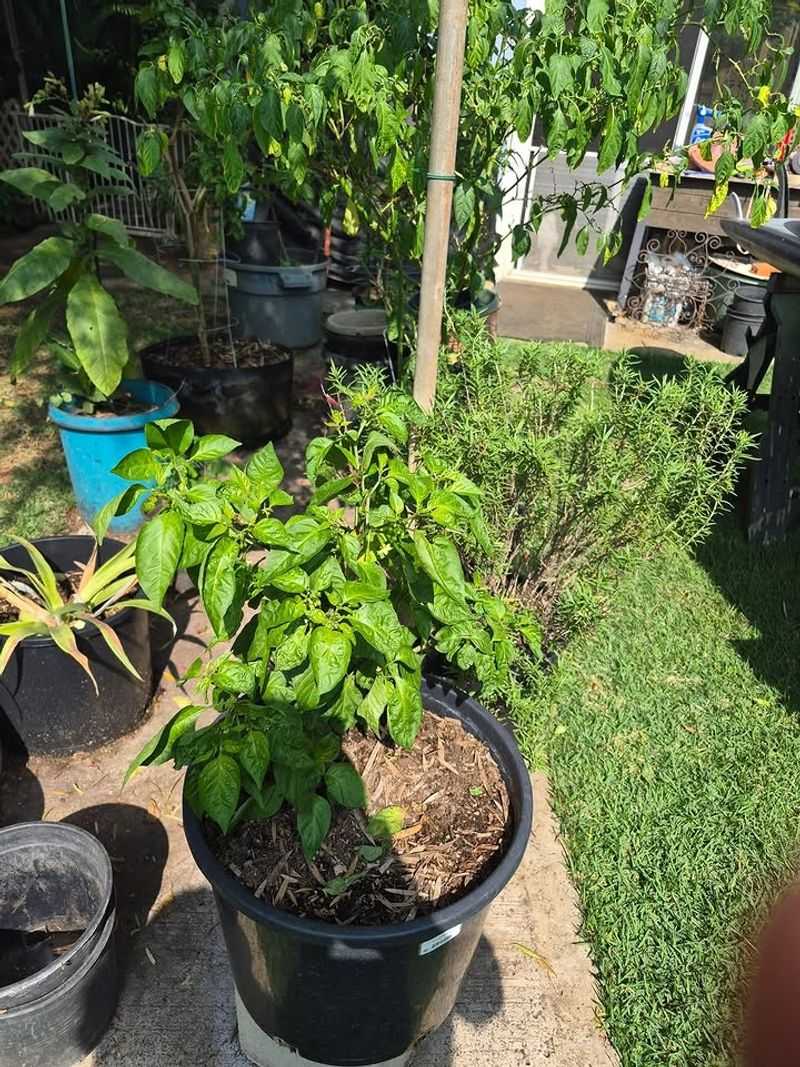
Knowing when to hold back is just as valuable as knowing when to act. Epsom salt has real benefits in specific situations, but it is not a cure-all for every garden problem.
Using it without a clear reason can lead to soil imbalances that take seasons to correct.
If your soil test shows adequate or high magnesium levels, adding more is unnecessary. Oregon soils in certain volcanic regions of the Cascades already carry naturally elevated mineral content.
Piling on more magnesium in these areas can lock out other nutrients and reduce overall soil health.
Plants growing in clay-heavy soils, which are common in many parts of the Willamette Valley, may already hold onto magnesium well. These soils do not need supplementation the way sandy or light soils might.
Knowing your soil type is just as important as knowing your nutrient levels.
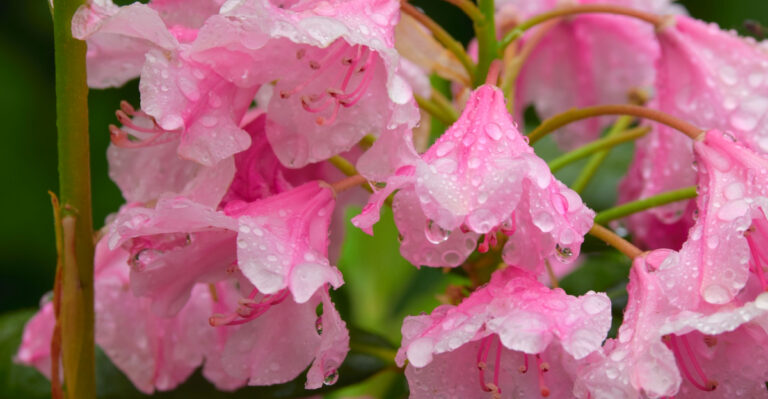
Some plants simply do not respond well to extra magnesium, including blueberries and rhododendrons, which prefer acidic, low-nutrient conditions. These plants are popular in Oregon gardens and can be harmed by unnecessary additions.
The smartest gardeners know that restraint is a skill. Use Epsom salt when the evidence clearly supports it, and trust your soil test results over trending gardening advice found online.