These Hydrangea Macrophylla Care Tips Help Oregon Gardens Bloom Better
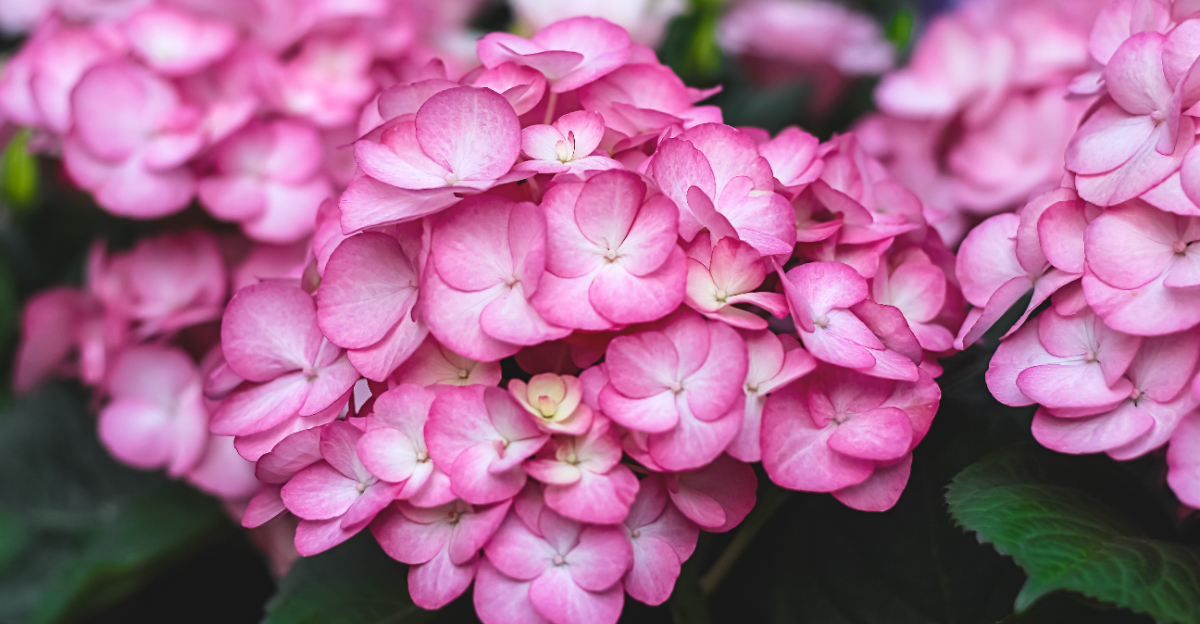
Hydrangea macrophylla has main-character energy in Oregon gardens. Give it the right spot and it rewards you with those big, dreamy flower heads that make fences, porches, and shady borders look instantly more charming.
Give it the wrong care, though, and it can turn into a leafy green mystery with barely a bloom in sight. The good news is that this hydrangea is not impossible, just a little particular.
It likes morning sun, afternoon protection, steady moisture, rich soil, and pruning that does not accidentally remove next season’s flowers.
Oregon’s mild, damp climate can be a huge advantage, especially when gardeners manage airflow, watering, and winter protection with a light touch.
Once you understand what this beauty wants, it becomes much easier to coax out fuller blooms, healthier leaves, and that lush cottage-garden look everyone secretly wants.
1. Plant In Morning Sun And Afternoon Shade
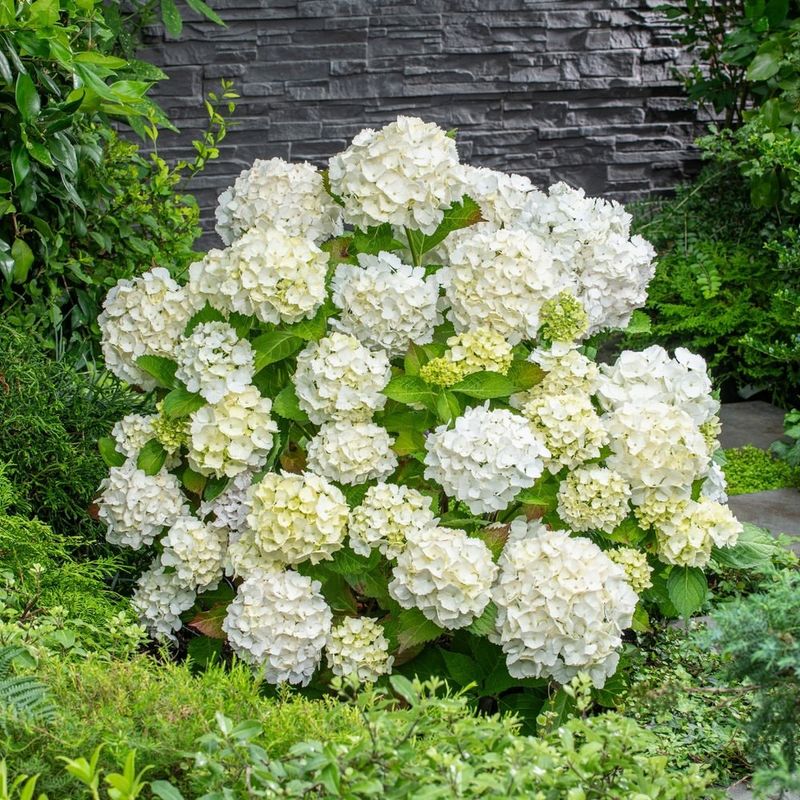
Finding the perfect spot for your hydrangeas can make a huge difference in how well they grow. In Oregon, summers can bring surprising heat, especially in the Willamette Valley.
Bigleaf hydrangeas love light, but too much direct afternoon sun can stress the plant and cause the flowers to wilt quickly.
Morning sun gives the plant the energy it needs to produce those gorgeous blooms. Afternoon shade protects the flowers and leaves from scorching during the hottest part of the day.
A spot near a fence, tall shrubs, or under the light canopy of a tree works really well.
Oregon’s coastal regions tend to be cooler and cloudier, so plants there can handle a bit more sun exposure. Inland areas like the Portland metro or Salem often get hotter summer afternoons, making shade protection even more important.
Walk your yard at different times of day before choosing a planting spot. The right location sets your hydrangeas up for a long, healthy growing season filled with color and fullness from early summer through fall.
2. Keep Soil Evenly Moist
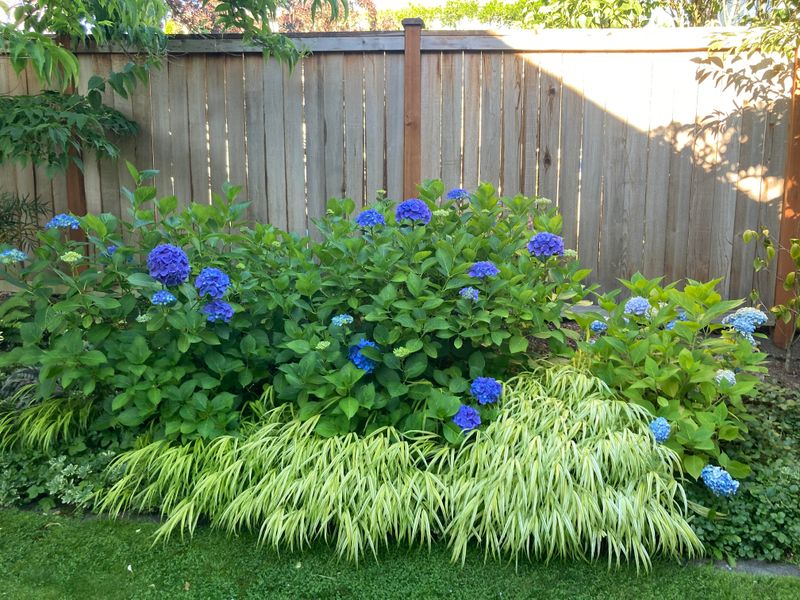
Hydrangea macrophylla is a thirsty plant. The name hydrangea actually comes from the Greek word for water vessel, which gives you a clue about how much moisture these plants crave.
Keeping the soil consistently moist is one of the most important things you can do for your Oregon garden blooms.
Dry soil is one of the fastest ways to see those big flower heads droop and fade. Watering deeply a few times a week works better than shallow, frequent watering.
Deep watering encourages the roots to grow downward, which helps the plant stay stronger during warmer stretches.
Oregon’s rainy season does a lot of the heavy lifting from fall through spring. But summer months can be surprisingly dry, especially east of the Cascades.
During those drier periods, check the soil a few inches down. If it feels dry, it is time to water.
Avoid letting water sit on the leaves or flowers for too long, as this can encourage mold or fungal issues. A drip irrigation system or soaker hose works great for delivering moisture right where it counts, directly to the roots, without wetting the foliage.
Your Oregon Garden Changes Every Week. Your Plan Should Too.
Gardening in Oregon changes quickly throughout the season. Every Friday you’ll receive a simple weekly plan showing exactly what to plant, prune, fertilize, harvest, and protect so you never miss the right timing.
3. Mulch To Protect Shallow Roots
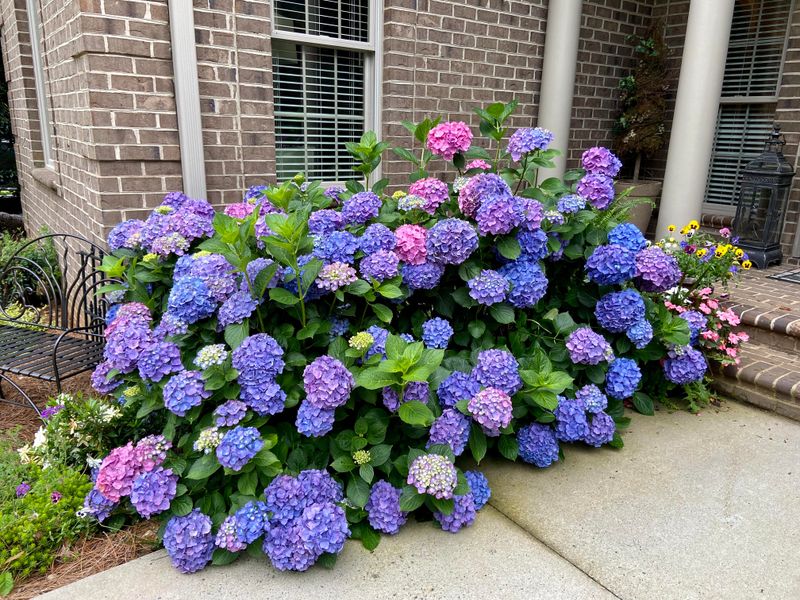
One thing many gardeners do not realize is that hydrangea macrophylla has very shallow roots. Those roots sit close to the surface of the soil, which makes them vulnerable to temperature swings, foot traffic, and moisture loss.
Mulching is one of the easiest and most effective ways to protect them.
A two to three inch layer of organic mulch around the base of the plant works wonders. Wood chips, shredded bark, or compost all make great choices.
Mulch keeps the soil cool in summer, holds in moisture, and slowly breaks down to add nutrients back into the ground over time.
In Oregon, where temperatures can shift quickly between seasons, mulch also acts as insulation during cold snaps. Spread it out to the drip line of the plant, but keep it a few inches away from the main stem to prevent rot.
Refresh the mulch layer each spring before the growing season really kicks off. Gardens in wetter parts of Oregon, like the coast or the Tualatin Valley, should avoid piling mulch too thick, as excess moisture retention can sometimes lead to root problems.
A moderate, even layer is always the best approach.
4. Prune At The Right Time
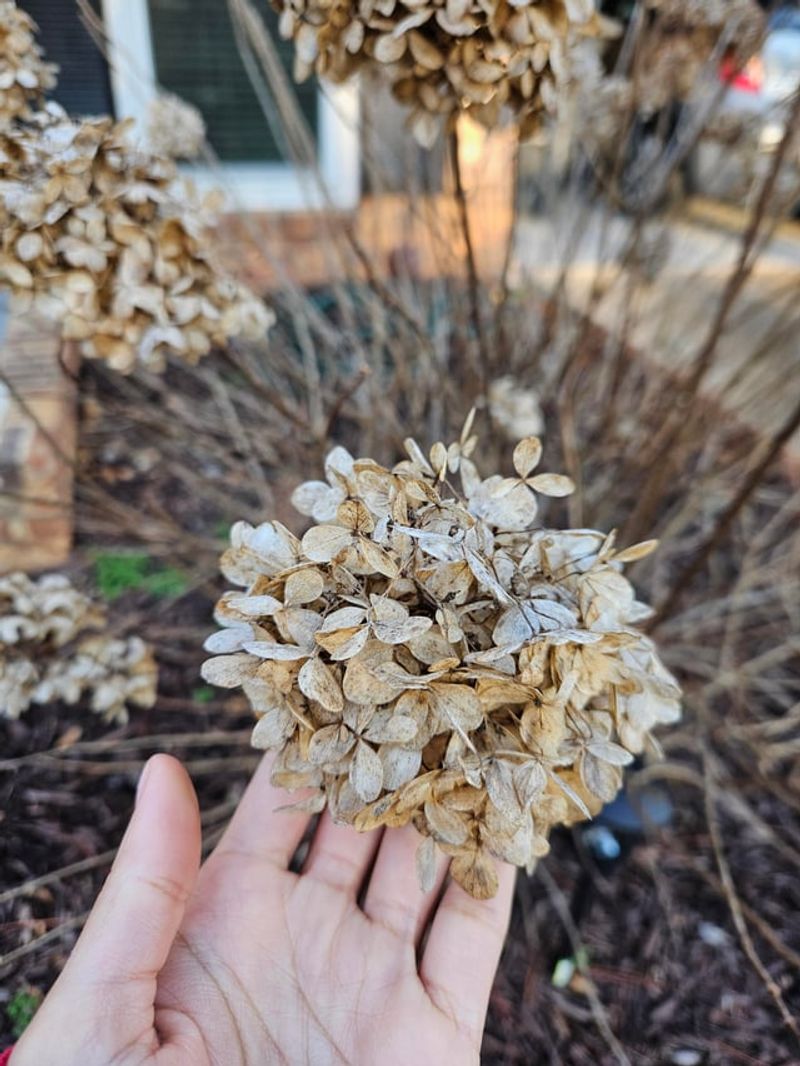
Pruning hydrangea macrophylla is one of those tasks where timing really matters. Get it wrong and you could accidentally cut off next year’s flower buds before they ever get a chance to bloom.
Many Oregon gardeners have made this mistake without even knowing it.
Bigleaf hydrangeas bloom on old wood, meaning the buds for next season’s flowers form on the stems that grew this year. The safest window for pruning is right after the current blooms fade, usually in late summer or very early fall.
Pruning during this window gives the plant time to set new buds before winter arrives.
Avoid heavy pruning in late fall, winter, or early spring. Those are the times when next year’s buds are already sitting on the stems, waiting for warmer weather.
Light cleanup, like removing dead or crossing stems, is fine any time of year. In Oregon’s wetter regions, keeping the center of the plant open with selective pruning also helps improve airflow and reduces the chance of fungal issues.
Sharp, clean tools make a big difference too. Dull blades can damage stems and invite disease, so sharpen your shears before each pruning session.
5. Protect Buds From Late Frosts
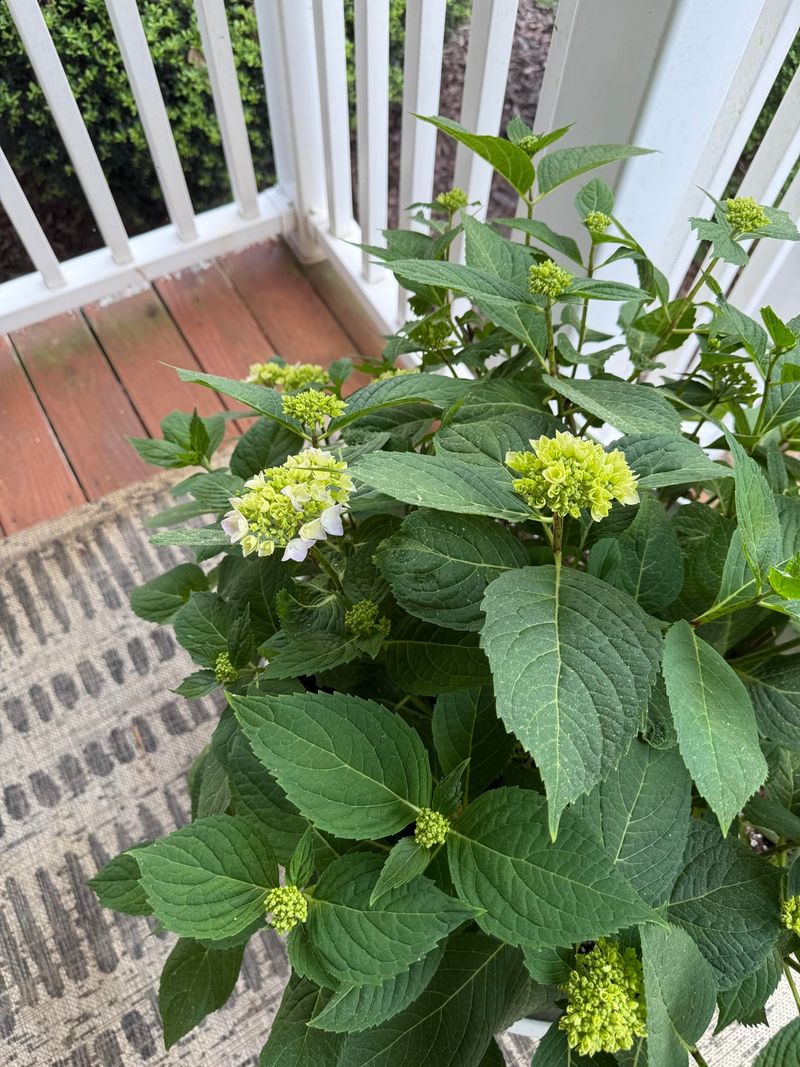
Late frosts are one of the biggest challenges for hydrangea growers in Oregon. The state’s spring weather can be unpredictable, with warm sunny days followed suddenly by freezing nights.
Those tender new buds forming on your hydrangeas are very sensitive to frost, and a single cold night can wipe out an entire season of blooms.
Watching the weather forecast closely in March, April, and even early May is a smart habit for any Oregon gardener. When frost is predicted, cover your hydrangeas with frost cloth, old bedsheets, or burlap.
Drape the cover loosely over the plant and anchor it at the base to trap warmth from the soil overnight.
Remove the cover during the day so the plant can breathe and get sunlight. Repeated covering and uncovering through a chilly spring can feel like a lot of work, but it pays off when those blooms finally open up in June and July.
Gardeners in higher elevation areas of Oregon, like the foothills east of Salem or parts of southern Oregon, face a longer frost risk window than those along the coast. Knowing your local frost dates helps you plan ahead and keep those precious buds safe through the season.
6. Feed Lightly In Spring
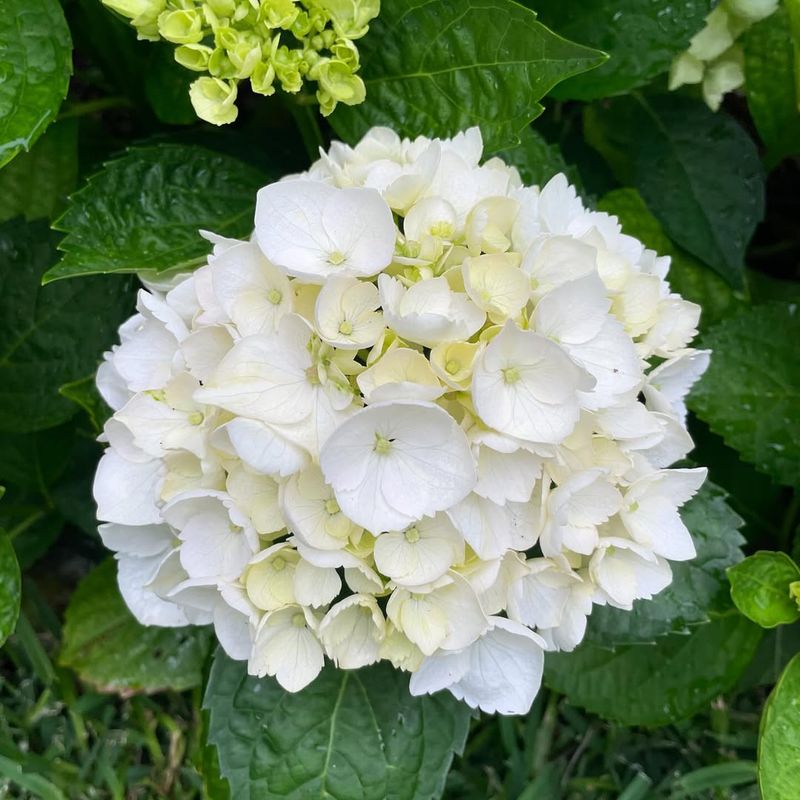
Spring is the perfect time to give your hydrangeas a little nutritional boost. As the soil warms up and new growth starts to appear, the plant is ready to soak up nutrients and use them to fuel a season of healthy stems, leaves, and flowers.
But here is the key: feeding lightly works much better than going overboard.
Too much fertilizer, especially nitrogen, pushes the plant to grow lots of leafy green stems instead of flowers. A balanced, slow-release fertilizer applied once in early spring is usually all a healthy hydrangea needs.
Look for products labeled for flowering shrubs, as they tend to have the right nutrient balance for bloom production.
Oregon’s naturally rich soils in the Willamette Valley often mean your plants need less added fertilizer than you might expect. A soil test from your local OSU Extension office can tell you exactly what your garden needs before you add anything.
Avoid fertilizing after midsummer, as late feeding can stimulate new growth that does not have enough time to harden off before cooler fall temperatures arrive. Feeding at the right time and in the right amount gives your plants steady, strong growth without the risk of overdoing it.
7. Adjust Soil pH For Bloom Color
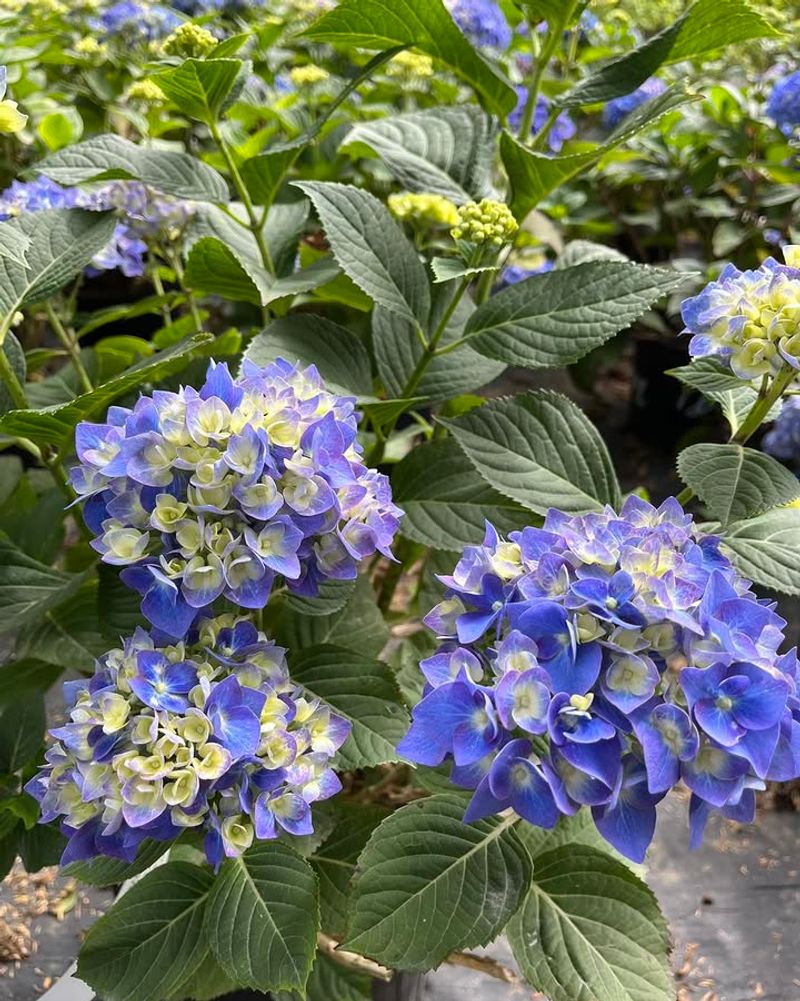
Here is something truly fascinating about hydrangea macrophylla: the color of its blooms can actually change based on the pH of your soil. This is not a trick or a special variety.
It is science, and it works in a really visible and exciting way right in your Oregon garden.
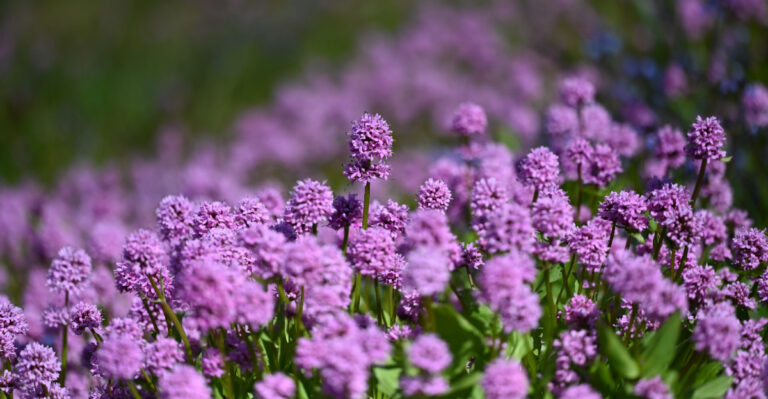
Acidic soil with a pH below 6 tends to produce blue or purple flowers. Alkaline soil with a pH above 7 pushes blooms toward pink and red tones.
Somewhere in the middle gives you a mix of both, or lavender shades that are truly stunning. Oregon’s naturally acidic soils, especially west of the Cascades, often lean toward producing blue blooms without any extra effort.
If you want to shift the color intentionally, you have options. Adding garden sulfur or aluminum sulfate lowers the pH and encourages blue tones.
Adding garden lime raises the pH and promotes pink shades. Make changes gradually and retest the soil every few weeks to avoid swinging the pH too far in either direction.
A simple soil test kit from your local garden center or the OSU Extension office in Oregon will show you exactly where your soil stands. Playing with bloom color is one of the most rewarding parts of growing these beautiful shrubs.