The Heat-Loving Vegetables California Gardeners Can Still Plant In May
May has a way of making a California vegetable garden feel full of possibility.
The soil is warming up, the days are stretching out, and in many parts of the state, the nights are finally feeling friendly enough for summer crops to settle in and get growing.
If you have been pacing around your garden shed waiting to get those summer crops in the ground, your patience is about to pay off big time.
California is a giant jigsaw puzzle of climates, so your backyard experience depends on your specific zip code.
A coastal breeze in Santa Cruz feels a lot different than the literal oven that is the Central Valley right now! Even with those regional quirks, May is the golden window for heat-loving veggies to really take off.
It is time to clear out the last of the winter kale and make room for the heavy hitters that thrive under our famous golden sun.
1. Beans Bring Fast Growth For Warm May Gardens
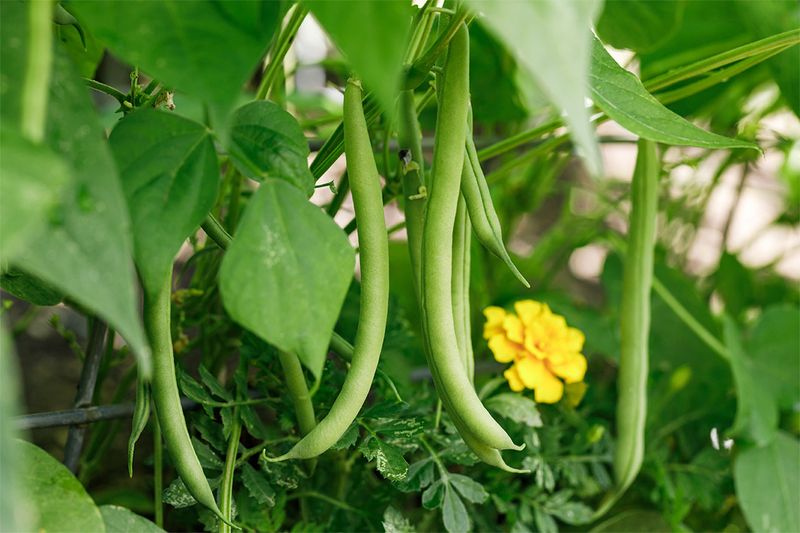
Warm soil is practically an invitation for beans, and by May in most parts of California, the ground is ready to receive them.
Bush beans and pole beans both sprout quickly once soil temperatures reach around 60 degrees Fahrenheit or warmer, which is typical across many California gardens by mid-spring.
Planting directly from seed is the standard approach, since beans do not transplant well and grow fast enough that starting them in pots offers little advantage.
Bush beans tend to mature in about 50 to 60 days, making them a smart choice for gardeners who want a quick harvest. Pole beans take a little longer but produce over a longer stretch of the season, which many gardeners appreciate.
Both types prefer full sun and consistent moisture, especially once pods start forming.
In inland California gardens, May planting often leads to a strong first harvest by late June or early July. Gardeners in cooler coastal areas may want to wait until late May when soil warmth is more reliable.
Succession planting every few weeks can extend the harvest through summer. Beans also add nitrogen to the soil, which benefits the garden long after the season ends.
2. Sweet Corn Adds Tall Summer Flavor To The Plot
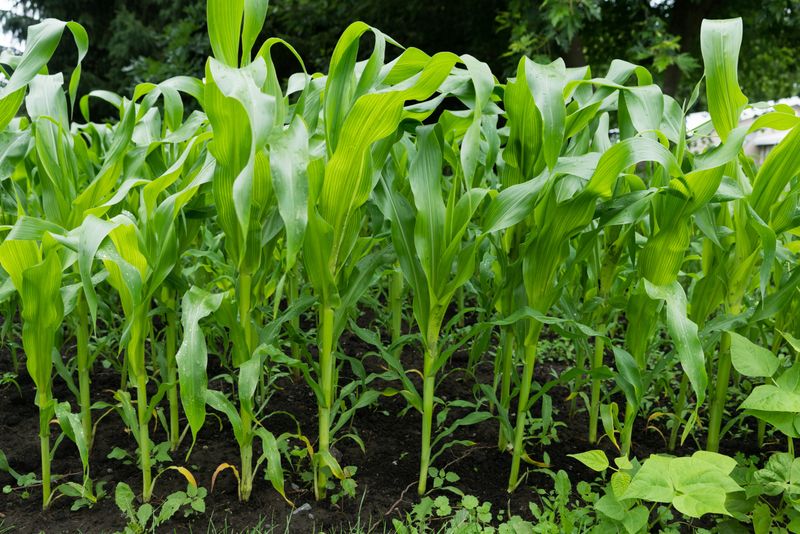
Few things signal summer in the garden quite like a row of corn stretching toward a bright California sky. Sweet corn needs warm soil to germinate reliably, and May planting in most California regions hits that window well.
Seeds should go directly into the ground rather than being started indoors, since corn develops a taproot early and does not like its roots disturbed.
Corn is wind-pollinated, which means it needs to be planted in blocks rather than single rows. A block of at least four rows helps ensure that pollen reaches the silks and ears fill out properly.
Gardeners who plant just one or two rows often end up with poorly filled cobs, which is a common and easily avoided mistake.
In California’s warmer inland valleys, May-planted corn can be ready to harvest in 70 to 90 days depending on the variety. Coastal gardens may see slower development due to cooler air temperatures, so choosing a shorter-season variety can help.
Your California Garden Changes Every Week. Your Plan Should Too.
Gardening in California changes quickly throughout the season. Every Friday you’ll receive a simple weekly plan showing exactly what to plant, prune, fertilize, harvest, and protect so you never miss the right timing.
Corn is a heavy feeder and benefits from regular watering and a nitrogen-rich soil. Keeping the planting area weed-free during the first few weeks gives young stalks a better start as summer approaches.
3. Cucumbers Fill Garden Beds With Crisp Summer Promise
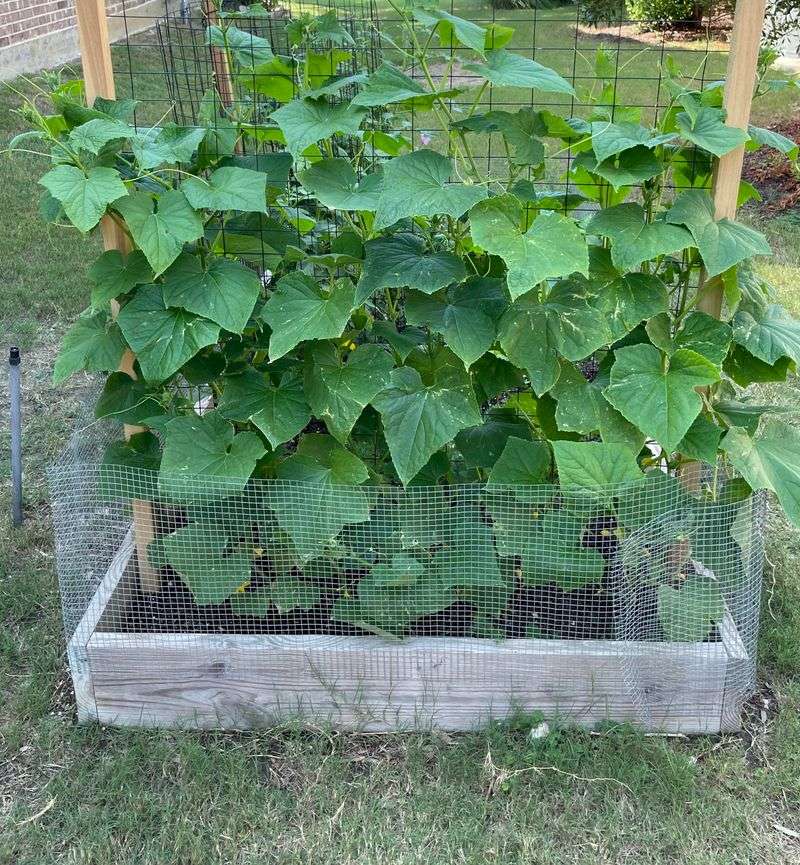
Cucumbers are one of those vegetables that seem to wake up and take off the moment warm weather settles in. By May, California soil in most regions has reached the 65 to 70 degree range that cucumbers need to sprout and grow well.
They can be direct seeded or started as transplants, and both approaches work depending on how much of a head start a gardener wants.
Vining cucumbers benefit from a trellis or fence to climb, which saves ground space and keeps the fruit off the soil where it can rot or attract pests. Bush varieties are more compact and work well in smaller garden beds.
Either way, cucumbers need consistent moisture to develop straight, crisp fruit without becoming bitter.
Inland California gardens are often primed for cucumbers by early May, while coastal gardeners may get better results planting in late May when nights stay warmer.
Cucumbers grow quickly once established and can produce their first fruit within 50 to 65 days.
Checking the vines regularly and harvesting fruit before it gets oversized encourages the plant to keep producing. A layer of mulch around the base helps hold soil moisture during the warmer weeks ahead.
4. Summer Squash Keeps The Harvest Coming In Heat
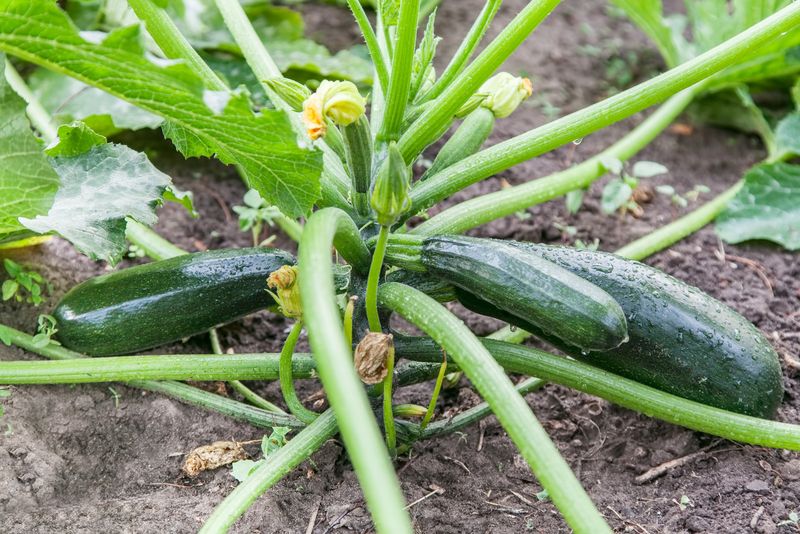
Zucchini and other summer squash varieties are among the most productive vegetables a California gardener can put in the ground come May.
These plants thrive in warm conditions and grow with impressive speed once soil temperatures climb above 60 degrees.
A single healthy plant can produce more squash than many households can keep up with, which is part of what makes summer squash so satisfying to grow.
Direct seeding works well in most California regions by May, though transplants can give a slight head start in areas that are still warming up. Plants need full sun and good air circulation to stay healthy through the summer months.
Spacing them generously helps reduce issues with powdery mildew, which tends to show up on crowded plants during warm and dry California summers.
Harvest summer squash when it is still small to medium in size for the best flavor and texture. Leaving fruit on the vine too long causes the plant to slow down production and puts energy into seeds rather than new growth.
In California’s inland valleys, May planting often leads to harvests by late June. Watering deeply and consistently, rather than with frequent shallow sprinkles, helps roots grow strong through the heat of early summer.
5. Winter Squash Builds Big Vines And Late-Season Rewards
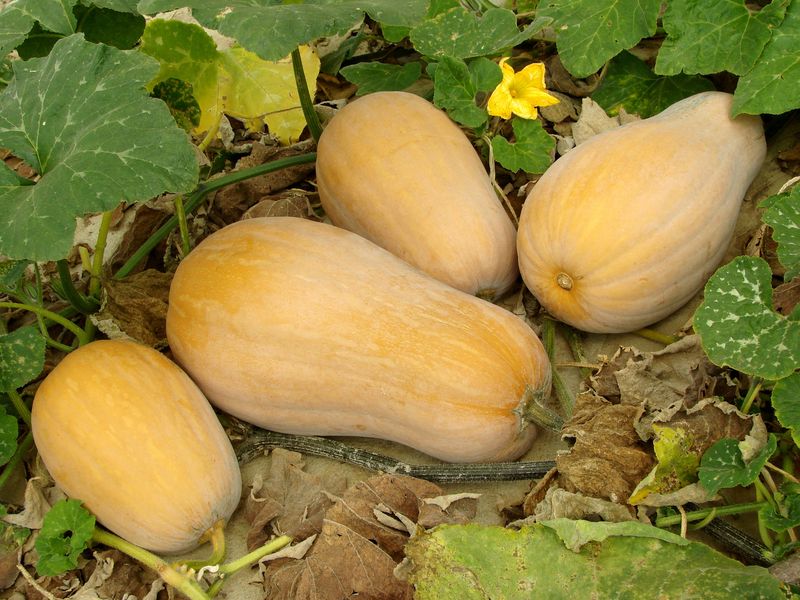
Planting winter squash in May might seem early for a crop that gets harvested in fall, but the timing makes good sense once you understand how long these plants need to mature.
Many winter squash varieties require 80 to 110 days from planting to harvest, so getting seeds in the ground by mid-May gives vines the full summer to develop in California’s warm conditions.
These are big plants that need room to spread. Vines can easily reach 10 to 15 feet or more, so gardeners should plan space accordingly before planting.
Some varieties can be trained along a fence or guided toward a corner of the garden to manage their spread without limiting growth. Rich soil and consistent watering through summer support the large root systems and heavy fruit these plants produce.
California’s long, warm summers are well-suited to winter squash, especially in inland regions where heat accumulates steadily from May through September.
Butternut, acorn, and delicata are popular choices that perform reliably when planted in May.
The fruit cures on the vine and is typically harvested once the skin hardens and the stem starts to dry. Gardeners often find that the wait is more than worth it when the first beautiful squash come in during October.
6. Pumpkins Bring Bold Growth And Plenty Of Garden Charm
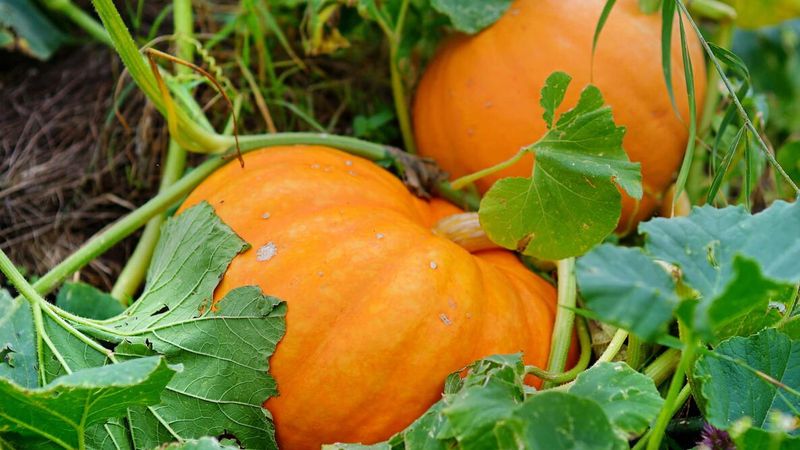
Growing pumpkins from seed in May is one of those garden decisions that pays off in a big, colorful way come fall.
Pumpkins are warm-season plants that need soil temperatures of at least 60 degrees to germinate well, and May planting in most California regions lines up nicely with that requirement.
The vines grow fast and with real enthusiasm once conditions are right.
Space is the main consideration when growing pumpkins at home. Standard varieties spread widely and need at least 50 to 100 square feet per plant depending on the type.
Smaller sugar pumpkin varieties are a more manageable option for home gardens with limited room. Regardless of size, all pumpkins appreciate rich, well-draining soil and deep watering rather than frequent light irrigation.
California gardeners in warmer inland areas can expect vines to establish quickly through May and June, with fruit setting in midsummer and maturing by late September or October.
Coastal gardeners may want to choose shorter-season varieties to ensure the fruit matures before cooler fall weather arrives.
Keeping an eye on powdery mildew as summer progresses is worthwhile, since dry heat combined with occasional humidity can encourage it. Hand-pollinating early female flowers can also help ensure a reliable fruit set.
7. Tomatoes Offer Classic Summer Flavor For Sunny Gardens
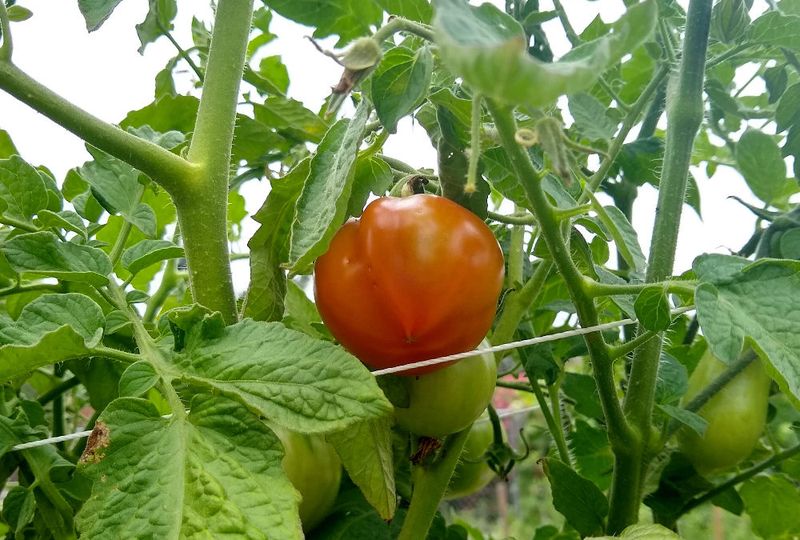
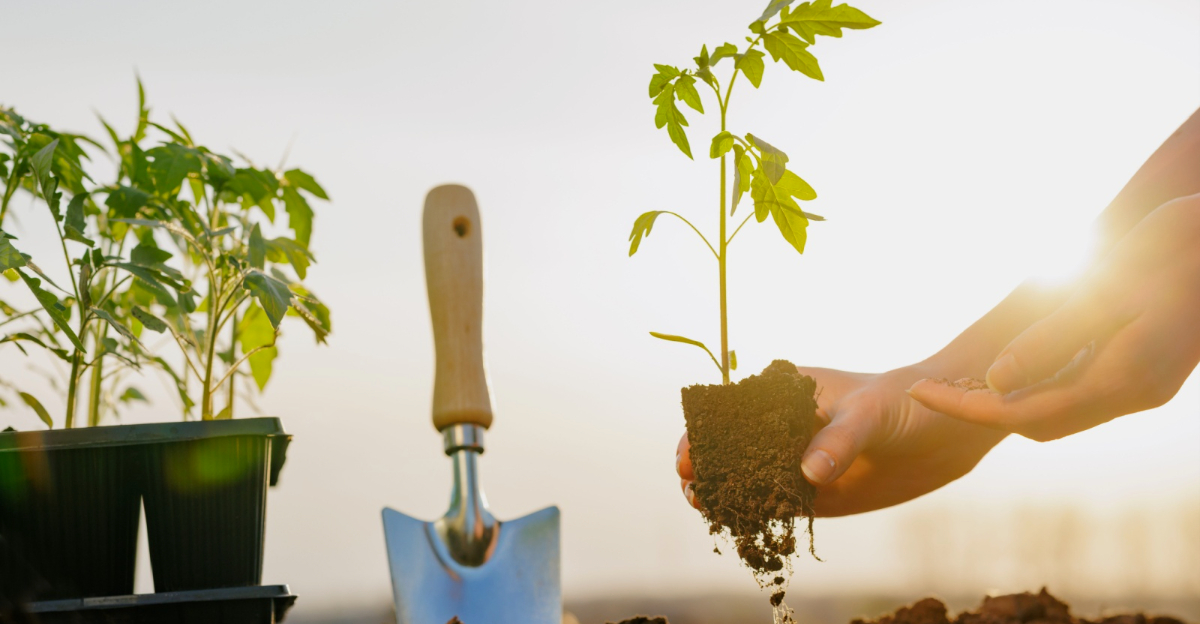
No summer garden in California feels complete without tomatoes, and May is a prime month to get transplants into the ground across much of the state.
Tomatoes need warmth both in the soil and in the air to thrive, and the combination of rising temperatures and longer days in May creates conditions they respond to well.
Transplants rather than direct seed are the standard approach, since starting from seed takes significantly longer and reduces the productive window.
Choosing the right variety matters in California because the state’s microclimates vary so much. Gardeners in hot inland valleys can grow large beefsteak types and indeterminate varieties that produce all season.
Those in cooler coastal areas often do better with early-maturing or fog-tolerant varieties that set fruit even when summer nights stay mild rather than warm.
Planting tomatoes deep, up to the lowest set of leaves, encourages strong root development along the buried stem.
Consistent watering is important, especially once fruit begins to form, since irregular moisture can lead to blossom end rot and cracked fruit.
Staking or caging plants early prevents damage as they grow tall and heavy with fruit. California gardeners who plant in May can often expect their first ripe tomatoes sometime in July or August depending on variety and location.
8. Peppers Thrive In Heat And Color Up Beautifully
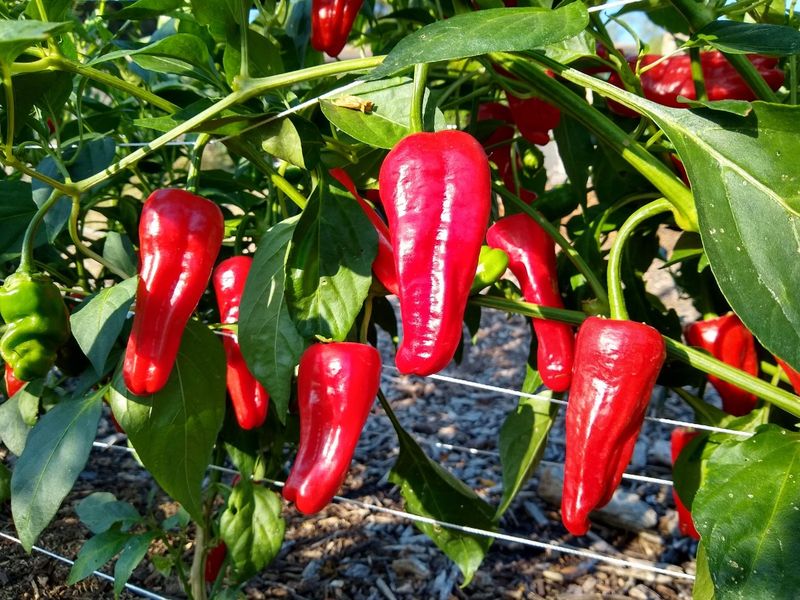
Peppers are one of those vegetables that genuinely seem to come alive in heat, which makes them a natural fit for California gardens in May.
From sweet bell peppers to spicy jalapeños and serranos, nearly every type of pepper appreciates the long, warm days and sun-soaked soil that May and the months following it bring across much of the state.
Transplants are the recommended starting point, since peppers are slow to grow from seed and benefit from being several weeks old before going into the garden.
Peppers need well-draining soil and a spot that receives at least six to eight hours of direct sun daily.
They are somewhat sensitive to cool nights early in the season, so waiting until nighttime temperatures are consistently above 55 degrees before planting is a reasonable guideline.
In California’s warmer inland areas, that threshold is often met by early May.
Once established, pepper plants are relatively low-maintenance compared to some other summer vegetables. They appreciate steady moisture but do not like soggy roots.
Fruit begins forming in midsummer and can be harvested green or left on the plant to ripen to full color.
Red, orange, and yellow peppers are simply fully ripened versions of their green selves, and the flavor deepens noticeably as they color up through the California summer.
9. Eggplant Brings Glossy Fruit And Heat-Loving Style
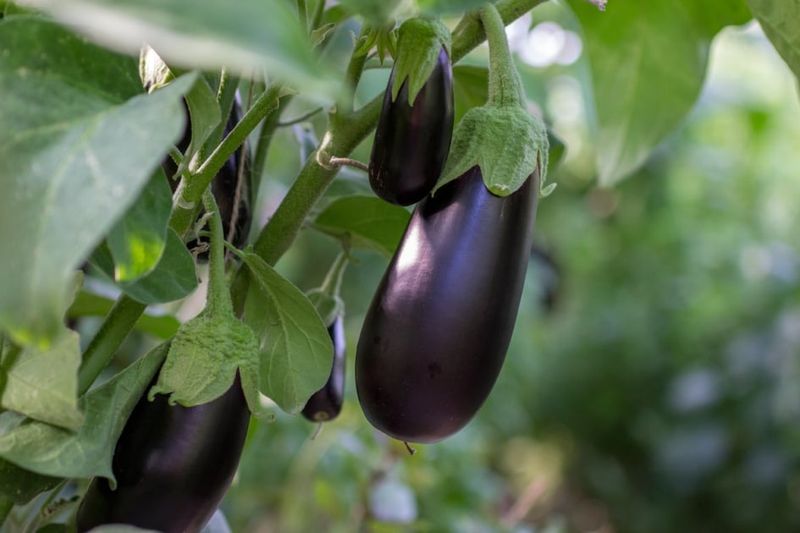
Eggplant is one of those crops that rewards patient gardeners who give it the warmth it genuinely needs.
In California, May is often the right time to get eggplant transplants into the ground, particularly in inland areas where daytime temperatures are climbing steadily and nights are staying mild.
Eggplant is more heat-dependent than tomatoes or peppers and tends to sulk if planted too early when the soil is still cool.
Transplants rather than direct seed are the practical choice for home gardeners, since eggplant takes 100 to 150 days from seed to harvest.
Starting with a healthy nursery transplant puts the harvest window well within reach for a California summer.
Deep, rich soil with good drainage gives eggplant the foundation it needs to grow sturdy and productive.
Once established, eggplant plants are surprisingly tough and handle California summer heat with ease. They need consistent watering but are not as demanding as cucumbers or melons.
Fruit should be harvested when the skin is still glossy and firm, since overripe eggplant becomes seedy and slightly bitter.
Varieties range from the classic large purple globe type to slender Asian styles, all of which perform well when given a warm California garden and a sunny spot to settle into.
10. Okra Handles Hot Weather With Impressive Ease
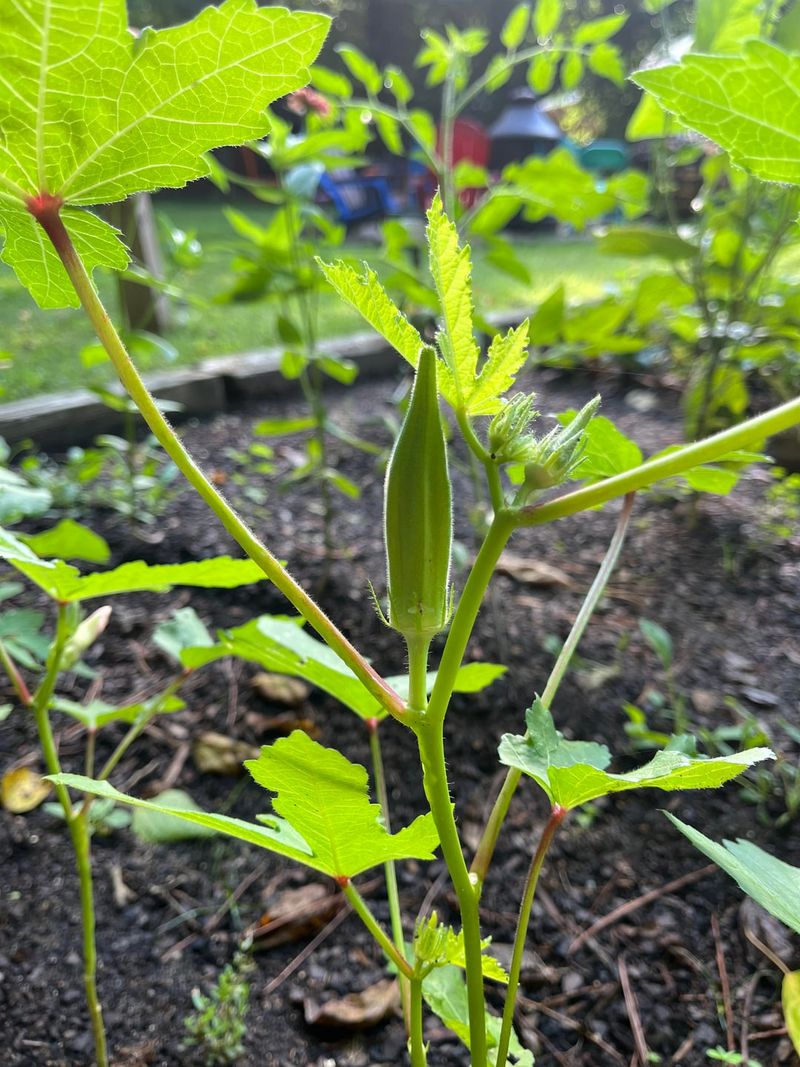
Okra may not get as much attention as tomatoes or squash in California home gardens, but it deserves a closer look from any gardener dealing with intense summer heat.
Originally from warm climates, okra is built for high temperatures and keeps producing through conditions that slow down other vegetables.
May planting works well across most of California’s warmer regions, where soil is warm enough to support good germination and early growth.
Seeds can be soaked overnight before planting to speed up germination. Okra grows best when direct seeded into warm soil rather than transplanted, since it does not always recover well from root disturbance.
Plants grow tall, sometimes reaching five to six feet, and benefit from a bit of space between them to allow good airflow and sunlight penetration.
California’s inland valleys, where summer temperatures regularly climb into the 90s and beyond, suit okra particularly well.
The plants produce their tender pods continuously through the season as long as they are harvested regularly, since leaving pods on the plant too long causes it to slow production.
Pods are best picked when they are two to four inches long for the most tender texture. Okra also adds a striking visual element to the garden with its tall stems and hibiscus-like flowers blooming through summer.