9 Vegetables Oregon Gardeners Can Still Start In May Without Feeling Behind
May in Oregon is basically the gardening version of a choose-your-own-adventure novel. One morning you are wearing a raincoat, and by noon you are reaching for the sunscreen.
If you are sitting there panicking because you think you missed the boat on your vegetable garden, take a deep breath and put down the trowel. You are actually right on time!
While the Willamette Valley is waking up, the coast is still doing its misty thing, and our friends in Eastern Oregon are just now shaking off the last of the frost.
May is a fantastic month to get your hands dirty because the soil is finally starting to feel like a warm blanket.
You have plenty of options that love hitting the ground right now. You might be working with fancy raised beds in Portland or a sprawling backyard plot in Medford.
These reliable crops are ready to take off as the days get longer. These top picks ensure you have a massive harvest without ever feeling like you are playing catch-up.
1. Bush Beans Bring Fast Growth As Days Warm Up
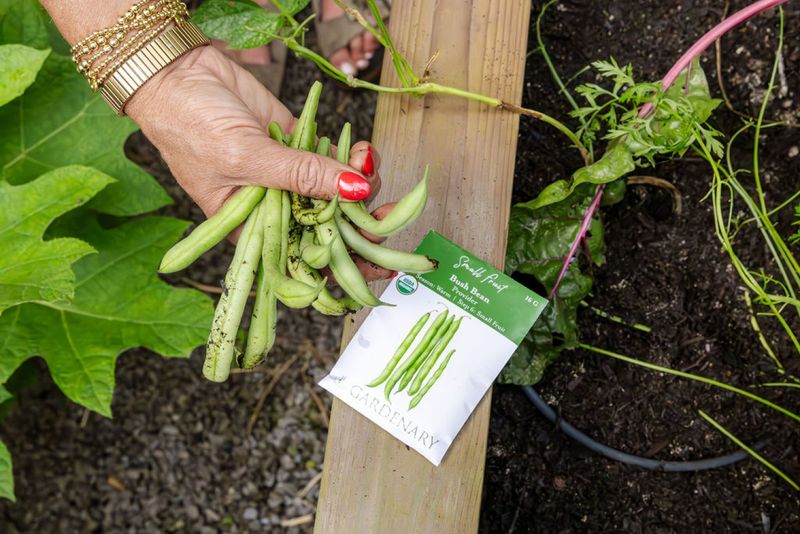
Warm soil is the real signal bush beans have been waiting for, and by May, most parts of Oregon are getting close to that sweet spot.
Bush beans prefer soil temperatures of at least 60 degrees Fahrenheit before germination really gets going, and in many Oregon valleys, May delivers exactly that.
Planting too early into cold, wet soil can cause seeds to rot rather than sprout, so patience through April often pays off.
Bush beans are a direct-sow crop, meaning you skip transplants entirely and drop seeds straight into the ground. They grow quickly once conditions are right, with many varieties reaching harvest in around 50 to 60 days.
That timeline fits comfortably into an Oregon summer when started in May, leaving plenty of warm weeks ahead.
In the Willamette Valley and Southern Oregon, May planting works well for multiple successions.
Gardeners in cooler spots like the coast or higher elevations in Central Oregon may want to wait until later in May when nighttime temperatures stay above 50 degrees.
Bush beans do not need staking or trellising, which makes them a low-effort, high-reward choice for anyone catching up on spring planting this season.
2. Beets Add Color And Steady Garden Progress
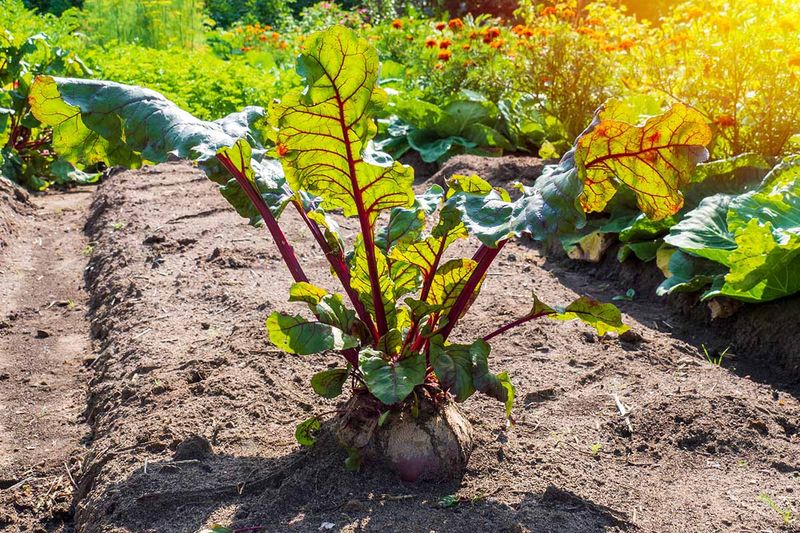
Few vegetables offer the visual payoff of beets, with their deep red, golden, or candy-striped roots pushing up through the soil as the season moves along.
Beets are a cool-season crop that handles mild Oregon springs well, and May is a natural fit for getting a fresh round of seeds into the ground.
Soil temperatures between 50 and 85 degrees Fahrenheit support good germination, and most Oregon gardens hit that range by early to mid-May.
One thing worth knowing about beets is that what looks like a single seed is actually a cluster of seeds. Thinning the seedlings once they reach a few inches tall helps each plant develop a proper root.
Skipping that step leads to crowded plants and smaller harvests, so a few minutes of thinning early on makes a real difference.
Your Oregon Garden Changes Every Week. Your Plan Should Too.
Gardening in Oregon changes quickly throughout the season. Every Friday you’ll receive a simple weekly plan showing exactly what to plant, prune, fertilize, harvest, and protect so you never miss the right timing.
Beets are versatile enough to grow in both in-ground beds and raised beds, and they do not need a lot of depth compared to carrots. In Western Oregon, consistent moisture through the dry summer months keeps roots from turning woody.
Gardeners in Eastern Oregon should watch for heat spikes in late summer and plan accordingly. Beets planted in May can be ready to harvest in as little as 55 to 70 days.
3. Carrots Keep The May Garden Moving Right Along
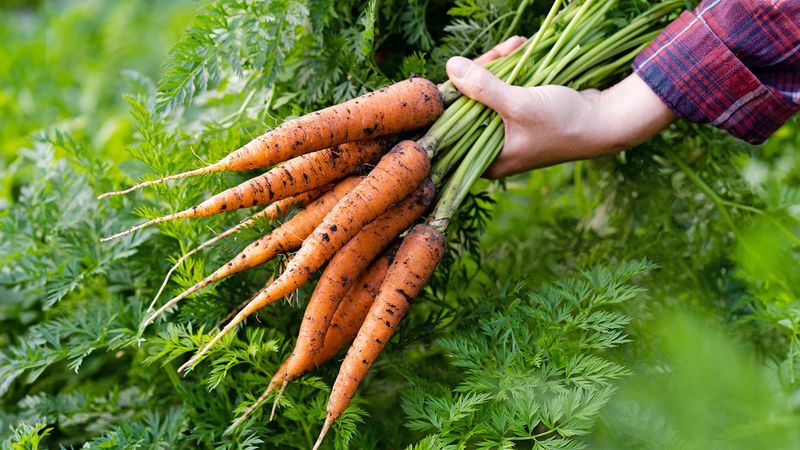
Carrots have a reputation for being a bit fussy, but most of that comes down to soil preparation rather than timing. Loose, rock-free soil is essential because carrots grow downward, and any compaction or debris causes forked or stunted roots.
May is a solid month to sow carrots in Oregon, especially since soil temperatures between 45 and 85 degrees Fahrenheit support germination, and most of the state reaches that range by early May.
Carrot seeds are tiny and slow to germinate, sometimes taking two to three weeks to show up. Keeping the seed bed consistently moist during that waiting period is one of the most important steps.
Letting the surface dry out can cause seeds to fail before they ever get started, which is a frustrating experience that is easy to avoid with a little extra attention to watering.
In Oregon’s Willamette Valley, May-sown carrots often mature in late summer, giving gardeners a satisfying harvest before fall arrives.
Along the coast, cooler conditions extend the growing window nicely, and carrots tend to develop excellent sweetness in those mild temperatures.
Raised beds with amended, well-draining soil work especially well for carrot crops in Oregon because they warm up faster than heavy clay ground and give roots the loose environment they need to grow straight and full.
4. Swiss Chard Offers Colorful Leaves And A Long Harvest
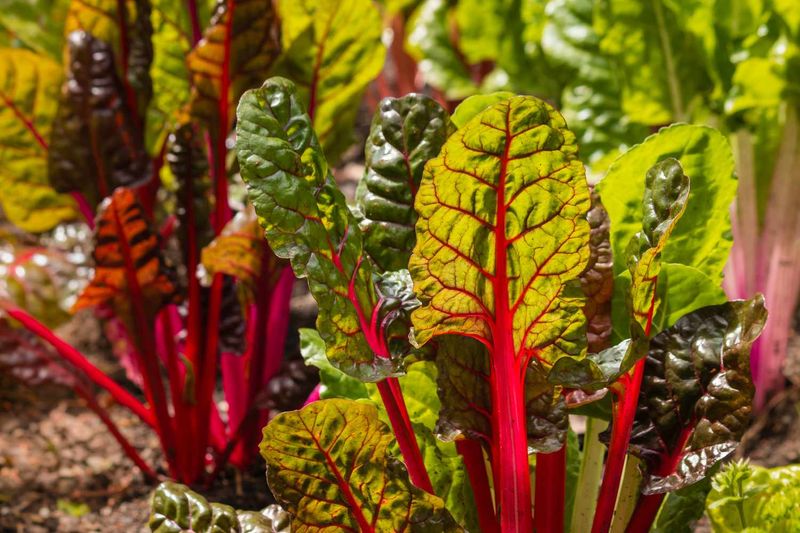
Swiss chard is one of those vegetables that earns its spot in the garden by staying productive for months at a time.
Unlike crops that deliver a single harvest and call it done, Swiss chard lets you cut outer leaves repeatedly while the plant keeps pushing out new growth from the center.
That cut-and-come-again habit makes it an excellent choice for Oregon gardeners who want steady greens through late spring, summer, and into fall.
May is a great time to direct-sow Swiss chard seeds in Oregon, or to transplant seedlings started indoors a few weeks earlier.
Soil temperatures around 50 degrees Fahrenheit or warmer support reliable germination, and most of Oregon’s growing regions reach that threshold by early May.
The plants tolerate both mild heat and light frost, which gives them flexibility across Oregon’s varied climate zones.
Swiss chard grows well in raised beds, containers, and traditional garden plots. The colorful stems, which come in red, yellow, orange, and white, make it a visually appealing addition to any garden space.
In Western Oregon, consistent watering through dry summer stretches keeps leaves tender and productive.
Gardeners in Central Oregon or higher elevations may find that Swiss chard performs especially well once summer temperatures settle into a comfortable range during July and August.
5. Lettuce Keeps Fresh Picking Going Into Early Summer
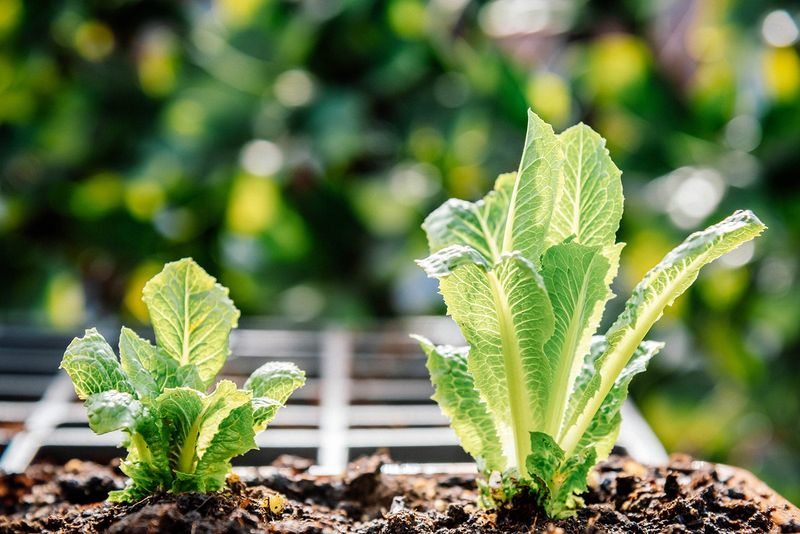
Spring lettuce has a way of making the garden feel instantly productive, and the good news is that May is still well within the planting window for many Oregon gardeners.
Lettuce is a cool-season crop that grows best when daytime temperatures stay below 80 degrees Fahrenheit, and in much of Oregon, May through early June offers exactly those conditions.
Getting seeds or transplants into the ground in early to mid-May can extend fresh picking well into the early summer weeks.
One of the smartest strategies for lettuce in Oregon is succession planting, which means sowing small amounts every two to three weeks rather than all at once.
This approach spaces out the harvest and reduces the chance of having too much lettuce ready at the same time.
Loose-leaf varieties tend to be more forgiving in warmer weather than head-forming types like iceberg, so they are often a better fit for May planting.
Afternoon shade from taller plants or a shade cloth can help Oregon gardeners in warmer inland areas extend the lettuce season a bit further into summer.
Along the Oregon coast, cooler temperatures naturally slow bolting, making lettuce a reliable crop well past the typical cutoff.
Raised beds with consistent moisture and good drainage give lettuce a strong foundation for a satisfying late-spring and early-summer harvest.
6. Potatoes Still Have Time To Fill Out Nicely
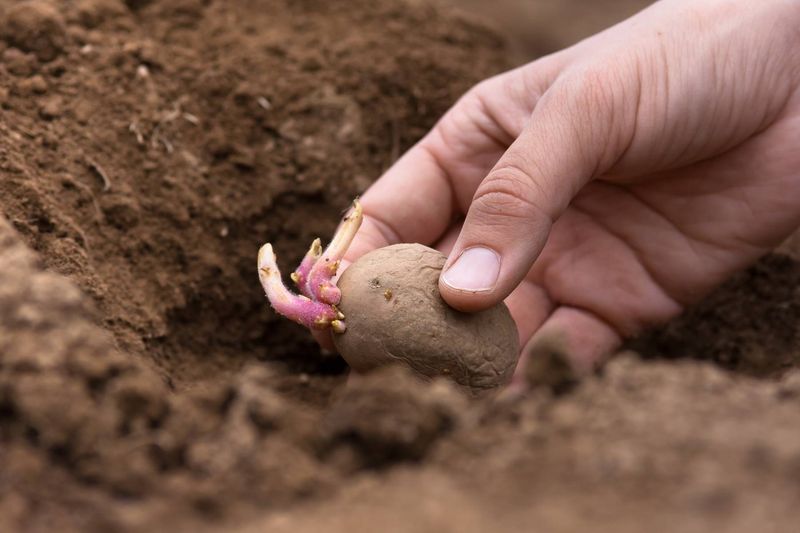
Catching up on potato planting in May is more common than many gardeners realize, and in Oregon, there is still a reasonable window to get seed potatoes in the ground.
Potatoes grow best in soil temperatures between 45 and 55 degrees Fahrenheit at planting depth, and they need roughly 70 to 120 days to mature depending on the variety.
Starting in May means a late summer or early fall harvest, which works out well for many Oregon growing regions.
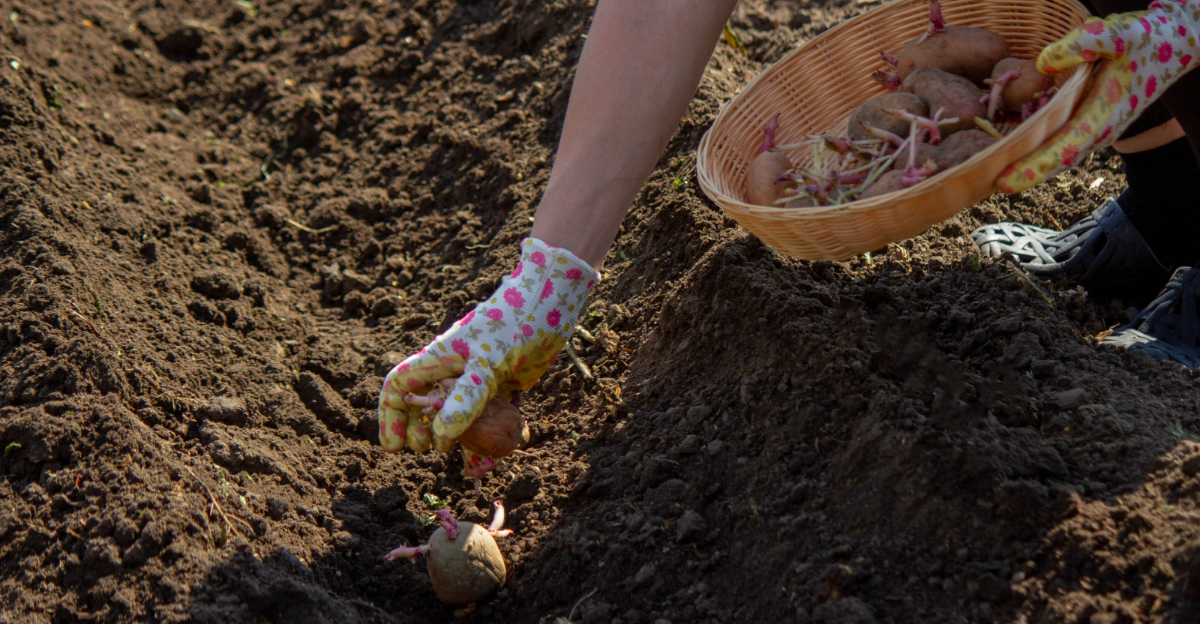
Seed potatoes should be planted in loose, well-draining soil about four inches deep. Hilling soil up around the stems as the plants grow encourages more tuber development and protects forming potatoes from sunlight, which causes greening.
Consistent moisture throughout the season, especially during the flowering stage, supports better yields without requiring complicated care routines.
In the Willamette Valley and Southern Oregon, May planting fits comfortably into the growing calendar.
Gardeners in Central Oregon or at higher elevations should aim for the warmest, most sheltered spots in the yard to give plants the best start.
Raised beds work well for potatoes because the loose soil is easy to hill and drains reliably.
Choosing early-maturing varieties like Yukon Gold or Red Norland gives May-planted potatoes a solid chance of reaching full size before the first fall frost arrives.
7. Sweet Corn Brings Summer Energy To The Garden
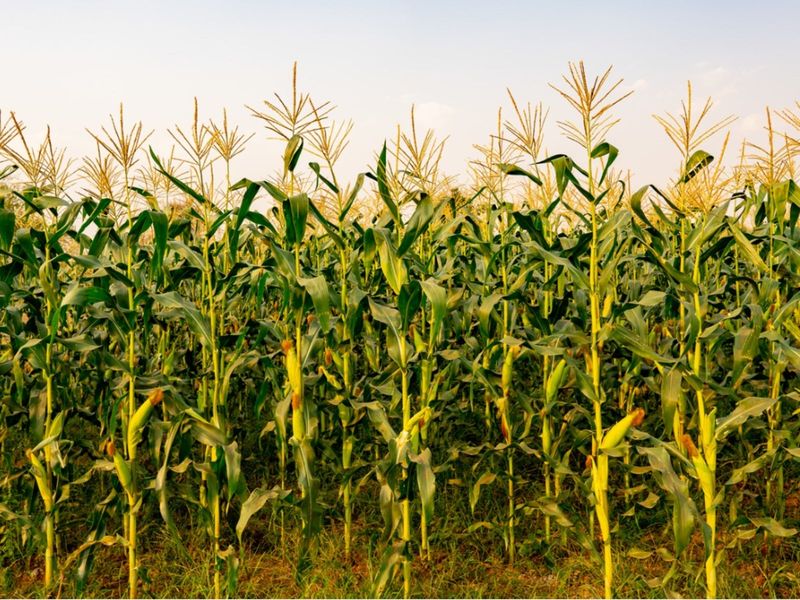
Sweet corn is one of those crops that genuinely needs warm soil to thrive, and May is when many Oregon gardens finally reach the right conditions.
Corn seeds germinate best in soil temperatures above 60 degrees Fahrenheit, and in warmer parts of Oregon like the Willamette Valley floor and Southern Oregon valleys, early to mid-May can hit that mark.
Planting into cold soil leads to poor germination and uneven stands, so checking soil temperature before sowing is a worthwhile step.
Corn is wind-pollinated, which means it should be planted in blocks rather than single rows to ensure good kernel development. A block of at least four rows side by side gives pollen the best chance of reaching the silks on neighboring plants.
Gardeners with smaller spaces can still grow corn successfully as long as they plant in a compact square pattern rather than a single long line.
In Oregon, sweet corn varieties that mature in 65 to 75 days tend to perform well when started in May, giving the crop enough warm weather to finish before fall temperatures drop.
Central Oregon gardeners face a shorter growing season, so selecting early-maturing varieties is especially helpful.
Consistent watering during tasseling and silking is one of the most impactful things a home gardener can do to support a solid sweet corn harvest in any Oregon region.
8. Cucumbers Add Crisp Harvests As Warmth Settles In
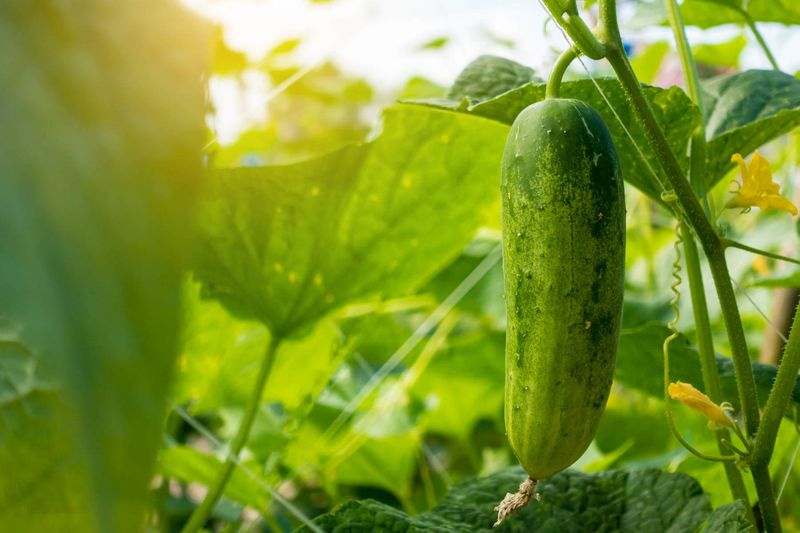
Cucumbers are unabashedly warm-weather vegetables, and they reward gardeners who wait for the right conditions rather than rushing them into cool spring soil.
May is the ideal starting point for cucumbers in much of Oregon, particularly in the Willamette Valley, Rogue Valley, and other lower-elevation areas where soil temperatures climb past 60 degrees Fahrenheit by mid-month.
Soil that is too cold slows germination and can leave seedlings sitting vulnerable rather than actively growing.
Cucumbers can be direct-sown from seed or transplanted from starts, and both methods work well in May.
Transplants give a slight head start, which can be helpful in regions with shorter summers like parts of Central Oregon or higher elevations in the Coast Range.
Bush-type cucumbers work well in smaller raised beds, while vining types benefit from a trellis that keeps fruits off the soil and improves air circulation.
Regular harvesting is one of the best ways to keep cucumber plants producing through the summer.
Leaving mature cucumbers on the vine signals the plant to slow down fruit production, so checking plants every couple of days during peak season makes a real difference.
In Oregon’s inland valleys where summer heat builds steadily, cucumbers planted in May often hit peak production in July and continue into August, delivering plenty of crisp harvests during the warmest part of the year.
9. Peppers Hold Their Place In Warmer May Gardens
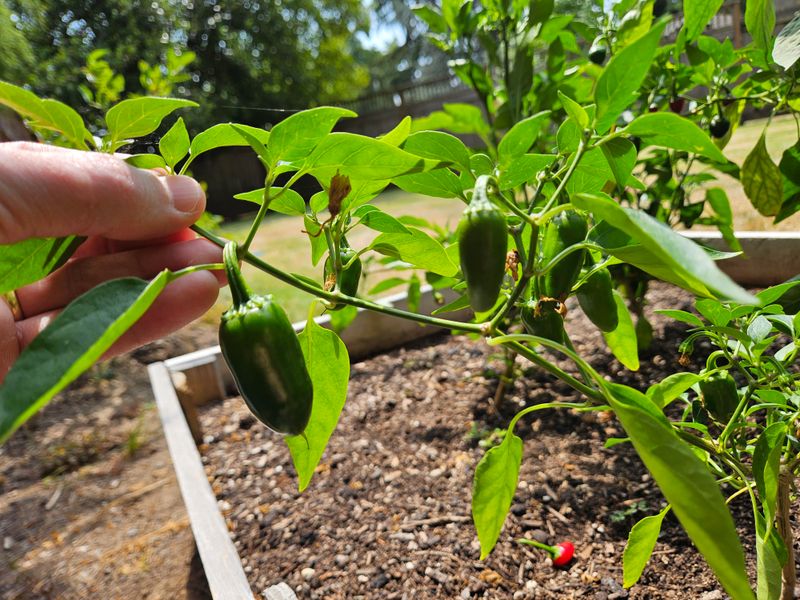
Peppers are among the more heat-loving vegetables on the list, and they ask for a little extra attention to timing and location in Oregon.
Transplanting peppers outdoors in May works best in the warmer parts of the state, including the Rogue and Umpqua valleys in Southern Oregon and the southern portions of the Willamette Valley.
In cooler regions, waiting until late May or even early June gives nighttime temperatures time to stabilize above 55 degrees Fahrenheit, which peppers strongly prefer.
Starting from transplants rather than direct seed is the practical approach for Oregon gardeners, since peppers need a long growing season that direct sowing in May cannot fully support.
Transplants started indoors six to eight weeks earlier are ready to move outside once conditions warm up.
Hardening off those seedlings over seven to ten days before transplanting helps them adjust to outdoor temperatures, wind, and sun without stress.
Raised beds and dark-colored containers absorb heat well and can give peppers a warmer root environment than in-ground beds in cooler parts of Oregon.
Mulching around transplants helps retain soil warmth and moisture through the drier summer months.
Varieties like California Wonder, Carmen, and Shishito tend to perform reliably in Oregon’s warmer growing areas. With the right placement and a warm May start, peppers can deliver a satisfying harvest from late July through early fall.