12 Things Every Snake Plant Owner In North Carolina Should Know
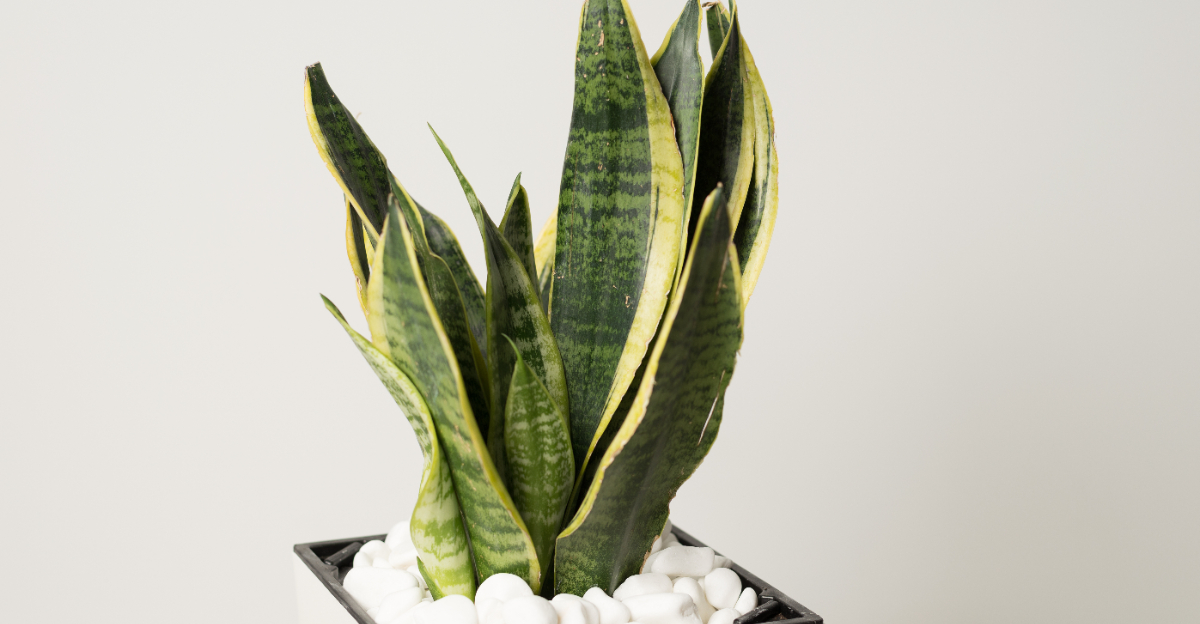
Snake plants have built a reputation as nearly indestructible, and for good reason. They handle low light, irregular watering, and neglect better than almost any other houseplant you can bring home.
But owning one in North Carolina comes with its own specific set of considerations that most general plant guides never bother to mention.
The humidity levels, seasonal temperature swings, and the way homes are heated and cooled across the state all affect how these plants behave throughout the year.
What works for a snake plant owner in Arizona or the Pacific Northwest does not always translate here.
North Carolina’s climate sits in an interesting middle zone, warm enough for outdoor placement during parts of the year but unpredictable enough to catch plant owners off guard when conditions shift.
Whether you have had yours for years or just brought one home, there are things about growing snake plants in this state that will genuinely change how you care for them and how well they respond.
1. North Carolina’s Humid Summers Do Not Help Your Indoor Snake Plant
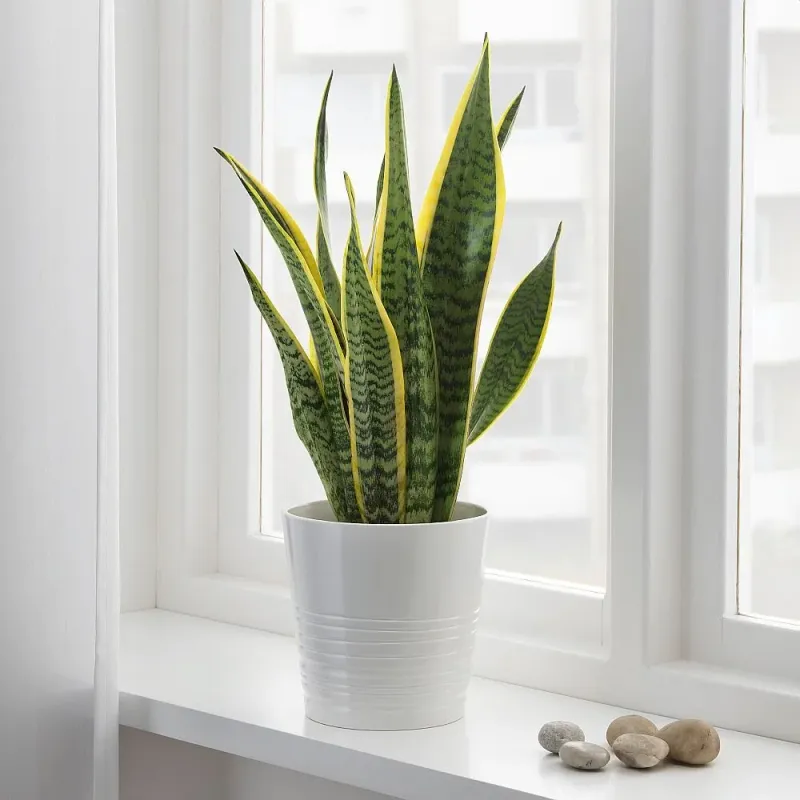
Most people assume that because snake plants come from Africa, they love warmth, and that NC summers must feel like home to them. That part is true, but the humidity is a different story.
Snake plants are native to dry West African environments where the air stays low in moisture, and North Carolina’s summer air is anything but dry.
Indoors, NC’s summer humidity can quietly raise moisture levels enough to slow how fast your soil dries out between waterings. That slower drying cycle is where trouble starts.
Snake plants are extremely sensitive to sitting in wet soil for too long, and root rot can develop before you even notice something is wrong.
From June through September, NC homes hold more ambient moisture than most people realize, especially in areas like Charlotte, Raleigh, or Asheville. The fix is simple but important: always check your soil before you water.
Press two fingers about two inches into the soil, and only water if it feels completely dry at that depth.
Following a fixed watering schedule during a NC summer is one of the most common mistakes owners make, and skipping it entirely in favor of a feel-based approach keeps your plant much healthier all season long.
2. North Carolina’s Intense Summer Sun Through South And West Windows Will Burn The Leaves
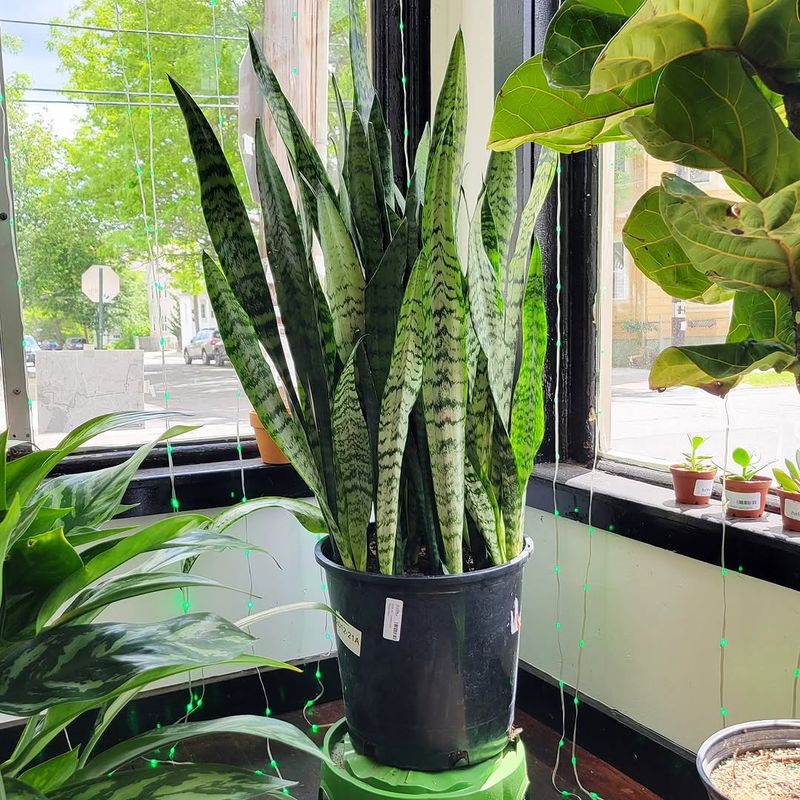
Bright light and direct sun are two very different things, and snake plants feel that difference sharply.
During July and August in North Carolina, afternoon sun pouring through south or west-facing windows becomes intense enough to scorch leaves, leaving behind pale yellow or bleached brown patches that will not fade or recover over time.
Snake plants actually prefer bright indirect light, meaning they want a well-lit room without direct rays hitting the leaves.
Pulling your plant back a few feet from south or west windows during summer, or hanging a simple sheer curtain to filter the light, solves the problem completely. It is a small adjustment that makes a big visible difference in leaf health.
Your North Carolina Garden Changes Every Week. Your Plan Should Too.
Gardening in North Carolina changes quickly throughout the season. Every Friday you’ll receive a simple weekly plan showing exactly what to plant, prune, fertilize, harvest, and protect so you never miss the right timing.
East-facing windows are the safest bet in most NC homes because they offer gentle morning sun that is far less harsh than afternoon exposure.
If you only have south or west windows available, that sheer curtain becomes your best friend from late May through early September.
NC’s summer sun angle is steep and strong, and even plants that handled a west window fine in spring can start showing burn by mid-July. Checking your plant’s position at the start of each season is a smart habit that keeps the leaves looking clean and green all year.
3. North Carolina’s Short Winter Days Slow Growth Almost Completely And That Is Normal
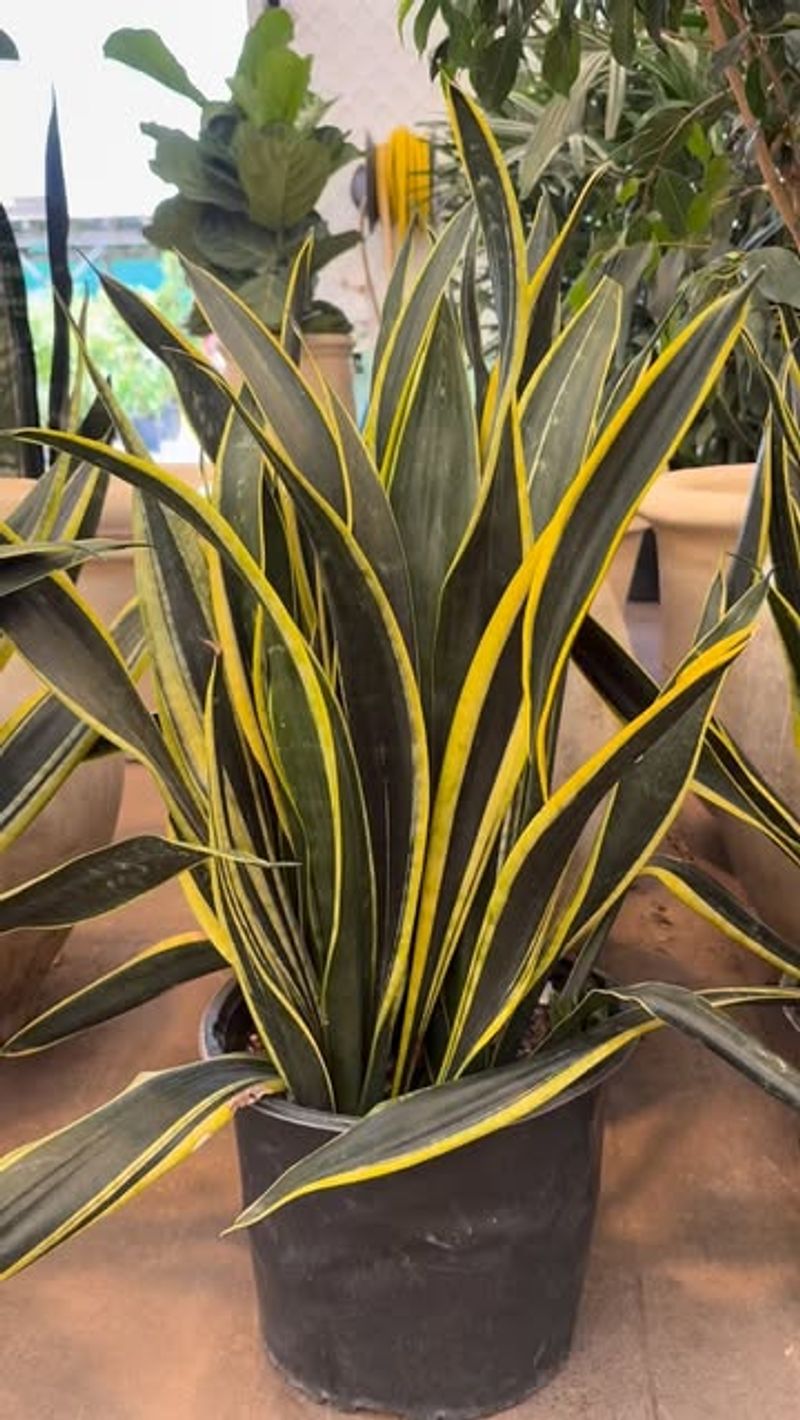
When November rolls around in North Carolina, daylight hours shrink noticeably, and your snake plant feels every bit of that change. From November through January, the reduced light pushes snake plants into a near-dormant state even when they are sitting indoors in a heated room.
Growth slows dramatically or stops altogether, and that is completely normal behavior for this plant.
New NC plant owners sometimes panic when they stop seeing fresh leaves pushing up through the center of the plant during winter. Some even start watering more or adding fertilizer, thinking the plant needs a boost.
Both of those responses actually make things worse. Overwatering a slow plant in winter is the fastest way to cause root rot, and fertilizing a dormant plant does nothing useful.
The right approach is to scale back watering to once every three to six weeks depending on your pot size and the temperature in your home.
Smaller pots in warmer rooms may need water slightly more often, while large pots in cooler spaces can go even longer between waterings.
Skip fertilizer entirely from October through February and wait until you see new growth pushing up in early spring before resuming any feeding routine. Trusting your plant’s natural rhythm through NC’s darker months is one of the kindest things you can do for it.
4. North Carolina’s Central Heat In Winter Dries The Air And Actually Suits This Plant
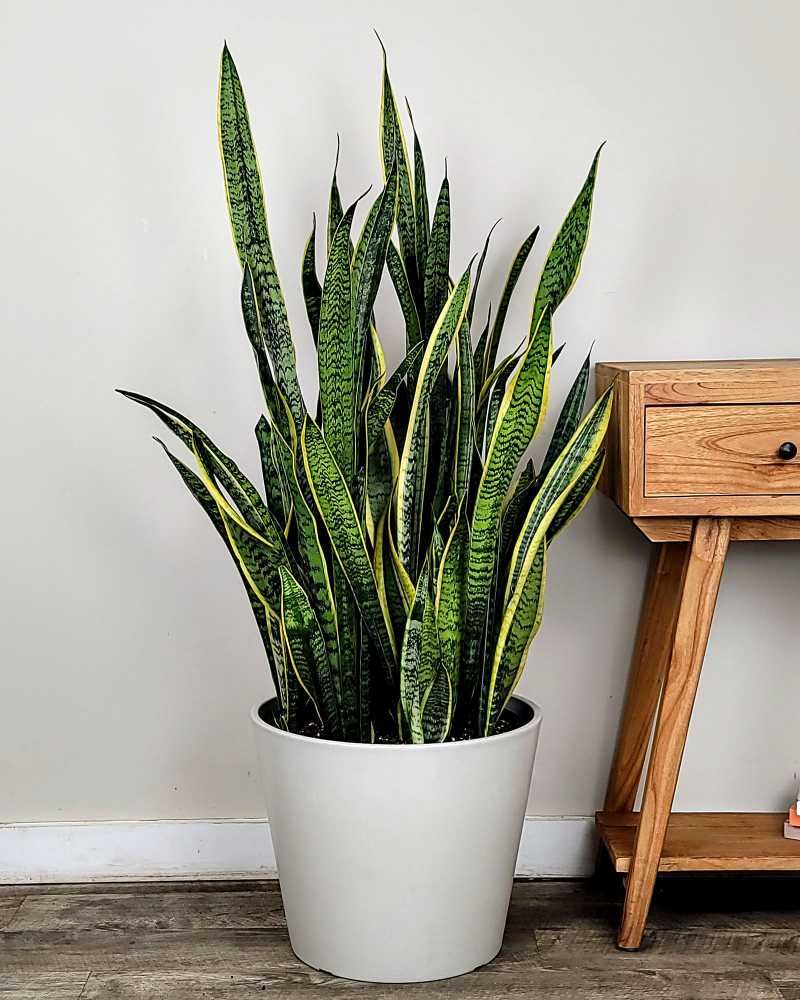
Forced air heating is standard in most North Carolina homes, and by mid-December it can pull indoor humidity down to 30 percent or even lower. For most tropical houseplants, that dry air causes real stress.
Snake plants, however, are built for exactly those kinds of low-humidity conditions, making NC winters surprisingly comfortable for them in ways winter is not comfortable for other popular houseplants.
You do not need to mist your snake plant, run a humidifier nearby, or do anything special to compensate for the dry winter air. The plant genuinely thrives in it.
What you do need to watch out for is direct airflow from heating vents. Warm forced air blowing directly onto the leaves day after day causes the leaf tips to brown and dry out over time, which is a different problem from humidity-related stress.
Keeping your snake plant at least a few feet away from any active heating vent solves this issue easily.
A spot in a warm NC living room that gets good ambient light, stays consistently heated, and sits away from direct vent airflow is genuinely ideal for this plant all winter long.
NC homeowners who struggle with other houseplants during winter often find that snake plants are the one plant that actually seems unbothered by the season, and now you know exactly why that is the case.
5. You Can Move Snake Plants Onto Your Porch Or Patio In Summer But Transition Slowly
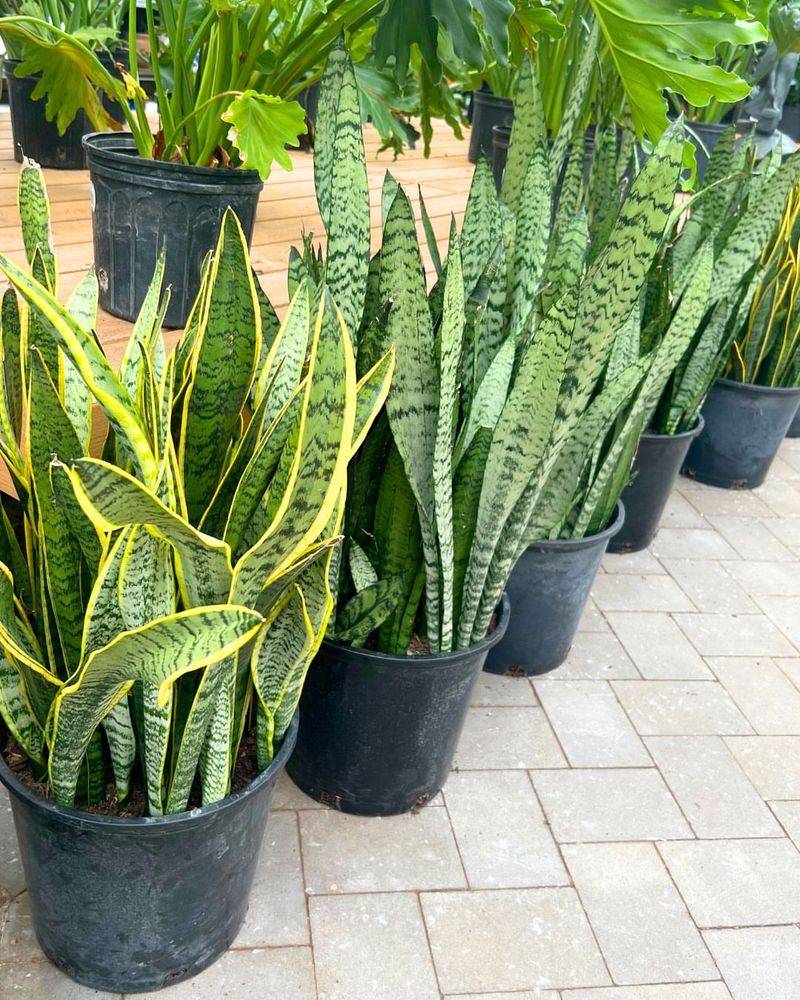
One of the underused perks of living in North Carolina is the long, warm growing season that runs from late May all the way through September.
Snake plants can absolutely spend that time outdoors on a covered porch or shaded patio, and many NC owners find their plants look noticeably fuller and healthier after a summer outside. Better airflow and ambient outdoor light do the plant real favors.
The key word is transition. Moving a plant that has lived indoors under artificial or filtered window light directly into bright outdoor conditions, even shaded outdoor conditions, is a shock to the leaves.
Sunburn can happen even in a shaded spot if the move is too sudden. A two-week transition period where you start the plant in deep shade and gradually shift it toward brighter indirect outdoor light prevents that stress entirely.
Never place your snake plant in direct outdoor sun, even briefly, during a NC summer. The intensity is far too strong.
Pay close attention to nighttime temperatures as summer winds down, because snake plants suffer cold damage when temperatures fall below 50 degrees Fahrenheit.
In most parts of North Carolina that means bringing your plant back inside by mid-October at the latest, though mountain areas around Asheville may see that threshold arrive a few weeks earlier. Watch the forecast and bring it in before the chill sets in.
6. North Carolina’s Clay Soil Is Irrelevant But Your Pot And Mix Are Everything
Anyone who has tried to garden outdoors in North Carolina knows that clay soil is a real challenge. It holds water, drains slowly, and causes problems for a wide range of plants.
But here is the thing about snake plants: they are container plants, and NC’s clay soil has absolutely nothing to do with how well they grow inside your home.
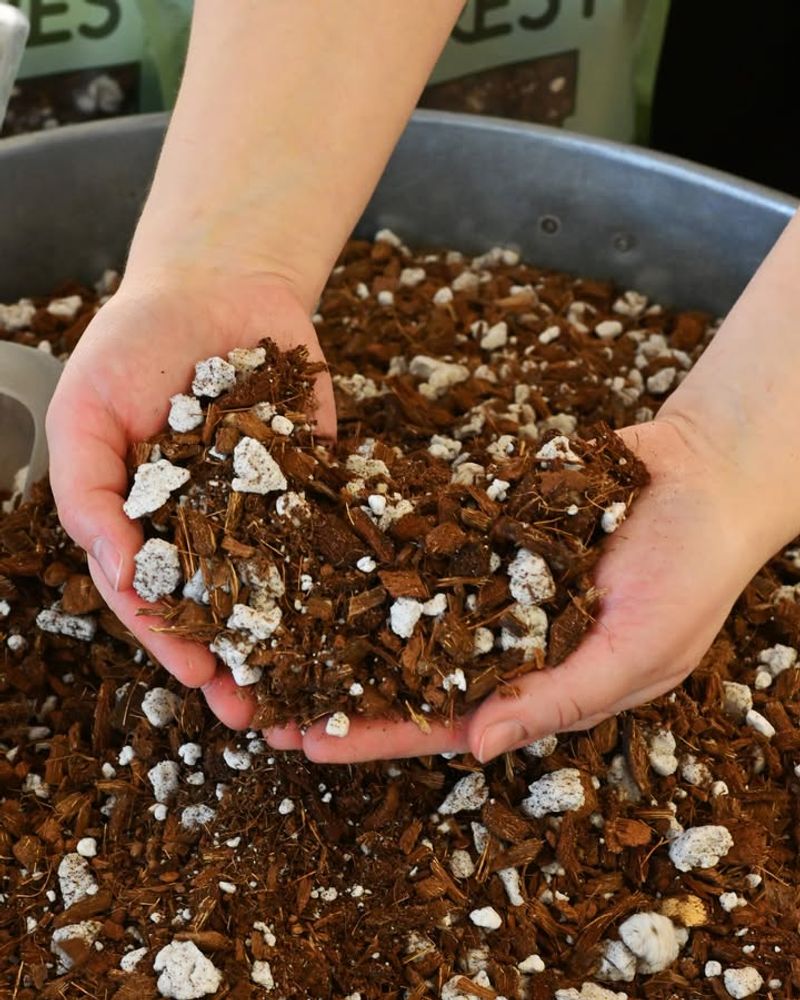
What matters entirely when growing snake plants in NC is what goes inside the pot and what kind of pot you choose. A commercial cactus and succulent mix is the most reliable option because it drains quickly and does not hold excess moisture around the roots.
Pair that mix with a pot that has drainage holes at the bottom, and you have already solved the biggest challenge snake plants face indoors.
Terracotta pots are especially popular for snake plants in NC because the porous material helps wick away extra moisture, which is particularly helpful during humid summer months when the air indoors holds more water than usual.
A snake plant sitting in standard potting mix inside a pot with no drainage holes will develop root rot eventually, no matter how carefully you water.
The soil and container are the true foundation of a healthy snake plant in any North Carolina home, and getting those two things right from the start saves a lot of frustration down the road.
7. Overwatering Is The Primary Way North Carolina Gardeners Struggle With This Plant
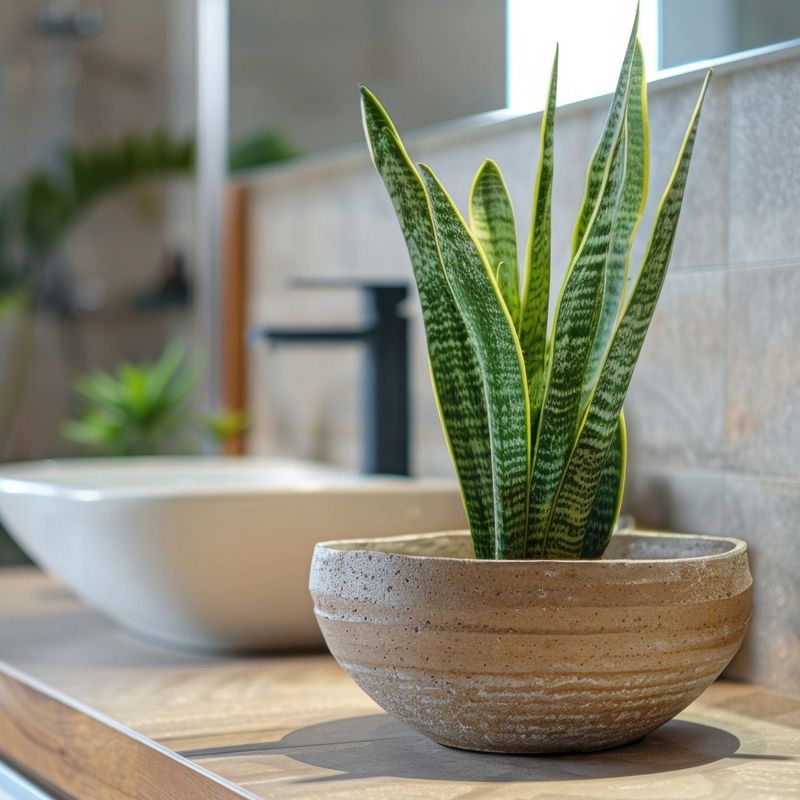
Ask any experienced NC houseplant owner what goes wrong most often with snake plants, and overwatering comes up almost every time.
It is the single most common reason snake plants decline in North Carolina homes, and the tricky part is that the damage happens underground long before you can see it on the leaves.
By the time the plant looks obviously sick, the roots are often already severely affected. The warning signs to watch for include soft, mushy leaves near the base of the plant and a sudden collapse of leaves that were previously standing upright.
A foul smell coming from the soil is another clear indicator that something is wrong below the surface. If you catch it early, removing the plant from its pot, trimming away any soft brown roots, and repotting into fresh dry mix gives the plant a real chance to recover.
Prevention is far easier than recovery. In NC’s humid summers, a well-draining mix may only need water every two to three weeks, and in winter that can stretch to once a month or even less.
The two-finger soil check, pressing down two inches into the soil before every single watering, is the most reliable habit you can build as a NC snake plant owner. If the soil feels even slightly damp at that depth, wait a few more days and check again before adding any water.
8. Snake Plants Are Toxic To Pets And NC Households Should Know This
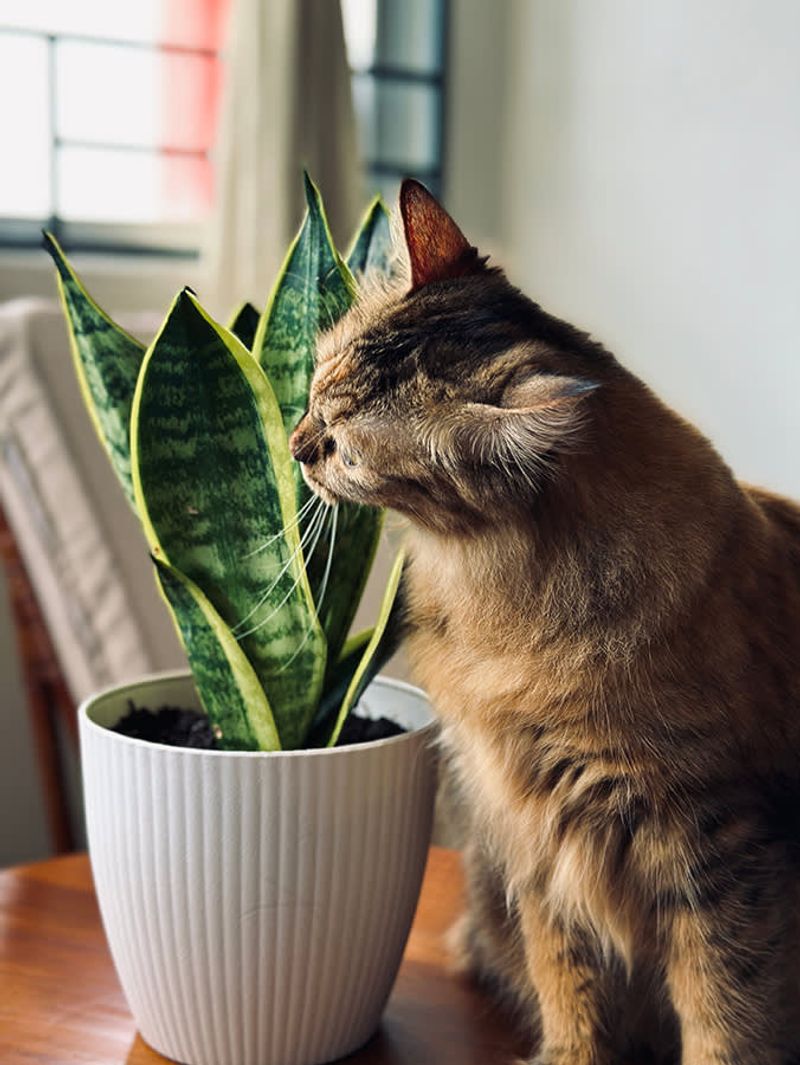
North Carolina has a strong houseplant culture, and it also has a lot of pet owners. Those two facts collide when it comes to snake plants, because Dracaena trifasciata contains natural compounds called saponins that are harmful to both dogs and cats when ingested.
Symptoms include nausea, vomiting, and excessive drooling, and while the reaction is rarely severe, it is uncomfortable for the animal and stressful for the owner.
This is not a NC-specific issue, but it is consistently underreported among NC houseplant owners who may not realize the plant they love is a risk to the animals they also love. The solution does not require getting rid of the plant.
It simply requires thoughtful placement. High shelves, rooms that pets do not access regularly, or hanging planters all work well as pet-safe options.
Cats are often the bigger concern because they are more likely to chew on tall, upright leaves out of curiosity. Dogs tend to ignore snake plants unless a leaf falls within easy reach.
If you have a curious cat in your NC home, a shelf at least five to six feet off the ground or a closed room is the most reliable barrier.
Knowing this ahead of time and planning your plant placement accordingly means you can enjoy your snake plant without any worry about the four-legged members of your household.
9. Spring Is The Right Time To Repot And Fertilize In North Carolina
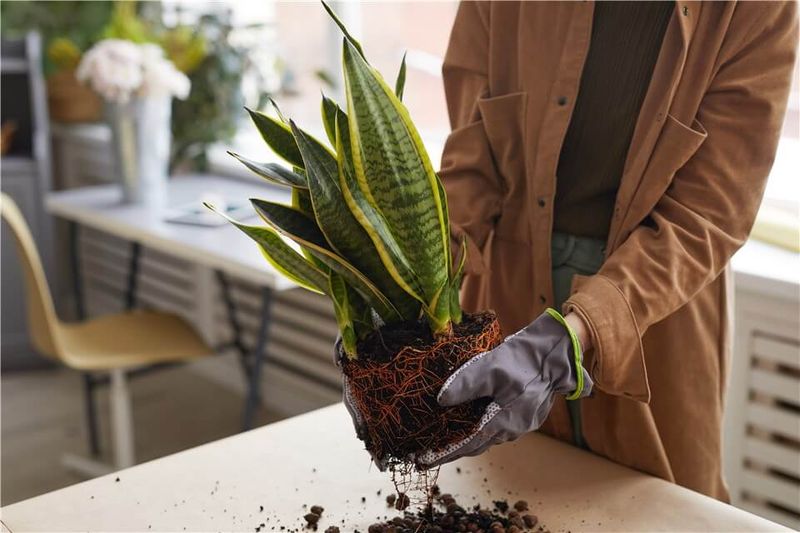
Spring in North Carolina is genuinely one of the best times of year to be a plant owner. As daylight increases from March onward and temperatures begin climbing, snake plants wake up from their winter slow period and start pushing out new growth.
That energy surge is exactly the right moment to give your plant a little extra support in the form of repotting or fertilizing.
If your plant is rootbound, meaning you can see roots circling the inside of the pot or beginning to peek out from the drainage holes, spring is the window to move it up one pot size.
Going only one size larger at a time is important because a pot that is too big holds more soil than the roots can use, and that extra moisture increases rot risk, especially heading into a humid NC summer.
Fertilizing from April through August with a balanced liquid fertilizer at half the recommended strength, applied once a month, gives the plant steady nutrition without overwhelming it. Always use fertilizer on moist soil rather than dry soil to avoid root stress.
Stop fertilizing completely in September and do not resume until the following spring when you see active growth returning.
Matching your care routine to NC’s natural seasonal rhythm keeps your snake plant on a healthy, predictable cycle that pays off in stronger, fuller growth year after year.
10. Leaf Tip Browning Is Extremely Common And Usually Has A Simple Cause
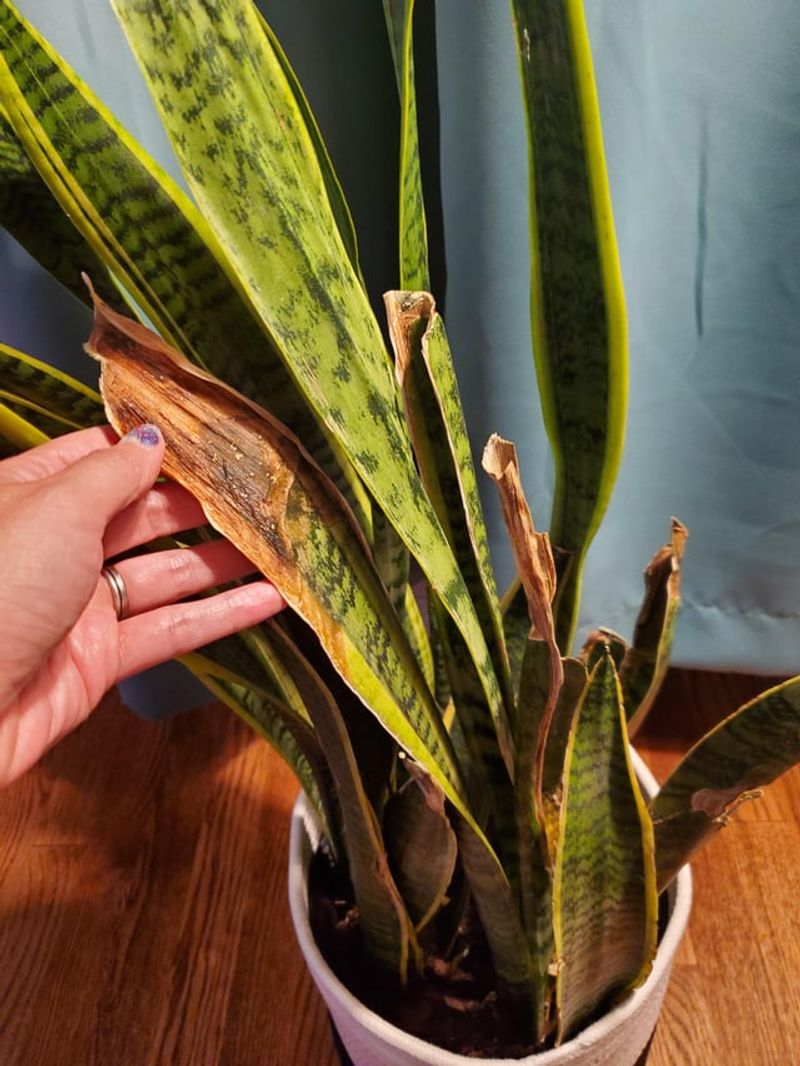
Brown leaf tips are probably the most frequently asked about snake plant problem among NC owners, and the good news is that the cause is almost always simple and fixable. The bad news is that once a tip turns brown, that part of the leaf stays brown.
New growth coming in after you fix the problem will look clean and healthy, but the existing brown tips do not reverse on their own.
The three most common causes in NC homes are inconsistent watering, hot or cold air blowing directly from vents onto the leaves, and fluoride in municipal tap water.
North Carolina cities including Charlotte, Raleigh, and Greensboro all fluoridate their water supply, and fluoride accumulates in the soil over time, eventually causing that signature tip burn.
Switching to filtered water or letting tap water sit uncovered overnight before use allows some of the fluoride to dissipate.
Vent placement is worth a quick check if you notice tip browning appearing only on certain leaves. Leaves closest to an active heating or cooling vent are usually the ones that brown first.
Moving the plant a few feet away from direct airflow often stops the progression within a few weeks.
Addressing inconsistent watering by sticking to a feel-based soil check routine rather than a fixed calendar schedule rounds out the three main fixes that solve most tip browning issues NC owners encounter.
11. Snake Plants Thrive In Rooms That Stay Between 60 And 80 Degrees Fahrenheit
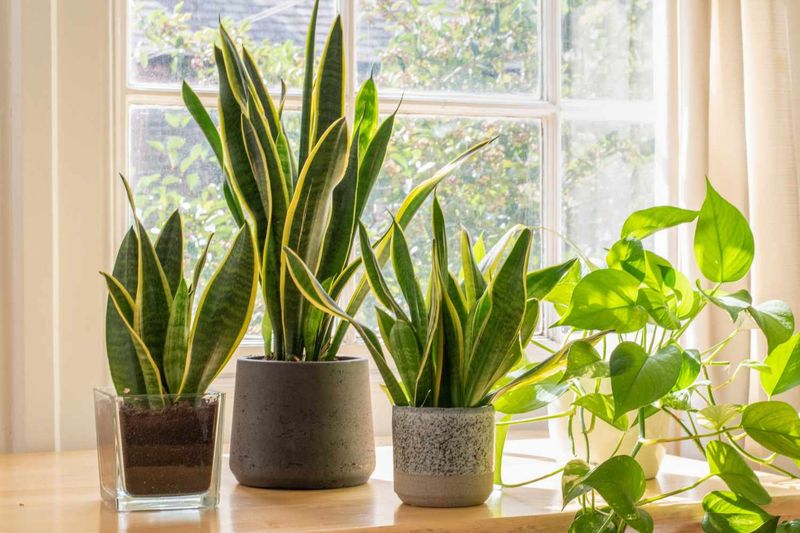
Here is a happy coincidence that NC snake plant owners get to enjoy: the temperature range that snake plants love most, between 60 and 80 degrees Fahrenheit, is almost exactly the range most North Carolina homes maintain year-round.
Heated in winter, air-conditioned in summer, the average NC living room is genuinely close to ideal for this plant without any extra effort on your part. The trouble shows up in spaces that fall outside that comfortable range.
Unheated garages, screened porches left open in late fall, older homes with poor insulation near exterior walls, and storage rooms that do not get consistent heat can all drop below 50 degrees Fahrenheit during NC’s colder months.
Cold damage on a snake plant looks like soft, water-soaked patches on the leaves, and unfortunately that damage is permanent once it sets in.
The solution is keeping your snake plant in a consistently heated living space from November through March. Main living areas like bedrooms, living rooms, and home offices are all safe bets.
Avoid placing the plant directly against an exterior wall or near a drafty window during the coldest weeks of a NC winter, even if the room itself stays warm. That cold radiating off the glass or wall can stress the leaves closest to the surface.
A few feet of distance from exterior walls during winter keeps your plant comfortable and looking its best.
12. Snake Plants Rarely Need Repotting And Being Rootbound Does Not Hurt Them
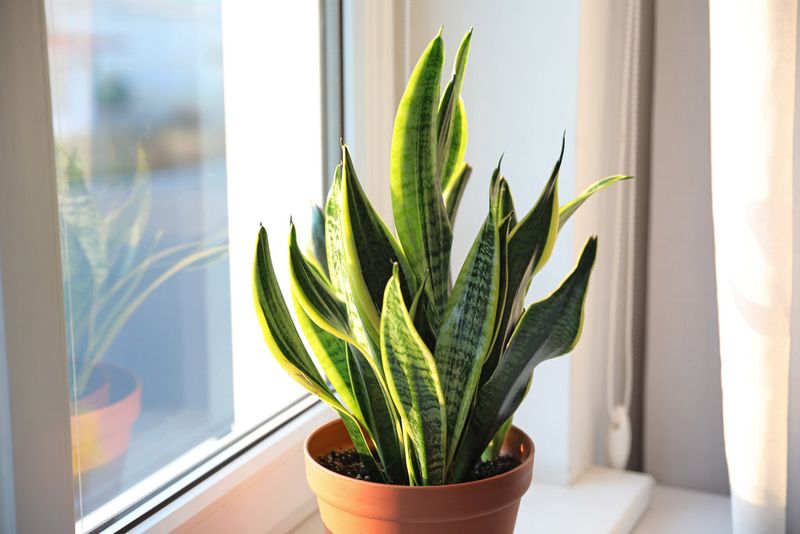
One of the most surprising things about snake plants is how little they actually want to be repotted. Most NC owners repot their plants far too often, usually out of the instinct that a crowded pot must mean an unhappy plant.
With snake plants, the opposite is actually closer to the truth. A slightly rootbound plant is a comfortable plant, and some snake plants even produce flowers more reliably when their roots have a snug fit inside the pot.
The practical signals to watch for are roots visibly pushing out of the drainage holes at the bottom of the pot or, in the case of plastic pots, roots that are strong enough to start deforming the container itself.
Those are the real indicators that it is time to move up one pot size. A plant that looks full and healthy with no roots escaping the pot is almost certainly fine right where it is, even if it has been in the same container for three or four years.
Repotting into a pot that is too large for the root system is one of the sneakier ways NC owners accidentally create moisture problems. More soil around the roots means more water retention, and in North Carolina’s humid summers that extra moisture lingers longer than it should.
Keeping your snake plant in a right-sized pot is not laziness, it is genuinely the smarter approach for long-term plant health in any NC home.