North Carolina Gardeners Who Do This Get Way More Lantana Blooms
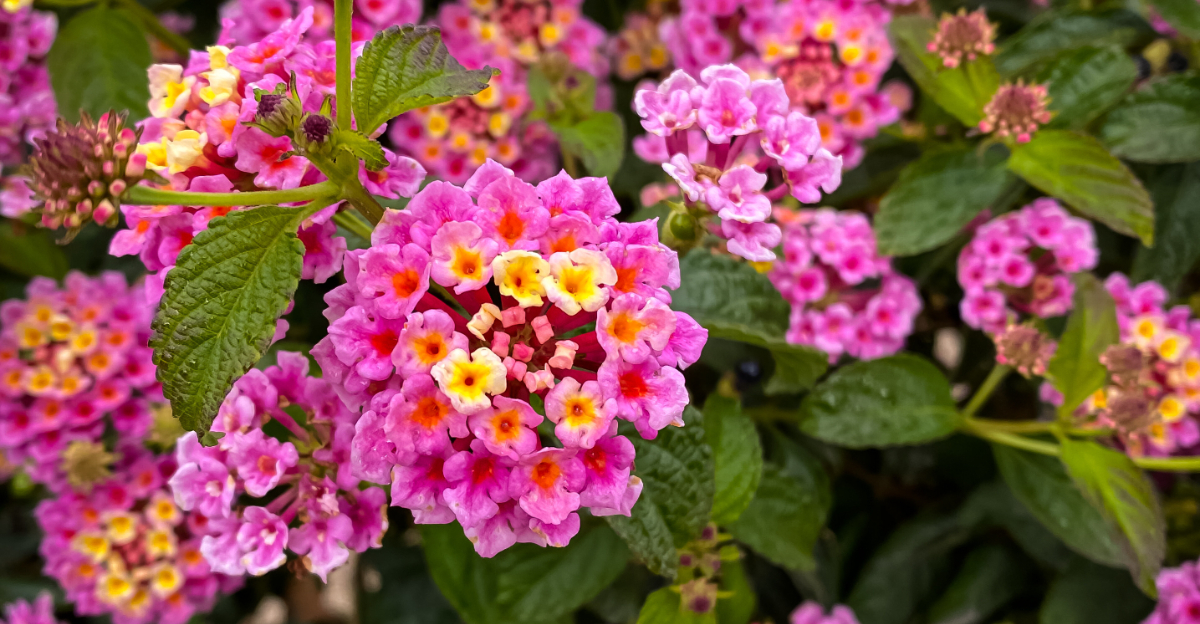
Lantana is one of the hardest working plants you can put in a North Carolina garden. It handles heat, it shrugs off humidity, butterflies and hummingbirds cannot stay away from it, and when it is performing well, the color payoff is outstanding.
The thing is, a lot of gardeners are getting only a fraction of what lantana is actually capable of producing. There is a specific set of habits that separates the plants covered in blooms from the ones that look decent but never quite reach their potential.
North Carolina’s long warm season gives lantana more time to shine than most states, which makes it even more worth learning how to push these plants to their absolute best.
The difference often comes down to a few straightforward practices that are easy to overlook if nobody ever pointed them out.
Once you understand what lantana actually responds to in this climate, getting more blooms becomes less about luck and more about doing a couple of simple things consistently.
1. Remove Spent Blooms Regularly To Keep The Flowers Coming
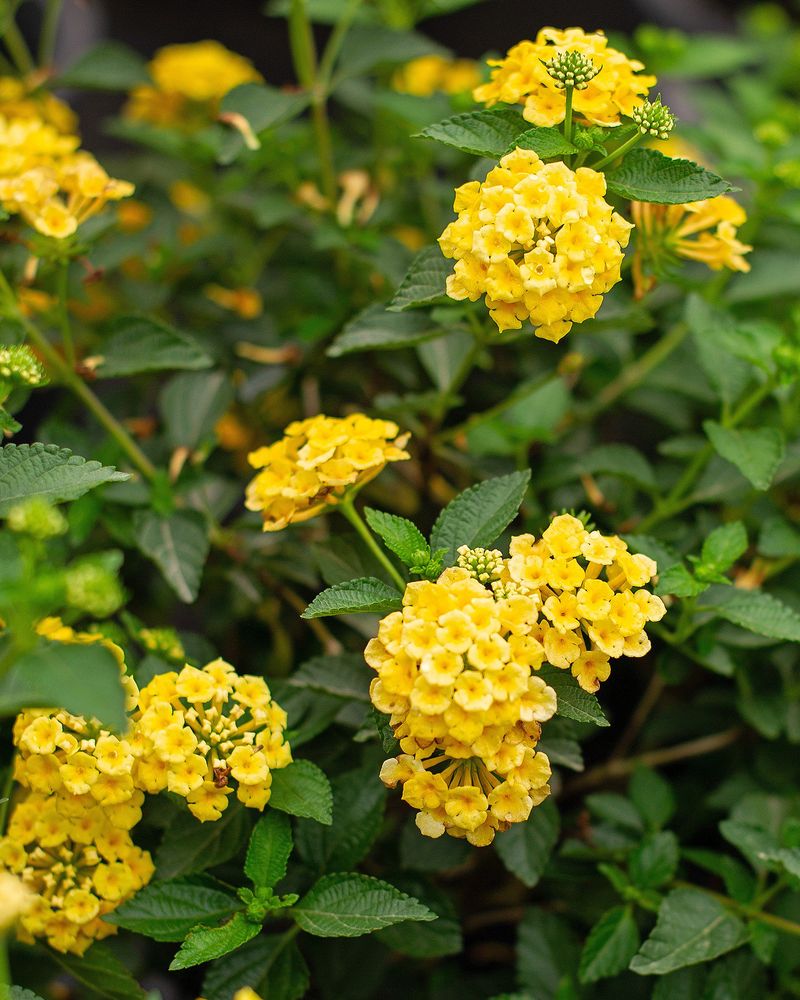
Most gardeners overlook one of the simplest secrets to nonstop lantana color: removing spent flower clusters before they turn into seeds. Once lantana shifts its energy toward seed production, flower output slows down noticeably and the plant starts looking tired.
Staying ahead of that cycle makes a huge difference across a long North Carolina growing season.
Lantana camara produces blooms from May through October in most parts of North Carolina, which means you have a wide window to work with.
Deadheading every seven to ten days keeps the plant locked into active bloom mode rather than letting it coast into seed setting. It takes just a few minutes per plant and the payoff in continuous color is absolutely worth the effort.
The right technique matters just as much as the timing. Pinch or snip spent clusters right at the base of the flower stem rather than pulling them off, since pulling can snap healthy branches and set the plant back.
Sharp scissors or small pruning snips make the job faster and cleaner. Once you build this habit into your regular garden routine, your North Carolina lantana will stay in full, vibrant bloom from one end of summer to the other without skipping a beat.
2. Give It The Hottest Sunniest Spot You Have
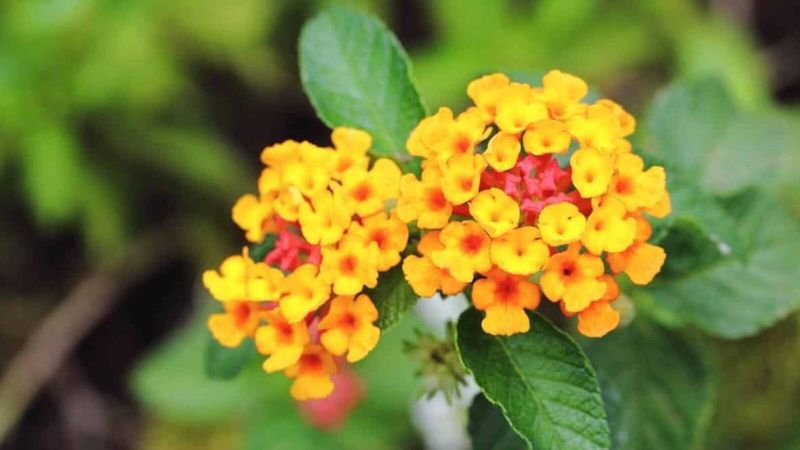
Lantana was practically built for heat, and North Carolina gives it plenty to work with. This plant performs best when it receives a minimum of six to eight hours of direct sunlight every single day.
A south or west-facing bed that bakes in the afternoon sun, the kind of spot that makes most plants struggle, is exactly where lantana feels most at home.
Across North Carolina’s Piedmont and Coastal Plain, summer temperatures regularly push into the upper nineties, and lantana responds to that heat by pushing out more blooms. Reduced sun almost always means reduced flowering, so placement really is everything.
Moving a struggling lantana from a partly shaded bed to a full-sun location often transforms it within just a few weeks.
Your North Carolina Garden Changes Every Week. Your Plan Should Too.
Gardening in North Carolina changes quickly throughout the season. Every Friday you’ll receive a simple weekly plan showing exactly what to plant, prune, fertilize, harvest, and protect so you never miss the right timing.
If you notice your lantana producing lots of leafy green growth but not many flowers, reduced light is usually the first thing to check. Shade from a nearby tree or a fence that blocks afternoon sun can quietly rob the plant of the heat it needs to bloom at full capacity.
North Carolina gardeners who give lantana the absolute hottest, most exposed spot available consistently get the most impressive results. Full sun is not optional for this plant, it is the single biggest factor in how well it performs all season long.
3. Go Easy On Fertilizer Or You Will Get Leaves Instead Of Blooms
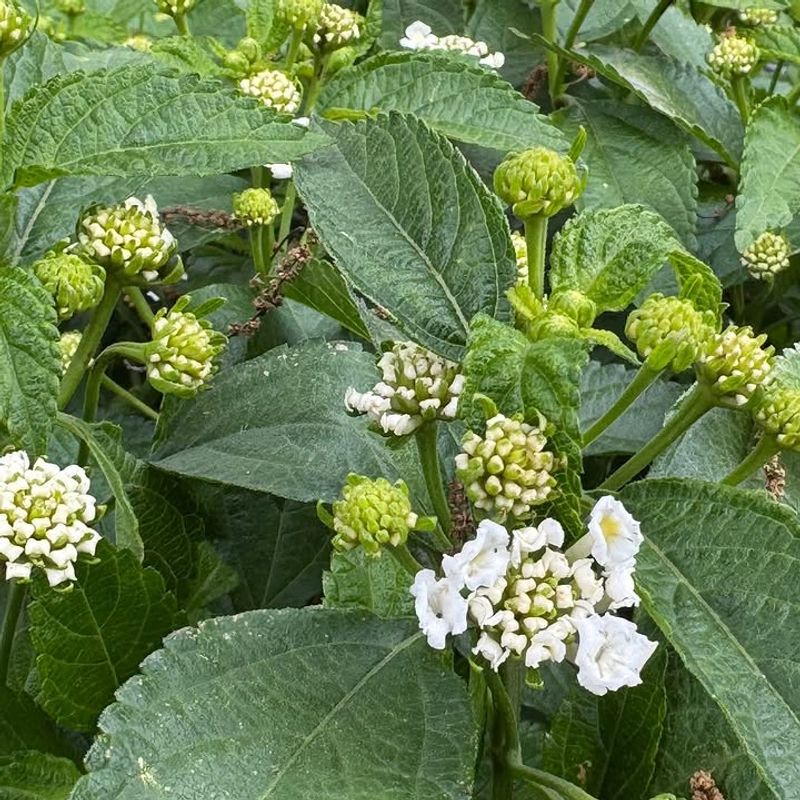
Here is something that surprises a lot of North Carolina gardeners: giving lantana too much fertilizer is one of the fastest ways to stop it from blooming.
High nitrogen fertilizers push plants toward lush, dark green foliage, which looks healthy but actually works against flower production. Lantana is one of those plants that genuinely performs better when you feed it less.
North Carolina soils, especially in garden beds that have been amended over the years, are often already rich enough to support lantana without any added fertilizer at all. Many experienced local gardeners skip feeding altogether and still enjoy season-long blooms.
If you feel like the plant really needs a boost, reach for a low-nitrogen, bloom-promoting formula and use it no more than once a month at half the recommended strength.
Think of feeding lantana the way you would season food: a little goes a long way, and too much ruins the result. A lean feeding approach consistently produces better bloom coverage than a generous one in almost every North Carolina garden situation.
If your lantana is sitting in amended soil and getting full sun, the odds are very good that it does not need any fertilizer at all. Pull back on the feeding, and you may be amazed at how quickly the flower clusters multiply across the plant.
4. Water Deeply But Infrequently Once Established
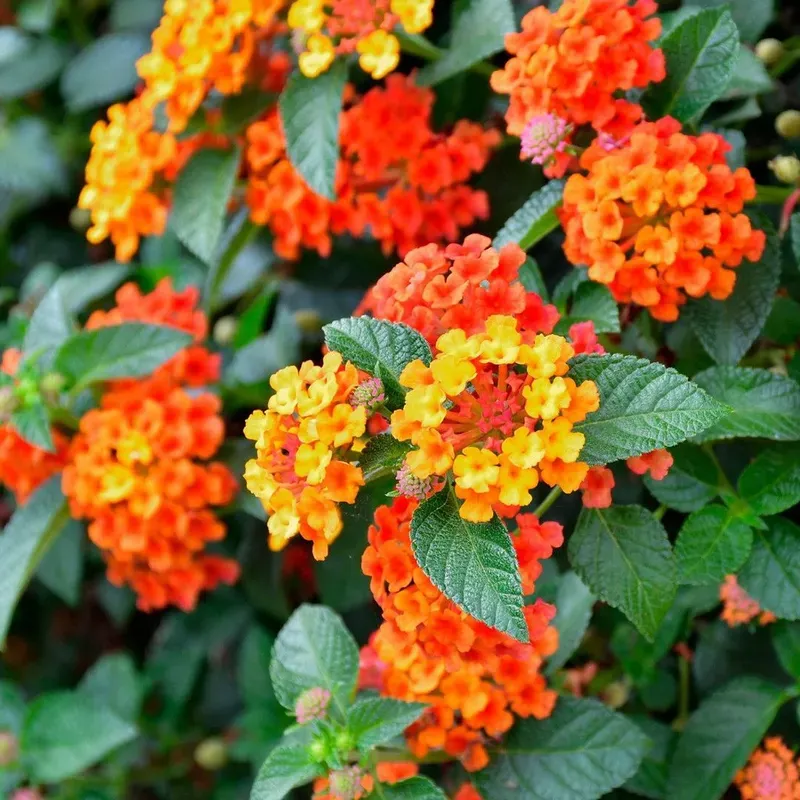
Drought tolerance is one of lantana’s greatest strengths, and North Carolina gardeners can actually use that quality to encourage more blooms.
Once established, lantana flowers most heavily when the soil dries out a bit between waterings rather than staying consistently moist.
Overwatering is a common mistake that quietly suppresses blooming and stresses the root system at the same time.
In North Carolina’s Piedmont, where clay-heavy soils tend to hold moisture longer than sandy or loamy ground, this is especially important to keep in mind.
Watering deeply once a week during dry spells and then letting the soil dry out before watering again gives the plant exactly what it needs.
Deep, infrequent watering also encourages roots to grow down further into the soil, which makes the plant stronger and more resilient through the hottest parts of summer.
Established lantana in North Carolina can go ten to fourteen days without rainfall and continue blooming reliably without missing a beat. If you are seeing yellowing leaves or soft, mushy stems near the base, too much water is almost certainly the cause rather than too little.
Cutting back on irrigation and allowing the soil to fully dry between sessions often turns a struggling plant around quickly.
Trusting lantana’s natural drought tolerance and watering less frequently is one of the most effective and easiest adjustments any North Carolina gardener can make.
5. Cut It Back Hard In Spring For The Strongest Bloom Season
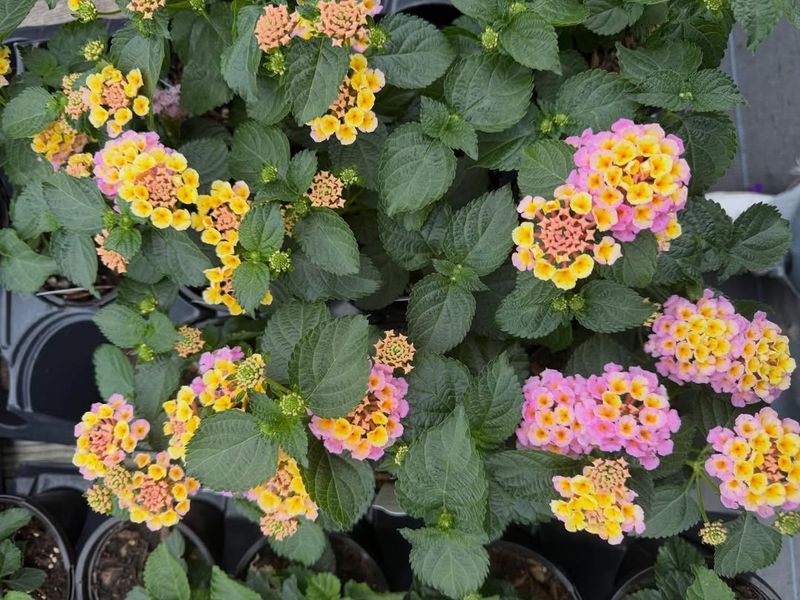
Across much of North Carolina’s Piedmont and Coastal Plain, lantana survives winter in the ground and returns from its roots each spring. When it comes back, it often looks rough, with woody, bare stems and very little sign of life at first.
Cutting the plant back hard is the move that unlocks the strongest bloom season possible, and timing makes all the difference.
Wait until you can clearly see new green growth emerging at the base of the woody stems before making your cuts. In most parts of North Carolina, that window falls in early to mid-April, though the exact timing shifts depending on your location and the weather that year.
Once new growth is visible, cut the old stems back to four to six inches above the soil and let the plant take off from there.
New stems that grow after a hard spring cutback are far more productive than old woody growth, and the difference in bloom output is genuinely striking. Gardeners who skip the spring cutback often end up with tall, sparse plants that bloom only at the tips.
Those who cut back confidently and at the right time get full, bushy plants covered in flowers from midsummer through October.
Patience is the key here: do not rush the cutback before new growth appears, and the plant will reward you with its best season yet right across North Carolina.
6. Mulch The Root Zone But Keep It Away From The Crown
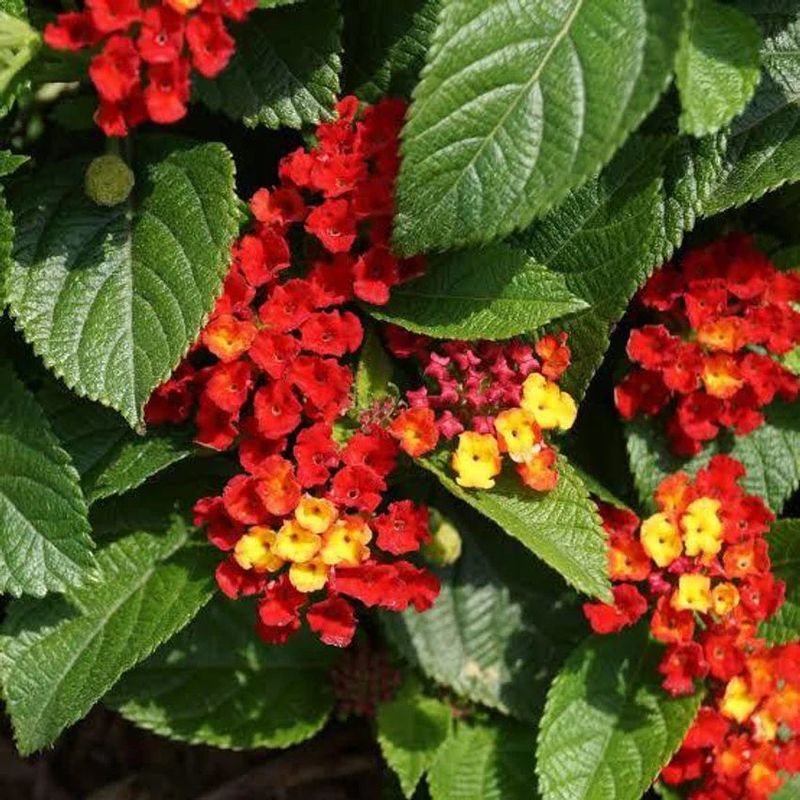
Mulching lantana properly is a small detail that pays off in a big way through the long North Carolina summer.
A two to three inch layer of mulch around the base of the plant helps the soil hold moisture during dry stretches and keeps root zone temperatures from swinging too dramatically on the hottest days.
Both of those conditions support steady, sustained blooming across the season. The mistake many gardeners make is piling mulch right up against the crown of the plant, where the stems meet the soil.
Mulch mounded against the crown traps moisture and warmth in exactly the spot where it causes the most trouble, creating conditions that promote stem rot and weaken the plant from the ground up.
Pulling the mulch back two to three inches from the main stem prevents that problem entirely.
Think of mulching as building a protective ring around the plant rather than a blanket over it. Spread it outward from the crown in a wide, even layer and keep that small gap around the base clear and open to the air.
In North Carolina’s humid summers, that gap makes a real difference in keeping the base of the plant healthy. Good mulching technique is one of those quiet background habits that supports everything else you do to encourage more blooms throughout the growing season.
7. Mountain Gardeners Should Treat Lantana As A Single Season Annual
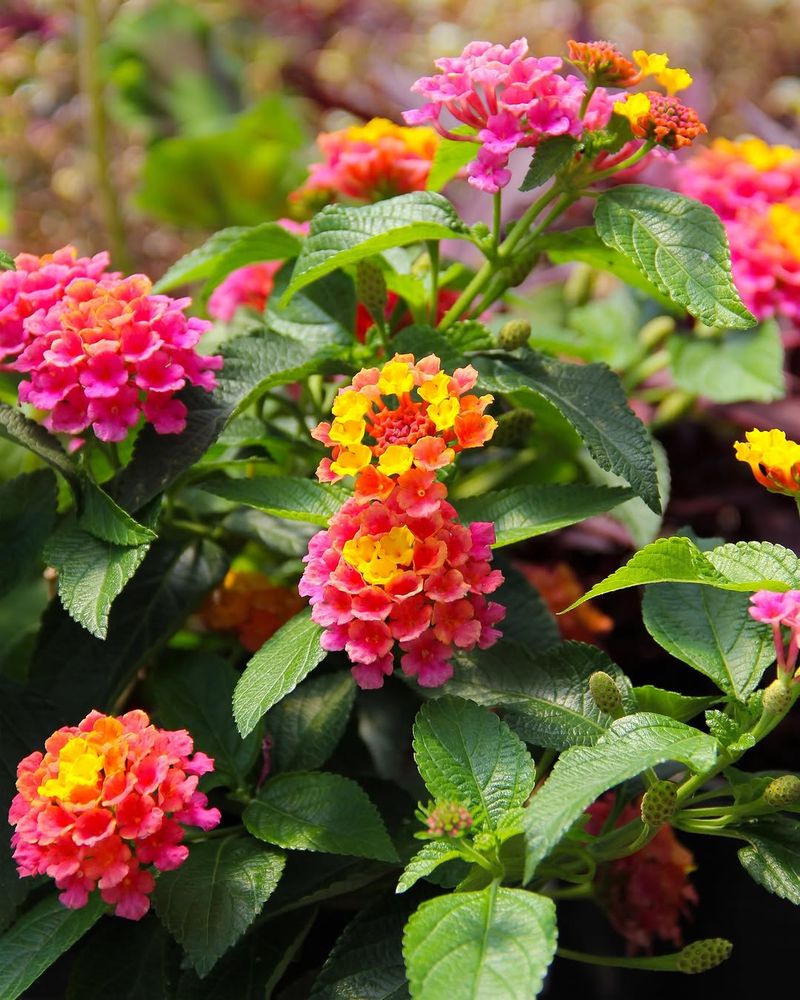
Gardening with lantana in North Carolina’s Mountain region works a little differently than it does in the Piedmont or Coastal Plain.
Lantana is not reliably cold hardy above zone 7a, which means that most of the Mountain region, including Asheville and higher elevations, falls outside the range where it survives winter in the ground.
Treating it as an annual is not a compromise, it is simply the smartest approach for that part of the state.
Mountain gardeners should plan to plant lantana after the last frost date, which typically falls in mid to late May at higher elevations.
From that point through October, the plant can produce a full and spectacular single season of blooms if it is placed in the hottest, sunniest site available.
Choosing a south-facing bed that absorbs maximum heat during the day gives Mountain-region lantana the best possible chance to perform at its peak.
The annual approach actually gives you some creative freedom, since you can try different varieties each year and experiment with colors and sizes without any long-term commitment.
Trying to push lantana through a Mountain winter in the ground almost always ends in disappointment, so embracing the one-season mindset from the start sets you up for success.
One great season of color from a well-placed lantana in western North Carolina is genuinely worth every bit of the effort you put in.
8. Choose The Right Variety For Your Part Of North Carolina
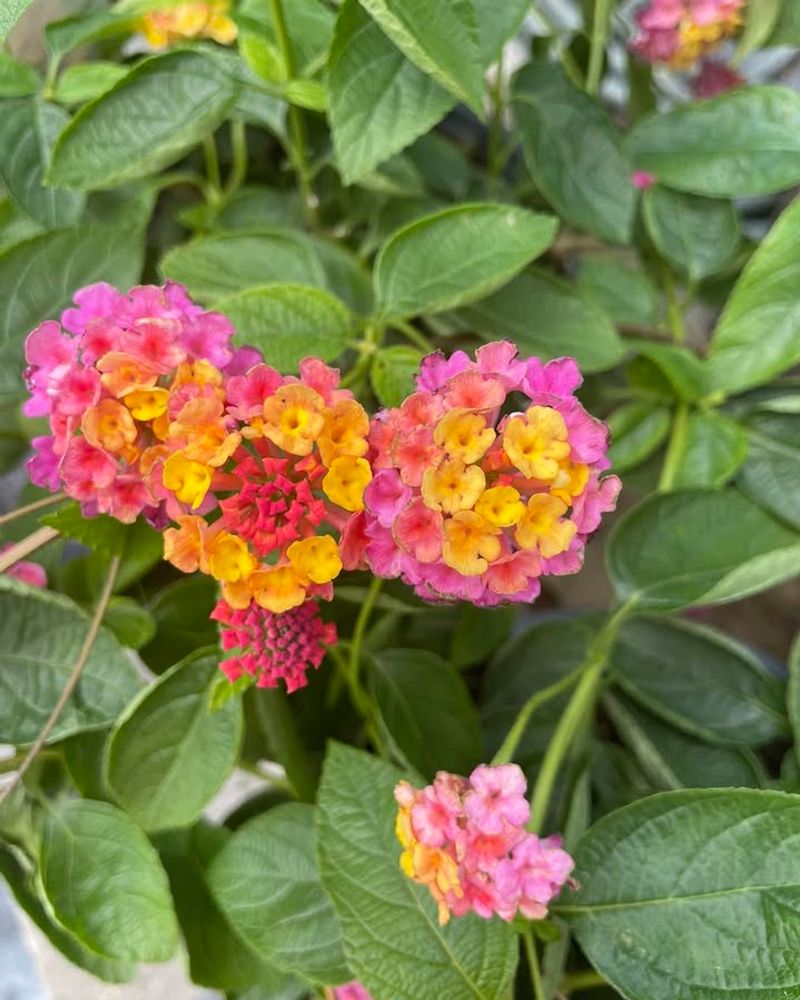
Not every lantana variety is built the same, and choosing the right one for your specific part of North Carolina can make a bigger difference than almost anything else on this list.
Variety selection shapes how well the plant handles your local winters, how heavily it blooms, and how much maintenance it actually needs across the season. Starting with the right plant is always easier than trying to fix the wrong one later.
For Piedmont and Coastal Plain gardeners, Miss Huff is one of the most reliable choices available. It is one of the most cold-hardy lantana selections known and overwinters successfully across a wide range of North Carolina conditions.
New Gold is another excellent option, a sterile non-fruiting variety that puts all of its energy into producing flowers rather than seeds, and it is widely available at North Carolina garden centers each spring.
If you love containers or hanging baskets, trailing varieties like Spreading Sunset handle North Carolina’s summer heat beautifully and spill over the edges of pots in a way that looks stunning on decks and patios.
Doing a little research before you buy and matching your variety to your location means you spend the whole season enjoying blooms instead of troubleshooting problems.
The right variety in the right spot across North Carolina is truly the foundation that every other tip on this list is built on.