7 Native Texas Flowers That Pollinators Love But Nurseries Rarely Sell
If you’ve ever walked through a nursery looking for something a little different and left with the same petunias and marigolds as everyone else, you already know the frustration.
Nurseries tend to stock what sells fast, and that usually means the same familiar faces rotating through the shelves season after season.
The genuinely interesting stuff rarely makes the cut. But Texas has an incredible lineup of native wildflowers that pollinators go absolutely crazy for.
Bees, butterflies, and hummingbirds that you’ve probably never seen in your yard before will show up once these plants get established. The catch is that most nurseries just don’t carry them, which means a lot of Texas gardeners never even find out they exist.
These flowers aren’t hard to grow either. They’re native, which means Texas is literally their home turf.
Tracking them down takes a little extra effort, but once you see your garden come alive, it’s completely worth it.
1. Standing Cypress
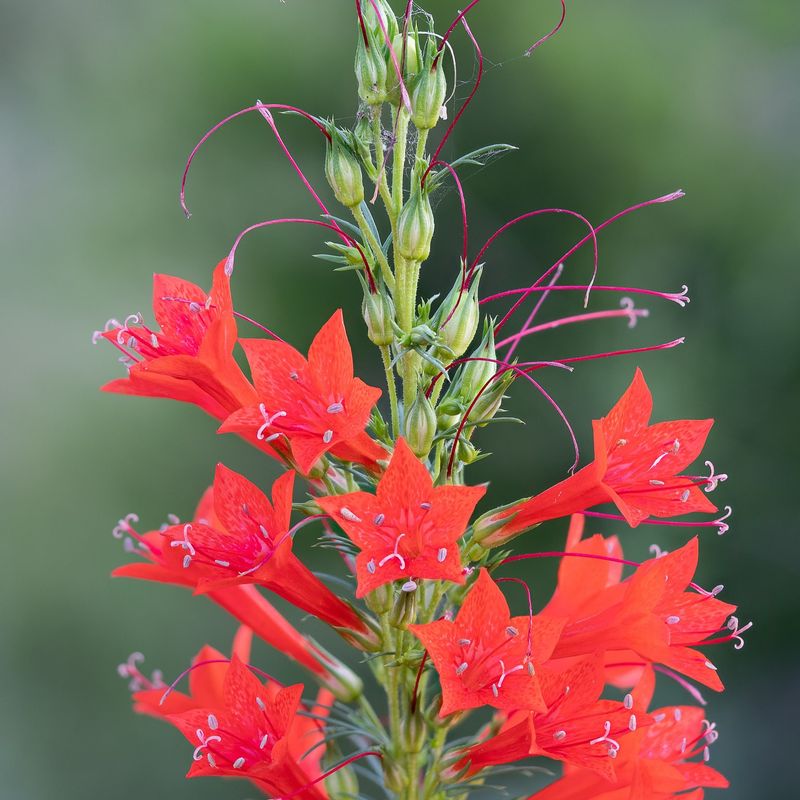
Picture a flower so tall and fiery red that it looks like it belongs in a fantasy garden. Standing Cypress, known scientifically as Ipomopsis rubra, is exactly that kind of showstopper.
Growing up to six feet tall, its slender spikes are packed with tubular red-orange blooms that practically glow in the Texas sun.
Hummingbirds are absolutely obsessed with this plant. The long, narrow flowers are perfectly shaped for a hummingbird’s beak, making it one of the best native plants you can grow in Texas if you want to attract them.
Butterflies love it too, especially swallowtails that can often be spotted fluttering around its blooms.
So why is it so hard to find at a nursery? Standing Cypress is a biennial, meaning it takes two years to complete its life cycle.
In the first year, it grows as a low rosette of feathery leaves. The second year is when it shoots up and blooms. That two-year wait makes it tricky and expensive for commercial growers to sell in pots.
The good news is that once you get it established in your Texas garden, it self-seeds reliably. You plant it once, and it keeps coming back year after year on its own.
Look for seeds from native plant societies or wildflower seed mixes specific to Texas. Give it full sun and well-drained soil, and this remarkable native will reward you with a breathtaking display that no hybrid flower can match.
2. Purple Pleat-Leaf
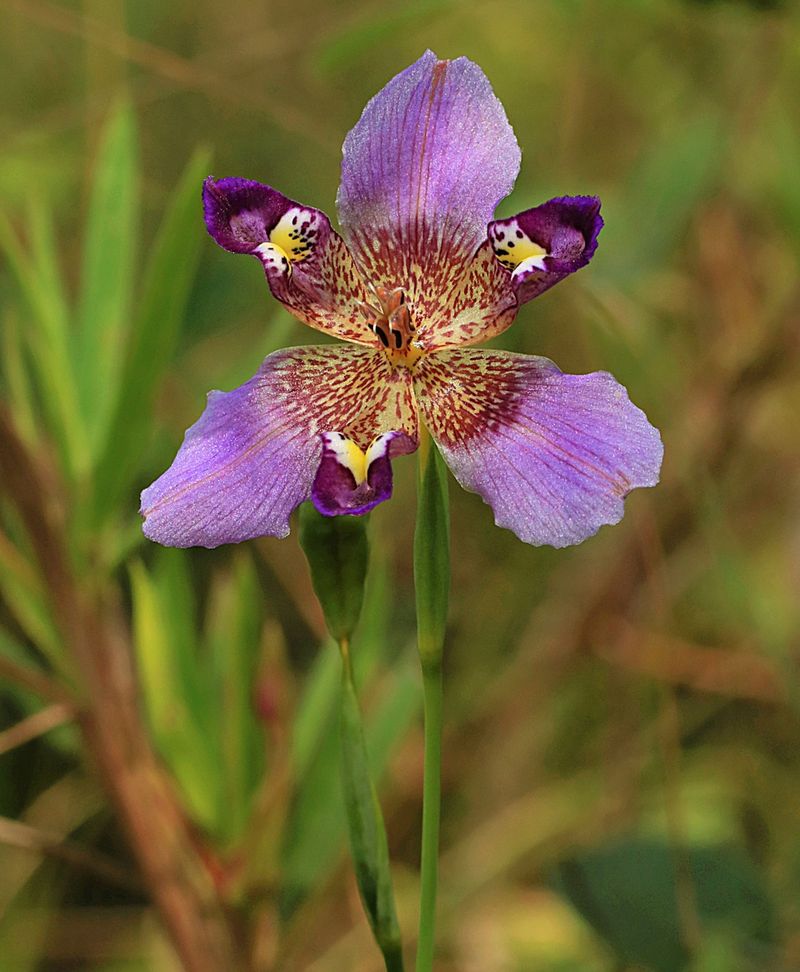
Most Texas gardeners walk right past this flower without even noticing it, and that is honestly a shame. Purple Pleat-Leaf, or Alophia drummondii, is one of those wildflowers that stops you cold the first time you actually see it up close.
It belongs to the iris family, and you can tell, its blooms have that same elegant, layered look that makes irises so popular.
Blooming in spring, this low-growing native pops up in meadows, prairies, and along roadsides all across Texas.
The flowers are a rich purple with delicate pleating on the petals, which is exactly where it gets its common name. Native bees are huge fans of this plant and will visit it repeatedly when it is in bloom.
Your Texas Garden Changes Every Week. Your Plan Should Too.
Gardening in Texas changes quickly throughout the season. Every Friday you’ll receive a simple weekly plan showing exactly what to plant, prune, fertilize, harvest, and protect so you never miss the right timing.
Here is the surprising part – almost nobody knows this flower exists. It is not featured in many gardening books, it almost never appears at nurseries, and even experienced Texas gardeners often mistake it for a weed before it blooms. That kind of obscurity feels unfair for such a gorgeous plant.
Growing Purple Pleat-Leaf from seed is possible but requires some patience, as the seeds benefit from a period of cold stratification before they will sprout.
It thrives in open, sunny spots with well-drained soil, which makes it a natural fit for a Texas wildflower garden or a sunny border.
Sourcing seeds from native plant organizations in Texas is your best bet since commercial availability is nearly zero.
3. Drummond’s Skullcap
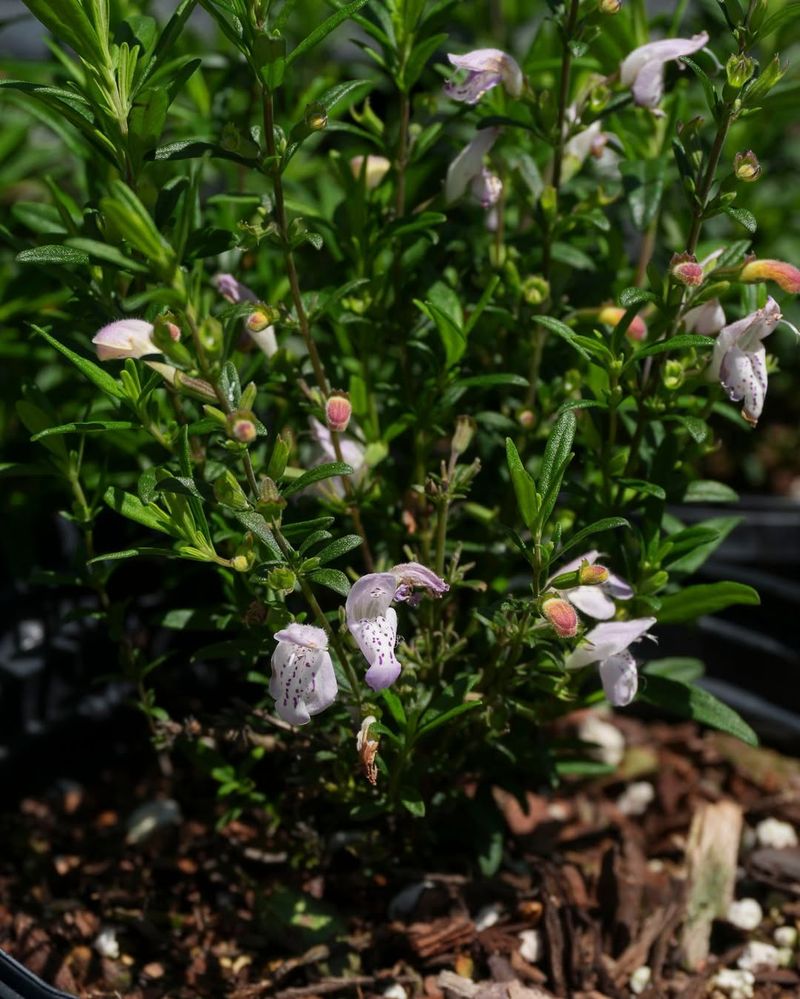
Small but mighty, that is the best way to describe Drummond’s Skullcap. This low-growing Texas native might not tower over your garden, but when it blooms, those tiny purple-blue flowers are like a beacon for native bees.
If you have ever watched a native bee work a patch of wildflowers with total dedication, this plant will make complete sense to you.
Scutellaria drummondii stays close to the ground, rarely growing taller than about a foot. It spreads across open, rocky, or sandy soils, which are exactly the kinds of conditions that are common across much of Texas.
The flowers are small, yes, but they are intensely colored and appear in generous clusters that make the plant look like a purple carpet when it is at peak bloom.
Native bees, especially smaller specialist bee species, are drawn to skullcap flowers in a way that is almost magnetic. Research into native bee foraging has shown that plants like skullcap provide essential pollen sources that many common garden plants simply cannot offer.
That makes it far more valuable to the local ecosystem than its modest size suggests. Finding it at a nursery is nearly impossible, which is frustrating because it is actually a pretty easy plant to grow. It handles drought well, tolerates poor soils, and does not need much fuss once established.
Seeds can be found through Texas native plant networks and wildflower conservation groups. Plant it in a sunny, dry spot and let it do its thing.
4. Prairie Verbena
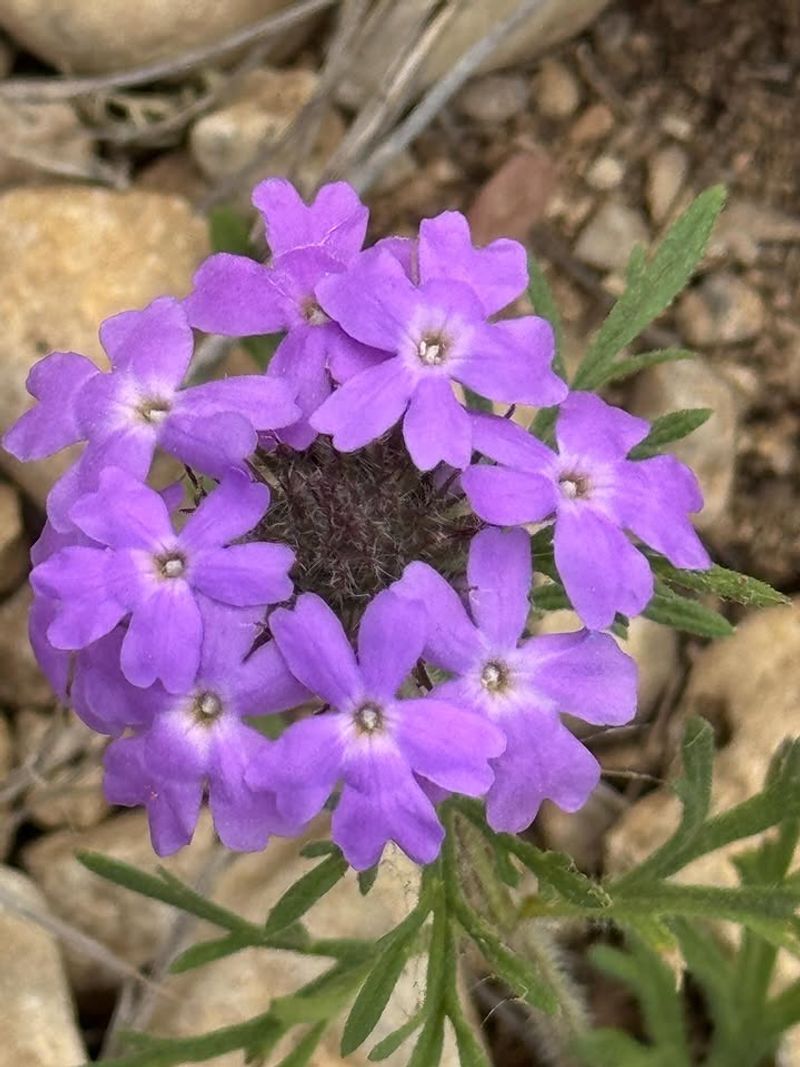
Walk into any garden center in Texas and you will find verbena for sale. But the verbena on those shelves is almost certainly a hybrid bred for looks, not ecological value.
Prairie Verbena, or Glandularia bipinnatifida, is the real deal – a true Texas native that has been supporting pollinators on the prairies of the Lone Star State long before anyone was selling plants in plastic pots.
The difference between Prairie Verbena and its commercial cousins is significant. The native version is tougher, more drought tolerant, and far better suited to the harsh summer conditions that Texas regularly dishes out.
Its clusters of small purple flowers bloom from early spring well into fall, giving butterflies and native bees a reliable food source across multiple seasons.
Butterflies especially love it. Painted Ladies, Buckeyes, and various skipper species are frequent visitors.
Native bees work the flowers constantly on warm days. It is the kind of plant that turns your garden into a lively, buzzing ecosystem without requiring any special effort on your part.
Prairie Verbena spreads naturally by seed and can also root where its stems touch the ground, which means it gradually fills in bare spots in a very natural-looking way. It wants full sun and fast-draining soil, and it absolutely does not want to be overwatered.
Despite all these wonderful qualities, most Texas nurseries skip it entirely in favor of showier, easier-to-sell hybrid versions. Seek out seeds or transplants from native plant specialists in Texas to get started.
5. Lemon Beebalm
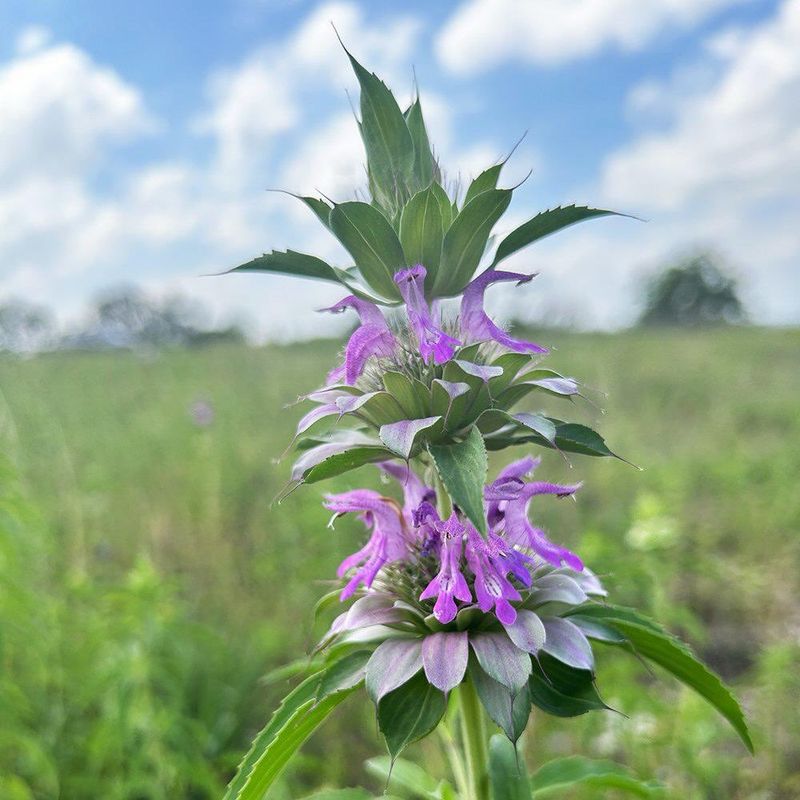
Crush a leaf of Lemon Beebalm between your fingers and you will immediately understand why it has the word lemon in its name. That fresh, citrusy scent is unmistakable, and it turns out that pollinators are just as drawn to it as people are.
Monarda citriodora is one of the most fragrant wildflowers growing across Texas, and it puts on quite a show when it blooms.
The flowers come in soft shades of lavender, pink, and white, arranged in tiered whorls up a single upright stem. It is a striking plant visually, but what really sets it apart is the sheer variety of pollinators it attracts.
Native bees of many species, bumblebees, butterflies, and even hummingbirds visit the blooms regularly. Few native Texas plants offer that kind of broad pollinator appeal.
Lemon Beebalm is also wonderfully practical. It self-seeds freely, so once you have it in your garden, it tends to return on its own each year.
It thrives in poor, dry soils that would stress out most garden plants, making it an excellent choice for the challenging growing conditions found across much of Texas. It even has a history of use as a culinary and medicinal herb.
Despite all of this, most garden centers ignore it completely. Showier, non-native Monarda species like Bee Balm tend to take up the shelf space instead.
You can find Lemon Beebalm seeds through Texas native plant societies and wildflower seed suppliers that specialize in the region. Give it full sun and skip the fertilizer.
6. Widow’s Tears
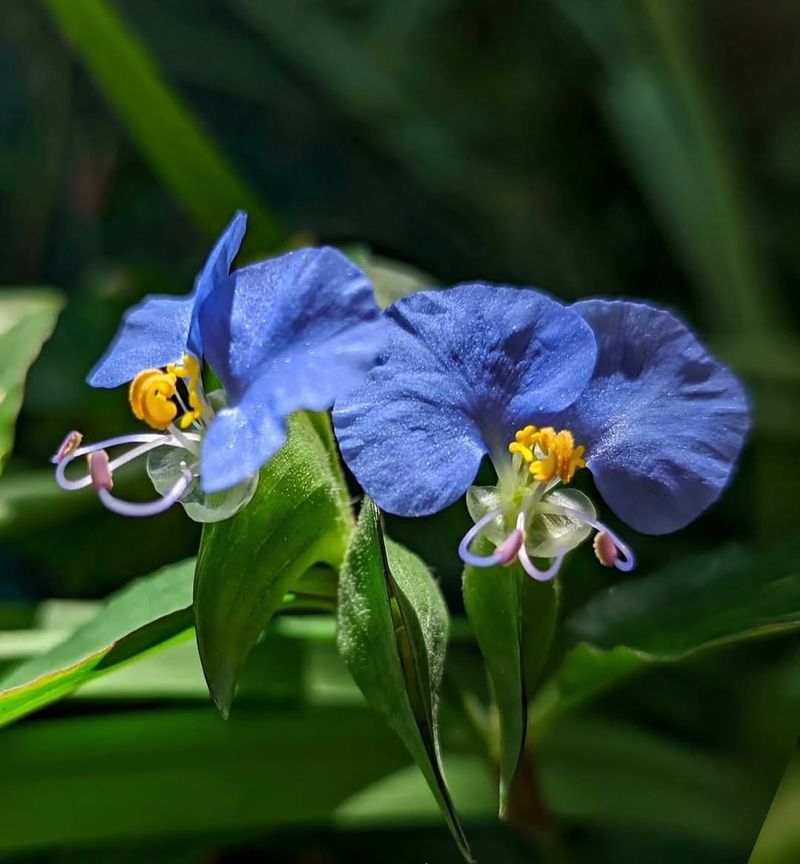
There is something almost electric about the blue of Widow’s Tears. Commelina erecta produces flowers in a shade of vivid sky blue that is genuinely rare in the plant world, and native bees respond to it with obvious enthusiasm.
Watch a patch of this plant on a warm Texas morning and you will see bee after bee making a beeline straight for those small but brilliant blooms.
Each flower only lasts a single day, opening in the morning and closing by afternoon. But the plant keeps producing new blooms continuously throughout the summer, which means there is always something fresh and open for pollinators to visit.
That kind of steady, reliable bloom time is incredibly valuable during the brutal Texas summer when many other wildflowers have already finished for the year.
Widow’s Tears handles heat and drought with impressive ease. It grows from fleshy roots that store water, helping it push through dry spells without complaint.
It spreads gently through the garden, filling in gaps without becoming aggressive or overwhelming other plants. The foliage is clean and attractive even when the plant is not blooming.
You will almost never find this plant at a mainstream nursery in Texas, which is genuinely puzzling given how useful and beautiful it is.
It seems to fall into that frustrating category of native plants that are too modest and too unfamiliar to catch the attention of commercial growers. Native plant sales and Texas wildflower enthusiast groups are your best sources for getting your hands on it.
7. Texas Paintbrush
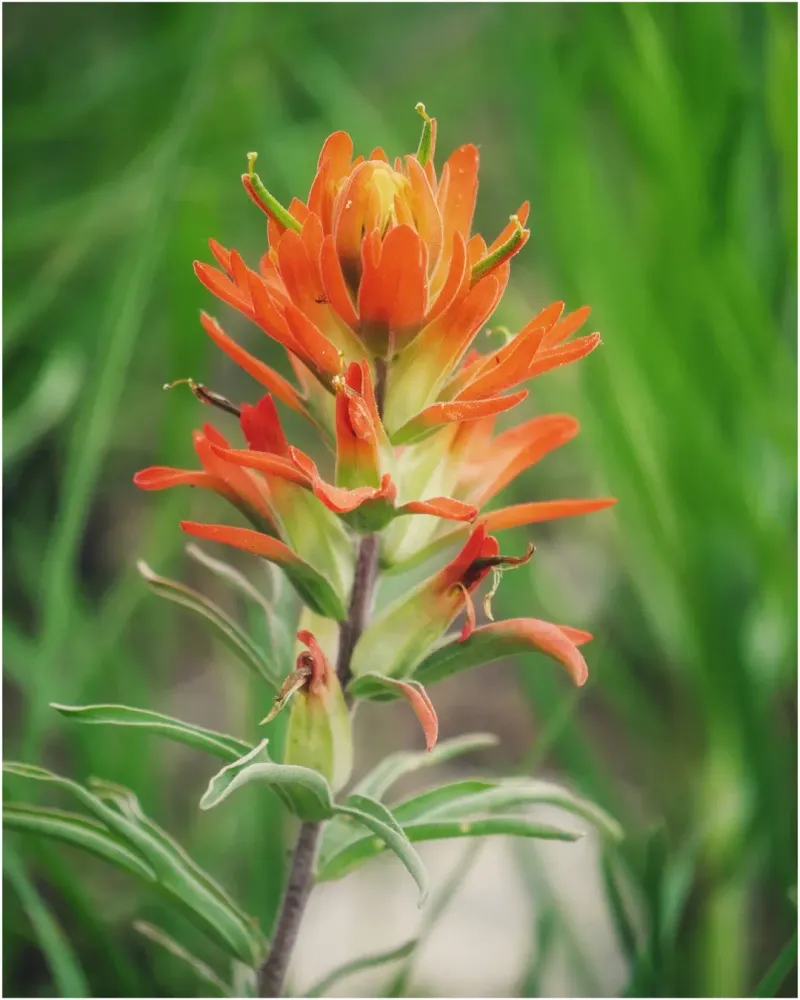
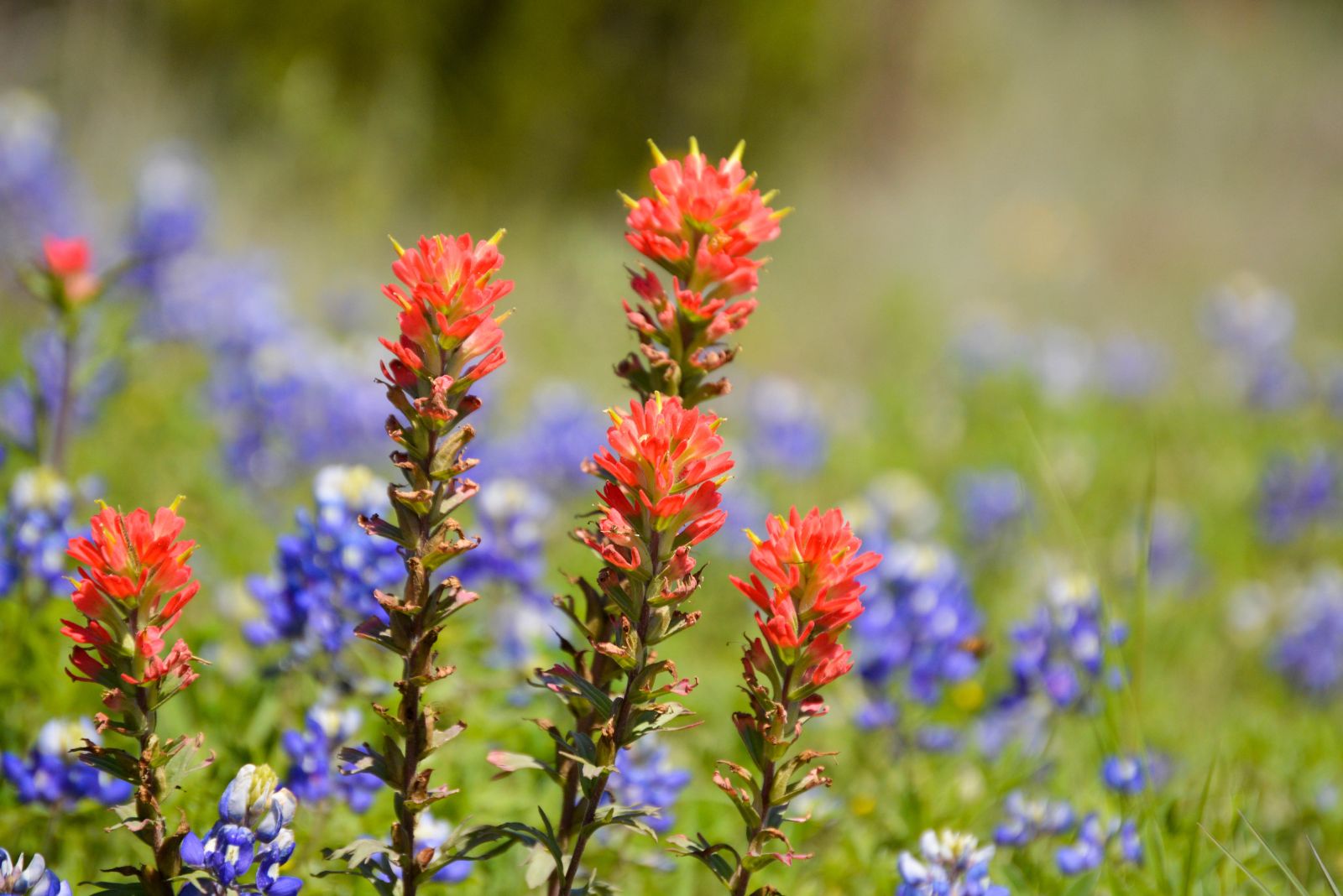
Ask any Texan to name their favorite wildflower and there is a good chance Texas Paintbrush comes up. Those vivid orange-red bracts rising above a field of green grass are one of the most iconic sights in the entire state, right up there with Bluebonnets in the spring.
Butterflies and hummingbirds are deeply drawn to its blooms, making it a pollinator powerhouse with serious curb appeal. So why is it nearly impossible to buy? The answer comes down to biology.
Texas Paintbrush is hemiparasitic, meaning it taps into the roots of neighboring grasses and other plants to supplement its nutrition. It can photosynthesize on its own, but it grows much better when it has a host plant nearby.
That dependency makes it extremely difficult to grow in a container and nearly impossible to sell through normal nursery channels.
Growing it successfully in a home garden requires planting it directly into an area with established native grasses like Little Bluestem or Buffalo Grass, which are common across Texas.
Direct seeding in fall gives the best results, as the seeds need winter cold and moisture to break dormancy. Patience is key – it may take more than one season to see strong plants establish.
The reward for that patience is extraordinary. A thriving patch of Texas Paintbrush in your yard is a genuine piece of the Texas landscape, alive with hummingbirds and butterflies.
Native plant societies across Texas sometimes offer seeds at fall sales, and a few specialty wildflower seed suppliers carry them as well. It is worth every bit of effort.