What To Do With Your Florida Plumeria In May Before The Heat Peaks
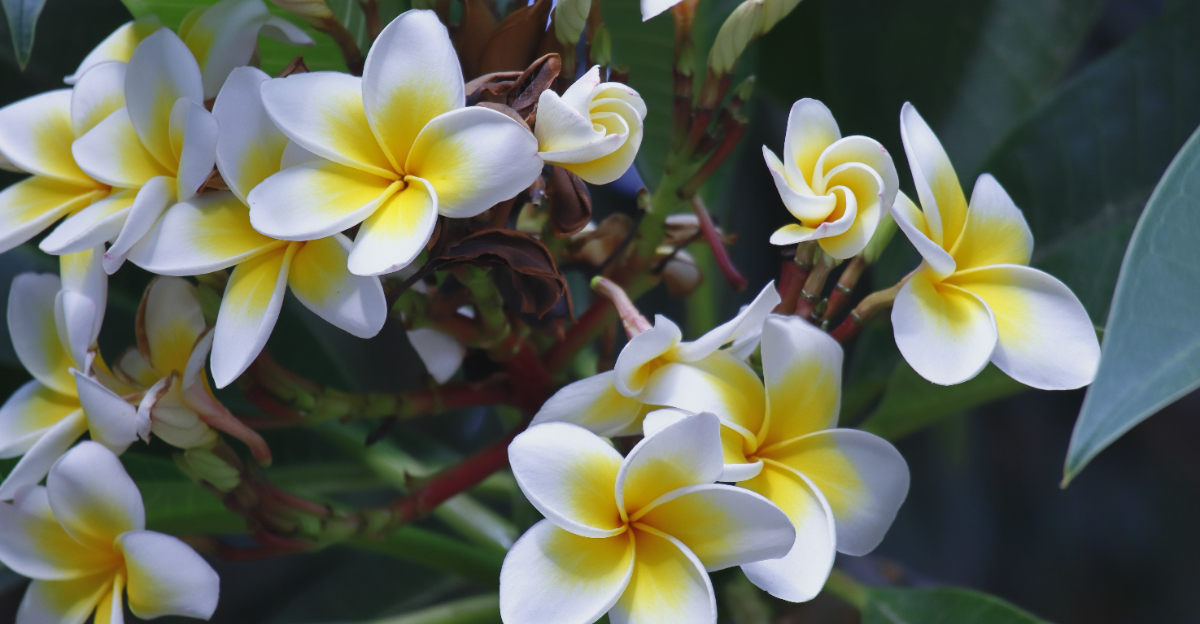
May is the month plumeria starts asking for attention. The leaves wake up, the sun gets sharper, and Florida’s rainy season begins lurking around the corner.
A plant that looked fine on the patio in March can suddenly need better drainage, brighter light, a bigger pot, or a closer look under the leaves. Nothing complicated.
Just smart timing. Handle the small stuff now, before summer heat and humidity turn little problems into bigger headaches.
A quick May checkup can help your plumeria grow stronger, settle into the season, and look ready for the tropical show everyone wants from this plant. Think of it as a tune-up before Florida cranks the thermostat.
1. Move Potted Plumeria Into Stronger Sun Gradually
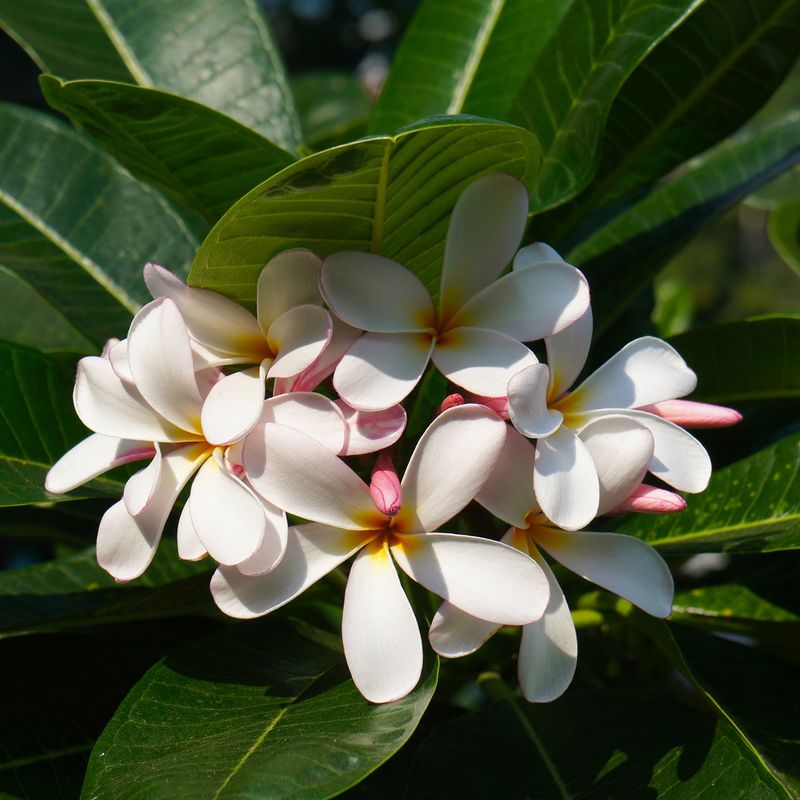
A plumeria sitting on a covered porch all winter may look perfectly happy, but its leaves have quietly adjusted to lower light. Moving that same plant into Florida’s May sun too quickly can stress tender new leaves.
UF/IFAS recognizes plumeria as a full-sun plant that thrives in warm Florida landscapes, but the key word is thrives, not survives a sudden shock.
Moving potted plumeria into stronger sun should be a gradual process spread over several days. Start by placing the pot where it gets bright morning sun for a few hours, then bring it back to partial shade for the afternoon.
Morning sun is gentler and less intense than the midday or afternoon Florida sun in May. After three to five days of morning exposure with no signs of yellowing or browning leaf edges, move the plant into a spot with more direct light for longer periods.
Watch the leaves closely during this adjustment. If you notice pale yellow patches or crispy brown edges, the plant is telling you it needs more time to adapt.
Rotate the pot every few days so all sides receive even light exposure and the plant grows more symmetrically. Good airflow around the container matters too, so avoid tucking pots into tight corners with no air movement.
Gardeners in cooler parts of Florida, such as North Florida, often grow plumeria in containers so they can protect plants from cold weather and then move them back into full sun as temperatures warm through spring and into May.
2. Check Drainage Before Summer Rain Arrives
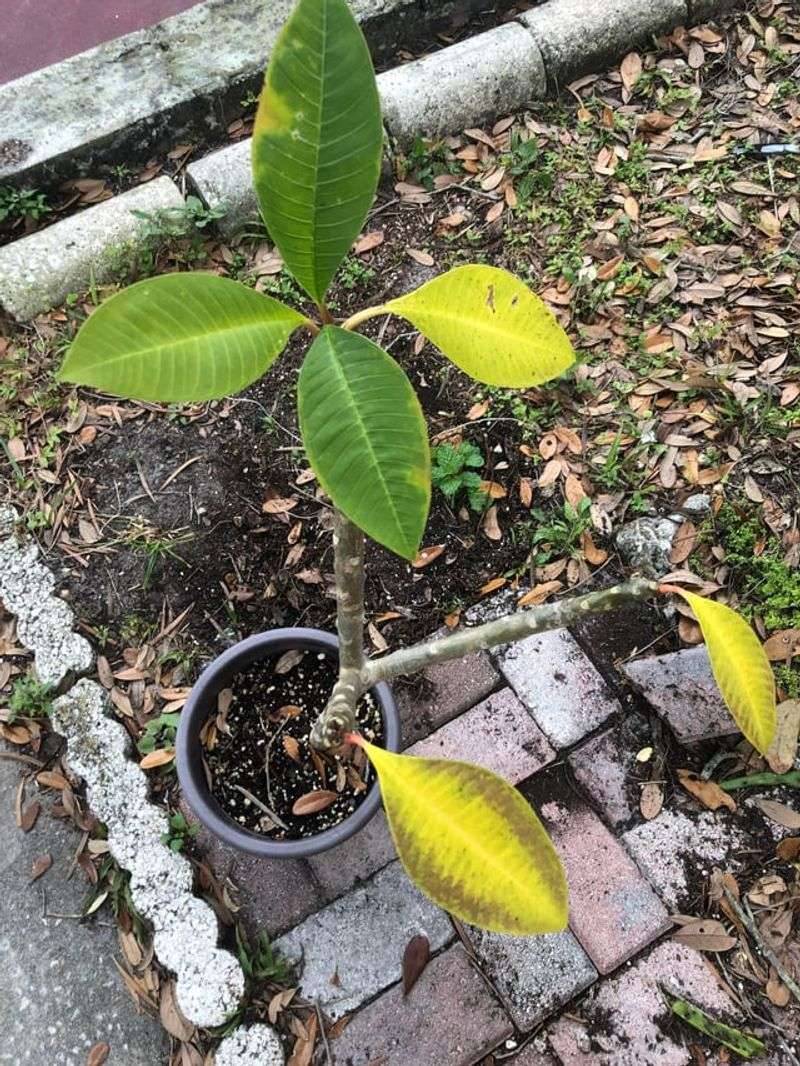
Florida’s summer rainy season does not knock politely before entering. One week you are hand-watering every other day, and the next week afternoon thunderstorms are dropping an inch of rain in thirty minutes.
Plumeria does not handle soggy soil well, and standing water around the root zone is one of the fastest ways to cause problems for this plant. May is the right time to make sure your drainage setup is ready before the rains arrive in force.
For container plumeria, start by checking that drainage holes are open and not blocked by compacted soil or root growth. Pots sitting directly on a flat surface like a deck or patio slab can have their drainage holes effectively sealed by the surface underneath.
Your Florida Garden Changes Every Week. Your Plan Should Too.
Gardening in Florida changes quickly throughout the season. Every Friday you’ll receive a simple weekly plan showing exactly what to plant, prune, fertilize, harvest, and protect so you never miss the right timing.
Lifting pots onto pot feet, bricks, or a plant stand allows water to flow freely out the bottom after each watering or rain event.
If your potting mix feels heavy, dense, or compacted, consider refreshing it with a coarse, well-draining blend that includes materials like perlite or coarse sand.
Decorative cachepots look great, but they can trap water around the base of the grower pot and keep roots sitting in moisture longer than plumeria appreciates. If you use them, check after every rain and empty any collected water promptly.
For in-ground plumeria, check that the planting area drains well and does not collect water after heavy rain.
If your yard has low spots that stay wet, a raised planting mound or amended bed with improved drainage can make a meaningful difference for the health of your plant heading into the wet season.
3. Water Deeply But Let The Soil Breathe
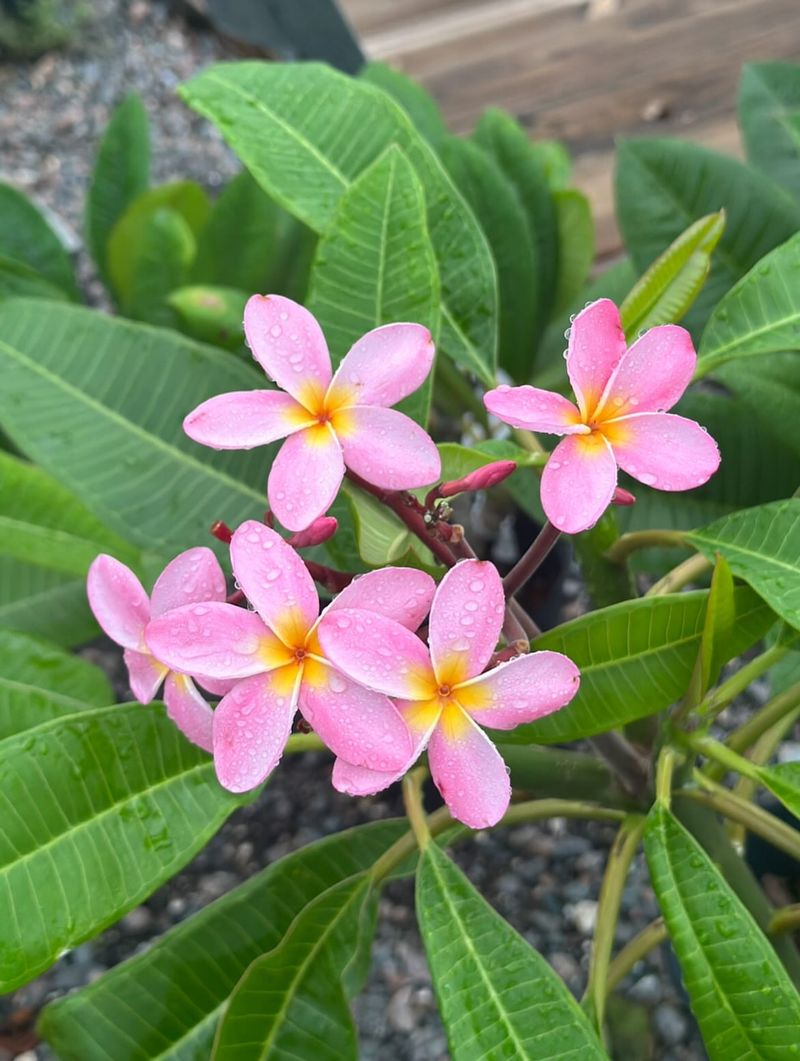
One of the most common mistakes with plumeria in containers is watering a little bit every single day. That approach keeps the top of the soil damp while the deeper root zone stays inconsistently moist, and it does not encourage strong root growth.
Established plumeria is fairly drought tolerant according to horticultural sources, but that does not mean ignoring it entirely, especially for plants in containers or recently placed in the ground.
The better approach is to water thoroughly, soaking the entire root zone until water drains freely from the bottom of the pot, and then allowing the potting mix to dry out somewhat before watering again. Stick a finger two inches into the soil.
If it still feels moist, wait another day or two. In May, Florida heat can dry out a container surprisingly fast, especially black or dark-colored pots sitting in direct afternoon sun.
Check your containers more frequently as temperatures climb.
Watering earlier in the day is a good habit to build before summer arrives. Morning watering gives foliage time to dry before evening, which can help reduce conditions that favor fungal issues.
May also brings the first occasional afternoon storms, so keep an eye on rainfall and adjust your watering schedule accordingly. After a heavy rain soaks a container, skip the next scheduled watering and check soil moisture before adding more water.
The goal is consistent moisture that allows the soil to breathe between cycles, not a constantly wet environment that stresses the roots and invites problems as humidity builds through late spring and into summer.
4. Feed Lightly As New Growth Speeds Up
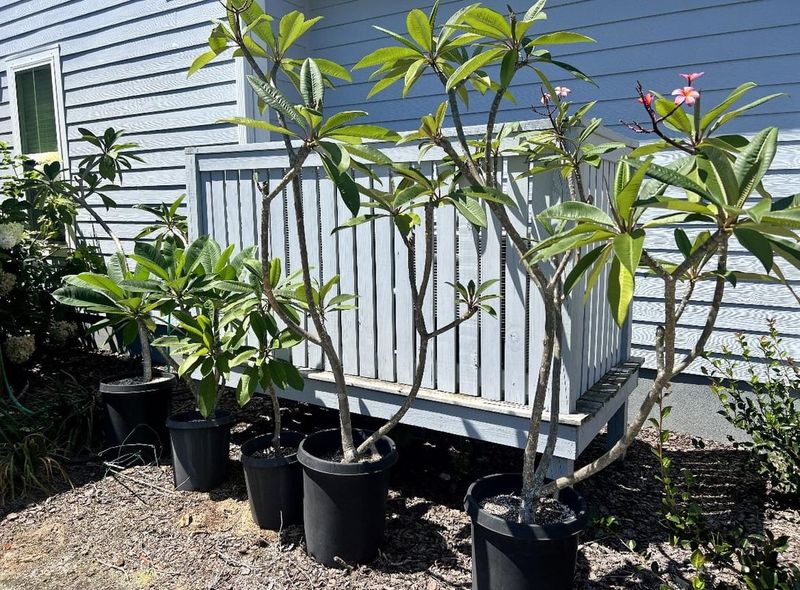
By May, many Florida plumeria plants are pushing out fresh leaves with real energy.
Warmer nights and longer days signal the plant to grow, and a light feeding can support that active growth phase, especially for plants growing in containers where nutrients wash out of the potting mix over time.
The goal here is supporting healthy plant development, not loading the plant up with fertilizer hoping to force something to happen faster.
Use a balanced fertilizer or one formulated for flowering tropical plants, and follow the label directions carefully. Fertilizer labels exist for a reason, and more is not better with plumeria.
Heavy feeding can push soft growth and may not improve flowering, so light, label-rate feeding is the safer approach. If the soil is dry when you plan to fertilize, water the plant first and let it absorb moisture before applying any fertilizer.
Applying fertilizer to dry roots can cause unnecessary stress.
Container-grown plumeria benefits most from regular light feeding during the active growing season because nutrients leave the pot with every watering.
In-ground plumeria in Florida’s well-drained sandy soils may also benefit from feeding, but always assess the plant’s condition first.
A plumeria that is recovering from cold damage, dealing with root stress, or showing signs of pest or disease pressure is not a good candidate for heavy feeding right now. Reduce or pause feeding for stressed plants and focus on stabilizing their growing conditions first.
Feeding a healthy, actively growing plant in May is a practical step, not a guaranteed path to any specific outcome.
5. Prune Only For Shape Or Damaged Branches
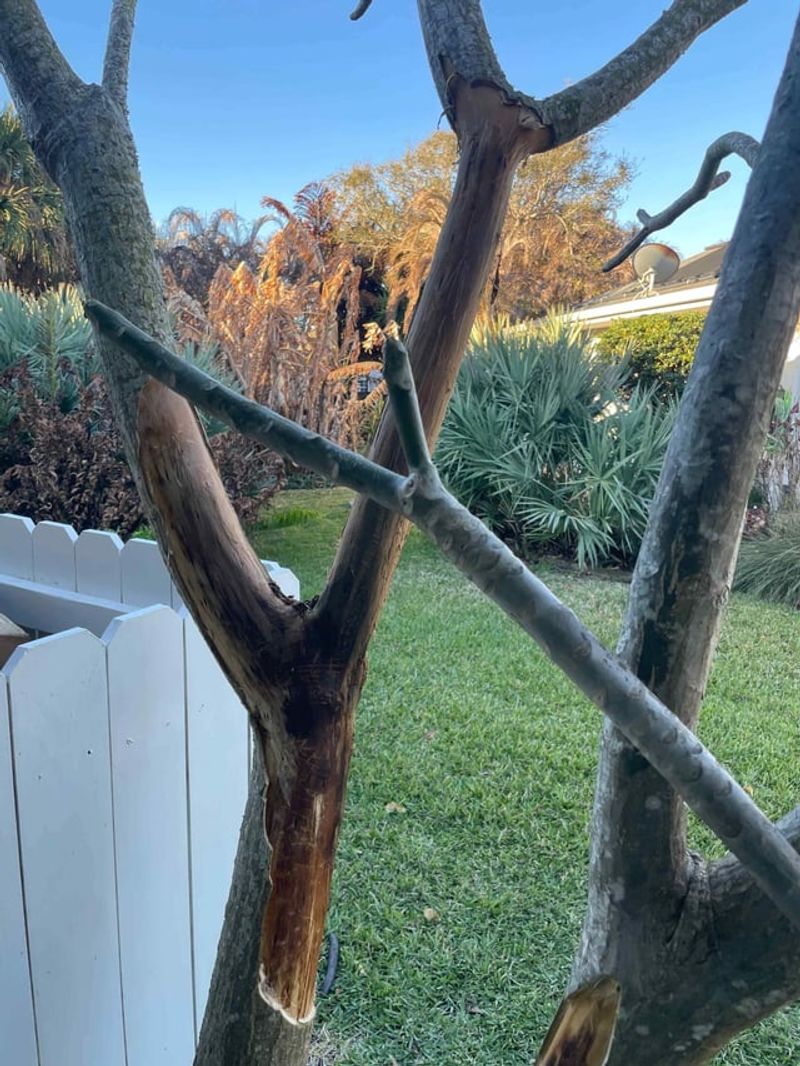
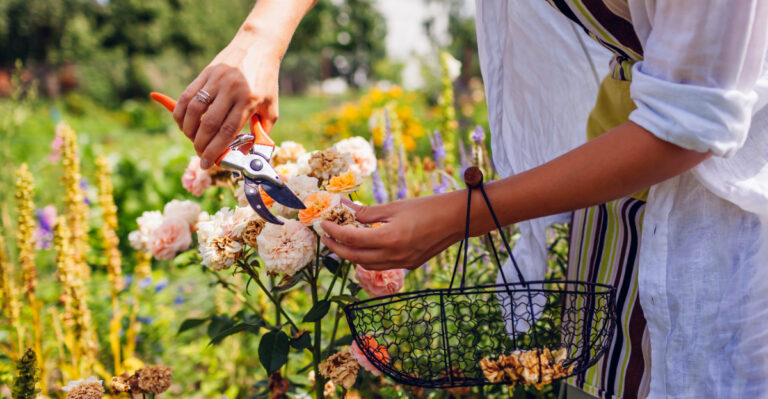
Grab the pruners only if you have a real reason to use them. Plumeria does not need routine heavy cutting, and May pruning should be purposeful rather than reflexive.
The most common reasons to prune in May are removing tips that show cold damage from winter or early spring, cutting back branches that are crossing and rubbing against each other, or shaping a plant that has grown unevenly over the past season.
Cold-damaged tips often look shriveled, discolored, or soft at the end of a branch. Cut back to healthy tissue where the interior of the stem looks firm and green or white, not brown or hollow.
Use clean, sharp pruners or loppers and wipe the blades with a clean cloth between cuts to avoid spreading any potential issues between branches.
There is no need to rush this if you are unsure, since giving the plant a few more weeks of warm weather can make it easier to identify exactly where healthy tissue begins.
Keep in mind that pruning affects where new growth emerges. Unnecessary heavy pruning in May can delay the shape or bloom display you were hoping for.
Shape lightly if needed, remove what is clearly damaged, and step back before taking more than the plant actually needs. A calm, selective approach to pruning is always better than aggressive cutting.
If a branch is healthy, symmetrical, and contributing to the plant’s overall structure, there is no benefit to removing it just because the pruners are already in your hand.
6. Watch For Rust Before Humidity Builds
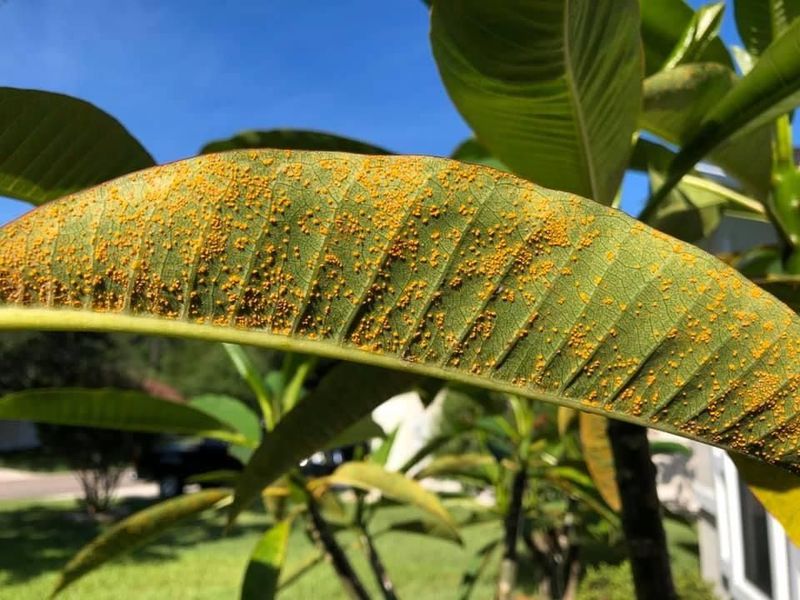
Flip a plumeria leaf over sometime this week and take a look at the underside. Small orange or yellow powdery pustules on the lower surface of leaves are the signature sign of plumeria rust, a fungal issue caused by Coleosporium plumeriae.
Florida’s warm, humid conditions can encourage rust to spread, and May is a smart time to start checking before summer humidity really intensifies. Catching it early gives you more options before the problem spreads.
Good airflow is one of the most practical defenses against rust. Containers crowded together on a patio create pockets of still, humid air that favor fungal development.
Spacing pots apart so air can circulate around the foliage is a simple and free adjustment that makes a real difference. Avoiding overhead watering, especially in the evening, also helps keep leaf surfaces drier and less hospitable to fungal spores.
Remove and dispose of badly affected fallen leaves from around the base of the plant rather than leaving them on the ground where spores can spread.
If you notice rust on multiple leaves and airflow improvements are not enough, a fungicide labeled for rust on ornamentals can be used according to label directions.
Always read and follow the label before applying any product. Not every plumeria will develop rust, and seeing a few spots does not mean the plant is in serious trouble.
Staying observant through May and into the early summer months means you can respond calmly and proportionately if rust does appear, rather than scrambling to catch up later in the season.
7. Give Containers Room Before Roots Get Stressed
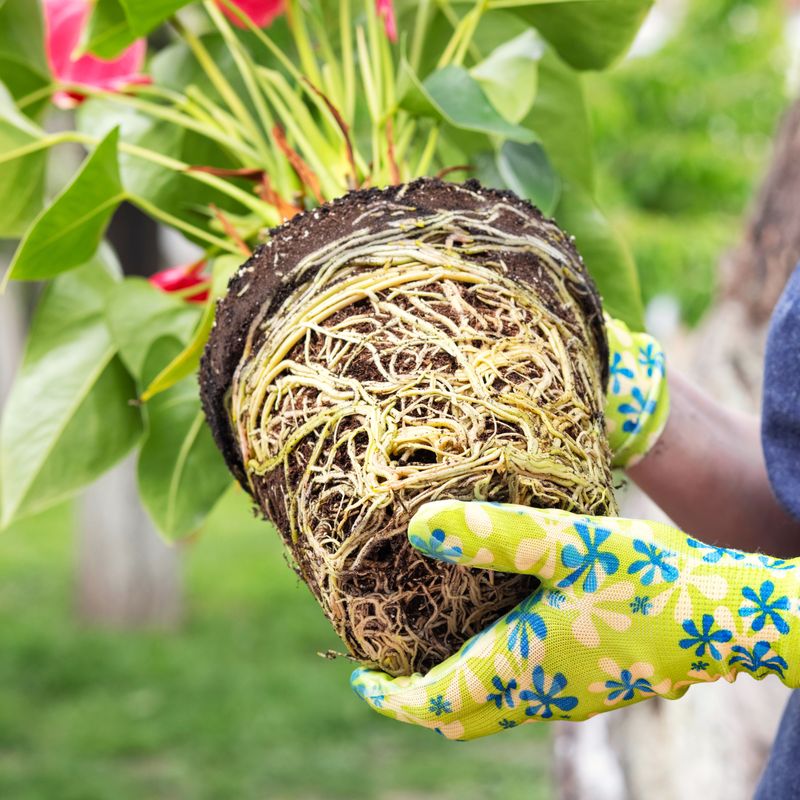
Pick up a container-grown plumeria and look at the bottom drainage holes. If you see a dense tangle of roots pushing through or circling the outside of the drainage holes, the plant has likely been in that pot long enough to need more room.
May is a practical window to address container size before Florida heat peaks and roots face added stress from heat radiating through the pot walls during the hottest months.
Moving up only one pot size at a time is the standard advice for good reason. Jumping to a much larger container fills the extra potting mix with moisture that the root system cannot absorb quickly, which can keep the mix wet for too long.
Choose a pot that is just a few inches larger in diameter than the current one. Heavier pots made from ceramic or thick-walled materials offer more stability for top-heavy plumeria stems in wind, which matters as Florida storm season approaches.
Make sure the new container has adequate drainage holes before adding any potting mix.
Even if a plant does not need a larger pot yet, May is a good time to refresh old, compacted potting mix that has broken down over one or two seasons.
Compacted mix drains poorly and holds moisture unevenly, which becomes a bigger problem as summer rains increase watering frequency.
Loosen the outer root ball gently, remove clearly damaged roots if needed, and repot into fresh, coarse, well-draining mix.
Place the repotted plant in a shaded or partially shaded spot for a few days before returning it to full sun to let it settle in without added heat stress.