These Pennsylvania Plants Create A Dense Privacy Screen Along Fences Faster Than You’d Think
Tired of making eye contact with your neighbor every time you step into your backyard? You’re not alone.
Privacy is one of the biggest things homeowners wish they had more of outdoors, and while a solid fence helps, it only goes so far. Fences have gaps, they have height limits, and they do absolutely nothing for the visual softness that makes an outdoor space actually feel like a retreat.
Plants fix all of that. The right ones grow thick and dense, fill in gaps naturally, add height without permits, and turn a basic fence line into something that genuinely blocks sightlines while looking beautiful doing it.
The best part is that some of these plants move faster than most people expect, going from a fresh planting to a serious privacy screen in a surprisingly short amount of time.
Pennsylvania’s climate is actually ideal for several fast-growing options that deliver exactly this kind of coverage without taking over your entire yard.
1. Virgin’s Bower
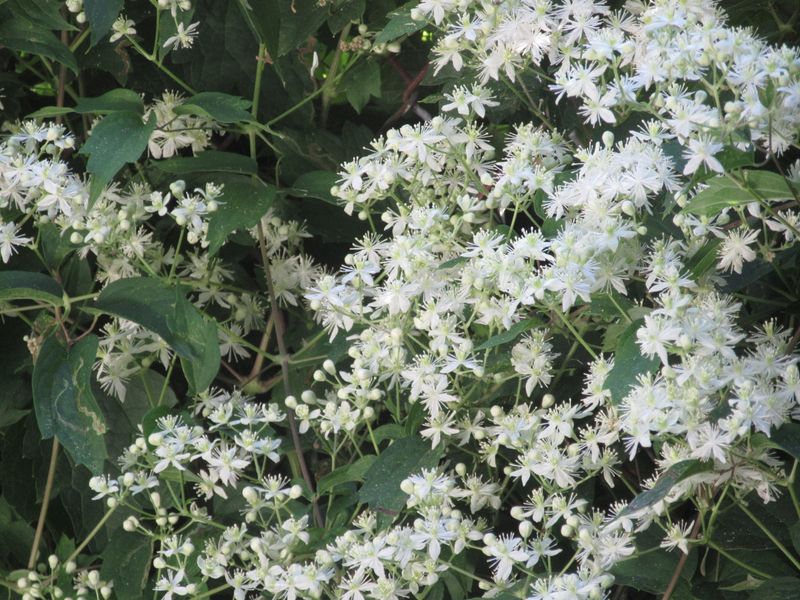
Few native vines in Pennsylvania put on a show quite like Virgin’s Bower. Known botanically as Clematis virginiana, this wild beauty is a powerhouse when it comes to covering fences fast.
Under good growing conditions, it can climb and sprawl up to 12 feet in a single season, which is almost hard to believe until you see it happening in your own yard.
The flowers are small but they come in huge numbers. Masses of tiny white blooms open up in late summer, attracting bees, butterflies, and other pollinators that will keep your garden buzzing with life.
After the flowers fade, fluffy silvery seed heads take over and stay beautiful well into fall, giving your fence a soft, feathery look that is genuinely striking.
Virgin’s Bower is native to Pennsylvania, which means it is already well adapted to local soils, rainfall patterns, and seasonal temperatures. It does not need a lot of fussing.
Give it a sturdy fence or trellis to climb, make sure it gets decent sunlight, and it will do the rest on its own.
One of the best things about this vine is that it plays nicely with local wildlife. Songbirds use the fluffy seed heads as nesting material, which adds another layer of life to your backyard ecosystem.
If you want fast, natural-looking fence coverage that supports Pennsylvania wildlife, Virgin’s Bower is a fantastic place to start.
2. American Elder
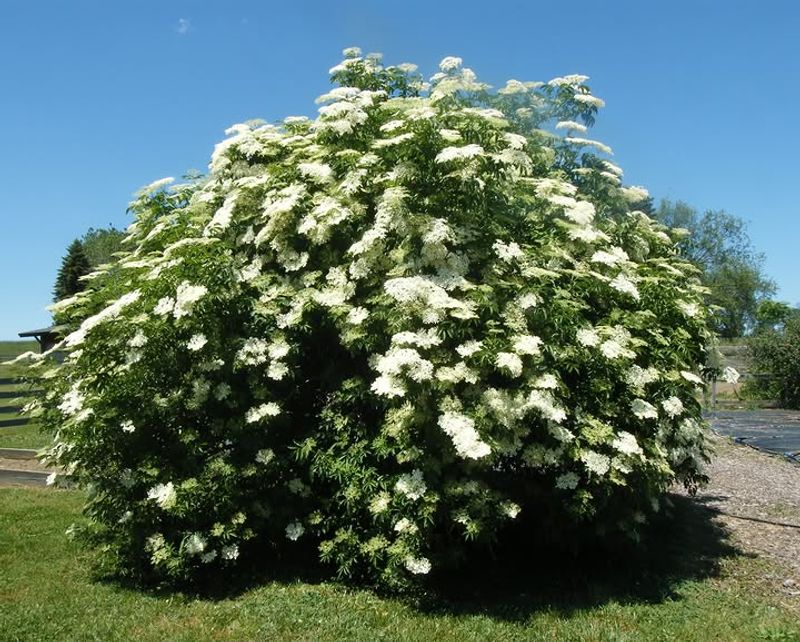
There is something almost magical about watching an American Elderberry shrub go from a small stick in the ground to a towering green wall in what feels like no time at all.
Sambucus canadensis is one of the fastest-growing native shrubs you can plant in Pennsylvania, and it earns every bit of the hype. Under good conditions, elderberry can put on six to eight feet of new growth in a single year.
That kind of speed makes it a go-to choice for homeowners who want a real privacy screen and do not want to wait around for it.
Your Pennsylvania Garden Changes Every Week. Your Plan Should Too.
Gardening in Pennsylvania changes quickly throughout the season. Every Friday you’ll receive a simple weekly plan showing exactly what to plant, prune, fertilize, harvest, and protect so you never miss the right timing.
Plant a row of elderberries along your fence line and within just a season or two, you will have a thick, leafy barrier that blocks sightlines effectively and looks completely natural doing it.
Beyond the privacy benefits, American Elder is a genuinely beautiful plant. In early summer it produces large, flat-topped clusters of creamy white flowers that smell wonderful and attract pollinators by the hundreds.
By fall those flowers have turned into drooping clusters of deep purple-black berries that birds absolutely flock to. Robins, cedar waxwings, and many other Pennsylvania bird species treat elderberry like a favorite restaurant.
Elderberry is also surprisingly unfussy about soil. It grows well in moist areas, along stream banks, and in average garden soil alike.
If you have a low-lying or wetter spot along your fence, this is the shrub to reach for first. Few plants offer this combination of speed, beauty, and wildlife value in one package.
3. Trumpet Vine
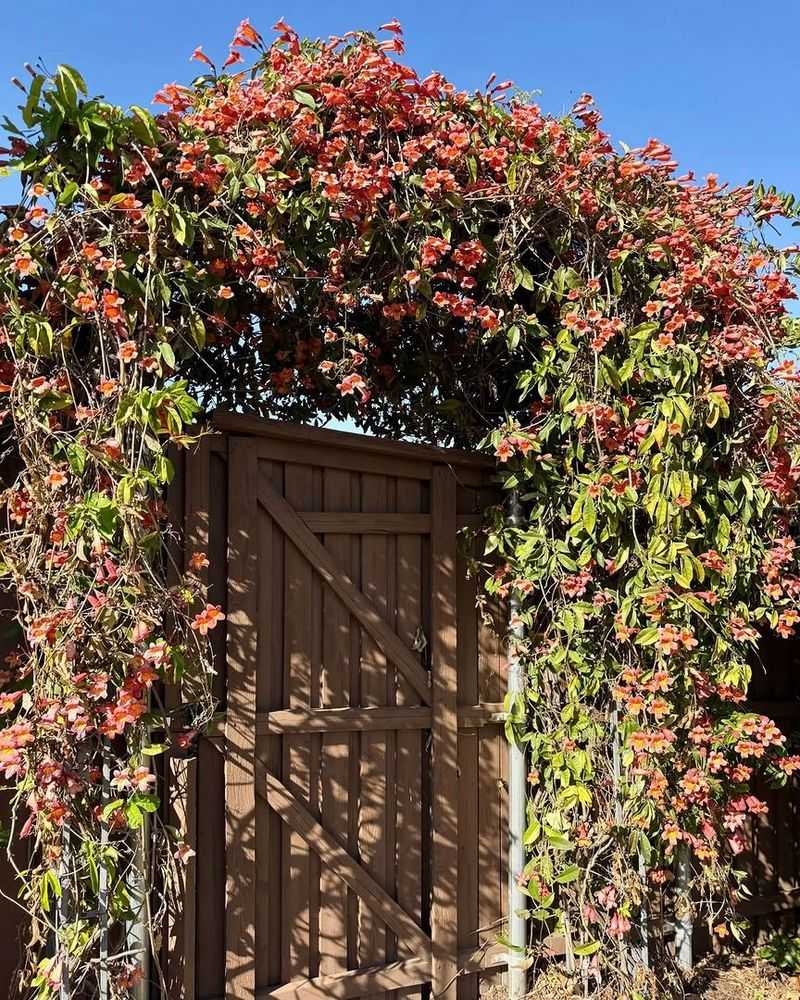
Want a vine that means business? Trumpet Vine is the plant equivalent of a freight train when it comes to covering a fence.
Campsis radicans is native to Pennsylvania and surrounding regions, and once it gets established, there is almost nothing that slows it down. The stems cling to surfaces using aerial rootlets, and the foliage builds up into a genuinely dense screen that blocks views completely.
The flowers are the showstopper. All summer long, Trumpet Vine pumps out clusters of bold orange-red blooms shaped like little trumpets.
Hummingbirds cannot get enough of them. If you want to turn your fence line into a hummingbird hotspot, planting Trumpet Vine is one of the most reliable ways to do it in Pennsylvania.
Fair warning, though: this vine does not know the meaning of restraint. It spreads enthusiastically by underground runners and can pop up in unexpected spots if you are not watching.
Regular trimming and a bit of management will keep it where you want it. For gardeners who want maximum coverage fast and do not mind a little ongoing maintenance, Trumpet Vine is absolutely worth it.
Plant it in a sunny spot for the best flowering performance. It tolerates a range of soil types and is very drought-tolerant once established, which makes it low-maintenance in many ways.
If you have a big fence to cover and you want results you can see by the end of the first full growing season in Pennsylvania, Trumpet Vine delivers in a big way.
4. Arrowwood Viburnum
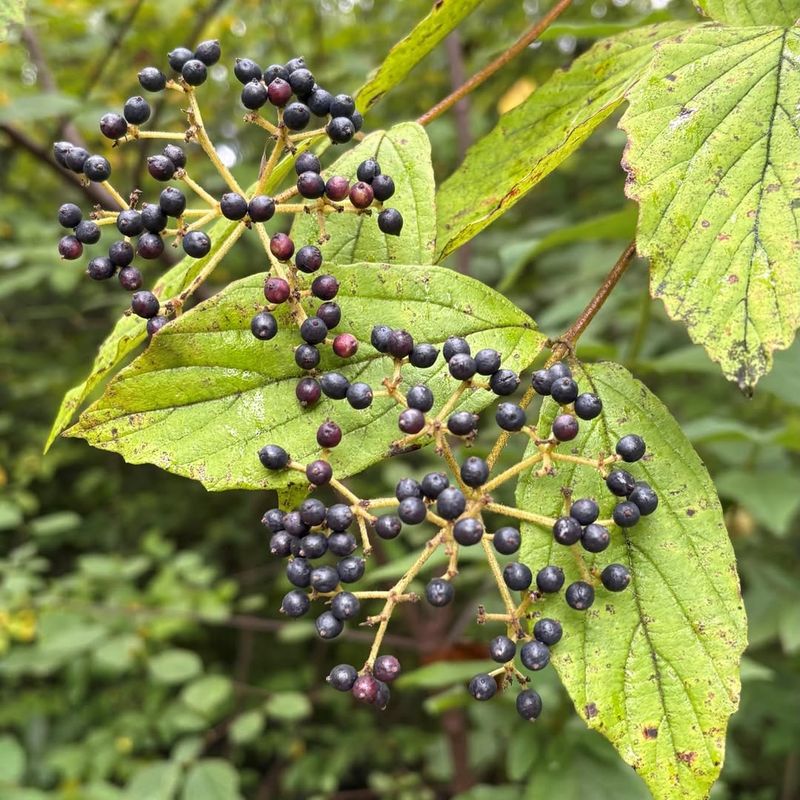
Arrowwood Viburnum is the kind of shrub that experienced Pennsylvania gardeners quietly rely on. It is not flashy in the way that some plants are, but it is rock-solid dependable, and that dependability translates into a privacy screen that gets the job done season after season.
Plant several in a row along a fence line and within two to three growing seasons they will knit together into a thick, multi-stemmed wall of green.
The seasonal show this shrub puts on is genuinely impressive. Spring brings clusters of small white flowers that pollinators adore.
By late summer and fall, those flowers have given way to glossy blue-black berries that are among the most popular bird foods in Pennsylvania. More than 35 bird species are known to eat Viburnum berries, so your fence line will become a busy wildlife corridor.
Fall color is another reason to love Arrowwood Viburnum. The leaves turn shades of brilliant red and yellow before they drop, giving your garden a warm, colorful send-off before winter.
Even without leaves in winter, the dense branching structure provides some screening and excellent bird cover.
Arrowwood Viburnum is also one of the most adaptable native shrubs you can grow in Pennsylvania. It handles both sun and part shade, tolerates a range of soil conditions, and is not fussy about moisture levels once established.
For a fence-line privacy screen that looks beautiful in every season and supports local wildlife year-round, this shrub belongs near the top of any Pennsylvania gardener’s planting list.
5. Spicebush
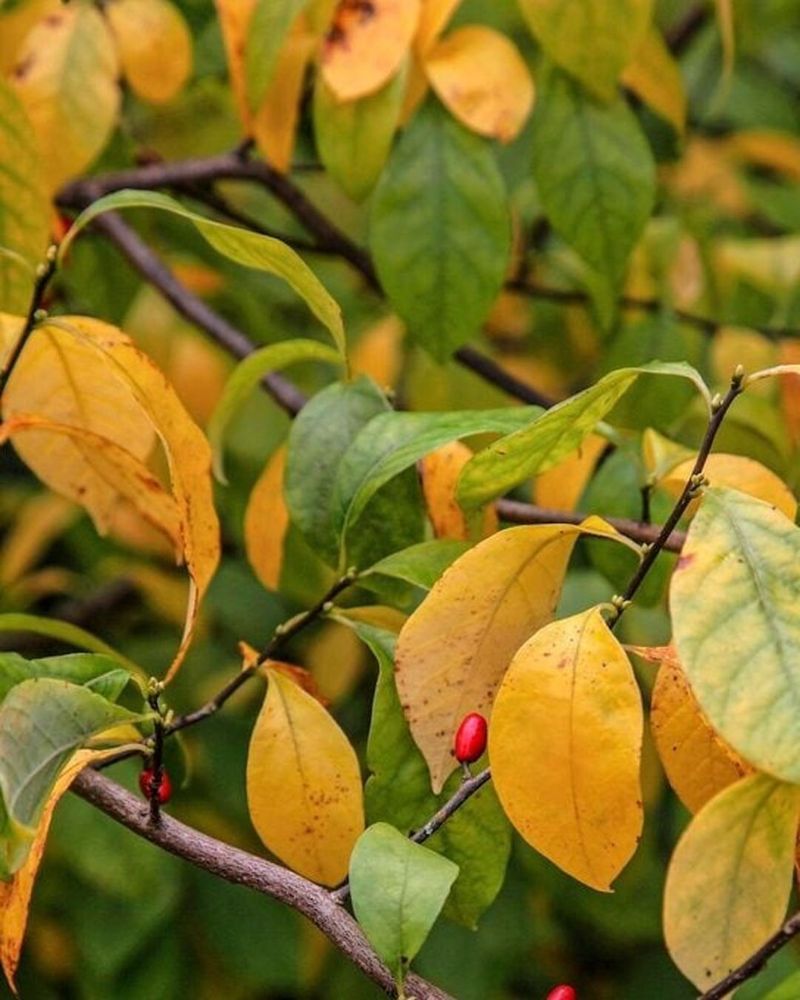
Ask most Pennsylvania gardeners about Spicebush and you might get a blank stare. That is a shame, because Lindera benzoin is one of the most underrated privacy screen plants in the entire state.
This native shrub grows into a dense, rounded form that can reach six to twelve feet tall, and it fills in along fence lines reliably and with a quiet confidence that earns serious respect over time.
One of the coolest things about Spicebush is that it is one of the very first shrubs to bloom in Pennsylvania each spring. While most of the garden is still brown and bare, Spicebush bursts out with clusters of tiny, cheerful yellow flowers that hug the branches like little suns.
It is a welcome sight after a long Pennsylvania winter and an important early food source for pollinators that are just waking up.
Come fall, the show continues in two ways. The leaves turn a gorgeous, clear yellow that practically glows in autumn light.
And bright red berries ripen on the female plants, drawing in migratory birds that need fuel for their long journeys south. Spicebush is also the sole host plant for the Spicebush Swallowtail butterfly, one of Pennsylvania’s most beautiful native butterflies.
Spicebush thrives in part shade to full shade, making it an excellent choice for fence lines that do not get a lot of direct sun. It prefers moist, rich soil but adapts well once established.
If you want a privacy screen that also supports butterflies, birds, and pollinators, Spicebush is the hidden gem Pennsylvania gardeners have been overlooking for too long.
6. Pokeweed
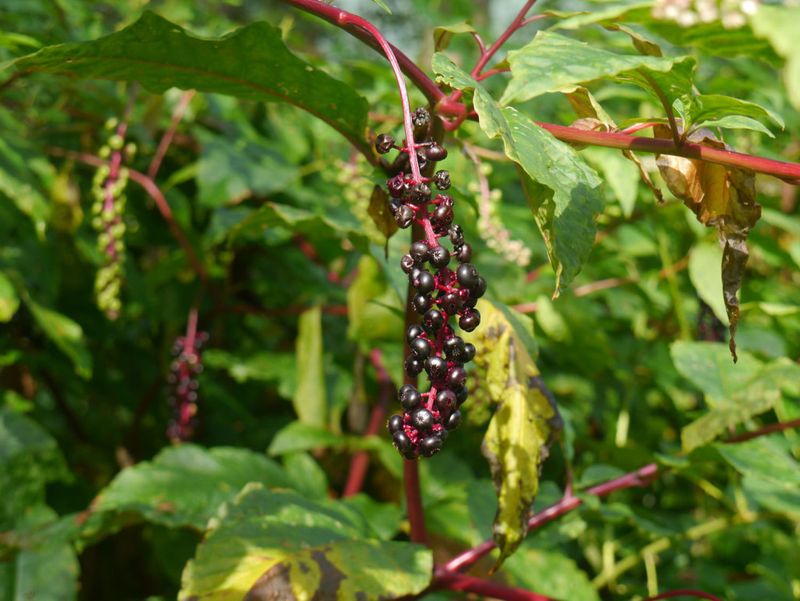
Bold, fast, and undeniably dramatic, Pokeweed is one of those plants that makes people stop and stare.
Phytolacca americana is a native Pennsylvania perennial that comes back from the ground every single year and shoots up to an incredible six to ten feet tall in just one growing season.
That kind of explosive growth means your fence line goes from bare to fully screened in a matter of months.
The leaves are enormous and tropical-looking, giving your garden a lush, almost jungle-like feel that is hard to achieve with any other native plant in Pennsylvania.
When the dark purple berries ripen on their vivid magenta-red stems in late summer and fall, the whole plant looks like a piece of living artwork.
Birds go absolutely wild for those berries and will flock to your fence line in impressive numbers.
One thing every gardener needs to know before planting Pokeweed: all parts of the plant are toxic if eaten. The roots, berries, and leaves should never be ingested by people or pets.
For that reason, Pokeweed is best suited for gardens without young children or curious animals who might chew on plants. In the right setting, however, it is a spectacular and completely hassle-free privacy solution.
Because it is a perennial, Pokeweed comes back reliably every year without replanting. It grows in a wide range of soils and tolerates both sun and part shade.
If you want a fast, striking, and low-maintenance privacy screen along a Pennsylvania fence and your space is safe for it, Pokeweed is worth every square inch it takes up.
7. Switchgrass
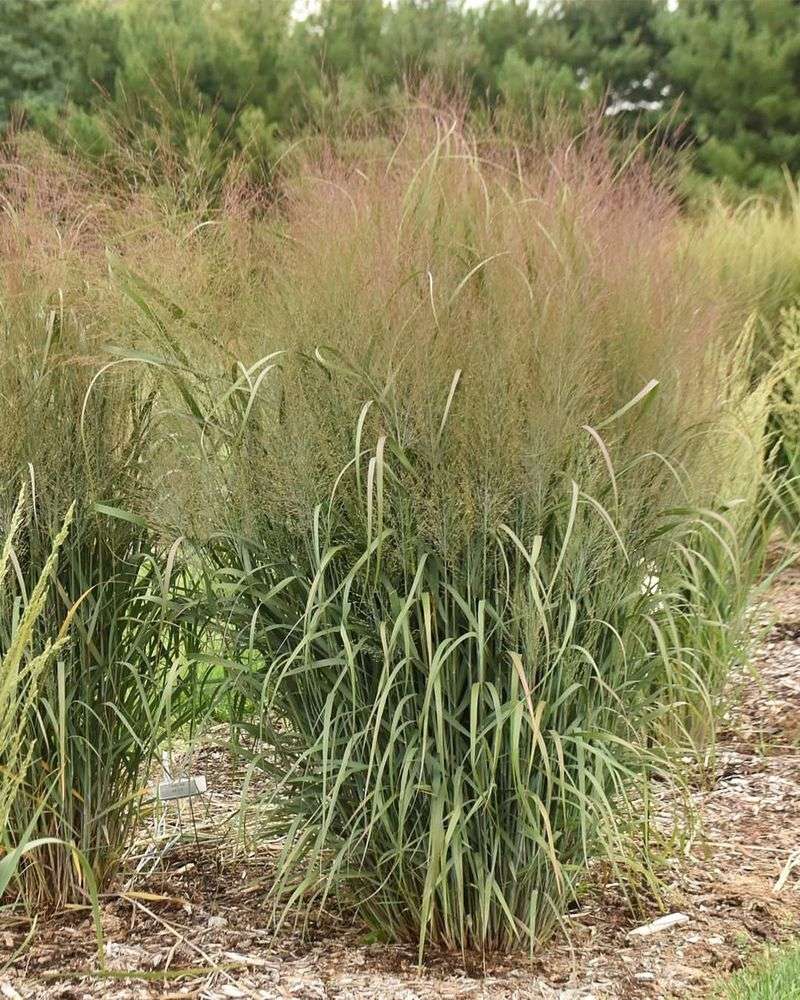
Not every privacy screen has to be made of shrubs and vines. Switchgrass proves that a native grass can hold its own as a fence-line privacy plant, and it does so with a grace and movement that no woody plant can match.
Panicum virgatum is native to Pennsylvania and grows quickly into tall, dense clumps that reach four to six feet in height, creating a soft but surprisingly effective visual barrier.
Plant Switchgrass in a continuous row along your fence and by midsummer you will have a flowing, feathery wall of green that sways gently with every breeze. There is something genuinely calming about watching it move.
In late summer the plants send up airy seed heads that catch the light beautifully and provide food for birds through fall and winter.
When temperatures drop in Pennsylvania and the rest of the garden starts looking tired, Switchgrass hits its stride. The foliage shifts to warm shades of gold, orange, and red that rival any fall shrub for color.
Even in winter the dried stems and seed heads stand upright, adding structure and interest to the garden and giving birds a place to forage for seeds during cold months.
Switchgrass is also one of the most adaptable plants you can grow in Pennsylvania. It thrives in full sun, handles both wet and dry soils, and needs very little maintenance beyond cutting it back to the ground in late winter.
For a low-effort, high-impact privacy screen that looks stunning in every season, Switchgrass is a smart and beautiful choice for any Pennsylvania fence line.