9 Long Lasting Crops That Grow Year After Year In Georgia
Spring in Georgia starts out strong, with beds filling in and early harvests looking promising. Weeks pass, and something feels a little off even though nothing obvious has gone wrong.
A patch that produced well last year looks thinner now, or a favorite crop just does not return the way it once did. Small changes like that are easy to brush off at first.
Plenty of gardeners notice this shift but are not sure what caused it. Soil looks the same, care has not changed much, yet results slowly decline over time.
Frustration builds when effort stays steady but yields do not.
There is a reason some crops seem to come back stronger every year while others fade out. Choosing the right long lasting plants can make a big difference, especially in Georgia conditions.
1. Horseradish Regrows Easily And Spreads Over Time
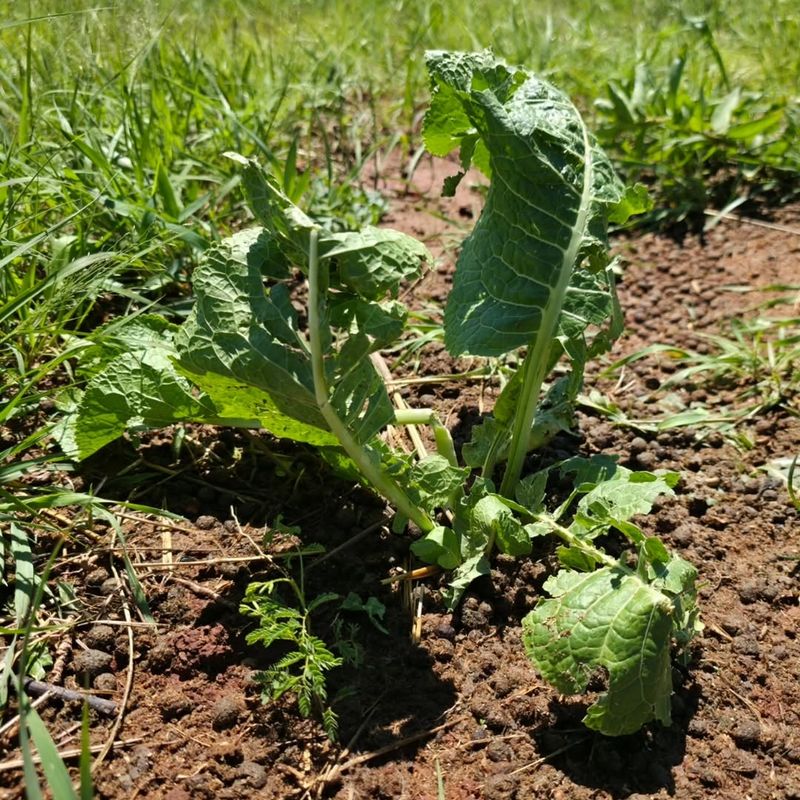
Once you plant horseradish in Georgia, plan on having it around for a very long time. Roots left in the ground after harvest will sprout new plants the following spring without any help from you.
It spreads steadily, so give it a dedicated spot where it has room to roam.
Horseradish prefers full sun and deep, loose soil that lets the roots grow straight and wide. Rocky or compacted ground produces gnarled roots that are harder to harvest and process.
Work the soil down at least 12 inches before planting root cuttings.
In Georgia, horseradish handles the heat reasonably well as long as it gets consistent moisture during the hottest months. Mulching around the base helps hold moisture and keeps soil temperatures from swinging too much in summer.
Harvest roots in fall after the first frost, when the flavor is sharpest and most pungent. Leave some root pieces in the ground and new growth will emerge come spring.
Over several seasons, one small planting can expand into a generous patch that keeps producing without replanting.
New shoots come up fast once soil warms, so early growth often surprises gardeners who forgot it was there.
Keeping the patch contained prevents it from pushing into nearby beds where it can be harder to manage.
A sharp spade helps lift roots cleanly at harvest without breaking them into too many pieces.
2. Asparagus Returns Each Year And Produces For Decades
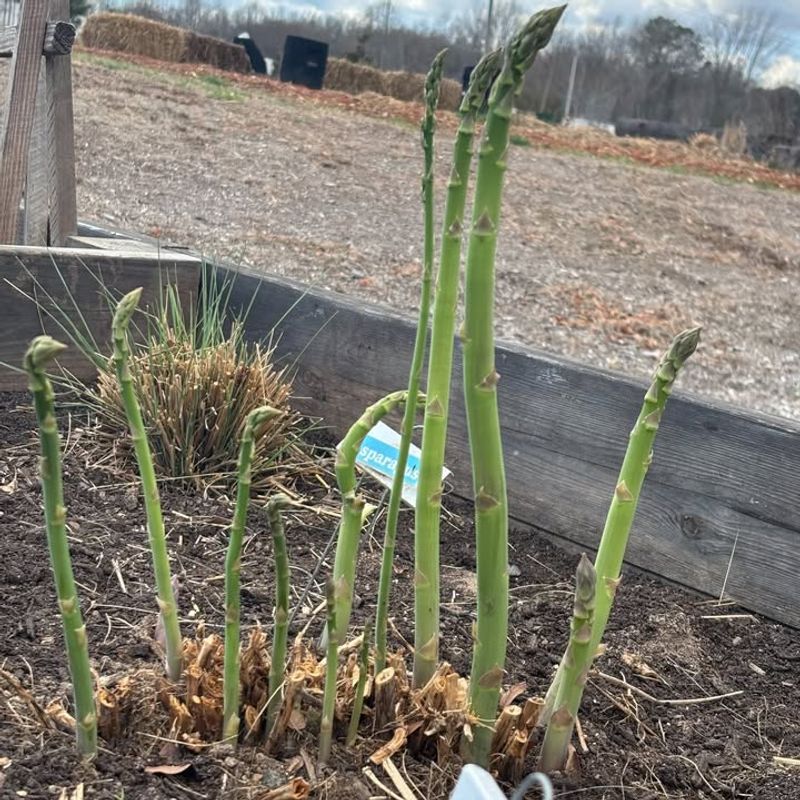
Asparagus is the long game of the garden world. Plant it once in Georgia, and it can keep producing for 20 to 30 years with minimal fuss.
That kind of payoff is hard to beat in any food garden.
Getting started takes a little patience. Asparagus crowns need about two to three years before you should harvest heavily, but once established, the roots go deep and the plant becomes incredibly self-sufficient.
Georgia’s relatively mild winters allow the crowns to overwinter without much protection.
Choose a sunny, well-drained spot and amend your soil with compost before planting. Sandy loam works well in many parts of Georgia.
Avoid low-lying areas where water pools after rain, since wet roots can cause rot.
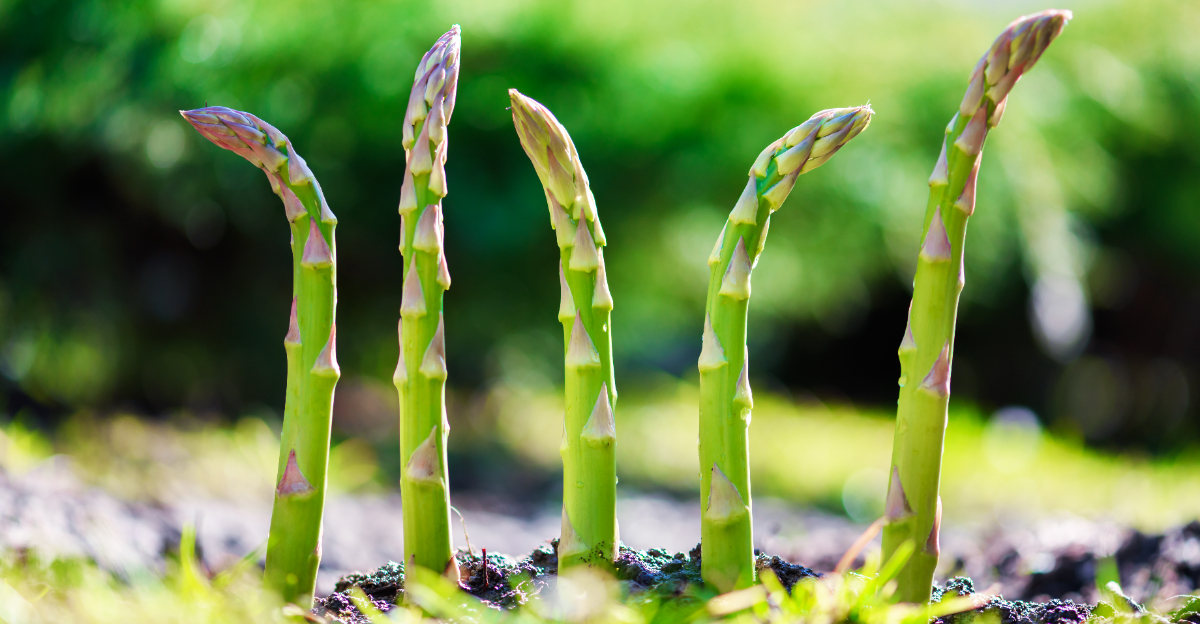
Harvest spears in spring when they reach about six to eight inches tall. Stop harvesting by early summer and let the fronds grow out to feed the roots for next year.
Your Georgia Garden Changes Every Week. Your Plan Should Too.
Gardening in Georgia changes quickly throughout the season. Every Friday you’ll receive a simple weekly plan showing exactly what to plant, prune, fertilize, harvest, and protect so you never miss the right timing.
A little fertilizer in fall goes a long way toward keeping your patch productive season after season.
Spacing crowns properly at planting gives each plant room to develop strong roots over time.
Keeping the bed free of weeds helps reduce competition and keeps production steady year after year.
3. Jerusalem Artichokes Come Back Strong Every Year
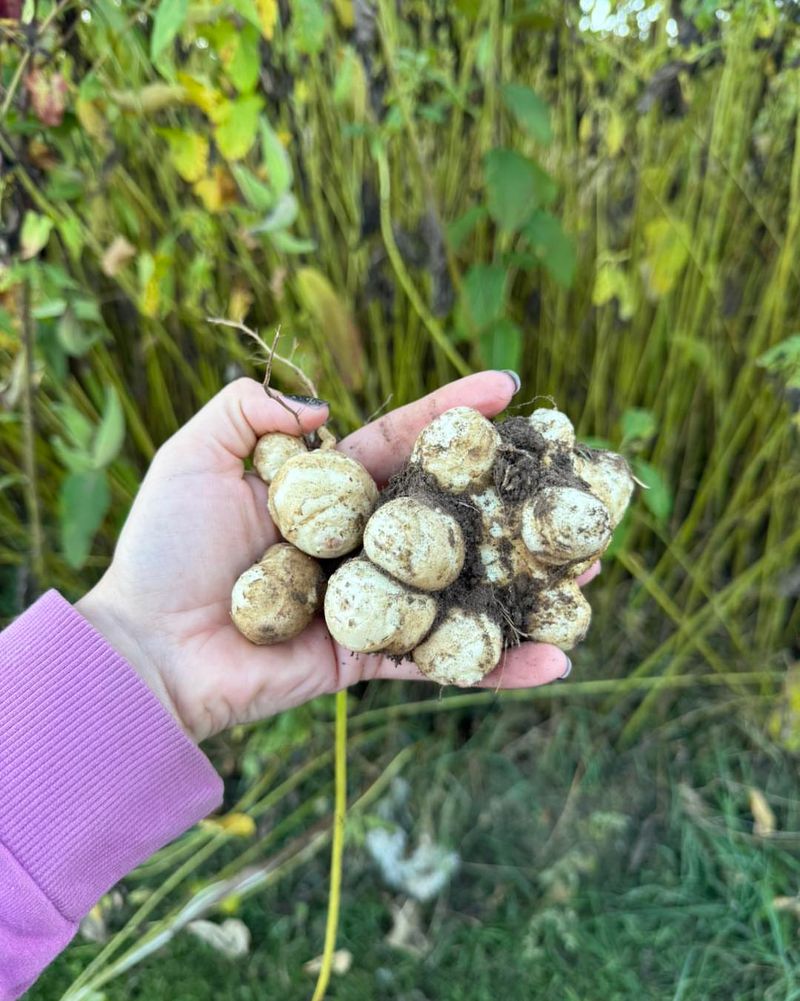
Jerusalem artichokes might just be the most enthusiastic plant you ever put in the ground. They grow tall, bloom with cheerful yellow flowers, and produce knobby tubers underground that you can eat all winter long.
Georgia’s climate suits them very well.
Also called sunchokes, these plants are related to sunflowers and can reach six to ten feet in height. Plant tubers in spring in a spot where tall plants will not shade out your other crops.
They are vigorous growers and will spread if you let them, so some gardeners use raised beds or buried barriers to keep them contained.
Harvest tubers in fall after the tops begin to fade. Any tubers left in the soil will sprout again the following year, making them truly low-maintenance once established.
Georgia’s winters are mild enough that tubers left in the ground survive without mulching in most areas.
Sunchokes have a mildly sweet, nutty flavor and work well roasted, sliced raw into salads, or made into soup. One planting can easily supply a household for years with very little ongoing attention beyond occasional thinning.
Tall stems can lean in windy spots, so a simple support or sheltered placement helps keep them upright.
Loosening the soil before harvest makes it easier to pull tubers without leaving too many behind.
4. Walking Onions Multiply And Replant Themselves
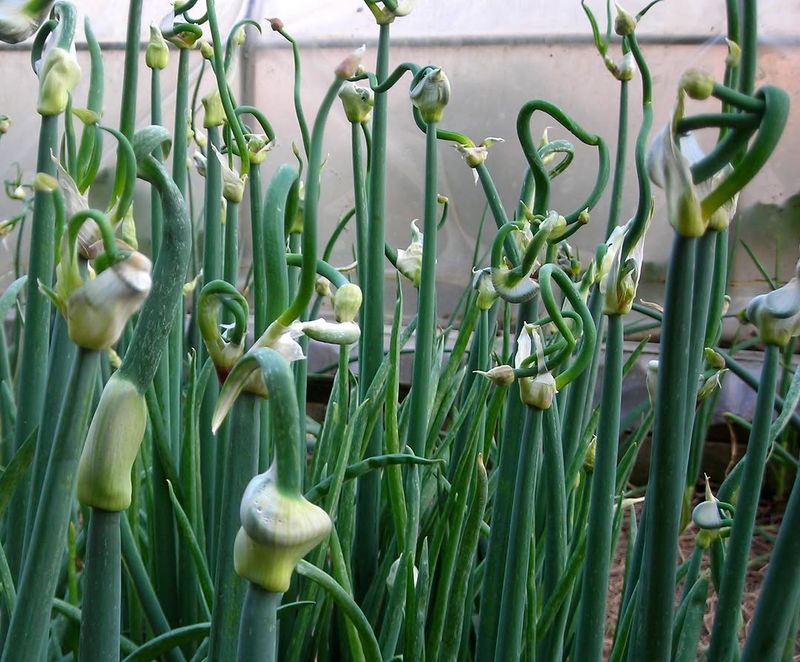
Walking onions earn their name in the most literal way possible. Bulblets form at the top of each stalk, get heavy, bend to the ground, and root themselves right there, slowly walking across your garden bed season after season.
It is one of the most self-sufficient vegetables you can grow in Georgia.
Plant sets or bulblets in fall for best results. They overwinter easily across most of Georgia and begin sending up fresh green shoots in late winter, often before anything else in the garden stirs.
That early start makes them incredibly useful for spring cooking.
Both the green tops and the small underground bulbs are edible and have a sharp, punchy onion flavor. Harvest the greens throughout spring and early summer.
Collect topset bulblets in summer to replant, trade with neighbors, or simply let them fall and root on their own.
Walking onions ask for very little. Good drainage, reasonable sunlight, and occasional weeding are about all they need.
Over a few seasons in Georgia, a small patch can spread into a reliable, self-sustaining supply of onions that practically manages itself.
Clumps can get crowded over time, so dividing them every few years helps keep growth strong.
Well-spaced plants produce better bulbs and make harvesting easier throughout the season.
5. Garlic Chives Return Each Year And Keep Producing
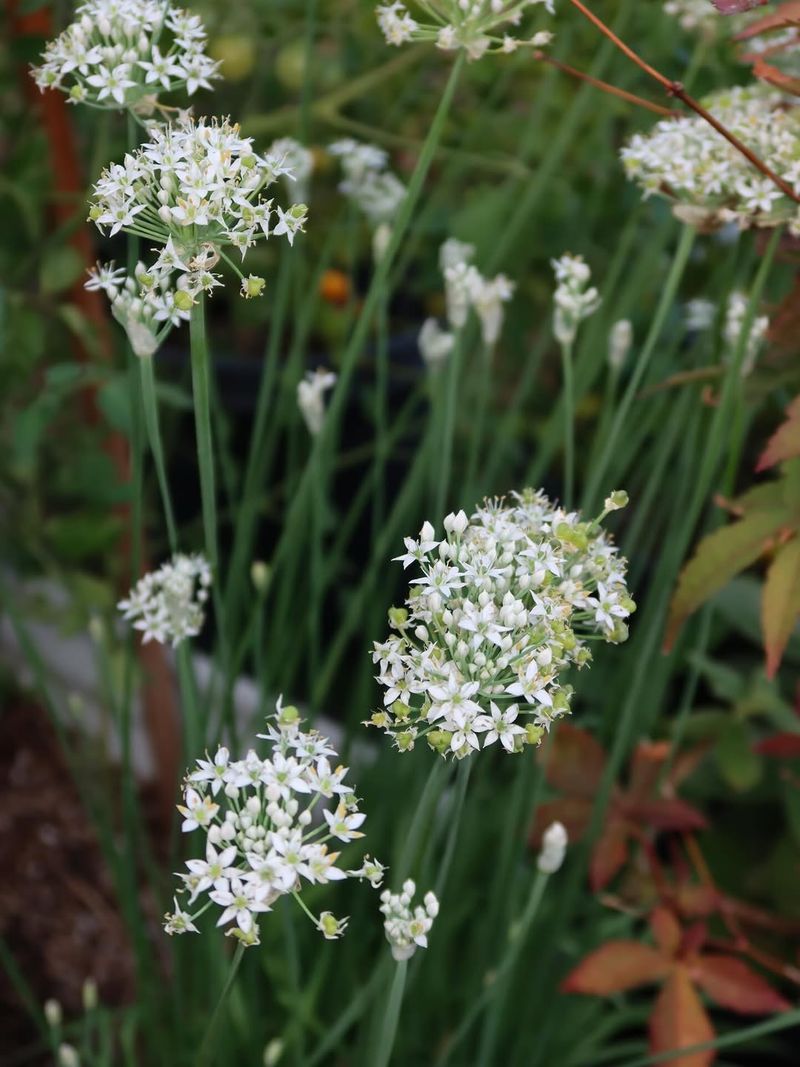
Garlic chives bring a mild garlicky punch to any dish, and once they are settled into a Georgia garden, they come back reliably every single year. Unlike regular garlic, you do not need to replant them each season.
The clumps simply grow larger and more productive over time.
Flat, grass-like leaves emerge in early spring and can be snipped repeatedly throughout the growing season without harming the plant. By midsummer, pretty white flowers appear on tall stems.
Those flowers attract pollinators and are edible too, making them a smart and beautiful addition to any garden space.
Garlic chives tolerate Georgia’s summer heat better than many herbs. Full sun is ideal, but they manage in partial shade as well.
Water them during dry spells, but avoid overwatering since they prefer soil that dries out a bit between waterings.
One thing to keep in mind: garlic chives self-seed freely. Deadhead the spent flowers if you want to control their spread, or let them go to seed and fill in a larger area naturally.
Either way, you will have a steady supply of fresh, flavorful leaves from spring through fall across Georgia.
6. Sorrel Regrows Quickly And Provides Continuous Harvests
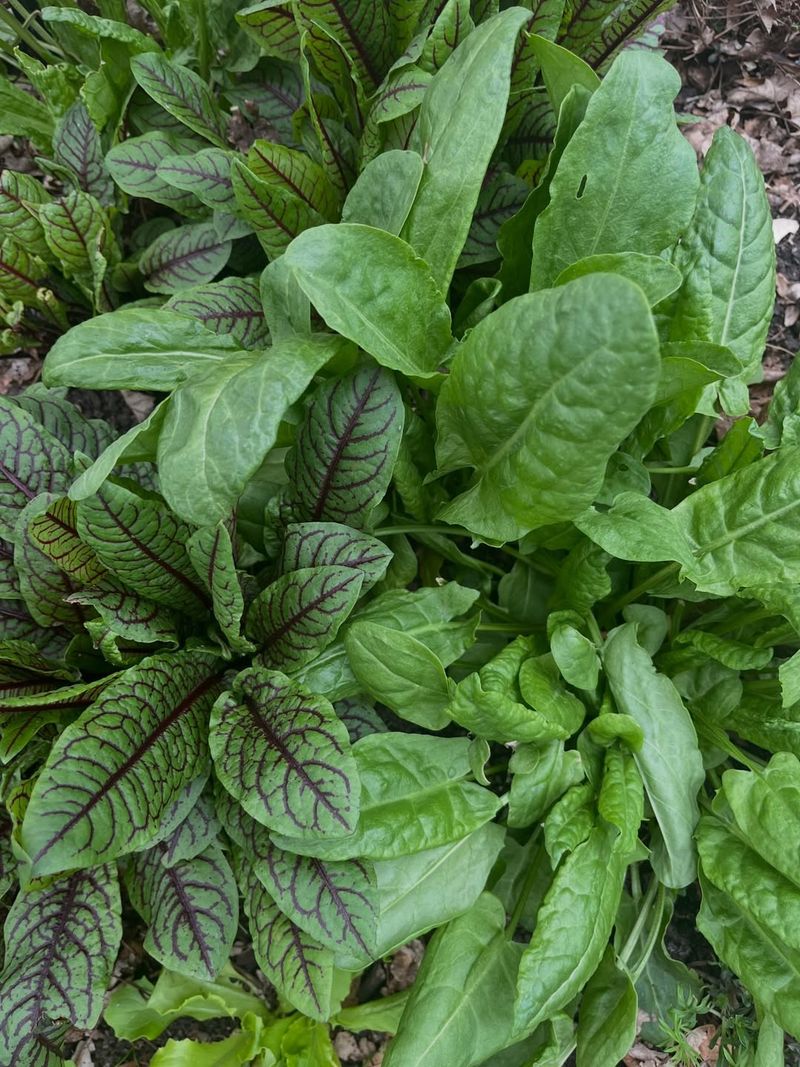
Sorrel is one of those plants that most Georgia gardeners have never tried but absolutely should. Broad, arrow-shaped leaves carry a bright, lemony tartness that wakes up salads, soups, and sauces in a way few other greens can match.
Best of all, it comes back year after year without replanting.
Plant sorrel in a spot with morning sun and some afternoon shade, especially in Georgia where summer afternoons get brutally hot. Too much direct midday sun can cause the leaves to bolt quickly and turn bitter.
A little shade goes a long way toward keeping the harvest going longer into summer.
Cut leaves regularly to encourage fresh growth. Sorrel bounces back fast after harvesting, often producing new leaves within days of being cut.
If the plant bolts and sends up a flower stalk, cut it back to the base and it will regrow with fresh, tender leaves.
Sorrel is also one of the earliest greens to emerge in Georgia spring gardens, sometimes popping up while nights are still chilly. That early harvest window makes it especially valuable when the garden is still waking up and fresh produce options are limited.
7. Mint Spreads And Comes Back Strong Each Year
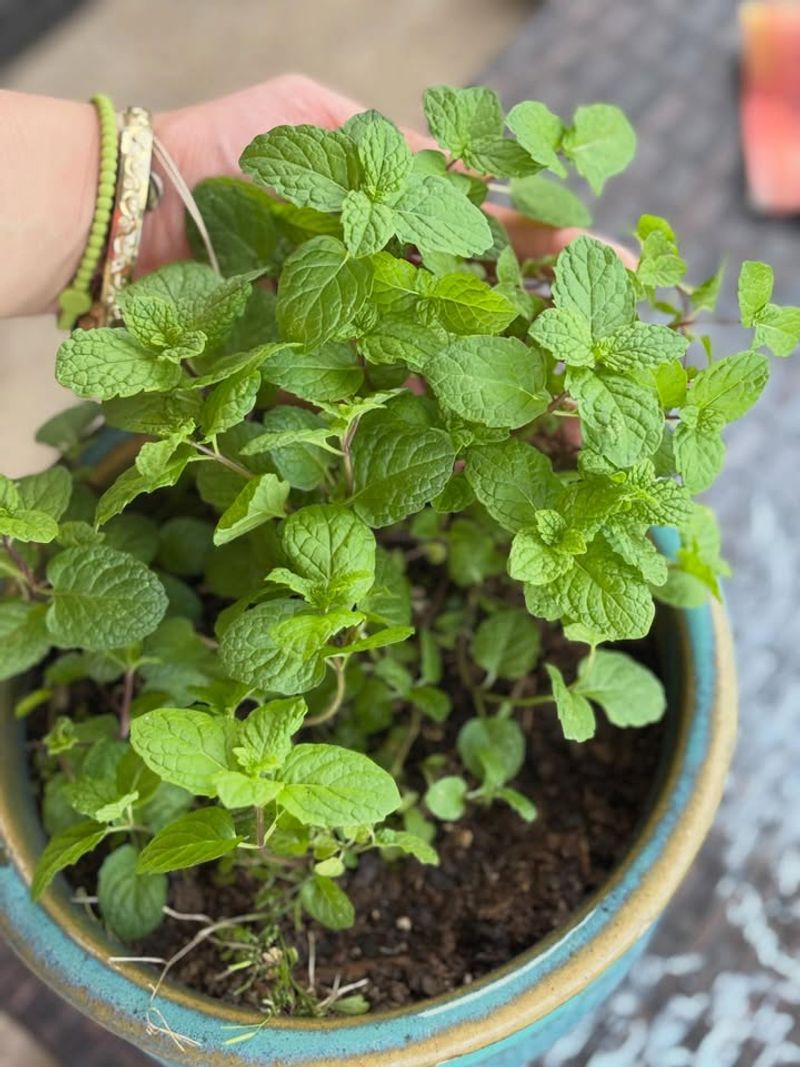
Mint does not just come back every year in Georgia, it comes back with attitude. Left unchecked, it will happily take over a garden bed, a pathway, or a neighboring planter.
That aggressive energy is actually a feature if you know how to work with it.
Growing mint in containers is a smart move for Georgia gardeners who want the herb without the takeover. Sink the pot into the ground to keep the plant accessible while the container walls hold the roots in check.
You still get vigorous growth, just in a more manageable footprint.
Georgia’s warm climate means mint can produce fresh leaves for a surprisingly long stretch of the year. It slows down in the coldest weeks of winter but rarely disappears completely in most parts of the state.
By late February or early March, new shoots are already pushing up from established roots.
Spearmint and peppermint are the most common varieties, but Georgia gardeners also have luck with chocolate mint, apple mint, and lemon mint. Each has a slightly different flavor profile.
Harvest frequently by pinching stems just above a leaf node to keep plants bushy and productive all season long.
8. Oregano Returns Each Year And Handles Heat Well
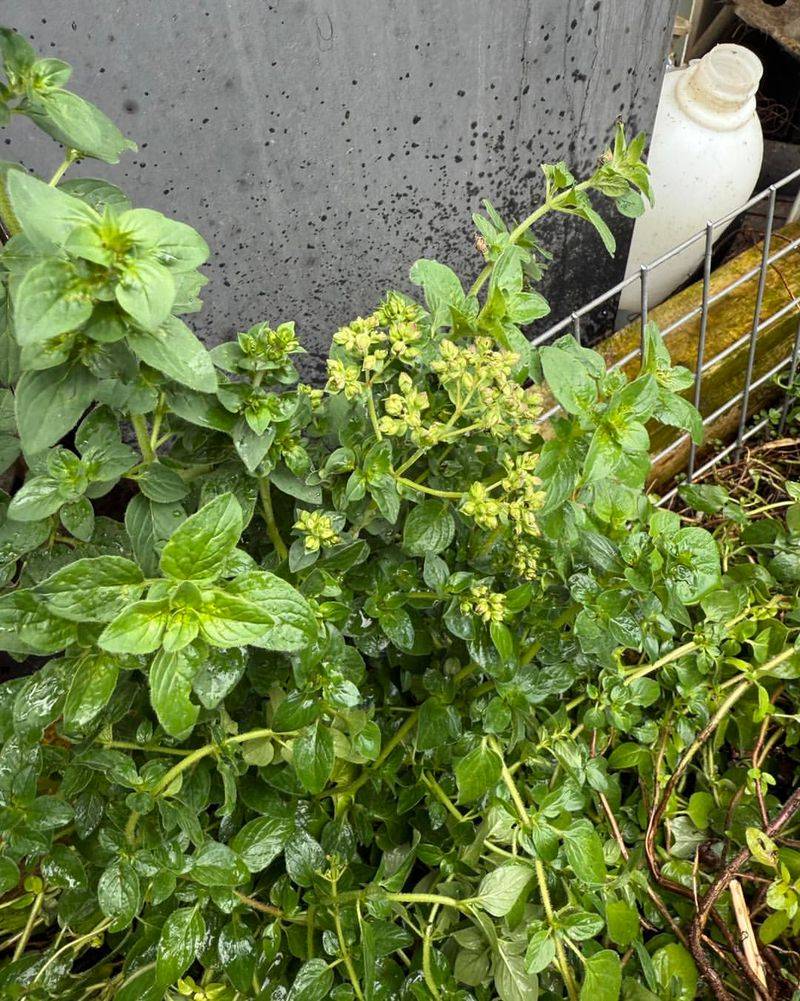
Oregano laughs at Georgia summers. While other herbs wilt and struggle through August heat, oregano just keeps growing, often looking better in midsummer than it did in spring.
That kind of heat tolerance makes it one of the most reliable perennial herbs you can plant in Georgia.
Greek oregano is the variety most cooks reach for, and it happens to be the most cold-hardy type as well. In Georgia, it survives winter without any special protection in most parts of the state.
Plants may fade back slightly in the coldest weeks, but they bounce back quickly once temperatures climb again.
Full sun and sharp drainage are the two things oregano truly needs to thrive. Avoid planting it in heavy clay without amending the soil first, and never let water sit around the roots.
Sandy or loamy soil in a sunny raised bed creates nearly ideal conditions.
Harvest stems regularly by cutting back about one-third of the plant at a time. Regular cutting keeps the plant from getting woody and encourages fresh, tender growth.
Dry extra harvests by bundling stems and hanging them upside down indoors. Dried oregano from your own Georgia garden tastes far better than anything from a grocery store shelf.
9. Thyme Comes Back Each Year And Stays Productive
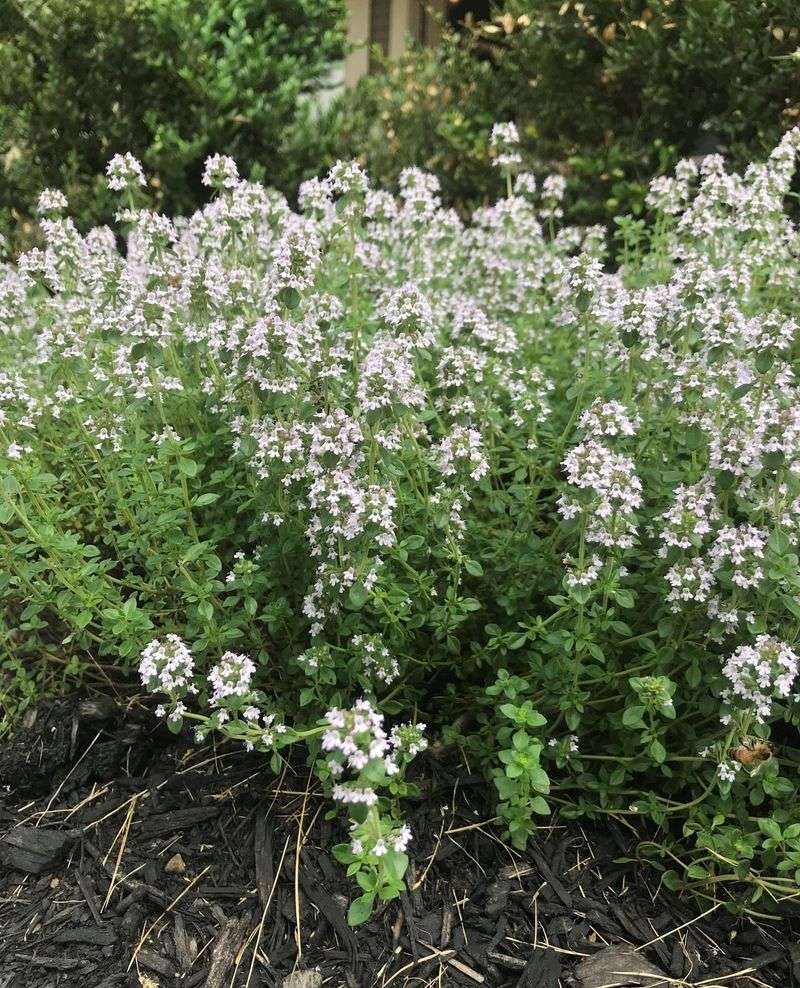
Planted once and forgotten in the best possible way, thyme is a quiet workhorse in the Georgia herb garden. Year after year, it pushes out fresh aromatic growth without demanding much from the gardener.
A little sunlight and decent drainage are nearly all it asks for.
English thyme is the most commonly grown variety and holds up well through Georgia winters. Lemon thyme is another solid choice, offering a citrusy twist that works beautifully in poultry dishes and marinades.
Both types form low, spreading mounds that look attractive even when not in active harvest.
Thyme prefers lean soil over rich, heavily amended beds. Too much fertilizer actually reduces the concentration of essential oils in the leaves, making the herb less flavorful.
Skip the heavy composting and let thyme grow a little on the lean side for the best flavor.
In Georgia, thyme can be harvested almost year-round during mild winters. Cut stems back by about one-third after the plant flowers each summer to keep growth compact and fresh.
Avoid cutting into the woody base, which does not regenerate as readily as the newer green stems. A well-tended thyme plant can remain productive for five years or more in Georgia gardens.