7 Unique Perennials To Plant During May In Pennsylvania
May in Pennsylvania hits differently than any other month in the gardening calendar. The soil has finally warmed up, the threat of a late frost has mostly passed, and there’s this genuine sense of possibility in the air that makes you want to get outside and actually do something with your garden.
It’s the kind of month that turns casual gardeners into seriously enthusiastic ones. Most people spend that energy grabbing the same perennials they always buy, which is fine, but it’s also a missed opportunity.
May is actually the perfect time to try something a little outside the usual, plants that bring unexpected texture, unusual color combinations, or growth habits that make your garden stand out from every other yard on the street.
Pennsylvania’s climate in May gives new perennials exactly the kind of gentle start they need to establish strong roots before summer arrives. This is the month to get a little more adventurous with your choices.
1. Blue Wild Indigo
Some plants earn a permanent place in the garden, and blue wild indigo is one of them. May is the perfect time to get this stunning native perennial established in a Pennsylvania garden, right before the magic begins.
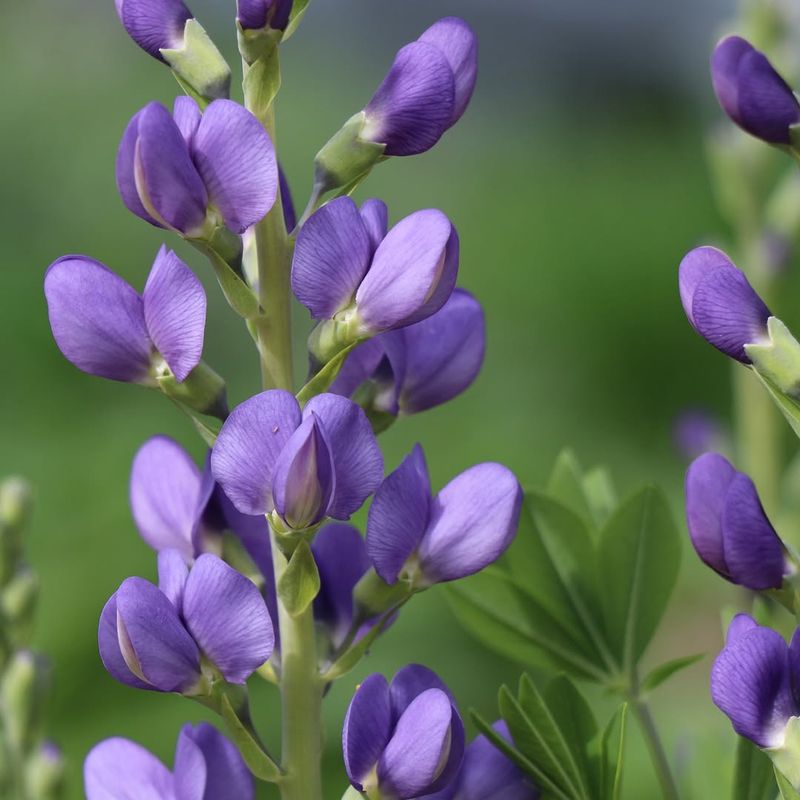
Those deep blue-purple flower spikes emerge in late spring and genuinely stop people in their tracks the first time they see them.
What makes this plant so remarkable is its staying power. Once planted, blue wild indigo comes back stronger and more beautiful every single year.
Some plants are known to survive and thrive for 50 years or more in the same spot, making it one of the longest-lived perennials you can grow in Pennsylvania.
It is slow to establish during the first year or two, so patience is important. Do not expect a massive show right away.
But by year three or four, the plant fills out beautifully and rewards you with an absolutely breathtaking display each spring.
Blue wild indigo also has impressive drought tolerance once established, which makes it a smart choice for Pennsylvania gardeners dealing with dry summers. The blue-green foliage looks attractive all season long, even after the flowers fade.
The seed pods that follow the blooms are dark, inflated, and interesting in their own right, often used in dried flower arrangements.
Plant it in full sun in well-drained soil and give it room to spread over the years. It is a plant that truly earns its space.
2. Culver’s Root
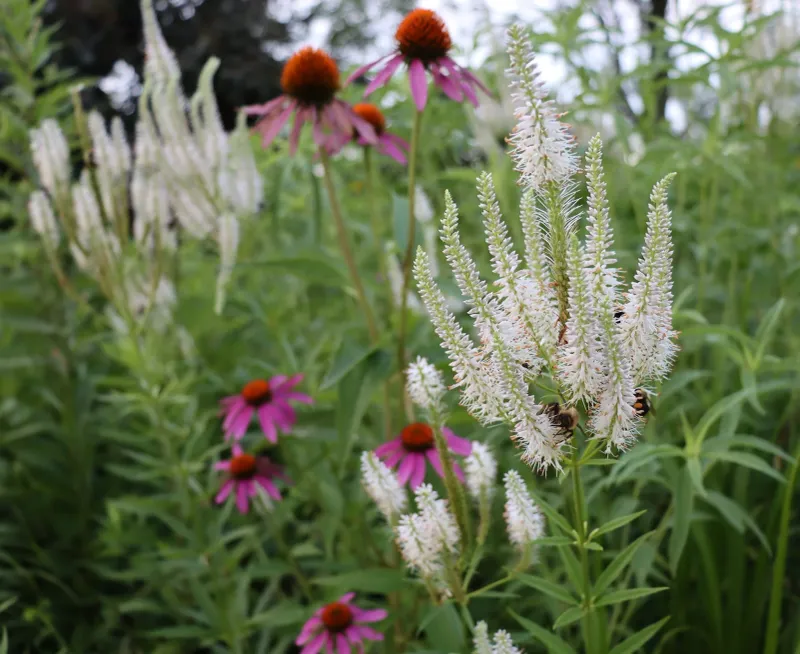
Walk through most Pennsylvania gardens and you will see the same plants repeated over and over. Culver’s root is not one of them.
This tall, architectural native perennial is genuinely unlike anything most gardeners have growing in their yards, and planting it in May gives it the perfect head start before its spectacular midsummer show begins.
The flowers are something special. Culver’s root produces elegant candelabra-like spikes of tiny white blooms on stems that can easily reach four to six feet tall.
The effect is refined and dramatic at the same time, like something you would see in a high-end botanical garden. It adds serious vertical structure to any Pennsylvania garden bed.
Your Pennsylvania Garden Changes Every Week. Your Plan Should Too.
Gardening in Pennsylvania changes quickly throughout the season. Every Friday you’ll receive a simple weekly plan showing exactly what to plant, prune, fertilize, harvest, and protect so you never miss the right timing.
Bumblebees and butterflies are absolutely wild about this plant. On a warm summer day, the flower spikes are buzzing with activity, making Culver’s root one of the best pollinator plants you can grow in Pennsylvania.
Watching the wildlife it attracts is half the fun of growing it. It grows best in full sun to light shade and prefers moist, fertile soil.
Along a rain garden, a pond edge, or a naturally damp low spot in a Pennsylvania yard, it is absolutely in its element.
It does not need staking despite its height, which is a real bonus for low-maintenance gardeners. Give it space, keep the soil reasonably moist, and Culver’s root will reward you with years of stunning late-season beauty and non-stop pollinator activity.
3. Yellow Waxbells
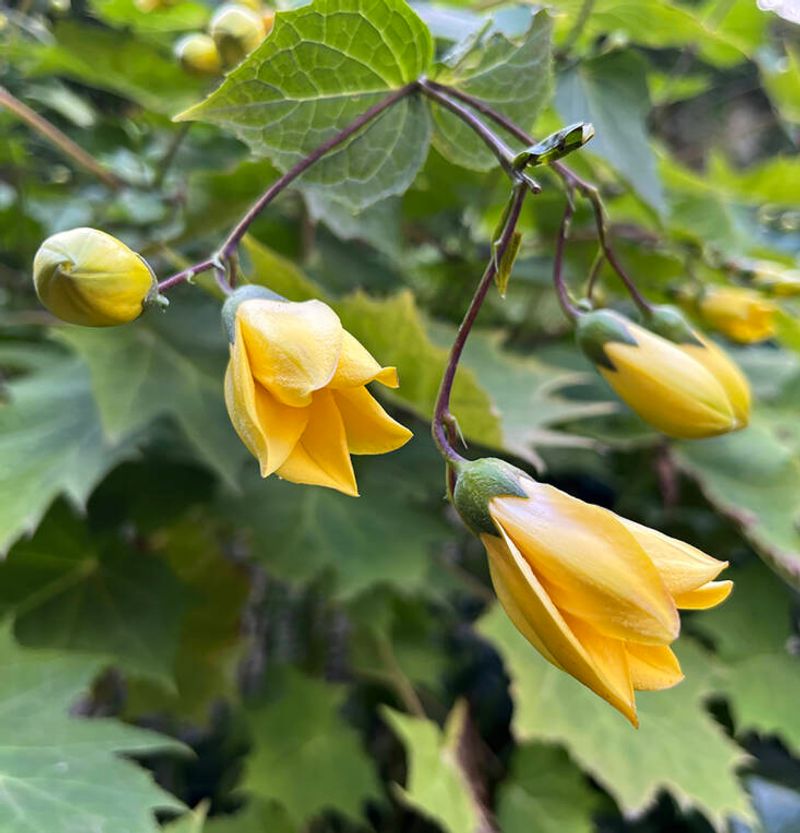
Not many plants can genuinely surprise experienced gardeners, but yellow waxbells pulls it off every single time.
This exotic-looking perennial has Japanese origins, yet it thrives beautifully in Pennsylvania’s climate, especially in shaded spots where other plants struggle to offer much visual interest.
Planting it in May gives the roots time to settle in before the late-season bloom arrives. The foliage alone is worth growing it for. The leaves are soft, broad, and maple-like, creating a lush, almost tropical look in shaded garden beds.
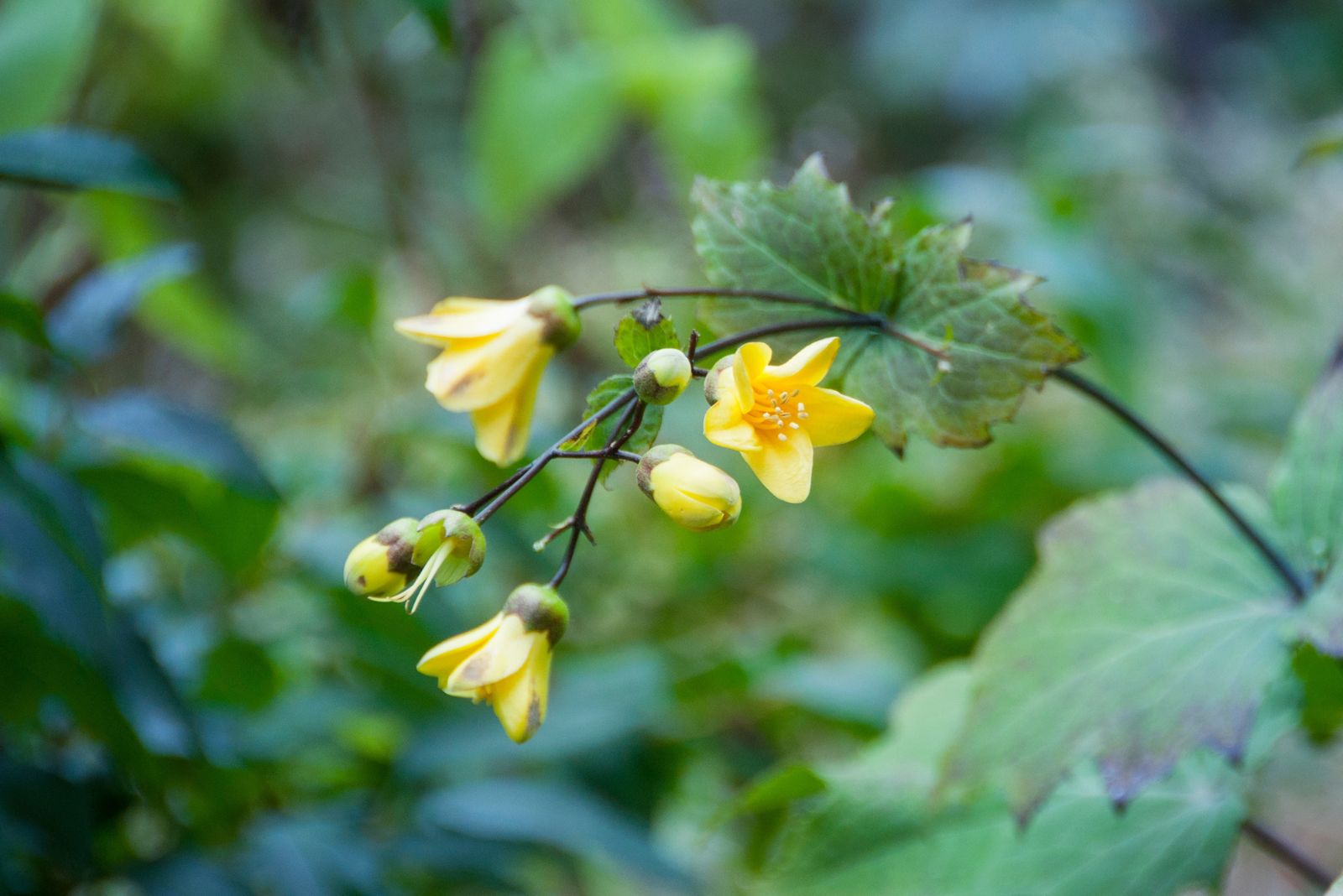
Then, in late summer and fall, the waxy pale yellow bell-shaped flowers appear on dark arching stems, and the combination is genuinely unlike anything else in the garden. No other common perennial offers that same late-season, shaded-garden charm.
Yellow waxbells loves moist, humus-rich soil and protection from harsh afternoon sun. In Pennsylvania, a north-facing or east-facing garden bed under deciduous trees is close to perfect for this plant.
It pairs beautifully with ferns, hostas, and astilbes in a layered shade garden design. One thing to keep in mind is that yellow waxbells can be slow to emerge in spring, so do not panic if it is late to show up. It is simply taking its time.
Once it does appear, the growth is lush and vigorous throughout the season. For Pennsylvania gardeners who want to bring a truly sophisticated and distinctive look to their shade garden, yellow waxbells is an outstanding and deeply rewarding choice.
4. Swamp Milkweed
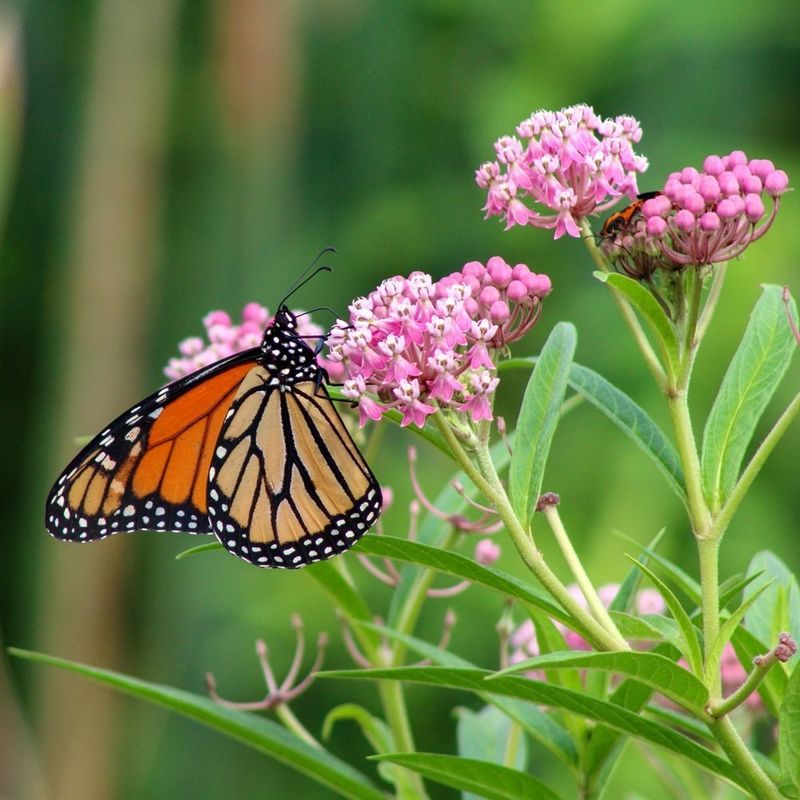
Few plants do as much good for the environment as swamp milkweed, and May is the ideal time to get it in the ground across Pennsylvania.
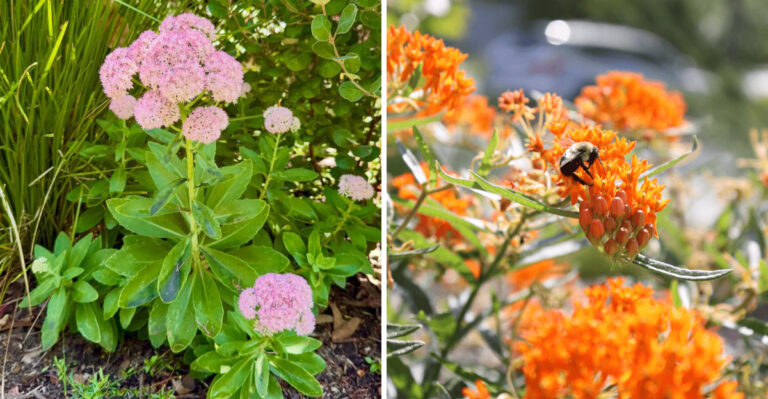
This beautiful native perennial produces clusters of rich, rosy pink flowers in midsummer that monarchs, swallowtails, and native bees flock to in incredible numbers.
Watching the butterfly activity on a warm July afternoon is genuinely one of the highlights of the Pennsylvania gardening season.
Unlike common milkweed, which can spread aggressively and become weedy, swamp milkweed stays neat, upright, and well-behaved in the garden.
It typically reaches three to four feet tall with a tidy, clumping habit that fits perfectly into a mixed border or rain garden.
It is a much more garden-friendly choice while still providing the critical habitat that monarch butterflies depend on for survival.
Swamp milkweed is named for its love of moisture, and it thrives along stream banks, pond edges, and naturally wet areas that are common across many Pennsylvania properties.
That said, it also performs reasonably well in average garden soil as long as it gets consistent moisture during dry spells.
Plant it in full sun for the best flowering performance. By late summer, the blooms give way to attractive seed pods that split open to release silky seeds on the breeze, adding another layer of seasonal interest.
For Pennsylvania gardeners who want to support monarch populations while growing something genuinely beautiful, swamp milkweed is a must-have plant.
5. Bowman’s Root
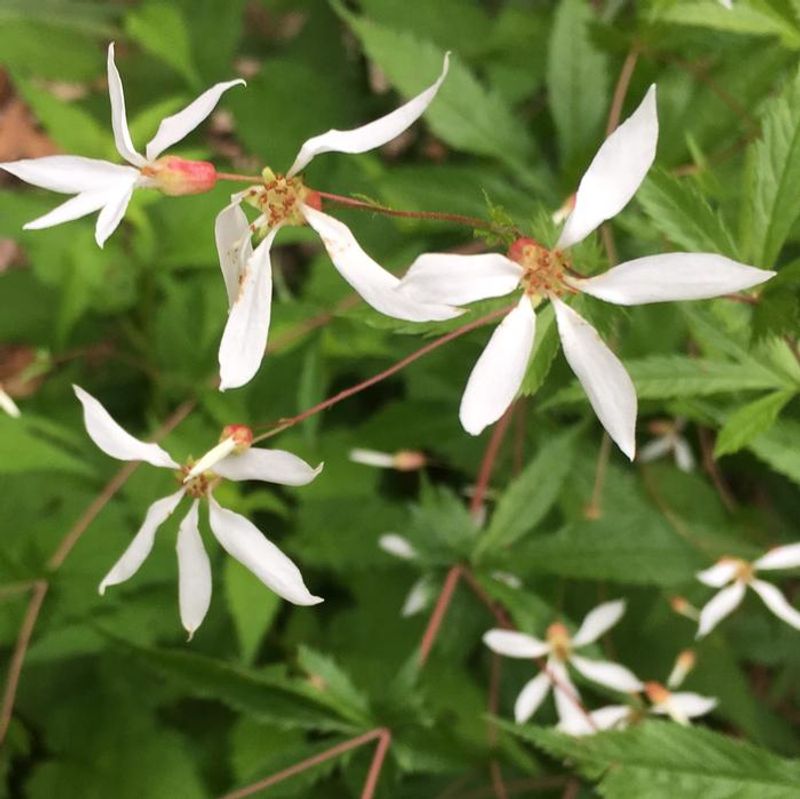
Ask most Pennsylvania gardeners about Bowman’s root and you will likely get a blank stare.
Yet this underappreciated native perennial is one of the most charming and unique plants you can add to a Pennsylvania garden, especially if you have a woodland edge, a shaded slope, or a naturalized area to fill.
In early summer, Bowman’s root produces masses of delicate white star-shaped flowers on long, gracefully arching stems. The overall effect is soft and cloud-like, a gentle frothy display that is completely unlike the bold, showy flowers most gardeners gravitate toward.
It brings a quiet, refined elegance to shaded garden spaces that is hard to achieve with more common plants.
Bowman’s root thrives in the partial shade and well-drained woodland soil conditions that are extremely common across Pennsylvania properties.
It is native to the eastern United States, which means it is perfectly adapted to Pennsylvania’s rainfall patterns, temperature swings, and seasonal rhythms. Once established, it is a tough, reliable performer that needs very little care.
The foliage is also attractive, with deeply cut, three-part leaves that look interesting even when the plant is not in bloom. In fall, the leaves turn shades of orange and red, adding a bonus season of color to the garden.
Plant Bowman’s root in May under deciduous trees or along a shaded fence line and it will reward you year after year with effortless beauty that most of your gardening neighbors will not even be able to identify.
6. Cardinal Flower
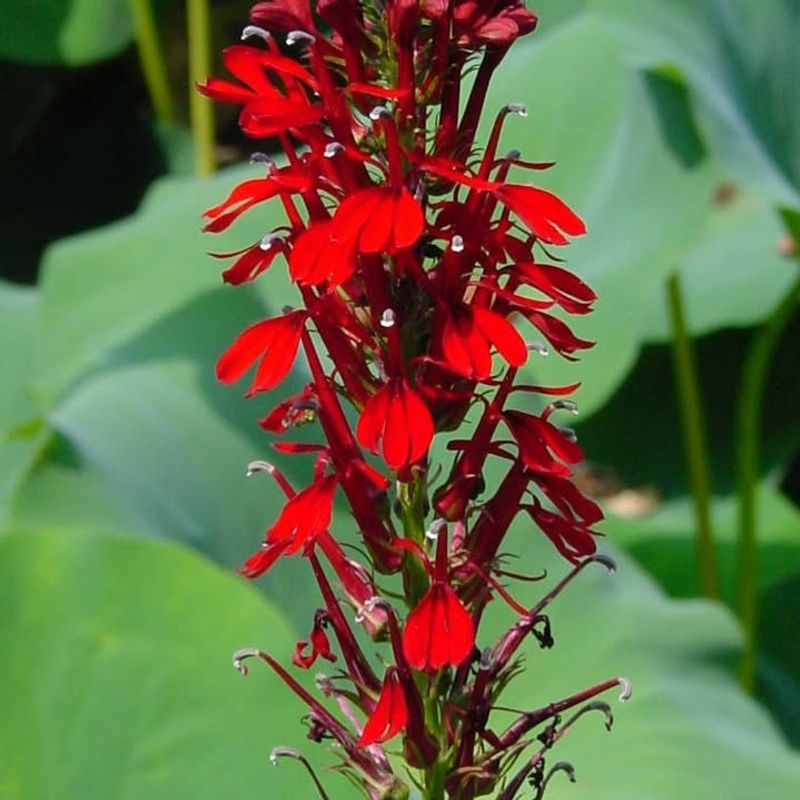
If you have ever wanted hummingbirds visiting your garden on a regular basis, cardinal flower is the plant that makes it happen.
This breathtaking native Pennsylvania perennial produces the most vivid, intense red flowers of almost any plant you can grow in the mid-Atlantic region, and ruby-throated hummingbirds are completely irresistible to it.
Plant it in May, give it time to establish, and by late summer the hummingbird visits will become a daily event.
The color is truly something else. That electric, almost neon red stands out dramatically against green foliage and looks stunning near water features, along stream edges, or in any moist garden bed.
Cardinal flower is not shy about making a statement, and it brings a genuinely theatrical burst of color to Pennsylvania gardens at a time of year when many other plants are starting to wind down.
It thrives in moist to wet soil and full sun to partial shade, making it an excellent choice for low-lying areas, rain gardens, and spots near ponds or streams that are common on many Pennsylvania properties.
It self-seeds freely once established, so a single plant can gradually spread into a larger colony over several years.
One practical tip is to divide and replant the offsets every two to three years to keep the colony vigorous and blooming strongly.
Cardinal flower is not the longest-lived perennial on its own, but with a little attention it will fill your Pennsylvania garden with color and hummingbird activity for many years.
7. Black Cohosh
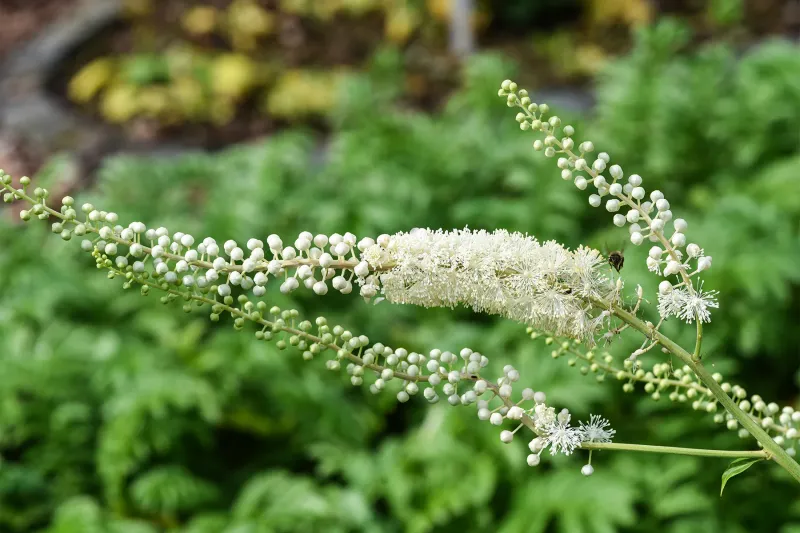
There is something almost theatrical about black cohosh in full bloom.
This magnificent native Pennsylvania perennial sends up tall, wand-like spikes of white flowers that can reach six to eight feet in height during midsummer, creating a vertical element in shaded garden spaces that is genuinely hard to match with any other plant.
Most gardeners who grow it for the first time cannot believe they waited so long to try it. May is an excellent time to plant black cohosh in Pennsylvania because it gives the deep, fleshy root system several weeks to establish before the heat of summer arrives.
The plant is slow to get going in its first season, but by year two and three it starts to show its true potential, and the flowering display becomes more impressive with each passing year.
Beyond its garden beauty, black cohosh carries a fascinating history. Native American tribes used it medicinally for centuries, and it remains one of the most studied native medicinal plants in North America.
That long cultural and botanical history adds an extra layer of interest to an already compelling garden plant.
It grows best in rich, moist, well-drained woodland soil and partial to full shade, conditions that are easy to find on many Pennsylvania properties beneath mature deciduous trees.
The large, deeply cut foliage is bold and attractive all season long, providing excellent ground-level texture even when the plant is not in bloom.
For Pennsylvania shade gardeners looking for true wow-factor, black cohosh absolutely delivers.