No Mow May In Texas: What 30 Days Can Do To Your Lawn
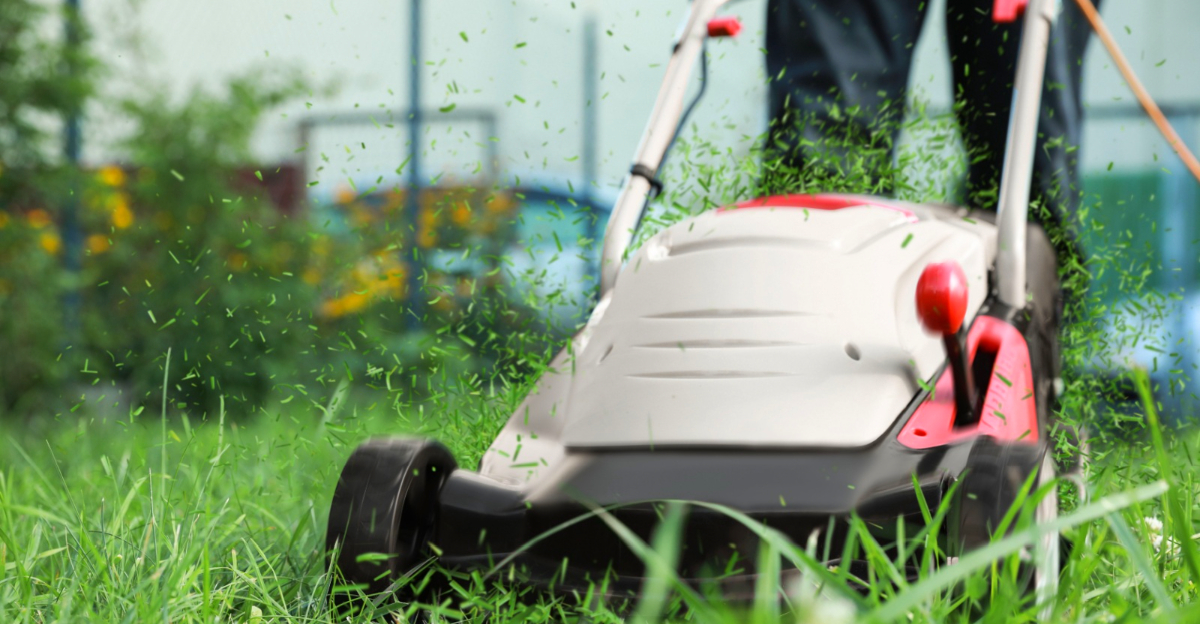
No Mow May sounds charming, doesn’t it? Put the mower away, let the yard relax a little, and give bees and other pollinators a better shot at spring blooms.
In cooler northern states, that idea can sound pretty straightforward. Texas, of course, likes to make things more interesting.
Once warm-season grasses such as Bermuda, St. Augustine, and Zoysia wake up, they do not exactly believe in taking it easy. Give them a few weeks of warmth, and suddenly your lawn looks like it has big plans.
That is where the Texas version of this idea gets a little more complicated. A full month without mowing can change the look, density, and overall feel of a yard faster than many homeowners expect.
Plenty of Texans like the pollinator-friendly spirit behind No Mow May, and for good reason. Still, before you park the mower and declare your lawn officially off duty, it helps to know what 30 days can really do in Texas.
1. No Mow May Began As A Pollinator Idea
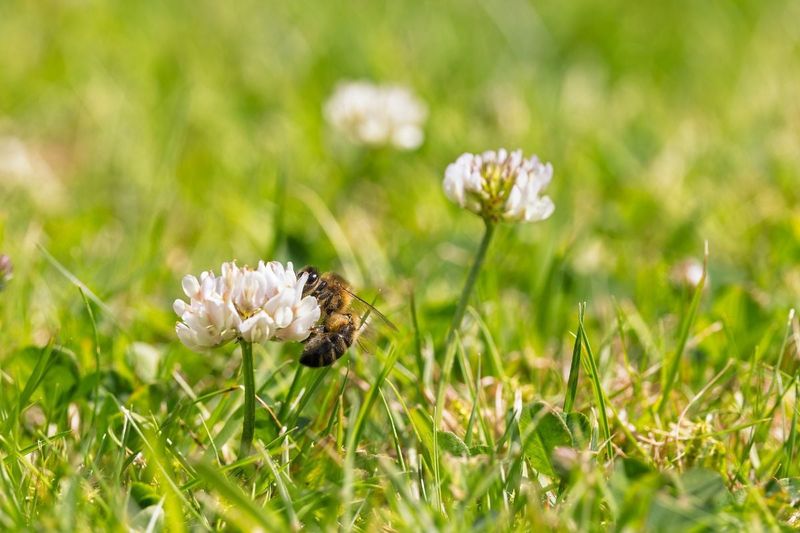
Back when No Mow May first gained attention, the goal was straightforward: let lawn flowers like clover and dandelions bloom so bees and other pollinators could feed during a critical spring window.
The campaign started in the United Kingdom and spread across parts of the United States, especially in northern states where cool-season grasses grow more slowly and spring temperatures stay mild for longer stretches.
The idea made a lot of sense in those regions. Lawns there tend to have more clover, violets, and low-growing wildflowers tucked into the turf.
Letting those plants flower for a month gave pollinators a reliable food source without requiring any extra planting or yard work from homeowners.
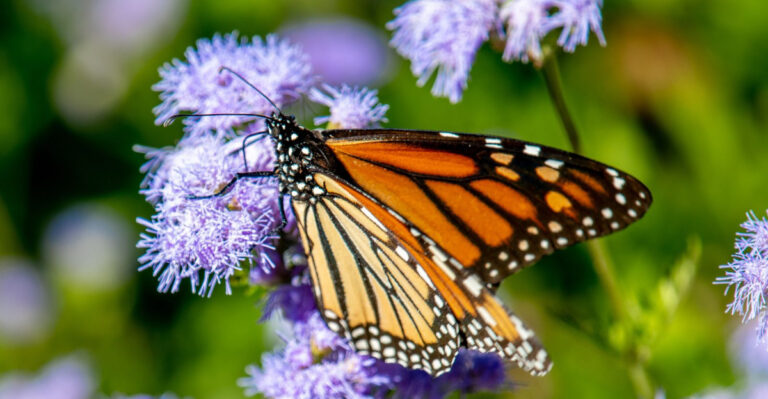
Pollinator support is a real and worthwhile goal, and that part of the message resonates across the country, including in Texas. Native bees, butterflies, and other beneficial insects do need food sources, especially in spring.
The challenge is that the method, skipping all mowing for a full month, was designed around a type of lawn and a climate that does not match most Texas yards.
Understanding where the idea came from helps explain why it works well in some places and requires a more thoughtful approach in others.
2. Texas Lawns React Differently Than Northern Yards
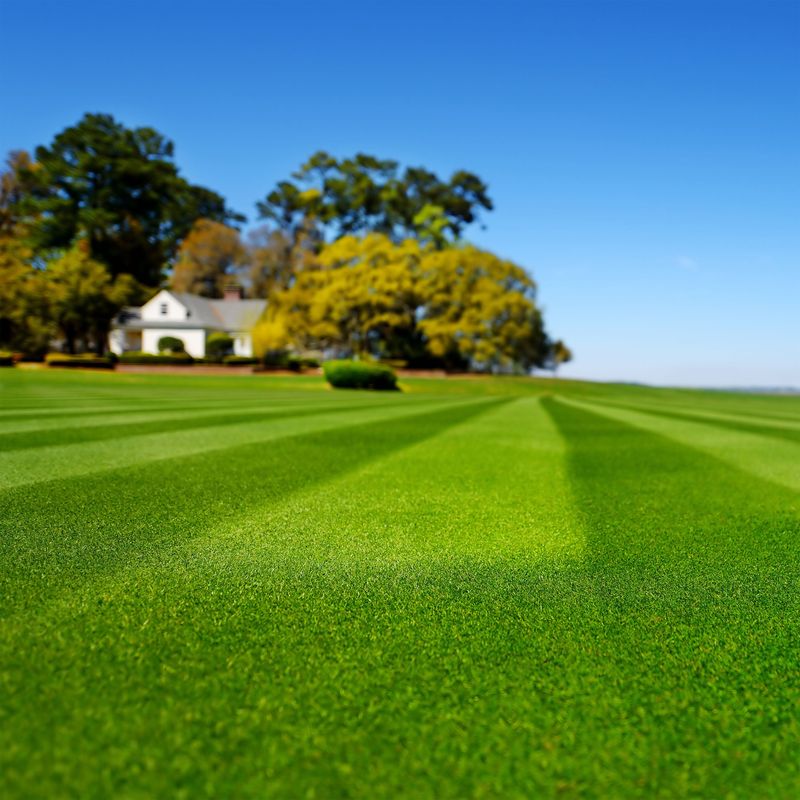
Warm-season grasses thrive in Texas heat, and that is exactly what makes them behave so differently from the cool-season lawns common in northern states. Bermuda, St. Augustine, Zoysia, and Centipede grasses are built for hot summers and mild winters.
When May rolls around in Texas, soil temperatures have already warmed up enough to push these grasses into active, fast growth.
In contrast, lawns in the upper Midwest or Northeast may still be shaking off a slow spring when May begins. Cool-season grasses like Kentucky bluegrass and fescue grow at a much more measured pace during that time of year.
Skipping a few mowing sessions does not change the lawn’s appearance dramatically in those regions.
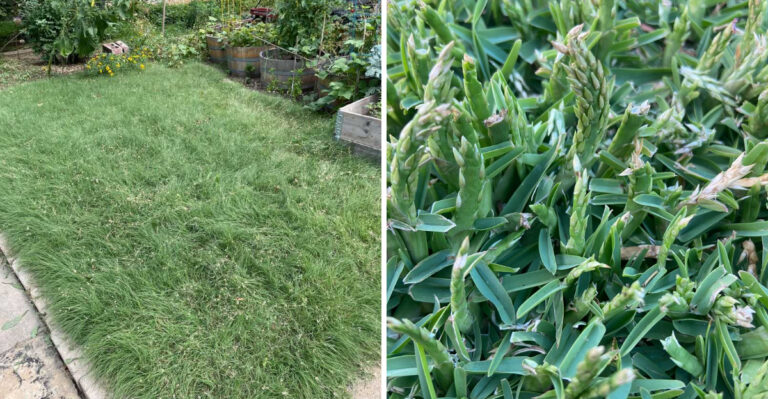
In Texas, a warm and sometimes wet May can push Bermuda grass or St. Augustine several inches taller within just two or three weeks.
Your Texas Garden Changes Every Week. Your Plan Should Too.
Gardening in Texas changes quickly throughout the season. Every Friday you’ll receive a simple weekly plan showing exactly what to plant, prune, fertilize, harvest, and protect so you never miss the right timing.
That kind of growth rate means a 30-day mowing pause is not a minor experiment, it is a significant change to how the lawn looks and functions.
Homeowners who let warm-season grass go unchecked through May may find a much thicker, taller, and harder-to-manage lawn waiting for them when June arrives.
The grass itself is not the problem, but the pace at which it grows in Texas conditions makes the No Mow approach more complicated.
3. Thirty Days Of Growth Can Make The First Cut Harder
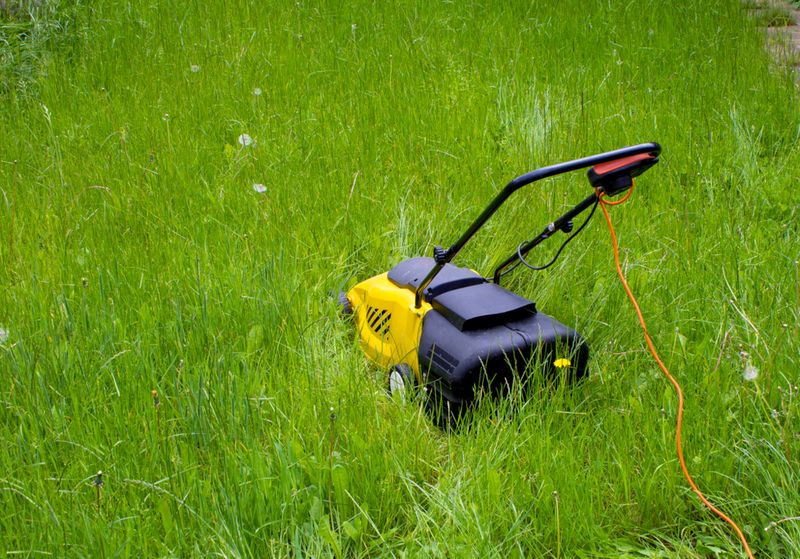
Skipping the mower for a full month sounds restful, but the moment you fire it back up, the lawn tells a different story.
Warm-season grasses that have been allowed to grow freely for 30 days can reach heights that make a single mowing pass both difficult and potentially harmful to the turf.
One of the most common issues is scalping, which happens when too much of the grass blade is removed at once.
When you cut a tall lawn down to a normal height in one pass, you often remove most of the green leaf tissue and expose the lower stems and soil to direct sun.
That kind of stress can leave the lawn looking brown and patchy for weeks after the cut.
Warm-season grasses in Texas are resilient, but they still respond poorly to sudden, dramatic height changes.
The right approach after a long growth period is to bring the lawn down gradually over several mowing sessions, removing only a portion of the blade each time.
That process takes patience and extra time compared to a normal weekly routine. Many homeowners who try No Mow May in Texas end up spending more effort recovering the lawn in June than they saved by skipping May mowing altogether.
Planning ahead for that recovery period is something worth considering before committing to a full month off.
4. The One-Third Rule Matters More After A Mowing Pause
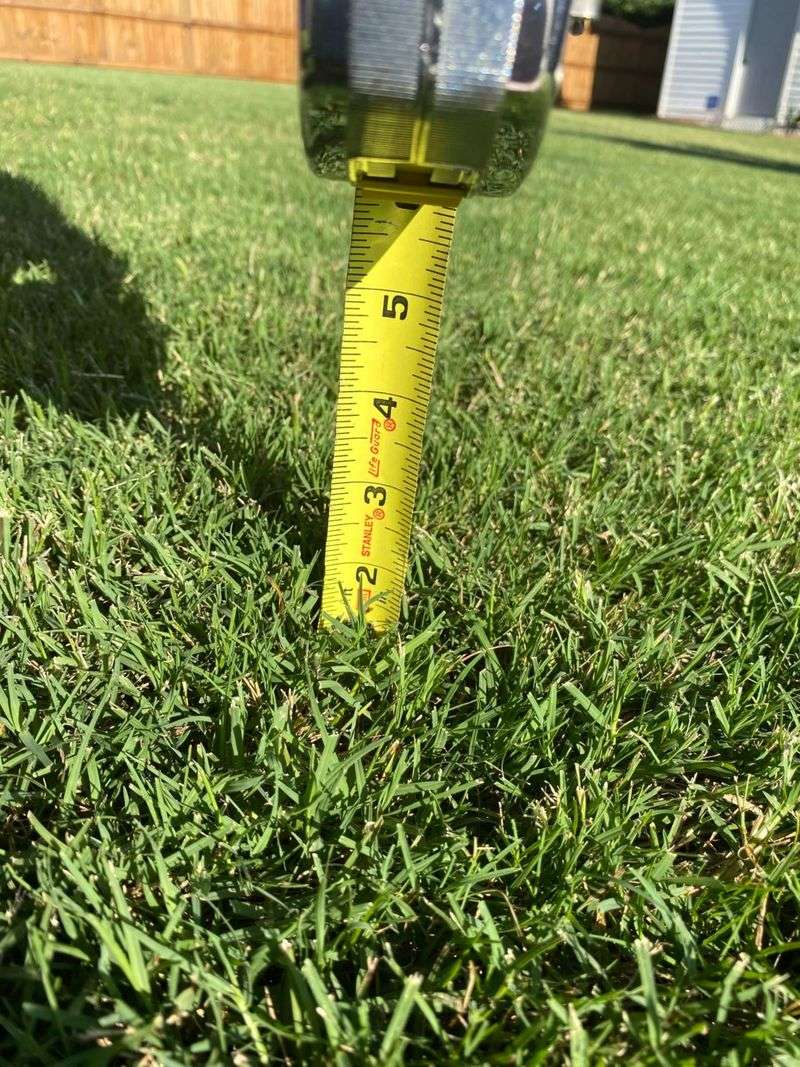
Most lawn care guidance for warm-season grasses recommends never removing more than one-third of the grass blade in a single mowing session. That rule exists for a good reason.
Removing too much at once puts stress on the plant, slows root development, and can leave the lawn more vulnerable to heat and drought.
After 30 days without mowing, that one-third rule becomes harder to follow.
If Bermuda grass has grown from two inches to six or seven inches during May, cutting it back to a standard two-inch height in one session would remove far more than a third of the blade.
That kind of drastic cut can shock the turf and lead to thinning, discoloration, and slower recovery through the summer months.
The smarter path is to mow the lawn down in stages. On the first cut, raise the mower deck and remove only the top third of the current height.
Then wait a few days and mow again at a slightly lower setting. Repeating that process gradually brings the lawn back to its normal height without causing unnecessary stress.
It takes more time and more fuel, but the lawn holds up much better through the process.
For Texas homeowners who do try a longer mowing gap in spring, understanding this stepped approach before the first cut can make a real difference in how the lawn looks through summer.
5. Longer Gaps Between Cuts Can Thin A Texas Lawn
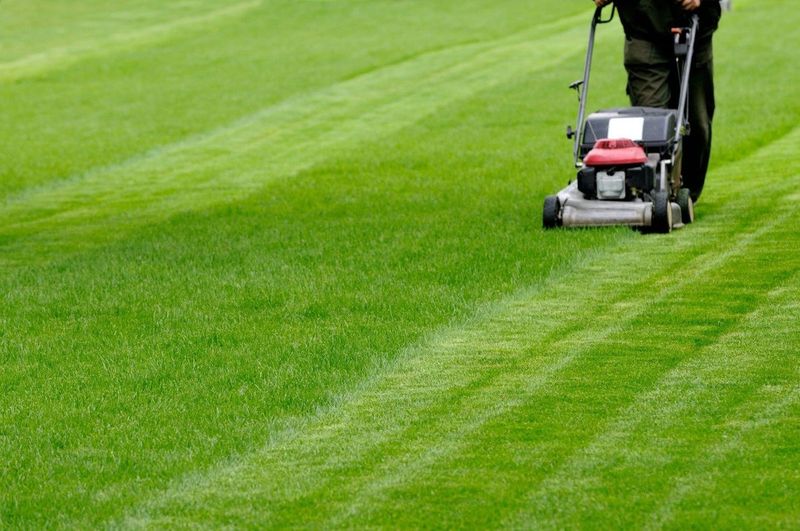
A thick, dense lawn is one of the best natural defenses a Texas yard has against weeds, pests, and soil moisture loss. Regular mowing actually encourages that density by stimulating lateral growth in warm-season grasses.
When mowing stops for an extended period, that lateral spread can slow down, and the turf may begin to put more energy into vertical growth instead.
Over a full month, this shift in growth pattern can reduce the overall density of the lawn. Bermuda grass in particular spreads through stolons and rhizomes, and regular trimming encourages that spreading habit.
Without it, the grass tends to grow tall and thin rather than thick and low. Once the lawn is finally mowed after a long pause, those thinned areas may be more noticeable.
Thinning is not just a cosmetic concern. A less dense lawn allows more sunlight to reach the soil surface, which gives weed seeds better conditions to sprout.
It can also reduce the lawn’s ability to hold moisture evenly. In Texas, where summer heat arrives quickly after spring, a thin lawn heading into June faces more challenges than a consistently maintained one.
Homeowners may not notice the thinning right away, but by midsummer, the difference between a regularly mowed lawn and one that skipped a month can become more apparent in turf density and overall appearance.
6. Tall Growth Can Change Light And Moisture Levels
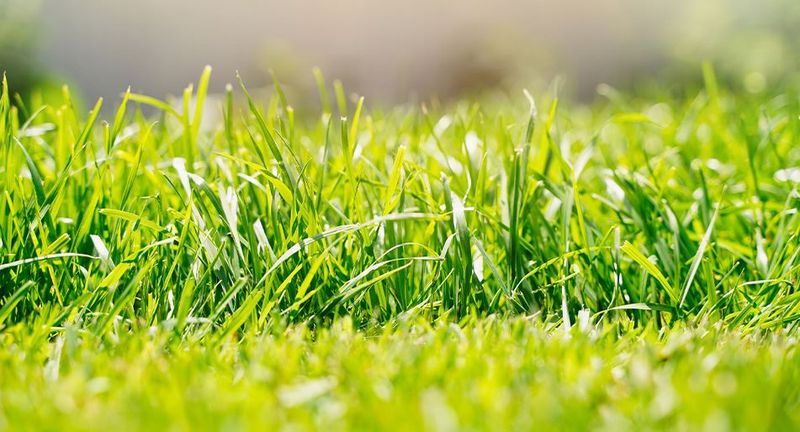
When grass grows tall, it creates a kind of canopy over the soil below. That shading effect changes how light and air move through the lawn, and in Texas, those changes can have some real consequences for turf health during the transition into summer.
Taller grass traps more moisture near the soil surface, which sounds helpful during dry stretches but can actually encourage fungal issues in humid conditions.
Texas springs can bring significant rainfall in some regions, and a lawn with dense, tall growth that stays damp for extended periods becomes more hospitable to lawn diseases like brown patch.
St. Augustine grass is especially prone to fungal problems when conditions stay warm and wet.
At the same time, the lower portions of the grass blades receive less sunlight when the canopy above is thick and tall. That reduced light exposure can weaken the lower stems over time, making recovery after mowing more difficult.
When the tall grass is finally cut, those lower stems may struggle to green up quickly because they have been shaded for weeks.
The shift in moisture and light that comes with a month of unchecked growth is something many homeowners do not anticipate.
In Texas, where spring can swing between wet and dry conditions quickly, managing lawn height consistently helps the turf stay balanced and better prepared for whatever the season brings.
7. Weeds And Lawn Flowers Can Stand Out More Quickly
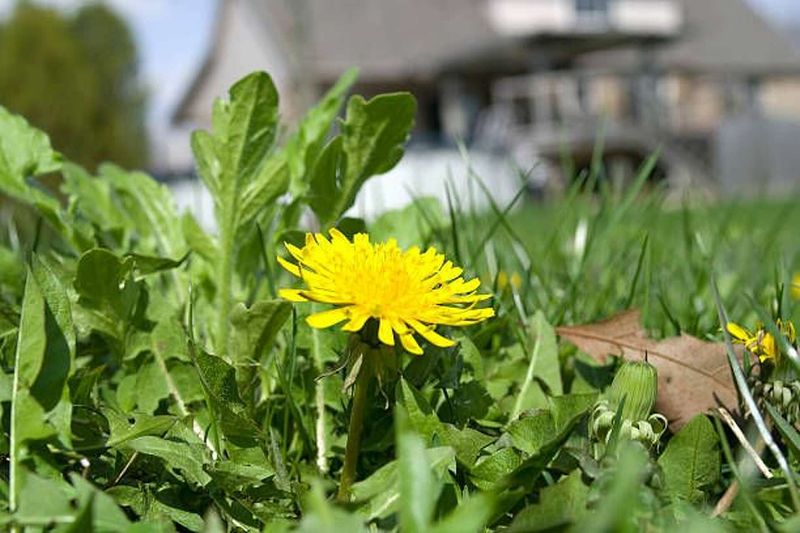
Spring is prime time for weeds in Texas, and a month without mowing gives them a significant head start. Annual weeds like crabgrass, spurge, and various broadleaf species are opportunistic.
They move fast when conditions are right, and an unmowed lawn with open sunlight reaching the soil gives them exactly the kind of environment they look for.
Some of the plants that appear during a No Mow period are actually small wildflowers, like clover or oxalis, that pollinators do visit. But in a Texas lawn, the mix of what comes up during 30 days without mowing is not always charming.
Invasive weeds, grassy weeds, and plants that are difficult to remove once established can show up quickly and spread further without regular cutting to keep them in check.
Mowing does not remove weeds entirely, but consistent cutting does limit how much weeds can flower and set seed.
When a lawn goes unmowed for a month during active spring growth, weeds that managed to get established earlier in the season have a chance to mature and produce seeds.
That can increase weed pressure not just in the current season but in the months that follow.
For Texas homeowners already dealing with warm-season weed pressure, a full month without mowing during spring can make the overall lawn management effort more demanding through the rest of the year.
8. Wildflower Patches Often Work Better Than Skipping The Whole Lawn
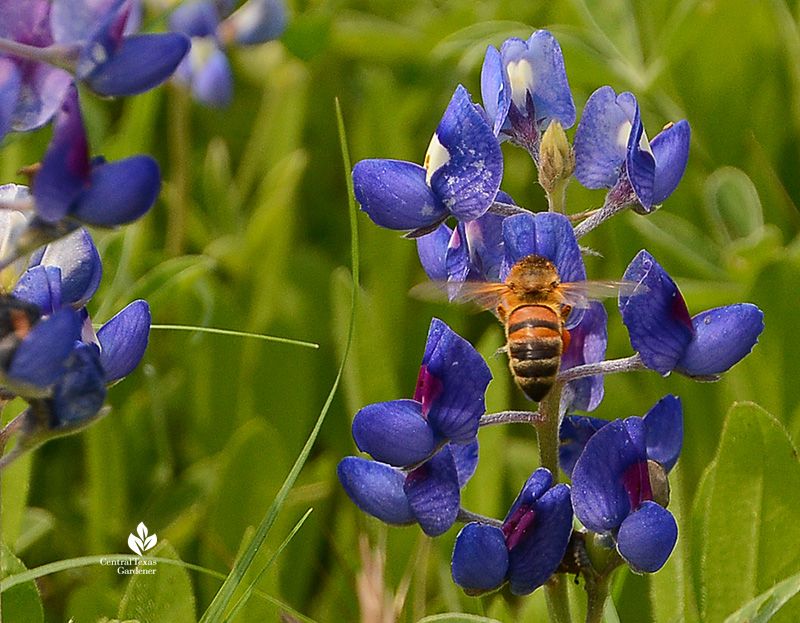
Supporting pollinators in Texas does not have to mean letting the entire lawn grow unchecked for a month.
One of the more practical approaches that works well in Texas conditions is setting aside a dedicated area of the yard for native wildflowers or a small pocket prairie while keeping the rest of the lawn on a regular mowing schedule.
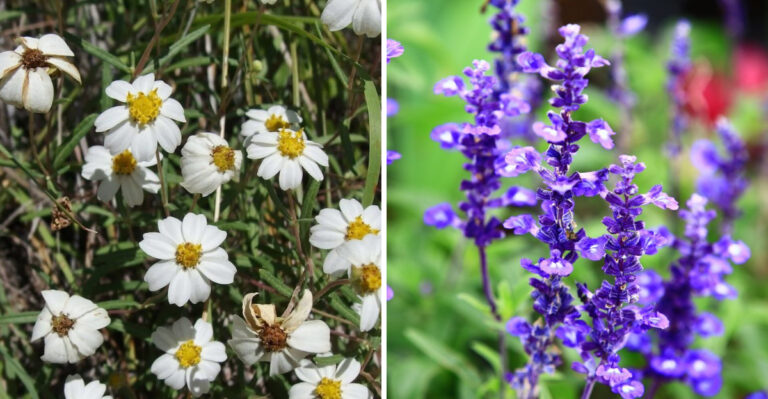
Texas has a rich native plant palette that pollinators genuinely rely on. Bluebonnets, black-eyed Susans, prairie verbena, and native clovers all provide excellent food sources for bees and butterflies without requiring the entire lawn to go unmowed.
These plants can be established in a designated bed, along a fence line, or in a corner of the yard where they can bloom freely without affecting the overall lawn maintenance routine.
This kind of targeted approach tends to deliver better results for pollinators than a month-long mowing pause across a warm-season lawn.
Native wildflowers are specifically suited to Texas conditions, they attract a wider variety of native bee species, and they do not create the lawn recovery challenges that come with skipping mowing entirely.
Many Texas-based gardening resources and master gardener programs encourage this kind of intentional habitat planting as a more sustainable and effective way to support local pollinators.
It is a solution that works with Texas conditions rather than against them, and the lawn stays manageable all season long.