The Only Tomato Varieties Worth Growing In Michigan’s Short Summer Season
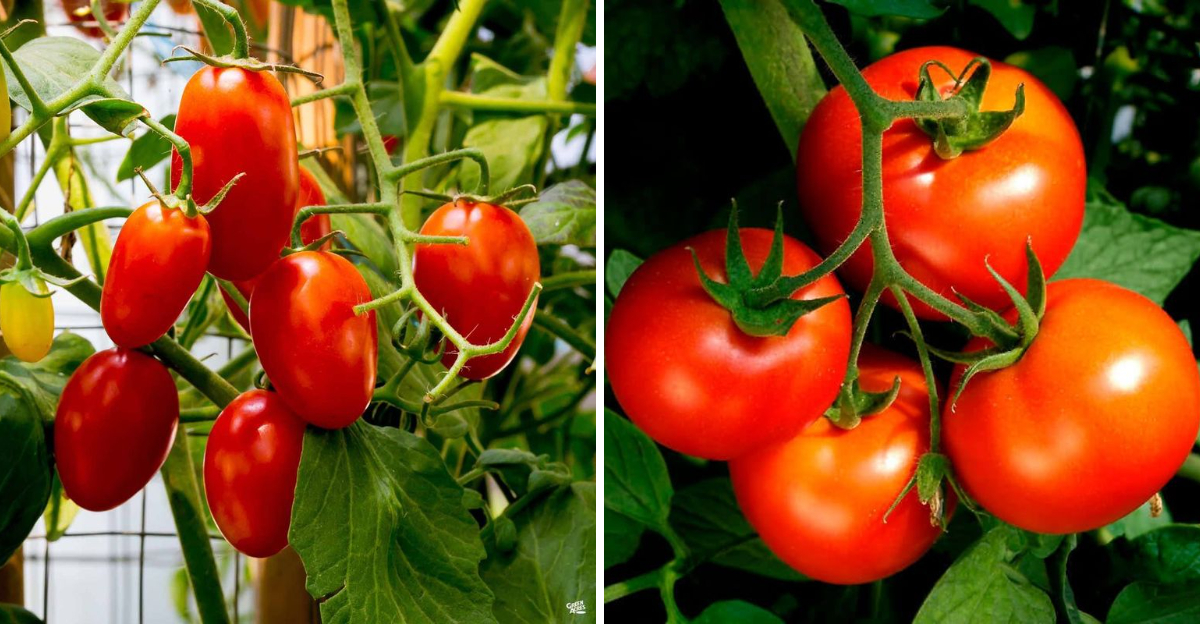
Growing tomatoes in Michigan is a bit of a race against the calendar. The warm season arrives later than most gardeners would like and wraps up earlier than any tomato plant would prefer, which means variety selection is not just a preference here, it is actually a strategy.
Plant the wrong tomato and you will spend all summer watching green fruit on the vine while the temperature starts dropping in September. Plant the right one and you will be pulling ripe tomatoes weeks ahead of your neighbors wondering what your secret is.
Michigan gardeners have figured out through years of trial and frustration that not every tomato sold at a garden center is worth the space it takes up in a short season climate. Some varieties were simply bred for longer, warmer summers and never quite deliver here.
The ones worth growing are the ones that were built for exactly this kind of challenge, producing full flavor and solid yields before the season has a chance to cut them short.
1. Early Girl (Solanum lycopersicum ‘Early Girl’)
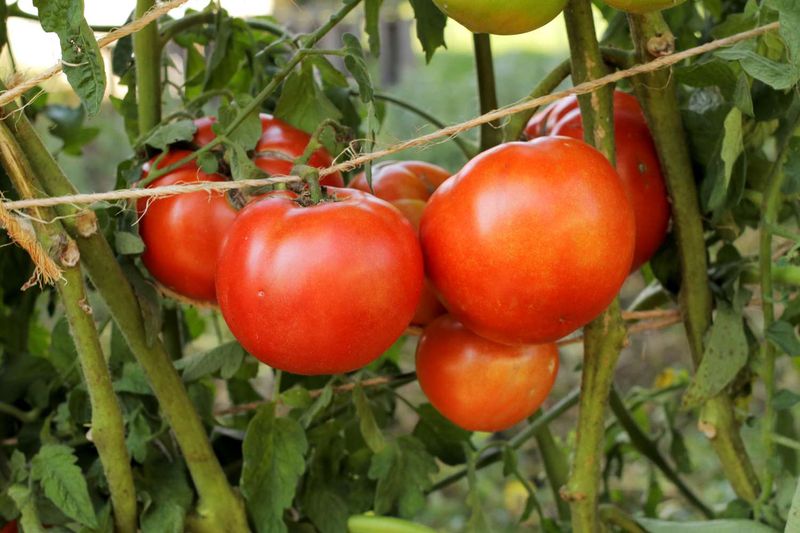
Ask any experienced Michigan gardener which tomato they trust most, and Early Girl will come up almost every time.
This variety earns its name by producing full-sized red slicing tomatoes in about 50 to 62 days from transplanting, which is a huge advantage when your growing window is tight.
Warm soil and full sun are its best friends, so wait until late May to get transplants in the ground.
Early Girl is an indeterminate vine, which means it keeps producing fruit all season long rather than dumping everything at once. That steady harvest is perfect for families who want fresh tomatoes on the table every week.
You will want sturdy caging or staking because the vines can get quite tall and heavy with fruit by midsummer.
Flavor-wise, Early Girl delivers a classic tangy-sweet taste that works great on sandwiches, in salads, or eaten straight off the vine. Michigan gardeners love it because it does not need a long, hot summer to perform well.
Start seeds indoors six to eight weeks before your last frost date, harden off your transplants carefully, and you will be slicing ripe tomatoes well before your neighbors who planted late varieties.
2. Fourth Of July (Solanum lycopersicum ‘Fourth Of July’)
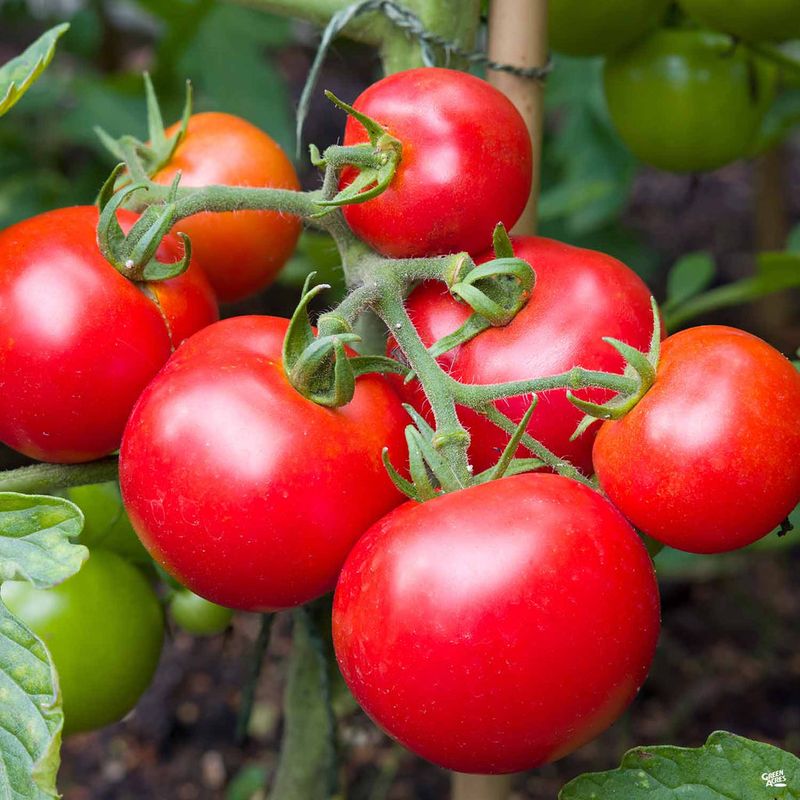
Imagine biting into a ripe, homegrown tomato right around the Fourth of July holiday while most gardeners are still waiting. That is exactly the promise this variety delivers, and Michigan growers absolutely love it for that reason.
With a maturity time of around 49 days from transplanting, it is one of the fastest red slicing tomatoes you can grow in the state.
Fourth of July is an indeterminate hybrid that thrives in full sun with consistent moisture. Plant it after your last frost date, which in most of Michigan falls between mid-May and early June depending on your location.
Give it a strong cage or tall stake right at planting time so you are not scrambling to support heavy vines later in the season.
Your Michigan Garden Changes Every Week. Your Plan Should Too.
Gardening in Michigan changes quickly throughout the season. Every Friday you’ll receive a simple weekly plan showing exactly what to plant, prune, fertilize, harvest, and protect so you never miss the right timing.
The fruit is medium-sized, round, and bright red with a pleasant balance of sweetness and acidity. It is not a giant beefsteak, but that is exactly why it works so well here.
Smaller fruit size means faster ripening, and faster ripening means more tomatoes before cool September nights slow everything down.
Michigan gardeners who have been frustrated by late-season tomatoes that never ripen should absolutely put this one on their list. It is reliable, productive, and genuinely satisfying to grow.
3. Stupice (Solanum lycopersicum ‘Stupice’)
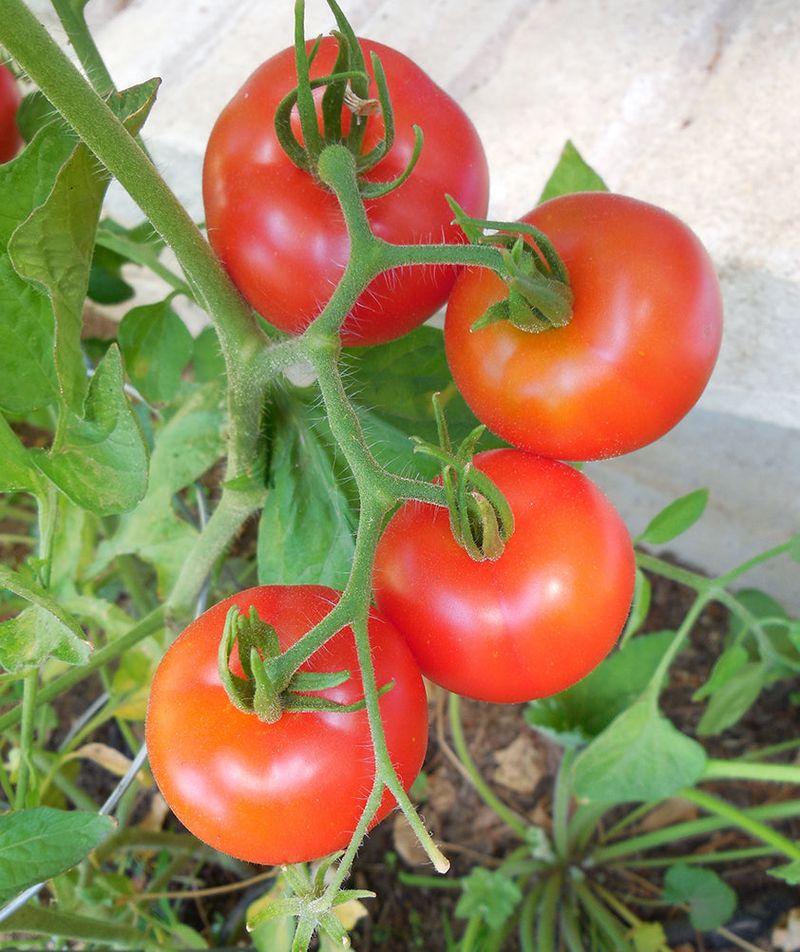
Originally bred in Czechoslovakia, Stupice was designed to perform in cool, short growing seasons, which makes it almost perfectly suited for Michigan’s climate.
Pronounced “STOO-pee-cheh,” this heirloom variety produces small to medium red tomatoes in about 52 to 60 days from transplanting.
It handles cooler nights far better than most large heirlooms, which often struggle to ripen in northern Michigan.
Stupice is an indeterminate plant with a somewhat compact growth habit compared to other heirloom vines. The tomatoes are round, deep red, and loaded with old-fashioned heirloom flavor.
That rich, complex taste is something modern hybrids often lack, and gardeners who grew up eating garden tomatoes from a grandparent’s yard will recognize it immediately.
One of the best things about growing Stupice in Michigan is its versatility. You can eat the fruits fresh, slice them for sandwiches, or roast them for sauces.
Because the plant sets fruit at lower temperatures than many varieties, you will often get your first harvest before other heirloom gardeners even see blossoms. Save the seeds at the end of the season too, since Stupice is an open-pollinated heirloom.
Growing it year after year while saving seeds is one of the most rewarding parts of keeping a Michigan vegetable garden alive and thriving season after season.
4. Glacier (Solanum lycopersicum ‘Glacier’)
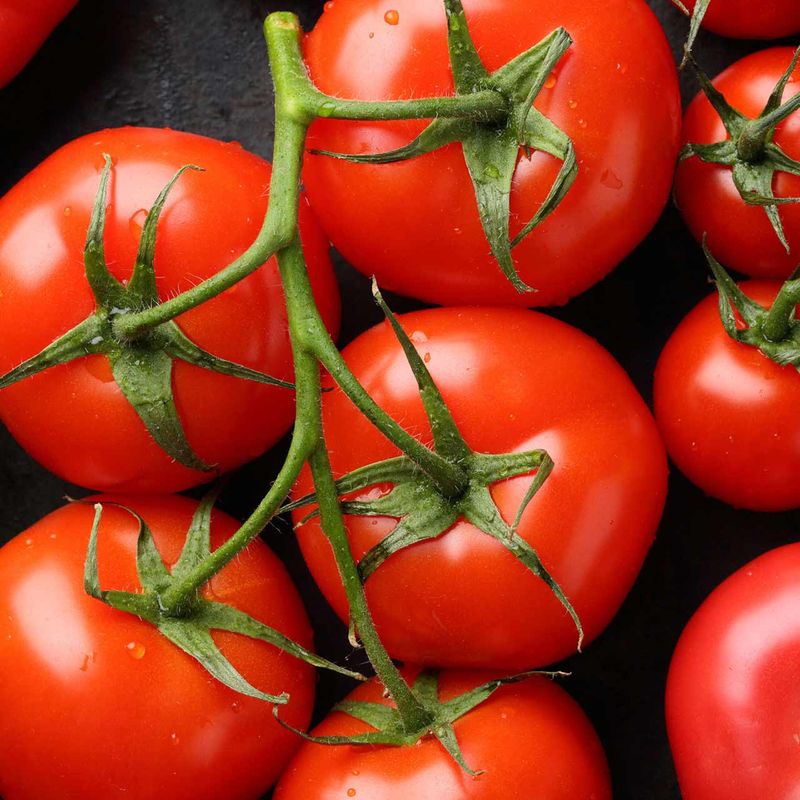
Northern Michigan gardeners face some of the toughest tomato-growing conditions in the entire state, with shorter seasons and cooler average temperatures than the southern Lower Peninsula. Glacier was practically made for situations like this.
It matures in around 55 days from transplanting and produces clusters of small, two-ounce red tomatoes that are sweet, bright, and genuinely delicious.
What sets Glacier apart is its ability to set fruit at lower temperatures than most other varieties. Many tomato plants simply stop setting fruit when nighttime temps drop below 55 degrees Fahrenheit, but Glacier handles the cool much better.
That trait alone makes it invaluable for gardeners in places like Traverse City, Petoskey, or the Upper Peninsula who need every advantage the season offers.
Glacier is an open-pollinated, indeterminate variety, so you can save seeds and replant it every year. The plants stay relatively compact compared to other indeterminate types, making them easier to manage in raised beds or smaller garden spaces.
Consistent watering and full sun will push your plants to produce as many fruits as possible before frost arrives.
Pair Glacier with a fast-maturing cherry tomato for a well-rounded Michigan garden that gives you plenty of ripe fruit from midsummer all the way through early fall without stress or disappointment.
5. Sub-Arctic Plenty (Solanum lycopersicum ‘Sub-Arctic Plenty’)
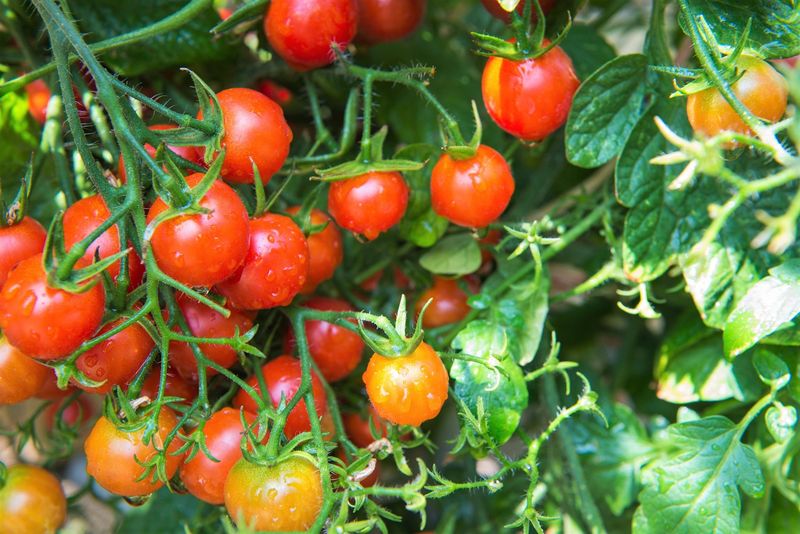
Speed is the name of the game with Sub-Arctic Plenty, a variety developed specifically for gardeners dealing with brutally short growing seasons. It can ripen fruit in as few as 45 days from transplanting, which is genuinely remarkable for a red tomato.
Michigan gardeners who have watched green tomatoes sit on the vine as frost approaches will appreciate how fast this one moves.
Sub-Arctic Plenty is a determinate variety, meaning all of its fruit ripens within a concentrated window rather than trickling in all season.
That makes it especially useful if you plan to do any preserving, sauce-making, or canning, since you get a big batch of ripe tomatoes at once.
The fruits are small to medium in size and have a mild, pleasant flavor that works well cooked or fresh.
Because the plants stay compact, Sub-Arctic Plenty fits beautifully in raised beds, container gardens, and smaller Michigan backyards where space is limited. Plant it in a spot that gets at least six to eight hours of direct sunlight daily and keep the soil consistently moist.
Mulching around the base of the plant helps retain moisture and keeps soil temperatures stable on cooler Michigan evenings. For gardeners in the Upper Peninsula or those gardening at higher elevations, this variety is one of the most dependable choices available anywhere.
6. Moskvich (Solanum lycopersicum ‘Moskvich’)
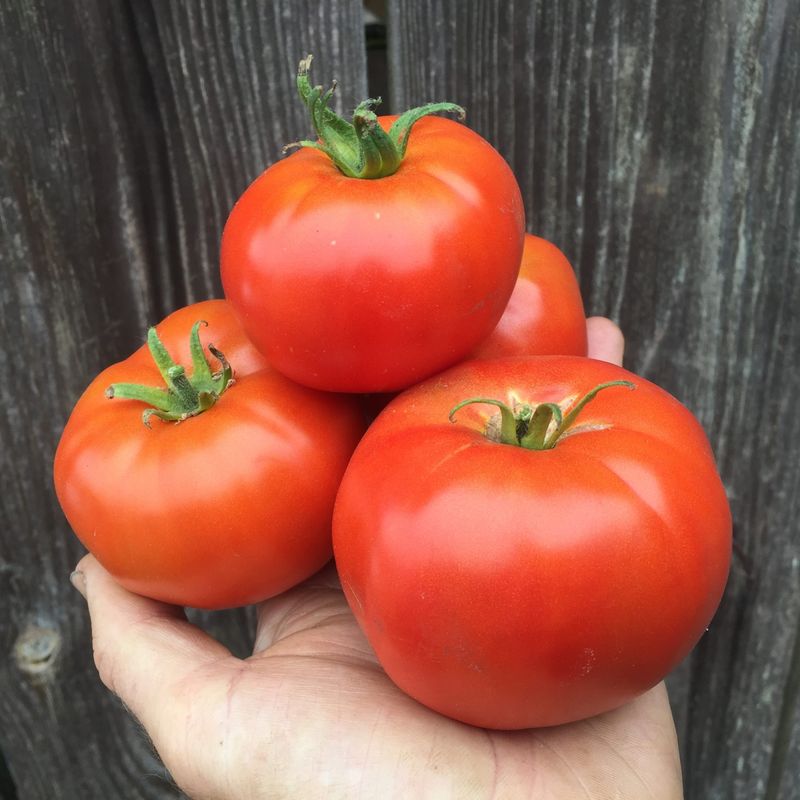
Bred in Russia and built for cold climates, Moskvich is one of those heirloom varieties that seems almost too good to be true for Michigan gardeners.
It ripens medium-sized, deep red tomatoes in about 60 days from transplanting, and it handles cool temperatures with a toughness that most American heirlooms simply cannot match.
The name translates roughly to “Muscovite,” referring to Moscow, which tells you everything about its cold-weather roots.
The flavor profile of Moskvich is rich and full-bodied, with a balance of sweetness and acidity that makes it a standout for fresh eating. Slice it thick, add a little salt and olive oil, and you have a side dish that tastes like pure summer.
Michigan gardeners who love growing heirlooms but have been disappointed by late-ripening varieties should find Moskvich a very welcome change.
As an indeterminate heirloom, Moskvich keeps producing fruit throughout the season as long as conditions stay favorable. It does well in both raised beds and in-ground gardens across Michigan.
Consistent moisture is important, especially during fruit development, to prevent blossom end rot and cracking. Start seeds indoors six to eight weeks before your last frost date for the best results.
Saving seeds from your best fruits each year lets you develop a strain perfectly adapted to your specific Michigan microclimate over time.
7. Bush Early Girl (Solanum lycopersicum ‘Bush Early Girl’)
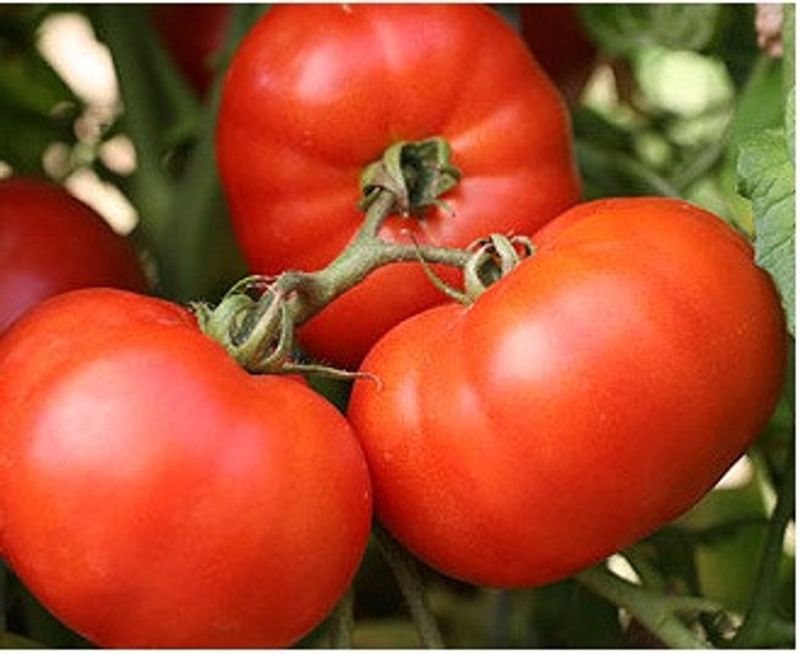
Not everyone has a big backyard garden to work with, and Bush Early Girl was practically designed with that reality in mind. It delivers the same reliable early-season performance as the original Early Girl but in a much more compact package.
Plants typically stay under four feet tall, making them ideal for containers, small raised beds, and patio gardens across Michigan.
Despite its smaller size, Bush Early Girl produces full-flavored red slicing tomatoes that ripen in about 54 days from transplanting. The tomatoes are medium-sized, firm, and have that satisfying tangy-sweet taste Michigan gardeners expect from a classic slicer.
Because the plant is more contained, it needs less staking than a full-sized indeterminate vine, though a small cage is still a smart idea once the fruit starts weighing down the branches.
Container growers should use at least a five-gallon pot with excellent drainage and a high-quality potting mix. Water consistently and feed every two weeks with a balanced tomato fertilizer to keep plants productive all season.
Bush Early Girl handles Michigan’s warm summer days well and bounces back nicely after a cool night.
For apartment dwellers, urban gardeners, or anyone working with limited outdoor space anywhere in Michigan, this variety punches well above its weight and delivers a genuinely satisfying harvest from a surprisingly small footprint.
8. Sungold (Solanum lycopersicum ‘Sungold’)
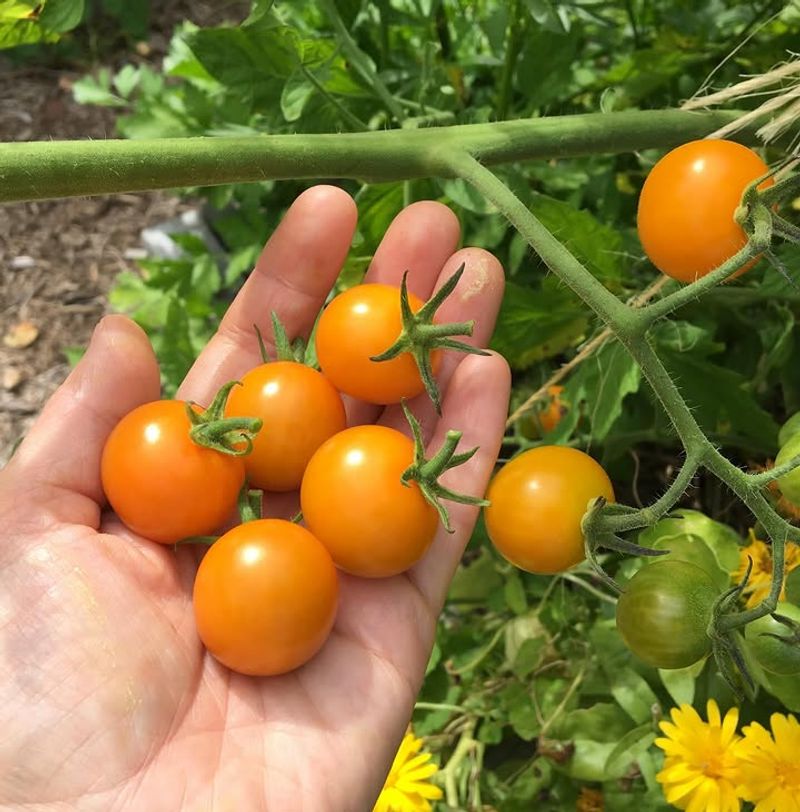
Sweet, fruity, and almost candy-like, Sungold is the tomato that converts people who claim they do not like tomatoes.
These golden-orange cherry tomatoes ripen in about 57 days from transplanting and produce enormous clusters of fruit that practically glow in the summer sun.
Michigan gardeners absolutely adore this variety because cherry tomatoes in general ripen faster and more reliably than large slicers in a short season.
Sungold is an indeterminate hybrid that grows vigorously and can reach six feet or taller if you let it. Give it a tall, sturdy cage or tie it to a strong trellis because this plant will use every inch of support you provide.
Full sun and consistent watering are essential, especially during hot stretches, to keep production going strong from July through September.
One important tip for Michigan growers: pick Sungold fruits as soon as they turn fully orange rather than waiting. Leaving them on the vine too long, especially after heavy rain, causes them to crack.
Harvest frequently, sometimes every other day during peak season, and you will have more tomatoes than you know what to do with.
Eat them fresh off the vine, toss them in salads, or roast them with garlic and olive oil for a sauce that tastes absolutely incredible. Sungold is one variety that earns its spot in every Michigan garden without question.
9. Juliet (Solanum lycopersicum ‘Juliet’)
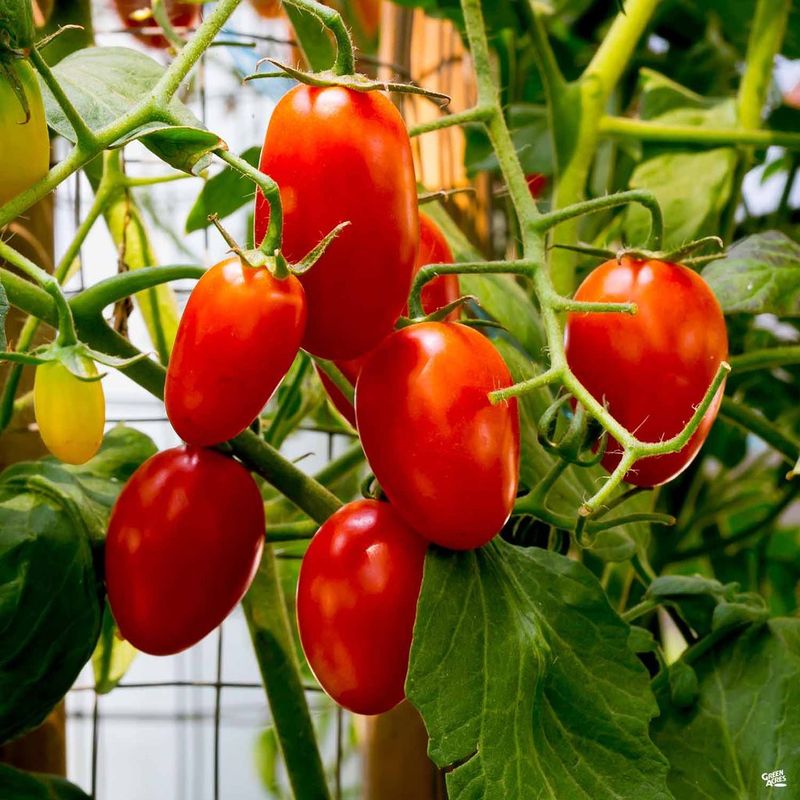
Juliet earned the nickname “the little Roma” because its elongated grape-shaped fruits have that same meaty, low-moisture flesh that makes paste tomatoes so useful.
But unlike a true paste tomato, Juliet produces fruit in huge, cascading clusters that just keep coming all season long.
It won an All-America Selections award back in 1999, and Michigan gardeners have been loyal fans ever since.
One of Juliet’s biggest strengths is crack resistance. Many thin-skinned cherry tomatoes split open after heavy rain, which is a very common problem in Michigan summers.
Juliet’s thicker skin holds up much better, meaning you lose far less fruit to cracking even after those big July and August downpours that roll through the Great Lakes region.
Juliet is an indeterminate hybrid that matures in about 60 days from transplanting. The plants are vigorous and tall, so plan on providing serious support from the start.
A sturdy cage, tall stakes, or a trellis system will serve you well. The flavor is rich and sweet with a satisfying balance of acidity, making these tomatoes excellent for snacking, roasting, or tossing into pasta dishes.
Michigan gardeners who want a tomato that looks gorgeous, tastes wonderful, and holds up through unpredictable summer weather will find Juliet to be one of the most rewarding plants in the entire garden every single year.
10. Mountain Fresh Plus (Solanum lycopersicum ‘Mountain Fresh Plus’)
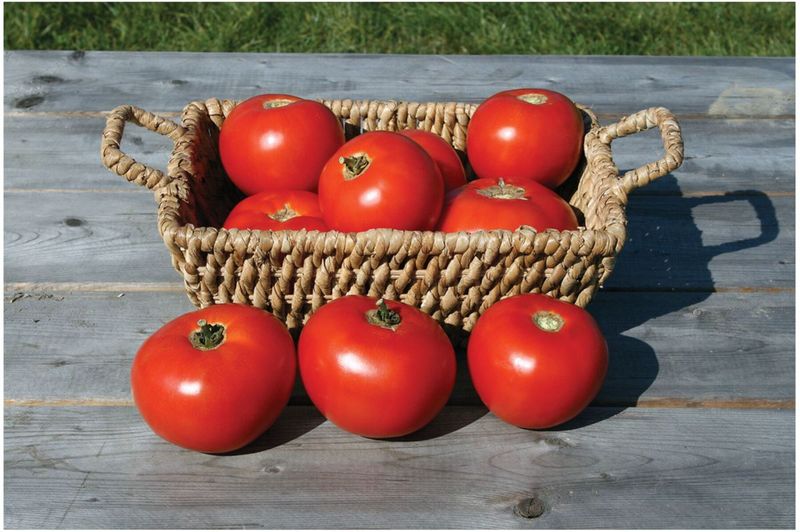
For Michigan gardeners who want a serious main-crop slicer without gambling on a late-season giant, Mountain Fresh Plus hits a practical sweet spot. It matures in about 77 days from transplanting, which is longer than some early varieties but still manageable in most of Michigan’s Lower Peninsula when started indoors on time.
The fruits are large, firm, and beautifully uniform, with smooth red skin and excellent flavor. Mountain Fresh Plus is a determinate hybrid, so the plants stay compact and the harvest is concentrated into a relatively short window.
That makes it a favorite among Michigan gardeners who preserve tomatoes, make salsa, or put up large batches of sauce at the end of summer.
You get a good number of ripe fruits all at once rather than a slow trickle, which is very convenient for canning days.
Disease resistance is another major strength here. Mountain Fresh Plus carries resistance to Verticillium wilt, Fusarium wilt, and nematodes, which helps it stay healthy even when soil conditions are less than perfect.
Plant in full sun, maintain even soil moisture, and add a layer of mulch to keep the root zone stable.
Starting seeds indoors by late March gives Michigan gardeners the head start needed to get this variety fully ripe before the first fall frost arrives. It is a dependable, hardworking tomato that earns its space every season.
11. Celebrity (Solanum lycopersicum ‘Celebrity’)
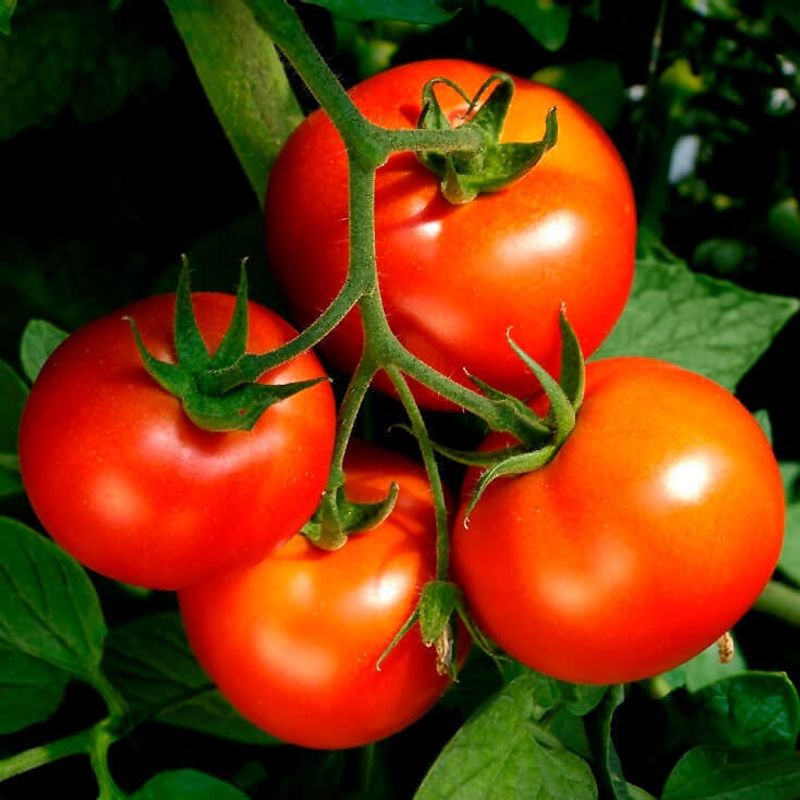
Celebrity has been one of America’s most popular backyard tomato varieties for decades, and its reputation is completely well-earned. It is a semi-determinate hybrid that produces medium to large red slicing tomatoes in about 70 days from transplanting.
While it is not the earliest option on this list, it still fits comfortably within Michigan’s growing season when you start transplants on time and get them in the ground after your last frost date.
What makes Celebrity worth growing in Michigan is its incredible disease resistance package. It resists Verticillium wilt, Fusarium wilt, nematodes, and tobacco mosaic virus, which means it stays healthier through the season than many other varieties.
Healthy plants produce more fruit, and more fruit means a better harvest before cool fall weather slows things down across the state.
Celebrity plants are manageable in size and do not require the intense staking that a full indeterminate vine demands. A standard tomato cage handles them just fine.
The tomatoes are firm, flavorful, and versatile enough to use fresh, grilled, or cooked into sauces. Michigan gardeners who want a reliable, no-drama main-season tomato that delivers a satisfying harvest year after year will find Celebrity a genuinely trustworthy choice.
Start seeds indoors in late March, harden off carefully, and plant out in late May for the best possible results in your Michigan garden.
12. Roma VF (Solanum lycopersicum ‘Roma VF’)
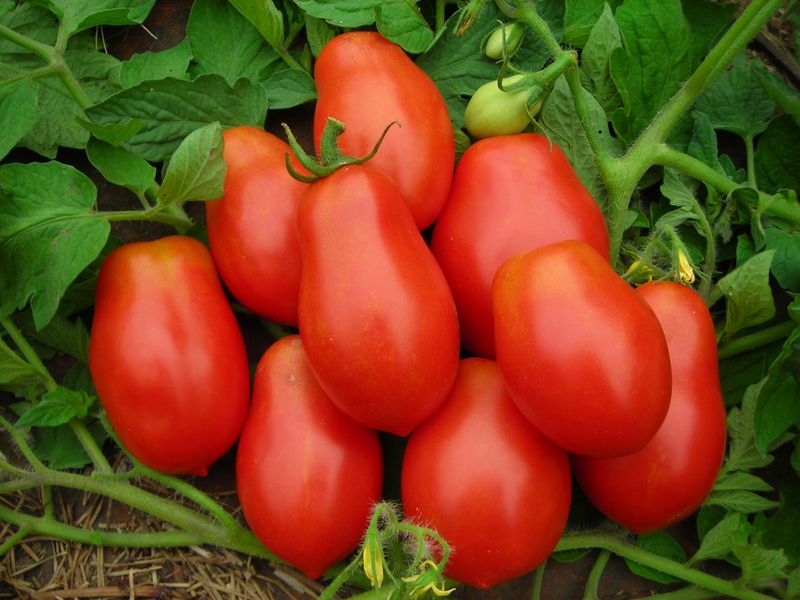
Roma VF is the go-to paste tomato for Michigan home gardeners who love making sauce, salsa, or canned tomatoes at the end of summer.
The “VF” in the name stands for Verticillium and Fusarium wilt resistance, two soil-borne diseases that can seriously damage tomato plants in Michigan’s variable growing conditions.
That built-in resistance makes Roma VF far more dependable than non-resistant paste varieties.
As a determinate variety, Roma VF produces all of its fruit within a concentrated period, usually around 75 to 78 days from transplanting. That concentrated harvest is a major advantage for anyone doing large-scale preserving.
When your Roma plants hit peak ripeness, you can pick a huge batch of meaty, low-moisture plum tomatoes all at once and spend a weekend making sauce that will last you all winter long.
Roma VF plants are compact and sturdy, making them easy to manage even in smaller Michigan gardens and raised beds. They do not need heavy staking, though a simple cage keeps things tidy.
Full sun and consistent watering are essential for good fruit development. The flavor is milder and less acidic than a fresh slicer, which is exactly what you want when cooking down tomatoes into a thick, rich sauce.
Start seeds indoors six to eight weeks before your last frost date, and plan your canning supplies early because a good Roma harvest in Michigan is truly worth celebrating.