8 Companion Herbs That Support Stronger Growth In Georgia
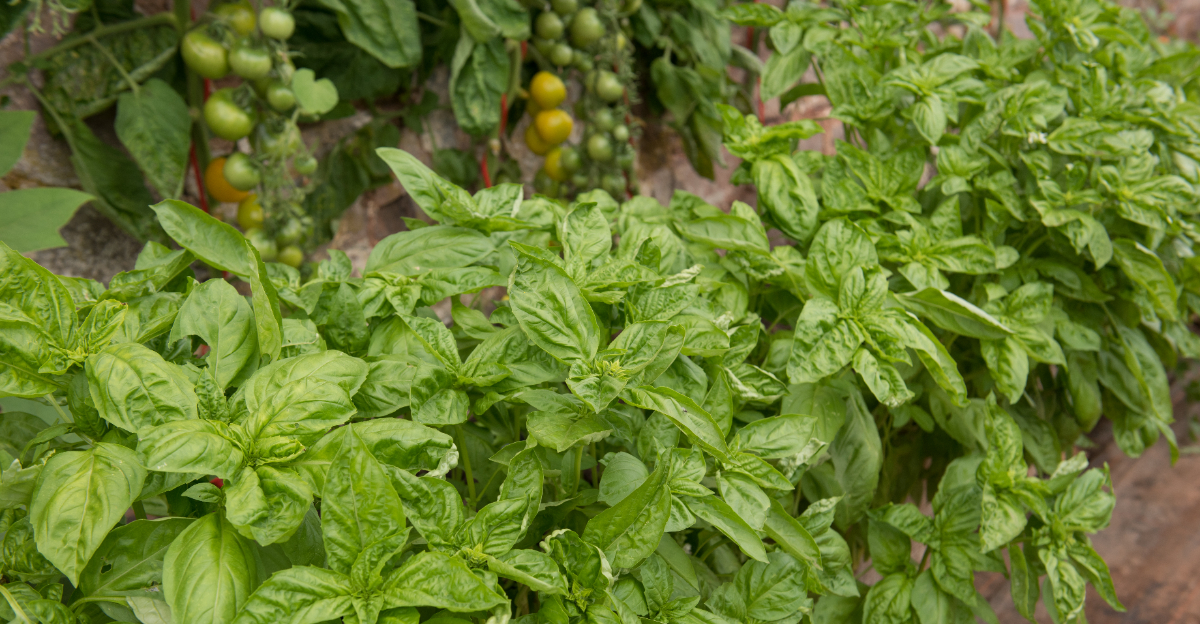
Herbs in Georgia gardens do not always perform the same, even when they sit in the same bed with the same care. One plant stays full and strong, while another slows down or loses its shape, and that difference often comes down to what grows nearby.
Space alone does not decide how well herbs do. Some combinations support steady growth and help plants stay healthier, while others compete in ways that limit how much they can produce over time.
That balance becomes more noticeable as the season moves forward and conditions become more demanding. Beds that work well together stay fuller and more consistent without extra effort.
Choosing the right herbs to grow side by side can turn a basic planting into something far more reliable and productive throughout the season.
1. Basil Helps Repel Pests And Support Nearby Vegetables
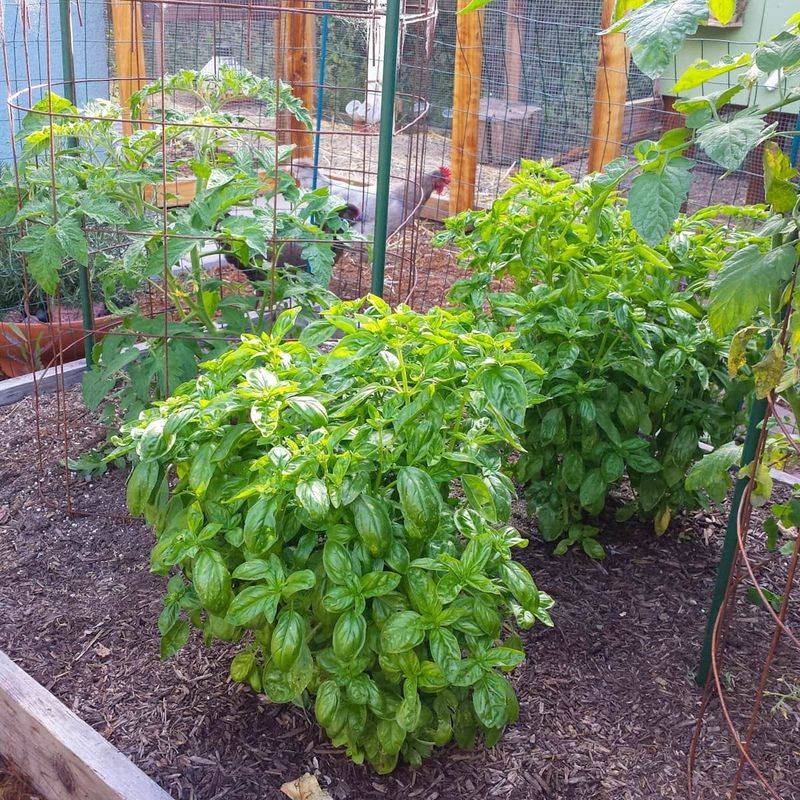
Basil might be small, but its impact on a Georgia vegetable garden is hard to ignore. Planted close to tomatoes and peppers, basil can help reduce pressure from pests like aphids, whiteflies, and tomato hornworms.
It won’t solve every pest problem, but many gardeners across Georgia notice fewer issues when basil is nearby.
Basil releases aromatic oils through its leaves, and those scents appear to confuse or discourage certain insects from settling in. Hot Georgia summers actually help intensify those oils, which could make basil even more effective during peak growing months.
Keep basil well-watered during dry spells, since stressed plants lose some of that aromatic punch.
Plant basil about 12 inches from tomatoes so both plants have enough airflow. Georgia’s humidity can encourage fungal problems when plants are crowded too close together.
Pinching basil flowers regularly keeps the plant producing fresh, oil-rich leaves longer into the season.
Beyond pest support, basil attracts some pollinators when it does flower, which benefits the whole garden. Varieties like Genovese or Italian Large Leaf tend to perform well in Georgia’s heat.
Starting basil from transplants rather than seed gives you a head start before the hottest weeks arrive.
It also pairs well in the kitchen, making it one of the most useful plants to keep close to summer crops.
With just a little care, basil pulls double duty by supporting plant health and adding fresh flavor all season.
2. Dill Attracts Beneficial Insects That Protect Crops
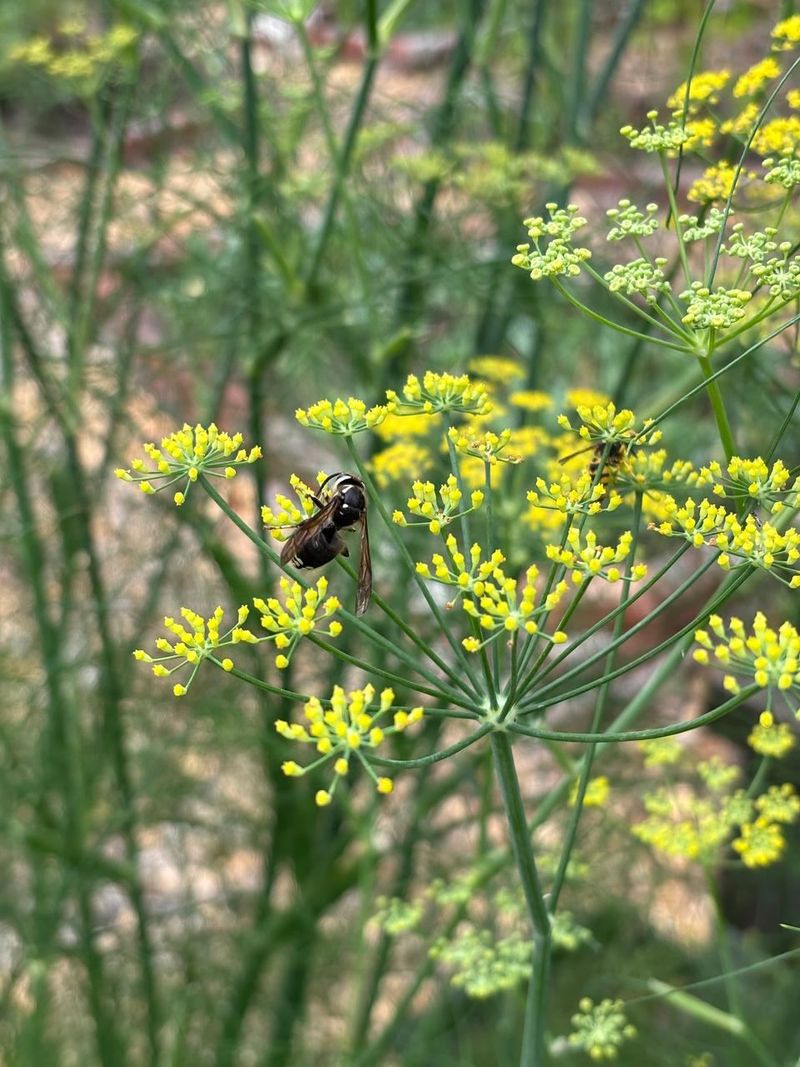
Dill is one of those herbs that pulls double duty in a Georgia garden. Its feathery yellow flower clusters attract beneficial insects like parasitic wasps and ladybugs, which naturally target aphids and caterpillars that damage vegetables.
Getting those helpful insects into your garden without spraying anything is a genuine advantage.
Timing matters with dill in Georgia. Planting it in early spring gives it time to establish before the heat peaks.
Dill tends to bolt — meaning it rushes to flower and seed — faster in hot weather, but that flowering stage is actually when it becomes most useful for attracting beneficial insects.
Pair dill with cabbage, lettuce, or broccoli. Avoid planting it directly beside carrots, though, since the two can interfere with each other when growing close together.
Your Georgia Garden Changes Every Week. Your Plan Should Too.
Gardening in Georgia changes quickly throughout the season. Every Friday you’ll receive a simple weekly plan showing exactly what to plant, prune, fertilize, harvest, and protect so you never miss the right timing.
Spacing dill a few feet away from carrots keeps both plants happy without losing the benefits dill provides elsewhere in the garden.
One practical note: dill self-seeds freely, so expect volunteer plants popping up in unexpected spots the following season. In Georgia’s climate, those volunteers often sprout in early spring on their own.
Rather than pulling every one, let a few grow where they land — they’ll continue doing their job without any extra effort on your part.
It’s an easy way to keep beneficial insects coming back without replanting every year. With minimal effort, dill helps create a more balanced, low-maintenance garden setup.
3. Chives Deter Aphids And Improve Plant Health Nearby
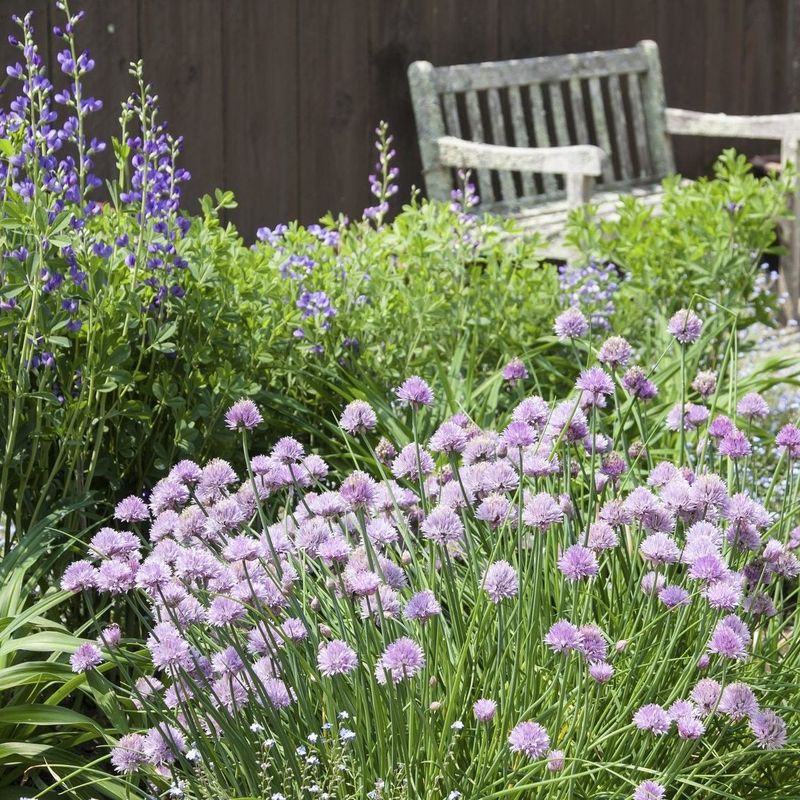
Aphids can overwhelm a vegetable garden fast, especially during Georgia’s warm spring months when populations build up quickly. Chives are a practical tool against them — the sulfur compounds in chive leaves and roots appear to discourage aphids from settling on nearby plants.
Results vary depending on aphid pressure and garden conditions, but chives are worth including for the added protection they may provide.
Carrots and chives have a long-standing reputation as good neighbors. Chives may help reduce carrot fly activity, and the two plants don’t compete heavily for space or nutrients.
Lettuce also benefits from nearby chives, which can help keep aphid populations from getting out of hand on those tender leaves.
Chives are relatively unfussy in Georgia soil and handle the region’s spring temperature swings reasonably well. They prefer full sun but can manage with some afternoon shade during the hottest stretches of summer.
Regular harvesting encourages fresh growth and keeps plants from getting too woody.
When chives bloom in spring, those purple flowers attract bees and other pollinators, adding another layer of benefit to the garden. Don’t deadhead every flower — let some stay open long enough to do their pollination work.
After flowering, cut plants back by about half to encourage a fresh round of tender growth before summer heat fully sets in.
4. Cilantro Draws Beneficial Insects Early In The Season
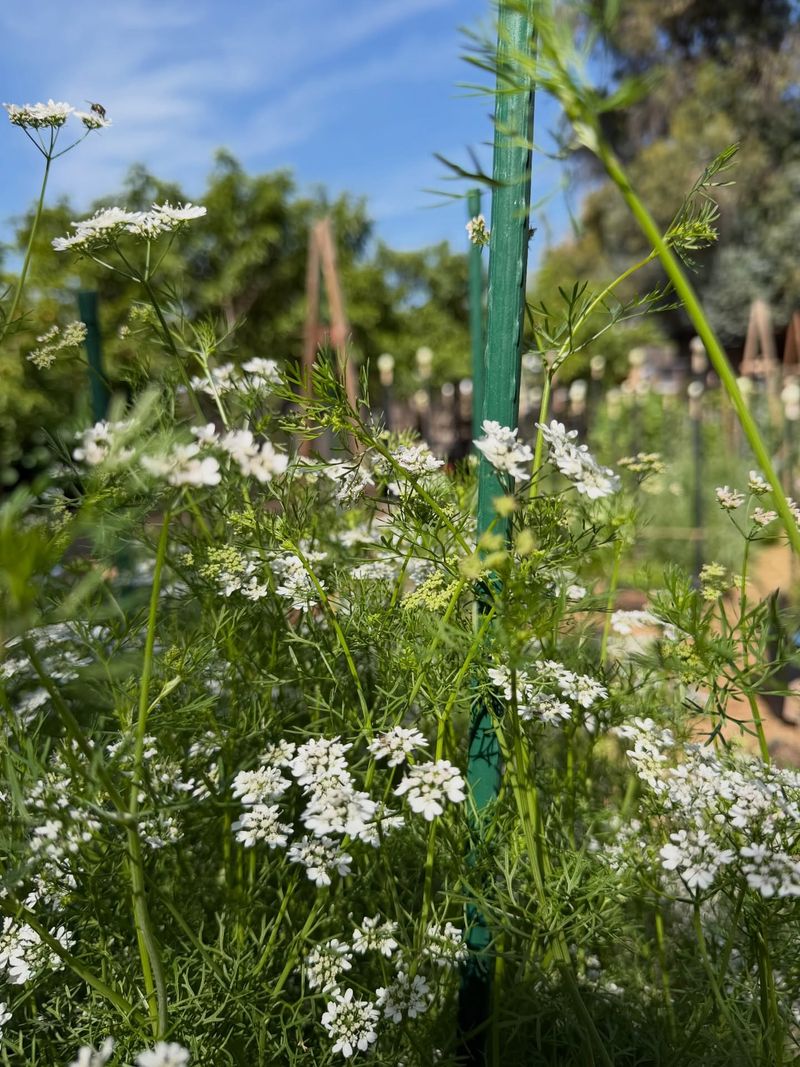
Cilantro has a short window before it bolts, and in Georgia that window opens early. Planting cilantro in late winter or early spring takes advantage of cooler temperatures before summer heat pushes it to flower.
That flowering stage — which many gardeners try to prevent — is actually the most valuable phase for companion planting purposes.
Once cilantro flowers, its tiny white blooms attract a wide range of beneficial insects, including parasitic wasps, hoverflies, and lacewings. All three prey on common garden pests like aphids, caterpillars, and thrips.
Letting a few cilantro plants bolt intentionally brings those insects into the garden right when spring crops need protection most.
Pair cilantro with brassicas like broccoli, kale, or cabbage during early spring planting in Georgia. Spinach and lettuce also benefit from the insect activity cilantro generates nearby.
Just avoid planting cilantro directly next to fennel, since the two plants tend to inhibit each other.
After cilantro goes to seed, the seeds — called coriander — can be collected or left to self-sow. Volunteer cilantro plants often appear in fall in Georgia, giving you a second round of growth when temperatures drop again.
Planning for that fall flush means you get two useful seasons from one herb without replanting from scratch.
It’s one of the easiest ways to support pest control early in the season without extra work. Letting a few plants run their course turns cilantro into a reliable helper instead of a short-lived crop.
5. Thyme Helps Suppress Pests As A Low-Growing Herb
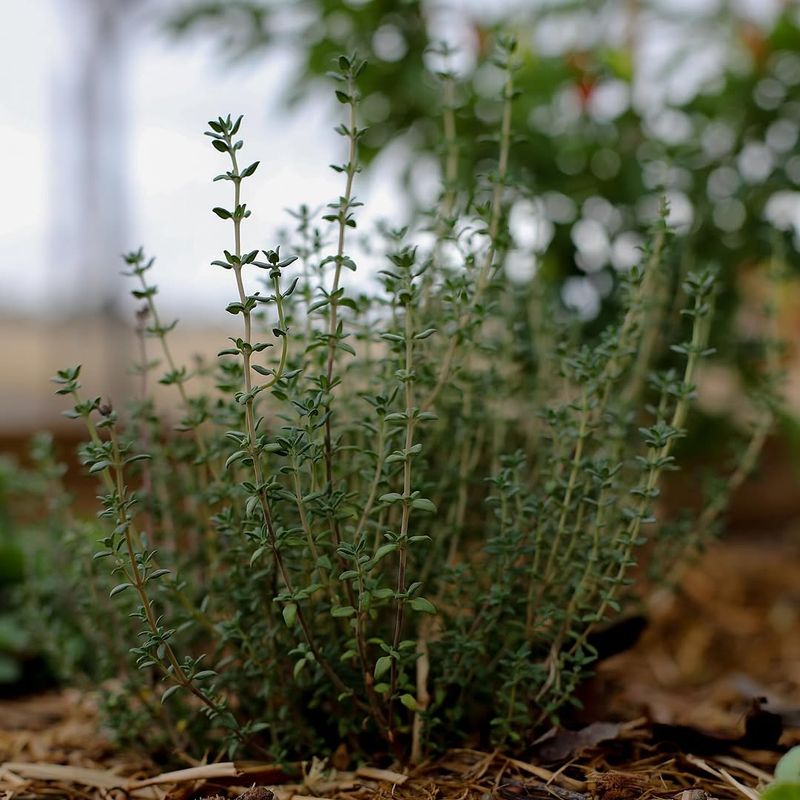
Thyme stays low to the ground, and that modest growth habit makes it easy to tuck between taller vegetable plants without blocking sunlight. In Georgia gardens, it works well along bed edges or between rows of brassicas like cabbage and broccoli, where its aromatic oils may help reduce activity from cabbage worms and other crawling pests.
The scent thyme releases is the key to its pest-suppressing reputation. Strong-smelling herbs can mask the scent cues that some insects use to locate host plants.
Thyme won’t stop every pest, but it can reduce the number that find your vegetables in the first place — which is a meaningful advantage during peak season.
Georgia summers test thyme’s limits. It handles heat reasonably well when planted in well-drained soil, but it struggles in spots that stay soggy after rain.
Raised beds or slightly elevated planting areas help thyme survive Georgia’s summer downpours without the roots sitting in standing water for too long.
Thyme also blooms in summer, and those small flowers attract bees reliably. Letting a few stems flower while keeping others trimmed gives you both pest deterrence and pollinator support at the same time.
Woody stems can be cut back in early fall to encourage fresh new growth before cooler weather arrives in north Georgia later in the season.
6. Oregano Attracts Pollinators And Beneficial Insects
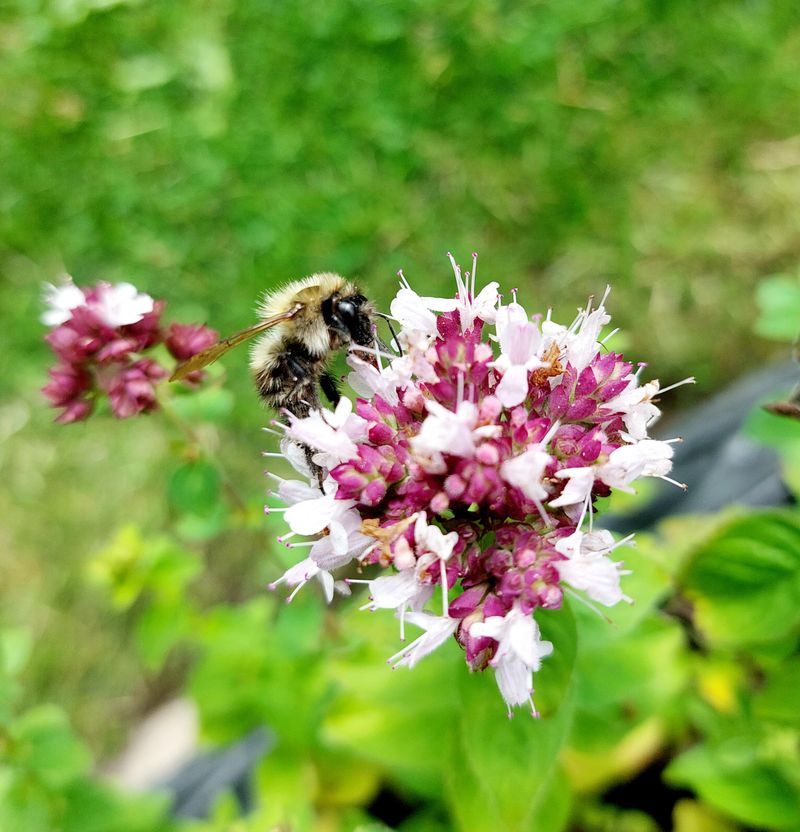
Oregano is one of the most overlooked companion herbs in Georgia gardens, which is a shame because it pulls in pollinators reliably once it hits full bloom.
Bees, butterflies, and beneficial wasps all visit oregano flowers, and having those insects active in the garden benefits every vegetable plant nearby — especially squash, cucumbers, and peppers that need consistent pollination to produce well.
Beyond attracting pollinators, oregano’s strong scent may help confuse or deter certain pest insects that rely on smell to locate host plants.
Planting oregano near the edges of vegetable beds creates a fragrant barrier that could reduce some pest pressure, though results depend on the specific pest and garden conditions.
Oregano handles Georgia heat better than many herbs. Full sun and well-drained soil are the two things it really needs to stay productive through summer.
In heavy clay soils common across parts of Georgia, adding some coarse sand or compost to the planting area improves drainage and keeps roots healthier during wet periods.
Trim oregano regularly to prevent it from getting leggy and sprawling across neighboring plants. Cutting it back by about one-third every few weeks keeps it compact and encourages fresh leaf growth.
Save the clippings — dried oregano from your own garden has noticeably better flavor than most store-bought versions, which is a nice bonus on top of everything it contributes to the garden.
7. Sage Helps Deter Cabbage Moths And Other Pests
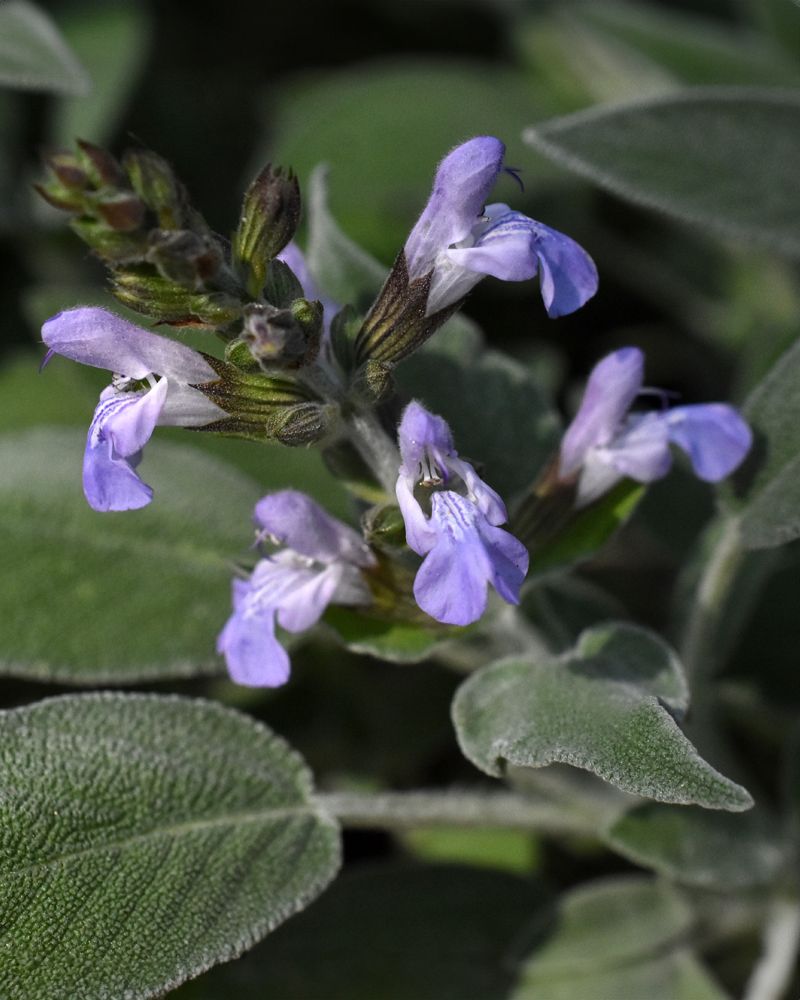
Cabbage moths are a real problem in Georgia gardens, and sage has a reputation for making life harder for them. The strong oils in sage leaves appear to interfere with the scent signals that cabbage moths use to find brassica plants.
Planting sage alongside cabbage, broccoli, and kale may reduce egg-laying activity, which means fewer caterpillars chewing through your crops.
Sage also seems to deter flea beetles, which can riddle young seedlings with tiny holes before they even get established. In Georgia, flea beetles are most active in spring and fall when temperatures are moderate — exactly when brassicas are being planted.
Having sage nearby during those windows could help protect vulnerable transplants.
Sage prefers full sun and excellent drainage. Georgia’s heavy rainfall can cause root problems in poorly drained spots, so raised beds or sloped planting areas work better for sage than flat, low-lying ground.
Sandy soils in south Georgia tend to suit sage well, while gardeners in clay-heavy areas may need to amend their soil before planting.
Unlike some herbs that fade in Georgia’s peak summer heat, sage is fairly resilient once it gets past the establishment phase. Cutting back woody stems in early spring encourages fresh growth each season.
Sage flowers in late spring and attract bees, so leaving some stems uncut until pollinators have finished visiting is worth the small trade-off in plant tidiness.
8. Rosemary Repels Certain Insects Around Garden Plants
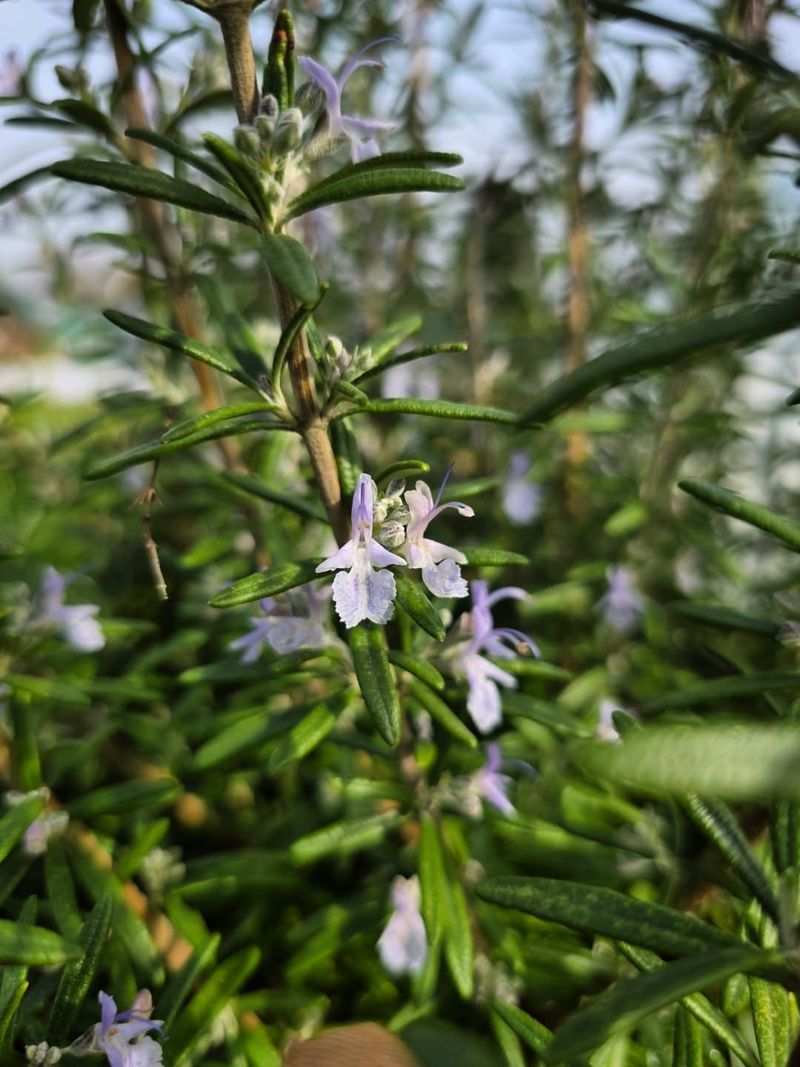
Rosemary has one of the strongest scents of any garden herb, and that intensity is exactly what makes it useful as a companion plant. Certain insects — including bean beetles and carrot flies — appear to avoid areas where rosemary is growing nearby.
Planting it along the edges of vegetable beds creates a fragrant zone that may reduce how many of those pests wander in.
Beans and rosemary pair well together in Georgia gardens. Rosemary’s scent may help discourage bean beetles, which can be a persistent issue during Georgia’s warm growing months.
Carrots planted near rosemary may also benefit from some reduction in carrot fly pressure, though keeping rosemary a foot or more away prevents any root competition.
Georgia’s climate suits rosemary reasonably well, especially in the southern part of the state where winters are mild. In north Georgia, hard freezes can damage rosemary if it’s planted in an exposed spot.
Planting near a south-facing wall or fence offers some protection during cold snaps and helps the plant survive winter without much intervention.
Rosemary grows into a sizeable shrub over time, so placement matters from the start. Choose a permanent spot where it won’t shade shorter vegetable plants as it expands.
Trimming it back after flowering keeps the shape manageable and encourages fresh growth. The clippings are useful in the kitchen, so nothing from pruning rosemary in a Georgia garden goes to waste.