7 Simple Steps To Keep Coleus Colorful Indoors In Arizona
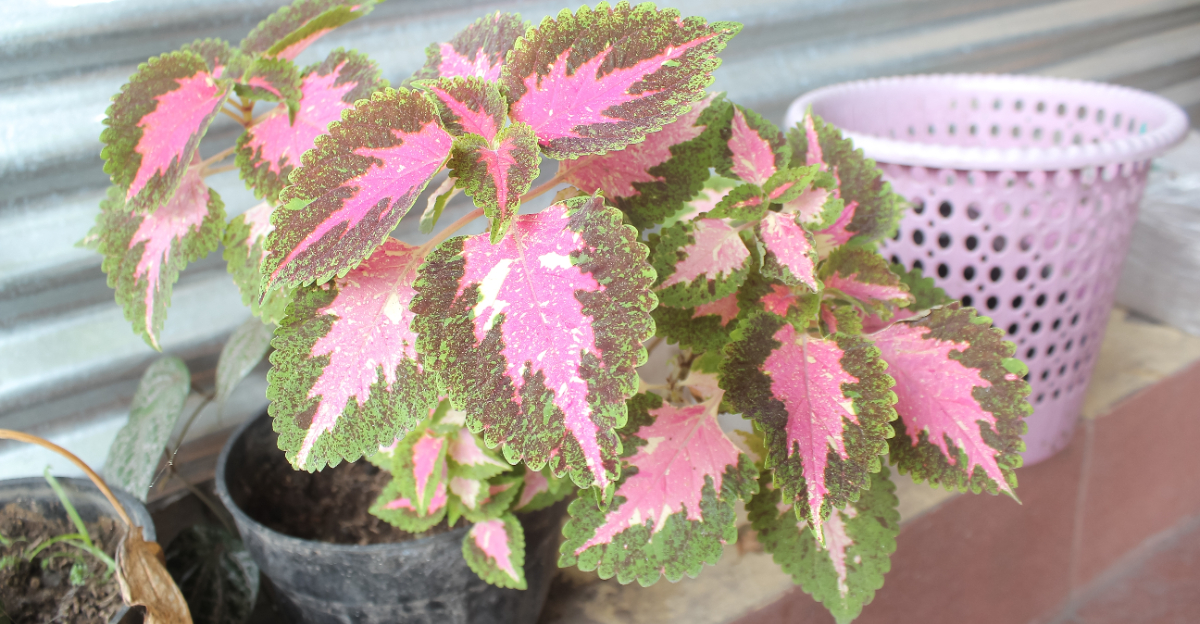
Coleus can look incredible indoors at first, with rich color and sharp patterns that stand out right away.
Then something shifts, and those same leaves start to look dull, washed out, or uneven without any clear reason. It catches attention because nothing obvious seems wrong, yet the plant no longer has that same impact.
Arizona homes bring a different kind of challenge, even for indoor plants. Light can be intense in some spots and too low in others, while dry air quietly affects how foliage holds its color over time.
Small details in care often shape how long coleus keeps that bold look.
With a few adjustments in the right places, it is possible to keep that color strong and consistent instead of watching it slowly fade.
1. Place It In Bright Indirect Light To Maintain Strong Color
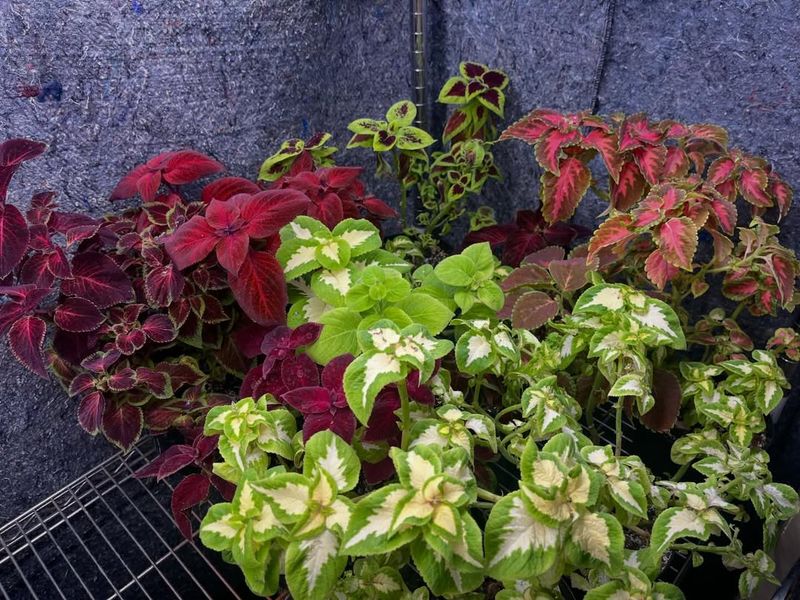
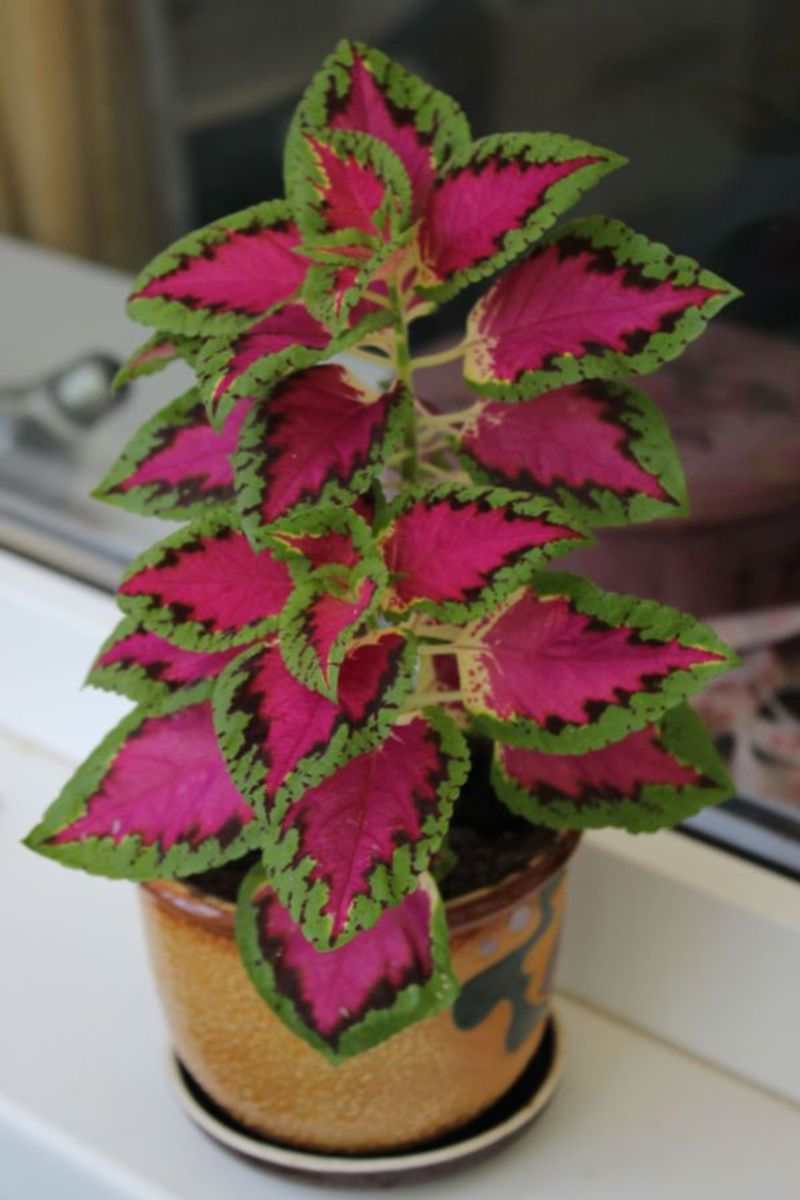
Color is everything with coleus, and light is what drives it. Without enough brightness, the leaves fade toward dull greens and muddy purples that look nothing like what you brought home from the nursery.
In Arizona, east-facing windows are usually your best bet. Morning light coming through that direction is softer and less punishing than what hits west or south windows by midday.
A north-facing window can work too, especially in summer when the sun angle is high and light bounces around more freely indoors.
Sheer curtains are a solid tool here. They filter the light without blocking it completely, so your coleus gets the brightness it needs without the intensity that causes stress.
Pull the plant back from the glass by about a foot or two if you notice the edges of leaves starting to look washed out.
Grow lights are worth considering if your Arizona home does not have ideal window placement. A basic full-spectrum LED positioned about 12 inches above the plant for 12 to 14 hours a day can keep colors rich even in interior rooms.
Rotate the pot every week or so to make sure all sides of the plant get even exposure.
2. Keep It Away From Direct Sun To Prevent Leaf Fading
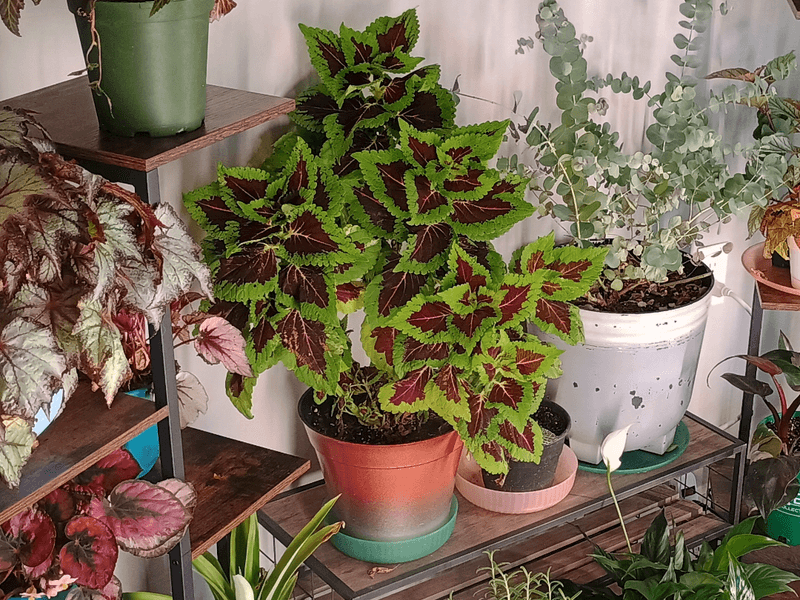
Arizona sun is not like sun anywhere else. Even filtered through glass, that intense afternoon light in Phoenix or Tucson can bleach coleus leaves within a week or two, turning vivid reds and purples into pale, washed-out versions of themselves.
South and west-facing windows are the ones to watch. During summer months especially, the heat and light intensity coming through those exposures can overwhelm a coleus fast.
If your only available spots face those directions, move the plant back from the glass or use a heavier curtain to knock down the intensity during peak hours.
Watch the leaves closely for early warning signs. Fading along the center of the leaf, a bleached-out look near the edges, or leaves that feel papery and dry are all signs the plant is getting more direct light than it can handle.
Catching this early makes recovery much more likely.
Coleus grown in lower light sometimes shows better color saturation than those pushed into too much brightness. It sounds counterintuitive, but the pigments in coleus leaves actually develop more richly when the plant is not fighting off excessive light exposure.
Your Arizona Garden Changes Every Week. Your Plan Should Too.
Gardening in Arizona changes quickly throughout the season. Every Friday you’ll receive a simple weekly plan showing exactly what to plant, prune, fertilize, harvest, and protect so you never miss the right timing.
Finding that balance between enough brightness and too much intensity is really the core skill when growing coleus indoors in Arizona.
3. Water Regularly But Avoid Letting Soil Stay Soggy
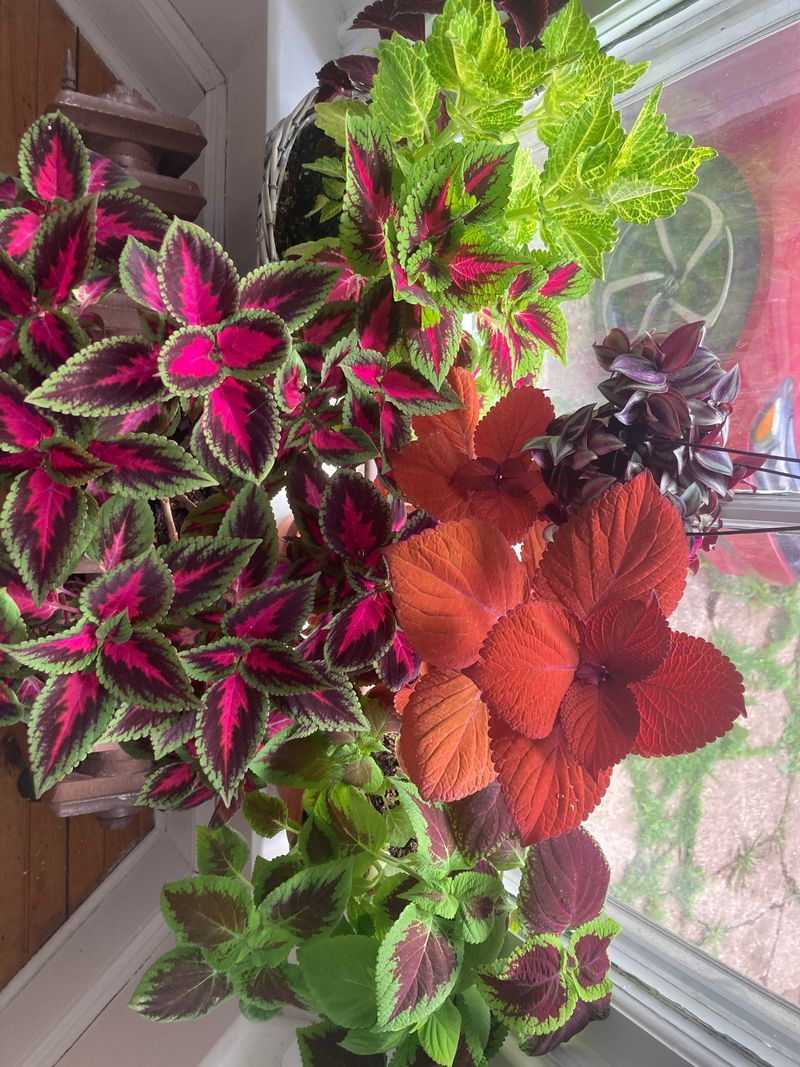
Coleus roots do not tolerate sitting in wet soil for long. Root problems develop quietly and quickly, and by the time leaves start drooping or turning mushy at the base, the damage is already significant.
In Arizona’s dry indoor environment, you might assume the plant needs water constantly. That instinct is partially right, but the real goal is consistent moisture rather than constant moisture.
Stick a finger about an inch into the soil. If it feels dry at that depth, water thoroughly until it drains from the bottom.
If it still feels damp, wait another day and check again.
Pot choice matters more than most people realize. Terracotta pots dry out faster than plastic or ceramic, which can actually work in your favor in Arizona’s climate.
The faster evaporation rate reduces the risk of soggy conditions that lead to root issues. Just know that terracotta may require more frequent watering during the hottest months.
Always empty the saucer under the pot after watering. Water pooling in the saucer keeps the bottom of the soil wet longer than it should be.
Good drainage holes are non-negotiable. If water is not flowing freely out of the bottom when you water, the soil mix may be too dense and worth replacing with something lighter that allows better movement.
4. Maintain Moderate Indoor Humidity To Prevent Leaf Stress
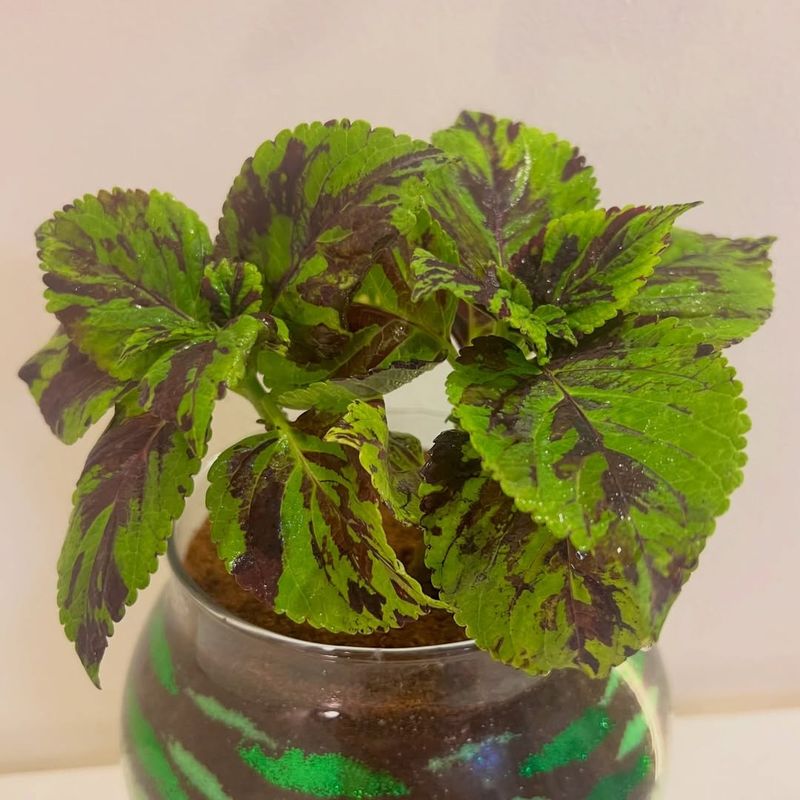
Arizona air is brutally dry, and coleus did not evolve for desert conditions. Indoors, that low humidity gets even more concentrated when air conditioning runs constantly through the summer, stripping moisture from the air at a steady rate.
Coleus prefers humidity somewhere between 40 and 60 percent. Most Arizona homes run well below that, especially in rooms with heavy AC use.
Leaves start showing stress in dry air through crispy edges, curling tips, or a generally dull appearance even when the plant is otherwise healthy.
A pebble tray is one of the easiest fixes. Fill a shallow tray with small stones, add water just below the top of the stones, and set the pot on top.
As the water evaporates, it raises humidity right around the plant without getting the roots wet. Refill the tray every few days since it evaporates quickly in Arizona heat.
Grouping plants together also helps. Plants naturally release moisture through their leaves, and clustering a few pots near each other creates a slightly more humid microclimate.
A small room humidifier near your coleus is worth the investment if you are serious about keeping the leaves looking their best. Avoid misting directly onto the leaves too frequently, since standing water on foliage in a warm indoor space can encourage fungal issues.
5. Pinch Back Growth To Keep The Plant Full And Vibrant
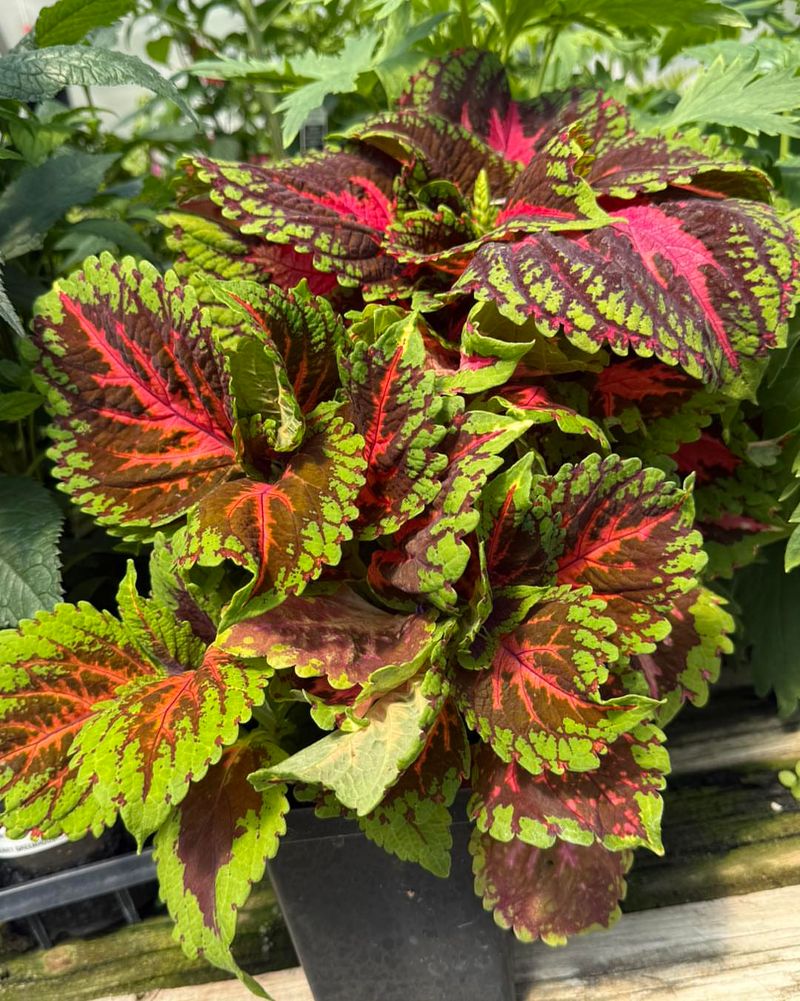
Left alone, coleus tends to get leggy. Stems stretch upward, leaves space out, and the plant loses that lush, full look that made it worth buying in the first place.
Regular pinching is what keeps it looking like a real showpiece.
Pinching is simple. Use your fingers or small scissors to remove the top set of leaves at the tip of each stem.
Doing this encourages the plant to branch out from lower nodes instead of continuing to grow straight up. Within a week or two, you will see two new shoots forming where one stem used to be.
Flower spikes need to go as soon as they appear. When coleus starts to bloom, energy shifts away from foliage.
The leaves can become smaller and less vibrant during flowering, and the plant sometimes declines in overall appearance. Pinching off those flower spikes before they fully develop keeps the plant focused on producing the colorful leaves you actually want.
Plan to pinch every two to three weeks during active growth periods, which in Arizona’s warm indoor environment can stretch across a good portion of the year. Coleus does not really go fully dormant indoors here the way it might in colder climates.
That means more consistent maintenance but also more consistent color.
6. Feed Lightly During Active Growth To Support Color
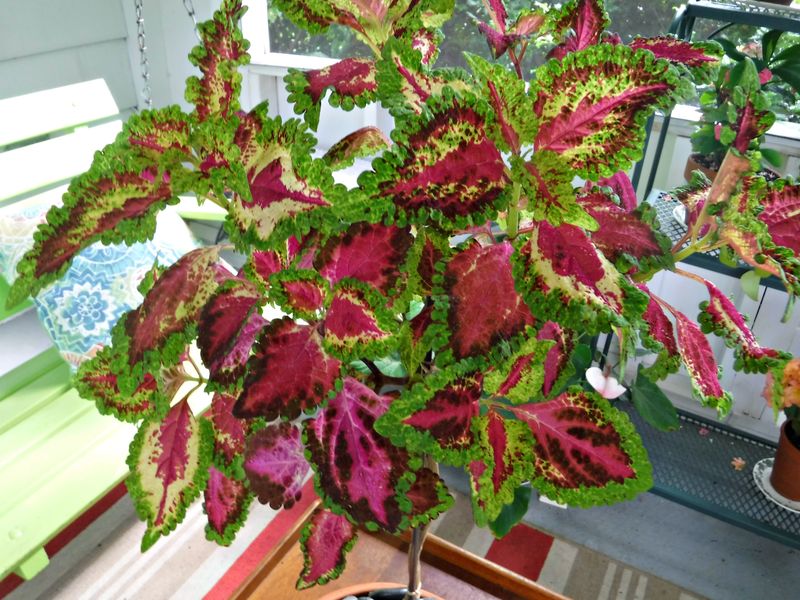
Fertilizer is one of those things where more is definitely not better with coleus. Overfeeding pushes rapid green growth and actually dulls the color, which is the opposite of what you are going for.
During active growth, a balanced water-soluble fertilizer diluted to half strength works well. Apply it every three to four weeks rather than on a more aggressive schedule.
In Arizona, active growth can happen through much of spring, summer, and even into early fall since indoor temperatures stay warm and consistent year-round in most homes.
Nitrogen is important for general plant health, but too much of it encourages leafy green growth at the expense of the vivid pigmentation coleus is known for. A fertilizer with a moderate middle number for phosphorus can help support the overall health and color intensity of the foliage without pushing excessive green growth.
Skip feeding altogether during the cooler months if your plant slows down noticeably. Feeding a slow plant just pushes weak, pale growth that does not contribute much.
Watch how quickly the plant is producing new leaves as your guide. Fast new growth signals the plant is ready to use nutrients.
Slow or stalled growth means it is better to hold off and wait.
7. Keep It Away From Dry Air Vents And Heat Sources
AC vents in Arizona homes run hard, and they blast dry, cold air constantly during summer. Positioning a coleus directly in that airflow is one of the fastest ways to stress the plant without realizing what is causing the problem.
Dry moving air pulls moisture out of leaves faster than the roots can replace it. You end up with crispy leaf edges, curling tips, and rapid color decline even when you are watering on a regular schedule.
The issue is not the water you are giving, it is the water the air is stealing.
Heating vents in winter create a different but equally problematic situation. Hot dry air from a floor vent can scorch lower leaves and create uneven drying in the soil.
Roots near the bottom of the pot may dry out much faster than those higher up, leading to inconsistent moisture levels that stress the plant.
Survey your space before deciding where to put your coleus. Walk through the room when the AC or heat kicks on and feel where the airflow is strongest.
Keep the plant at least three to four feet away from any active vent. Windowsills near sliding glass doors can also be problematic in Arizona since temperature swings near the glass are more extreme than in the middle of a room.